westparty

The Best Holistic Pot Party on the West Coast

The full Immersion pot party.

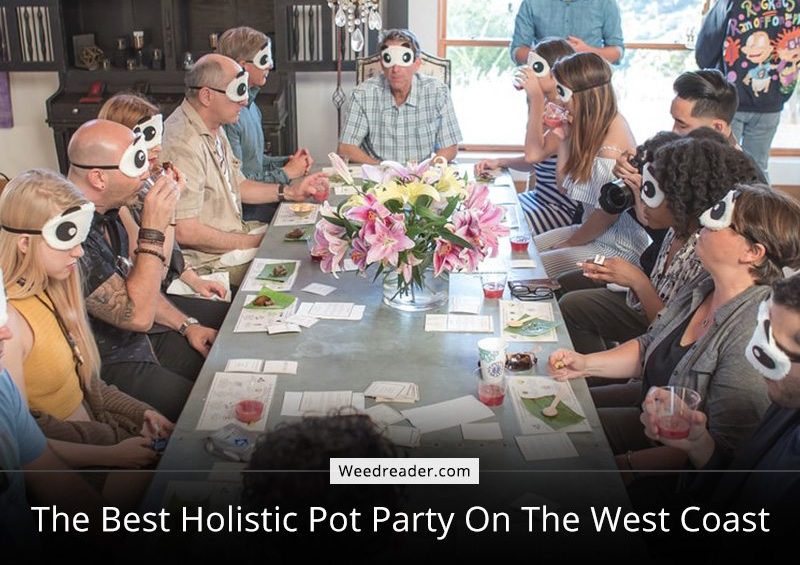
The full Immersion is a relaxing California pot party. It all started with 3 women: Katie Partlow of Little Face Events, Anya Matusevich and Sasha Perelman of Higher Beauty. Their focus is to provide guests with cannabis specific events that highlights the 5 human senses.
Some of Immersion’s events include blindfolding guests during dinner time, dipping into sound baths and inhaling essential oils. “I went to a few other cannabis events before, where it’s just really loud music, or the main activity is a bong-ripping contest. It feels awkward.”

Immersion vs. The Fyre Festival.

Immersion is something different, it’s a special event because its more than just a lame pot party. The Fyre Festival was a type of pot party that felt cheesy. The guests were promised a DJ, but instead they got to listen to someone’s MP3 playlist. The hosts of the Fyre Festival handed out free joints, but the large amounts of fruit flies ruined the session. Guests couldn’t leave the event when they wanted to because congestion blocked traffic.
Immersion is a cannabis party that is better organized and provides a clean and comfortable setting for guests. Immersion is a party where they serve weed. They provide activities where people dance, socialize, watch a simple sports game in the sun, etc. There is no random loud music and crowds of strangers running into each other.

Immersion is the next level of classy pot parties.

The Immersion crew wanted to create an experience that is not otherwise possible at a bar. Like having dinner blindfolded. It may seem strange but clients say the experience is enlightening. All private conversations cease once 75 people have blindfolds on. Blindfolding guests just for dinner time creates a comfortably intimate atmosphere.
The atmosphere at Immersion wasn’t about having tables filled with only popular strains of weed. “When people focus too much on the weed brands it feels off. People ask almost like, is this a trade show? I don’t like too heavy branding at all,” Partlow said. Smoking weed can ruin the normal flow of conversation, so the hosts of Immersion try to limit the amount of conversations during weed-themed events.

Partlow has experience hosting cannabis themed parties.

Partlow is not a novice when it comes to throwing a classy pot party. Partlow hosted an event in 2016 called Comedy, Cake & Cannabis. Inside there was an exhibit of frosting and fondant-twisted art. All while Los Angeles comics, Kate Berlant and Brandon Wardell, where making guest laugh hysterically.
Other parties Partlow hosted have similar themes, like the CannaMiss Marquez party. At that event burlesque dancers where wearing weed shaped green feathers. The dancers stripped down to tasseled green pasties while smoking a joint. Partlow said, “I want to do something at the next level, just getting people up and moving and not just sitting and high. You can stay home for that, you know?”


townwee

5 Ghost Towns Saved by Weed

5 Ghost Towns that were saved and revitalized by weed.

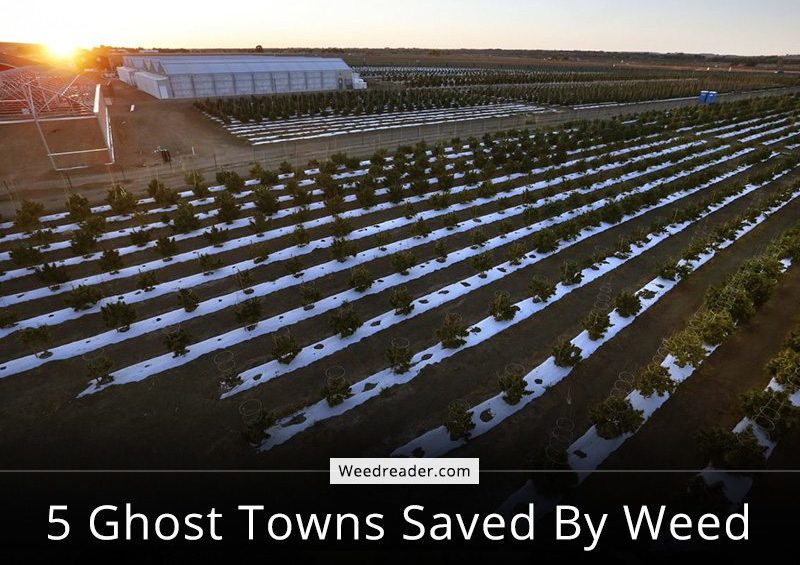
The marijuana industry brought in about $4 billion in sales in 2016. Many companies and communities are benefiting from the economic boom. Even America’s ghost towns are seeing a big boost in funds brought in by legalized weed. Here are 5 ghost towns that seem to be doing the best.

1 Sedgwick, Colorado

This ghost town of 150 residents has been struggling economically since the early 2000’s. When Sedgwick legalized weed in 2012, people started to travel to Sedgwick from nearby regions. And now, buildings that were falling down are starting to be renovated. New street signs and equipment are being installed. They even opened a 420 friendly bed and breakfast where there used to be a former bank.

2 Adelanto, California

Adelanto was a broken town. About 40% of the population lived in poverty, and nobody stayed in town for long. In 2014, the town was in debt by $2.4 million. But when weed became legalized, a huge industrial marijuana farm opened. The new weed farm brought in millions of dollars in tax revenue into the town. And in turn it created more grow facilities, more work for people without college degrees, and new housing.

3 Pueblo County, Colorado

Pueblo County has a population of 161,000 and they’ve been struggling ever since their steel industry collapsed. The local employment rate was at 7.2%, the highest unemployment in Colorado. However, ever since weed became legalized, people have started moving back and getting busy.
When the first dispensaries opened in 2014, there was nothing. Soon cultivation facilities, product manufacturers and over 100 retailers moved in and created 1,300 jobs. Pueblo County is now generating over $4 million in annual tax revenue. This income funds their 4H and Future Farmers of America clubs. The funds are also put toward medical marijuana research at Colorado State University Pueblo and  even established a scholarship program. The new scholarship sends high school graduates to college and it will become available fall of 2017.

4 Huntington, Oregon

Huntington is a dusty little boarder town in Oregon with a tiny population of 435. Huntington’s struggles began when their cement factory moved away. As a result, residents started looking for employment elsewhere.
Now there is plenty of employment in Huntington. Where there once was a dilapidated grocery store now stands a thriving dispensary. Huntington brought in $100,000 in weed taxes this year. The city hopes to put the money toward repairing streets and hiring full time medical emergency support.

5 Trinidad, Colorado

Trinidad is a former mining town with a population of 8,200. The streets were filled with empty stores, and their ancient water pipes were over a century old. Since the legalization, Trinidad is no longer the little abyss of nothingness.
In 2015, the cities tax income from recreational and medicinal sales was $850,000. They began using those funds to repair buildings and old water pipes. Trinidad officials also purchased a new fire engine. By 2016, Trinidad more than doubled their cannabis tax revenue and they are continuing to thrive.
These 5 ghost towns have reversed course thanks to legalizing weed. All of these towns are continuing to thrive and raise themselves above the poverty line. Just imagine how pot revenue is affecting bigger cities and metropolitan areas.
 

flor

50lb Pot Party Busted

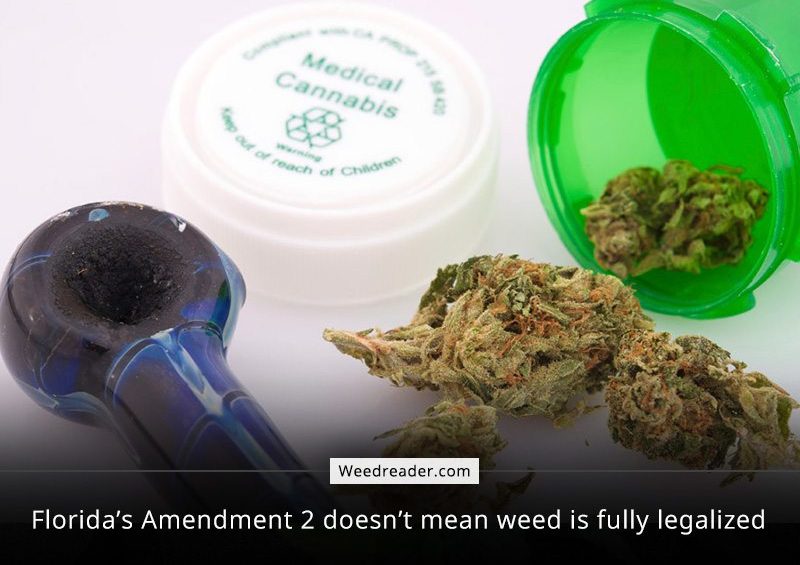
Florida’s Amendment 2 doesn’t mean weed is fully legalized.

The Florida Medical Marijuana Legalization Initiative, Amendment 2, was approved November 8, 2016. It is a bill that helps patients with ailments such as cancer, Parkinson’s Disease and other similar conditions obtain medical marijuana. Patients with a qualifying medical condition can now receive access to marijuana from a physician.
The passing of Amendment 2 is a big step toward fully legalizing marijuana in the sunshine state. Before now, there was no access to medical cannabis for patients. There simply wasn’t a framework in place to regulate and provide access to the market.
Many Miamians were thrilled when Amendment 2 passed, especially Leandro Arriage. He decided to host a kick-ass pot party in honor of Amendment 2. Too bad Arriage didn’t plan well for the event.

Kick-ass party gets busted.

Arriage hosted an open-air “medical marijuana” Amendment 2 celebration. He invited as many people as he could to his big house for the greatest stoner session in human history. Arriage had several tables filled with all types of weed. The table tops were covered in various types of weed, wax’s, weed infused cookies and candies. Sounds like a tasty fun time, but unfortunately, Arriage couldn’t control his crowd and that is what attracted the attention of neighbors and police.

How Arriage’s party got busted.

Arriage basically had an open invite to his party. He didn’t have enough parking for everyone or amenities for people to dispose of garbage’s and such. Nobody had an issue until it spilled into the streets. Party goers illegally parked vehicles and threw trash everywhere. As a result, one of the neighbors called the cops.

What the cops found.

When the cops showed up to Arriage’s house they found a lot of things wrong. First, the cops were taken back by the huge wall of smoke that escaped the front door. The cops also saw lots of people running out from the back door as they approached. The fleeing guests  are what drew the most suspicion.
After the cops realized what they had on their hands, they called the narcotics division. That’s when the cops discovered that Arriage’s lease has expired. So, he was throwing a party in a residence that was not even his.
After the police got the approval from the landlord to enter the facility, they found 51.1 lbs. of weed and other drugs on the tables. The cops also reported that they believe they saw people selling drugs at the party. Because, why not? This wasn’t just a weed party, it was a drug extravaganza.

What ended up happening.

Arriage’s party was hardcore busted. Police confiscated all the drugs, and arrested 32-year-old Arriage. Florida hasn’t fully legalized pot yet, someday soon perhaps but not today. Arriage claimed he was throwing a “pot party” in celebration of Amendment 2. But it didn’t excuse him from throwing a big ol’ drug party in a house that technically didn’t belong to him.

weed homed

Washington D.C.'s Sketchy Online Weed Market

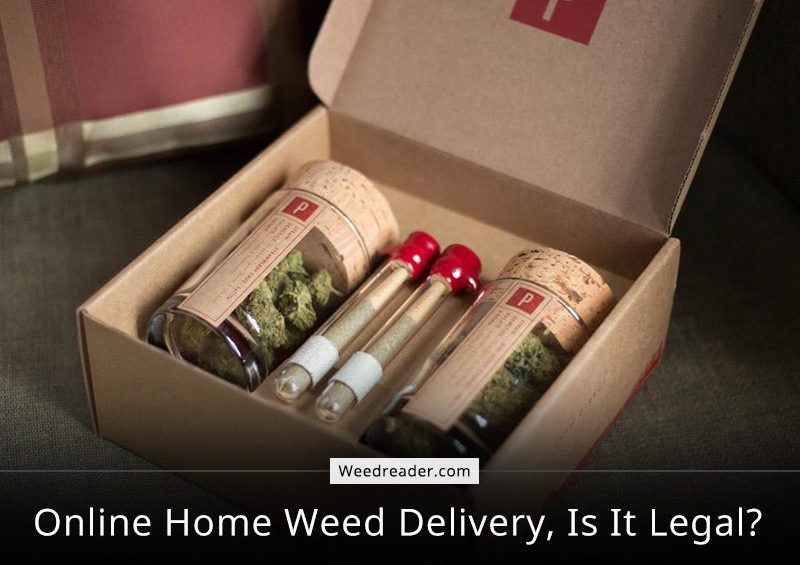
Want some expensive online weed delivered to your door?

In Washington, DC., online weed delivery is now a possibility. But is it legal? Ever since weed became legalized in Washington, a new gray market of marijuana products has risen. However, consumers have no local access to weed.
Therefore, entrepreneurs started business’s that cater to the mass demand for available marijuana. Weed related products such as cookies, juices, clothing, art and trades done in pot instead of cash are becoming popular.
The new supply and demand dynamic is customers wanting weed to be delivered to their door. A website called Leafedin.org is like a Craigslist for weed. Leafedin connects pot buyers and sellers. Chefs serve weed edibles at ticketed events and consumers purchase expensive shirts and receive free pot samples.
Many customers are making online purchases for everyday products. Why should weed be any different? Initiative 71 provided the loophole for consumers to purchase online products with access to weed.

The Initiative 71 ballot loophole.

Because of the Initiative 71 ballot, many business owners are taking advantage of the demand for weed to start a business. “It’s just an explosion of entrepreneurship,” said Adam Eidinger. He supported the Initiative 71 ballot, but is worried about the potential loophole.
Eidinger believes that the gray market movement is technically illegal. Even through many businesses are claiming they are “I-71” compliant, they don’t follow the spirit of the law.
Sure, initiative 71 ballot makes recreational weed legal. Adults over 21 can also possess up to 2 oz. of weed. Growers can even give away up to an ounce to adults 21 and over.None of that causes an issue.
The loophole that entrepreneurs are taking advantage of is the ability to sell useless products equal to the price of an 1/8th up to 2 oz. of weed. They then sell the items online and use it as a front for distribution.

Business’ are basically following the rules of I-71.

Business owners are gifting weed with the online purchase of a product instead of selling the weed directly. For example, a group of students from Gallaudet University were selling weed art online. They would then hand deliver the products with weed. Locktite Diesel is another online weed portal that sells artistic mountainscapes online with a warning not to operate heavy machinery. Then delivers the mountainscapes to the customer’s home with a “gift” of weed.

Why are customers buying weed online?

Washington, D.C. made the possession and consumption of weed legal. Consumers can also grow their own weed. Unfortunately, not everyone in D.C. has the facilities or enough space to grow their own cannabis. Also, setting up dispensaries is not an option. They are still banned, leaving consumers wondering where they’re going to get their product.
Not having access to a local dispensary gives consumers limited choices. Consumers who can’t go too far away from home have no choice but to buy weed online. Lt. Andrew Struhar of the narcotics division of D.C sums up the issue well. He said, “The lack of being able to regulate the sale has a lot of people looking for a gray area.”

nasc

NASCAR Driver Removed Cannabis Logo Day of Race

NASCAR discriminates against cannabis, but not alcohol or energy drinks.

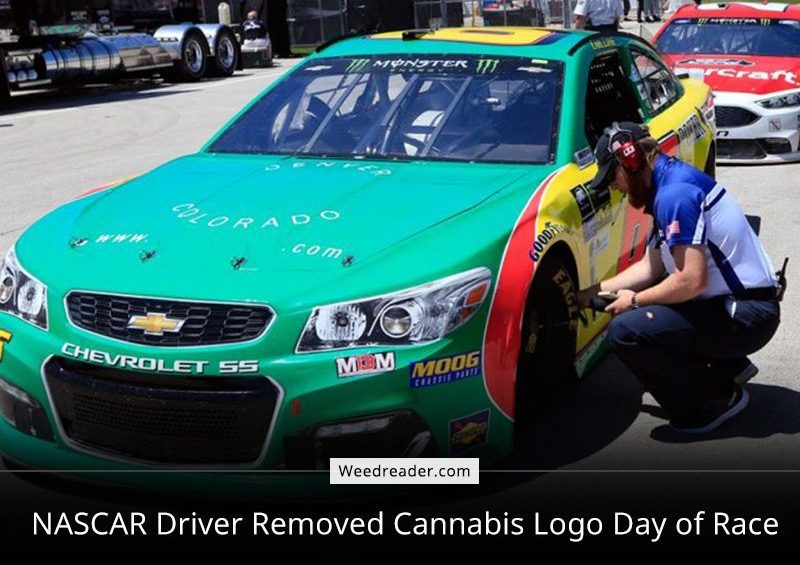
Carol Long is a NASCAR driver. VeedVerks is a Colorado hemp based vape company that agreed to become one of Carol Long’s sponsors in the Kansas Speedway. Carol Long has no problem with what type of sponsor he was getting. To him, any sponsor is appreciated.
The VeedVerks logo on Carol’s car had a green background with the VeedVerks company logo and website domain. There were no images of marijuana leaves, nudity, offensive language or gestures.
However, on the day of the race, a spokesperson from NASCAR demanded that Carol Long take off the logo from VeedVerks. Apparently, all cannabis related products are banned at NASCAR events. The reason for the ban? Cannabis companies do not comply with NASCAR standards. But the question remains, what are NASCAR’s standards exactly?

NASCAR supports other substances that cause more harm to individuals.

Many people are outraged by the request made to Carol to remove the VeedVerks logo. People are upset because the standards of NASCAR are supposed to uphold the rights of the people and not corporations. According to Miggy420, “People smoking cannabis is just as American as the illegal moonshiners that inspired the origins of NASCAR. As American as their sponsors Budweiser and Coors Light.”
Miggy420 argues that the monster drink companies along with alcohol companies cause more damage to Americans than marijuana does. Currently, there are no reported deaths as a direct result from the use marijuana. But the same cannot be said about energy drinks and alcohol.

Alcohol and energy drink statistics are shocking.

In a 2004 survey, 34 deaths have been linked to energy drinks. But in 2012, the FDA announced 40 illnesses and 5 deaths caused by Monster Energy drink. 13 illnesses and two permanent disabilities were caused by drinking Rockstar Energy. But they aren’t the only ones with issues.
The FDA’s latest report quantifies the consequences of consuming 5-Hour Energy, Monster and Rockstar. The consequences for drinking 5-Hour Energy are: deaths from heart attacks, miscarriage, convulsions, life-threatening fear, deafness and hemorrhages. For drinking Monsters the side effects are: hospitalizations from irregular heartbeats, severe diarrhea, psychotic disorders and heart attacks to name a few. The consequences for drinking Rockstar are basically the same: irregular heartbeats, psychotic disorders and unconsciousness.
Alcohol fairs no better for public health. There are approximately 88,000 deaths in America associated with alcohol. In 2015, it was reported that 15.1 million adults ages 18 years and older suffer from alcohol use disorder (AUD). And over half a million minors suffer from AUD. Also, more than 10 percent of U.S. children live with parents who struggle with alcohol abuse. According to Miggy420, the continuous war on weed is an unnecessary battle that is only encouraging an ignorant opinion about cannabis and furthering the use of other dangerous substances.

Carol Long takes blame and makes a public Facebook apology.

Carol Long made a public statement on Facebook by saying that it was his fault for not giving NASCAR enough information to properly research VeedVerks. Miggy420 does not buy into Carol’s statement. He says that Carol should have never been asked to remove the logo because NASCAR needs to stop hiding behind corporate America and stand up for what is right for the American people.


lasve

Smoking Weed on the Las Vegas Strip

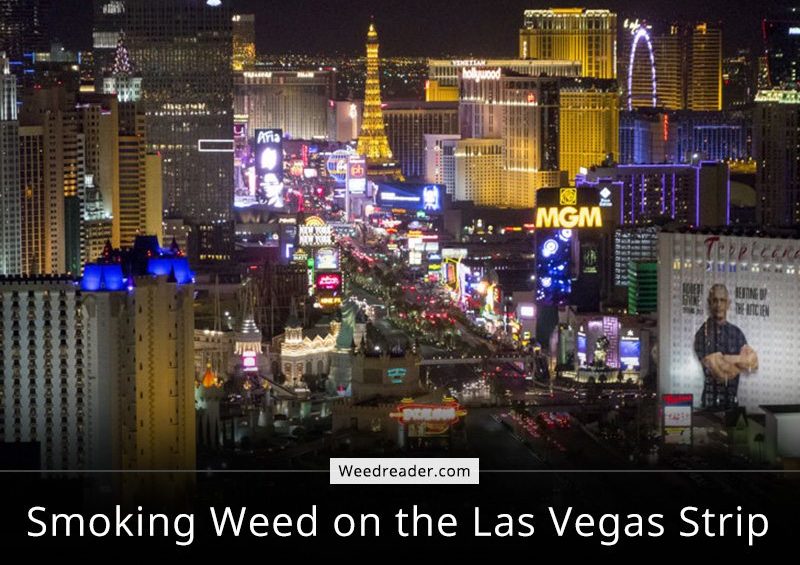
Smoking Weed on the Las Vegas Strip, will it ever be possible?

Nevada is a tourism-driven state, and many are wondering why smoking weed in Las Vegas is not an option. Marijuana is legal in Nevada, but the only place to consume it is at home. Nevada Senator Tick Segerblom says tourists deserve better, “We’re trying to get $70 million in tax revenue from them, so let’s give them some place to use it.”
So far, no states allow public consumption of marijuana. However, there are a few weed friendly hotels in Oregon, Washing and Colorado. Nevada does not want to continue going without a place for tourists to consume safely. Especially in a high foot traffic city like Las Vegas.

What is Las Vegas planning to provide stoners?

Nevada senators understand that hundreds of tourists will absolutely take cannabis back to their hotel rooms to smoke. They will also smoke in public on the strip right next to families. The goal is to create safe-zones for cannabis consumers without the risk of casinos getting shut down by government agents.
One idea Nevada senators have is to create marijuana lounges on the Las Vegas strip and in-between hotels and casinos. This will allow tourists to get high in a social setting, walk out to visit casinos and gamble. Then visit nearby shops and buy delicious munchies, followed by reserving a room to nap or sleep for the night.

The legal fear keeping casinos from setting up cannabis lounges.

The big scare is that weed is currently federally illegal, and classified as a schedule one drug. Leaving casino owners afraid of a big shut down. “It’s federally illegal and we can’t have it in our resorts,” says Andy Abboud, the vice president of government relations. Governor Jon Hickenlooper warned that allowing marijuana into casino resorts could draw the attention of drug enforcers upon the billion-dollar industry. However, most Nevada senators strongly believe that it is a risk worth taking.
Sen. Segerblom says that Las Vegas, NV has always been known for its legal vices and pleasure. Things that people do not condone but are still conducted within a couple miles of the casinos. Forty-six million tourists visit Nevada annually and a majority of them will be buying weed from dispensaries.
Nevada senators expect customers to take weed back to their hotel rooms to smoke. And expected to smoke on the street and on the Las Vegas strip. This will cause unnecessary headaches for law enforcement and the community. Therefore, why not create designated areas for people to smoke marijuana. And to relieve the unnecessary tension before people get hurt?

Marijuana bill will make Nevada first state to set up Marijuana Lounges.

The Nevada Senate has already approved the plan to create marijuana lounges. If Governor Brian Sandoval signs bill SB 236, that would make Nevada the first state to allow recreational cannabis clubs. The fear is that the government will still impose strict sanctions and release anti-weed attorney general Jeff Sessions to come knocking on their doors.

maripri

Synthetic Marijuana Popular in Prisons

Synthetic Marijuana is becoming a popular drug in U.S. prisons.

Synthetic marijuana has taken over the prison market for a few big reasons. First, it is easier to smuggle into prisons than most other drugs. Because synthetic marijuana doesn’t show up in tests, inmates find it easier to hide use.
The punishment for those who are caught with synthetic weed is also less severe than getting caught with other drugs. Synthetic weed isn’t all good though.Early results show that consuming synthetic marijuana may pose a health hazard but that hasn’t stopped inmates.
Synthetic Marijuana is easy to smuggle in prisons.
Tiny packs of synthetic marijuana that resemble tea-bags can be purchased under a variety of names. Many names don’t reflect that they are cannabis products. Names like Spice and K2 help inmates fly under the radar with potential contraband.
These little packs are shredded vegetable material coated with THC extracts which can easily be snuck to inmates. Soaking pieces of paper with THC is another popular method of sneaking in marijuana but won’t pass drug screening. The soaked pieces of paper are disguised as letters to inmates, which are rolled up and smoked (or eaten) without alerting guards until a drug test.
Passing random drug tests is another reason to go synthetic.

Another reason inmates prefer to smoke synthetic weed is because it is one of only a few substances that  won’t come up in any of their test results. Prison urinalysis drug tests for alcohol, amphetamines, barbiturates, cocaine, codeine, marijuana (THC specifically), methadone, opiates and phencyclidine (PCP). Although marijuana comes up in prison urinalysis drug tests, synthetic marijuana does not.

Even if caught using synthetic marijuana, punishment is light.

When prisoners are caught with synthetic marijuana in their possession,they can expect a slap on the wrist and a note on their record. Inmates who are caught with actual weed, alcohol or any other drugs face harsh penalties. Penalties can include losing phone privileges for a year, up to 60 days in segregation, loss of good time. Penalties can even include limiting visitation rights or even halting them for a period.

How do people get access to synthetic weed?

Synthetic marijuana can be legally purchased by the public in sealed packages that look like standard sized tea-bags. Synthetic weed can also be made without the use of sophisticated lab equipment. Nor does it require you to be a Heisenberg. Basically, anyone can make synthetic weed at home. After all, the most basic synthetic weed is just shredded plant material (paper) coated with THC juice.

Synthetic weed is not safe to use, especially compared to regular marijuana.

Smoking a letter from “Grandpa Purps” is not the healthiest way to get your fix. The unregulated use of synthetic weed is potentially dangerous. People are getting sick from smoking unknown chemicals (like those found in ink) in addition to using unsafe methods of consumption.
The reported side effects of synthetic marijuana include mental agitation, rapid heartbeat, drowsiness, vomiting and confusion. The Center for Disease Control and Prevention (CDC) reported that in several cases, life-threatening and substantial lasting effects were documented. Researchers have also found that synthetic weed increases suicidal thoughts.
Even star athletes have succumbed to the negative side effects of synthetic marijuana. Former NFL player Aaron Hernandez committed suicide while in a state prison. The inmates, guards and autopsy reported that Aaron’s habitual use of synthetic weed caused his suicidal behavior.
The synthetic marijuana in prison crisis is another example of why marijuana needs to become federally legal. Once marijuana is moved from being a schedule I drug, then inmates who can have access to tobacco may also have access to marijuana. Thus not needing to suffer needlessly.
Photograph: Jim Havey / Alamy/Alamy

pot ses

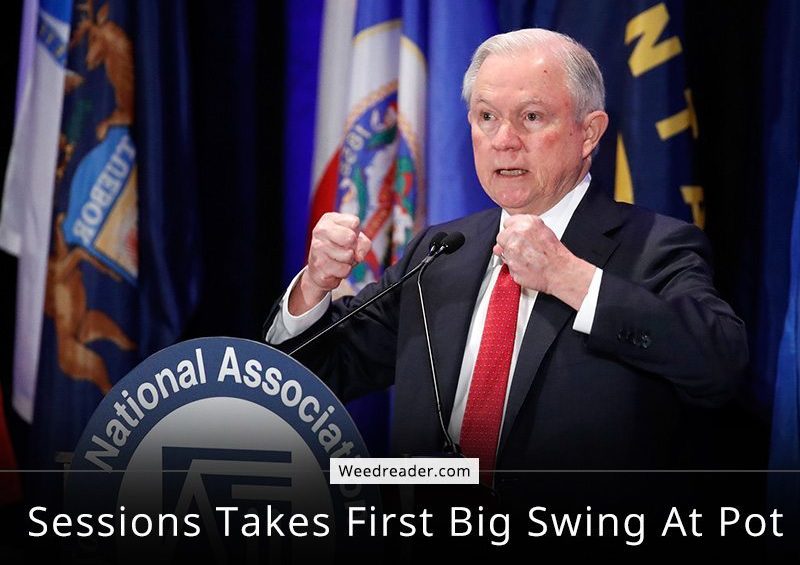
Sessions Takes First Big Swing at Pot

After months in the making, Attorney General Jeff Sessions has taken the first swing at cannabis. His attack comes in the form of changing the policy set out by former Attorney General Eric Holder. Known as the Holder Memo, the 2013 directive asked federal prosecutors to avoid charging defendants with crimes that trigger mandatory minimums. It has also been the main legal protection states have relied upon when installing recreational marijuana laws.
Sessions has officially directed federal prosecutors to charge defendants with the most serious provable crimes possible. Specifically, crimes which carry minimum sentences and the harshest penalties. He even wants prosecutors to pursue punishments as far above minimum as is deemed physically possible.
He has directed federal prosecutors to use whatever means necessary to achieve his goals through his recent directive. With it, he has revealed the bloody legacy he intends to leave. He has decided to make his stand on the bloody and chained backs of mothers, fathers, the terminally ill and mentally unstable.
Sessions doesn’t want to reserve the harshest penalties for defendants with known gang, violence or large-scale trafficking histories. He wants to instill terror in the population. And the only tools at his disposal is the entire federal judicial system.

Is the water really that hot?Sessions feels froggy

Sessions laid out his plan in a two-page memo and sent it to more than 5,000 assistant U.S. attorneys. In the document, Sessions orders prosecutors to “charge and pursue the most serious, readily provable offense”. That is as clear a declaration of was as there ever was and marks the first significant criminal justice effort by the Trump regime.
In language that reflects a deluded and willfully malicious view of humanity, The attorney general’s memo claims that “By definition, the most serious offenses are those that carry the most substantial guidelines sentence, including mandatory minimum sentences.”
This move is likely to repeat the mistakes of the War on Drugs which has had a catastrophic impact on poor and minority communities. But Sessions is determined to leverage every last vestige of power to achieve his goals, even if that means blood in the streets and putting federal inmates into private prisons.

One Sessions to rule them all, and in the darkness bind them.

Although Sessions sees private prisons as another tool to increase incarceration rates. Sessions claimed earlier this year that decreasing the number of private prisons had “impaired the [Bureau of Prisons’] ability to meet the future needs of the federal correctional system”.
When confronted with a declining murder rate and decreased recidivism due to mental health treatments, Sessions claims that only more aggressive tactics can prevent a new violent epidemic. Instead of more mental health treatment and less punishment, Jeff Sessions feels that locking people in cages is the best way to treat his fellow Americans in 2017 and beyond.
 

war medical

War on Drugs: Medical Marijuana

The war on medical marijuana is causing uncertainty.

The war on medical marijuana has arisen due to President Trumps latest document, causing uncertainty in the community. Medical marijuana programs exist in 29 U.S. states and have large public support.
White House aides argue that the President’s objections do not cause immediate policy changes. “It just creates a lot of uncertainty, and that uncertainty is deeply concerning for patients and providers,” said Michael Collins, deputy director of the Drug Policy Alliance. The public is concerned because the government insists that although weed is federally illegal, it will not impose strict punishments.
And yet, Attorney General Jeff Sessions recently directed federal prosecutors to pass harsher punishments for drug defendants.

Does the government know what it wants?

Recreational weed smokers have more to fear from federal intervention. The President says that he sees a big difference between medical marijuana prescribed to patients by doctors and recreational weed.
The provision in question prohibits the Justice Department from spending money that interferes with state medical marijuana programs. “I will treat this provision consistently with my constitutional responsibility to take care that the laws be faithfully executed,” Trump wrote in the signing statement.
Trump has objected on constitutional grounds to a program that helps black colleges and universities get low-cost construction loans.
According to Tom Angell, founder of Marijuana Majority, Trump is essentially saying that he reserves the right to ignore the congressionally approved provision. James Cole, a Deputy Attorney General had prosecutors enforce all federal drug laws, even in places where marijuana is legal. On the other hand, Cole wrote that federal authorities should stay out of states that have regulatory systems in place. Medical marijuana is to be revised again by Congress in the next few months. It seems like the trend is to allow the government to pick and choose who to prosecute for marijuana offenses.

officer mari

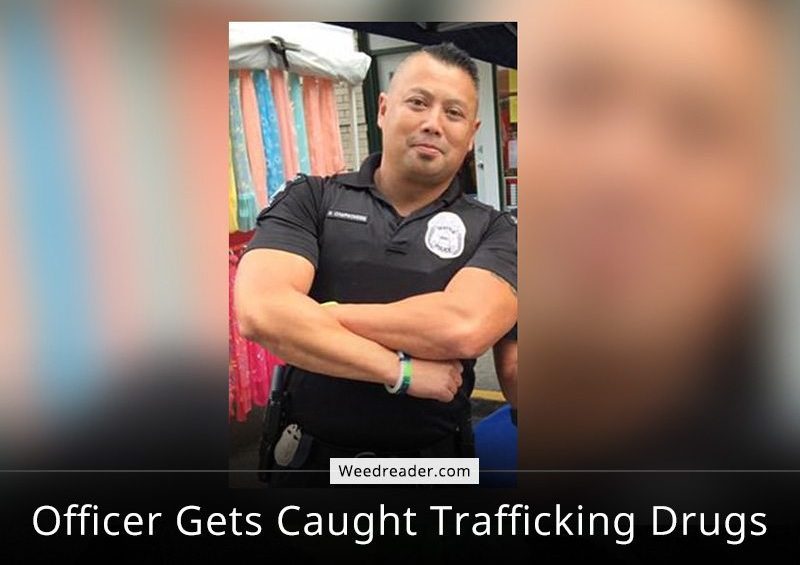
Officer Gets Caught Trafficking Drugs

Alex Chapackdee is a veteran officer for the Seattle Police Department. He, along with three others, have been charged by the U.S. District Court of Seattle with interstate drug trafficking. The officer was suspended without pay and sits in detention awaiting trial. A conviction carries a five-year minimum in federal prison (up to 40) and a fine of up to $5 million.
Officer Chapackdee allegedly transported hundreds of pounds of cannabis from Washington to Baltimore. The details of the accusation were released in a 15-page unsealed document and included multiple trips involving upwards of 200 pounds at a time. Friends and family were shocked by the accusations during the early court proceedings.
If the grand jury indicts him, his May 22 court date will be moved. Until then, Officer Chapackdee will be spending his days in detention. Assistant U.S. Attorney Vince Lombardi said the serious allegations and significant penalty warranted detention for all four defendants.

Recreational weed is legal in Seattle but not in Baltimore.It's Legal Officer

Chapackdee’s Seattle attorney, David Gehrke, asserted that his client would fight the allegations. He went on to claim the federal criminal-justice system was pursuing a “dark ages” approach. One where marijuana crimes remain on the books even though “it’s legal to use and possess in every state on the West Coast.”
But possession and use of recreational marijuana is a crime in Maryland. A fact the police officer was privy to before smuggling his shwag there by the metric ton. The charges claim he was transporting more than just weed, he was providing cocaine and intelligence as well.
With six trips recorded just since September, he clearly wasn’t doing it to make ends meet. An informant revealed to the FBI and Drug Enforcement Agency that Chapadee provided the ringleader (his brother-in-law) information about arrests and investigations that could affect the operation. But Chapackdee claimed he made the other people front the shipments as though that made him look any better.

At least the officer made sure he was getting paid.Cash Money

As bad a police officer getting caught trafficking drugs is, at least he was doing it for the money right? It seems money made Chapackdee chose Baltimore as one of the places he peddled his police pot. Reports claim he was getting paid $15,000 or more each time he made a drug run.
In addition to the $30 grand each month from drug runs, the officer was getting another $10 thousand dollars a month just to keep an eye on the operations grow houses. So the official cost of a crooked cop in America is $40 grand a month. Chapackdee WAS part of a five-member community policing team.
The policing team Chapackdee operated in was part of the police department’s South Precinct. Seattle Police Chief Kathleen O’Toole issued a statement calling Chapackdee’s conduct “disgraceful and disappointing.”