25childenda

25 Child Endangerment Charges for Cannabis

The Tucker Family Face Child Endangerment Charges?

The Tucker Family is charged with 25 child endangerment charges for Cannabis. Erica Tucker didn’t want the harmful pharmaceuticals she was prescribed for her ailments. So she decided to try a holistic medicinal approach: cannabis. Eventually, Erica weaned herself away from all pharmaceuticals and found herself 100% on marijuana.
Erica has five children, including a newborn she breastfeeds. She was told that the man-made pharmaceuticals she used to take were harmful to her children. Mainly because the drugs would transfer to the children through breastfeeding and possibly interfere with their development. So she decided to treat herself with marijuana instead.
Unfortunately, not all treatments (pharmaceutical or all natural) are perfect. Erica had a mal seizure that put her in the ER. And that is when the rug was pulled out from beneath her feet. The Tuckers received numerous child endangerment charges on May 8th, 2017 because of Erica’s cannabis use.

What was the problem?

When the doctors found out she was breastfeeding while on marijuana, all five of her children were immediately taken away from her and her husband. The baby (at 22 months) tested positive for marijuana because she was breastfeeding while on cannabis. The children were sent to foster care, but eventually, Erica got her children back. Erica and her husband are facing a host of child endangerment charges. In fact, they received five charges for each child. The public is outraged because this is one more example of how the war on drugs is tearing families apart.

Is Marijuana Less Invasive than Harm-aceuticals?

According to societies mores, it would’ve been preferable for Erica to continue taking the harmful pharmaceuticals with terrible side effects. Even though those pharmaceuticals cause more damage to infants than cannabis. If she had opted for the more damaging treatment, her children wouldn’t have been taken away and the Tucker’s wouldn’t be facing child endangerment charges.
Erica choose the less physically harmful approach to her treatment and now the Tucker parents are being treated as horrible parents by their peers. Yet now their family is suffering the consequences of taking the road less traveled. This story is another example on the terrible effects on the war on drugs and the damaging impact it has on normal families looking for healthier alternatives to treatment.

marij disney

Marijuana Banned at The Happiest Place on Earth

Marijuana Banned from Disneyland and Disneyworld!         

Anyone caught bringing marijuana into the park or found smoking it on premises will end up in Disney Jail! Marijuana banned from Disneyland and Disneyworld indefinitely. According to High Times, Walt Disney World has forbidden Cannabis of all types from their parks in California and Florida.
Coincidently, marijuana just became legal in California and Florida. Despite the current legal state regulations Walt Disney World has continued their strict prohibition on alcohol and marijuana. Social perceptions have evolved over the years and Disney has kept an iron-grip on its ‘child friendly’ reputation.

What Else is Banned in Disney Worlds?

Cannabis and alcohol are not the only things banned in both resorts. Selfie sticks, drones and of course weapons of any kind are absolutely banned from both parks. Walt Disney World will continue to ban these items because their parks are attempting to cater to a broad family friendly environment.
Some religious schools, churches and other organizations that are not known to be progressive would stop attending both theme parks if they allowed the banned items. This makes up a majority of their sales. The Walt Disney corporation would lose millions of dollars if over half of their customers stopped attending.

Does Anyone Sneak-a-Toke?

Why yes, plenty of people attempt to sneak-a-toke. The wait time for several rides are hours long, and eating cannabis is easier to quickly ingest and get away with than smoking a joint. Others have reported taking a quick vape hit because it’s harder to spot who just took a hit or where the scent is coming from. So yes, there are lots of people who are sneaking bits and hits here and there.
Many people will still take a risk and consume cannabis somehow because they have legitimate ailments and cannot wait till the end of the day to consume marijuana in some form or another. In the end, ailments don’t just go away because it is an inconvenient moment to have them. People who use cannabis as a medicine simply won’t get to experience Disney magic unless they keep it under wraps.

Investing in the Cannabis Industry 2017

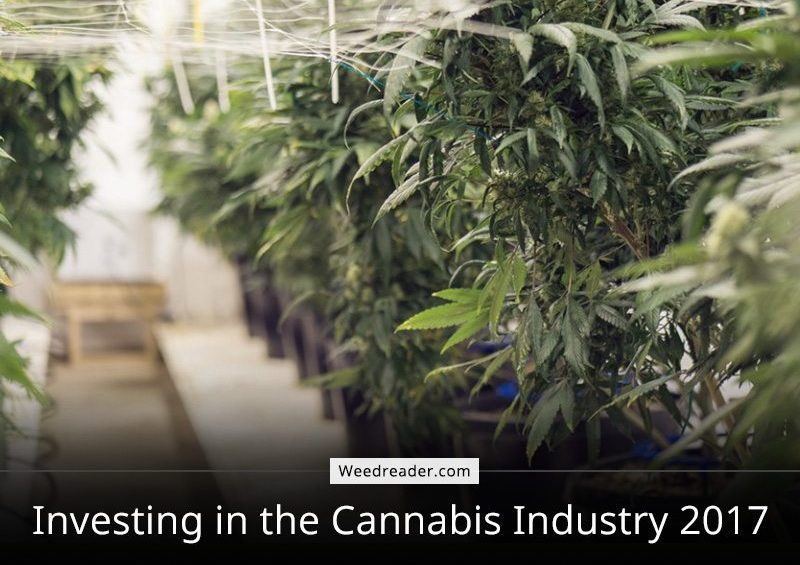
Investing in the Cannabis Industry 2017

Marijuana stock investing in 2016 has seen a meteoric rise.

Investing in cannabis is making some major money with one especially impressive company posting gains of well over 2,000%.  This despite how fraught with risk this industry is. Since marijuana is still classified as a Schedule I substance with “no currently accepted medical use and a high potential for abuse,” according to the federal government, there are still some hurdles to overcome.
The National Commission on Marijuana and Drug Abuse issued a series of reports concluding that marijuana was “less a serious threat to public health than a sensitive social issue and recommended changes to federal law that would permit citizens to possess a small amount of it at a time, while still maintaining that the drug should not be legalized.” Yet investing remains risky because the people in power refuse to be moved to action.

Is $50 billion motivation enough?
Investing 101Ackrell Capital projects that the cannabinoid-based pharmaceutical market could clear $50 billion annually. Investors took special not of the prediction due to the explosive growth the industry has seen so far. They make sure to include plenty of caveats in their report that basically boil down to legalization=money.
AbbVie (ABBV) is ahead of the game in medicinal marijuana field because its drug (Marinol) is already been approved by the Food and Drug Administration and in the market. Marinol is mainly used to relieve nausea and vomiting for chemotherapy patients. It has also been prescribed for AIDS patients to help stimulate appetite.
If you want to talk about AbbVie, let me just say that it has had 44 years of consecutive dividend increases. Over the past three years alone, the dividend has grown by 12.5%. the 4.13% dividend yield is considered attractive for income investors.
Just because they were first to the market doesn’t make them invincible though. Company revenues, gross profit and net income have been stagnant during the last four quarters. If Marinol can raise profits, AbbVie and others like it could be treated as an income play rather than a growth stocks for 2017.

There are currently 28 states willing to sell.
Support for use of medical marijuana is rapidly expanding along with investing opportunities. After the November U.S. elections, 28 states plus the District of Columbia now have legalized use of medical marijuana. A handful of states have also chosen to allow recreational use.
Legalization should diminish some of the institutional barriers for companies investing in the marijuana industry. Although we can see how slow the movement is by looking at recent court decisions about drug testing. The advancement of legalization on a state level presents a special opportunity for investors but at great risk.
Weed’s mis-classification as a schedule-I compound creates restrictions for patients in non-weed-friendly states. Not to mention how much of a damper it puts on investors’ plans. The chief regulator of Wall Street (Financial Industry Regulatory Authority or FINRA) blocked a S-1 filing from weed companies attempting to go public and trade stock. The ban will remain in place until the drug is re-scheduled.

There are only 3 approved options on the market.
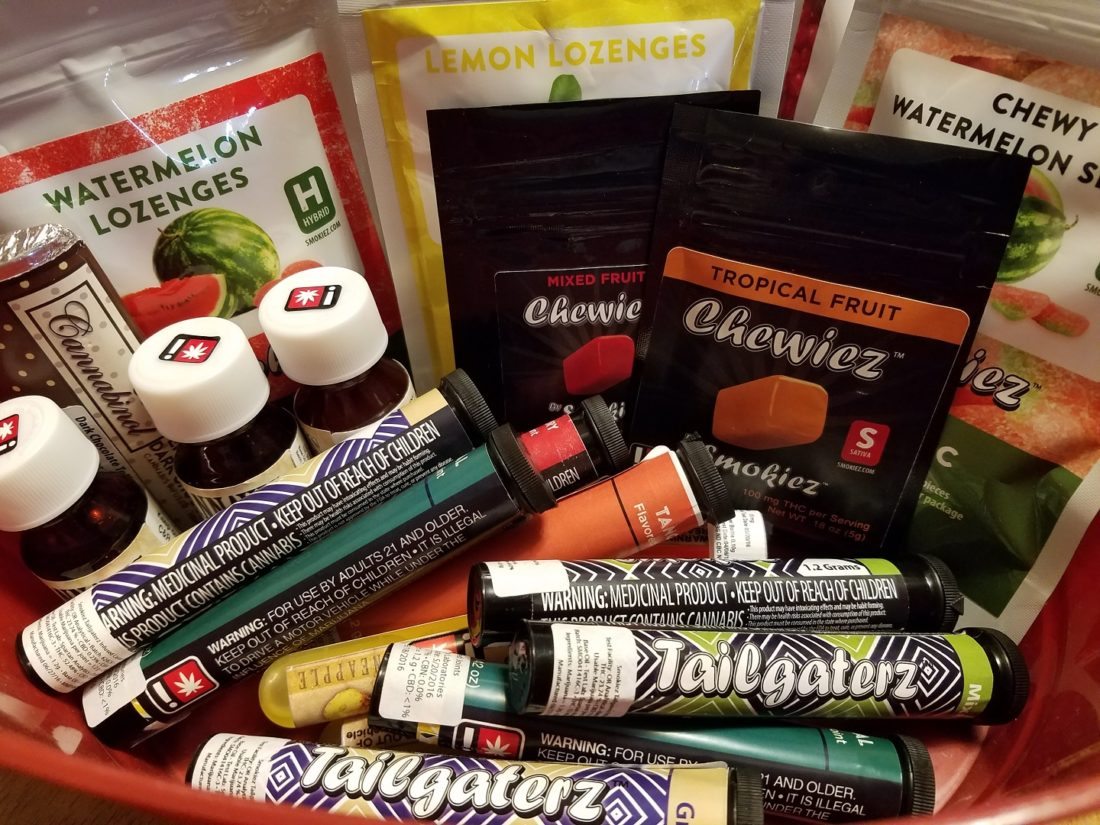
While opportunities exist, current realities paint a stark picture. The U.S. Food and Drug Administration has approved a whopping total of three cannabinoid drugs. It took seemingly forever for another cannabinoid to join Marinol and Cesamet in the medicine cabinet.
In July of 2016, the FDA gave the go ahead for Insys Therapeutics’ (NASDAQ:INSY) Syndros to join the party. Like Marinol, the active ingredient of Syndros is the synthetic cannabinoid dronabinol. And don’t think that only drug companies are trying to get in on the action.
Investors sent shares of Scotts Miracle-Gro Co. up 48 percent last year when they saw the lawn-care company as a relatively safe way to capitalize on the cannabis trend. It sells fertilizers, lighting and other supplies for hydroponics that are used by most indoor cultivators.

One person can tip the scales.
A very important fact for investors considering investing in marijuana to remember is who the next attorney general is. And the person who got the nomination to fill that role was Alabama Republican Sen. Jeff Sessions. A man who is an adamant opponent of legalized marijuana.
In a Senate hearing last April, Sessions cited a 20% increase in the traffic deaths in some states where marijuana has been legalized to show the drug is a problem. His continued vigorous attempts to demonize cannabis users signals major disappointment for those hoping for banking reform.
Marijuana companies have continued to struggle with limited access to basic banking services since most banks fear federal prosecution for dealing with pot businesses. Being forced to operate on a cash-only basis is a security concern and an expansion inhibitor for any business. With Sessions taking the helm, there is little hope for meaningful pressure to improve access to banking services. Additionally, marijuana businesses must pay tax on their gross profits instead of net profits. This is because they’re disallowed normal corporate income tax deductions.

How should you approach the industry?

Investing in cannabis weed
It has been said that getting rich during a gold rush is to easiest when you sell shovels. With that in mind, the best figure for investors trying to turn a profit from the “marijuana rush” are the companies that have zero marijuana-related products. The smartest play might be in companies that have the potential to benefit by serving people and companies that do sell cannabis.
But before you invest in any company, get as much information about that company as you possibly can. Find out if they are a legitimate company with a good management team. Look into who’s running the company and at the company’s finances. Don’t be afraid to go over the balance sheet, the cash flow, the income statement, and the shareholder’s equity.
Look at all of the info you can before making a decision. Call the nearby Chambers of Commerce, find out if they know the people or company. Don’t forget to look at the other officers and management to make sure the engine is firing on all cylinders if you catch my drift. Do all the research you can but don’t forget to talk to your financial advisor as well before pulling the trigger.
The early bird doesn’t always get the worm.
Companies are making serious efforts to develop effective medicines using on cannabis. These companies deserve all due diligence before investing in any of them. Understand that investing in potential is risky and any of the drugs discussed in this article could fail or disappoint. Some medicinal marijuana stocks will undoubtedly succeed in 2017, so research and be vigilant when navigating this exploding industry. But don’t forget all the good that cannabis can do.
Cannabinoids have been found to have potential in treating over 40 medical issues including cancer, chronic pain, epilepsy, and glaucoma. Companies developing marijuana-related compounds rarely focus on cannabis alone. Be aware that some “mainstream” stocks may actually profit from loosened restrictions on marijuana even if they don’t grow or sell it themselves. Thanks for reading.



cc a

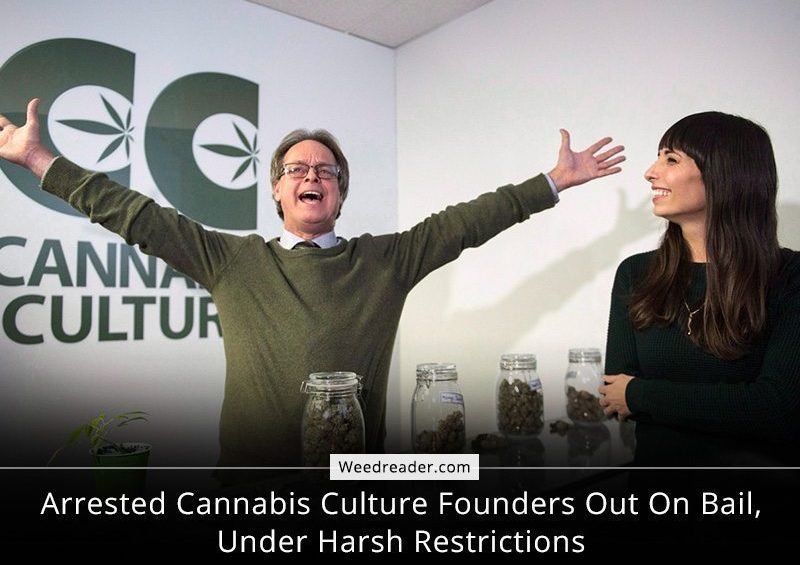
Arrested Cannabis Culture Founders Out On Bail, Under Harsh Restrictions

Marijuana activists and dispensary operators Marc and Jodie Emery were released on bail Friday following their arrest and police raids on many businesses operating under the Cannabis Culture brand. As part of their release agreement, the couple is barred from participating in their businesses—Pot TV, Cannabis Culture Magazine, head shops, a vapor lounge, and 19 illegal storefront dispensaries—because of law enforcement allege a connection to organized crime.
Their bail relies on the pair keeping their distance from all businesses, though their charges still stand. Marc faces 15 charges, including conspiracy to commit an indictable offense, trafficking and possession of proceeds of crime; Jodie Emery faces five counts.
Toronto police spokesman Mark Pugash verifies that seven Cannabis Culture locations—five in Toronto, one in Hamilton and another in Vancouver—were searched on Thursday along with two homes in Toronto, one in Stoney Creek, Ont., and one in Vancouver. Officers seized $250,000 in cash, 65 kilograms of marijuana and 2.4 kilograms of cannabis extract and other drug paraphernalia from seven Cannabis Culture storefront dispensaries and homes that belong to the Emery’s and their business partners and franchisees.
Because marijuana is not yet legal to the public, patients must go through a Health Canada program where licensed growers are limited to distributing medical pot via mail delivery. The Emerys called on the federal Liberals to promise legalization of marijuana sooner, or at least to stop raiding cannabis businesses. And now they feel that it was their high profile role in activism that made them a target for these arrests and enforcement measures.

anchorage pot

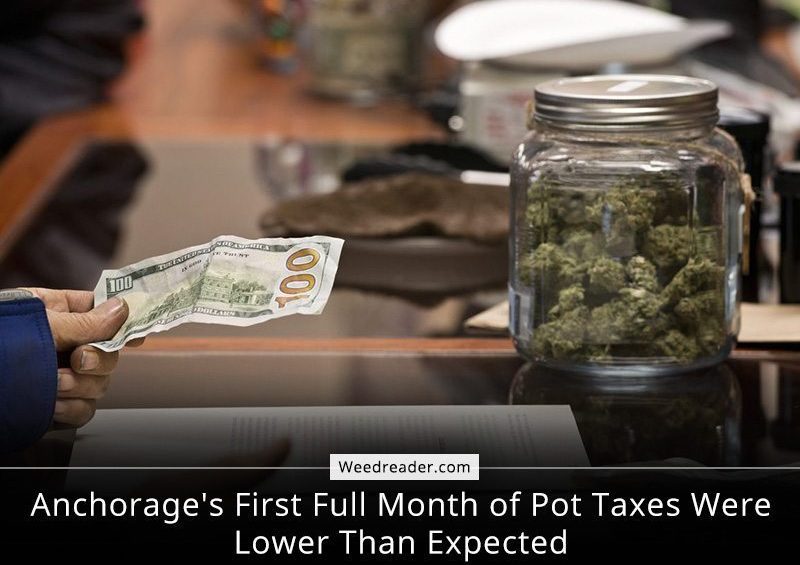
Anchorage's First Full Month of Pot Taxes Were Lower Than Expected

January was Anchorage’s first full month collecting marijuana tax revenue, but the state’s pockets won’t be lined as much as had been hoped due to shortages in marijuana being grown and sold in Alaska’s major city. The premier Anchorage marijuana shop opened Dec. 15., and two more quickly followed. In December, $19,880 in sales tax came from those businesses alone, said Blyss Cruz, a manager in Anchorage’s Treasury Division. Blyss confirms there are now six stores in total but that did not mean that revenue climbed accordingly.
The first month of 2017 saw only a few growers producing legal weed to meet the demands of the dispensaries they were meant to stock. The shortage caused a few hiccups, and the four Anchorage marijuana shops generated $22,000 in sales tax revenue in January, a city official said. Shops across the state nervously faced supply shortages, and either closed temporarily or shortened their hours. Anchorage then imported cannabis from other areas around the state to meet the demand. January revenue dropped to just over $100,000.
A marijuana sales tax of 5 percent was approved by Anchorage voters in April 2016. The city tax is separate from the state excise tax of $50 per ounce of marijuana bud and $15 per ounce for other parts of the plant. The state excise tax is that which is paid by the grower pays to the state treasury. California is looking to enact a similar tax by the time they open adult-use shops in 2018, and the dropping wholesale marijuana prices in Colorado means they may jump on board too. Both state and local taxes in Anchorage, Alaska are paid at the end of the following month, so January taxes were due at the end of February.

sbruk

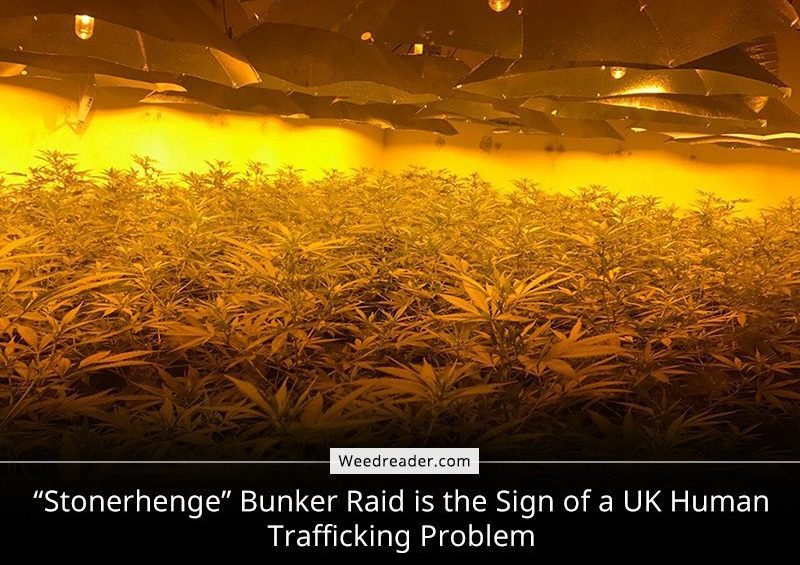
"Stonerhenge" Bunker Raid is the Sign of a UK Human Trafficking Problem

Police in Wiltshire Council, in the UK, uncovered a massive weed farm worth £1 million ($1.26 million) inside a nuclear bunker built in 1985 to protect government officials and local dignitaries in the event of a nuclear attack.
The fact that Mashable and other millennial-focused sites picked up the story might make you think that this is a semi-humorous and quirky story, especially the part where it is named ‘Stonerhenge, ’ but there’s a dark underbelly to the facts the beg for investigation and reform.
The Ministry of Defence and shut down in 1992 and how it came to be converted into a cannabis cave is wholly unknown as of yet but the structure, police report, is so impenetrable it’s not too surprising that it went undiscovered for so long. Officers apparently had to wait for three people to leave just so that they could gain access to the bunker and make the necessary arrests.
Says Wiltshire detective inspector, Paul Franklin, “There are approximately 20 rooms in the building, split over two floors, each 200 feet long and 70 feet wide. Almost every single room had been converted for the wholesale production of cannabis plants, and there was a large amount of evidence of previous crops. This was an enormous setup.”
Of those arrested, and here’s where it gets grim, were three three undocumented immigrants, aged 15, 19 and 37, all of “who were held there against their will, not allowed to leave and forced to work as gardeners” in the marijuana factory,” according to Franklin. The three are believed to be victims of human trafficking. “They were forced to sleep inside the bunker, which is all built in concrete, so it’s like living underground.”
That leaves the three remaining men—the ones who were arrested leaving the bunker—with charges of illegal cannabis production and human trafficking. Those men are aged 27, 30 and 45, and according to Franklin are not the only ones using illegal immigrants to cultivate marijuana farms in the United Kingdom. The phenomenon is quite common, says the detective inspector and further investigations are underway.

acost

Advocates Confused Over what “Greater Enforcement” of Marijuana Means

It was a heavy news week at the White House, but little on the Green Rush front until Press Secretary Sean Spicer threw cannabis advocates for a loop over his suggestion that the Justice Department could target adult-use marijuana programs.
Reactions over social media and news outlets poured in from entrepreneurs, CEOs of cannabis organizations, advocates, and lawmakers primed themselves for a fight.
The seriousness of Spicers’ words—namely, the meaning of “greater enforcement”—and the reality of the threat is still unclear, leaving much doubt about whether adult use legalization in the eight states in which it exists is a bell that can be unrung. White House spokesman Sean Spicer did not elaborate clearly on his words Thursday.
On the medical front, Spicer said that the president understood that patients suffering from certain diseases experienced relief from medical marijuana. “There’s a big difference between (medical marijuana) and recreational marijuana, and I think when you see something like the opioid addiction crisis blossoming in so many states around this country, the last thing we should be doing is encouraging people,” Spicer said. Was this a glimpse of the administration’s new (or possibly changing) views on the growing legal cannabis industry? Trump was never steady on the marijuana legalization issue but has said in the past that he favors states’ rights and would not interfere even with legal recreational use states such as Colorado. “There is still a federal law that we need to abide by regarding recreational marijuana and other drugs of that nature,” Spicer continues in his comments, still without issuing directives on where the White House will take this.
Upon his inauguration, President Donald Trump nominated Alabama Sen. Jeff Sessions, a vocal opponent of marijuana legalization, as the nation’s attorney general. His now-famous quote, that “Good people don’t smoke marijuana,” raised questions about the direction the Department of Justice would take regarding the 2013 Cole Memo, which are the established guidelines for federal prosecution over U.S. marijuana laws.

uom

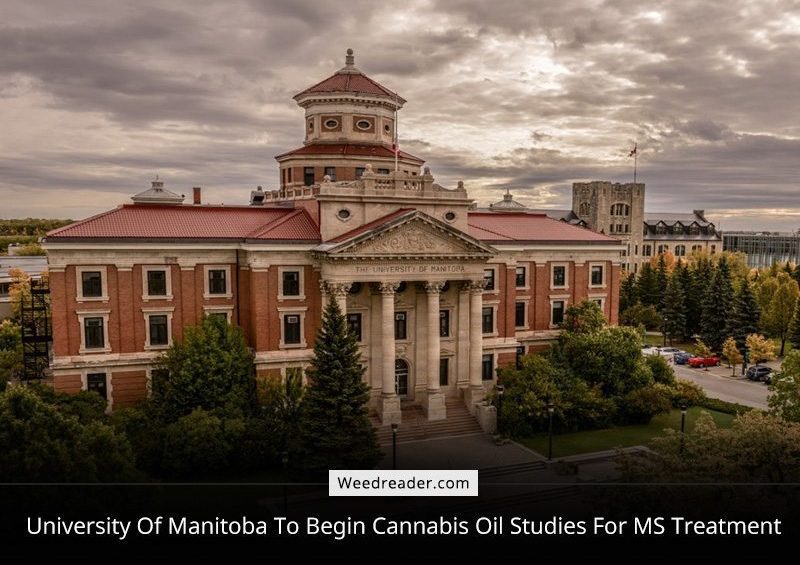
University of Manitoba to begin cannabis oil studies for MS treatment

Cannabis has been wildly successful in treating symptoms of Multiple Sclerosis but the “how” and the “why” remain a mystery until uncovered by scientific studies. Enter then, the group of scientists from the University of Manitoba who are looking into the use of medical marijuana to control pain in people living with Multiple Sclerosis.
Multiple Sclerosis is a neurodegenerative autoimmune disease affecting the brain, spinal cord, and optic nerve, and the symptoms are varied and unique to each patient. The immune system of an MS patient begins to see neurons (the nerve cells of the nervous symptom), as harmful invaders. The body’s immune cells start to attack neurons, which can produce all kinds of chaos internally, like a buildup of scar tissue, and neurons that can no longer communicate by firing signals to the rest of the body. Besides the obvious pain of MS, cannabis could also help with other symptoms associated with MS, including gastrointestinal distress, muscle spasms, and even paralysis.
The neuroimmunology team, led by Dr. Michael Namaka, is watching the usefulness of two types of cannabis oil extracts, provided by CanniMed Therapeutics Inc. They will be providing two CanniMed® Oil products, CanniMed® 10:10 and CanniMed® 1:20. The first one will be used to identify whether THC (tetrahydrocannabinol) and CBD (cannabidiol) together have the greatest impact on MS-related neuropathic pain, or whether CBD alone works (without the psychoactive effects of THC).
Namaka says this is the “first pre-clinical scientific validation to identifying the direct molecular mechanisms of action of herbal medical cannabis oils and their direct potential impact on neuropathic pain for MS patients.” The study will be used to discover information about the cannabis for MS treatment that are currently unknown:
1. The most efficient ratio of THC and CBD
2. Which form of ingestion (smoking or eating, for instance) is best 3. How often people with MS should use cannabis products.
The project is backed by CanniMed Therapeutics Inc., a Canadian licensed producer of medical marijuana, who have invested $80,000 in the University of Manitoba research.

11 U.S. senators ask Attorney General Jeff Sessions him to respect state marijuana laws

A letter, sent to Attorney General Jeff Sessions, requests the Department of Justice (DOJ) to uphold all existing enforcement policy regarding states that have voter-approved marijuana laws.
The bipartisan group of U.S. Senators, included in the undersigned:

  • Elizabeth Warren (D-Mass.)
  • Lisa Murkowski (R-Alaska)
  • Patty Murray (D-Wash.)
  • Ron Wyden (D-Ore.)
  • Jeff Merkley (D-Ore.)
  • Maria Cantwell (D-Wash.)
  • Ed Markey (D-Mass.)
  • Brian Schatz (D-Hawaii)
  • Catherine Cortez Masto (D-Nev.)
  • Cory Booker (D-N.J.)
  • Michael Bennet (D-Colo.)

The letter was inspired by White House Press Secretary Sean Spicer’s remarks during a briefing on February 23rd, namely his statement that “greater enforcement” would be applied to the states that have legalized cannabis for adult use.

“It is essential that states that have implemented any type of practical, effective marijuana policy receive immediate assurance from the DOJ that it will respect the ability of states to enforce thoughtful, sensible drug policies in ways that do not threaten the public’s health and safety,” the senators wrote. “This ensures that state infrastructure, including tax revenue, small businesses, and jobs, can be protected; DOJ resources can be used most effectively; and most importantly, that marijuana can be properly regulated to improve public health and safety.”

Read the full text here.
The letter mentions 2013’s “Cole Memorandum,” which provides an outline for how state and federal laws will interact regarding marijuana use and other marijuana-related activities. The enforcement Spicer hints at, could affect the eight states—Alaska, California, Colorado, Maine, Massachusetts, Nevada, Oregon, and Washington, plus the District of Columbia—who have already passed laws allowing for the recreational use of marijuana despite it being illegal on a federal level.

Jamaican Scientists Discover Surprising Effect of Cannabidiol on Hepatitis C Virus

A group of scientists, led by Jamaican cancer researcher Dr. Henry Lowe, have uncovered a hopeful breakthrough in the in-vitro treatment of the hepatitis C virus (HCV)—using cannabis-derived cannabidiol (CBD) oil. Dr. Lowe’s team, working from the University of the West Indies (UWI) announced that CBD is destructive to the virus.
The HCV is blood borne and most prevalent in communities where sharing drug injections is common; it spreads through inadequate sterilization of medical equipment in hospital settings or through sexual contact. There is currently no vaccine for HCV, although the World Health Organization (WHO) does recommend education, counseling, and antiviral therapy for those already affected, along with regular monitoring for liver failure, liver cirrhosis, and cancer. WHO estimates that 130-150 million people globally have chronic HCV and hepatitis C-related liver diseases claims around 700,000 people each year.
“This discovery, which has fantastic potential for the future, is especially crucial for people in developing countries, because there is a drug which was developed for hepatitis C treatment, but it’s over $85,000 per treatment, and very few people in the developing world can afford this,” Dr. Lowe told the Jamaica Observer in a recent interview. “So it is very important that we find less expensive means of treatment, and that is why this discovery and its potential to manage this disease is so important.”
In America, medical-grade CBD oil can run anywhere between $10 to thousands of dollars. For patients in developing countries, this form of treatment is not viable because the manufacturing, distribution, and administration of CBD treatment would be too expensive for most patients.
The challenges of treating patients, however, should completely distract from the incredible discovery of the effects CBD has on eradicating the hepatitis C virus. This groundbreaking new study could create avenues where there was none before, and help pave the way for easier access to a much-needed treatment.