GorillaGlue4

Strain Review: Gorilla Glue #4

Gorilla Glue #4 is a delectable hybrid created from a few strains: Chem’s Sister, Chocolate Diesel, and Sour Dubb. Its scent has been described as pungent, earthy, and sour, as is common with many diesel-type strains. Gorilla Glue scored first place in the LA and Michigan 2014 Cannabis Cups, and even in the High Times Jamaican World Cup. Incredibly potent, euphoric, and delightful, it’s no wonder this strain has won so many awards.
Effects boast a relaxation like no other. This hybrid is definitely suitable for getting couch-locked and heavy. It produces a very hard-hitting body high, so travel carefully. Try using it when you can’t sleep, or need to relax and focus on that. Many have described the smell and flavor to be like coffee, or chocolate, with hints of the sourness of lemon zest. Super sticky, dense, resin-coated buds are what to look for, and be sure to store them in an air-tight container. They’re named after glue for a reason!
The smoke is smooth and tasty. Definitely crack a window unless you enjoy overwhelmingly strong strains. Batches that are more sativa dominant may help you get up and go, but I prefer to use this strain on a day of rest. Great for people who have a difficult time concentrating, making themselves stay in one place for extended periods of time, and for meditating.
Excellent pain relief, freedom from anxiety, and a major boost in appetite are all things to look forward to with Gorilla Glue. Its effects are long-lasting without having that dreading feeling of “when will this end?” In my experience, GG#4 has been very calming. It’s given a mood uplift without losing track of time or my awareness and has helped to settle nervousness and anxiety. The pain relief lasted well over 3 hours, a side effect I can never get enough of. I highly recommend this strain for folks with chronic pain and depression. It doesn’t necessarily take away pain, or heal it, but you start to focus on other things, recognize different behavioral patterns to try, and often just forget that you’re even in pain.
image: Ry Prichard, The Cannabist

Cheese

Strain Review: Cheese

When someone describes a weed as being cheesy, I think they mean that thick, sticky, squeak-between-your-teeth sort of feel. Or literally, a very stinky cheese. But in a good way! Some strains have been so ‘cheesy’ that there’s almost a solid fog of it, even before it’s lit. This one however, would obviously take the cake. The original Cheese is so sticky, absolutely covered in cheddar-orange hairs, and definitely potent and dank.
It’s actually a hybrid strain, with its pungency rooted in Skunk #1 (or a similar phenotype). Some breeders have crossed it with Afghani to produce more trichomes and higher grow yields, but all around, Cheese is a classic with world-wide popularity. I’d be surprised to enter a dispensary (or even a state alone) and not find some version of Cheese behind the counter. The high is very uplifting, kicking all traces of a bad mood out the window. The euphoria can be irresistible and very prevalent, which is always a nice thing. Smoke it with friends for an infectiously fun time.
Some folks suffering from cancer have used Cheese with success to treat physical pain, lack of appetite, and severe nausea. In my experience, the smell alone of Cheese can cause some nausea, but that was only the first couple of times being around it. Once you get used to it, the smell can be mouth-watering. Batches erring on the side of sativa could be amazing for helping you get up and go, packing a big meal, and enjoying yourself in the outdoors. Or, try out some new music, a funny movie, or spend some lovely time with your pet enjoying each other’s company.
I’ve never woken up the next morning with a ‘hangover’, so to speak, from smoking this strain. Some can be heavy handed, but not Cheese. I felt a clarity and gentle energy where I could have stayed in bed, but it felt much better to get up and see the morning. If you have trouble getting yourself going, try using Cheese either the night before or having one or two hits during the day. Get those chores done, find the inspiration to tackle a project, or settle into a really good book.

Grape Ape

Strain review: Grape Ape

You can probably imagine what this strain smells like– yes, fruity grapes, like the sugary sweet soda. Also a bit obvious, the nuggets tend to be a rich, deep purple in color and very aromatic. Grape Ape is an indica strain known well for its ability to provide deep relaxation, comfort, and freedom from stress and pain. Though it is hybrid, it tends to be indica-dominant. Its parentage lies in Mendocino Purps, Skunk, and Afghani.
The smoke produced is very thick, sweet-tasting, and doesn’t cause heavy coughing. To really get the right flavor, avoid using butane lighters and stick to either wick or matches. The grape flavor is gentle this way, and neither the smell or taste is overbearing. With a very small amount, effects can last up to 2 hours. That doesn’t seem very long, but I do mean small amount– less than half a gram.
You might experience relief from symptoms of ADD and ADHD, and help getting relief from migraines or other strong pains. One user reports Grape Ape to be a great replacement for coffee! So though it’s an indica strong hybrid, perhaps you can expect to feel energized and able. No more muscle aches and pains, or issue with anxiety, depression, and anger. Try Grape Ape with a group of friends, or by yourself for a study session that keeps you interested and focused.
Without being overpowering, the high creeps in gentle and slow. While some batches may give energy, others may give an unbeatable relaxation and easy sleep. Great for long car trips (where you aren’t the driver), or any other situation where you can afford to kick back and enjoy the ride. Grape Ape may help you to disengage from depressive, cyclical thoughts, or help bring you out of symptoms of PTSD or other similar issues. Try it for decreased or poor appetite, as well as poor sleeping habits. GA may be a little strong for new users, so like I said before, try a really small amount to see how it affects you. Others have found it very mellow. Like with all of these strains, feel free to experiment and find a combination that works best for your needs.
Chemical Makeup
THC: 15-23%
CBD: 0-0.07%
CBN: 0-0.03%
CBG: 0.3-0.7%
THCV: 0.02-0.2%
CBC: 0-0.2%
CBL: 0-0.4%
β-Linalool: 0-0.2%
β-Myrcene: 0.6-1.5%
a-Pinene: 0.06-0.4%
D-Limonene: 0-0.1%
β-Caryophyllene: 0.2-0.6%
image: StrainCentral / youtube

Chemdawg

Strain Review: Chemdawg

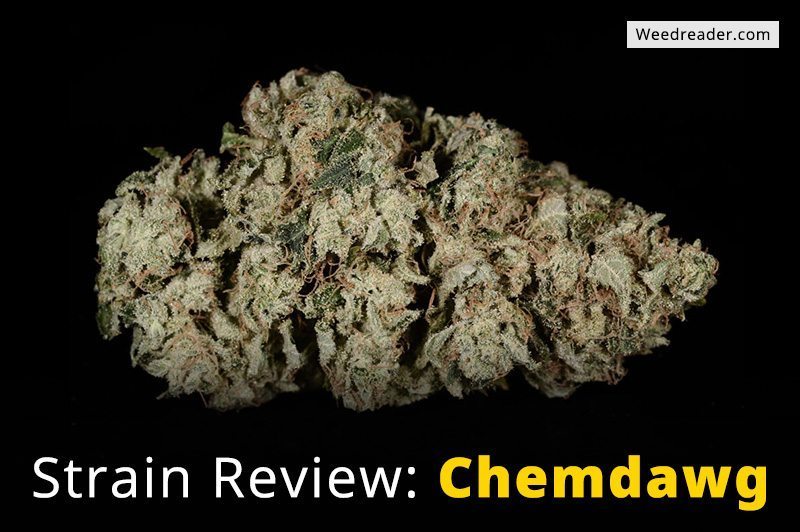
You might be surprised to learn Chemdawg’s genetics have inspired strains such as Sour Diesel and OG Kush. Its potency is well famed, with the average THC level of 20-25%. The strongest effect has been reported to be full-body relaxation, with long lasting effect. If you’re a grower, the average yield for bud is 25-30 grams per plant, and requires a moderate amount of fertilizer, with a flowering period of roughly 63 days.
Nuggets can be bright, almost acid green, with plenty of the fuzzy orange hairs and glittering trichomes. Other batches, however, have shown as having dark purple leaves throughout. They tend to be dense and a little sticky, but break apart just fine in a grinder.
Some users suggest Chemdawg for strong relief from symptoms of PTSD, or for those who really need a chill day. Try it in a vaporizer for high-impact with less of the skunk-stink combustion would produce. Nerve tension, stress, and depression should all melt away when you try a few hits of Chemdawg. It’s said to be a very smooth ride, with no heavy coughing or instant dry mouth. Some have felt it to unleash the floodgates for emotions, but that’s likely due to its tension-busting abilities. If you’re the type of person who could stand to open up a little, ease the way with this strain.
The smoke produces a very socially charged high, perfect for hanging out with friends or enjoying a nature date with a significant other. It can be head-clearing, so enjoy a space of time free from paranoia and anxiety. Great booster for creative crunches, so light up before tackling a project you’ve been stuck on for a while. A bit on the funnier side, one user reviews Chemdawg, “[this strain] makes me eat like a baby dinosaur… I don’t even chew.” So, grab your favorite snack, settle in, and remember to chew thoroughly (if you can)!
Chemical Makeup
THC: 18-26%
CBD: 0.01-0.1%
CBN: 0-0.05%
CBG: 0.06-1.4%
THCV: 0.05%-0.3%
CBC: 0-0.08%
CBL: 0-0.5%
β-Linalool: 0-0.1%
β-Myrcene: 0.03-0.6%
a-Pinene: 0-0.4%
D-Limonene: 0-0.3%
β-Caryophyllene: 0-0.8%
image: Ry Prichard, The Cannabist

Northern Lights

Strain Review: Northern Lights

Nothern Lights has been mother to quite a number of famous strains, like Super Silver Haze. NL herself is one of the most well-known, oldest indicas in cannabis history. It’s known well for fast and easy growth/flowering, voluminous buds, and the instantly classic, recognizable body high. It was first produced and grown in Holland, in the late 80s.
The effects of Northern Lights can be higher on the psychoactive end. You might feel dreamy, relaxed, and a comfortable laziness that allows you to tell your inner critic to shut up and sit down. Let yourself sink into the lack of muscle pain and tension for once! Use Northern Lights for sleeplessness and stress, and hopefully both troubles will feel far off in the distance.
The scent of Northern Lights is reminiscent of pine needles and fresh dirt, which doesn’t sound great at first but I’ve found it to be a very grounding strain. While I like ones that send me soaring, being able to stay focused and appreciate all aspects of the high are qualities in my preferred strains. On the more extreme end, users have found relief in Northern Lights where they could not with heavy opiates. Plus, cannabis is much safer and non-habit-forming!
Some have found the thought flow with this weed to be ‘effortless.’ I agree– it’s an excellent strain for daydreaming (or more seriously, meditation), and it’s not one of those things where the day just gets away from you without you knowing what happened. I didn’t forget anything when I tried Northern Lights, either. Most strains have the effect of having a great time, and then a sort of tension-memory wipe the next morning. No such thing here! I was able to keep focus and remember all the plans that I was making mentally, the next day. GREAT news for folks that suffer from ADHD and other related neurological disorders.
image: medicaljane

thc

What Tetrahydrocannabinol or THC is used for

Dozens of years of research indicate many restorative uses for THC.

Tetrahydrocannabinol or THC, is often the most desired chemical found in cannabis. It is best known for bringing on the high that weed is known for. As one of the few compounds found in cannabis that is psychoactive, doctors and scientists have discovered many ways to utilize THC.
The extraction of pure Tetrahydrocannabinol was perfected by an Israeli physicist named Raphael Mechoulam. In 1964, Mechoulam separated and blended THC from Lebanese hashish, denoting the start of cannabis research that would prompt to the revelation of various different cannabinoids and how they interact with the body.
While the discoveries have been many and inspiring, they are not without their doubters. The federal government has classified cannabis as a schedule 1 drug meaning it has no medical benefit. This is in addition to the government obtaining patents for the neuro-protective capabilities of cannabis.
Be that as it may, while chemicals like cannabidiol (CBD) have begun to pick up support because of their absence of psychoactivity, many years of research have uncovered various health advantages one of a kind to THC. Here are a few of the most common uses.

Tetrahydrocannabinol relieves some types of pain.

A standout amongst the most common uses of therapeutic weed is for pain treatment. Upon closer examination, evidence has shown that Tetrahydrocannabinol interacts with the central nervous system to prevent the transmission of certain types of pain. Moreover, cannabis has been appeared to be particularly successful against neuropathic agony, or nerve-related pain.
The nerve signals that our brains sense as pain come from special cells with receptors on them. They become activated by temperature, touch, movement, or chemical changes in their environment. Pain signals arise and travel to the brain by one of three main pathways, each of which produces different pain sensations: somatic, visceral, and neuropathic.

There are three types of pain in general.

is the feeling most people recognize when they think about pain: a message sent by receptors located throughout the body whenever injury occurs. Somatic pain signals travel to the brain through nerves bundles and are typically experienced as a constant, dull ache. THC is able to reduce swelling and other contributing factors to somatic pain but in general is not very effective treatment.


occurs when skin or organs in the abdomen become stretched or otherwise disturbed from disease or injury. Pain signals issue from a special class of receptors present in the gut, producing feelings of pressure deep inside the body. Visceral pain can seem to be coming from different parts of the body than its actual source. THC is able to counteract feelings of nausea and many elements of chronic visceral pain.


occurs when the nerves are injured. It is often experienced as a burning sensation that can occur in response to even a gentle touch. Neuropathic pain usually doesn’t respond to narcotic painkillers making it stand out from the other types of pain. Antidepressant or anticonvulsant drugs, along with surgical procedures normally treat this type of pain but THC has also been found to be highly effective.

 
Cannabis is an excellent plant that has shown surprisingly positive results as a neuropathic treatment. The Tetrahydrocannabinol within that cannabis is able to work on a level that crosses many typical treatment boundaries. Pain treated by THC may be acute or chronic, blindingly intense or mind-numbingly dull. The pain can be momentary or have persisted for days to years.
However long it takes before a patient tries cannabis, it doesn’t take long for them to finally find relief. For acute pain, such as the discomfort that follows surgery, doctors typically prescribe opiates: narcotic drugs derived from, or chemically similar to, opium.

THC is better at dealing with some types of pain than opiates.

During the short-term treatment of intense pain, opiates offer significantly stronger relief for most patients. For chronic pain however, the tables turn in favor of Tetrahydrocannabinol. Treating chronic pain with opiates rarely brings relief.
Chemical dependence also becomes an issue with opiates as usage continues. Cannabinoids like THC have been proven to be non-addictive and highly effective for chronic pain. These differences combine to show that cannabinoids have significant promise in neuroscience and fundamental understandings of pain.
Peripheral nerves that detect pain sensations contain abundant receptors. Many of these receptors are tailor made for cannabinoids. According to research, cannabinoids appear to block peripheral nerve pain in experimental animals. Even more encouraging, some initial studies suggest that opiates and cannabinoids suppress pain differently.
If that is the case, marijuana-based medicines could combine with opiates to boost pain-relieving power while limiting the side effects. There are real hurdles to overcome if the initial Tetrahydrocannabinol research holds up. With the exponential expansion of scientific frontiers in recent decades and the recent deregulation of cannabis in over 26 states, we should have a significantly better understanding in the next decade.

Some people even use Tetrahydrocannabinol to treat PTSD.

Post traumatic stress disorder has only recently been classified in the Diagnostic and Statistical Manual (DSM) compared to other psychosomatic issues. PTSD is tied to traumatic memories and affects people from every walk of life. Soldiers, doctors, librarians and children can all have PTSD. Finding a safe treatment for so many different demographics is almost impossible.
Discovery of the endocannabinoid system by Dr. Mechoulam made safe treatment of PTSD, along with Parkinson’s and Cerebral Palsy a possibility. Since its discovery in the 1950’s, science has learned that Tetrahydrocannabinol is pharmacologically plastic. By manipulating the endocannabinoid system with THC and other cannabinoids, doctors are able to offer relief to patients that would otherwise have none.

We need more research to discover all that THC has to offer.

With the federal government classifying cannabis as a schedule 1 narcotic, it makes research in America almost impossible. There are some states like Oregon, Washington, California and many others that have taken steps to end Tetrahydrocannabinol prohibition but the fight is far from over.
Scientists can’t study cannabis if government continues to demonize it. As more states join the green revolution, it puts pressure on federal legislators to rethink their stance on legalization. If the community is able to enact declassification of cannabis it will remove the final argument against full legalization.
Once cannabis is removed from the scheduled substance list, we will finally put the whole scientific community to work, not just one Israeli scientist. No disrespect to Isreal, it’s just that cannabis is grown in other places to. We shouldn’t be stopping the Jamaican, American or Ukrainian scientific communities from contributing to THC research.
Thanks for reading.

weedreader n

THC vs. CBD: What Do They Do?

Have you ever wondered what THC and CBD are?

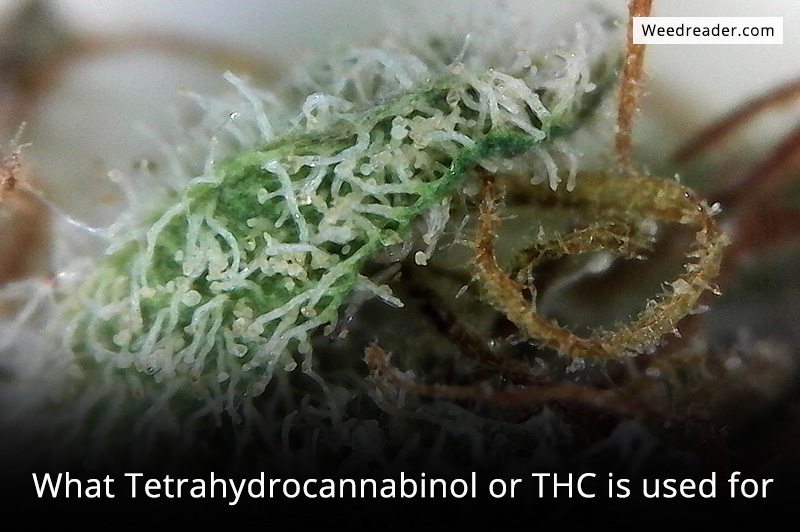
For those who don’t know, tetrahydrocannabinol (THC) and cannabidiol (CBD) are potent chemical compounds produced in the trichomes on cannabis flowers. Trichomes are the small mushroom looking structures that sparkle like crystals in the light. Cannabis with a high concentration of THC or CBD is prized over just about anything else.
The states that allow cannabis sales require licensed retailers to prominently display the THC, CBD and possibly several other three letter words for everything with cannabis in it. People are always talking about how potent cannabis has become compared to times past and equating it with the THC and CBD content. This all points to THC and CBD being important, but why?
To start, cannabinoids are a group of compounds that our bodies and plants produce naturally. There are over 85 different cannabinoids identified so far with more just waiting to be catalogued. They are called cannabinoids because when Raphael Mechoulam  first identified them back in 1964, they were in the cannabis plants the Israeli doctor was studying.
Science has shown that our own bodies produce and process cannabinoids in immune and nerve cells. Humans are not unique in this ability to process cannabinoids either. The systems needed can be found in many mammals including dogs and cats.
Some animals simply can’t process THC and CBD. Insects like bees and ladybugs don’t have the right systems to be affected by the cannabinoids produced in cannabis. So even if insects or reptiles get covered in cannabinoids, it can’t get them high.
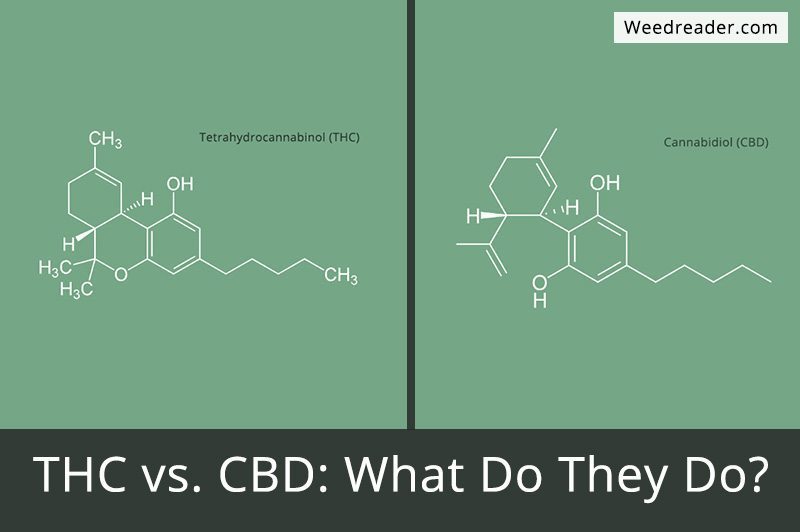
Science is discovering that the connection humans have to cannabis goes down to the molecular level. Continued research into the structure of THC and CBD has revealed that they are structural isomers. Essentially, they have the same basic parts but get arranged in a different way.

How do THC and CBD Work?

Cannabinoids like THC and CBD are able to bond with a special network or system of receptors in our cells. This system is present in most mammals, that is why cats and dogs will respond to cannabis in similar ways as you and I.
The specific receptors responsible for how weed makes us feel are called the CB1 and CB2 receptors. They were named after the different cannabinoids they are specialized to work with. I agree it’s not a very interesting name but being as simple as possible makes for easier science.
This system is called the endo-cannabinoid system. Endo for inside and cannabinoid for the type of chemical they work with. Cannabinoids like THC and CBD activate the receptors by mimicking the  neurotransmitters our bodies naturally produce called anandamides. Our bodies can’t tell the difference and accept the imposters without question. Yet each cannabinoid has a unique effect.

  • CB1 receptors respond to THC and are responsible for the psychoactive effects of cannabis. They are present in most of the brain and play a role in vital functions like; memory, mood, sleep, appetite and pain sensation. Cancer, insomnia, PSTD, MS, and many more disorders respond positively to CB1 stimulation.
  • CB2 receptors respond to CBD and are responsible for the anti-inflammatory effects of cannabis. They are found in immune cells and help reduce inflammation. Since inflammation is an immune response that is believed to be a factor in many diseases and conditions, controlling it can have life altering effects for people.

THC Ladybug

How are THC and CBD different?

THC is psychoactive, meaning it affects consciousness. Things like irritability, hunger and pain are all tied to brain function. THC reduces activity in the hippocampus, the part of the brain where memories are formed/stored). It also inhibits the amygdale, the part where the fight or flight instinct is stored/triggered.
If enough THC is added to the hippocampus, it can lead to a build-up of anxiety. Feelings of paranoia often accompany this negative reaction as the brain tries to deal with the elevated levels of cannabinoids. While no deaths have ever been recorded from weed alone, consuming cannabis does lead to reduced activity in certain parts of the brain.
While reducing brain activity is normally a bad thing, trauma and chemical imbalances can lead to hyperactivity in these brain areas. Conditions like PTSD and anxiety are examples where THC is one of the best treatments available. In fact, the VA recently made strides toward incorporating treatments into the framework of our military.
CBD is a totally different beast. It’s non-psychoactive, meaning it doesn’t affect consciousness directly. Yet it has been shown to have many beneficial properties. Things like swelling, decreased blood flow and seizures are all treatable by CBD.
Besides calming muscle spasms, CBD is able to counteract the psychoactive elements of THC. They have a balancing duality and because of their chemical similarities, it only takes a little acid to transition from THC to CBD and back again. Several companies have successfully synthesized cannabinoids already but it appears that the best effects come from natural plant sources.

How do we use THC and CBD?

Given that our bodies are hard-wired to benefit from cannabinoids, how do we get more? The oldest and most reliable way is to smoke some of the cannabinoid-rich trichomes that cover the cannabis flower. Vaporizing, eating and creating topical creams are also common ways to consume cannabinoids.
Modern extraction techniques exist that can produce almost 100% pure THC from raw plant matter. While this is the most potent/efficient way to consume THC, most commercial products range from 60-80%. Part of the reason lower percentage extracts are more common is the high cost of extremely pure THC or CBD comparatively.
Most people today consume cannabis in the form of food or concentrate to treat a malady or illness. Research has shown THC from smoking weed to be a neural-protector and helps slow/prevent Alzheimer’s. Cannabis can also provide relief to people suffering from neural conditions like Parkinson’s and Cerebral palsy. Patients often find more relief from their tremors, seizures and chronic pain than through other treatments.
Cannabinoids also play a part in the success of traditional cancer treatments like chemo therapy by stimulating appetite, relieving depression and reducing pain. While these benefits may seem minor, the increase in quality of life to these patients is measurable. Over time, the body will adapt to elevated cannabinoid levels so monitoring dosing is important.
Higher concentrations of THC and CBD are often needed for treatment of life threatening illness than can be found in raw cannabis. Over the centuries, this problem has been solved by refining the raw flower into concentrates. Products like BHO, PHO, RSO and CO2 extracts are excellent sources of concentrated THC to modern consumers.
Thanks for reading.
pot dealing

How To Deal With A Pot Dealer

Meeting up with a pot dealer can be a shady or outright annoying experience. If you’ve ever been handed your dub wrapped in a paper towel you know what we’re talking about. Outside of dispensaries you’re more likely to get skimped and lied to. Not everyone has the luxury of giving a 1 star rating and taking their business to the next dispensary. For the rest, here are some tips on how to better deal with a pot dealer.

BYOB (Bring Your Own Bag)

Bring your own bag. Smelly proof bags are good for containing the smell of dank so you can get your bud home without snitching on yourself on the way. If you get pulled over and the only thing containing the smell of your weed is a brown paper bag, you’re going to have a bad time. If you live with people who don’t approve of your habits, you will also have a bad time. So, bring a smell-proof bag or container when visiting your dealer.

Get A Scale

If you’re just buying for personal use a scale at your home is like a $20 lie detector test. It’s better to leave your scale at home so you don’t look like a dealer yourself. After picking up and bringing your bud home successfully, weigh it out. Make sure it’s equal to or greater than to the amount you paid for. If it’s any less you can confront your dealer via text. If they try to blame you or refuse to compensate you in anyway find a new guy. If they make it right, you can keep giving them your business but keep them in check.

Check The Product Out

Don’t just get tossed a bag and peel off. Unless you got it for a discount you’re going to want to check the quality. Most dealers claim they got the fire but if it’s a bag of brown nugs they’re obviously lying. Check for kief, make sure it’s not a bag of shake unless you agreed to buy shake. Frosty nugs and dank smells are good signs. If it doesn’t smell or it’s dry it shouldn’t be the price of top shelf. At this point you can tell them you’re not interested or that it’s not worth the premium price they were asking for.

Read The Signs

Dealers who won’t ever scale things out in front of you are a bit shady. If they won’t let you inspect it that is another red flag. If you ask them what it is and they never know they probably don’t care that much about weed. Pot dealers don’t attract too much drama, but if they’re dealing other drugs you should stay away.
Good signs include a dealer who always know their strain. They can tell you whether it’s a hybrid, sativa, or indica. These guys are a bit more committed to the plant than people just pushing whatever comes their way for the lowest number.

weed r

5 Reasons You Should Be Using Hemp Wick

History Of Hemp Wick

Hemp has been used mankind since ancient times. It hasn’t outlived it’s usefulness yet. hemp is still used to create textiles and to assist stoners. That’s right, hemp wick is still heavily utilized by weed smokers and for good reasons.
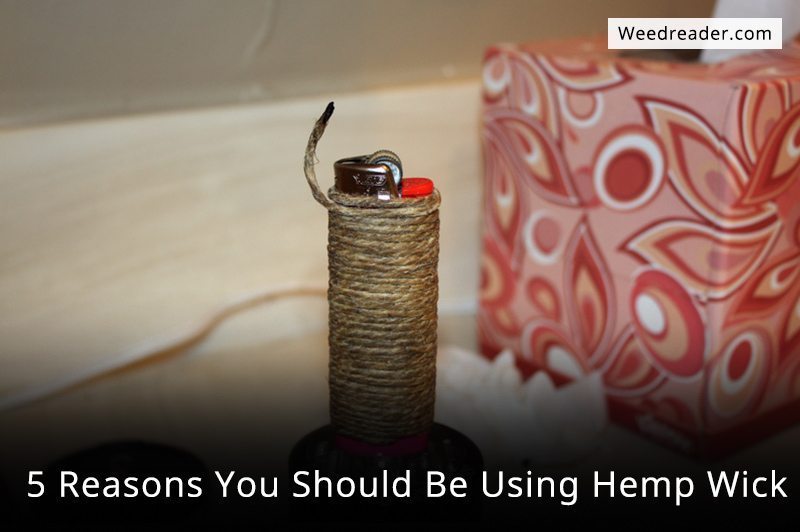
Hemp wick is usually made with wax and hemp. The strands can be ignited and will burn slow. The lit hemp wick is often used in place of a butane lighter. If you’re not already on the hemp wick bandwagon here’s five reasons you should join.

1. Protect Your Fingers

One main reason people use hemp wick is to protect your hands. The angle it takes to light a bowl might burn unseasoned smokers fingers. Not to mention the striking wheel will leave your fingers torn up. Thats a nono for anyone trying to hide their smoking habit from a parent or loved one. Burned and cut up fingers make it obvious that youre a smoker. Lighting bowls properly can take some getting used to but hemp wick makes it easier.
You can also help a friend who doesn’t usually smoke by lighting their bowl for them with hemp wick. Trying to light a bowl for someone else with a lighter can get awkward. With hemp wick, you can reach the bowl from a distance and light it. Additionally, this can be useful when trying to light the bowl of a 3 foot or bigger bong. It’ll be hard to reach on your own but with some hemp wick you can light it yourself.

2. Better at cornering bowls

Hemp wick is useful for that one friend who never learned to corner a bowl. If you’re trying to light a bowl outdoors the wind might make you light the whole bowl on accident. With hemp wick, light the end, and let it burn for about 5 seconds. Then quickly twist the wick to put out the flame. Afterwards, you should have a bright red cherried wick which can be used to corner bowls to perfection. You won’t accidentally light more than you need if you’re using this method instead of an open flame.

3. Smoother than using a butane lighter

Try a bong rip with the method mentioned above, then try one with a butane lighter. Let us know, which is smoother, we already know the answer is the hemp wick. There’s no butane to irritate your throat and lungs so you’ll find bong rips with hemp wick to be much more enjoyable.

4. Safer than using a butane lighter

Inhaling butane can be harmful to the throat and lungs. Fortunately, in small amounts the worst it can do is irritate. On the other hand, too much butane inhalation can lead to sudden sniffing death syndrome. Even if it’s just to avoid constantly irritating your throat and lungs, you’re probably better off using hemp wick over a butane lighter.

5. Less wasteful than a butane lighter

By being able to corner bowls better, you’ll be wasting less weed than you need to be. Furthermore, you won’t be contributing as much to waste and pollution. When you’re finished with your hemp wick there isn’t plastic and metal to dispose of like a bic lighter. The product literally gets burned away and it’s less toxic for the environment than butane when burned.
image: theweedstreetjournal

weedreader

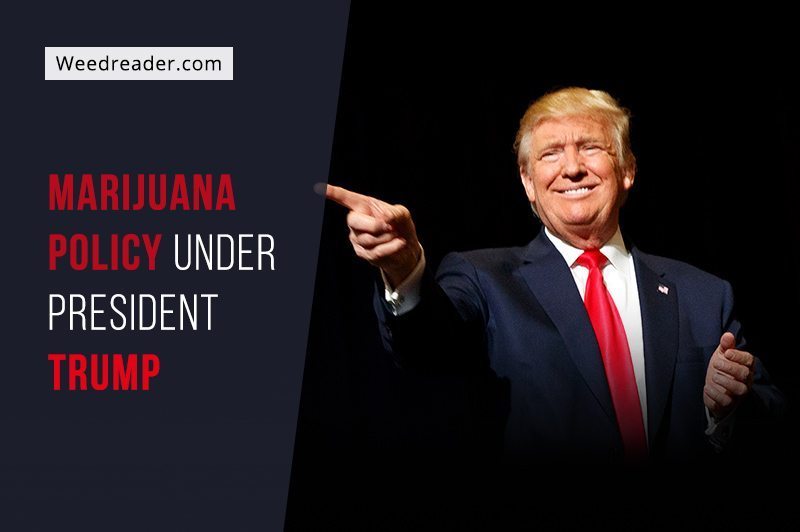
Marijuana Policy Under President Trump

President Trump. Those are two words I thought would never be uttered together. But much to my dismay, Donald Trump has won the election, and is now on his way to become President of the United States of America.
So what does this mean for the future of the legalization movement, and the War on Drugs?
It’s difficult to say what position Trump himself takes on the issue. He told reporters last year that, “In terms of marijuana and legalization, I think that should be a state issue.”
But how much of what this man says can we really believe? He has proven that he will say anything to please the electorate and/or generate media coverage. And his stance on legal pot has changed quite a bit through the years – at one point he was reportedly even in favor of legalizing all drugs – and he has repeatedly spoken out against recreational pot.
So on the issue of cannabis, like on so many others, Trump is basically a big, fat question mark. There is no telling what he really thinks, or what he will do when he takes office.
Perhaps the best way to determine how the Trump administration will approach drug policy is to take a look at his appointments. Who is he surrounding himself with? Who is he putting in positions of power?
And that’s where it starts to get really ugly.
Trump announced his pick for attorney general this week: senator Jeff Sessions. For those of you who don’t know who he is, the Republican senator from Alabama basically embodies every Hollywood stereotype of a white lawyer from the deep south… He makes racist jokes at work, and refers to black co-workers as “boy.” He called the NAACP a communist organization. He opposes the Voting Rights Act and supports mandatory minimum sentencing for drug offenders.
He admitted to making the following “joke” to his colleagues while serving as prosecutor in Alabama: “I was fine with the Klu Klux Klan until I found out they smoked pot.”
That one statement, I think, sums up who Jeff Sessions is, what he believes, and his attitude toward marijuana (among other things). And if you’re a pot smoker, a person of color, or anyone who cares about civil rights and criminal justice reform, the thought of Sessions assuming the position of America’s top prosecutor should send shivers down your spine.
Fortunately, his appointment does have to be confirmed by the Senate. Unfortunately, the Senate is still in Republican hands. We can only hope that there are enough senators of good conscience, on both sides of the isle, who will be willing to risk “the wrath of Trump” in order to oppose his appointment of a notorious racist to be next U.S. attorney general.
Whether Sessions gets confirmed or not, the fact that he was picked in the first place is troubling enough. It’s a clear sign of which direction the President-Elect plans to take this country during his term: backwards.
At a time when 60% of Americans support recreational marijuana, when 8 states plus D.C. have already voted for it, and no less than 28 states have medical marijuana programs in place, Trump taps a guy whose drug policy is reminiscent of Reagan and Anslinger. Despite the growing consensus that cannabis needs to removed from the list of Schedule 1 drugs, and decriminalized at the federal level, Trump is assembling a cabinet that will do anything but.
It looks like under President Trump, the War on Drugs is alive and well… for the next 4 years at least.
Photo: AP/EVAN VUCCI – APIMAGES