Feds Study Effect Of MMJ On Opioid Use

Feds Study Effect of MMJ on Opioid Use

 What would you do with access to MMJ and $3.8 million dollars?opioid treatment
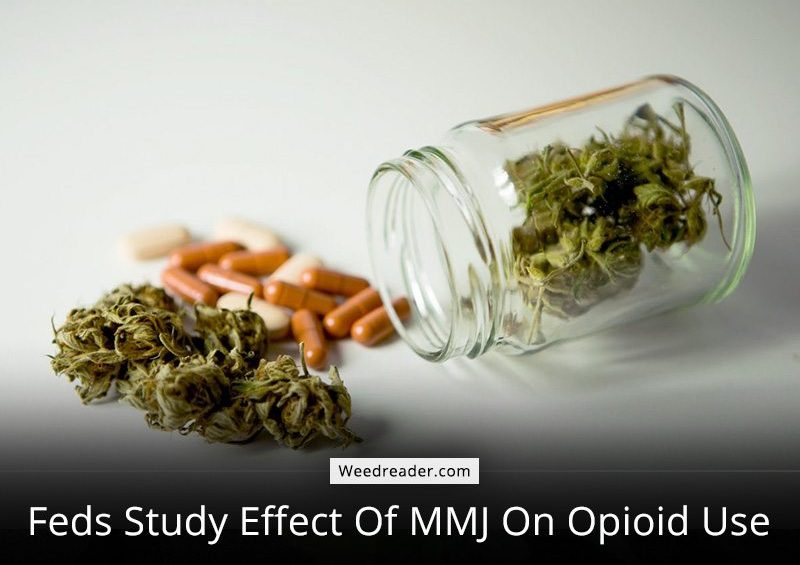
Researchers at Albert Einstein College of Medicine and Montefiore Health Systems get to find out if medical marijuana reduce opioid dependence. Researchers were granted the sum to fund the first in a new round of long-term studies. While past studies have tested cannabis in pain management in HIV and cancer patients, this has a different focus.
This study will officially investigate the effectiveness of medical marijuana in treating opioid addiction. Investigators explained their reasons in a media release by the associate chief of general internal medicine Chinazo Cunningham. She claims “There is a lack of information about the impact of medical marijuana on opioid use in those with chronic pain,” and “We hope this study will fill in the gaps and provide doctors and patients with some much needed guidance.”
There are many people who claim cannabis helps opioid users with chronic pain step down their use to safer levels. A minority of users also report that they can completely eliminate their opioid dependence with cannabis. The hope is that patients can remove their dependence entirely but only studies like this can prove it to be true or false.

The study focus on adults with HIV, chronic pain, and it uses real MMJ.opioid treatment

Study participants include 250 HIV- positive and negative adults with chronic pain. Subjects are also required to have a doctors recommendation for medical marijuana. This is the fist study of its kind to use state approved dispensaries to provide the cannabis.
Federal contractors in Mississippi normally provide “research grade” cannabis that has a THC content below 10%. Stored improperly by design and seemingly produced by putting a whole plant in a food processer, almost any dispensary would reject it. This cannabis is known as NIDA weed and these researchers decided they didn’t want it in their study.
Instead of using federally obtained NIDA cannabis like past studies, this one will use cannabis from New York dispensaries. This cannabis is produced and processed by master growers, passes laboratory testing, and has THC content between about 15% and 30%.

Up until now, evidence is mostly anecdotal.

Many people have moving personal stories but they fail to prove anything. We can’t forget the ‘placebo effect’ or projection when listening to a single person tell their story. This study offers 250 people the opportunity to produce the first peer-reviewed research on the safety and effectiveness of cannabis in treating opioid addiction.
This long-term study will also span 18 months and include web-based questionnaires every two weeks. The questionnaires focus on pain levels and the effect of medical and illicit cannabis on opioid dependence. Blood and urine samples get submitted every three months in-person at specified medical facilities. In-depth interviews of participants will explore their perceptions of how marijuana affects their opioid use.
HIV patients suffer from opioid addiction more than other populations. But there is conflict on how many actually suffer in silence. Past studies claim that over 90% of HIV patients suffer from chronic pain while others claim the number could be as low as 25%. With opioids as the go-to pain treatment for most doctors, there is a high risk for misuse and subsequent addiction.

The cards are stacked against cannabis reducing opioid use.

Medical marijuana has made serious strides in legitimizing itself as a treatment for pain. Twenty-nine states (plus the District of Columbia) have legal marijuana use in some way. Chronic pain and HIV/AIDS are qualifying conditions in all of those states.
Yet researchers have never explicitly studied whether or not medical marijuana reduces opioid use over time. Most studies attempt to prove marijuana doesn’t treat medical conditions but fail to do so. This looks at the possibility of treating pain with similar skepticism.
The best part about science is that all the evidence counts. Despite researchers personal desires, the results speak for themselves. This study is no different. “As state and federal governments grapple with the complex issues surrounding opioid use and medical marijuana, we hope to provide evidence-based recommendations that will help shape responsible and effective healthcare practices and public policies,” Cunningham said.

Medical cannabis promises hope to opioid abusers.

HIV and AIDS patients across the globe have claimed cannabis treats their pain. This is the first step in a new phase of medical research. Instead of using the lowest possible quality of weed, they plan to look at real people using real cannabis. The results will likely add to the mountain of evidence that supports medical marijuana.
There is still a long time to go before the results come in. Long-term studies take loads of time to analyze the data. Years pass before researchers publish results. Especially in studies like this. It may be two or more years before anyone can make a claim about the effectiveness of marijuana treating opioid addiction based on this research. We have to sit tight until then.
But if the past has taught us anything, it is that marijuana is a more powerful healer than we ever thought possible. This is just the first of a new wave of research but the results look to direct the following discussion heavily. Let’s just hope that those in power listen to the research.


msweed

MS and Weed: Treating Multiple Sclerosis

Multiple sclerosis (MS) is a chronic degenerative disease.

It affects the central nervous system and causes inflammation, muscular weakness and a loss of motor coordination. As MS progresses, the patients typically become permanently disabled. In extreme cases this can be so severe that it causes patient death.
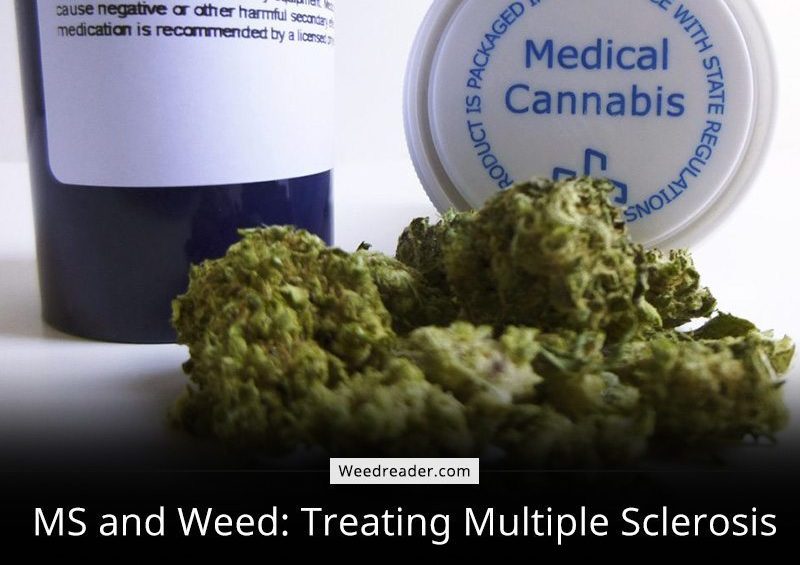
The US National Multiple Sclerosis Society estimates that 200 people are diagnosed with the disease each week. MS most often strikes individuals between 20 and 40 years old but has been seen appearing across the age spectrum. Because of the symptoms of MS, it is recognized by all states as a qualifying condition for medical marijuana.

Efforts have been made to protect medical patients from federal punishment.

Although marijuana is still federally illegal, legislation passed in 2015 clarified that the federal government would no longer use federal funds to enforce federal marijuana laws. This included states that permit medical marijuana use. The legislation was an effort to reduce confusion about federal intervention in states that legalized use.
The directive effectively overturned the Supreme Court’s 2005 ruling which said the federal government could prohibit and prosecute the possession and the medical use of marijuana. The court also ruled that state laws did not protect medical users from prosecution. The legislation was careful to ensure that if White House later chooses to reverse the federal directive, it can.

Cannabis isn’t the only treatment out there but it is one of the best.

Most agree that better therapies are needed to treat the symptoms of MS (since there is no cure) which include pain, tremors and spasticity. Current pharmaceutical options may not sufficiently treat the symptoms of MS but there are about the benefits of marijuana relative to its side effects.
The National Multiple Sclerosis Society is one of the biggest non-profit names in MS. Over the years, they have proven to be allies of patients as they fought to help promote awareness and access to new and alternative treatments.
On their website the Society claim to support:
“the rights of people with MS to work with their MS health care providers to access marijuana for medical purposes in accordance with legal regulations in those states where such use has been approved. In addition, the Society supports advancing research to better understand the benefits and potential risks of marijuana and its derivatives as a treatment for MS.”

We know a lot about treating MS with cannabis.

There have been tons of studies on effects of cannabis on cognition / cognitive function in people with MS. Two of which stand out as examples of the common outcomes for treatment with cannabis. While both were published in the journal Neurology, the first was in 2012 and the second was 2014.
In the 2012 study, 25 MS patients who regularly smoked or ingested street cannabis were tested and results compared to 25 MS patients who didn’t use cannabis. The users were tested at least 12 hours after last using to minimize intoxication.

The 2014 study used 20 MS patients who smoked cannabis and 19 who didn’t.

They matched them based on demographics and neurological variables before undergoing magnetic resonance imagining(fMRI). The scan revealed brain activity while performing tasks and tested their working memory. As memory tasks became more demanding, cannabis users performed increasingly worse than their non-using counterparts.
Cannabis users performed significantly worse on measures of information processing speed, working memory, executive functions and other cognitive functions than non-users. In addition, they were twice as likely as nonusers to be considered cognitively impaired. The study showed that cannabis can worsen cognitive problems in MS.

Cannabis doesn’t have to be smoked to be medically beneficial.

Participants in another study with stable MS were randomly assigned to receive oral cannabis extract.  The test group consisted of 144 using cannabis and 135 on a placebo. Participants reported their perceptions of changes in muscle stiffness.
The administrators tested participants both before and after 12 weeks of treatment. They found that muscle stiffness had improved almost twofold in the group taking cannabis compared to placebo. Patients also reported improvements in body pain, spasms and sleep quality.
Contrary to popular belief, using cannabis did come with some negative side effects. While only a percentage of the population, the study noted increased risk/frequency of urinary tract infections, dizziness, dry mouth and headache. These side effects should not be news to anyone who has used cannabis before and the team reported observing no new safety concerns.

No discussion would be complete without mentioning Nabiximols.

Nabiximol is an oral spray derived from cannabis marketed as Sativex by GW Pharmaceuticals. Available in 15 countries and approved in 12 more (excluding the US), Sativex is used to treat MS-related spacity. It significantly improved spasticity in a proportion of the population with MS who had been identified as likely to respond to the therapy.
The Journal of Neurology, Neurosurgery & Psychiatry reported on a long term study on the safety of cannabinoids in MS. The study used 630 subjects with stable MS and muscle spasticity from 33 centers around the UK and randomly assigned some to receive oral THC, cannabis extract or a placebo.
Over the course of 15 weeks, the oral derivatives did not provide objective improvement to the subjects according to a standardized assessment tool. When it came to subjective improvement though, there were significant improvements in spasticity and pain. Even though the tremor and bladder control symptoms did not seem to respond to the treatment, people felt better.

A study has to be ready for some complications.

Basically, when participants report feeling improvements that cannot be confirmed by the physicians, there is a problem. This could be dealt with normally but the Nabiximol study became unblinded. The side effects of THC made it clear to patients they were receiving the active drug rather than the placebo.
In another study published by Lancet Neurology during 2013, they tested orally administered dronabinol. The test group consisted of 493 patients with 329 receiving at least one dose while 164 received at least one dose of placebo. The results showed that dronabinol had no overall effect on MS progression.

What has your experience been?

Do you have MS and treat with cannabis or know someone who does? What have your experiences been? Do you prefer using a natural flower or synthetic pharmaceuticals?  Let us hear about your struggles and triumphs in the comments below. Thanks for reading.
 

The University of Maryland Now Offers Marijuana Training

The University of Maryland Now Offers Marijuana Training

Finding someone well-trained in the intricacies of cannabis can be hard.

There is no shortage of people who are interested in weed. But interest doesn’t always translate into skill. Few stoners possess the technical understanding and training needed to provide real medical care with cannabis. The University of Maryland School of Pharmacy is looking to change that by offering certified medical training.
In a growing trend, Baltimore joins a short list of universities and colleges, including the University of Vermont College of Medicine providing cannabis related coursework. These educators seek to capitalize on the growing marijuana industry and introduce educational standards to the industry. Yet even in the midst of assembling coursework, the science and legal standing of pot are evolving.

There is a big push to reform cannabis education.

“We wanted to be there as a resource,” said Magaly Rodriguez de Bittner to the Baltimore Sun. As a pharmacy professor and the executive director of the school’s Center for Innovative Pharmacy Solutions, Magalay is serious about educating cannabis professionals. Her department got the ball rolling and began signing up potential workers for training June 29.
Magalay doesn’t endorse marijuana use but feels that better educated workers are important. “If you’re going to be dispensing,” she said, “let’s make sure your staff in trained in best practices to do it safely and effectively.” The school offers all the coursework online so people already employed full-time in the industry can still participate.
The University of Maryland is also partnering with advocacy groups like Americans for Safe Access to provide the highest quality training. In a highly collaborative effort, advocacy groups are developing the curriculum while the school vets and adjusts it. The certification is part of Marylands new medical marijuana law.

Education is not the same as endorsement.

The school maintains that training doesn’t mean an endorsement of using marijuana. The University of Maryland wants to preserve its standing as a well-regarded institution since its founding in 1841. The university heads also reiterated that medical marijuana is not approved by the U.S. Food and Drug Administration.
Maryland passed its medical marijuana legislation in 2014 but still doesn’t have any working dispensaries. But that didn’t stop them from building the infrastructure needed to support it once developed. The school had an online platform to offer the training and a mission to provide education to health care providers. So even if the science and government regulation has yet to catch up with demand, Magalay is moving forward.

But Maryland isn’t operating in a vacuum.

There are only a handful of universities that support research into medical marijuana. This is partially due to cannabis being a federally restricted, schedule 1 classification substance. The classification (the same as heroin and LSD) prevents medical research in many ways. And has caused several large health systems to ask doctors not to recommend marijuana.
Global names in the fight against cancer like Johns Hopkins still can’t support treatment with cannabis. Even state healthcare providers like LifeBridge Health and Medstar Health ask their doctors to avoid cannabis. They have policies like this because of the political and more importantly, financial repercussions of supporting marijuana.
While Maryland and 28 other states plus the District of Columbia have legalized medical marijuana, it is federally illegal. The Justice Department has a long history of seizing assets, revoking funding and retaliating against supporters of marijuana. Attorney General Jeff Sessions continues a long tradition of prosecutors who feel “Good people don’t smoke marijuana.” And he is willing to do whatever he feels is necessary to keep it illegal.

Maryland is still determined to offer certification.

Doctors are not obligated to get specific training before prescribing cannabis. Growers, processors, dispensaries and laboratories are required to be ‘certified’ according to the Maryland Medical Cannabis Commission executive director Patrick Jameson. Certifications and subsequent inspections intent to focus on safety, security and record keeping.
Businesses must ensure relevant training to a person’s position and different agents have different requirements. A field-hand working in the nursery will need different training and certification than a budtender. According to Jameson, dispensary workers have even more requirements than other marijuana workers listed in the law.
There are a number of certification services available around the state. Most struggle to stand out as more credible than the others. Americans for Safe Access hope the University of Maryland name adds legitimacy to the courses they offer. Having the support of the state university acts like a funnel which perpetually introduces students to the non-profits.

Partnering is a win-win.

Shad Ewart is a professor at Anne Arundel Community College. He teaches a course about the marijuana industry that is credited but isn’t part of the certification yet. He pointed out that both the schools and the non-profits benefit.
Developing a curriculum can take months or even years. University officials simply reviewed the content submitted by the non-profits and made it conform to educational norms. It is a rare example of real-world job skills in the classroom.
Everyone understands that colleges and universities don’t want to jeopardize federal funding they already receive. Current research, student loans and other programs risk defunding because the school waded into the medical marijuana arena.

Every miner needs a shovel.

Ewart said there is a need and demand for certification from students who want to launch their own businesses. But the school can’t offer degrees in cannabis like they do for other fields. Instead of a degree in growing, transporting or selling weed, Ewart guides students to ancillary operations. These include less illicit industries like security, marketing, accounting and retail.
Much like the California ‘gold rush’ of the 1800’s, the modern ‘green rush’ is benefiting ancillary businesses the most. “If the legislation says you must have fencing with video surveillance, well, that’s good for the fencing and video industries,” Ewart said.
When Americans for Safe Access began offering training in 2002, there were only 11 dispensaries in the country. Over the last 15 years, the industry has grown and evolved with many competitors entering the market.

The race is on.

As more states join the green rush, more schools will offer similar programs. Companies like the THC Institute, Cannabis Training Institute and Green Cultured have certified training programs available. Each has a unique perspective and philosophy so finding the right one for you requires a little research.
Courses offered by Americans for Safe Access include instruction about laws and regulations; the latest evidence on uses for medical marijuana; plant and product consistency; pesticides; sanitation; operating procedures; labeling, inventory control and record keeping; and more.
The University of Maryland offers 30-hour certification courses on their website for $450 to $750. People from West Virginia, the District of Columbia and even California have also shown interest in the courses. Only time will tell if this becomes a major trend but I for one hope it does.

Would you attend a college that offers marijuana courses? What would you major in? Let us know in the comments below.

mari brain

Marijuana and the Developing Brain

People are worried that THC might harm children.

Twenty three states have legalized recreational cannabis. States like Colorado and Washington led the charge in legalizing recreational sales and many states are following suit with California being the most notable new addition. As the sixth largest economy in the world, the economic might of California can move mountains.
In states where recreational sales have been legalized, the demand has been astronomical. Adults from across the globe are traveling or moving to these states because of legalization. These are hard working, intelligent and motivated people mostly. Many work full time, pay their taxes and take their kids to school. And they worry about how it could affect a child’s developing brain.

Children need to be protected from weed.On the Job

Regulated markets reduce unauthorized access and danger to the general population. That’s why we use them for our most important industries like health care, nuclear energy and banking. Every legalizing state has implemented strict laws to create regulated markets that prevent sales of cannabis to minors. It may not be enough to satisfy the wailing of concerned and/or uninformed parents but those measures make a difference to many lives.
In addition to preventing sales to minors, states have unanimously added a tax to every recreational transaction that goes directly to school funding and drug treatment programs. There are also strict regulations aimed at child-proofing packaging. Not to mention rules that prevent anything that “targets children” like; bright colors, cartoon mascots, fun names and even some packaging advertising fruit flavoring.

But are children really at risk from cannabis?

We all know that cannabis use doesn’t directly kill but that doesn’t mean it’s safe for everyone. Critics of cannabis claim that we don’t have enough research about the effects of cannabis to make an informed decision. This inevitably leads to claims that legalization needs to be held back until we can “get more research”.
But the truth is that people have been researching cannabis for decades. Not just dudes growing in their basements either. We are talking top tier social scientists funded by corporations like Monsanto, Pfizer and Phillip Morris to name a few. Companies and governments have conducted study after study to try and prove or disprove that cannabis is dangerous, especially to children.

Science says cannabis messes with your head.developing brain

Nobody can deny that smoking cannabis affects cognition. That is one of the main reasons people begin using in the first place. And we all know that smoking more creates a more potent effect. So it stands to reason (and is backed up by research) that those who smoke large amounts of weed for long periods would see a real change in how their developing brain works.
But new advances in neuro-imaging have allowed doctors to see the physical changes that smoking weed causes in the developing brain over time.  And those images reveal that some of the reasons cannabis is able to treat autism are the same reasons normal children should not use it.

Smoking weed affects the cerebral cortex the most.

This is the part of the brain needed for higher functions like risk assessment and abstract reasoning and it isn’t done developing until the early twenties. Cannabis basically reduces the rate that neurons can respond and form connections to other neurons in this part of the brain.
The risk of stagnation is even higher in a developing brain that began using THC under 16 years old. During our childhood, our brains develop most of the neural connections we will ever have. Once we reach our early teens, our neurons prune off the unused connections and reinforce the most used pathways. Once we reach adulthood, our brains grow much slower so the effects are less pronounced.

It’s not like growing up can wait either.Happy Couple o' Stoners

Our bodies are designed to develop over a limited time. Once we hit the right age (about 21 for women and 27 for men), our bodies are done developing new parts and finish cleaning up our neural pathways. Our brains have developed all the tiny folds (known as gyration) that mark a healthy brain.
Once we cross the threshold of adulthood, there is no making up for lost time. But that isn’t to say you can’t counteract some of the negative effects. There are a variety of actions and measures that a developing brain can take to minimize the negative effects of cannabis.

The Developing Brain is all about getting more folds.

Our developing brains are unique in several ways. In addition to having the largest prefrontal cortex (compared to the rest of the brain)in the natural world, we also have one of, if not the crinkliest. The crinkles  are actually folds that increase surface area and are directly related to IQ.
High levels of THC consumption has been shown through fMRI to decrease the amount of white and grey matter that the brain develops and increases cortical thickness. This can be helpful if you suffer from schizophrenia or Autism which are caused by hyper gyration.

The evidence is less than concrete though.MS treatment

While the evidence is mounting that THC reduces cognitive abilities in normal people, that doesn’t mean it’s harmful. Everyone has some unique stress, trauma or gift that makes their brain unique. In all of the studies conducted so far, any changes that have been documented and attributed to THC have been tenuous.
One study claimed THC use reduces IQ by up to 8 points. But other researchers were unable to replicate the findings. Other studies have made less exaggerated claims. One fMRI study did show a change in the developing brains of adolescents. But the researchers were unable to rule out other causes like alcohol or social pressures.

Meditation may be enough to counteract the negatives of THC.

Our bodies are complex and our brains work like a muscle. Similar fMRI studies have shown that active meditation over years can increase brain gyration. This suggests that the negatives associated with cannabis consumption are less about the actual chemicals and more about how we are using our developing brain.
And I want to reiterate that no study has been able to produce verifiable, repeatable evidence that consuming cannabis Causes irreparable harm. Even the studies that found evidence of negative outcomes showed that the overall change was small. Even looking as hard as possible, there is nothing to show cannabis as dangerous and there is no reason to wait for more evidence to make a decision.

medical canna

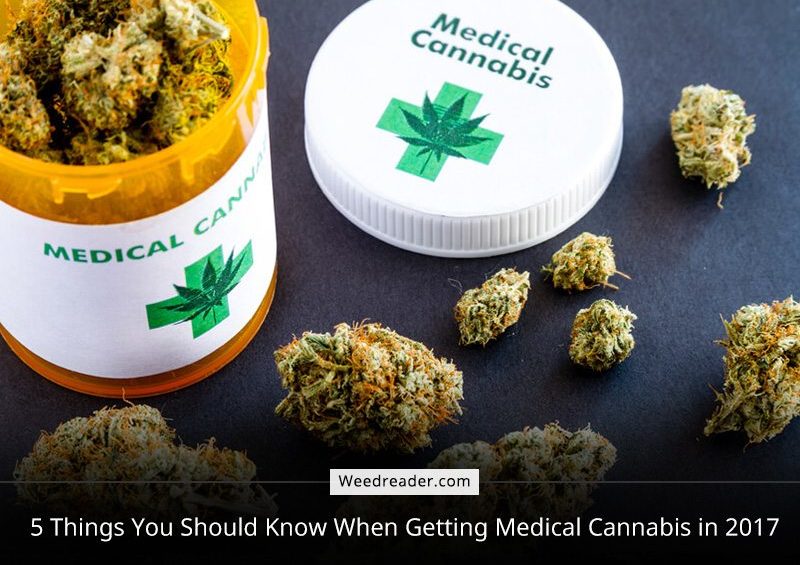
5 Things You Should Know When Getting Medical Cannabis in 2017

As California prepares for the upcoming wave of dispensaries and shops set to provide legalized recreational cannabis; many people are still confused about medical marijuana, how to get it and how it might help them. Here are 5 things you should know about medical cannabis and getting your hands on it in 2017 …
1. Is a Medical Marijuana Card Still Necessary?

A medical marijuana card is still necessary until January 2018, when legalised recreational cannabis kicks in. Getting yourself a medical marijuana card will save you money both now and in the future (no sales tax on medical marijuana as well as dispensary deals), give you access to more dispensaries and a greater range of products, and give you the opportunity to grow cannabis. Yes, it costs to get a MMJ card and recommendation letter, but it’ll likely save you lots of money in the long-term.
Moreover, getting a medical marijuana card is easier than ever, especially with telehealth (and yes, I am available over telehealth – we are HIPAA compliant, totally private and extremely secure). All you need to do is:

  • Sign up at doctorfrank.com (or any other reputable site)
  • Fill out the medical marijuana evaluation form, attaching any relevant medical records you may already have proving your condition/s.
  • Talk to the doctor, which in this case will be myself, Dr. Frank D’Ambrosio.
  • If you qualify, you will be given a signed recommendation letter.
  • This recommendation letter can be emailed to you, so you can start using your recommendation letter straight away.
  • A medical marijuana card can be sent to you via post – not necessary, but highly recommended, and many dispensaries prefer you to have one.

2. Finding the Right Dispensary
Once you have your cannabis card and recommendation letter, it’s now a matter of going to the right dispensary. As everyone prefers a different environment, I recommend reading the dispensary’s reviews online, asking others if you know of anyone who frequents medical marijuana dispensaries and exploring them for yourself.
The range of dispensaries out there and what they provide is immense. However, they should all still provide a decent service. Do they grow good, trustworthy cannabis in well-tended environments? Do they have knowledgeable consultants, budtenders and owners who have studied their products and can tell you about them? Do they have have social and educational classes? An onsite doctor? All of these will usually show you how seriously a dispensary takes their job.
3. Finding the Right Strain
Much of the same advice that’s been given above on finding the right dispensary can be given about finding the right strain – i.e. ask others, read reviews and give several a try. Start slowly, though, and only take a little bit at a time. First-timers (and even some seasoned pros!) may want to avoid edibles – vaporizers are usually much easier to titrate with.
Asking “sativa, indica or hybrid?” will give you a rough idea, but can be misleading on occasion. Should you be looking for a particular effect, you’ll want to look at a specific cannabinoid and terpenoid profile – the genetics will tell you more about this than the strain names. The budtender/consultant at whatever dispensary you go to ought to be able to help and know their products inside-out, but remember that different phenotypes of the same plant may have different cannabinoid and terpenoid profiles.
Also remember that “everyone’s endocannabinoid system (ECS) is different”. This means that what may work for one person may not work for you and vice-versa, even for the same condition. Sure, there may be some common effects for some people, but not everyone. Remember, though: codeine doesn’t work for everyone, yet it’s still wrongly considered a “gold standard” of cough suppression. You can overdose on codeine; you cannot do so with cannabis, except in a theoretical sense.
4. Can’t Get to a Dispensary?
You can now get cannabis delivered to your door, securely, relatively quickly and discreetly. What a world we live in!
5. The Government Owns the Patent to CBD …
… Everytime you walk into a dispensary, read about someone getting arrested for cannabis use and/or see a sick person denied a medicine that could help save their lives, remember one thing: the US government owns the patent to CBD, but still considers it a Schedule I drug federally. In fact, all of the cannabinoids from cannabis are listed as a Schedule I drug, regardless of psychoactive effect. Make of that what you will …
Perhaps one last thing you should know is that you shouldn’t be afraid to use cannabis. Cannabis will not kill you, will not make you a mess and will probably not ruin your life – in fact, it many cases, it might just well improve it! Just listen to the hundreds of thousands if not millions of medical marijuana patients saying the same thing.

newzc

New Zealand Finally Legalizes CBD


A new day is dawning.

New Zealand is finally joining the cannabis liberation movement. Proposals to amend the Food Standards Code go as far back as 2002 and have had little success until now. Australian and New Zealand state and federal health ministers have bucked that trend by finally allowing hemp to be sold as a food.
The Australian and New Zealand Ministerial Forum on Food Regulation approved the sale of hemp as food in April. But according to the Australian  industry publication Grain Central, they also imposed strict guidelines around the products’ marketing and labeling.
The newly released guidelines ban any references to the presence of CBD in the product. This is to prevent any brands linking the products to illicit cannabis or suggest that the products have psychoactive or therapeutic effects. Even though they don’t want anyone associating food with weed, the government is aware of the benefits of hemp.

Hemp is good for pretty much everyone.

Hemp food are popular because they contain high levels of protein. A tablespoon of hemp seed can contain almost double the protein found in eggs. Not just any protein either, cannabis has near-perfect ratios of Omega 3 and Omega 6.
New South Wales Minister for Primary Industries Niall Blair was excited for “Australians to reap the benefits” of both hemp food  (which is legally sold in 21 nations) and an expanding hemp industry. “Low THC hemp is legally already grown in NSW under strict licensing conditions and it is a hardy and sustainable crop that has enormous potential for both domestic and export markets,” Blair  claimed in the report.
“The standard will take effect six months after it has been gazetted and ministers acknowledged that there is still a range of New Zealand and State and Territory legislation that currently prohibits the sale of low-THC hemp seeds as a food which will need to be amended,” the health ministers wrote at the Forum of Food Regulation on Friday.

New Zealand hemp cultivators are working to be ready for the changes. New Zealand CBD

Australia legalized industrial hemp production nationwide in 2008 but not as a food. Opening the food market increases the demands on production as well. One key for domestic production to keep up with demand is developing drought resistant hemp. Specifically varieties that can then be grown locally and exported legally.
But CBD providers have to be careful about how they market their products. THC, cannabis and marijuana are all words that can get a product pulled from the shelves. Special steps are necessary to ensure compliance with advertising regulations.
It’s understood that labels on hemp foods cannot even allude to psychoactive effects or use the words “cannabis” and “marijuana”. But producers who can work around this might get their products to hit shelves as soon as November.
The big difference between cannabis/marijuana and industrial hemp is the THC levels. Hemp has about 0.03 per cent THC, while marijuana can contain up to 30 per cent THC. This makes it so smoking a whole field of hemp physically can’t get you high. So while cannabis remains restricted, Australia and New Zealand both get to look forward to a new dawn for CBD and hemp.

marijuana

Marijuana Helps Treat Drug Addiction

Marijuana aims to reduce drug addiction.

For those who can’t simply stop taking dangerous drugs, harm reduction is the next step. Harm reduction is the process of treating drug addiction problems by helping patients slowly limit their drug intake. Scientists are researching the use of marijuana as a possible harm reduction treatment.

Joe Shrank uses marijuana in harm reduction.

Joe Schrank is an American program director and the founder of High Sobriety. He uses marijuana as a detox method for his patients who are struggling with severe drug addiction. Schrank says that some patients want to wean themselves off drugs. And cannabis provides the less invasive means of maintaining sobriety.

Not everyone believes marijuana is useful as a detox tool.

Joe says he’s been criticized for using weed as a detox cure. “Some say it’s hypocritical because, you know, you’re supposed to go to rehab to get off drugs.” Joe reply’s to criticisms with his own personal experiences. He’s been free from drug abuse for over 25 years by using weed to help him become abstinent.
CEO, Todd Stumbo, of Blue Ridge Mountain Recovery Center in Georgia disagrees with Shrank’s methods. Stumbo argues that there is currently abstinence based methods that are proven to help patients with their drug addiction problems. That there is simply not enough evidence to support Shrank’s methods using cannabis.

Some researchers are on the fence about cannabis usage in harm reduction.

Dr. Nora Volkow is the director of the National Institute on Drug Abuse. Dr. Nora agrees that there is currently not enough evidence to support marijuana as an effective tool in harm reduction. She also states that there is no evidence-based medication that has been effective in the treatment of cocaine addiction.
Dr. Nora is saying, “In principle, what we have aimed for many years is to find interventions that would lead to complete abstinence.” And, “we currently have no medicine to intervene, and it [cocaine] can be a very severe addiction and actually quite dangerous.”

How marijuana helps reduce drug abuse for patients.

Yasmin Hurd is the director of the Addiction Institute at Mount Sinai School of Medicine. Yasmin found that cannabinoids like THC and CBD reverse some of the brain changes that occur with heroin use. She also discovered that CBD positively influences the body’s biological systems. Systems that are linked to negative components of addiction such as anxiety and inhibitory control.
M-J Milloy is the infectious disease epidemiologist and research scientist at the BC Center for Excellence in HIV/AIDS. His studies also found that crack addicts benefited from marijuana. They started weaning themselves from crack which showed significant positive results.
Another study found that cannabinoids effectively reduces cravings and anxiety among heroin addicts. “[Weed] can really help people with pain management and other health issues, or it can help them be safer,” Schrank said. While not concrete, this supports the effectiveness of harm reduction methods and goals.

Is abstinence possible with weed?

Abstinence is a difficult thing to accomplish for many drug addicts. In addition to chemical changes and long term damage, which is the case of many pharmaceuticals, recovering addicts face intense social stigma.
Schrank says that people need space to grow and develop themselves. The process of recovery is a lifelong one and cannabis can help with the transition. And we must also remember that most people coming off crack or heroin need to feel that comforting feeling of change. Cannabis may not solve every problem, but it can help other issues seem smaller.


mari

Accidentally Overdosing on Marijuana

How others have dealt with accidentally overdosing on marijuana.

When people consume cannabis, it stimulates the endocannabinoid system (ECS). The ECS is responsible for regulating the response to rewards, stress and emotions. THC affects the ECS by disrupting the ability to regulate the response to stress, which causes anxiety instead of relieving it in extreme cases. Weed is interesting because it can help people alleviate pain and cause relaxation, but at the same time it can cause paranoia and anxiety. However, there are thousands of cannabis strains that have different affects and cause feelings of well-being.
A 26-year-old graduate from University of North Carolina ate a pot brownie and had the worst experience of her life. She lost the sense of time and was shaky. She said it felt like she was trapped inside herself. Did this 26-year-old consume too much or eat the wrong type of pot brownie?

Chelsea consumed too much weed and caused her own anxiety.

Chelsea Wind, a 46-year-old is a normal cannabis consumer. One night she was suffering through an anxiety attack and her friends convinced her to consume more and more to help relax. Chelsea couldn’t calm down and eventually called 911.
Dr. Mohini Ranganathan, from Yale University is an assistant professor of psychiatry. Dr. Ranganathan specializes in cannabinoid research, and she says that people who consume low doses of weed are more likely to feel the effects of anti-anxiety effects. Chelsea consumed too much and in fact exacerbated her anxiety by taking too much cannabis. “As the dose increases, you become more and more likely to experience anxiety and panic,” Dr. Ranganathan says.

Is there such a thing as psychoactive safe weed?

Dr. Ranganathan also says that consuming a large quantity of weed causes people to feel the psychotic effects such as extreme anxiety, paranoia and hallucinations. “When people talk about marijuana, they’re not distinguishing between the different components of cannabis,” she says. One of the main components of marijuana is THC. The more cannabis with THC is consumed, the higher the amount of anxiety a person feels. Sativas are a type of weed strain that are usually high in THC and end up creating higher feelings of anxiety. Indica’s are nicer on people because they help create the feeling of relaxation and minimize the feeling of anxiety and other negative psychoactive issues.

gmo

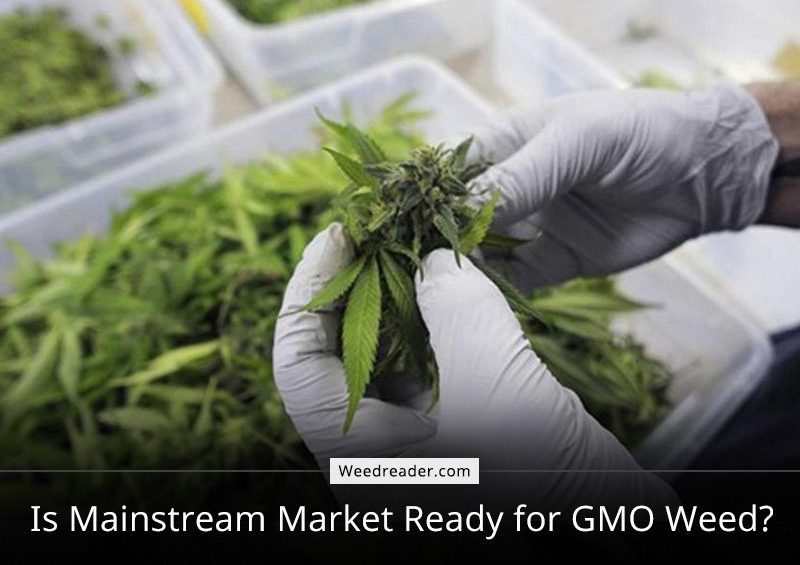
Is Mainstream Market Ready for GMO Weed?

Will GMO Weed take over the marketplace?

Genetically altered marijuana, GMO weed, has yet to find its way into the mainstream marketplace. According to Dr. Reggie Gaudino of the Steep Hill cannabis laboratory, everyone will soon see GMO cannabis for sale. Local farmers have two years to utilize their advantages before big corporate farmers like Monsanto take over the marketplace. But not all researchers and groups agree. Humbolt County has distanced itself from GMO marijuana and focused on organic and environmentally friendly farming practices.
Oregon researcher Mowgli Holmes from Phylos Bioscience disagrees with the idea of GMO’s taking over mainstream cannabis. Holmes says that the people will not be ready to accept genetically modified weed for a very long time. “I don’t think there is anything that GMOs could do for cannabis that we need that couldn’t be done by advanced plant breeding techniques,” Holmes said. “GMOs can make cannabis that glows in the dark, but we don’t need that.”

How is Phylos Bioscience and Steep Hill involved with cannabis?

Phylos Bioscience and Steep Hill are using DNA sequencers to unlock the secrets of marijuana. For example, labs are currently able to test different cannabis strains for terpenes and other non-psychoactive cannabinoids known as CBD’s. Other goals are to map marijuana genetic sequencing. This is an attempt to combine the best combination of cannabis strains to treat certain ailments without creating GMO strains.

Is the strength of weed today a result of GMO Cannabis?

Todays weed is more potent than cannabis from the 1960’s. Current day cannabis is strong because of traditional breeding techniques and cross-breading. Cloning doesn’t count as genetically modified weed because it does not manipulate the plants DNA. However, cloning comes with its own issues. “Some people in the industry believe that cloning has been responsible for perpetuating a lot of the disease issues that you see in the cannabis industry,” Humboldt and Trinity counties’ Agricultural Commissioner Jeff Dolf said.

Is there a future for GMO weed?

According to Gaudino, GMO weed modification is going to happen whether farmers and customers are ready or not. Holmes feels opposite, he says the community has no interest in genetically modified weed. That it is best to put our focus on understanding the cannabis genome to improve plant breeding techniques. Only time will tell.

brainaging

Cannabinoids Slow Down Brain Aging

How Do Cannabinoids Keeps the Brain from Slowing Down?

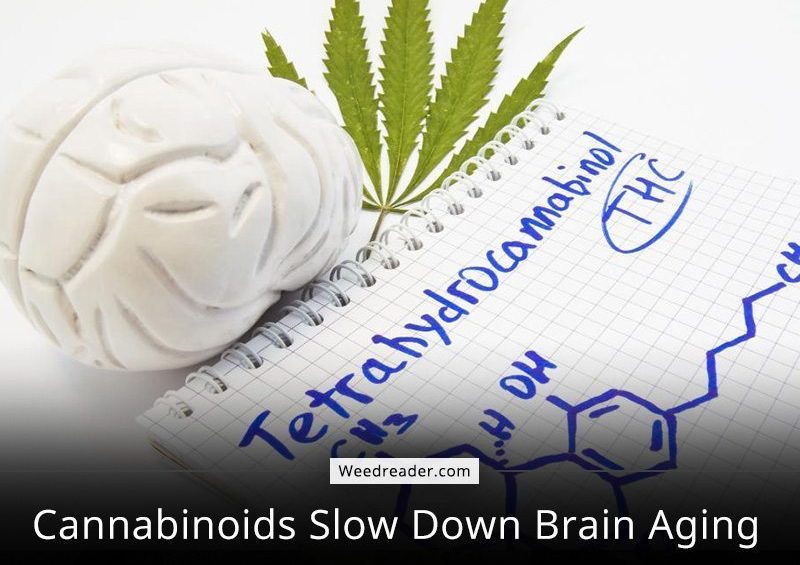
A German study found that brains of older mice benefited from cannabinoids. The main chemical tested is known as THC (tetrahydrocannabinol). The gains were incredibly significant because the minds of older mice were on par with the minds of other younger mice who were abstained from cannabis.
THC was tested on several mice from different ages for two months. The tests were all repeated daily. The tests included navigating through a water maze and recognizing familiar objects. Younger mice on THC struggled to accomplish their tasks, but the older mice showed better brain performance.

How Do Older Mice Benefit from THC?

The biochemical pathway of older mice grows less active over time, but science has shown that THC causes their brain’s biochemical pathways to grow more active. The results are astonishing because a low dose of THC was all that was needed to engage these biochemical pathways.
The mice did not seem to experience the effects normally associated with consuming THC though. The older mice on small amounts of THC could accomplish their tasks as well or better than younger mice who were THC free. This has big implications to how we approach human testing in the future.

What Are University Scientists Hoping to Accomplish with Their Findings?

Researchers from the Hebrew University and the University of Bonn plan on starting human trials by the end of the year. Human testing will be similar to the mouse studies and explore the ramifications of various levels of use. Basically, humans of varying ages will be tested with familiar tasks on a daily basis to see if they get worse at them.
This is just the first phase of testing. The hope is that the older human brain can be regenerated by at least five years to a decade without the use or need of extra invasive care. We are still a long way from receiving cannabis treatments for things like Alzheimer’s and other forms of dementia but this is an important step in the right direction.