vapes

Vapes and the Hot Science Behind Them

What is Vaping?

Vaporizing  or “vaping” has become one of the most popular ways to consume cannabis in recent years. Where old-school cannabis consumers would smoke plant matter, designers and engineers decided to vaporize the cannabis instead of burn it. The devices they created are referred to as vapes. These vapes come in a variety of shapes, power and styles and are one of the most commonly sold items in dispensaries across the nation. While there are stationary vaporizers, most of the industry is dedicated to portable devices.
One reason that portable vapes have become so common is because they are often much more discreet than smoking. Instead of creating a skunky, thick smoke that hangs in the air and clings to your body, vaporizers create an aerosol-like cloud that dissipates quickly and doesn’t linger.
Vaping is perfect for discreet or mobile cannabis consumption. For those who need to get high and then go back to dinner with grandma or at a concert, a vaporizer is the method of choice. The popularity of commercial nicotine-based vapes or “e-cigs” makes identifying a stoner in a group of vapers almost impossible.

What Kind of Vaporizers are out there?

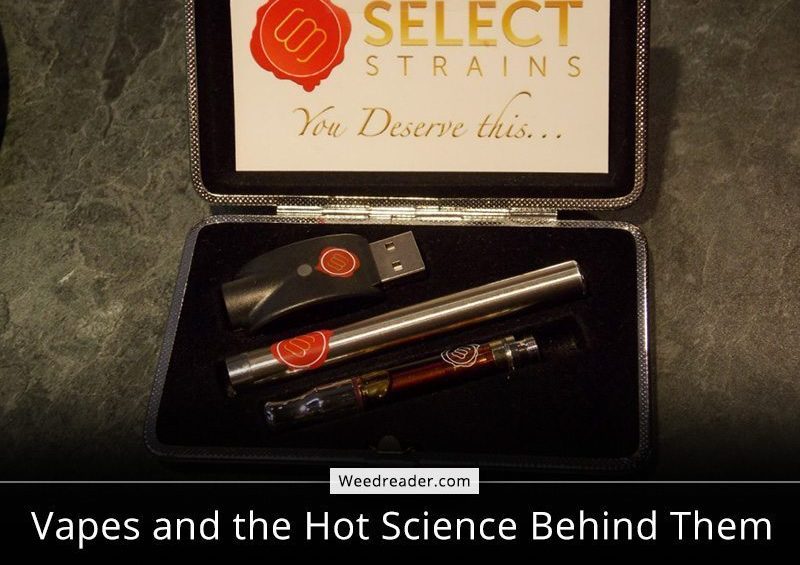
When most people think of an electronic cigarette, they think of regular old, retro e-cigs. You buy them at a gas station, and (Vuze and Blu are two popular brands) they are made by tobacco companies. This part of the market is dominated by tobacco companies like Imperial Tobacco and RJ Reynolds. The cartridges in these vapes come pre-filled and are disposable.
In an actual vape shop, you’ll find products commonly referred to as APVs—Advanced Personal Vaporizers or “Vape Pens” and “Vape Mods”. APVs are produced predominantly by companies based in China like Innokin. They contain electronics to regulate the power level, produce a moderate amount of vapor, and are generally under $100. Mods are for use with user-rebuildable atomizers, can potentially produce tons of vapor, and can be expensive.
Both Vape Pens and Mods function on battery power. The industry has embraced advances in tech like USB-Rechargable batteries. Mods tend to have larger batteries than Pens because they need to push out a lot more enery. While a Vape Pen may last an average user 2-5 days, a Mod with the same size battery might only last 1-2 days.
Rel Vapes

Are Vapes easy to use?

Even though using a USB-rechargeable vaporizer seems infinitely easier than loading a bowl or rolling a joint, they come with their own challenges. This is especially true in the case of flower vaporizers. Loading the tiny chamber can be a headache, as can cleaning out the vaporized plant waste with anything but a specialized tool.
Cleaning comes more often in vaporizers than traditional smoking bowls as well. This is due to the dominance of exceptionally small chambers. The small chamber is due to the high amount of energy needed to vaporize plant matter (more on that later). Also, portable vaporizers eventually run out of battery, leaving you not-so-high and dry if you forget to plug it in and don’t have a USB port available.
Vaporization does have the advantage of not actually burning the plant material, which gives a clean taste, bereft of the woody finish you get when smoking. While some users prefer this nuanced flavor, many heavy cannabis users like the increased potency and cleanliness of vaping.

RSO

What’s in the cartridges?

Vaping is commonly seen as safer alternative to smoking. Vape cartridge or “e-liquid” begins with a vegetable glycerin base. Most manufacturers use certified organic VG. While the glycerin doesn’t carry flavor very well, it does produce a lot of vapor. Then comes is propylene glycol. propylene glycol—or PG—is a main ingredient in albuterol, or asthma inhalers, and is perfectly safe to inhale when vaporized.
Commonly mistaken as being a main ingredient in antifreeze (diethylene glycol) which has actually been found in mass market e-cig products, PG is thinner than VG, and carries flavor very well. The final ingredient is flavorings. These are commonly suspended in PG and are food-grade. Flavorings can be natural or artificial, and cannabis based vape cartridges usually include terpenes.
The final ingredients are the active ingredients. They contain pharmaceutical-grade nicotine or cannabinoids like THC and CBD. All manufacturers make products in varying strengths. Cannabis based cartridges are required to display concentration and overall volume of active ingredients.
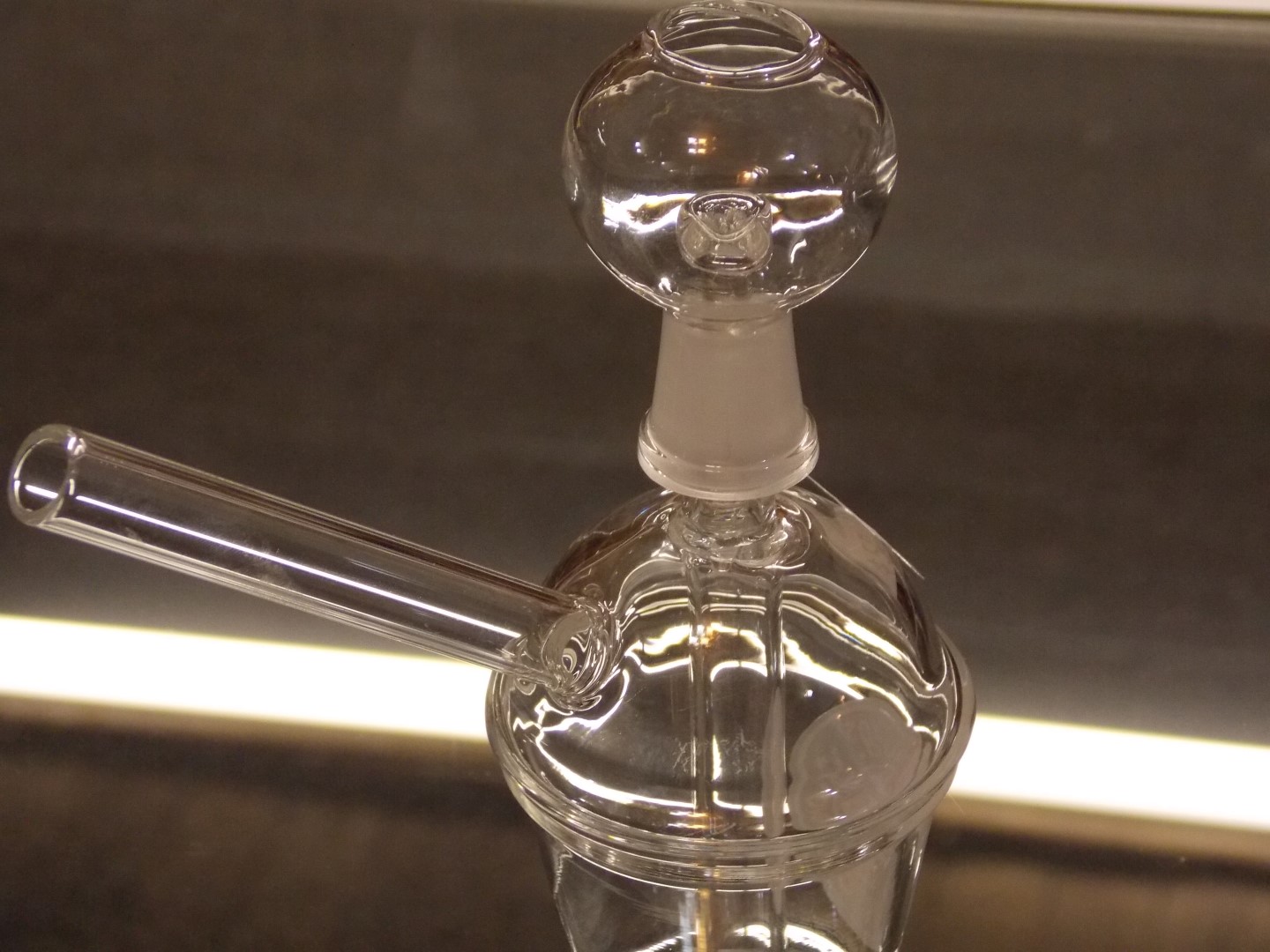
Dab Rig

What is the best way to vape?

“Anything that lights the plant on fire creates respiratory irritants,” explains Dr. Mitch Earleywine, a professor and researcher at the State University of New York at Albany. When users are trying to consume cannabis in the safest way possible, there are a few things to understand about what happens to the cannabis when it’s heated. Namely, you’ll need to understand the difference between conductive and convective heating.
Conductive Heating
Vaporizers and other tools that use conduction to make cannabis smoke or vaporize typically use flower or concentrate applied directly to a hot plate. The heat changes the raw thc into a useable form and literally boils it. When dabbing, the “hot plate” is an ultra-hot metal nail that is heated to extremely high temperatures using a blowtorch.
Convective Heating
Rather than heating the cannabis matter directly with a heating plate, convective vaporizers use an electronic mechanism to heat air. Once the air reaches a certain temperature, it is forced over the plant matter/concentrate. The hot air actually heats the cannabis product, extracting the THC and turning it into a vapor without burning the substance.
Of the two types, convective vaporization is believed to be the best for your body. The convective method avoids the charring associated with nearly every other method, meaning that convective heat creates the purest form of activated, consumable cannabis vapor.
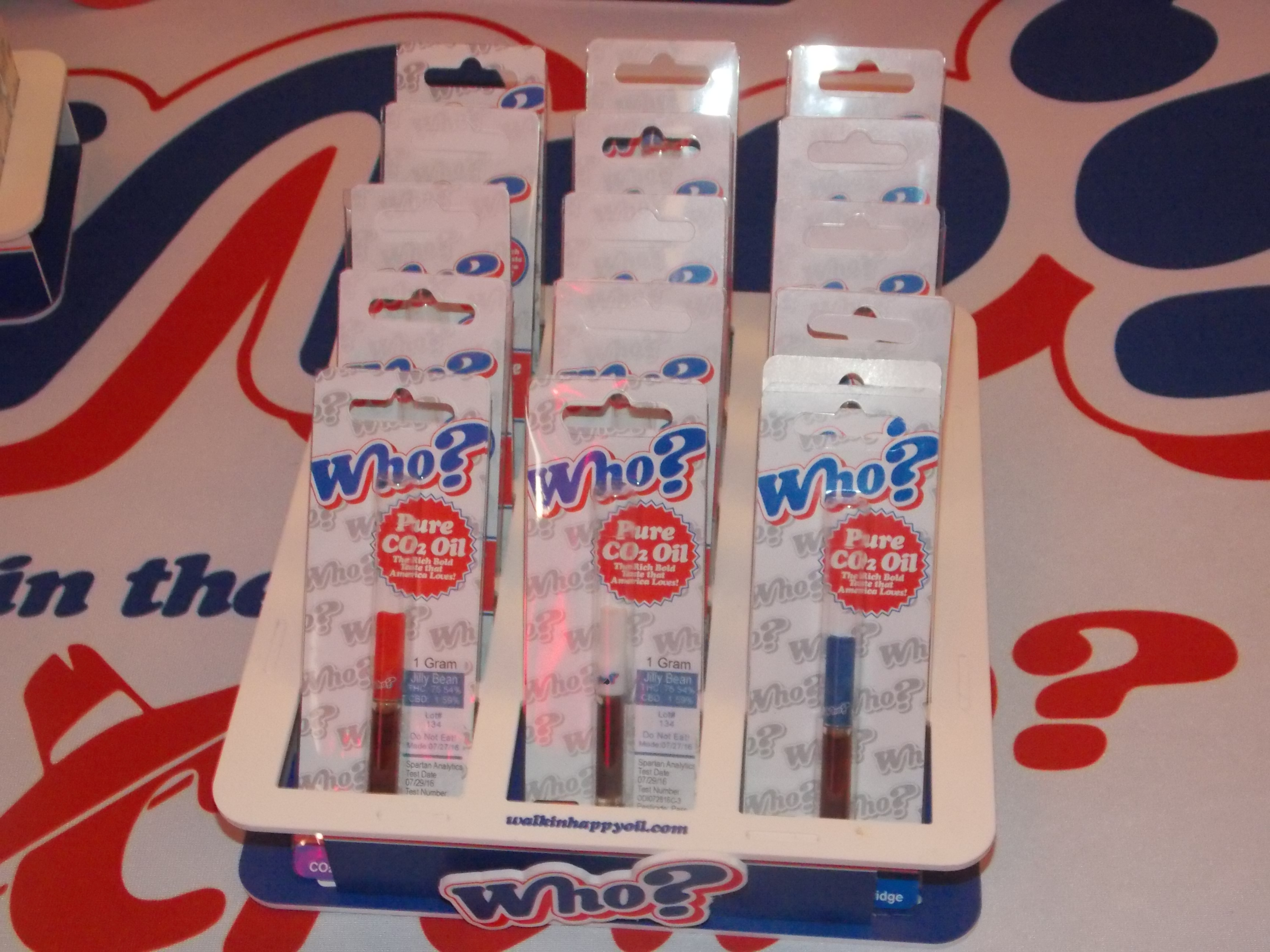
Vape Pen Cartridge

Is the high different?

Proper vaporization releases most essential oils in the plant while it stays below the point of combustion. These essential oils contain the majority of the cannabinoids and terpenes which give cannabis its effects. In essence, vaporization gives you all the good stuff and very little of the bad.
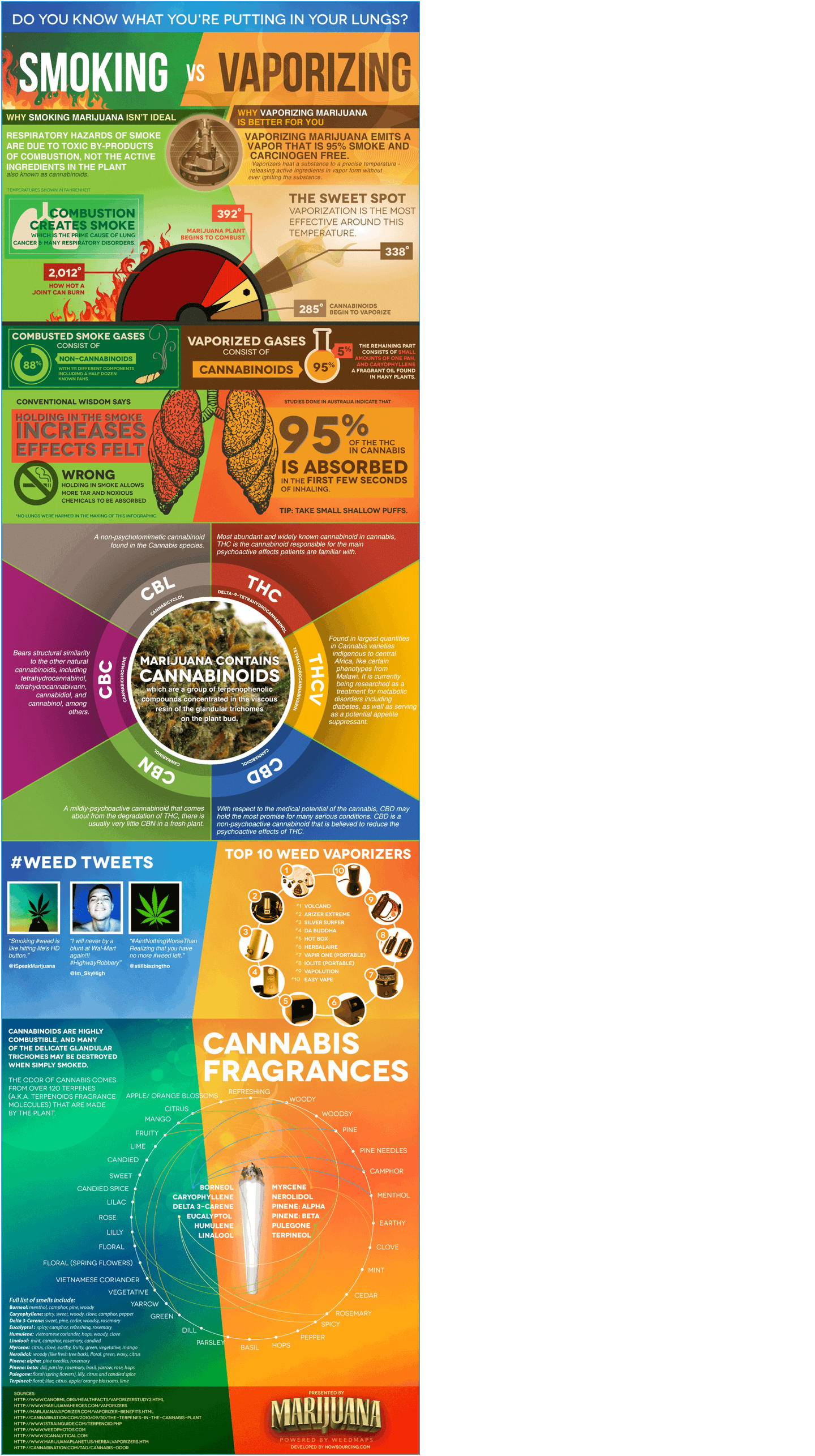
Truth On Pot explains, “a collaborative study conducted by California NORML and MAPS found that vaporizers could convert 46 percent of available THC into vapor, whereas the average marijuana joint converted less than 25 percent of THC. Likewise, patients ranked vaporizers as the most efficient method of marijuana intake — requiring a lower dose than smoking, edibles, and tea — in a recent study published in the Journal of Psychoactive Drugs.”
Here’s a handy chart from NowSourcing that breaks down why that is even further:
Vaping Infographic


medica marijana

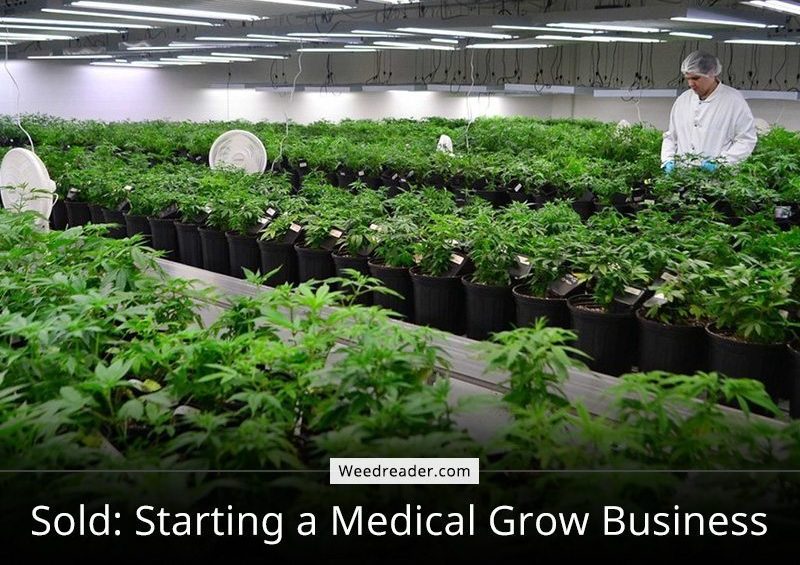
Sold: Starting a Medical Grow Business
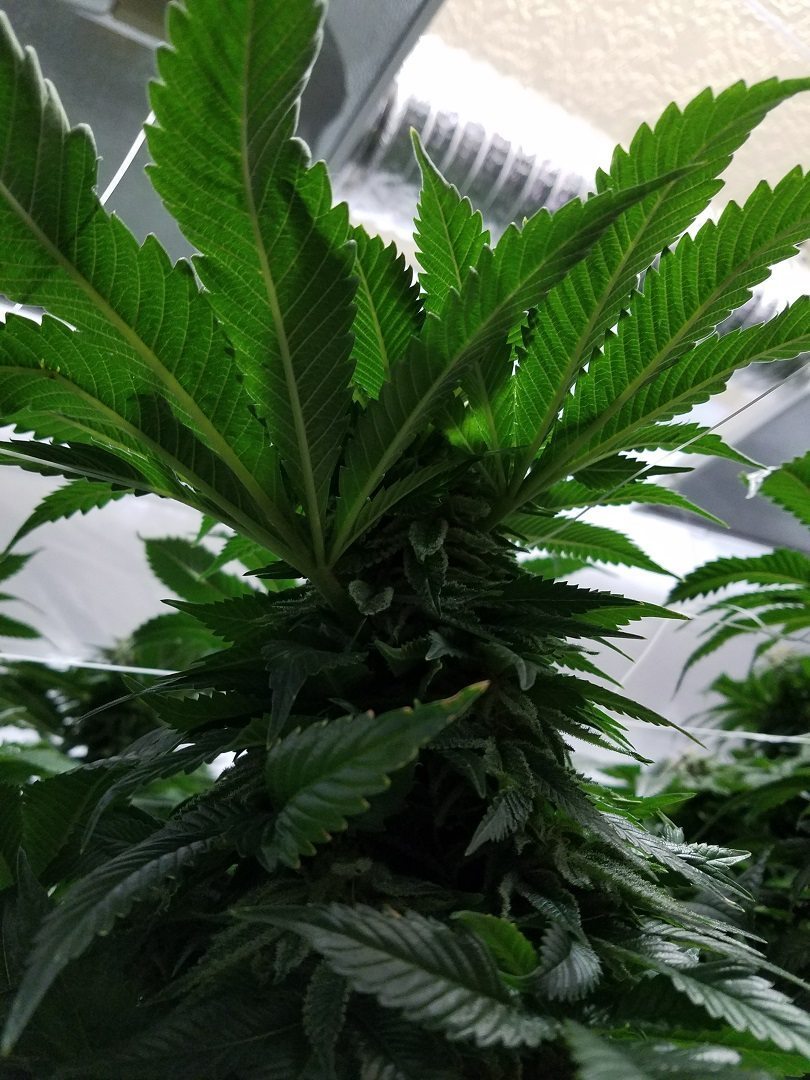
Before starting a medical grow business, you need to do a ton of research.

Federal, state and local laws create a vast web of interconnecting rules that are unique to each medical grow (even if they are in the same city and industry). Navigating this miasma is both arduous and tedious by design but is also vital to remaining in business. The best place to start is with your states official rules.
You can’t simply put some seeds in backyard dirt or throw thousands of dollars around and expect to get anything competitive out of it. And this is a competition. The time, effort and skill needed to get a plant from seed to sale is a skill that can be developed over several years. A skilled hand can take a good strain and make it great while an unskilled grower can kill everything.

But it takes more than growing the dankest buds to survive.

Growing great herb is a prerequisite to a business based around growing weed. But equally important is the ability to manage costs and duplicate results. It doesn’t matter how much you can sell your product for. If it costs more to produce than what you get, it isn’t a viable business.
“Even if you get your costs under control, you still have to worry about duplication. If you can’t produce the same product every time, you have a problem.” Mike Boynton, the master grower for Oregon Imperial farms told me in an interview. “Changing anything in the environment from fan placement to light duration will change how your plants grow and therefore your bottom line.” The more people and the bigger the farm, the harder it is to control costs. If you can’t get it under control with 5 plants, you will never be able to with 5000.

The Marijuana industry is an especially challenging one.

Getting a business off the ground in the weed industry is a lot harder than most other industries. Cannabis is one of the oldest crops known to man and you can bet there are a lot of talented people out there trying to do it better and cheaper than you. Besides having to deal with the standard problems of location and competition, cannabis businesses are heavily regulated and lack traditional support infrastructure like banking services.
Marijuana businesses lack the ability to use banking services because it remains federally illegal. This is not to say that banks refuse drug money. SBC was fined $1.9 billion by the U. S. government for laundering cartel drug money in 2012. Yet the cannabis industry is forced to work on a cash basis regardless of how big the costs.

There are a variety of rules regarding how to grow legally.

With over half of the nation having legal weed in one form or another on a state level, there have been many ideas about what should be allowed. Each state has taken different measures to ensure a safe and effective cannabis industry. Some states require seed to sale tracking and vertical integration while others prohibit delivery or drive-thu services.
In addition to rules and regulations about where and how to provide services, there are also rules around what kind of equipment is needed in order to get a license. This further compounds the complexity with many states have a different set of rules for medical grows and recreational operations. As an example, Washington merged their medical grow and recreational grow rules for a single comprehensive program while Oregon kept them separate.

After all, growing weed isn’t cheap.

Even in places with ideal growing conditions like Northern Cali, Florida or Hawaii, plants still need water, nutrients and protection from pests/diseases. In areas where the weather is too dry or cold, growing indoors becomes a necessity. The cost of equipment pales in comparison to the cost of keeping the growing environment perfect.
In addition to lights; pumps, timers, fans, filters and air conditioners all use electricity. Keeping the juice flowing can be a challenge in itself. Grows with more than one room may even need to have a more powerful line run by the electric company to keep from blowing transformers. All of these little additions add up quickly and can quickly eat up all the potential profit.

A lawyer, an accountant and a lobbyist walk into a grow room.

If you plan to operate a successful company growing a federally illegal substance, you need to have some specific talent on your team. This team needs at least a lawyer, an accountant and a lobbyist to run interference while the head grower does their work. Without someone covering each area, the chance of getting blindsided is astronomical.

Lawyer

Find someone who specializes in canna-based business compliance and criminal cannabis defense. Ask others in your area who they recommend. Don’t forget to check online databases like www.martindale.com, www.avvo.com, www.justice.org to name a few.

Accountant

Look for someone with experience in the industry. Overly “creative” accounting can get you in hot water so make sure you can trust them. In addition to searching online for local tax professionals, ask colleagues for referrals. Asking others in your area who they use and why is also a great way to narrow the search for the right accountant.

Lobbyist

Look for someone with the time and energy to represent your cause. Their job is to keep an eye on local and statewide changes that pertain to your business. They are also there to help prevent others in the community from effectively banning your business or engaging in sneaky tactics to close you down. There are no lists/registries for this, gotta tap into that network to find the right person..

Head Gardener

Look for someone with botany experience. Many master gardeners hang out in local hydro stores or are at least known by them. Don’t be afraid to ask questions and be picky. This is the person who will dictate the initial and final quality of the product and choosing the wrong person can have dire consequences.

Skipping the support staff can have dire consequences.medical grow

Many states ban the operation of any marijuana based business (including a medical grow) within a certain radius of schools. But most states don’t ban schools from opening near a marijuana businesses. There is normally nothing explicitly stopping a preschool from opening next to a dispensary or grow location and putting you out of business.
A good team is the difference between closing up shop or staying open for years. It does you no good to spend millions of dollars on a medical grow business just to have a preschool open next door a week later and shut you down. Better to have the staff on hand to stay open and deal with the issue before it gets finalized than not.

You need to find just the right spot.

Besides schools randomly popping up, there is a lot to consider when starting a grow business. The first thing most growers work out is where they plan to grow. Most medical grows are done on a personal consumption scale. If the plan is to make it profitable, it takes a bit more consideration.
Because cannabis remains federally illegal, landlords are almost as hesitant as banks are to work with weed entrepreneurs. Even in the case of a medical grow, it can be almost impossible to get permission to start. In most cases, growers need to own the land/building they plan to operate in or receive written permission from the land owner before getting licensed.

Security is a major concern as well.

Each state has very specific rules on which types of security are needed for a medical grow to remain in compliance. States may require barriers like walls be erected around grow sites. They also might require closed circuit cameras linked to cloud backups but it depends.
Whole sectors of the economy have been dedicated to the outright eradication of cannabis for decades (I’m looking at you Big Prison, Pharma and Tobacco). As cannabis moves from illicit trade to regulated market, there is bound to be pushback from entrenched interests. Even a medical grow can face opposition from local religious or political groups that don’t like cannabis.

The market is growing.landrace 2

More and more people are getting in on the Green Rush and starting to grow cannabis. Like the Gold Rush that sparked westward expansion, the hype and obvious wealth being generated is causing a migration of talent and willpower. Fortunes are waiting to be made by talented and driven individuals willing to put in the work.
In the end, most of the states where weed has been legalized were ballot measures which means they were supported by voters. With the majority of the population clearly supporting cannabis reform, cannabis is primed to continue growing for years to come. Getting a good team will make every other part of the process easier.

Do you agree?

Or do you think I’m off my rocker? What advice would you give to someone just getting started? What do you wish you knew before starting a medical grow? Let us know in the comments down below. We would love to hear your take. And as always, thanks for reading.

cancer marijuana

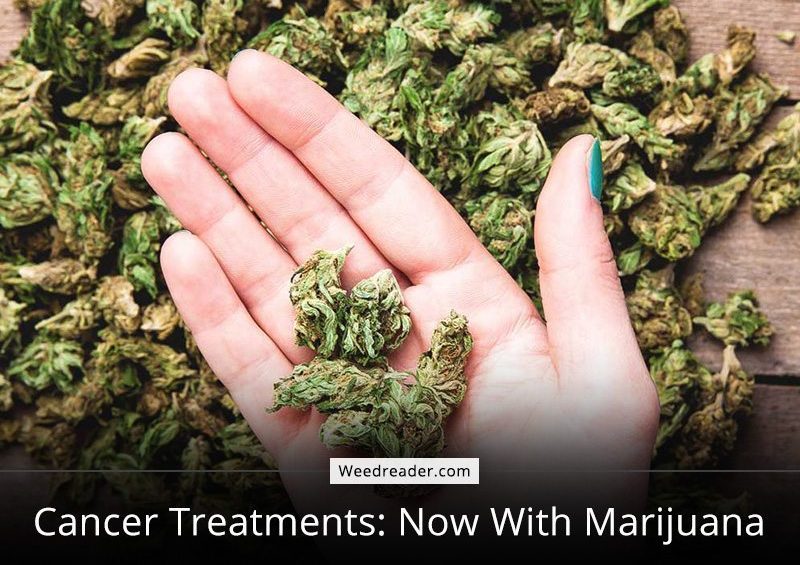
Cancer Treatments: Now With Marijuana

Marijuana is an old remedy.

Modern cancer patients aren’t the only people to understand the healing power of marijuana. Marijuana is the name given to the cannabis plant during 20th century prohibition. Cannabis grows wild in warm and tropical climates throughout the world and has been cultivated commercially for eons. Prohibition has given cannabis many other aliases as people developed code. Names like pot, grass, cannabis, weed, hemp, hash, hydro, ganja, and dozens of others all describe the same plant.
Records show marijuana has been used in herbal remedies dating back to the Chin Dynasty in China. Ancient doctors could see the effects of using cannabis as well as today and prescribed it for many maladies. The herb was so powerful that even the Romans put it in their medical texts.
Scientists have identified many biologically active components in marijuana that are the main reason it is so useful medically. These compounds are called cannabinoids. The two most studied of the hundred or so cannabinoids are delta-9-tetrahydrocannabinol (THC), and cannabidiol (CBD). Other cannabinoids are being studied but haven’t had the same amount of press or research put into them.

Is marijuana a legal treatment?

cancer treatmentAt this time, the US Drug Enforcement Administration (DEA) lists marijuana and cannabinoids as Schedule I controlled substances that cannot legally be prescribed, possessed, or sold under federal law. Whole or crude marijuana (including marijuana oil or hemp oil) are also not approved by the US Food and Drug Administration (FDA) for medical use whatsoever.
State laws have a little bit more play in them and diverge from the federal stance to different degrees. The use of marijuana to treat some medical conditions is legal in many states even though it remains federally banned. Each state has individual rules about how they deal with marijuana so it is important to research the specific rules for your state.
Dronabinol (pharmaceutical THC) and some synthetic cannabinoid drugs like Marinol are approved by the FDA. Marinol is used to relieve nausea and vomiting for chemotherapy patients in addition to being prescribed to AIDS patients for appetite stimulation.

Marijuana is more than THC.

Different compounds found in marijuana have affect the human body in different ways. For example, delta-9-tetrahydrocannabinol (THC) causes the mental high and can also relieve pain and nausea. At the same time it can reduce inflammation and act as an antioxidant. Cannabidiol (CBD) can help treat seizures, can reduce anxiety and paranoia, and can counteract the “high” caused by THC according to the American Cancer Society.
Different cultivars (strains or types) of marijuana can have varying amounts of the different cannabinoids. The specific ratio of cannabinoids produced by a plant is known as it’s strain profile and can be used to better judge what effects to expect from a specific strain.
The effects of marijuana also change depending on how it enters the body:

  • When inactivated or raw cannabis is eaten, the THC is absorbed poorly by the body. Once absorbed, it’s processed by the liver into a second psychoactive compound. The second substance acts on the brain to change mood and/or consciousness differently than THC.
  • When marijuana is smoked or vaporized, THC enters the bloodstream quickly, bypassing the liver at first. It is transported to the brain before the liver can convert a large amount of it into the second chemical. Because there is so much less of the second chemical, the high is stronger but fades quicker.

What can marijuana treat?

A number of studies using small groups of marijuana users found that cannabis can be helpful for treating nausea and vomiting from cancer chemotherapy. A few studies have found that smoked or vaped cannabis can be helpful in the treatment of neuropathic pain as well.
Smoked marijuana has also helped improve food intake in certain HIV patients during some studies. Clinical trials have also been shown marijuana extract users tended to need less pain medication than others. The pain relieving effects seem to be even better in the non-psychoactive cannabinoid CBD than with THC.

How does marijuana affect cancer?

According to the American Cancer Society, “…THC and other cannabinoids such as CBD slow growth and/or cause death in certain types of cancer cells growing in lab dishes. Some animal studies also suggest certain cannabinoids may slow growth and reduce spread of some forms of cancer.” While there have been some early clinical trials of cannabinoids in treating cancer, future studies are inevitable.
Most studies show cannabinoids can be safe in treating cancer. They do not however seem to help control or cure the disease. Relying on marijuana alone as treatment while avoiding or delaying conventional medical care for any issue (including cancer) may have serious health consequences.

What are the possible harms of marijuana?

While many insist marijuana can pose no harm to users, it is not true. The most common effect of marijuana is a feeling of euphoria. Yet the complex chemistry of the brain and cannabinoids indicates that there is a lot going on under the hood. Cannabis can lower the user’s control over movement, cause disorientation, and sometimes cause unpleasant thoughts or feelings of anxiety and paranoia. While the majority of users do not experience these negative effects, they are more common in new users who don’t understand their dosing requirements.
Smoked marijuana delivers THC and other cannabinoids to the body along with harmful substances. Tar is one of the substances found in both tobacco and cannabis smoke. Heavy users (more than one gram a day) of smoked cannabis also commonly report chronic bronchitis.

Make sure to do research.

Because marijuana plants come in different strains with different levels of active compounds, it can make each experience different. Even with good data from a state certified lab, the effects of a specific strain on a specific user can be very hard to predict. It can take time and experimentation to find the best treatment plan or strain for a specific issue.
Even though cannabis is not chemically addictive (like caffeine or an opioid) people can still become psychologically dependant. Users will not receive the life threatening withdraws like they do from cocaine but they may still feel the conditioned desire to use.  Treatments and attitudes toward addiction vary widely across countries and the globe. If you struggle with addiction or are interested in treating any malady, it is best to seek a spectrum of qualified professional help before committing to any treatment plan. Make sure to get more than your own opinion before you make potentially life altering decisions. Thanks for reading.

uom

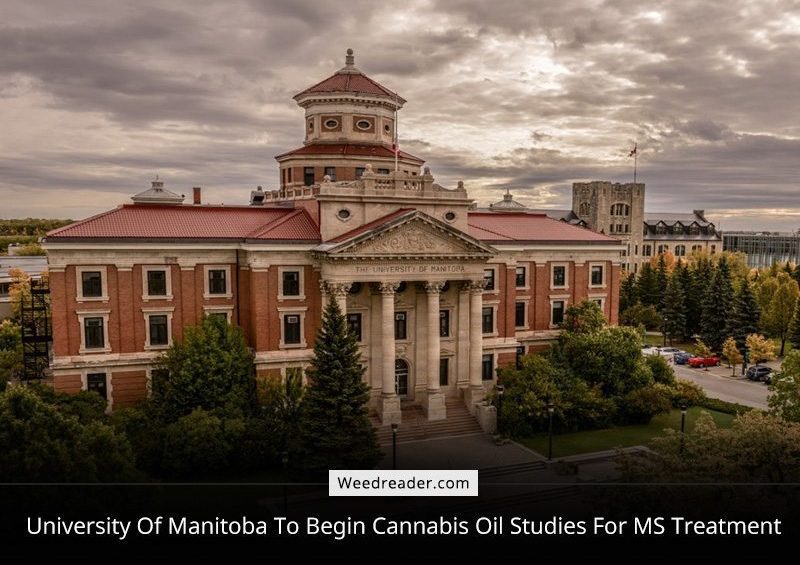
University of Manitoba to begin cannabis oil studies for MS treatment

Cannabis has been wildly successful in treating symptoms of Multiple Sclerosis but the “how” and the “why” remain a mystery until uncovered by scientific studies. Enter then, the group of scientists from the University of Manitoba who are looking into the use of medical marijuana to control pain in people living with Multiple Sclerosis.
Multiple Sclerosis is a neurodegenerative autoimmune disease affecting the brain, spinal cord, and optic nerve, and the symptoms are varied and unique to each patient. The immune system of an MS patient begins to see neurons (the nerve cells of the nervous symptom), as harmful invaders. The body’s immune cells start to attack neurons, which can produce all kinds of chaos internally, like a buildup of scar tissue, and neurons that can no longer communicate by firing signals to the rest of the body. Besides the obvious pain of MS, cannabis could also help with other symptoms associated with MS, including gastrointestinal distress, muscle spasms, and even paralysis.
The neuroimmunology team, led by Dr. Michael Namaka, is watching the usefulness of two types of cannabis oil extracts, provided by CanniMed Therapeutics Inc. They will be providing two CanniMed® Oil products, CanniMed® 10:10 and CanniMed® 1:20. The first one will be used to identify whether THC (tetrahydrocannabinol) and CBD (cannabidiol) together have the greatest impact on MS-related neuropathic pain, or whether CBD alone works (without the psychoactive effects of THC).
Namaka says this is the “first pre-clinical scientific validation to identifying the direct molecular mechanisms of action of herbal medical cannabis oils and their direct potential impact on neuropathic pain for MS patients.” The study will be used to discover information about the cannabis for MS treatment that are currently unknown:
1. The most efficient ratio of THC and CBD
2. Which form of ingestion (smoking or eating, for instance) is best 3. How often people with MS should use cannabis products.
The project is backed by CanniMed Therapeutics Inc., a Canadian licensed producer of medical marijuana, who have invested $80,000 in the University of Manitoba research.

Jamaican Scientists Discover Surprising Effect of Cannabidiol on Hepatitis C Virus

A group of scientists, led by Jamaican cancer researcher Dr. Henry Lowe, have uncovered a hopeful breakthrough in the in-vitro treatment of the hepatitis C virus (HCV)—using cannabis-derived cannabidiol (CBD) oil. Dr. Lowe’s team, working from the University of the West Indies (UWI) announced that CBD is destructive to the virus.
The HCV is blood borne and most prevalent in communities where sharing drug injections is common; it spreads through inadequate sterilization of medical equipment in hospital settings or through sexual contact. There is currently no vaccine for HCV, although the World Health Organization (WHO) does recommend education, counseling, and antiviral therapy for those already affected, along with regular monitoring for liver failure, liver cirrhosis, and cancer. WHO estimates that 130-150 million people globally have chronic HCV and hepatitis C-related liver diseases claims around 700,000 people each year.
“This discovery, which has fantastic potential for the future, is especially crucial for people in developing countries, because there is a drug which was developed for hepatitis C treatment, but it’s over $85,000 per treatment, and very few people in the developing world can afford this,” Dr. Lowe told the Jamaica Observer in a recent interview. “So it is very important that we find less expensive means of treatment, and that is why this discovery and its potential to manage this disease is so important.”
In America, medical-grade CBD oil can run anywhere between $10 to thousands of dollars. For patients in developing countries, this form of treatment is not viable because the manufacturing, distribution, and administration of CBD treatment would be too expensive for most patients.
The challenges of treating patients, however, should completely distract from the incredible discovery of the effects CBD has on eradicating the hepatitis C virus. This groundbreaking new study could create avenues where there was none before, and help pave the way for easier access to a much-needed treatment.

dea

DEA: Marijuana is Not a Gateway Drug

Marijuana has been called a gateway drug for over 80 years.

The battle lines were drawn long before anyone currently driving the gateway debate had assumed power. Political figures have demonized cannabis and those who consume it for almost a century and worked to create a massive industrial prison complex designed to harvest people. Low income and minority people have borne the brunt of the assault.
Americans have been tricked into accepting the most ridiculous claims about cannabis and a whole generation of people have grown up behind bars because of it. Politicians have used slippery speech to sway public opinion and outright changed the law in order to suite their desires for decades. When Reagan and Clinton enacted laws that put more people in jail than the Romans had slaves.
Larry Anslinger didn’t care about how many would suffer without the healing properties of cannabis, he was motivated by an zealous hatred for the plant to create the movie Reefer Madness. President Nixon was motivated by a religious desire to punish people regardless of what his own investigators proved. Reagan had no mercy for people caught in the crossfire when he enacted draconian mandatory punishments for minor drug infractions.gateway

We stand at the dawn of a new era of American drug policy.

Despite an abundance of empirical evidence about the medical benefit of cannabis from reputable medical professionals from the Shafer Commission to Sanjay Gupta, it remains a schedule 1 controlled substance. This classifies weed as having “no medical benefits” and creates massive hurdles for scientists and doctors looking to research cannabis. It also puts it in the same medical category as heroin.
With the rise of Trump and the appointment of Jeff Sessions to Attorney General, the entire industry is bracing for another impact. Part of the collective wince comes from the evasive actions of top officials on the matter through election season. Instead of giving clear messages about how they plan to pursue policy, government officials are as vague as possible about how they plan to pursue policy.
This evasive attitude has made many wary of the how the Trump Administration plans to deal with cannabis. Statements in the past by Jeff Sessions like “Good people don’t smoke marijuana.” and his past issues of discriminatory prosecution during the Civil Rights movement has helped to stir up old debates.

The debate surrounding legalizing marijuana has resurrected the Gateway Theory.

This theory presumes that experimenting with marijuana inevitably results in the use of harder drugs like cocaine, heroin and methamphetamine. Until recently, the DEA website contained dozens of lies and inaccuracies and it begrudgingly changed them only after being threatened with legal action.
Many people don’t know that it is illegal for federal agencies to spread incorrect information. Yet when it comes to cannabis, the Drug Enforcement Administration (DEA) has been doing it for years. In less than a month, a petition from Change.org calling on the DEA by a to stop lying about medical cannabis received 85,000+ signatures.
The petition was started by Americans for Safe Access (ASA), a nonprofit organization working to increase access to medical cannabis. “The DEA has actually admitted that the theories that cannabis use leads to harder drugs (gateway theory), long-term brain damage, psychosis, and other alleged harms, are not based in scientific fact, and yet they keep distributing this false information”, says ASA. “[W]e have found 25 instances of these false claims on their website.”

The petition for updated information was direct and their arguments were air-tight.

The group argued that the document previously known as “The Dangers and Consequences of Marijuana Abuse,” had a few inaccurate claims about cannabis.  They showed how the page was in violation of the Information Quality Act which requires that administrative agencies provide accurate information to the public. The DEA also had to respond to requests for correction of information within 60 days.
A separate petition was filed by the Department of Justice demanding that the DEA immediately update misinformation about cannabis. While neither the DEA nor the DOJ responded to ASA’s request, the document which contained the majority of the inaccurate statements was removed from their website.
But the governement is made up of more people than ever before. There is a lot of room for competing ideologies and goals to play out. A key observation of the Shafer Commission is that many of the risks of drug use are the result of drug policy/enforcement rather than from the drugs themselves.

The “gateway drug” stigma refuses to die.

A prime example of how this stigma presents itself is New York governor Andrew Cuomo. He wants to keep cannabis illegal in New York State because it “leads to other drugs and there’s a lot of truth to proof that that’s true.” He holds this view despite the results of a major study on medical marijuana conducted by the venerable Institute of Medicine, which included an examination of marijuana’s potential to lead to abusing other drugs.
The study found that “There is no conclusive evidence that the drug effects of marijuana are causally linked to the subsequent abuse of other illicit drugs.” Even the DEA has gone on record to say “Little evidence supports the hypothesis that initiation of marijuana use leads to an abuse disorder with other illicit substances,” while refusing to reschedule cannabis in August of 2016.
The continuing stigma prevents meaningful reform of marijuana laws by perpetuating harmful misinformation.  A Rasmussen poll found that a large percentage of Americans believe the gateway argument. Nearly half of voters (46%) believed marijuana use leads to harder drugs. Thirty-seven percent (37%) did not see marijuana as a “gateway” drug.

Patterns in progression of drug use are strikingly regular.

Because it is the most widely used illicit drug, marijuana is predictably the first illicit drug most people come across. Not surprisingly, most users of other illicit drugs used marijuana before the harder stuff. In fact, most adult users begin with alcohol and nicotine long before moving on to cannabis and other illicit drugs.
In 2006, the University of Pittsburgh released a thorough study which researchers spent 12 years putting together. They tracked a group of subjects from adolescence into adulthood and documented the initiation and progression of their drug use. The researchers reported that the gateway theory was not only wrong, but also detrimental to properly understanding and addressing drug abuse.
The myth of the Gateway effect needs to be put to rest once and for all. The more research that is conducted the clearer it becomes that cannabis use does not lead to abuse of other drugs. Some promising research has also shown that cannabis can actually help people kick the other stuff like heroine. As more and more states legalize medical and recreational marijuana, it is more important than ever to put the gateway myth to rest. Thanks for reading.
 

canna w

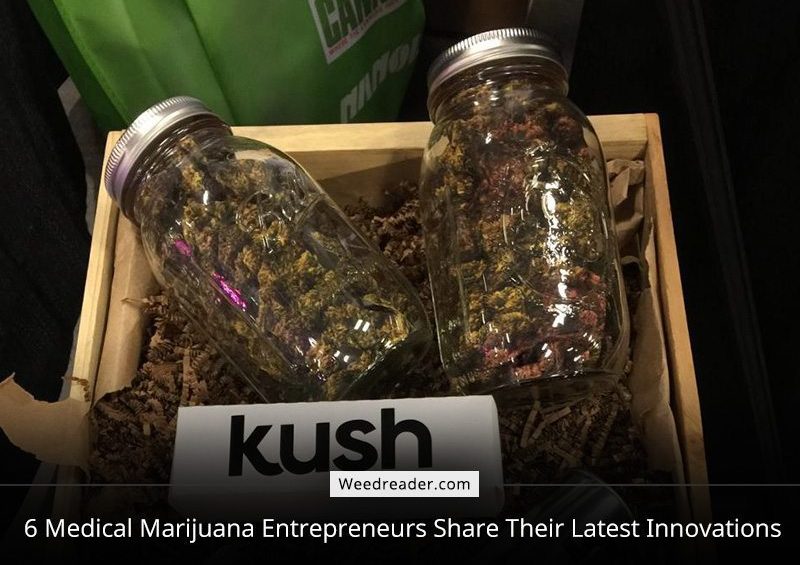
Six Medical Marijuana Entrepreneurs Share Their Latest Innovations

Medical Marijuana is legal in twenty-eight states. Wait, what?
Yes, more than half the population of the United States live in a place where they can legally use cannabis for medical purposes. The industry is developing rapidly, refining its growing and processing technologies, creating new products and building expertise among employees. And as regulation increases (product testing, child-safe containers, accurate labeling, etc.) the supply of cannabis has become safer.  Dispensaries are moving beyond the random supplier who shows up with the big baggie at the back door to tax-paying product-testing sources of cannabis.
Medical marijuana research is hamstrung by federal regulations of course, and many worry that new Attorney General Jeff Sessions will come down hard on the legal marijuana industry. Despite the risks, these entrepreneurs are investing time and resources to advance their products and their businesses. Here, six from around the country, share what they are working on.
Uri Zeevi, CEO of Seedo, an automatic hydroponic device that grows medical cannabis for home use without any human intervention or agricultural knowledge. “These home grow machines allow medical patients to produce high-quality cannabis on their own, without having to go to dispensaries for their medication, and ensure for the elimination of pesticides because it is an airtight, closed and locked systems. The home-grow machines also allow patients the freedom to choose the exact strain that will work best for their condition, and given that 8 states now allow home cultivation of cannabis, there’s no reason to believe the growth of this product type will slow anytime soon.”
Carrie Tice, Co-Founder of Octavia Wellness, a Direct Home Sales Company in California. “Direct sales are important in medical marijuana. Many patients, especially elderly ones, do not feel comfortable going into a dispensary and interacting with young budtenders that might not understand their needs. Home visits provide privacy and the time to discuss options. We focus solely on selling medical marijuana to senior citizens, customizing the packaging with large easy-to-read labels, simple instructions, home consultations and delivery.”
Jamie Rosen, CEO of Dr. Dabber, a Nevada-based vaporizer company specializing in portable, oil-compatible products: “Innovations in the vaporizer space, such as the development of electronic cannabis oil vaporizers and increasingly discreet pens, seem to be making a notable difference in medical marijuana patients’ lives. By allowing patients to consume cannabis without smoking, increasingly high-tech and high-quality vaporizers are making it easier for medical patients to access the treatments they need.”
Shanel Lindsay, Founder and President of Ardent, a Boston-based biotech and medical cannabis device company “Decarboxylation is a process applied to cannabis that, through sustained exposure to the correct temperatures, removes the acid molecule while leaving behind the THC (the main psychoactive compound in cannabis). Those consuming cannabis that isn’t properly decarboxylated end up losing 1/3rd or more of the available THC, while accurately decarboxylated cannabis allows for all of the THC to be retained. Advances in decarboxylation technology, as well as a rapid increase in understanding and acceptance of the process itself, will result in more users getting maximum benefits from their medicine.”
Serge Chistov, Business Advisor to Honest Marijuana, a Denver-based marijuana cultivation company that produces and packages cannabis flowers grown in organic soil: “Recent technological innovations are offering novel CBD consumption methods for patients. For example, CBD will soon be readily available to medical marijuana patients through strips similar to Listerine breath strips.”
JJ Southard, CBD Division Director at mCig, a publicly traded provider of grower services and cannabis products: “The most notable innovations to the medical marijuana industry lay in the ever expanding knowledge base of the professional cannabis essential oil/concentrate makers, lab technicians and product engineers. Not only are these areas continuing to expand and develop new methods and equipment, creating the best yields with the cleanest finished product possible, they also offer improved service to the patients, growers and edible manufacturers.”

Image: Display from Cannacon Cannabis Business Expo Seattle 2017 (source: J. Weed)

This post was originally published on: Forbes.

canna

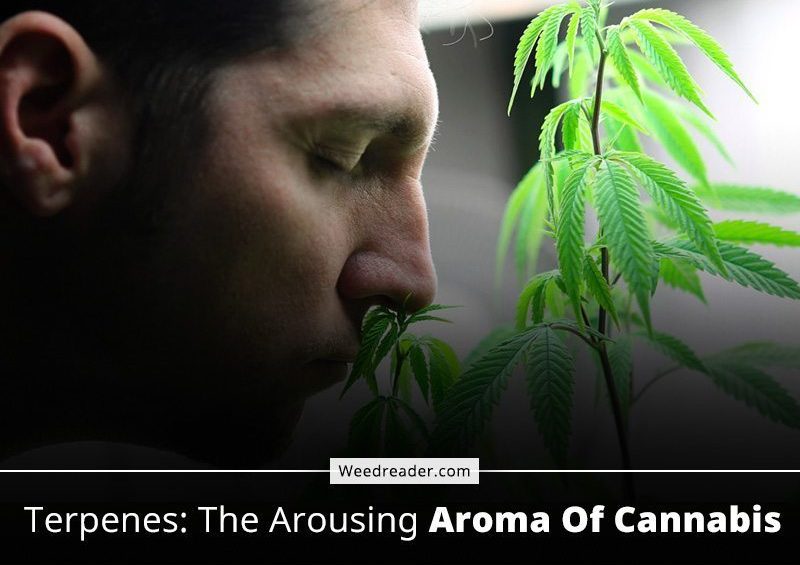
Terpenes: The Arousing Aroma of Cannabis

Have you ever wondered what makes cannabis smell the way it does?

There is a lot of chemistry when it comes to terpenes. There is still a lot to unlock about how our bodies process the chemicals that make things smell. We call these chemicals aromatics and terpenes are the specific types of aromatics produced by plants including cannabis.
Many recent advancements in the science of biology and biochemistry have opened windows into how we experience terpenes. Most people can tell the difference between the smell of lemons and mushrooms because the chemicals they produce interact with our bodies differently. They interact with our endocannabinoid system through CB-1 and CB-2 receptors the same way THC and CBD do.

How do terpenes work?

Terpenes have a synergistic effect with cannabinoids as their complex chemistry is able to shift and flex. Because of their flexibility, they can be used by the body to work for many different uses. Terpenes can affect dopamine and serotonin production and destruction while limonene can increase serotonin production. This is why different strains not only smell and taste different, but also have different affects on mood or sensation.
While over 200 terpenes occur in different concentrations in any given strain, there are a few primary terpenes that produce the greatest concentrations, and about 20 more secondary terpenes that occur in lesser concentrations. Each terpene has a specific purpose and more research is needed to reveal the true complexity of their chemistry.

What are the primary terpenes?

Of all the hundreds of terpenes, there are only a few that are produced in any great abundance. There are about 12 main terpenes in cannabis. Different strains produce terpenes in different amounts and are therefore specialized to treat different maladies. Here are the most common terpenes and what they do.
Myrcene: Is an effective anti inflammatory. It also works as a sedative and muscle relaxer.
Linalool: Can be used as an anti inflammatory and can also modulate motor movements.
Limonene: Can be used to help promote weight loss, prevent and treat cancer, and treat bronchitis.
Alpha Bisabolol: Can heal wounds, fights bacteria, and can also be used a deodorizer.
Delta 3 Carene: Is an effective anti inflammatory. It is also known to dry fluids like tears, running noses, and menstrual flows.
Borneol: Can be used as an analgesic, anti-septic, and bronchodilator.
Pinene: Has anti-inflammatory properties.
Eucalyptol: Is used in cough suppressants, mouthwash, and body powder.
Terpineol: Contains antioxidant properties.
Caryophyllene: May help treat anxiety and depression.
Camphene: Is known to possess anti-inflammatory and antibiotic characteristics.

Testing for terpenes can be done two ways.

Most consumers have a passing knowledge of what terpenes they want. They try a few strains and develop a preference for one over another. A quick sniff of a sample is all that is needed for a broad sense of what is present. Trying to peel apart the individual layers takes a more nuanced approach though.
Myrcene and linalool are some of cannabis’s most abundant terpenes. Myrcene smells musky, like cloves or an earthy, herbal scent. Some even say it has notes of citrus and tropical fruit. Linalool on the other hand smells like a  candy or  a sweet floral element. The more fragrant a strain, the more terpenes are present and active.
Because of how many different aromatic terpenes cannabis produces, it can be difficult to determine the exact mix of terpenes by smell alone. Most producers or distributors rely on chemical analysis. They get the exact level of terpenes through a report from a certified testing lab. The same labs that test for THC and CBD content are often equipped to also perform terpene analysis for a small fee.

Plants produce terpenes for a variety of reasons.

Plants can’t run away from predators or bad weather. Because they can’t flee, they have developed many ways to deal with the inevitable. One of the ways plants cope is by producing chemicals like cannabinoids and terpenes. Terpenes like pinene and limonene are able to ward off plant predators while linalool and myrcene can help the plant heal from injury.
Plants can also use terpenes to call for help. There is evidence that even corn uses terpenes like those found in cannabis to protect itself from predators. It doesn’t use the terpene to kill anything, it uses it to call for reinforcements. Corn roots damaged by pesky caterpillars emit caryophyllene. This terpene attract predatory wasps that then attack the caterpillars.

Different plants produce the same terpenes.

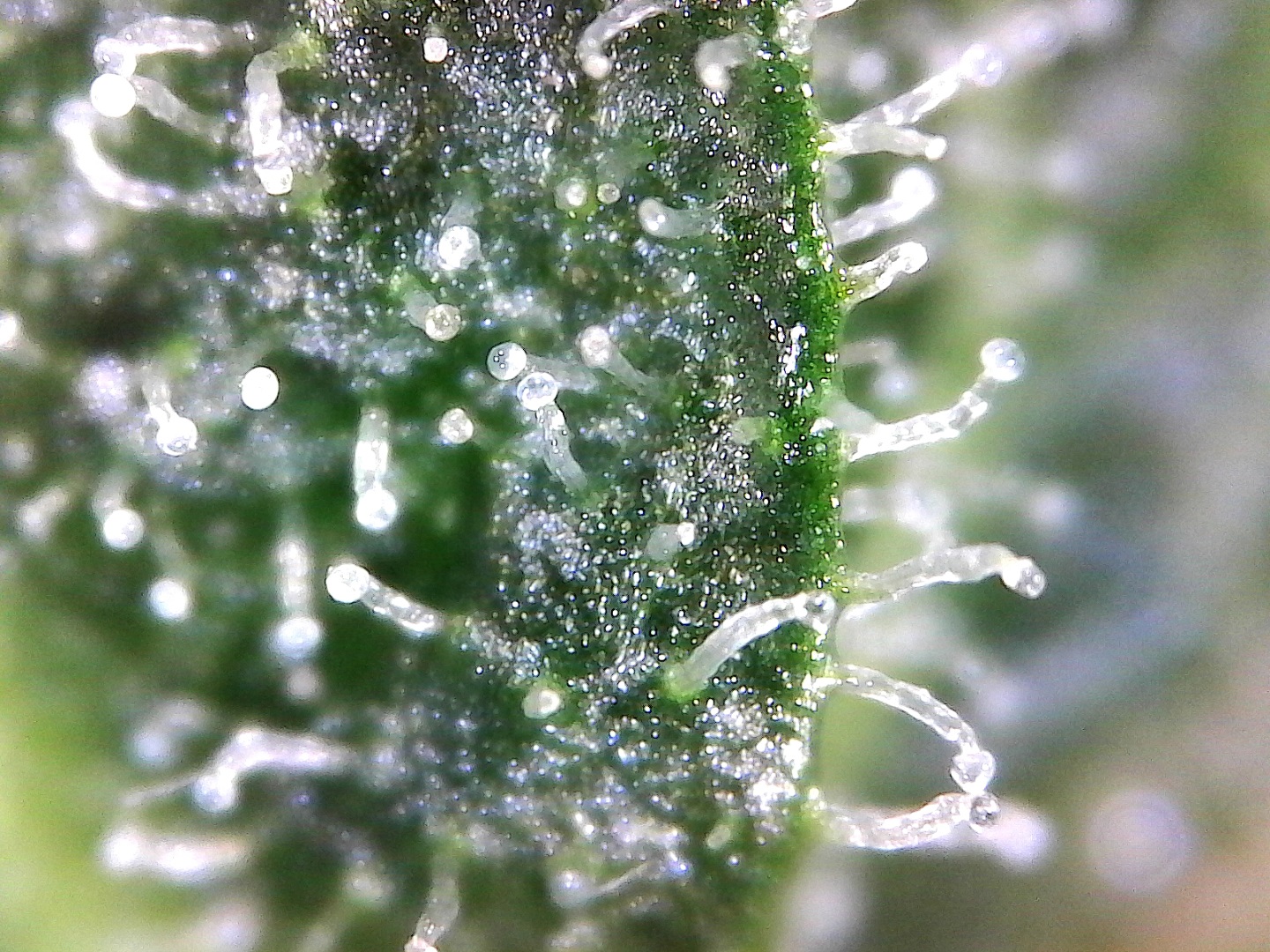
Cannabis produces terpenes in the same trichomes that it uses to produce cannabinoids like THC and CBD. The cannabis plant smells strongest during flowering because that is when the most trichomes are active. Natural variation and forced breeding techniques have allowed people to design plants based on cannabinoid content as well as terpene content.
Biology is complex but there are repeating patterns. Most plants require the same chemicals (Nitrogen, Phosphorus and Potassium) as they do to produce smells (terpenes). Cannabis produces the same terpenes as other plants, just in different amounts.

Terpenes enhance the effects of cannabinoids.

Take myrcene, it occurs in fragrant plants and herbs like mangoes, hops, bay laurel leaves, thyme, lemongrass, and basil. It is naturally synergistic with THC and allows cannabinoids to more easily bridge the blood-brain barrier. Myrcene is present in most cannabis although it is a dominant terpene in Pure Kush, Jack Herer and many other strains.
Over generations of breeding, cannabis cultivators have selectively bred plants to produce high levels of specific mixes of terpenes. Strains like Lemon Skunk and Sour Lemon have higher levels of limonene in them while Dog Walker and Skunk normally produce more myrcene.

Orin-Ray Terpenes

Do terpenes just make things smelly?

Terpenes determine many of the effects attributed to specific strains. While two samples may have the same THC content, if their terpenes profile (mix of terpenes present) are different, the samples will affect someone in different ways. Strains like Granddaddy Purps or OG Kush are generally sedating while Sour Diesel and Strawberry Cough tend to increase alertness.
Humans have inhaled terpenes, including linalool, since ancient times to help relieve stress, fight inflammation, and combat depression. Linalool specifically has been the subject of many studies. Some, like this one where scientists had lab rats inhale linalool while exposing them to stressful conditions, reported that linalool returned their immune system stress levels to near-normal.
We still need to do more research to find all of the ways that terpenes interact with our bodies. As legalization sweeps the country, hope for more research funding is growing. For now, people in states that have legalized cannabis in some way can begin doing anecdotal research themselves. Thanks for reading.

cann history

A History of Medical Cannabis Part 2: Modern Cannabis

In Part 1 we talked about ancient cannabis and how it has been used throughout the ages.

Today we are going to talk about modern cannabis and how it moved from prominence as a medicine to a recreational drug. Yet medical cannabis is not relegated to the ancient past. Modern medicine uses the term marijuana instead of the ancient name: cannabis but it means the same thing.
The original name can be traced back to the Greek physician Pedanius Dioscorides. He was a roman army doctor from around 40-90AD who traveled widely on campaigns throughout the Roman empire. He wrote the medical text that virtually all others were based on for over a thousand years and had a special entry for both male and female cannabis plants. It wasn’t until the 1930’s when the plant became known a marijuana in an effort to re-brand it. But I’m getting ahead of myself.

By 1621, medical marijuana had made its way into the English Mental Health Book.

Cannabis was entered into one of the most popular medicinal textbooks from the era to treat depression. Because of the work of an Irish doctor working for a shipping company during the colonization of the new world, medical cannabis moved to the Americas.
Cannabis treatments were a staple of a professional doctors curriculum up through the industrial revolution.  Before Alaska and Hawaii were states, America had laws on the books that supported medical marijuana in all 48 states. Cannabis was not seen as a recreational drug, it was medicine with little risk of side effects.

But in 1936 all that changed.

Pressure was being placed on the U.S. by the international community to sign the International Treaty on Controlled Substances. While not directly listing cannabis as a controlled substance, the treaty forced all countries that signed to adopt similar drug policies. Propagandists later used the treaty to get cannabis banned across the developed world.
A very popular anti-marijuana campaign burned through the nation. Funded by the government and directed by the talented propagandist Larry Anslinger, “Reefer Madness” was a sensational tale about marijuana. It featured the plant ruining people’s lives through sex, insanity, and horrific acts of violence. Although Reefer Madness was a work of pure fiction,  it was accepted by a whole generation as fact with the tenacity of religious convictions. The influential power of the Reefer Madness propaganda laid the groundwork for Larry Anslinger to get cannabis banned.
Larry Anslinger was a potent propagandist that was able to convince the developed world to outright ban cannabis use, cultivation and distribution. He used a mixed media of propaganda to accomplish this. Anslinger was a master of using media and used the newspapers, radio and television to spread a web of half-truths and outright lies.
After spreading a racially motivated panic with the Reefer Madness propaganda, Anslinger convince the U.S. to pass the Marijuana Tax Act of 1937. Anslinger provided his political masters a new way to target their political opponents voting base. The politically motivated police force acted quickly on the new laws to target the poor.

The Marijuana Tax Stamp Act brought America Modern Cannabis.

On the day the Marijuana Tax Stamp Act was enacted (Oct. 2, 1937) the FBI and Denver Colorado police raided the Lexington Hotel. They arrested a man named Samuel R. Caldwell for selling modern cannabis. He was a 58 year-old unemployed laborer. Three days later, on Oct. 5, 1937 Caldwell became the first person convicted under U.S. federal law of distributing cannabis.
In 1942, cannabis was removed from the U.S. Pharmacopeia. When that happened, cannabis lost the last vestiges of medical legitimacy. Because of the International Treaty on Controlled Substances, most of the other countries in the developed world were forced to enact similar rules.

Over the next decades, criminalization of cannabis continued.

As more and more regulations were heaped on medical practitioners, they became unable to prescribe cannabis. Legal penalties increased massively with the Boggs Act of 1951. It established minimum prison sentences for simple possession of cannabis. Thanks in great part to Anslinger’s work, cannabis was classified as a schedule 1 controlled substance in 1970.
Schedule 1 substances are substances no medical benefit and high risk of abuse. The controlled Substances Act of 1970 Classified Marijuana as a having “No Accepted Medical Use”. After the passing of the Substances Act, medical practitioners were barred from prescribing modern cannabis for any medication, effectively removing the oldest known medicine from a whole generation of healers across the globe.
In 1971, the Shafer Commission was created by the U.S. president to determine the merit of criminalizing cannabis. The Shafer Commission was bi-partisan and overseen by congress. President Nixon himself ordered it to determine “if the personal use of marijuana should be criminalized.” The commission came back with an answer and Nixon ignored it because he didn’t like that they believed there was no reason to scale up action against users.
In 1971 president Nixon chose to aggressively pursue action against cannabis consumers by declaring the War on Drugs. Motivated by personal prejudice political corruption, he saw marijuana as a way to get at his political opponents. He even admitted at the time that his reasons for attacking cannabis users and increasing penalties was motivated by personal directives.

Nixon acknowledged his action was not based on empirical evidence.

He increased criminalization despite the commission he put together telling him officially and unequivocally that cannabis use should not be criminalized. Over the next two years, the Nixon built a force specifically designed to scale up violence against modern cannabis users.
The Department of Drug Enforcement (DEA) was established in 1973 by merging the Bureau of Narcotics and Dangerous Drugs (BNND) and the Office of Drug Abuse Law Enforcement (ODALE) into a single agency. It comes as no surprise that the DEA continues to aggressively pursue cannabis consumers, producers and distributors to this day. They use every tool at their disposal regardless of legality or constitutionality to continue the criminalization of marijuana.
Things continued to go downhill for cannabis in the coming years. It wasn’t until 1976 that Robert Randall (who was afflicted by glaucoma) used the Common Law Doctrine of Necessity (US v. Randall) to defend himself against criminal charges of marijuana cultivation. In 1976, federal Judge James Washington made waves with his ruling. Judge Washington ruled that Randall’s use of modern cannabis constituted a ‘medical necessity’ and the case was thrown out.
Modern cannabis 2

The next milestone for modern cannabis crusaders came in the winter of 1991.

Modern cannabis took a step forward with the passing of medical marijuana reform in California. The first medical marijuana initiative was called Proposition P and was in San Francisco. It passed with an overwhelming 79% of the vote in November of 1991.
Proposition P called on the State of California and the California Medical Association to restore hemp medical to the list of available medicines in California, and to stop penalizing physicians for prescribing hemp for medical purposes. It only effected San Francisco but the cogs of bureaucracy had been activated. It would take another 5 years for legislation to go statewide.
Voters in California passed the first statewide medical marijuana initiative on November 5, 1996. Known as Proposition 215, it permitted patients and their primary caregivers to possess and cultivate marijuana for the treatment of AIDS, cancer, muscle spasms, migraines, and several other disorders. It also protected doctors from state sponsored punishment if they recommended marijuana to their patients.

The wheels of bureaucracy turn slowly.

In September of 1998, the House of Representatives debated a resolution called H.J.Res. 117. They passed H.J.Res 117 at the same time Oregon, Washington and Alaska provided their medical marijuana programs. In H.J.Res. 117, Congress declared support for the existing federal drug approval process.
They decide not to reschedule marijuana despite the overwhelming evidence coming forth that it should be decriminalized. While cannabis is classified as having no medical benefit, the United States Department of Health and Human Services) currently holds a patent on medical cannabis.
Patent No. 6630507 covers the use of cannabinoids for treating a wide range of diseases and was submitted to the patent office in 1999. The Department of Health and Human Services was awarded the patent in 2003. Yet the Department of Health is not the only regulatory agency that has chosen to abandon science, compassion and reason.
Modern Cannabis

In 2002, the FDA decided how to use modern cannabis in a study.

They decided that shipping 300 pre-rolled joints to patients in metal canisters was the best way to judge modern cannabis. The material was frequently two or more years old upon receipt by patients and a close inspection of the contents of NIDA-supplied cannabis cigarettes revealed them to be a crude mixture of leaf with abundant stem and seeds.
The study concluded that “cannabis smoking, even of a crude, low-grade product, provides effective symptomatic relief of pain, muscle spasms, and intraocular pressure elevations…” and that “clinical cannabis patients are able to reduce or eliminate other prescription medicines and their accompanying side effects.” The FDA report was ignored by those in power and cannabis remained a schedule 1 controlled substance despite the undeniable evidence.
The DEA has still not reclassified cannabis. It remains a holistic herb used throughout time as a medicine that current U.S. legislators are violently opposed to. While international progress has been made with the UK rescheduling cannabis to Class B and the Netherlands also making great strides in medicinal research, the U.S. still struggles to come into the light. Use of scientific reasoning is about to get even harder for the U.S. government as President Trump decides who will take the reigns of power. Yet his choice of Jim O’Neill to head the FDA (who openly supports cannabis legalization) gives modern cannabis hope for the future. Only time will tell. Thanks for reading.
Featured image: shutterstock

cbd wr

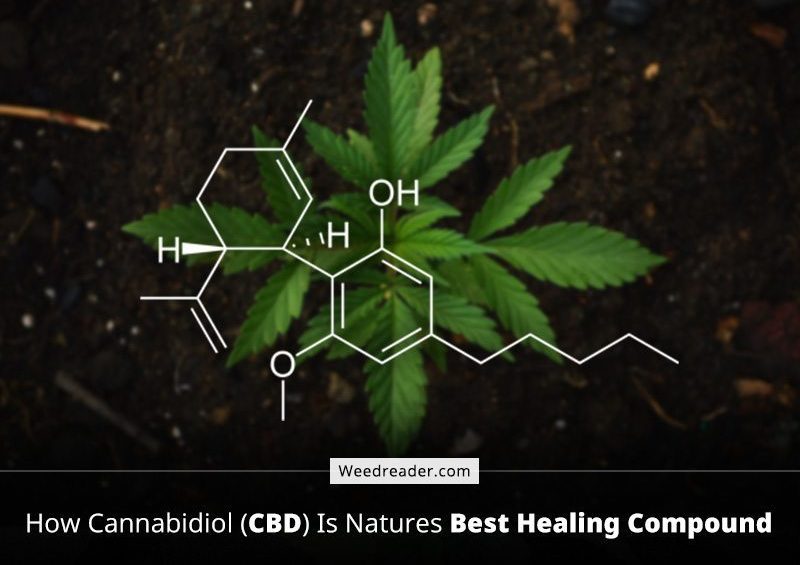
CBD: How Cannabidiol (CBD) is Natures Best Healing Compound

What is CBD?

Cannabidiol (CBD) is a naturally occurring compound found in cannabis plants.Scientific research over the last few decades has shown that Cannabidiol has dozens of medical benefits. Cannabidiol is one of over 60 compounds found in cannabis.  Both THC and CBD belong to a class of molecules called cannabinoids.
Of the known cannabinoid compounds, CBD and THC are usually present in the highest concentrations, and are therefore the most recognized and studied. The difference between CBD and THC comes down to how they interact with the cannabinoid 1 (CB1) receptors. Cannabidiol inhibits the interaction of CB-1 receptors throughout the body with a major focus on receptors in the central nervous system.
CBD Flower

How does CBD work in the body?

Cannabinoid receptors are cell membrane receptors  that contain transmembrane spanning properties. Cannabinoid receptors are activated by three groups of ligands (a molecule that binds to another molecule):  endocannabinoids that are produced inside the mammalian body, cannabinoids produced in plants and synthetic cannabinoids. Because CB-1 receptors bind with all three types of cannabinoids, one source can be supplemented for the other to provide medical benefit to patients.
The endocannabinoid system is a vast network of cell receptor proteins and serves many functions. CB-1 receptors are heavily concentrated in the central nervous system. Others types of cannabinoid receptors are found all over the body. They’re in every humans skin, digestive tract, and even in their reproductive organs. All of the endocannabinoids and plant cannabinoids bind to fatty compounds in the body. The binding properties of cannabinoids are why THC and CBD remain in a person’s system for so long.

How does CBD work in the brain?

Cannabidiol has low binding affinity for CB1 receptors. THC binds well with CB1 cannabinoid receptors but CBD does not. This is why one (THC) will cause a high and the other (CBD) will not. While this makes Cannabidiol a bad choice for recreational users, it is a significant advantage for use as a medicine. The high associated with cannabis is generally considered a side effect.
Since health professionals prefer treatments with minimal side effects. CBD is seen by most medical professionals as preferable to THC. CBD is non-psychoactive because it doesn’t act on the same pathways as THC. These pathways, called CB1 receptors, are highly concentrated in the brain and are responsible for the mind-altering effects of THC.
CBD Flower 1

What does CBD do?

The fact that Cannabidiol-rich cannabis is non-psychoactive or less psychoactive than THC-dominant strains makes it an appealing option for patients who want to avoid the stereotypical feelings associated with consuming cannabis.
Scientific and clinical research underscores Cannabidiol’s potential as a treatment for a wide range of conditions. People looking for relief from inflammation, pain, anxiety, psychosis, seizures, and other conditions without disconcerting feelings of lethargy find Cannabidiol to be an effective treatment.
Conditions including arthritis, diabetes, alcoholism, MS, chronic pain, schizophrenia, PTSD, depression, antibiotic-resistant infections, epilepsy, and other neurological disorders find the most relief from treatments. This is because CBD has demonstrable neuroprotective and neurogenic effects along with anti-cancer properties. These properties are currently being investigated at several academic research centers around the world.

How does CBD treat all these health issues?

The biggest distinction between CBD vs. THC comes down to a basic difference in how each one interacts with cannabinoid 1 (CB1) receptors. THC binds well with CB1 cannabinoid receptors while CBD does not. Think of it like an electrical plug connecting to an outlet.
A THC molecule is perfectly sized to connect with CB1 receptors. When that connection happens, THC stimulates those CB1 receptors like turning on a switch. THC works to activate those CB1 receptors.Cannabidiol works in a different way. It doesn’t act directly to activate or suppress CB1 receptors. Instead, it acts to suppress the CB1-activating qualities of a cannabinoid like THC.  So while THC turns on CB-1 receptors like sticking a key in an outlet, CBD blocks the outlet.

If CBD is so good, why isn’t it more mainstream?

Even though CBD shows great promise as a medicine, it remains illegal in most of the world. CBD is classified as a Schedule I drug (right beside THC) in the United States and a Schedule II drug in Canada and the UK.
The US government has been studying CBD for a while and fund most of the science going on stateside due to the difficulties associated in researching a schedule 1 substance. Even with the challenges, intrepid researchers have identified dozens of conditions that can be treated or cured using Cannabidiol.
A team of researchers at the California Pacific Medical Center, led by Dr. Sean McAllister, has stated that they hope to begin trials on CBD as a breast cancer therapy. Due to the challenges of navigating the FDA, they are fighting an uphill battle.

If CBD is great as medicine, why aren’t more drug companies using it?

All is not dark for CBD research. The U.S. Food and Drug Administration recently approved a request for a clinical trial of a CBD based drug. The drug in question is a pharmaceutical version of CBD used to treat children afflicted with rare forms of epilepsy. The drug is called Epidiolex and is made by GW Pharmaceuticals. GW Pharmaceuticals also makes another cannabis-based drug called Sativex.
Even with approval of trials for Cannabidiol based meds, the U.S. Drug Enforcement Agency (DEA) made it clear that marijuana-based extract is still considered a Schedule I drug under federal law. They made sure to say in a Dec. 2016 address that the ban includes CBD oils and other types of CBD-rich extracts.

What does the future of CBD look like?

In general, far more research is needed to figure out all of the effects cannabis has on our bodies. But, to say that our overall understanding of CBD is “lacking” would be an understatement. In the midst of medical and recreational legalization happening in the US state by state, the federal stance on cannabis remains staunchly opposed. While the UK classifies CBD as a schedule 2 substance, the US still tightly holds to its schedule 1 status of all things cannabis.
A pharmaceutical version of Cannabidiolwas recently developed by a drug company based in the UK. The UK based company, GW Pharmaceuticals, is now funding clinical trials on Cannabidiol as a treatment for schizophrenia and certain types of epilepsy through the significantly easier UK process.
Only time will tell if cannabis will become a mainstream medical tool in the future. With political pressure and overwhelming public support for legalization, there has been a lot of gains in recent years. As legislation moves cannabis out of the darkness and into the limelight, government agencies like the FDA will have to reevaluate how they have classified cannabis. Thanks for reading.