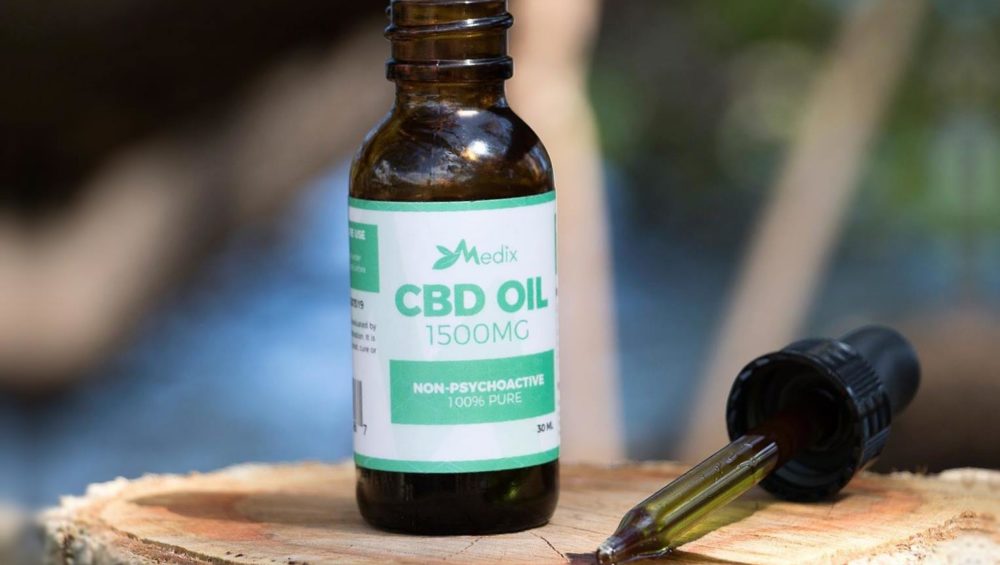
cbd oil

3 Things to Look For When Buying CBD Oil

CBD oil, e-juice, and other products are becoming increasingly popular as the medicinal properties of cannabis become more and more mainstream. But unfortunately, the dubious legal status of marijuana in the U.S. and around the world means that regulation of these products is inconsistent at best.
There are many companies jumping on the medical marijuana bandwagon right now, taking advantage of the lack of oversight to sell you cheap, poor quality products – some of which could even be dangerous to your health.
So how can consumers today tell the good stuff from the bad? Research, of course. Before you purchase CBD oil, or any other cannabis product, you should do your homework. Always read product labels carefully, and check out the manufacturers’ website.
Here are the 3 most important things to look for, to ensure that what you’re about to buy is safe, healthy and of the highest quality:

3 Signs of High Quality CBD Oil

1. Check the Source

The best products always start with the best ingredients, and quality CBD oil starts with the soil.
Most CBD products are made from industrial hemp, which is what’s called a hyperaccumulator. Basically, that means that it can grow even in contaminated soil, absorbing heavy metals and other toxins through the roots. This makes it useful for phytoremediation (a.k.a. “soil cleanup”). But it also means that it’s possible for hemp to contain toxic levels of zinc, lead, mercury, arsenic, etc.
So it’s very important to know where your CBD oil sources it’s hemp before you consume it. Look for hemp grown in the U.S. or Canada (where there is strict state regulation), using organic farming methods if possible.
Also note whether the product is made from CBD-isolate (a.k.a. “pure CBD”). These products contain only cannabidiol, and none of the other active plant compounds. Look for “whole plant” or “full spectrum” products instead, as these contain other cannabinoids (CBN, CBL, terpenes, etc.) which interact with the CBD to increase it’s medicinal effects.

2. Extraction Method

Another important thing to consider is the extraction method, or how the CBD oil was derived from the plant. Some manufacturers use chemical solvents like butane, propane or hexane to extract their product. Oils produced in this way can contain dangerous carcinogens (a.k.a. substances known to cause cancer). Avoid these products at all costs.
Ethanol extraction is a somewhat safer method, which results in a cleaner product and higher concentrations of CBD and other cannabinoids.
But the gold standard is what’s called “supercritical CO2 extraction,” a method that uses carbon dioxide gas under extreme cold and pressure. This requires more expensive equipment – which of course generally means a more expensive product – but it results in the cleanest, safest, and highest quality CBD oil on the market.

3. Independently Tested

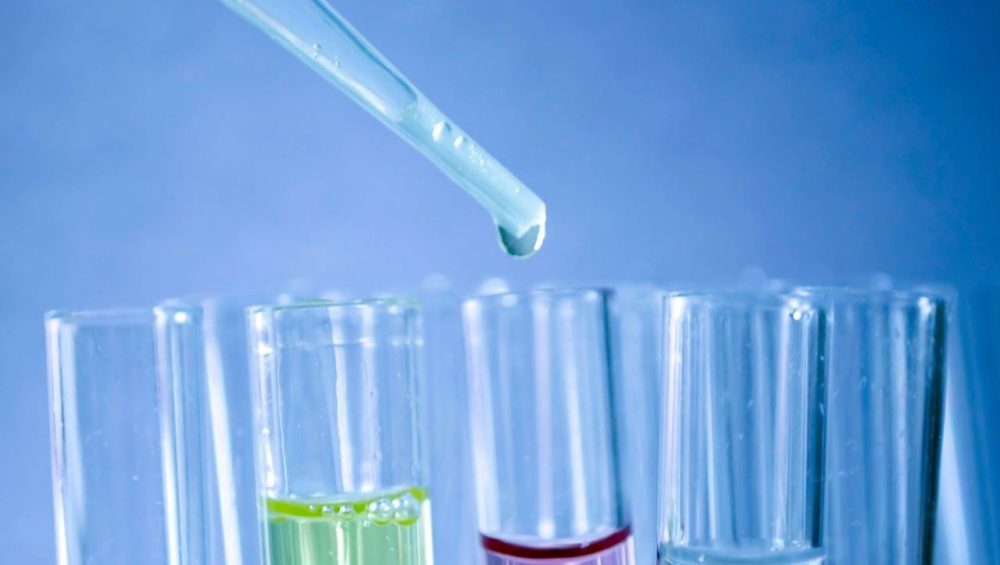
Perhaps the most important thing of all to look for is product that has been inspected and tested by an independent laboratory. After all, manufacturers are out to make money, and many of them will make false claims if it will help them sell more product.
Only buy CBD oil from a manufacturer whose claims have been tested and verified by an impartial 3rd party lab. And don’t be satisfied with a simple seal on the label! Go online to the seller’s website to find out exactly where their product was tested. If you really want to be sure, request a “Certificate of Analysis”. If such a certificate is not available, then you’d best find another supplier.
As laws continue to shift in favor of hemp and medical marijuana, increased regulation and oversight will improve the safety and quality of all cannabis products on the market. But for the time being, it’s up to us to be smart consumers, to educate and protect ourselves.
Knowledge is power, after all.
canada 801569 1280

Vaping and Edibles Still Illegal in Canada

In June, Canada’s Senate voted 52-29 to approve the Cannabis Act, making it the second country in the world to legalize recreational marijuana nationwide (Uruguay was the first, in 2014). Prime minister Justin Trudeau and his liberal party have been pushing for legalization since 2015. Their mission is to get pot off the black market, thereby reducing crime and the demands on law enforcement, while also increasing regulation, public health and safety.
 

The new law will make it legal for adults – age 18 or 19, depending on the province – to possess up to 30 grams of pot, and cultivate up to 4 plants. It also establishes a nationwide, legal marijuana marketplace, with each province deciding on it’s own rules and regulations. But don’t start celebrating just yet, because the bill won’t take effect until October 17th – and pot is still very much illegal until then.

Edibles Off-Limits

The new law also doesn’t legalize all kinds of cannabis products overnight. It doesn’t apply to cannabis-infused edibles or beverages, for instance. The government has said that these products pose special regulatory challenges – like dosage and portion sizing – and it needs more time to consider these factors before it opens up these markets. How long, exactly? Regulations should be in place sometime in 2019, according to a spokesman for Canada’s health minister.
Until then, keep this in mind: Canada has decided to delay the sale of marijuana edibles, not their possession or use. So if you prefer to ingest your pot, it’s perfectly legal for you to make your own at home. So by all means, dust off those cannabis cookbooks and whip up a batch of your favorite brownies. Or try out some of our recipes, like these Fudge-You-Up brownies,  or chewy pot cookies. We’ve also got recipes for cannabis tea and hot chocolate.
You’re welcome 🙂

No Vaping Either

Another product that won’t be available for purchase (legally) in October is marijuana oils and vape juices. Before these products hit the market, the government needs to figure out how to regulate their processing, quality, potency, etc. Again, the government plans to have these regulations in place sometime next year. Until then, you’ll just have to smoke your herb the old fashion way.
Or you could try out a CBD vape oil as alternative, to hold you over until other products hit the market. Non-psychoactive CBD e-juices have long been available through Canada’s medicinal marijuana market, and online retailers abound.
The Cannabis Act is a huge step forward for Canada, and a shining example to other countries around the world. One of the reasons for the delay in rolling out edibles and vaping products is the lack of precedent. Canada, along with some U.S. states, are essentially blazing a new trail here, and it takes time to figure out the best way forward. But with the cannabis industry projected to become a multi-billion dollar market, the trailblazers are in position to reap the greatest rewards.

wwee

Everything You Need to Know About the Difference Between Medical and Recreational Cannabis

It goes without saying that the legalization of recreational cannabis by Colorado and Washington in 2012 became a memorable milestone in the history of the herb. It won’t be an overstatement to say that we are witnessing a true, green revolution in America right now. With California and several states jumping on the legalization bandwagon, and with Canada legalizing the plant nationwide, we are one step forward in our endeavor to shed the stigma off the cannabis community once and for all. 

However, the majority of U.S. states still allow only the medical use of marijuana, while the so-called recreational use remains a misdemeanor or a felony depending on the state. If you want to use marijuana for medicinal purposes, you will have to apply for a medical marijuana recommendation or an MMJ card. 

So, what’s the actual difference between medical and recreational cannabis?

Key Differences Between Medical and Recreational Marijuana Explained

To begin with, both terms “medical marijuana” and “recreational marijuana” are inaccurate and can be misleading because this would imply that whether marijuana is recreational or medical depends on the type of the plant. 

I would rather use terms like “the medical use of marijuana” or “the recreational use of marijuana because that’s what it is. 

For example, if you take the Super Silver Haze strain, you will probably notice that it has a nice pungent, citrus aroma. When you consume it, be it by smoking, vaping, or eating weed-infused edibles, you’re going to experience the characteristic effects of the strain. 

It may make you feel a pleasant tingling sensation in the back of your head, it can give you a creative buzz, or make you craving for some mouthwatering food. It sounds like a perfect strain for relaxation, doesn’t it? 

But, at the same time, Super Silver Haze can stave off stress, reduce anxiety, and ease that pain in your back you start to curse at. It’s a good indicator of its medicinal potential if you ask me. 

To cut the long story short, cannabis is cannabis, period. You can use it either for recreational or medicinal purposes, but it’s still the same plant. Of course, some cannabis strains are specifically bred to address specific conditions in a more accurate way, but that’s a story for another article. 

The Medical vs. Recreational Cannabis Purchasing Process

To be honest, there is no big difference in the shopping experience when it comes to buying medical and recreational marijuana. Qualified medical cannabis patients need a valid proof of ID to prove their age in order to buy their medication from a dispensary. Some cannabis dispensaries have dedicated waiting rooms where patients can consult their conditions with a physician in privacy. 

Recreational stores, on the other hand, are not allowed to give medical advice to customers as they do not have the required license. Nonetheless, you can still shop at them as a medical marijuana user. There are also “dual-licensed” shops which offer a full spectrum of marijuana services and they cater to the needs of both medical and recreational users. 

If all you want is buy your favorite cannabis strain to enjoy the recreational benefits of the herb, go ahead and shop at your local dispensary; that is, of course, if you live in a state or country where the so-called “adult use” of marijuana is legal.

However, if medical advice and professional knowledge is your priority, I would recommend medical and dual-licensed dispensaries, especially those that care about the education of their budtenders.

Medical vs. Recreational Cannabis Product Selection

Both recreational and medical dispensaries offer the abundance of different marijuana products, namely: 

  • Edibles,

  • Vaporizers

  • Oils

  • Concentrates

  • Dry herbs

  • Topicals

  • Drinkables

Who’s In a Better Situation at the Moment?

Currently, medical marijuana users are the more privileged group. They receive certain perks that are out of reach for recreational cannabis. These are as follows: 

  • Higher THC potency limits

  • Lower prices and taxes

  • Medical users are allowed to grow their own marijuana plants

  • They can also carry up larger amounts of cannabis

What is the Public View on Medical and Recreational Marijuana Users?

The social perception of recreational marijuana users has changed throughout the last couple of years. Although using cannabis for enjoyment is still taboo in some communities, more and more people become aware of its advantages over other recreational substances. Marijuana finds particularly strong support in female users, who begin to give up on alcohol in favor of the herb. 

Still, a greater percentage of Americans support medical cannabis than recreational adult use, mostly because, despite the differences, we all agree that our health is of the utmost importance. Nevertheless, when a state legalizes the recreational use of cannabis, consumers might first get attracted by the easy access to a wide range of high-quality marijuana products, only to discover that a particular form of cannabis works wonders for their condition. 

Regardless of the point of view you take, it’s a win-win situation.

flag 678479 1280

Will Mexico Be The Next Country To Legalize Marijuana?

On July 1st, Mexico elected a new president named Andrés Manuel López Obrador. The president elect won a landslide victory based on his promise to fight corruption and rebuild the economy. He wants to cut the pay of government officials and expand social programs – like increased pensions and universal college education. He wants to support Mexican farmers by fixing prices for crops and equipment.
He also wants to end Mexico’s violent drug war, using “abrazos, no balazos” (“hugs, not bullets”).

You Can’t Fight Violence with Violence

In 2006, then-president Felipe Calderón mobilized the Mexican military to take to the streets to fight organized crime. Since then, more than 100,000 lives have been lost – more than 200,000 by some estimates. And yet drugs are as available as they’ve ever been, and the cartels are just as powerful.
López Obrador has a different strategy in mind. “Why do people grow poppies?” he asks. “Because they have nothing to eat! You can’t fight violence with violence. This is an evil we have to fight by doing good, by creating economic growth, jobs and well-being.”
One of López Obrador’s more controversial proposals is offering amnesty to certain criminals involved in the drug trade. In a public forum in Mexico City, he said he would even consider the legalization of all drugs across the board.
“Legalization of drugs is a subject that should be debated,” he said. “Why not address it? And why not, if that is the right thing to do, approve it and let the government carry it out?”
“There are those that argue that this is why we have a lot of violence, because of prohibition,” he added.

Moving Mexico Forward

But is this just political rhetoric, or can we really expect drastic changes in Mexico’s drug policy? To get a better idea, take a look at his pick for Mexico’s next Secretary of Interior, Olga Sánchez Cordero. The former Supreme Court official has a history of supporting progressive policies. And in a recent interview with the AFP, she expressed her support for decriminalization of drugs, starting with marijuana.
“We have to start thinking about the decriminalization of drugs. Obviously marijuana,” she said. Adding, “I will propose to Andrés Manuel the decriminalization of marijuana, its planting, harvesting, sale and recreational use.”
In another interview on W Radio, Sánchez Cordero elaborated, “Canada has already decriminalized, and so have several states in the United States. What are we thinking, to keep killing ourselves when others have already decriminalized? We’re going to try to move forward.”
These statements indicate that Mexico’s incoming administration will likely push for legalization – of marijuana, at least, if not more. And with López Obrador’s MORENA party (Movimiento Regeneración Nacional, or National Regeneration Movement) winning a majority in both the Senate and the Chamber of Deputies, he may just have the support he needs to do it.
But Andrés Manuel will not be sworn in to office until December 1st. So until then, I guess we’ll just have to wait and see.

test 214185 1280

How To Pass A Drug Test: The Definitive Guide (2018)

So you need to pass a drug test? Well, you’re not alone. Whether applying for a new job, getting a random screen from your current employer, or ordered to take one by the court – most people will end up taking a drug test at some point. And for cannabis smokers, that can be a bit of problem.
Despite the fact that marijuana is completely natural, completely harmless, and now completely legal in many states, it can still get you in a lot of trouble. Employers can refuse to hire you. They can fire you, and even use your cannabis use as grounds to deny unemployment or workman’s compensation claims. Testing positive for pot on a court-ordered test can land you in jail, or lose you custody of your kids. And if all that wasn’t bad enough, marijuana has the inconvenient quality of sticking around in your body’s fat cells long after you smoke – so you can test positive days or even weeks afterward.
But don’t worry, we’ve got you covered. We’ll dispel the rumors and give you the straight truth about what works and what doesn’t – so you can pass your test, and get on with your life.

Types of Drug Tests

There are several methods which may be used to test for the presence of drugs in your system:

  • Blood Test – while rare, blood tests are much more accurate at determining whether or not a person is currently high. Unlike other methods, which test for non-psychoactive metabolites, the blood test actually measures the level of THC in the bloodstream – which means they usually only test positive a few hours after smoking.
  • Hair Test – a hair test is perhaps the most difficult of all to pass, and will supposedly test positive even months after your last use. Luckily they’re also fairly rare. And before you go shaving your head to try to fool a hair test, know this: the sample can be taken from anywhere on your body. So if you’re gonna shave, you’ll have to be pretty damn thorough.
  • Saliva Test – more common than either the blood or hair test, the saliva test is usually administered with just a simple mouth swab. They are less sensitive than other methods, and will usually only detect marijuana use within the last few hours.
  • Urine Test – by far the most frequently administered drug test is the urine test, favorite of employers and probation officers everywhere. As you probably guessed, this test requires you to submit a urine sample to a lab for examination. Most labs use what’s called a “5 panel” test, which screens for 5 commonly abused substances: opiates, cocaine, amphetamines, methamphetamines, and of course cannabis. Some do a more rigorous “10 panel” test which also tests for barbituates (sedatives), benzodiazepines (anti-anxiety meds like Xanax, Valium, etc.), methadone, methaqualone, and propoxyphene (Darvocet). For more info, check out this video where a lab tech walks you through the process in detail:


Because it’s the most common, and also the most troublesome for cannabis users, our article will focus primarily on how to pass a urine test.

Bogus Methods

Before we reveal the best way to pass a drug test, let’s first clear up what not to do. There is a lot of misinformation out there – because, you know, the internet. A little digging will turn up many methods which will supposedly help you pass your test, many of which aren’t reliable or simply don’t work at all. For instance:

  • Drinking niacin, vinegar, fruit pectin (Certo), etc.
  • Taking Goldenseal or other herbal cleansing supplements
  • Throwing off the test with a high dose of Aspirin or Ibuprofen
  • Adding bleach, vinegar, water, etc. to your urine sample

None of these methods are proven or reliable. Nowadays labs test for and can detect all kinds of tampering. And the old Aspirin trick no longer works, either. I’ve even heard a rumor going around online that drinking bleach will help you pass! That’s not only wrong, it’s stupid and dangerous. Don’t. Just… don’t.
Many people swear by Detox drinks, many varieties of which are sold at head shops everywhere. These drinks supposedly give you a window of a few hours after drinking it, during which you will piss clean. However, there are no studies or reliable evidence to prove that these really work. So, use at your own risk.

How to Pass

So, how do you pass a urine test? Your best bet is to flush your system with a ton of water. The more water you drink, the more the metabolites in your urine sample will be diluted – hopefully to the point of being below the threshold.
Drink lots of fluids the day of your test, as much as you can hold. You might want to take a big dose of vitamin B along with it, to darken the color of your urine (labs can get suspicious if the sample is too clear and watery, and may even reject it). You’ll want to piss a few times before you give your sample, so never schedule a test early in the morning if you can avoid it. The metabolites build up in your bladder overnight, leaving a rich deposit in your first whiz of the day.
When it comes to passing a urine test, time is your friend – so put it off as long as possible. Quit smoking and use that time to flush out your system — drink lots of water, exercise, sit in a sauna. Diuretics like coffee, tea and cranberry juice can help. You can also buy diuretic pills over the counter. Natural detoxifiers, like activated charcoal, may also help lower you’re metabolite levels. If you’re only an occasional smoker, your body can clean itself out in as little as a few days. A heavy user can still test positive 3 – 4 weeks after quitting, maybe even longer. So the more time, the better.

Testing On The Spot

But what if you don’t have the luxury of time? Some employers require employees to take a drug test immediately after a workplace injury or other accident, or even submit to random screens with no advanced warning. In that case, if you’re a relatively light user, you might still pass simply by chugging water and diluting your sample. Regular, heavy users, however, don’t stand much of a chance.
So the only way out in that case is to swap your sample. Admittedly this requires some foresight. But if you work for a company that does random screens, or have other reason to worry that you might be tested, then planning ahead might just save your job. You can keep a clean sample in your car, your backpack, etc. You can borrow urine from a friend who’s clean, but remember that samples don’t keep much longer than a day. You can buy synthetic or powdered urine (powdered is better) online, but some labs do test for synthetic samples. So, again: use at your own risk.
Keep in mind that the sample must measure close to body temperature (about 90 – 98°F or 32 – 36°C) or it might be rejected. Some synthetic and powdered samples come with a heating element for this purpose. But if you tuck it under your armpit, your breast, or your scrotum for long enough, it should work. Or you can use a hand warming packet (like Hot Hands, etc). Then the challenge becomes to get it into the sample cup unseen. If you are allowed to go to the bathroom in private, then it’s not a problem. But sometimes the lab will insist on observing you collect your sample. In which case, you better hope you have some impressive sleight of hand, or a “first day on the job” lab tech who’s still shy about other people’s genitals.
Maybe one day the law will catch up with morality and common sense, and cannabis users will be free to partake of their herb of choice without fear of unjust punishment. Until that day, though, remember: no method is 100% guaranteed. If you choose to smoke, you always run the risk of failing a test and suffering the consequences.
But if you’re smart, and follow our guide – and steer clear of sketchy internet quick fixes – you have a better than average chance of passing your drug test. Good luck, and thanks for reading!

DeepCell feature

LP Indiva Ltd. preparing for the cannabis edibles market

Ontario licensed producer INIDIVA Ltd. is one of the most innovative small to mid-cap companies currently awaiting recreational cannabis legalization in the second half of 2018.  INDIVA Ltd. is traded on the TSXv under the symbol NDVA, and has been expanding its scope of operations as it prepares to open for business.
INDIVA Ltd. is focused on client care, delivering a high-quality standardized product and maintaining a designed diversity throughout its product offerings. To achieve this goal, the company works hard to be financially and environmentally sustainable, owning or having control over all its ventures. This means owning their production and processing facilities in London, Ontario, while gaining exclusive rights through their partnership agreements. Looking at the design of their production facilities, it’s easy to see they have been built to provide the company with a platform for sustainable success. State-of-the-art cultivation and processing capabilities, energy efficient climate control, and advancements like the revolutionary Bioroter Composting System, INDIVA Ltd. is sticking to their plan for growth and success.
Recommended: 5 Exciting Cannabis Stocks Of Today
INDIVA Ltd. is creating a profitable business that is capable of and ready for rapid growth. The facilities are being expanded to full capacity in 2018, while a number or strategic acquisitions and partnerships have been recently formed.  The partnerships provide to access multiple revenue streams that will enable the company to maximize potential revenue streams. INDIVA Ltd. owns all its facilities, and is closely involved in the compassion community through their Master Grower, Pete Young. Mr. Young has been a pillar in the community for decades and currently supplies over a thousand medical cannabis patients with their medicine. Unlike many other similar sized LPs, INDIVA Ltd. is ready to cultivate, process and sell cannabis.
The recent acquisition and partnership agreements with two companies in the cannabis edibles and derivative product market are signals of INDIVA’s intent. This sector is not talked about as much as dried cannabis flowers or concentrates, which is most likely due to the Canadian government not being ready to legalize cannabis edibles at the same time as recreational cannabis. However, INDIVA Ltd. envisions that cannabis edibles will play a major role in global cannabis consumption and once recreational cannabis is legal, edibles will quickly follow suit.  
According to Koby Smutylo, COO of INDIVA Ltd. “There are a lot of patients and people who do not wish to smoke cannabis but still want access to its benefits. Cannabis edibles are perfect for this and the market is deficient so far. While cannabis flowers are the backbone of our operations, we anticipate producing and selling cannabis edibles to separate us from the competition. Our partnerships with Bhang and DeepCell are indicative of this and an important aspect of our business plan.”
DeepCell Industries is known for its revolutionary Crystal Fusion™ technology and consumer sugar product Ruby™. The technology allows for cannabinoid extraction through mechanical fusion, instead of the standard chemical fusion.  The company has addressed a major roadblock to mass consumer acceptance of cannabis food products, by removing cannabis flavour from the equation while maintaining all the beneficial properties of cannabinoids. This allows for products that range from pancake mixes, teas or coffee to chocolate bars and drink mixes. The technology can also infuse salt in the same way, creating another “flexible edible” infused with cannabinoids.  Essentially, any food item or beverage can now be cannabis infused without altering the taste. INDIVA Ltd. has procured an exclusive license from DeepCell to manufacture, market and sell the complete product line and use the technology. Subject to regulatory approvals, INDIVA will assist DeepCell with product innovations to better provide its cannabis products to Canadian consumers.  Also, pending applicable regulatory approval, both companies will also work together to bring DeepCell’s product line to the international market.
Also Read: Cryptocurrencies And Marijuana: Made For Each Other
The Bhang Corp. deal is the perfect compliment. If you had the means to manufacture revolutionary cannabis edibles, you’d then want a proven method of delivering them to market. Bhang Corp. has made a name for themselves in cannabis edibles, currently licensing chocolate bars, gums, vapes, distillates, beverages and mouth sprays within the USA.  INDIVA Ltd. has gained exclusive rights to sell and manufacture in Canada and export branded products internationally.
INDIVA Ltd. has made a statement of intent here, but more importantly they have positioned themselves to be able to sell their cannabis once legalization occurs. The exclusivity agreements provide a distinct competitive advantage for INDIVA Ltd. As the cannabis market continues to expand and cannabis spending already estimated to top $57 billion USD globally, there is a lot of opportunity for an innovative and proactive company like INDIVA Ltd. to flourish.

mari

Cryptocurrencies and Marijuana: Made for Each Other

Cryptocurrencies and marijuana both exist in a gray area in the United States. Although medically legal in 29 states and recreationally in 9, marijuana businesses have some serious limitations. The biggest hurdle to overcome is the banking system, something cryptocurrencies do better than anything else.
Market analysts like the Brightfield Group estimate that the current marijuana industry is worth about $7.7 billion. They also project it to grow to $31.4 billion by 2021. But the legal status of weed prevents that money from flowing through traditional banking channels.
Without access to banking, the industry is forced to struggle getting the investments they need to survive. Without access to investors, small businesses like dispensaries can’t get the money they need to survive financial storms. So many cannabis companies embrace cryptocurrencies as a safer alternative to keeping everything in cash.
Investing in either market is tricky
According to experts like Jim Cramer , host of “Mad Money”, investing in cryptocurrencies and marijuana is equally speculative. In an interview with CNBC Cramer said “As far as I’m concerned, there’s way too much speculation in this sector already.” His main concern is the volatility of these emerging markets.
While marijuana is dealing with an Attorney General that ignores evidence and actively despises the community, cryptocurrencies have a massive bubble growing. Investors rightly fear putting their money into a market that is likely to see massive changes in the near future. The biggest turn off for cannabis is the lack of any guarantees and the significant risk involved.
Over inflated stocks are less of an issue than looming action from the federal government. Something both industries are dealing with but is especially problematic for cannabis. The problem stems from the fact that cannabis is still federally illegal.
The government can choose to take action at any moment
There are only around 500 independent banks that work with cannabis businesses. None of the major names will go anywhere near it as it stands. So thousands of businesses across the nation are unable to accept credit or debit cards.
This creates significant problems for customers, investors and businesses. It increases the likelihood of crime, corruption and introduces human error into every transaction. So many of these businesses are turning to cryptocurrencies which bypass many of the risks of cash.
“Cryptocurrencies and the marijuana industry have a natural intersection,” according to Bryan Meltzer, a partner at the Feuerstein Kulick law firm. He specializes in cannabis clients and was featured on CNBC’s Annie Nova. He explained that using Bitcoin allows operators to avoid having cash on hand while adding a level of transparency to transactions.
Because cryptocurrencies run on blockchain tech, they are an incorruptible digital ledger. They keep records public and ensure every transaction is transparent, legitimate and theft-proof. As more companies embrace the change, it pressures others in the industry to adapt or lose out.
There is still a long way to go
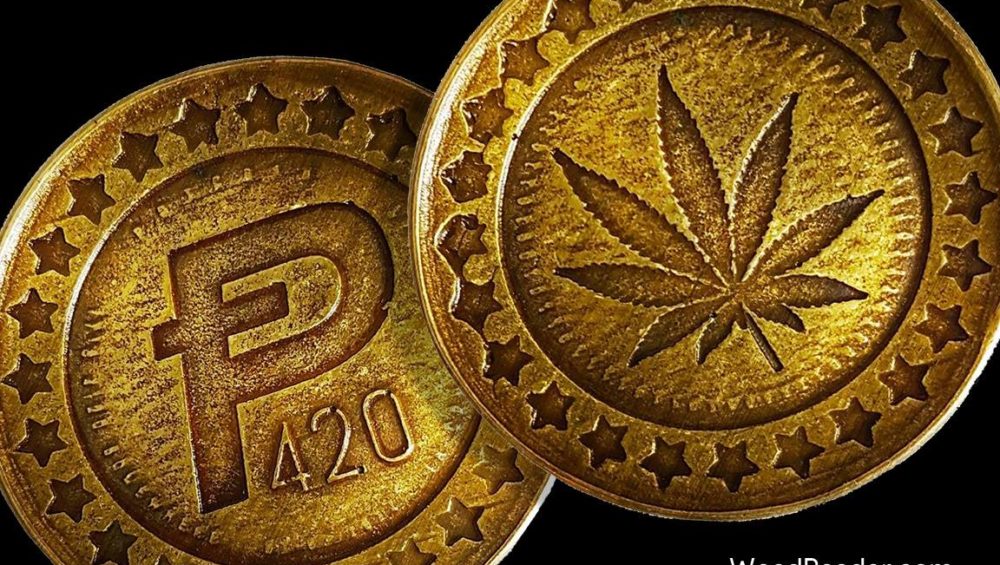
We are still in the early days of both cryptocurrency and marijuana. Although many dispensaries are turning to Bitcoin and other cryptocurrencies, most of the industry is wary. Besides that, several specialized cryptocurrencies like PotCoin and HempCoin divide the market and prevent a single currency from becoming the defacto choice.
Some experts believe the cannabis industry will lead the country to fully embrace cryptocurrencies but it’s too early to tell. If chronic and crypto do become bosom buddies, other industries are sure to follow. If the government cracks down on either or both cryptocurrency and marijuana, it will cost some investors a pretty penny.
Do you use cryptocurrencies to pay for marijuana? What do you think about the future of blockchain payments? What would you do if dispensaries only took cryptocurrency? Let us know your thoughts down below!

medi 1

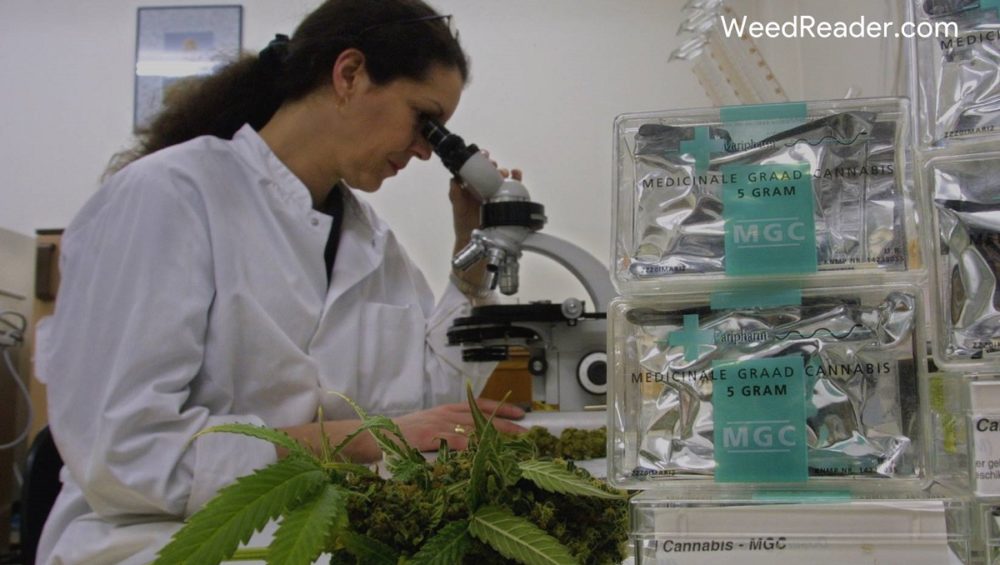
Pennsylvania Approves Eight Colleges for Medical Research

Pennsylvania makes history
Pennsylvania is on track to be the first state to license a number of universities to begin scientific studies of marijuana. Just three months after legalizing medical marijuana, the state is taking action to provide peer-reviewed research on the topic. So far, eight universities have research permits in hand.
Governor Tom Wolf announced permit holders.  They include the University of Pittsburgh School of Medicine, the Perelman School of Medicine at the University of Pennsylvania along with the Lewis Katz School of Medicine at Temple University, the Drexel University College of Medicine, Lake Erie College of Osteopathic Medicine, Penn State College of Medicine, Philadelphia College of Osteopathic Medicine and Sidney Kimmel Medical College at Thomas Jefferson University.
During the press conference, the governor stated, “Today, medical research is so limited by the federal government that only a few doctors can even have access to medical marijuana,” He continued by saying, “Pennsylvania’s premiere medical schools will be able to help shape the future of treatment for patients who are in desperate need not just here, but across the country.” His remarks come after decades of federally enforced policies that limit and all but prevent medical research into marijuana.
Pennsylvania breaks with tradition
Marijuana has a long history in America. Most of that history includes federally managed and funded programs refusing to even look at cannabis medically. Medical and educational institutions are often denied research requests by regulatory and drug enforcement agencies. This makes it all but impossible to find valuable medical insights.
On top of that, the few instances where research is allowed are hampered by inferior product. So far, studies only have product from the University of Mississippi. Unfortunately, the ganja is notorious for being the lowest quality product possible.
Breaking with this long-standing tradition, Pennsylvania is allowing each university to fund and source product from state licensed medical producers. In addition, the researchers get to work directly with the states patients and products. Officials at Pitt stated “It is important to note that Pennsylvania is the first and only state in the country to institute such a program, and we believe that the research that will be conducted by the School of Medicine in collaboration with [University of Pennsylvania Medical Center] will be of great importance in determining the safety, efficacy and effectiveness of medical cannabis products in treating specific diseases,”
Researchers must act fast
There are no official start dates for kicking off the research yet. But state law requires the cannabis studies to begin within six months of obtaining a license. Officials involved with the program hope that their research will lead to groundbreaking advances in our understanding of cannabis.
Because the new research is mandated to use only state qualified and licensed individuals, the pressure is on to find enough support. Pennsylvania patients with one of 21 qualified medical conditions can apply for a card and over 37,000 have already registered to participate in the medical marijuana program.
In addition to patients and providers, the research also requires medical professionals. But according to the health department, over 1,000 physicians are already registered. More than 600 of them are also certified as practitioners.

King Mini Mart

Synthetic Marijuana Poisoning Sparks 3 Chicago Arrests

Synthetic Marijuana is causing problems.

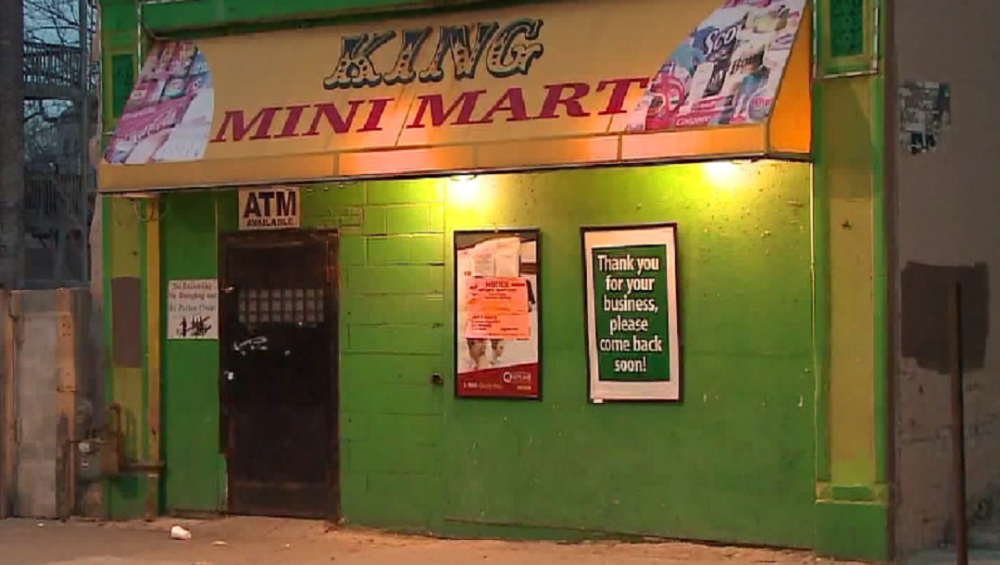
A rash of synthetic marijuana fueled hospitalizations recently led federal investigators to the King Mini Mart in Chicago’s west side. There they found three men selling a synthetic version of marijuana called “spice”. After using a drug-test kit on the substance they discovered it was laced with a deadly chemical commonly found in rat poison.
Synthetic marijuana is widely available around Chicago and across Illinois. Despite feeling safe and being widely available, many synthetic cannabinoids are illegal and can cause severe reactions. But loose regulations allow these distributors to get onto store shelves anyways. Despite looking like weed, it often affects people in drastically different ways.
The investigation was launched after authorities noticed a sharp spike in cases of people coming to the ER. Once doctors confirmed that the cases were linked, the hunt was on. In the last month there were at least 107 cases involving the tainted synthetic weed in the Chicago area. With three confirmed deaths and more possible, officials can feel the pressure building.

Police are cracking down.

Once authorities tracked the tainted product back to its source, they needed to get evidence. Agents posing as customers bought packets of spice from the small convenience store before making arrests last week. After taking three people into custody, authorities warned of a continued threat from the tainted product throughout the state.
Prosecutors charged the men with a host of offenses including conspiracy, intent to distribute and sale of controlled substances. Police also confiscated $280,000 in cash and several brands of spice during the arrest. The bust is part of a larger effort to crack down on illicit drugs in Chicago.
So far three convenience store workers are facing charges for selling synthetic marijuana tainted with a deadly chemical called brodifacoum. Chicago police continue looking for more sources of the tainted product. They fear that other locations may have spice contaminated with the same substance.

There are big differences between real and synthetic weed.

Most people understand that there is a difference between natural and synthetic products. But some struggle to identify the actual differences because they equate processed with synthetic. The real difference between the two is what chemicals go into the process.
Natural weed comes from the flowers of a living, breathing plant. It’s easy to find quality information on real weed and its uses. Nobody dies from consuming too much natural weed and some doctors recommend it medicinally.
Synthetic weed is different because technicians produce it in a lab by combining chemicals. Chemists take a bunch of stuff you can’t pronounce and mix it in ways to create something close to THC. These chemicals can combine in dangerous ways and loose regulations help some producers get away with passing them off to unsuspecting consumers.
The Illinois Department of Public Health (IDPH) is tracking similar cases of serious health problems in people were files since March 7th. So get checked out if you experience uncontrolled bleeding from the eyes, ears, and mouth. These symptoms can indicate internal bleeding and led to the death of three victims so far.

weed re

Youtube Creators Get Shut Down for Cannabis

Youtube creators  are shut out

Video streaming is so popular, that Youtube and Netflix account for over 70% of peak internet traffic in the U.S. Billions of people watch Youtube creators every day. The sheer volume made Google purchase Youtube for $1.65 billion in 2006.
The company grows and thrives off user-created content. Many Youtube creators made fortunes off the site by attracting millions, then billions of views. Even small creators could earn enough money to support themselves by catering to a niche.
But recent trouble with advertisers is hurting the community Youtube works so hard to cultivate. Known as the “Adpocolypse” because of the size of the exodus, many longtime creators can no longer support themselves on the platform. In response to the lost revenue, Youtube has had to implement significant changes to their algorithms and updated their terms of service.

Youtube is shutting down an increasing number of marijuana accountsYoutube Creators

Despite their best efforts, the ad revenue has not returned to pre-Adpocolypse levels. So Youtube has slowly increased the number of accounts they take action against. This includes demonetizing videos, removing content and shutting down accounts.
Cannabis based content is the most recent community sacrificed to the altar of capital. Since marijuana is still a Schedule 1 drug, Google can’t advertise next to it without making special accommodations. So they are simply cutting those channels out of their network with little to no warning.
By giving no warning, the ensure the creators cannot send their viewers to alternative platforms. Unfortunately for longtime creators like CustomGrow420, Jorge Cervantes and StrainCentral, they are no longer welcome on Youtube. There is little any creator can legally do about it either.

The marijuana community is confused

Unlike previous changes, this one didn’t come with a press release or a warning. Accounts in good standing for years and with millions of followers are suddenly gone, with only a vague email about enforcing community guidelines. Even massive companies like Leafly got hit with the ban hammer.
The most frustrating part about this is that the enforcement of community guidelines get applied unevenly. There are tons of videos that break the community guidelines without suffering an instant dismissal. Not only that, but some cannabis channels remain active while others simply disappear in the blink of an eye.
Youtube still hasn’t made a statement about the reason or method behind the recent culling. Creators wait with baited breath for any word on what can keep their channels alive. But they may want to start looking for a new home sooner rather than later.

Finding a new home might be hard

Other communities need to relocate relocate after leaving Youtube. Pro gun channels ended up hosting their content on Pornhub before the site updated their terms of service and sent them packing again. Cannabis might get similar treatment if the new site feels the migration is damaging to their brand or bottom line.
Instagram and Vimeo are strong contenders for the move. They might not like the idea of hosting the worlds cannabis community and kick them off the same way Pornhub did with the gun community. In the end, people looking to make marijuana content will likely have to create their own hub.

Which would you love to see recreated on another platform? Would you migrate to a new video sharing platform because of them shutting down cannabis content? Let us know in the comment section!