Berkeley California Fights the Black Market

Berkeley California Fights the Black Market

Berkeley is Tired of the Black Market

Thousands of people purchase cannabis regularly in California. Residents, tourists, and visitors contribute billions of dollars to California’s economy, but that is not enough for one city in particular. The city of Berkeley, California decided to take action against the cannabis black market.
Berkeley city officials decided the best way to compete is to cut taxes on marijuana in half. But it isn’t greed motivating the price cutting, it’s a fear of the black market. Since price is a main factor in why people choose unlicensed distributors, that is where they are going to make a stand.
Berkeley officials see that there is much more to be gained financially if they have better control over the marijuana market. But too many taxes put on cannabis may ruin the legal weed industry. So to combat that possibility they lowered the overall cost to consumers by giving them a tax break.

Marijuana is an Expensive Product

The cannabis industry is an expensive market to get into. Businesses spend thousands on overpriced licensing fees and almost everything is out of pocket. Marijuana is federally illegal as a schedule I drug, so banks won’t take the money. Current outrageous business expenses make it hard them to compete with the cannabis black market. The cannabis black market is a fierce competitor.
At the moment, Berkeley is the only city in California to try to directly take on the underground marijuana market. They feel that if left unchecked, underground distributors will continue to grow. So they chose to combat these distributors where it counts the most to people: in the wallet.
The city of Berkeley, CA did themselves a huge favor when they dropped cannabis taxes from 10% to 5%. The tax drop might be the edge they need to compete with underground cannabis. The black market doesn’t have the plethora of fees and costs associated with doing things the “right way”. But when people are caught in a black market operation that deals with federally illegal substances, the fines and arrests are nothing to scoff at.

For the Love of Raids

Despite state laws, the feds still randomly raid cannabis businesses. The feds also take the weed, money and anything else they see of value and destroy pretty much everything else. They also close down their businesses causing the owners more financial devastation.
In 2017 alone, Sacramento shut down hundreds of illegal operations. Within a 60-day-period the city issued $6.8 billion in fines. They collected $25,000 within days and continue to collect more.
When legitimate cannabis businesses shut down, the black market gets more opportunities to compete. If cannabis consumers don’t have a place to safely purchase weed then they’ll likely to get it from somewhere else.

What are your thoughts about Berkley’s choice to decreasing their city tax on Cannabis? Is it a good move or are they losing money by cutting taxes? Is the fight against the cannabis black market a losing battle? Let us know in the comment section below.

Featured image: GettyImages

viral video baby smoking blunt lands mother jail hero

Brianna Ashanti Busted for Getting Her Kid High

This is What Happened with Brianna’s Family…

In the state of North Carolina, Brianna Ashanti, allegedly decided it was a good idea to give her one year old a puff of weed. When people hear about how police discovered her, they simply share their head. Brianna decided to film herself forcing her 1-year-old to inhale marijuana and then posted it on Facebook. The video quickly became viral.
The Raleigh Police caught wind of the situation when a man from Rochester, New York, shared the post. The police took Brianna into custody and the courts slapped her with a $100,000 bond. her charges include two counts of child endangerment for contributing and possession of cannabis. Brianna is only 20 years old and might spend the rest of her life in jail.
The police wrote a Facebook post in response to the situation. They thanked the witnesses for getting involved. They further added that the child is safe and in the custody of Wake County Child Protective Services.

The police already know who the mother is.

It’s not the first time Brianna has dealings with the police. Last summer she was arrested four times. She faces several misdemeanor charges and a simple assault charge. It seems like she can’t stay out of trouble.
Could this be a case of a simple misunderstanding? The evidence looks like it weighs heavily against Brianna. Is Brianna going to get out of this terrible situation? Or is she going to lose her kid for forever? Our readers are wondering, “Why Brianna? Why did you do this?”
It’s not legal anywhere to give cannabis to a minor. It is a prickly situation when a kid is prescribed cannabis because it is still federally illegal. To say if it’s acceptable for kids to smoke cannabis is a topic for another article.

Is Weed Legal in North Carolina?

It is probably going to be difficult for Brianna. North Carolina is not a green friendly state. They’re trying to legalize weed but they’re not there yet. Recreational and medical marijuana are illegal in North Carolina.
They did decriminalize cannabis by not jailing first time offenders for possessing a small amount. People caught with up to 0.5 ounces of marijuana are subject to misdemeanor charges.  A maximum fine of $200 can be tacked onto the misdemeanor ticket.
North Carolina residents can’t produce cannabis or hemp of any kind. But a few patients can get medical marijuana cards. This means that North Carolina patients who have a card have no access to the medicine. The cherry on top to the whole thing is that it’s incredibly illegal to transfer cannabis across their state borders.

What do you think about the whole situation? Does Brianna needs a break? Or do you think she deserves whatever comes her way? What do you think should happen to her son? Let us know your thoughts in the comments down below.

weedreader plane

Hemp Airplane Flies High With Weed Fuel

Can you imagine flying in a hemp airplane?

The idea of a hemp airplane isn’t as far fetched as it might seem. Modern airplanes use special composite fabrics and a liquid epoxy in construction. Fiberglass and carbon fiber are the most common materials in aviation but any fabric works.
There are many reasons to use a given material. Carbon fiber is super light, but is prohibitively expensive. Fiberglass is weaker and heavier than carbon fiber, but it is far cheaper. But both materials come with heavy environmental costs over the course of their lifetime.
Hemp is heavier than carbon fiber but it is lighter than fiberglass, a favorite material of the aerospace industry. The thin strands are actually 10x stronger than steel, meaning building with it takes less material which saves weight. The manufacturing process for hemp is also carbon positive, meaning it reduces the overall level of greenhouse gases.

One stoner made a pot plane his mission.

Derek Kesey is the CEO of Hempearth Group Ltd and the face of the hemp plane. He founded the company in 2012 to explore hemp-based products that can benefit humanity. Kesey kicked things off with an Indiegogo campaign to design the 4-passenger hemp plane and followed it up with investing.
But Kesey didn’t always want to build hemp planes. A former organic-restaurant owner based in Ontario, he dabbled in music and internet marketing in the past. He has also pursued new hemp-based opportunities like hemp-based fuel and launching a cryptocurrency while developing the aircraft.
The extra projects haven’t stopped the hemp plane from moving forward though. As the first commercial airplane to be built entirely out of hemp products, it has everyone doing fly-by’s. It also plans to make headlines when she takes her inaugural flight at the Wright Brothers memorial in Kitty Hawk, North Carolina.

It really is a hemp airplane.

In addition to making the hard exterior shell and fuel out of hemp, the team tried to work hemp into everything they could. Things like the engine and landing gear have special requirements that prevent using hemp. But the engineers managed to get the final total to just over 75% hemp.
Wanting to make the project truly sustainable, Kesey and his team decided to ditch the traditional fuel. With oil reserves across the globe dwindling, standard options don’t make long-term sense. Instead of running on fossil fuels, the hemp plane uses Hempearth hemp oil to get airborne.
Sourcing genetics from Canada and setting up a chemistry lab in Costa Rica, Hempearth worked hard to fine tune their recipe. But now that the formula is set, they stand to revolutionize the fuel industry. If the process is cost effective going into the future, it will change the world.

Would you fly in a plane made of hemp?Where would you fly if you had a hemp airplane? Would you pay extra for hemp-based fuel to protect the environment? Would you try to smoke the seats or simply enjoy the view? Let us know in the comments below.

weedr

Israeli Study Shows Cannabis Safe for Elderly

A New Israeli Study

Tikun Olam clinics are the largest Israeli suppliers of medical marijuana. They partnered with Israel’s Soroka University Medical Center, Ben-Gurion University of the Negev, and the Hebrew University of Jerusalem to study the effects of marijuana use on elderly patients.
Participants in the study predominantly use cannabis to treat cancer or severe pain issues. They also all consumed prescribed doses of only strains provided and developed by Tikun Olam. After closely studying 2,736 geriatric medical marijuana users between January 2015 and October 2017, researchers finally had the data they needed.
The Israeli researchers published their findings in early February 2018 in the European Journal of Internal Medicine. They found that 93.7% of participants in the study reported pain was reduced by 50% thanks to marijuana use. Many participants also reduced or even eliminated their dependence on prescription opioids.

Cannabis Medical Efficacy Proven

After six months of treatment, the israeli patients in the study reported that their overall pain level was reduced by half. But marijuana treatments are not without side effects. Luckily for those involved, the only real side effects researchers found were dizziness and dry mouth.
Yet the side effects were considered minor and never progressed beyond simple discomfort. The researchers were happy to find that patient dependence on pain medication including opioids also decreased while consuming cannabis. Since seniors make up a significant portion of the opioid using population, cannabis seems an ideal tool to battle the opioid epidemic.
Many pharmaceuticals that people take have a long list of terrible side effects. Some antidepressants cause depression and thoughts of suicide. Many pain treatments like Percocet and Oxycodone are also dangerously addictive.  Marijuana on the other hand, has proven to have no dangerous side effects, is non-addictive, is impossible to overdose on and helps recovering opioid addicts.
 

Still More Research Needed

Cannabis definitely seems like the safer alternative than opioids. Unfortunately, not everyone agrees with the idea of cannabis. People in positions of power like Attorney General Jeff Sessions complain about the opioid epidemic sweeping across America yet seem to take every action possible to prevent its resolution.
Luckily for medical patients everywhere, research is still underway. Israeli organizations like Tikun Olam, Soroka University Medical Center, Ben-Gurion University of the Negev, and the Hebrew University of Jerusalem produce adds to the growing body of evidence proving cannabis is a miraculous plant. But we need more research to prove all the benefits of marijuana.
The researchers of this study note in their paper a need for more evidence-based research. Especially research data from double-blind, randomized controlled trials. They also note that the entire geriatric population stands to benefit the most from these studies since they consume the majority of opioid-based pain killers. Unfortunately, seniors also tend to be the most resistant to the idea of medical marijuana.

How do you feel about seniors using marijuana to treat pain? Would you ever participate in a study like this? Do you know anyone who has decreased or completely removed opioids from their life thanks to cannabis? Let us know in the comment section below!

jeff sessions

Holland Takes Sessions to Federal Court

David Holland is here to defend marijuana.

Holland is a member of the legal team representing 5 plaintiffs in an ongoing suit against the current Attorney General.But he is no fledgling looking to make a name for himself. He is a litigator in New York City and the legal director of Empire State NORML. He also used to be on the High Times Magazine legal team and is a member of the New York Cannabis Bar Association.
So when it comes to productive stoners, he is one of the shining examples. But he feels that the current state of marijuana enforcement is unsustainable. Holland’s firm is suing Sessions and the DEA. The suit claims the classification of cannabis under the Controlled Substances Act is unconstitutional.
Their list of reasons include it violates rights surrounding travel, business and racial discrimination against communities of color. Basically, the law works to discriminate and criminalize communities that don’t have the power or money to resist. Sessions and the DEA failed to get the case dismissed.

The case is going forward.

Holland’s legal team managed to convince US District Court Judge Alvin Hellerstein to let the case go forward. That decision was made in large part because of the personal experiences the plaintiffs had with medical marijuana. The medical efficacy of cannabis to treat patients suffering from a variety of ailments is so apparent, the court has to reconsider the constitutionality of the law.
Despite the strong support showed by the judge, it is still too early to break out the champagne. Despite a mountain of evidence showing the opposite, Jeff Sessions continues to blame marijuana for the opioid epidemic. And with almost no pressure from the White House to change his stance, there is little to stop him from waging a emotionally motivated war against the American population.
Attorney General Sessions is the same person that thought the KKK was OK. At least until he found out some of them smoked marijuana. And he is the same person who said “I can’t remember” in one form or another over 26 times when asked under oath. The performance showed how willing he is to stonewall and deflect about his questionable activities.

The CCC believes marijuana prohibition is racist.

Some plaintiffs claim that people of color are disproportionately targeted for prosecution for marijuana offenses. Armed with scientific evidence and confessions, the Cannabis Cultural Association (CCA) went to bat for its members. We still don’t know how Judge Hellerstein will rule on the racism claims presented by the CCA. But Judge Hellerstein seemed unconvinced by opening statements showing that the Nixon administration admitted to criminalizing marijuana for the express purpose of suppressing minorities and social backlash against the Vietnam War.
Both sides of the case are preparing for a long battle. But despite the court clearly favoring marijuana reclassification, there are many hurdles to overcome. One major hurdle is making sure the court doesn’t pass off the problem to a dysfunctional and ideologically insane Congress. But Holland hopes to keep that from happening.
There is always the possibility the court will decide to ship the final decision over to Congress because of the political controversy surrounding marijuana. But proving its controversial is harder than ever for Sessions defense team. There are more than 30 states and the District of Columbia that already passed legislation legalizing marijuana in some form. With so many, there isn’t much controversy left. But don’t underestimate the vitriol and determination of the diminutive lawyer from Alabama.

Do you think the court will reschedule marijuana? Do you think the Attorney General is doing the right thing or mad with power? What would you do if cannabis became federally legal tomorrow? Let us know in the comments below!

weedrrr

10 Most Interesting Females in Cannabis

It’s difficult to consume news media these days without getting a taste of cannabis. In just the past few months, Colorado passed $1 Billion in annual sales faster than any state in history and built schools with the tax revenues; Nevada weathered a battle with alcohol distributors to open REC more quickly and successfully than anyone anticipated; Vermont, New Hampshire and New Jersey are moving forward; California hopes to right its messy REC rollout and create a market as big as all the other states combined … then US Attorney General Jeff Sessions threatened to bring the whole house down by rescinding the Cole Memo. Phew!

On the ground, many of the greatest victories in the fight for legalization and opportunity are being won by women. Following are The 10 Most Interesting Women in Cannabis in 2018.

  1. Priscilla Vilchis, CEO of Cali Premium Produce 

Pricilla Vilchis is the CEO of Cali Premium Produce, which focuses on medicinal cannabis products. Premium Produce was chosen from 500 applicants to win 2 cannabis licenses in Nevada (one for cultivation and one for production) which it manages through its 25,000 square foot, $6 million Las Vegas cultivation and laboratory facility. The Company and has also won the same 2 licenses in the Los Angeles city of Lynwood. Queen of the Desert is its flagship brand, a nod to Vilchis who is the youngest female license winner in Nevada and first minority female to win a California license. Previously in her career in healthcare, Vilchis quickly built and grew several multimillion-dollar businesses, and learned first-hand of the devastating effects of opioids, for which she believes Premium Produce products are an effective and less dangerous alternative.

  1. Alexis Bortell, plaintiff in a Federal lawsuit against the US Government

is small but mighty. Now 12-years old, she is one of several plaintiffs in a lawsuit filed against the United States which claims the Controlled Substances Act violates Americans’ fundamental right to travel, as well as the Commerce Clause of the Constitution and the First, Fifth, Ninth and 14th amendments. Alexis suffers from intractable epilepsy so severe that after trying 20 different medications, doctors settled on Felbatol, which is so powerful it includes a “black box warning” – the most serious kind the US Food and Drug Administration will put on a medicine – to flag its extremely dangerous side effects. As a last ditch alternative, her doctors recommended a CBD tincture and THC spray. The medicinal cannabis combination worked, and her seizures have stopped for the past 3 years. Alexis’ family lived in Texas, where cannabis is not legal, and had to move to Colorado to use life-saving cannabis. 

  1. Lori Ajax, the first Chief of the California Bureau of Cannabis Control
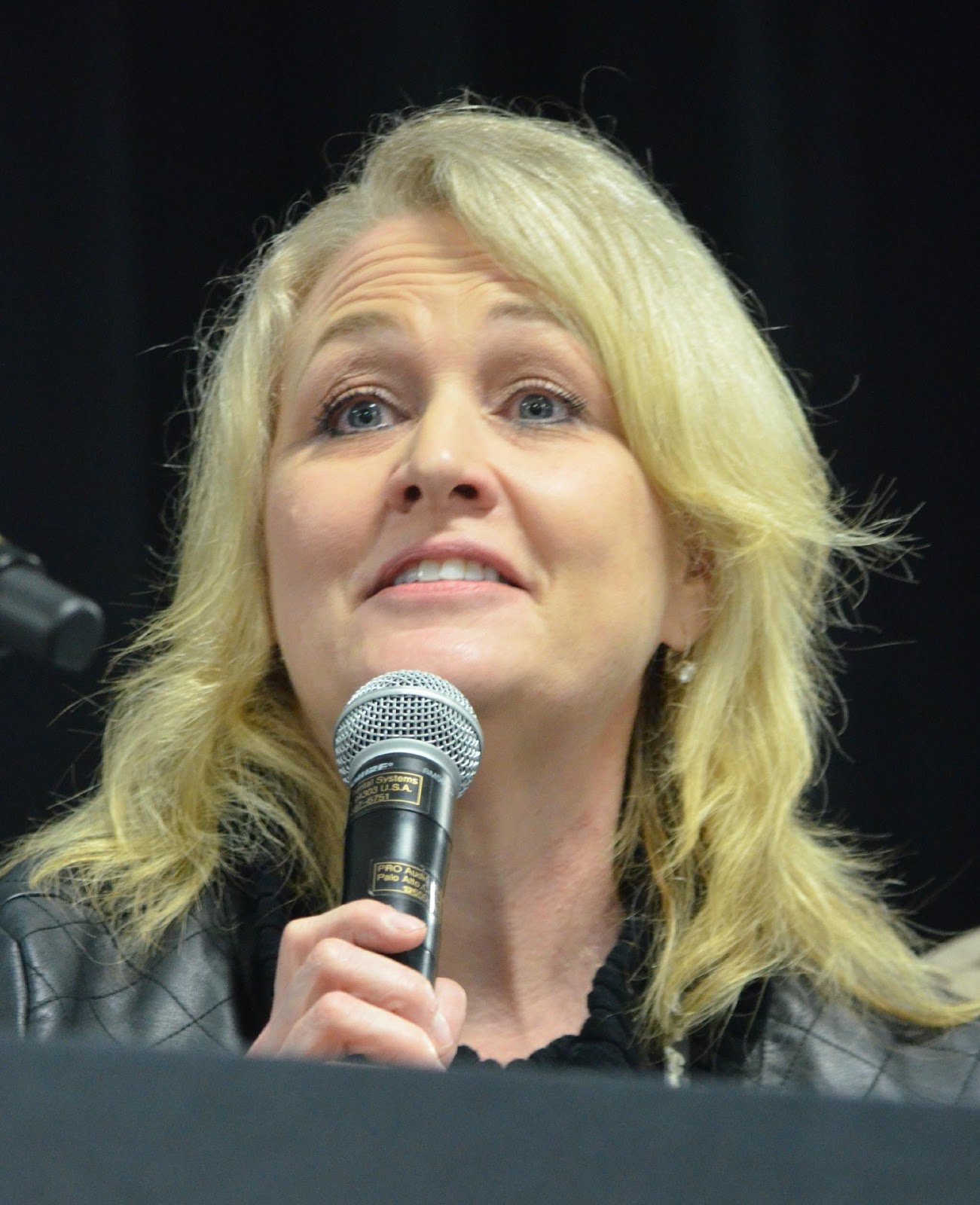
 

Lori Ajax, the “Cannabis Czar of California” was formerly Chief Deputy Director at the Department of Alcoholic Beverage Control, which helped convince Governor Jerry Brown to appoint her to build the regulatory

infrastructure for the nation’s most populous state. Well, the CBCC certainly ain’t the DMV. Ajax’s challenge is to lead the anticipated multi-billion dollar California industry in which municipalities have the first line of control over licensing. Each California city can legalize or outlaw cannabis businesses, of certain types or all together. Cannabis companies that win local licenses can then apply for state licenses. Several major municipalities missed the January 1 REC opening, but Ajax has remained steadfast and reassuring. She’s done an outstanding job of proactively communicating directly with the industry through personal appearances, speaking and meeting with industry participants at a head spinning number of events. The message is resonating: “We’ll get there together.” 

  1. Ruth Epstein, Financial Advisor and Investor; Founding Partner of BGP Advisors


A few years ago most finance professionals thought it was too edgy to enter the cannabis industry. Ruth Epstein jumped in with both feet – as an investor and as a financial advisor to small companies with big potential. In analyzing cannabis opportunity, she calls on her 10 years as a Goldman Sachs investment banker working on corporate finance and M&A deals for Yahoo, Wired, AutoZone, Dell Computer, Marcus Cable, FAO Schwarz, and Safeway, among many others. In addition to her IPO, high yield debt and private placement work at Goldman, Ruth has raised capital for a hedge fund, successfully sourced and negotiated the acquisition of a media sales company, oh and by the way, funded and produced two feature films. In between appearances at conferences sponsored by ArcView and MedMen who invite her to share her expertise, she serves as interim COO/CFO for Treez, a leading Silicon Valley-based cannabis software company. 

  1. Fiona Ma, CPA, California State Board of Equalization
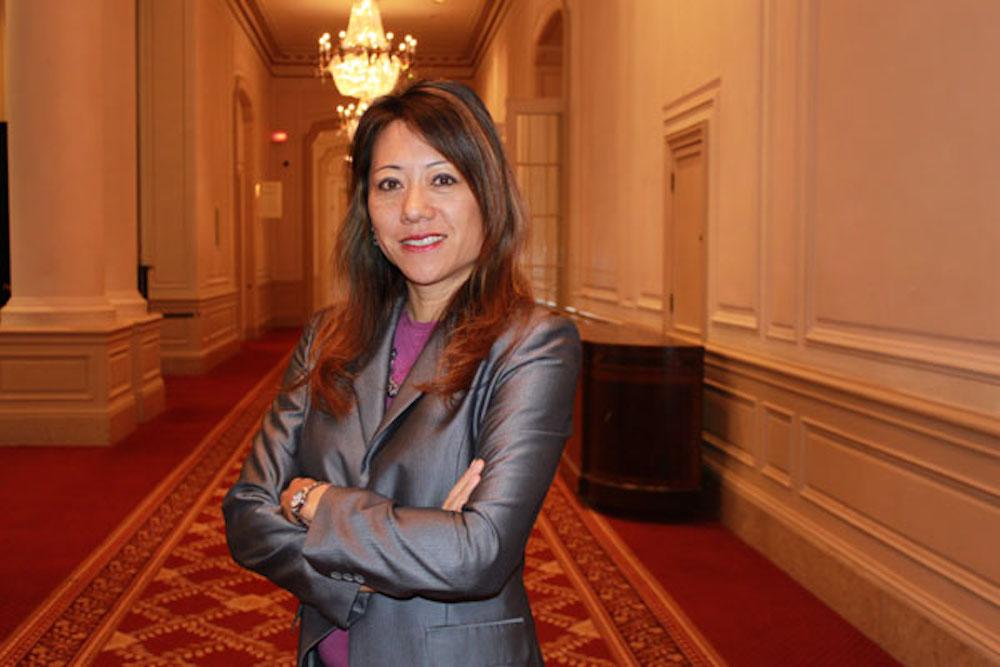
While running for California State Treasurer in 2018, Fiona Ma, CPA, retains her seat on the State Board of Equalization – the taxing agency for the State of California, where she represents 10 million people in 23 counties. For years before the current crop of politicos decided they might put a toe in the cannabis waters, Ma has publicly championed solutions to the cannabis banking crisis. She gained understanding and perspective on the issue the old-fashioned way – she took dozens of trips to farms in the Emerald Triangle area and listened. What she heard shocked her, and made her realize how many serious issues, from proper reporting and taxing of billions in revenues, to public safety (how will California cannabis businesses – which are unbanked due to federal regulations – safely move the anticipated $1 Billion in cash to pay their taxes on April 15th?), to simply calling 911 when you have a basement full of cannabis? Ma realized the cash/banking conundrum was the linchpin for all these problems. With a B.S. from the Rochester Institute of Technology, an M.S. in Taxation from Golden Gate University, and an MBA from Pepperdine, she’s uniquely qualified to create an innovative solution: a California-only public bank. 

  1. Christine Ianuzzi, Managing Partner, Leading Edge Expos

Many of the women on this list have made a huge impact on our industry in a very short time, and are very visible because of it. Christine Ianuzzi is all about the former, with little of the latter. Which is just fine, because her work is all about your success. Ianuzzi is managing partner of HA Bruno, a family-owned trade show business, which includes Cannabis World Congress & Business Expositions (CWCBExpo) which will draw thousands of cannabis professionals to its Los Angeles, New York City, and Boston events in 2018. Her events are so big and well organized, it’s safe to say a very large number of opportunities in our industry started in or were aided by CWCBE. An electrical engineer by training (she holds a Master’s Degree in Information Systems Technology from Polytechinic University) with management skills (MBA from Baruch College) she built a robust career in broadcasting with ABC, HBO before joining the family business to fill the demand for world-class conferences in the cannabis industry. As she has modestly described herself, “I’m not a cannabis entrepreneur, but I am a trade show entrepreneur that is providing a forum for the legal cannabis business person.” 

  1. Tracy Ryan, Founder and CEO of Canna Kids

When Tracy Ryan’s daughter Sophie was an 8-month old infant, the family received awful news: the baby had a brain tumor. Doctors said a 13-month regimen of chemotherapy was the only option, and that the tumor would never go away. Tracy responded by focusing her prodigious energy on finding effective treatment. She was put in touch put in touch with Ricki Lake and Abby Epstein, who were filming a documentary about how cannabis oils kill cancer in pediatric patients. In combination with the chemotherapy, “… Sophie was put on high-concentrated THC and CBD cannabis oil… After 13 months of chemo and high doses of cannabis oil, Sophie’s brain tumor was about 85 to 90 percent gone.” This success led Tracy to push research further for the benefit of kids like Sophie. She now leads CannaKids, California-based cooperative with a focus on supplying medical cannabis oil to adults and children looking for holistic relief for serious health conditions, specializing in pediatric cancer, autism, epilepsy and beyond. CannaKids works in collaboration with some of the world’s leading cannabinoid researchers, and provides CannaKids’ Honey Gold tinctures “created by a team of PhD scientists that specialize in organic chemistry.” 

  1. Giadha Aguirre de Carcer, Founder and CEO, New Frontier Data.

 

Giadha de Carcer is the Founder and CEO of New Frontier Data, the foremost big data company in the cannabis industry. An entrepreneur with over 20 years of experience, she has worked in investment banking, defense, technology, and telecommunications, and successfully launched and operated four data-driven ventures including one holding the original patent application behind solutions such as Progressive’s Snapshot and Verizon’s Hum. Half-Italian and half-Cuban, she’s fluent in French, Italian, Spanish, Portuguese; and has a Bachelor of Arts in International Relations & Trade from the University of Pennsylvania, and a Master of Arts in International Security from Georgetown University. Giadha and her work have been featured through large media outlets and in documentaries and books including Forbes, Fortune, CNBC, Fox News, CNN Money, and “Breaking the Grass Ceiling”, among others. She is also an official member of the Forbes Technology Council. In a recent interview, Giadha revealed her aspiration for the cannabis industry: “One of the most important issues I would love the industry to focus more on is diversity. Not only is it personally close to my heart, but it also represents an unprecedented opportunity in the cannabis industry today … [which] has already provided unique opportunities for women to shatter the proverbial glass ceiling, and born of a movement, it continues to foster equality in a way I have never experienced before.  That said, we must do more and remain vigilant to protect opportunities for minorities, people with disabilities, people different ethnicities and genders… while it might sound like the pop-issue of the moment, data shows that better decision-making and companies are more profitable when they hire for diversity.” 

  1. Kirsten Gillibrand, US Senator (D-NY)


I was going to include Senator Elizabeth Warren (D-MA), for her 2017 efforts to legalize and clean up banking regulations, and for co-authoring a letter to President Trump this week urging him to protect state cannabis rights in the wake of (Attorney General Jeff) Sessions’ rescission of the Cole Memorandum. However, a deeper dive into women who have invested serious political capital political to help support our industry leads us to Kirsten Gillibrand, the Democratic Senator from New York. In March, 2015, Gillibrand co-sponsored The Compassionate Access, Research Expansion, and Respect States Act (CARERS) which seeks significant reforms in marijuana policy in the U.S. It was the first medical marijuana bill ever to be introduced into the U.S. Senate. In June, 2017, Gillibrand (D-NY) – along with Cory Booker (D-NJ), Rand Paul (R-KY), Lisa Murkowski (R-AK), Al Franken (D-MN), and Mike Lee (R-UT) – reintroduced the (CARERS) Act as a bipartisan bill that would allow Americans to access medical marijuana in states where it is legal without fear of federal prosecution AND permit doctors with the Department of Veterans Affairs to recommend medical marijuana to veterans to treat serious injuries and chronic conditions.

  1. An-Chi Tsou, Cannabis Consultant


An-Chi Tsou, PhD, made her cannabis bones as Senior Policy Advisor working with Lori Ajax at the Bureau of Medical Cannabis Regulation under the Department of Consumer Affairs (DCA) where she “developed, analyzed, evaluated, and negotiated state policies and regulations regarding medical cannabis.” To best understand and serve the diverse stakeholders from all corners of the industry, she organized a statewide listening campaign for over 3,300 industry members. These experiences helped her form Tsou Consulting, a public affairs firm that specializes in advocacy, political strategy, regulatory guidance and compliance, policy development and writing, and educational outreach for cannabis and healthcare issues. She earned a BS at Smith College, and PhD from the University of California at Berkeley in Bioengineering and Engineering Science.

weed

Delhi and Mumbai are among the world’s most stoned cities

Indians just keep on rolling.
Delhi and Mumbai ranked among the world’s top 10 cities with the highest rates of cannabis (marijuana or weed) consumption per year, according to a study by Seedo, an Israel-based firm that sells devices to grow weed at home.
Across the border, Pakistan’s commercial capital, Karachi, where cannabis trade is illegal, is the second-largest consumer of cannabis across the 120 cities surveyed for Seedo’s 2018 Cannabis Price Index.
In fact, these south Asian cities also sell some of the cheapest cannabis in the world, priced at between $4 and $5 for a gram, albeit of lower quality. On the other end, India is also home to one of the most expensive varieties of hashish.

Rank City Country Legality Price per gram ($) Total consumption in tons
1 New York USA Partial 10.76 77.44
2 Karachi Pakistan Illegal 5.32 41.95
3 New Delhi India Partial 4.38 38.26
4 Los Angeles USA Legal 8.14 36.06
5 Cairo Egypt Illegal 16.15 32.59
6 Mumbai India Partial 4.57 32.38
7 London UK Illegal 9.2 31.4
8 Chicago USA Partial 11.46 24.54
9 Moscow Russia Partial 11.84 22.87
10 Toronto Canada Partial 7.82 22.75

In India, the cannabis plant grows openly in hilly regions, making it fairly accessible to users. However, its cultivation and trade are partially restricted.
The usage and legality of cannabis come under the purview of the ministry of finance, department of revenue, and are controlled by the Narcotic Drugs and Psychotropic Substances Act, 1985. While India allows the cultivation of cannabis for industrial purposes (such as hemp that is used to make fibre), its consumption could lead to a jail term of six months or a fine of Rs10,000 ($157). Illegal production and cultivation can lead to a jail term of up to 10 years.
Yet, this hasn’t deterred Indians from smoking up. In fact, cannabis dominated India’s illicit drug trade, according to 2016 data on drug seizures.
Seedo studied the consumption and pricing of cannabis by looking at the top and bottom cannabis-consuming countries around the world. It then analysed nations where marijuana is partially or completely legal—or illegal—to prepare the final list of 120 cities. Prices per city are derived from crowd-sourced city-level surveys adjusted to the World Drug Report 2017 of the United Nations Office on Drugs and Crime.
Conversations around legalising the consumption of cannabis for medicinal purposes have been gaining ground in India. In 2015, a member of parliament pushed to legalise marijuana, citing the benefits of consuming weed.
Source: Qz.com

weed

Investors Hope to Enter Colorado Marijuana Market

Colorado has come a long way in recent years.

Investors are excited by Colorado’s proposed changes to their recreational marijuana laws. As the state that started the green revolution, Colorado understands the challenges and risks of a recreational market. At first, the state wanted to ensure that the established medical marijuana community was protected from the financial machinations of outside interests. Specific protections were included in the legislation that ensured mom-and-pop marijuana producers had a chance to compete.
These protections mainly took the form of restrictions on who could become a licensed producer in the state. Only people, not corporations or other business entities could apply for a license, and there were additional limits on who those people could be. Prospective canna-investors had to have 2 years of residency established in addition to all other restrictions.
But over the last few years, many of those restrictions have eased. Most notably when the residency requirements were reduced to only one year. But new states joining the revolution have put enough pressure on the state they are looking to keep growth high.

California changes the landscape.

Continuing cannabis reform is a positive for the entire industry. But that reform can have localized consequences that make states like Colorado reevaluate their policies. With California throwing its economic weight into the recreational mix, other states can’t compete. Potential talent, businesses and investors understand that the sheer size of California’s economy eclipses every other state combined.
So Colorado is looking to make itself more attractive. Colorado Representative Dan Pabon feels that the best move is to open the state to outside investors. So he and three other members of the House sponsored HB1011. He explained the impetus for introducing the legislation by saying, “With the advent of California and Oregon and other states coming online, there’s much more competition for capital investment and financial resources. … We didn’t want Colorado to be left behind in any way.”
The biggest change from the new legislation is the removal of investor limits. If the bill passes, an unlimited number of investors can enter the Colorado cannabis industry. Investors may also be non-humans like corporations or other organizations. Something the current law strictly prohibits. But legislators believe the potential benefits of the changes could outweigh the costs it incurs.

Advocates aren’t sold on the idea yet.investors

Legislators aren’t the only ones saying the move is a good idea. Colorado-based Marijuana Industry Group executive director Kristi Kelly said “This legislation will ensure that Colorado maintains its position as a leader in the cannabis industry by leveling the playing field with the other states that do not prohibit publicly traded company participation in the industry,” He drove home his point by finishing with “It’s crucial to open up this option to businesses of all sizes, with the appropriate guardrails to maintain the integrity of our regulated businesses. New access to capital benefits small and large businesses alike. Colorado is the only place where this prohibition exists.”
But the executive director of the Colorado branch of NORML, Ashley Weber, says her organization has mixed feelings on HB1011. She told reporters “It’s a little to early to say what our organization feels,” And she finished up by saying, “As of now, I think we’re neutral on this issue.” Weber believes that the important part is how the transition is handled. She feels that opening up investing could be the “rise or ruin” of the state’s legal weed industry.
Weber explained further that the move isn’t explicitly bad for consumers and small businesses. She believes “this could improve cannabis in Colorado, and therefore, our cannabis consumers could benefit from lower prices and better quality-controlled cannabis.” She also noted a lack of research on the possible consequences of the legislation and urged further investigation.

Opening the state could cost more than expected.

One of the agencies most affected by the changes is the Marijuana Enforcement Division of the Colorado Department of Revenue. The agency would need to get more funding for things like background checks and travel expenses. Since investigators have to check out anyone holding 5% or more of the shares in a cannabis company, allowing an unlimited number of moneyed interests to jump in could be overwhelming.
But the cost of investigating shadowy investors across the globe is inconsequential compared to the potential wealth HB1011 entices to Colorado. Mainly because the bill would make it a lot easier for a cannabis company to break into the major exchanges like the NASDAQ. But Wall Street is notorious for extracting wealth from industries, not for building roads or funding schools like current cannabis businesses do.
In the end, there will be winners and losers with most of the losers likely being the small businesses and public services. But there is potential benefits for consumers and businesses able to attract investors. Only time will tell if the Colorado legislature can see past the mountains of money to protect their constituents from foreign and domestic investors looking to make a profit above all else.

What do you think allowing foreign investors would to enter the marijuana market will do? Do you think Colorado should have made the switch years ago? Who do you think will be the winners and losers in this situation? Let us know in the comment section!

jeff

Jeff Sessions Helps Canada Become a Marijuana Powerhouse

On Jan. 4, U.S. Attorney General Jeff Sessions gave the American cannabis industry a heart attack by rescinding the Cole Memo. The Obama-era provision was an important piece of legislation which allowed states to establish their own marijuana rules without federal intervention.
The move to clawback these rules on behalf of Sessions caused significant paranoia throughout the industry, as it signalled the Trump administration might finally move to shutdown the United States cannabis sector.
Not surprisingly, the news sent marijuana stocks everywhere into a tailspin, but after a deep breath and perhaps a handful of infused gummy bears, most of the Canadian stocks made enough gains to rebound by the end of the trading day.
The catalyst for this overwhelming confidence in Canada’s licensed producers, is that every time a dark cloud hangs over marijuana in the U.S., more and more American investors consider putting their money in the Canadian market. The simple reason is that Canada has an ever-growing, federally supported medical marijuana sector, and as of this July the country is expected to have a federally regulated recreational system.
It doesn’t take a stock market genius to realize that the cannabis industry in Canada is a much safer alternative for investors, but it goes far beyond stability.
With a healthy and expanding cannabis industry, Canada is able to spread its wings and export pot to a growing list of legal countries around the world. Some of these nations include Germany, Jamaica, the Cayman Islands, Poland, New Zealand and a whole host of others.
Furthermore, the Canadian federal government is granting new permits for licensed producers all the time. This allows for healthy competition and the stronger producers eventually thrive and expand with the industry.
One such producer is INDIVA Limited (CVE: NDVA), an Ontario-based cultivator that just raised over $23 million and is now increasing its production to a sizeable 40,000 square feet. The company began trading on the TSXV Dec. 19 and is receiving significant attention from domestic and international investors.
The Canadian market is based around federally licensed producers, meaning that both LPs and patients have been given the right to produce and consume medical marijuana at the federal level,” said Niel Marotta CEO of Indiva. “This is quite different than in the US where each state sets its rules regarding medical (or rec) production and consumption, and the federal government still classifies cannabis as a schedule 1 drug. This regulatory distinction creates risk (and other issues such as difficulty banking) which we do not face in Canada.”
Geographical strength aside, Marotta is quick to point out why cannabis is a good investment in general. “This is a high-growth and high-margin business with terrific return on capital. The product has a short life but a long product life-cycle. Also, cannabis does really help people and so this is a virtuous circle which spells long term success,” he said.
R&D is also a major factor for investment into producers like Indiva (CVE: NDVA). With no federal roadblocks and full government approval, cultivators can safely develop products, manufacture derivatives of cannabis, and prepare for the insatiable demand of the recreational market.
Obviously, the Canadian cannabis sector is not reveling in the fact that the current United States leadership has chosen a more authoritarian path for cannabis, as most producers will admit that the prohibition of cannabis needs to end on a global scale.
Having said that, investment is about finding the right opportunity and knowing when to take advantage of that circumstance. When the most economically powerful country in the world is having growing pains, it allows other countries to thrive without the intense competition from the dominant U.S. markets.
INDIVA stands to benefit from the access to capital our very functional federal system has enabled. We also intend to act as a platform for U.S. brands who see Canada as a launching pad for international sales,” said Marotta.
The conclusion, if you want to make money in marijuana, invest in Canada.

image1

New TSXV Listing INDIVA Ltd a Medical Cannabis Company

The INDIVA LTD. Public Listing could happen as early as Monday December 11th 2017, as the expected closure of the Rainmaker Resources Ltd (V:RIR) reverse takeover could occur on Friday.  The public listing name will subsequently change to INDIVA Limited.
Based in London, Ontario, INDIVA’s facilities are great to look at.  Clean and secure is an understatement, but looks can only say so much.  When INDIVA Ltd. contracted me to report on their cannabis production company I was overjoyed.  I have been tracking the rise of Canadian cannabis for some time and am ready to share my INDIVA Ltd. experience with my fellow Canadian investors.
INDIVA is all about their methodical planning and on-point execution.  The brand focus is on strain genetics, product quality and client care.  Their “good growth” philosophy applies to the business as well as the product and extends from the board of directors on down.  After my initial interview, I was intrigued to say the least, as to how this company aiming to be the best, was set to go about getting there.

It seems the licenced cannabis industry is currently one large mergers and acquisitions arena.  There is no shortage of M&A interaction in all aspects of cannabis production.  So much so that it seems to be one large interwoven web, with companies fighting to become the biggest and most capable producer in the game.  For example, Aurora (ACB) recently aimed a take-over bid at CanniMed (CMED), while at the same time CanniMed (CMED) was busy integrating Up Cannabis Inc. by acquiring its parent company, Newstrike (V.HIP).  CanniMed (CMED) even went live on a webcast on November 20th 2017 to brand its newest acquisition the birth of a “Premiere Global Cannabis Company”.  All the while they were fighting off the hostile take-over bid from Aurora (ACB).  This type of action makes one wonder how these companies are able to keep their branding consistent and also ensure product quality so that consistency doesn’t suffer.
In the beginning, many pioneering cannabis companies set out in uncertain climates to say the least.  Long term planning was near impossible if the company wanted to stay competitive.  The result was that companies who could secure opportunistic equity and leverage market movements the fastest, turned out to be the “winners”.  Now these same companies are scrambling to find scalable investment opportunities that enable them to make use of the easy supply of investment cash they have access to.  This has led many companies into resorting to going after quick returns by converting low grade flower to cannabis concentrates. This is also a way to combat the quality control issues that arose from varied and diversified production facilities.
Even with these large companies out in front, newer companies are still finding ways to enter the industry by avoiding the pitfalls experienced by those before them.  In short, focusing on concise long-term planning which utilizes the market gaps that allow for easier entry points.  By skipping over the rush to achieve the largest economies of scale through mergers and acquisitions, these companies are taking it slow and making all the right moves to expand without putting product quality in jeopardy.  After all, repeat customers can separate a business from it’s competitors and allow for sustainable growth.
Due to the equity driven M&A frenzy that has gripped the industry, it is rare to see many quiet growth companies being publicly traded, especially with a D/E ratio high enough to be noticed.  One such company is Supreme (V:FIRE) at 0.62 D/E ratio held two quarters in a row. Supreme prides itself on taking the “high road” by providing only high quality cannabis, even though the cost is higher than the big boys at $2.50/gram.  This is a tactic that could end up paying off because many larger producers have switched to gathering immediate returns on turning low cost flower into concentrates.  This has left a large gap in the market that smaller companies can fill with high quality dried cannabis flower.  One part of INDIVA Ltd.’s strategy seems to be taking a similar approach, as the company anticipates equity investors will see the unrealized value from returns left by the gaps being created in the market.  INDIVA Ltd. knows what it wants to do with its investment capital, unlike many larger producers who have run out of expansionist plays to chase.  INIDIVA Ltd. knows that slow and steady often wins the race, especially when looking at branding and growth long term.  However, the best play for investors is to find a company that benefits from short term mergers and acquisitions as well as long term brand growing.  INDIVA Ltd. ticks a lot of investors boxes because the company has a detailed plan and is ready to produce high quality product to provide a client first brand.  At the same time, with their facilities already at scale, the property (and company) are an ideal buy-out target once the market begins to roll.  INDIVA Ltd. seems like a great cannabis company for investors to watch and consider making a play on.