officer mari

Officer Gets Caught Trafficking Drugs

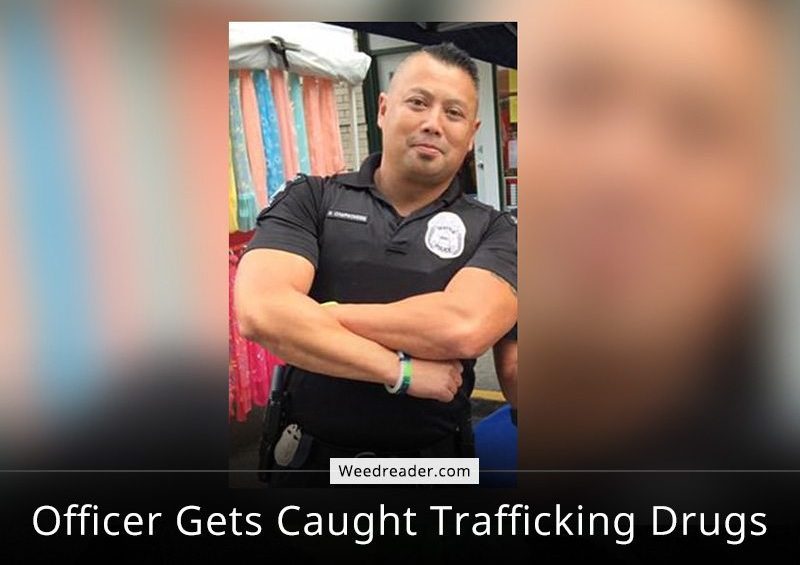
Alex Chapackdee is a veteran officer for the Seattle Police Department. He, along with three others, have been charged by the U.S. District Court of Seattle with interstate drug trafficking. The officer was suspended without pay and sits in detention awaiting trial. A conviction carries a five-year minimum in federal prison (up to 40) and a fine of up to $5 million.
Officer Chapackdee allegedly transported hundreds of pounds of cannabis from Washington to Baltimore. The details of the accusation were released in a 15-page unsealed document and included multiple trips involving upwards of 200 pounds at a time. Friends and family were shocked by the accusations during the early court proceedings.
If the grand jury indicts him, his May 22 court date will be moved. Until then, Officer Chapackdee will be spending his days in detention. Assistant U.S. Attorney Vince Lombardi said the serious allegations and significant penalty warranted detention for all four defendants.

Recreational weed is legal in Seattle but not in Baltimore.It's Legal Officer

Chapackdee’s Seattle attorney, David Gehrke, asserted that his client would fight the allegations. He went on to claim the federal criminal-justice system was pursuing a “dark ages” approach. One where marijuana crimes remain on the books even though “it’s legal to use and possess in every state on the West Coast.”
But possession and use of recreational marijuana is a crime in Maryland. A fact the police officer was privy to before smuggling his shwag there by the metric ton. The charges claim he was transporting more than just weed, he was providing cocaine and intelligence as well.
With six trips recorded just since September, he clearly wasn’t doing it to make ends meet. An informant revealed to the FBI and Drug Enforcement Agency that Chapadee provided the ringleader (his brother-in-law) information about arrests and investigations that could affect the operation. But Chapackdee claimed he made the other people front the shipments as though that made him look any better.

At least the officer made sure he was getting paid.Cash Money

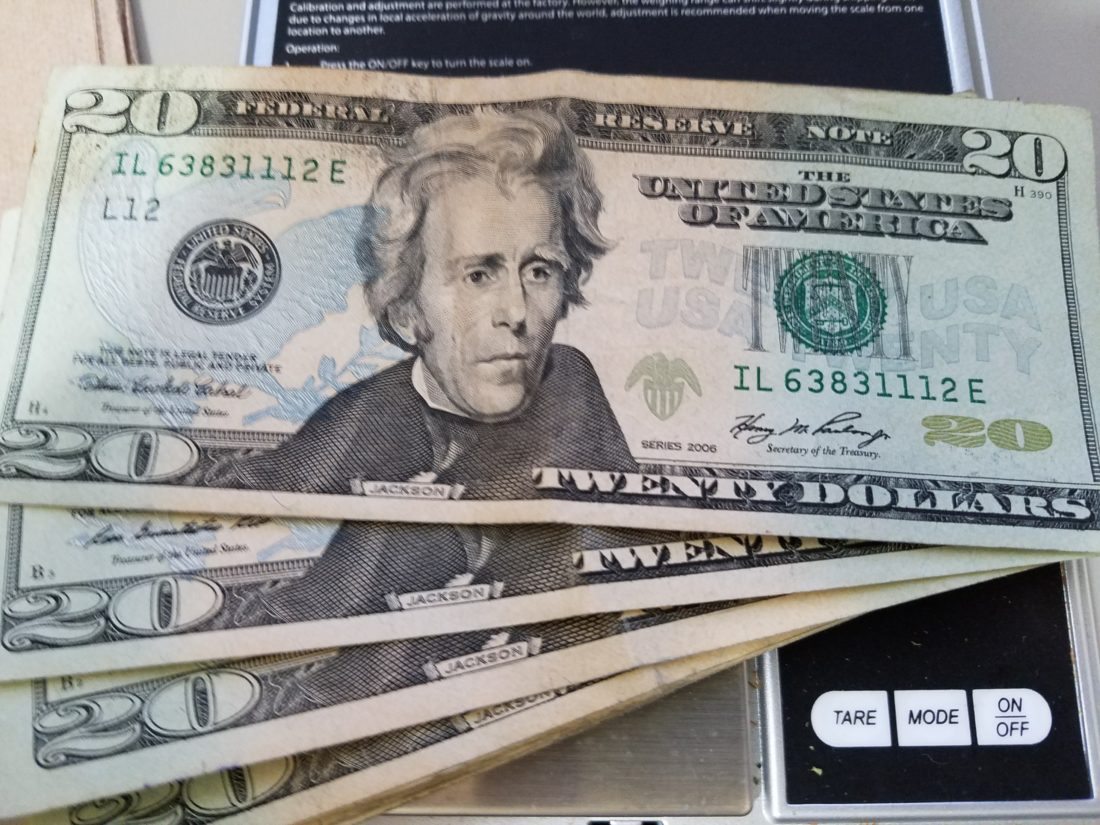
As bad a police officer getting caught trafficking drugs is, at least he was doing it for the money right? It seems money made Chapackdee chose Baltimore as one of the places he peddled his police pot. Reports claim he was getting paid $15,000 or more each time he made a drug run.
In addition to the $30 grand each month from drug runs, the officer was getting another $10 thousand dollars a month just to keep an eye on the operations grow houses. So the official cost of a crooked cop in America is $40 grand a month. Chapackdee WAS part of a five-member community policing team.
The policing team Chapackdee operated in was part of the police department’s South Precinct. Seattle Police Chief Kathleen O’Toole issued a statement calling Chapackdee’s conduct “disgraceful and disappointing.”

weedstash

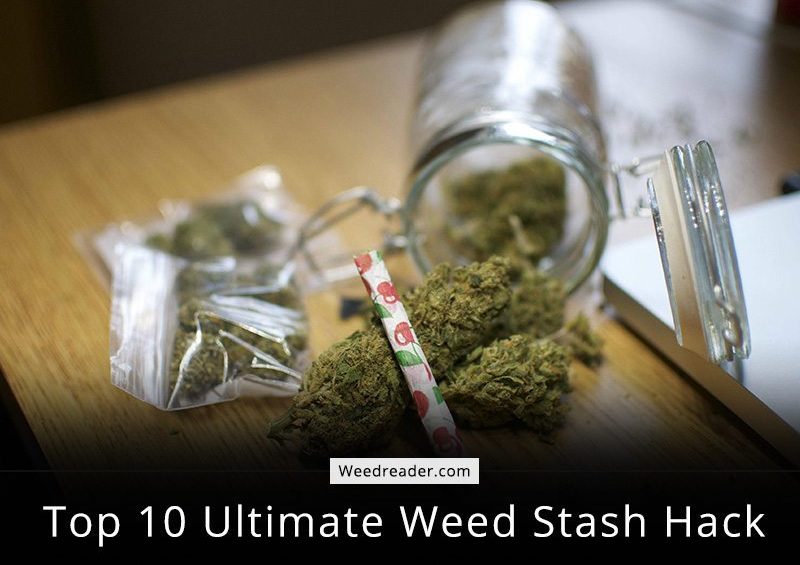
Top 10 Ultimate Weed Stash Hack

Maybe you have heard of a few or use these stash hacks yourself.

Maybe you have used similar stash hacks forever and didn’t realize others hadn’t. Whatever the case may be, here are the 10 best tricks in no specific order.

You need just the right amount of water.

Keeping weed at the optimal hydration level (about 55-65% relative humidity) can feel downright impossible. If left exposed to the open air, valuable terpenes are lost and flower will burn fast and hot. Overly dried flower also has the bad habit of crumbling into dust. Get it too wet and it won’t even smoke or worse yet, it could start to mold!
Once a stash has succumbed to things like molds, mildew, fungi or other pathogens, it is a complete loss. Don’t even be tempted to smoke the ones you “can’t see anything wrong with” if there is any evidence of corruption. The risks are simply too great to roll that dice. Drying out is an altogether different problem though.
Once a weed is dried out, it becomes harsh and burns up significantly faster. Nobody wants to smoke old, crumbly weed. We want sticky nugs that snap apart but slightly hold their shape when shoved in a bowl. Yet cannabis can be re-hydrated and return to being sticky. Many a stash has been saved by trying one of these following hacks. I have used all of them to keep my own stash in peak condition but each has its own time and place.

Citrus Boost!Lemon Skunk stash
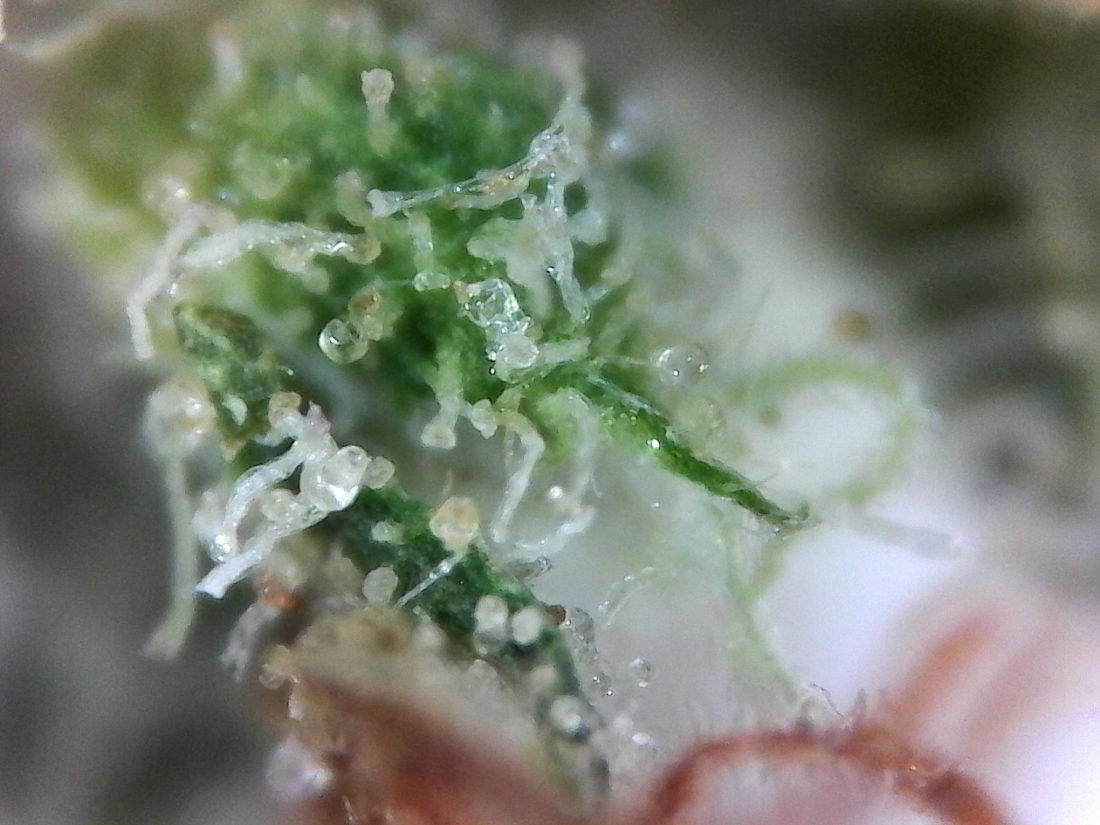
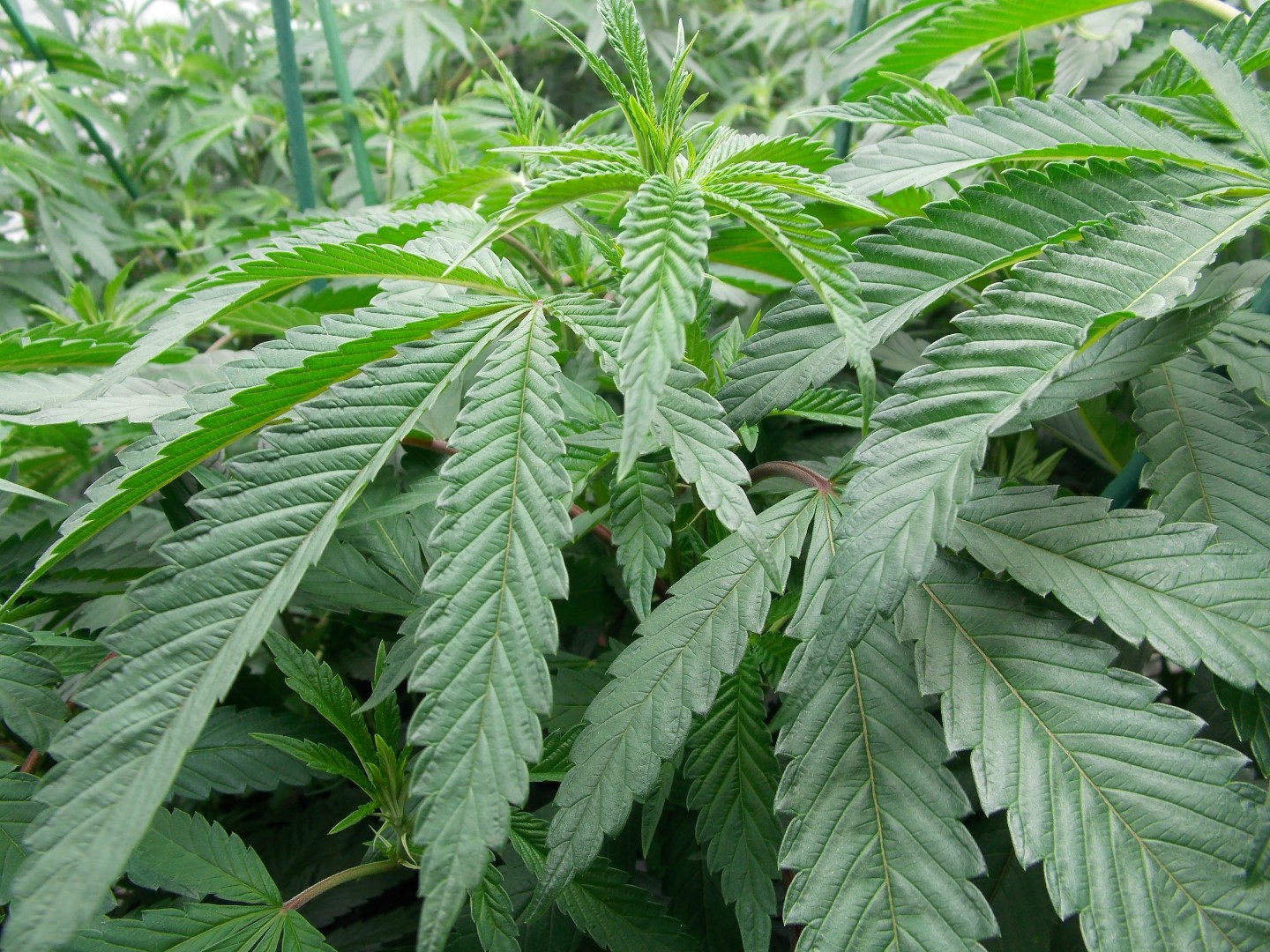
Method: Take a small bit of citrus peel and stick it in with the weed. Must use real peels, extract doesn’t do the same.

Benefits: This hack infuses the citrus terpenes (like Limonene) into the cannabis. Since the peel has a high water content way higher than cannabis where cannabis should be at, it will rehydrate a dried out stash.

Drawbacks: Lemon peels rot. When they do, it creates the perfect breeding grounds for molds, fungi and other harmful pathogens. It can also over saturate cannabis of too much is added to a stash. This has the side effect of making the weed difficult to light and produce little smoke.

Q-Tip Quality!

Method: Simply wet a Q-tip (any cotton swab will work) and drop it in with the stash. Keep an eye on when it dries out so you can  reuse or replace the swab.
Benefits: This method preserves the unadulterated taste of pure cannabis. It also provides a low cost alternative (although way less cool) to getting a humidifier. Because swabs come sterile, mold issues are kept to a minimum if replaced often.
Drawbacks: Cotton swabs are disposable for a reason. Reusing swabs leads to cross contamination and can also be a breeding ground for mold, fungi and other pathogens.

Cotton Balled!landrace 2
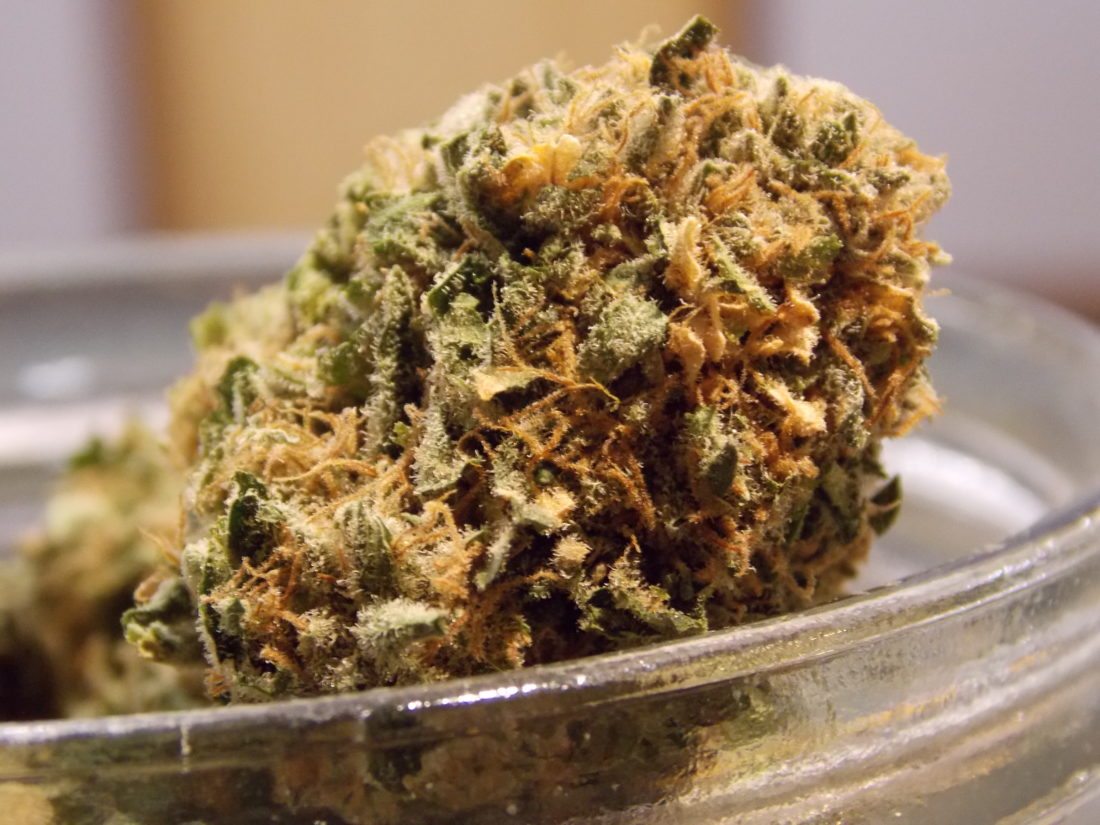
Method: Similar to the Q-Tip method except that a moist cotton ball is taped to the top of the container. Reuse or replace once it dries out.
Benefits: Taping the cotton ball to the top of the container keeps it from coming in contact with the stash. This prevents cotton fibers from getting caught in the bud and limits cross contamination. Cotton balls also come sterile so there is no risk of additional contaminants being introduced to the stash.
Drawbacks: Replacing tape over and over can get to be a chore so it is tempting to simply reuse the cotton ball for extended periods. Doing so exposes the user to the same dangers of mold, fungi and pathogens through cross contamination.

You also need the right kind of storage.

Regardless if the stash comes from a legal dispensary, a guys basement or Snoop Dogg himself, you need somewhere to store it. In the old days, Ziplock baggies were the standard. Today, people can obtain legal cannabis from dispensaries that use medicine bottles. While the medicine bottle is mandated by many states for sales, they still suck for keeping a stash. Here are a few suggestions for ways to store weed that is better than the old Ziplock or medicine bottle.

Mason Jar Madness!

Method: this glass container is sold in most stores across the world. This is a simple glass vessel with threading that allows a metal ring and lid at the top. It is air/watertight, reusable and cheap.
Benefits: They comes in several sizes, produce and airtight and watertight seal, and are easy to store or obtain almost anywhere. In addition to that, they are easy to clean, don’t rust or otherwise break down over time.
Drawbacks: Glass is fragile and has a tendency to break when exposed to extreme temperature changes.

Divided Stash Storage!

Method: Use two different sized containers to store your stash. The first is a small “daily” jar that keeps what you typically consume in a day. The second is “the vault” where you store your remaining cannabis. Load bowls from the daily jar and only open the vault when needed.
Benefits: This method reduces stash moisture loss from cycling the air in the jar. It helps budget or regulate the amount of product consumed in a day. This method also helps maintain stash security by not advertizing you have a pound of weed every time you load a bowl.
Drawbacks: Unnecessary if you get a jar that is too small or don’t buy more than a day or two worth of product at a time. It also adds one more step to the smoking ritual.

Freeze!

Method: Take any amount of cannabis you don’t plan to use immediately and put it in the freezer in a sealed container. Freezer bags are commonly used for this method. Freezing the weed prevents loss of hydration over extended periods.
Benefits: People have stored weed in freezers/fridges for years and still had a pleasant experience. Freezing cannabis makes trichomes brittle and easy to break off for ice wax and other concentrates.
Drawbacks: Just like meat, weed can get freezer burn if it is not sealed correctly. Cannabis can also be exposed to many bacteria and other pathogens from decaying food nearby (I’m looking at you Strawberries!) so keep a tight lid on it. Frozen trichomes also break off much easier than at room temperature.

Silicone Serenity!

Method: Instead of glass or plastic, use a silicone container. There is a wide variety available online, at dispensaries or at head shops built to suit your needs.
Benefits: Silicone wont shatter/rip/shred/cut/melt under normal use. It is even safe to touch with a warm dab tool when frozen (just not a red hot tool). Wax and other concentrates can’t stick like they do to glass or plastic. They also come in a wide variety of colors and shapes.
Drawbacks: Can be very expensive, especially when getting something airtight and cool looking.

We have all had times when there isn’t enough to go around.

Sometimes there is more month than money and we are faced with some hard choices. Do you share what you have and possibly spend days without THC or keep it for yourself? These tips can help you make that decision without alienating yourself or getting caught holding out. Just don’t get mad if someone else uses these tips too. It’s just a matter of making the most of what you got.

Twice Smoked Weed!

Method: This requires that you can suspend you weed in the pipe itself (best with screened metal pipe). You store a nug in the middle of the pipe so that every hit has to pass over the nug before making it into the users mouth.
Benefits: The stored nug gets coated with a layer of resin (poor man’s wax) and therefore gets additional THC added to it. It also makes it easy to carry around a second bowl for personal use if you are limited on how much you can share.
Drawbacks: Your delicious weed gets coated in resin. The terpene profile is destroyed and if left for several days, the nug gets dried out. Can make smoking the stored bud feel really harsh.

Double Cup It!
Method: Using two soft drink cups (one small, the other medium) you place the stash in the bottom of the larger cup. Put a lid on the smaller cup and then place it inside the larger cup. It now looks like you simply have a medium drink.
Benefits: This method is almost undetectable without physically removing the lid or getting help from a canine. Larger cups also hold progressively larger quantities for those long road trips to base camp. Works especially well for stealthily moving concentrates
Drawbacks: Limited on size to about an eighth to a quarter ounce of flower. Also doesn’t provide an odor barrier by itself so additional precautions are needed if that bad is stanky.

Grind it!

Method: If you want to make a little bit go further, you can grind it. This is especially helpful with dense, tightly packed nugs. You can use a small chunk of herb as a screen to cover the bowl hole which prevents the ground material from being sucked through.
Benefits: Increased surface area makes weed burn better and produce denser and more flavorful smoke. It also increases the overall volume which can turn a single small nug  into two small bowls.
Drawbacks: It can be easy to suck it though the bottom of the bowl so a screen of some kind is needed. Ground product burns faster than solid nugs and dries out faster. Grinding also releases many of the terpenes trapped within a nug so don’t grind more than you are going to smoke in one sitting.
I hope these tips were helpful. Be sure to share them with friends if you liked them. I would love to know what tricks you use to keep your stash safe and in top condition. Thanks for reading.

medica marijana

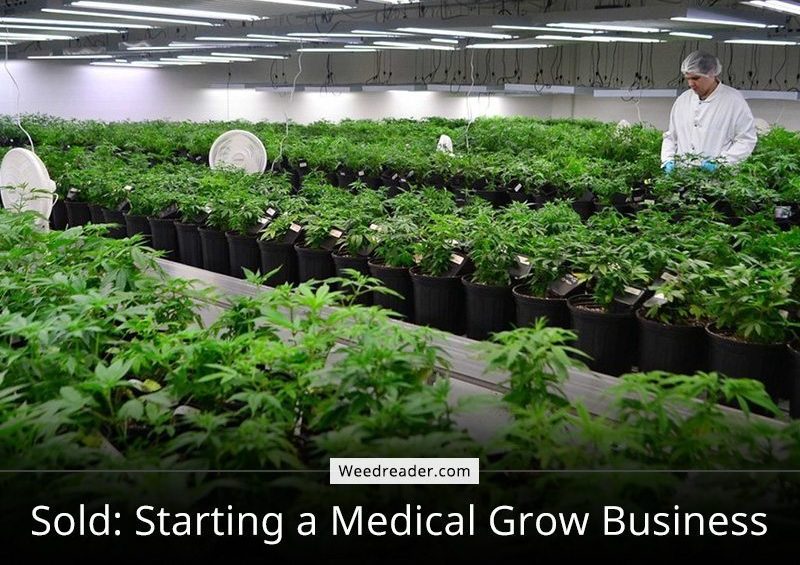
Sold: Starting a Medical Grow Business

Before starting a medical grow business, you need to do a ton of research.

Federal, state and local laws create a vast web of interconnecting rules that are unique to each medical grow (even if they are in the same city and industry). Navigating this miasma is both arduous and tedious by design but is also vital to remaining in business. The best place to start is with your states official rules.
You can’t simply put some seeds in backyard dirt or throw thousands of dollars around and expect to get anything competitive out of it. And this is a competition. The time, effort and skill needed to get a plant from seed to sale is a skill that can be developed over several years. A skilled hand can take a good strain and make it great while an unskilled grower can kill everything.

But it takes more than growing the dankest buds to survive.

Growing great herb is a prerequisite to a business based around growing weed. But equally important is the ability to manage costs and duplicate results. It doesn’t matter how much you can sell your product for. If it costs more to produce than what you get, it isn’t a viable business.
“Even if you get your costs under control, you still have to worry about duplication. If you can’t produce the same product every time, you have a problem.” Mike Boynton, the master grower for Oregon Imperial farms told me in an interview. “Changing anything in the environment from fan placement to light duration will change how your plants grow and therefore your bottom line.” The more people and the bigger the farm, the harder it is to control costs. If you can’t get it under control with 5 plants, you will never be able to with 5000.

The Marijuana industry is an especially challenging one.

Getting a business off the ground in the weed industry is a lot harder than most other industries. Cannabis is one of the oldest crops known to man and you can bet there are a lot of talented people out there trying to do it better and cheaper than you. Besides having to deal with the standard problems of location and competition, cannabis businesses are heavily regulated and lack traditional support infrastructure like banking services.
Marijuana businesses lack the ability to use banking services because it remains federally illegal. This is not to say that banks refuse drug money. SBC was fined $1.9 billion by the U. S. government for laundering cartel drug money in 2012. Yet the cannabis industry is forced to work on a cash basis regardless of how big the costs.

There are a variety of rules regarding how to grow legally.

With over half of the nation having legal weed in one form or another on a state level, there have been many ideas about what should be allowed. Each state has taken different measures to ensure a safe and effective cannabis industry. Some states require seed to sale tracking and vertical integration while others prohibit delivery or drive-thu services.
In addition to rules and regulations about where and how to provide services, there are also rules around what kind of equipment is needed in order to get a license. This further compounds the complexity with many states have a different set of rules for medical grows and recreational operations. As an example, Washington merged their medical grow and recreational grow rules for a single comprehensive program while Oregon kept them separate.

After all, growing weed isn’t cheap.

Even in places with ideal growing conditions like Northern Cali, Florida or Hawaii, plants still need water, nutrients and protection from pests/diseases. In areas where the weather is too dry or cold, growing indoors becomes a necessity. The cost of equipment pales in comparison to the cost of keeping the growing environment perfect.
In addition to lights; pumps, timers, fans, filters and air conditioners all use electricity. Keeping the juice flowing can be a challenge in itself. Grows with more than one room may even need to have a more powerful line run by the electric company to keep from blowing transformers. All of these little additions add up quickly and can quickly eat up all the potential profit.

A lawyer, an accountant and a lobbyist walk into a grow room.

If you plan to operate a successful company growing a federally illegal substance, you need to have some specific talent on your team. This team needs at least a lawyer, an accountant and a lobbyist to run interference while the head grower does their work. Without someone covering each area, the chance of getting blindsided is astronomical.

Lawyer

Find someone who specializes in canna-based business compliance and criminal cannabis defense. Ask others in your area who they recommend. Don’t forget to check online databases like www.martindale.com, www.avvo.com, www.justice.org to name a few.

Accountant

Look for someone with experience in the industry. Overly “creative” accounting can get you in hot water so make sure you can trust them. In addition to searching online for local tax professionals, ask colleagues for referrals. Asking others in your area who they use and why is also a great way to narrow the search for the right accountant.

Lobbyist

Look for someone with the time and energy to represent your cause. Their job is to keep an eye on local and statewide changes that pertain to your business. They are also there to help prevent others in the community from effectively banning your business or engaging in sneaky tactics to close you down. There are no lists/registries for this, gotta tap into that network to find the right person..

Head Gardener

Look for someone with botany experience. Many master gardeners hang out in local hydro stores or are at least known by them. Don’t be afraid to ask questions and be picky. This is the person who will dictate the initial and final quality of the product and choosing the wrong person can have dire consequences.

Skipping the support staff can have dire consequences.medical grow

Many states ban the operation of any marijuana based business (including a medical grow) within a certain radius of schools. But most states don’t ban schools from opening near a marijuana businesses. There is normally nothing explicitly stopping a preschool from opening next to a dispensary or grow location and putting you out of business.
A good team is the difference between closing up shop or staying open for years. It does you no good to spend millions of dollars on a medical grow business just to have a preschool open next door a week later and shut you down. Better to have the staff on hand to stay open and deal with the issue before it gets finalized than not.

You need to find just the right spot.

Besides schools randomly popping up, there is a lot to consider when starting a grow business. The first thing most growers work out is where they plan to grow. Most medical grows are done on a personal consumption scale. If the plan is to make it profitable, it takes a bit more consideration.
Because cannabis remains federally illegal, landlords are almost as hesitant as banks are to work with weed entrepreneurs. Even in the case of a medical grow, it can be almost impossible to get permission to start. In most cases, growers need to own the land/building they plan to operate in or receive written permission from the land owner before getting licensed.

Security is a major concern as well.

Each state has very specific rules on which types of security are needed for a medical grow to remain in compliance. States may require barriers like walls be erected around grow sites. They also might require closed circuit cameras linked to cloud backups but it depends.
Whole sectors of the economy have been dedicated to the outright eradication of cannabis for decades (I’m looking at you Big Prison, Pharma and Tobacco). As cannabis moves from illicit trade to regulated market, there is bound to be pushback from entrenched interests. Even a medical grow can face opposition from local religious or political groups that don’t like cannabis.

The market is growing.landrace 2

More and more people are getting in on the Green Rush and starting to grow cannabis. Like the Gold Rush that sparked westward expansion, the hype and obvious wealth being generated is causing a migration of talent and willpower. Fortunes are waiting to be made by talented and driven individuals willing to put in the work.
In the end, most of the states where weed has been legalized were ballot measures which means they were supported by voters. With the majority of the population clearly supporting cannabis reform, cannabis is primed to continue growing for years to come. Getting a good team will make every other part of the process easier.

Do you agree?

Or do you think I’m off my rocker? What advice would you give to someone just getting started? What do you wish you knew before starting a medical grow? Let us know in the comments down below. We would love to hear your take. And as always, thanks for reading.

strains

Landrace Strains: Discover the Power

There has been a lot of talk about Landrace (LR) strains over the last few years. From Acapulco Gold to Malawi, people across the world claim to have landrace variants of many popular strains. These cultivators claim that their genetics are some of the oldest known to man. They take pride in the native, indigenous or heirloom nature of the cannabis strains under their care.
As humanities scientific understanding continues to grow, we have found that CBD may be better for treating pain and muscle spasms than THC. Without access to strains that had not been selectively bred, people would not have been able to create strains like Charlotte’s Web or LSD. Breeders needed to combine plants with new characteristics than what the market had available so they turned to the untapped potential of landrace strains.

What is a Landrace Strain?

Landrace Strain 1
A landrace strain never been crossed with a different phenotype and has grown in its natural environment for as long as people can tell. Like the Giant Tortoises of the Galapagos Islands, these plants have spent a long time in genetic isolation. Cultivators have taken the best of each generation and bred it with the next for many human lifetimes.
This isolation (and the resulting ) makes these varieties highly stable and extremely vigorous since only the best were kept. Over generations, people grew the plants that performed best for their environment. In the jungles of Durban South Africa, the plants needed to be able to grow above the trees so only tall plants grew well enough to survive.

Where Did Landrace Strains Come From?

Historical records (some dating as far back as 2900 B.C.) tell us cannabis has lived with humanity for thousands of years. Cultivated for food, fiber, and for religious and medicinal purposes, cannabis is one of the oldest known agricultural plants and has many uses.  According to the best available research, cannabis originally evolved in Central Asia and spread to nearly every region of the planet thanks to humans.
Outside of Asia, landrace strains are the result of escaped cultivars (strains that were selectively bred by humans) which gradually adapted to their environment over time. Over the centuries, other cultivars would have interbred with these feral escapees.  Due to the complex nature of the winds and plant/animal interactions, even the wild plants native to Central Asia are not believed to be untouched indigenous strains.

 Why Are Landrace Strains Important?


Not all cannabis is created equal in the eyes of growers. Plants that produce large colas full of cannabinoids like THC are traditionally prized over low yielding variants. Over generations, certain traits get bred out of or in to the genetic lines. People use this to make bigger and stronger plants than could be obtained otherwise.
This breeding method also has the effect of removing many of the less understood compounds. Since the same trichomes produce THC and CBD (and only one is psychoactive) growers selectively bred out the ability to produce CBD. That way all of the trichomes could focus on producing THC instead of some deciding to make CBD.

Where Are the Real Landrace Strains?


In today’s cannabis market people rarely see the pure landrace strains. On sites like Leafly and Cannafo, most of the sativas (the red tiled ones) are not pure sativas. Instead, they are sativa-dominant hybrids that exhibit strong sativa-like attributes. Same thing goes for indicas and hybrids. Landrace strains also exhibit these hybrid traits but to different degrees.
Landrace strains were embraced worldwide during the 1960s and 70s by growers who began collecting them in their own local gardens. Once the landrace strains were removed from their local growing environment, they became heirloom variants. For marketing reasons, most breeders don’t differentiate between landrace and heirloom.
These heirloom strains were then propagated in places like Hawaii and California. As the landrace movement grew, people who hunt for these hard to find strains became sought after. People like Arjan Roskam, founder of Amsterdam-based Greenhouse Seeds, and his colleague Franco Loja have spent millions obtaining these landrace varieties for use in their selective breeding.

What Landrace Strains Are There?

Here is a short list of some popular landrace strains:
Malawi Gold:
landrace 2Malawi Gold originated in Southeastern Africa. Grown on the shores of Lake Malawi (the third largest lake in Africa) the plant was adaptable to its local conditions. It’s genetic flexibility was perfect for the wildly changing environment which is why many phenotypes can be found in the market today. Aromas and flavors given off by the phenotypes of Malawi Gold help differentiate between the varieties. Two main phenotypes exist. One gives off a fruity smell while the other is a woody one. The fruity plants are normally smaller than the woody ones.
Afghan Kush Indica:
The plant is medium height with dark, broad leaves which makes it perfect for growing in the northern Afghani mountains. Its heavy, sweet aroma and taste mix with spices and incense to create a deep flavor. New smokers often find that this strain gives a very potent high that easily turns sedating. Perfect for people that are having trouble sleeping.
Hindu Kush Indica:
Cultivated in the Hindu Kush Mountain range for generations where it grows wild, the flowers of the fertile hillsides and valleys make the world’s finest hash. Years of selective breeding for resinous, indica-dominant plants with feral varieties have resulted in short, stocky bushes covered with huge, shiny trichomes. Known to relieve symptoms of pain, nausea, and stress while providing a pleasantly strong, earthy scent.
Lambs Bread Sativa:
Also called “Lamb’s Breath” Lamb’s Bread produces a bright green and sticky flower with a sativa dominant high. The effects have been known to help generate energy and positive introspection. Stress melts away under the warmth of the Lamb’s Bread buzz. This plant comes from Jamaica and it has been reported that Bob Marley himself enjoyed it.
There are literally tens of thousands of strains across the globe with a small percentage of them being landrace varieties. Because of the geographical nature of the landrace title, most strains retain the name of the area where they originated. Yet some places have made more of a name for themselves than others and it can be far easier to obtain their seeds or clones
 

km

Kushmoji is Making Cannabis Emojis that Market and Educate

Emojis are here to make our cannabis stories easier to tell. Kim Kardashian has emojis, Big Freedia has emojis, and even Devo has an emoji, so why shouldn’t cannabis have a whole set of them?
Kushmoji is like regular emoticons, connected to the keyboard of your phone, except that this set is all cannabis-centric. Want some examples? The collection ranges from a simple, green cannabis leaf, to a dab torch, to a woman’s hand holding a lit joint. The difference between Kushmoji and other emoticons—even other so-called cannabis versions—is that the images are clean-cut enough to use like education and marketing tools.
Kushmoji is already calling itself the “official” cannabis emoticon library although it is in its Beta version. But promises positioning with marijuana brands and products to make it more appealing from a marketing standpoint. Got a new product that you want to introduce to the marijuana market? Send it to Kushmoji creator, Ben Tyson and have him turn it into a vector graphic to add to the library. Think of it like a caricature of your item that your target audience gets to learn about by finding it among the other emojis. Like that time you kept using the Man in Business Suit Levitating because it reminded you of the “rude boy” logo found on The Specials’ records, but then you learned that it is supposed to be an exclamation mark. Except that Tyson’s team preempts your queries and embeds information about the product or tool in the actual keyboard, so you always know what you’re using in your picto-narrative.
Interestingly, Kushmoji is not the first to try tackling the cannabis emoji keyboard; they’re just the ones doing it differently. “We looked at the competition,” says Tyson in his latest interview with The Cannabist. “There are some that are better than others but what we found, in general, was that most of the competition was doing the cannabis subculture graphics, you know, the stoned faces or a lit joint. That’s such a small percentage of the demographic of cannabis users and enthusiasts, we thought, ‘Why not turn this into a tool where people can learn about the industry?'”
Look out for the Kushmoji app, launching soon, anywhere you can download apps.

dea

DEA: Marijuana is Not a Gateway Drug

Marijuana has been called a gateway drug for over 80 years.

The battle lines were drawn long before anyone currently driving the gateway debate had assumed power. Political figures have demonized cannabis and those who consume it for almost a century and worked to create a massive industrial prison complex designed to harvest people. Low income and minority people have borne the brunt of the assault.
Americans have been tricked into accepting the most ridiculous claims about cannabis and a whole generation of people have grown up behind bars because of it. Politicians have used slippery speech to sway public opinion and outright changed the law in order to suite their desires for decades. When Reagan and Clinton enacted laws that put more people in jail than the Romans had slaves.
Larry Anslinger didn’t care about how many would suffer without the healing properties of cannabis, he was motivated by an zealous hatred for the plant to create the movie Reefer Madness. President Nixon was motivated by a religious desire to punish people regardless of what his own investigators proved. Reagan had no mercy for people caught in the crossfire when he enacted draconian mandatory punishments for minor drug infractions.gateway

We stand at the dawn of a new era of American drug policy.

Despite an abundance of empirical evidence about the medical benefit of cannabis from reputable medical professionals from the Shafer Commission to Sanjay Gupta, it remains a schedule 1 controlled substance. This classifies weed as having “no medical benefits” and creates massive hurdles for scientists and doctors looking to research cannabis. It also puts it in the same medical category as heroin.
With the rise of Trump and the appointment of Jeff Sessions to Attorney General, the entire industry is bracing for another impact. Part of the collective wince comes from the evasive actions of top officials on the matter through election season. Instead of giving clear messages about how they plan to pursue policy, government officials are as vague as possible about how they plan to pursue policy.
This evasive attitude has made many wary of the how the Trump Administration plans to deal with cannabis. Statements in the past by Jeff Sessions like “Good people don’t smoke marijuana.” and his past issues of discriminatory prosecution during the Civil Rights movement has helped to stir up old debates.

The debate surrounding legalizing marijuana has resurrected the Gateway Theory.

This theory presumes that experimenting with marijuana inevitably results in the use of harder drugs like cocaine, heroin and methamphetamine. Until recently, the DEA website contained dozens of lies and inaccuracies and it begrudgingly changed them only after being threatened with legal action.
Many people don’t know that it is illegal for federal agencies to spread incorrect information. Yet when it comes to cannabis, the Drug Enforcement Administration (DEA) has been doing it for years. In less than a month, a petition from Change.org calling on the DEA by a to stop lying about medical cannabis received 85,000+ signatures.
The petition was started by Americans for Safe Access (ASA), a nonprofit organization working to increase access to medical cannabis. “The DEA has actually admitted that the theories that cannabis use leads to harder drugs (gateway theory), long-term brain damage, psychosis, and other alleged harms, are not based in scientific fact, and yet they keep distributing this false information”, says ASA. “[W]e have found 25 instances of these false claims on their website.”

The petition for updated information was direct and their arguments were air-tight.

The group argued that the document previously known as “The Dangers and Consequences of Marijuana Abuse,” had a few inaccurate claims about cannabis.  They showed how the page was in violation of the Information Quality Act which requires that administrative agencies provide accurate information to the public. The DEA also had to respond to requests for correction of information within 60 days.
A separate petition was filed by the Department of Justice demanding that the DEA immediately update misinformation about cannabis. While neither the DEA nor the DOJ responded to ASA’s request, the document which contained the majority of the inaccurate statements was removed from their website.
But the governement is made up of more people than ever before. There is a lot of room for competing ideologies and goals to play out. A key observation of the Shafer Commission is that many of the risks of drug use are the result of drug policy/enforcement rather than from the drugs themselves.

The “gateway drug” stigma refuses to die.

A prime example of how this stigma presents itself is New York governor Andrew Cuomo. He wants to keep cannabis illegal in New York State because it “leads to other drugs and there’s a lot of truth to proof that that’s true.” He holds this view despite the results of a major study on medical marijuana conducted by the venerable Institute of Medicine, which included an examination of marijuana’s potential to lead to abusing other drugs.
The study found that “There is no conclusive evidence that the drug effects of marijuana are causally linked to the subsequent abuse of other illicit drugs.” Even the DEA has gone on record to say “Little evidence supports the hypothesis that initiation of marijuana use leads to an abuse disorder with other illicit substances,” while refusing to reschedule cannabis in August of 2016.
The continuing stigma prevents meaningful reform of marijuana laws by perpetuating harmful misinformation.  A Rasmussen poll found that a large percentage of Americans believe the gateway argument. Nearly half of voters (46%) believed marijuana use leads to harder drugs. Thirty-seven percent (37%) did not see marijuana as a “gateway” drug.

Patterns in progression of drug use are strikingly regular.

Because it is the most widely used illicit drug, marijuana is predictably the first illicit drug most people come across. Not surprisingly, most users of other illicit drugs used marijuana before the harder stuff. In fact, most adult users begin with alcohol and nicotine long before moving on to cannabis and other illicit drugs.
In 2006, the University of Pittsburgh released a thorough study which researchers spent 12 years putting together. They tracked a group of subjects from adolescence into adulthood and documented the initiation and progression of their drug use. The researchers reported that the gateway theory was not only wrong, but also detrimental to properly understanding and addressing drug abuse.
The myth of the Gateway effect needs to be put to rest once and for all. The more research that is conducted the clearer it becomes that cannabis use does not lead to abuse of other drugs. Some promising research has also shown that cannabis can actually help people kick the other stuff like heroine. As more and more states legalize medical and recreational marijuana, it is more important than ever to put the gateway myth to rest. Thanks for reading.
 

canada pot

A Timeline of Canada's Tainted Medical Pot Recall

Health Canada is about to start randomly testing of medical marijuana products from all of its licensed producers, especially looking for the presence banned pesticides. Here, in a timeline, are the events that lead to this Health Canada decision.
Late last year: Two of Canada’s licensed producers—Organigram of Moncton, N.B., and Mettrum of Toronto—voluntarily recall products because they contained myclobutanil, bifenazate and pyrethrins, three chemicals that are prohibited in the production of tobacco and marijuana.
January 2017: Nearly all of Organigram’s products sold in 2016 were pulled in a higher-level voluntary recall. Product recalls affected about 25,000 customers in total and some reports of illnesses could mean the possibility of a class action lawsuit down the road.
Last Tuesday evening: Health Canada releases an additional statement announcing a new measure beyond the recall, saying that it will begin random testing of medical cannabis products produced by all licensed producers. The testing will specifically target pest control products in the production of medical cannabis. “The expanded product testing program will further enhance the department’s existing regime of regular unannounced inspections of licensed producer facilities, as well as the controls in place by licensed producers,” reads the statement.
Now: A lawsuit is yet to be filed, but CBC News in Canada reports that more than 90 medical marijuana patients have contacted a medical malpractice law firm in Halifax.

cann history

A History of Medical Cannabis Part 2: Modern Cannabis

In Part 1 we talked about ancient cannabis and how it has been used throughout the ages.

Today we are going to talk about modern cannabis and how it moved from prominence as a medicine to a recreational drug. Yet medical cannabis is not relegated to the ancient past. Modern medicine uses the term marijuana instead of the ancient name: cannabis but it means the same thing.
The original name can be traced back to the Greek physician Pedanius Dioscorides. He was a roman army doctor from around 40-90AD who traveled widely on campaigns throughout the Roman empire. He wrote the medical text that virtually all others were based on for over a thousand years and had a special entry for both male and female cannabis plants. It wasn’t until the 1930’s when the plant became known a marijuana in an effort to re-brand it. But I’m getting ahead of myself.

By 1621, medical marijuana had made its way into the English Mental Health Book.

Cannabis was entered into one of the most popular medicinal textbooks from the era to treat depression. Because of the work of an Irish doctor working for a shipping company during the colonization of the new world, medical cannabis moved to the Americas.
Cannabis treatments were a staple of a professional doctors curriculum up through the industrial revolution.  Before Alaska and Hawaii were states, America had laws on the books that supported medical marijuana in all 48 states. Cannabis was not seen as a recreational drug, it was medicine with little risk of side effects.

But in 1936 all that changed.

Pressure was being placed on the U.S. by the international community to sign the International Treaty on Controlled Substances. While not directly listing cannabis as a controlled substance, the treaty forced all countries that signed to adopt similar drug policies. Propagandists later used the treaty to get cannabis banned across the developed world.
A very popular anti-marijuana campaign burned through the nation. Funded by the government and directed by the talented propagandist Larry Anslinger, “Reefer Madness” was a sensational tale about marijuana. It featured the plant ruining people’s lives through sex, insanity, and horrific acts of violence. Although Reefer Madness was a work of pure fiction,  it was accepted by a whole generation as fact with the tenacity of religious convictions. The influential power of the Reefer Madness propaganda laid the groundwork for Larry Anslinger to get cannabis banned.
Larry Anslinger was a potent propagandist that was able to convince the developed world to outright ban cannabis use, cultivation and distribution. He used a mixed media of propaganda to accomplish this. Anslinger was a master of using media and used the newspapers, radio and television to spread a web of half-truths and outright lies.
After spreading a racially motivated panic with the Reefer Madness propaganda, Anslinger convince the U.S. to pass the Marijuana Tax Act of 1937. Anslinger provided his political masters a new way to target their political opponents voting base. The politically motivated police force acted quickly on the new laws to target the poor.

The Marijuana Tax Stamp Act brought America Modern Cannabis.

On the day the Marijuana Tax Stamp Act was enacted (Oct. 2, 1937) the FBI and Denver Colorado police raided the Lexington Hotel. They arrested a man named Samuel R. Caldwell for selling modern cannabis. He was a 58 year-old unemployed laborer. Three days later, on Oct. 5, 1937 Caldwell became the first person convicted under U.S. federal law of distributing cannabis.
In 1942, cannabis was removed from the U.S. Pharmacopeia. When that happened, cannabis lost the last vestiges of medical legitimacy. Because of the International Treaty on Controlled Substances, most of the other countries in the developed world were forced to enact similar rules.

Over the next decades, criminalization of cannabis continued.

As more and more regulations were heaped on medical practitioners, they became unable to prescribe cannabis. Legal penalties increased massively with the Boggs Act of 1951. It established minimum prison sentences for simple possession of cannabis. Thanks in great part to Anslinger’s work, cannabis was classified as a schedule 1 controlled substance in 1970.
Schedule 1 substances are substances no medical benefit and high risk of abuse. The controlled Substances Act of 1970 Classified Marijuana as a having “No Accepted Medical Use”. After the passing of the Substances Act, medical practitioners were barred from prescribing modern cannabis for any medication, effectively removing the oldest known medicine from a whole generation of healers across the globe.
In 1971, the Shafer Commission was created by the U.S. president to determine the merit of criminalizing cannabis. The Shafer Commission was bi-partisan and overseen by congress. President Nixon himself ordered it to determine “if the personal use of marijuana should be criminalized.” The commission came back with an answer and Nixon ignored it because he didn’t like that they believed there was no reason to scale up action against users.
In 1971 president Nixon chose to aggressively pursue action against cannabis consumers by declaring the War on Drugs. Motivated by personal prejudice political corruption, he saw marijuana as a way to get at his political opponents. He even admitted at the time that his reasons for attacking cannabis users and increasing penalties was motivated by personal directives.

Nixon acknowledged his action was not based on empirical evidence.

He increased criminalization despite the commission he put together telling him officially and unequivocally that cannabis use should not be criminalized. Over the next two years, the Nixon built a force specifically designed to scale up violence against modern cannabis users.
The Department of Drug Enforcement (DEA) was established in 1973 by merging the Bureau of Narcotics and Dangerous Drugs (BNND) and the Office of Drug Abuse Law Enforcement (ODALE) into a single agency. It comes as no surprise that the DEA continues to aggressively pursue cannabis consumers, producers and distributors to this day. They use every tool at their disposal regardless of legality or constitutionality to continue the criminalization of marijuana.
Things continued to go downhill for cannabis in the coming years. It wasn’t until 1976 that Robert Randall (who was afflicted by glaucoma) used the Common Law Doctrine of Necessity (US v. Randall) to defend himself against criminal charges of marijuana cultivation. In 1976, federal Judge James Washington made waves with his ruling. Judge Washington ruled that Randall’s use of modern cannabis constituted a ‘medical necessity’ and the case was thrown out.
Modern cannabis 2

The next milestone for modern cannabis crusaders came in the winter of 1991.

Modern cannabis took a step forward with the passing of medical marijuana reform in California. The first medical marijuana initiative was called Proposition P and was in San Francisco. It passed with an overwhelming 79% of the vote in November of 1991.
Proposition P called on the State of California and the California Medical Association to restore hemp medical to the list of available medicines in California, and to stop penalizing physicians for prescribing hemp for medical purposes. It only effected San Francisco but the cogs of bureaucracy had been activated. It would take another 5 years for legislation to go statewide.
Voters in California passed the first statewide medical marijuana initiative on November 5, 1996. Known as Proposition 215, it permitted patients and their primary caregivers to possess and cultivate marijuana for the treatment of AIDS, cancer, muscle spasms, migraines, and several other disorders. It also protected doctors from state sponsored punishment if they recommended marijuana to their patients.

The wheels of bureaucracy turn slowly.

In September of 1998, the House of Representatives debated a resolution called H.J.Res. 117. They passed H.J.Res 117 at the same time Oregon, Washington and Alaska provided their medical marijuana programs. In H.J.Res. 117, Congress declared support for the existing federal drug approval process.
They decide not to reschedule marijuana despite the overwhelming evidence coming forth that it should be decriminalized. While cannabis is classified as having no medical benefit, the United States Department of Health and Human Services) currently holds a patent on medical cannabis.
Patent No. 6630507 covers the use of cannabinoids for treating a wide range of diseases and was submitted to the patent office in 1999. The Department of Health and Human Services was awarded the patent in 2003. Yet the Department of Health is not the only regulatory agency that has chosen to abandon science, compassion and reason.
Modern Cannabis

In 2002, the FDA decided how to use modern cannabis in a study.

They decided that shipping 300 pre-rolled joints to patients in metal canisters was the best way to judge modern cannabis. The material was frequently two or more years old upon receipt by patients and a close inspection of the contents of NIDA-supplied cannabis cigarettes revealed them to be a crude mixture of leaf with abundant stem and seeds.
The study concluded that “cannabis smoking, even of a crude, low-grade product, provides effective symptomatic relief of pain, muscle spasms, and intraocular pressure elevations…” and that “clinical cannabis patients are able to reduce or eliminate other prescription medicines and their accompanying side effects.” The FDA report was ignored by those in power and cannabis remained a schedule 1 controlled substance despite the undeniable evidence.
The DEA has still not reclassified cannabis. It remains a holistic herb used throughout time as a medicine that current U.S. legislators are violently opposed to. While international progress has been made with the UK rescheduling cannabis to Class B and the Netherlands also making great strides in medicinal research, the U.S. still struggles to come into the light. Use of scientific reasoning is about to get even harder for the U.S. government as President Trump decides who will take the reigns of power. Yet his choice of Jim O’Neill to head the FDA (who openly supports cannabis legalization) gives modern cannabis hope for the future. Only time will tell. Thanks for reading.
Featured image: shutterstock

mcanna

A History of Medical Cannabis Part 1: Ancient Cannabis

Medical Cannabis is known by many names.

Whether you call it; ganja, weed, dope, grass, or the medical cannabis, it all means the same thing. Cannabis is one of the earliest plants known to be harvested by man. In fact, the oldest human artifact on record is an ancient sandal made from cannabis fibers known as hemp. The fibers of the cannabis plant were used in the oldest civilizations like Rome, Assyria, Egypt and China.
Some of the oldest known medicine was also made from cannabis. The earliest record of medical marijuana use was in 2900 BC by Chinese Emperor Fu. He and a majority of his citizens used the herb for medicinal purposes. From treating headaches and nausea to acting as an aphrodisiac, the ancient Chinese were pioneers in cannabis research.

Over the centuries, marijuana was used medicinally all over the world.

Many festivities and religious ceremonies involved cannabis as well. Cannabis was so important to ancient religious rites that it was an integral part of many rites including the process of anointing. Early Christians were well aware of how cannabis worked and used it in many of their most sacred rituals.
Christians inherited many of their religious practices directly from the Hebrews. The word Christ actually means ‘the anointed one’ and many scholars believe that Christ was anointed with chrism, a cannabis-based oil. The ancient recipe for this oil recorded in Exodus (30:22-23), included over 9 pounds of cannabis flower which the Hebrews called kaneh-bosem.
The Hebrews extracted the cannabis into about 11 pints of olive oil. This cannabis concoction was then mixed with a variety of other herbs and spices in very specific ways. The mixture was normally used in anointing and rituals that would allow the priests and prophets to commune with the divine.

Cannabis was used by more than just the ancient Chinese and Hebrews though.

India has a deep and long history with the plant.  Ancient chefs created a drink known as bhang out of cannabis paste, milk and spices. Shiva is said to have loved the drink so much that he took the title “Lord of Bhang”. Bhang has remained a medical remedy/ preferred beverage in India for centuries and is prepared there to this day. Zoroaster is also said to have listed cannabis as the most important of 10,000 medicinal plants.
The Indian Hemp Drugs Commission described the history and culture of cannabis in India: “To the Hindu the hemp plant is holy. A guardian lives in the bhang leaf… To see in a dream the leaves, plant, or water of bhang is lucky… No good thing can come to the man who treads underfoot the holy bhang leaf. A longing for bhang foretells happiness.”
Cannabis has been popular in India since the beginning of recorded history and is often drank. Nuts and spices like; almonds, pistachios, poppy seeds, pepper, ginger and sugar are mixed with cannabis and boiled in milk. Yogurt can also be used instead of milk. While popular in the east, bhang has never caught on with western pallets the same way.

Romans used Medical Cannabis as well.

The Greek physician Pedanius Dioscorides from around 40-90AD was a Roman army doctor who traveled widely on campaigns throughout the Roman empire. He studied many plants, gathering his knowledge and assembling it into a book he titled De Materia Medica (On Medical Matters).
Published around 70AD, De Materia Medica became the most important medical text for the next 1500 years. Virtually all medical texts were based off of this single work. Within its pages were contained the most important and useful plants known to mad. Included in the tome was cannabis, both kannabis emeros and kannabis agria, the male and female respectively. Dioscorides stated bluntly that the plant used in the making of rope also produced a juice that treated earache and suppress sexual longing.

Even the Egyptians were into medical cannabis.

In the ancient world, Egypt was a center of trade and information. Their position at the mouth of the Nile provided a base of strength for millennia. Part of that strength was advanced medical techniques that were passed down through the use of writing. Ancient Egyptian doctors and pharmacologists would use papyrus to record their work.
One of the oldest texts to survive to modernity is the 2nd century Fayyum Medical Papyrus. This ancient Egyptian text is believed to contain the earliest record of cannabis as an ingredient in cancer medicine. While they didn’t record enough for us to assess the successes of ancient Egyptian cancer treatments, cannabis continues to receive interest as a cancer therapy today.
Cannabis pollen was even found on the mummy of Ramesses II. He was a powerful Pharaoh who died in 1213 BC. It is unclear how the cannabis was used but prescriptions for cannabis in Ancient Egypt also included treatment for the eyes (glaucoma), inflammation, cooling the uterus, as well as administering enemas.

Cannabis is actually new to the Americas.

By the late 1700s, American medical journals began recommending hemp seeds and roots for the treatment of inflamed skin, incontinence and venereal disease. But it was Irish doctor William O’Shaughnessy who first popularized marijuana’s medical use in England and America.
O’Shaughnessy was a physician with the British East India Company during the years leading up to the American Revolution. He found marijuana eased the pain of rheumatism and was helpful against discomfort and nausea. Patients were prescribed cannabis most for cases of rabies, cholera and tetanus. Truly, Dr. O’shaughnessy was an integral part of the rise of medical cannabis in Europe and the Americas.

In the age of scientific innovation, cannabis was in medical texts.

In 1621, medical marijuana made its way into the English Mental Health Book, the most popular medicinal textbook from the time. Of all the things it could have suggested, it recommends marijuana to treat depression, the same as modern scientific research has shown.
Early Settlers had cannabis but mainly used it for fiber. The Jamestown settlers brought the marijuana plant specialized to produce fiber commonly known as hemp, to North America in 1611.
Throughout the colonial period, hemp fiber was an important export. By 1762, cannabis cultivation can become so common that Virginia awarded bounties for hemp culture and manufacture along with imposing penalties on those who did not produce it.

It wasn’t until the 1900’s that cannabis lost its medical, economic and spiritual prominence.

With the invention of television and the consolidation of media during the 1900s, cannabis moved from medical staple to outcast with surprising speed. Due to the efforts of Larry Anslinger and his associates, medical cannabis was stripped from medical texts and scientists were effectively banned from studying it.
Top image: Bigstock

Can Cannabis Help Create A More Compassionate World

Can Cannabis Help Create a More Compassionate World?

Donald Trump has been president for about 2 weeks, and already the country is in crisis.
His policies are deeply divisive, and have sparked massive protests across the nation. As well as alienating other countries, including our closest allies. He is one of the most controversial and unpopular incoming presidents in history, and he is surrounding himself with one of the most corrupt and inept cabinets in history. And most of us, here in the U.S. and around the world, are still in shock, wondering, “How the hell did this happen?
Good question.
Trump rose to power because he managed to unite conservative America. He did this by pitting them against a common enemy — or, more accurately, enemies. Which include immigrants (especially Muslims and Mexicans), foreigners, the media, and even liberals and progressives here at home. Really, anyone who looks or thinks differently from rural, white, conservative Christians.
He is a classic example of a “demagogue,” someone who achieves political power by appealing to people’s fears and prejudices, rather than advocating rational policies.
And he definitely isn’t the only one.
 

Has The Whole World Gone Crazy?

Perhaps you’ve heard of Rodrigo Duterte, the president of the Philippines. He made headlines because of his scathing comments about Barack Obama (he told him to “go to hell,” and on another occasion called him a “son of a bitch”). What you might not know is that he has taken the idea of a “War on Drugs” to whole new levels of insanity.
Duterte has also united the masses against a common enemy: the drug addict. He’s instituted a take-no-prisoners policy, giving police officers permission to kill suspected dealers and users without due process. He has whipped the nation into a frenzy with hateful speeches, encouraging armed vigilantes to “kill them all.” Since he took office, more than 7,000 people have been killed — that’s about 1,000 murders per month.
Examples abound: Vladimir Putin, Narendra Modi, Marine Le Pen; Erdogan and the ongoing state of emergency (dictatorship?) in Turkey. A similar distrust of foreigners seems to underlie the Brexit vote. Decades of globalist, free market policies have decimated working class people around the globe — and they’re pissed off about it. They’re hurting, confused and afraid, and they want someone to blame.
Whether it’s terrorists or drug addicts, people from another country, culture or religion, doesn’t matter. They are looking for an enemy, someone different, someone “other” — someone they can punish.

What the World Needs Now

But this kind of righteous, blame-and-punish mentality only breeds more of the same. It only creates new victims, who are angry and hurt, and for good reason. And they, in time, will get their revenge. And on and on…
How do we break this cycle?
We have to stop reacting out of hate, and fear, and anger. We have to pause, and take the time to process our feelings. We have to take a look around and realize that everyone else is feeling the same. We’ve all got our grievances. We are all in the same boat. There is no enemy. There is no “them.” There is only us, and we are all in this together.
At the risk of sounding cliche, what the world needs now is compassion. A little love and understanding. Before we point the finger — or the gun — at someone else, we need to stop and ask, “What’s it like to be you? How do you feel? Why do you do the things you do?

And cannabis is the perfect catalyst for this kind of contemplation.

The Cannabis State of Mind

Marijuana induces exactly the sort of relaxed and open state of mind that makes us stop and reflect. It loosens us up, shakes us out of our mental ruts, and fills us with curiosity and wonder. The same qualities of the cannabis high that help us to better appreciate music, comedy, art, etc. can also help us to appreciate other points of view, different cultures and ideas.
I’m not so naive as to think that the solution to all the world’s problems is for everyone to sit down and get high together. (Although it certainly couldn’t hurt.) But we do need to realize that all of the external problems — poverty, inequality, crime, war, racism, and so on — have their roots within us.
It all starts in our minds, our belief systems, our state of consciousness.
As long as we are living in a state of fear, we will continue to seek security, power and control — even at the expense of individual liberty, human rights, and human lives. And we will continue to be manipulated by demagogues, who know how to play upon our fears, and arouse our anger for their own ends.
But we can choose a better way. We can shift our state of mind from one of fear, to one of compassion, love and understanding. We can stop blaming “them,” and start addressing the real issues. And we can, and should, make use of every tool, technique and technology to help us along the way — including cannabis.
So sit back, relax, and smoke ’em if you got ’em. Read, study, meditate, talk to strangers, travel. Do whatever you can to open your mind, and open your heart, and bring a little more compassion into the world.
We need all that we can get.