mari brain

Marijuana and the Developing Brain

People are worried that THC might harm children.

Twenty three states have legalized recreational cannabis. States like Colorado and Washington led the charge in legalizing recreational sales and many states are following suit with California being the most notable new addition. As the sixth largest economy in the world, the economic might of California can move mountains.
In states where recreational sales have been legalized, the demand has been astronomical. Adults from across the globe are traveling or moving to these states because of legalization. These are hard working, intelligent and motivated people mostly. Many work full time, pay their taxes and take their kids to school. And they worry about how it could affect a child’s developing brain.

Children need to be protected from weed.On the Job

Regulated markets reduce unauthorized access and danger to the general population. That’s why we use them for our most important industries like health care, nuclear energy and banking. Every legalizing state has implemented strict laws to create regulated markets that prevent sales of cannabis to minors. It may not be enough to satisfy the wailing of concerned and/or uninformed parents but those measures make a difference to many lives.
In addition to preventing sales to minors, states have unanimously added a tax to every recreational transaction that goes directly to school funding and drug treatment programs. There are also strict regulations aimed at child-proofing packaging. Not to mention rules that prevent anything that “targets children” like; bright colors, cartoon mascots, fun names and even some packaging advertising fruit flavoring.

But are children really at risk from cannabis?

We all know that cannabis use doesn’t directly kill but that doesn’t mean it’s safe for everyone. Critics of cannabis claim that we don’t have enough research about the effects of cannabis to make an informed decision. This inevitably leads to claims that legalization needs to be held back until we can “get more research”.
But the truth is that people have been researching cannabis for decades. Not just dudes growing in their basements either. We are talking top tier social scientists funded by corporations like Monsanto, Pfizer and Phillip Morris to name a few. Companies and governments have conducted study after study to try and prove or disprove that cannabis is dangerous, especially to children.

Science says cannabis messes with your head.developing brain
Nobody can deny that smoking cannabis affects cognition. That is one of the main reasons people begin using in the first place. And we all know that smoking more creates a more potent effect. So it stands to reason (and is backed up by research) that those who smoke large amounts of weed for long periods would see a real change in how their developing brain works.
But new advances in neuro-imaging have allowed doctors to see the physical changes that smoking weed causes in the developing brain over time.  And those images reveal that some of the reasons cannabis is able to treat autism are the same reasons normal children should not use it.

Smoking weed affects the cerebral cortex the most.

This is the part of the brain needed for higher functions like risk assessment and abstract reasoning and it isn’t done developing until the early twenties. Cannabis basically reduces the rate that neurons can respond and form connections to other neurons in this part of the brain.
The risk of stagnation is even higher in a developing brain that began using THC under 16 years old. During our childhood, our brains develop most of the neural connections we will ever have. Once we reach our early teens, our neurons prune off the unused connections and reinforce the most used pathways. Once we reach adulthood, our brains grow much slower so the effects are less pronounced.

It’s not like growing up can wait either.Happy Couple o' Stoners
Our bodies are designed to develop over a limited time. Once we hit the right age (about 21 for women and 27 for men), our bodies are done developing new parts and finish cleaning up our neural pathways. Our brains have developed all the tiny folds (known as gyration) that mark a healthy brain.
Once we cross the threshold of adulthood, there is no making up for lost time. But that isn’t to say you can’t counteract some of the negative effects. There are a variety of actions and measures that a developing brain can take to minimize the negative effects of cannabis.

The Developing Brain is all about getting more folds.

Our developing brains are unique in several ways. In addition to having the largest prefrontal cortex (compared to the rest of the brain)in the natural world, we also have one of, if not the crinkliest. The crinkles  are actually folds that increase surface area and are directly related to IQ.
High levels of THC consumption has been shown through fMRI to decrease the amount of white and grey matter that the brain develops and increases cortical thickness. This can be helpful if you suffer from schizophrenia or Autism which are caused by hyper gyration.

The evidence is less than concrete though.MS treatment
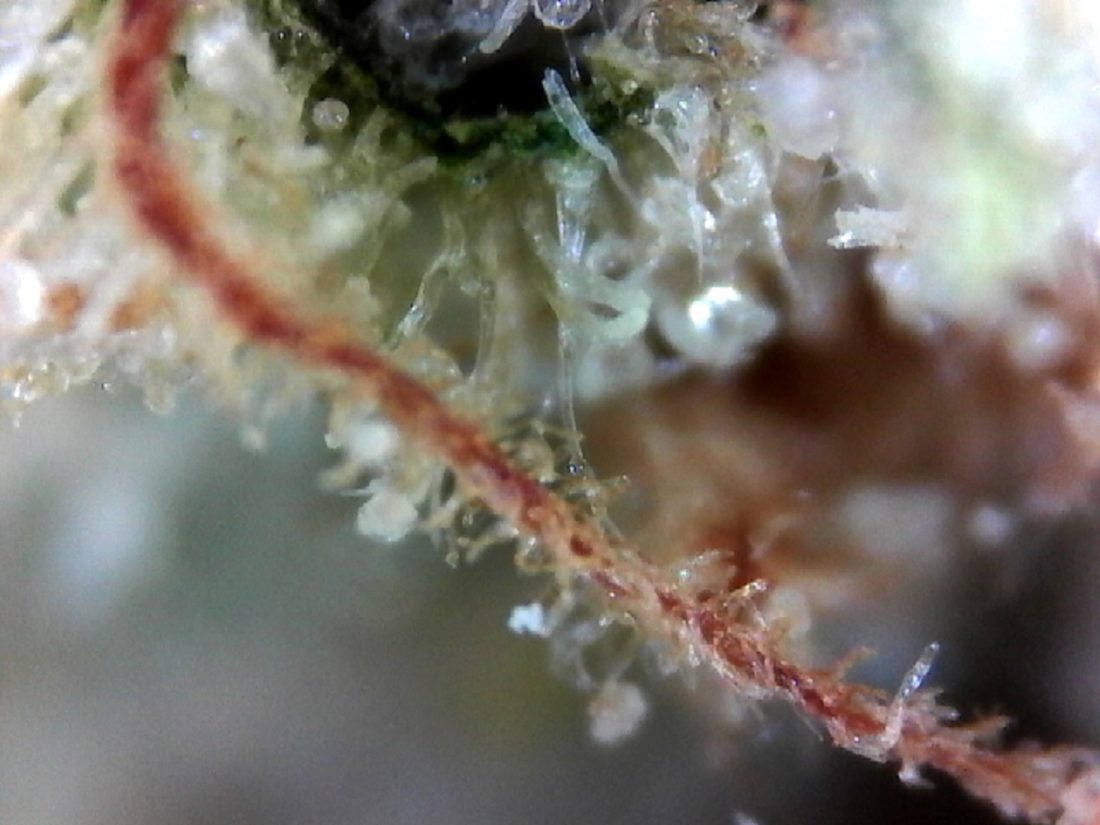
While the evidence is mounting that THC reduces cognitive abilities in normal people, that doesn’t mean it’s harmful. Everyone has some unique stress, trauma or gift that makes their brain unique. In all of the studies conducted so far, any changes that have been documented and attributed to THC have been tenuous.
One study claimed THC use reduces IQ by up to 8 points. But other researchers were unable to replicate the findings. Other studies have made less exaggerated claims. One fMRI study did show a change in the developing brains of adolescents. But the researchers were unable to rule out other causes like alcohol or social pressures.

Meditation may be enough to counteract the negatives of THC.

Our bodies are complex and our brains work like a muscle. Similar fMRI studies have shown that active meditation over years can increase brain gyration. This suggests that the negatives associated with cannabis consumption are less about the actual chemicals and more about how we are using our developing brain.
And I want to reiterate that no study has been able to produce verifiable, repeatable evidence that consuming cannabis Causes irreparable harm. Even the studies that found evidence of negative outcomes showed that the overall change was small. Even looking as hard as possible, there is nothing to show cannabis as dangerous and there is no reason to wait for more evidence to make a decision.

ecs

ECS: Hacking the Endocannabinoid System

Cannabis users often wonder how cannabinoids work.

Therapeutic chemical compounds known as cannabinoids interact with a system in our body called the endocannabinoid system (ECS). These compounds provide medicinal relief for conditions involving pain, inflammation, and nausea to name just a few. Cannabinoids and terpenes are the chemicals in marijuana responsible for providing relief to patients. They work by fitting into special receptors in certain cells in the body. There are more than 480 natural components found within the cannabis plant and each works with the body to achieve homeostasis.
Cannabinoids were the first compounds in cannabis to be studied. Scientists learned that there are receptors throughout our bodies that help modulate many bodily functions. A few of the systems that are tied to and affected by cannabinoids include appetite, sleep, anxiety level, and cognition.
In fact, some cannabinoids target specific receptors located on the surface of cells in different areas of the body making studying them very important. Their pharmacological delivery possibilities open up whole new worlds of highly targeted treatments that don’t cause damage to nearby cells.

So what is the endocannabinoid system?Trichome Closeup

The endogenous cannabinoid system(ECS) was named after the plant that led to its discovery. The ECS is one of the most important physiologic system involved in human health. This is because endocannabinoids and their receptors permeate the body.  The brain, organs, connective tissues, glands, and immune cells of every human are laced with cannabinoid receptors. In each tissue uses the cannabinoid system a little differently. The main purpose of the ECS is to achieve homeostasis in the body.
Endocannabinoids and cannabinoids are found in the intersections of the body’s various systems. These intersections are vital to communication and coordination between different cell types. At the site of an injury, for example, cannabinoids decrease the release of activators and sensitizers. This stabilizes the nerve cell and prevents excessive firing.
The ECS has the added effect of calming nearby immune cells which prevents the release of pro-inflammatory substances. There are different mechanisms in different cells that work with cannabinoids to minimize the pain and damage caused by injury.
The endocannabinoid system is literally what bridges the mind and body as it regulates our immune system, nervous system, and all of the body’s organs. By understanding the depth and complexity of our genetic systems interactions with cannabinoids, we reveal how interconnected we are with the world around us.
In addition to regulating internal and cellular homeostasis, cannabinoids influence how a person perceives the external environment. Cannabinoids directly influence a person’s open-mindedness by mediating neurogenesis, neuronal plasticity, and learning. This is one reason cannabis is so exciting for Alzheimer’s researchers.

The CB1 receptor wasn’t discovered until 1990.Purple Trichomes

The CB2 remained hidden until 1993 when it was discovered by a research group at Cambridge University. The cannabinoid THC has a high binding affinity with CB1 receptors located in the brain, central nervous system, connective tissues, gonads, glands, and related organs. This is one reason that consumption of cannabis strains and plants containing a high amount of THC result in a relatively potent effect.
Heavy CB1 stimulation tends to give patients significant relief from pain, nausea, or depression. The same compounds deliver a strong euphoric feeling to lifestyle users. Those undergoing chemotherapy and patients suffering conditions involving inflammation, like arthritis and lupus also find significant relief from symptoms while administering cannabis.
CB2 receptors on the other hand are located throughout the immune system and related organs. The highest concentrations can be found in the tissues of the spleen, tonsils, and thymus gland. They are also common in the brain, although they are found on different types of cells and do not appear as densely as CB1 sites.CB2 sites are also found throughout the gastrointestinal system.

The ECS helps modulate intestinal inflammatory responses. ecs

CB1 and CB2 stimulation helps many sufferers of Crohn’s disease and IBS gain relief. Cannabis has been shown to treat Crohn’s so effectively that many of the cases using it to treat the disease sent it into full remission. The efficacy of the treatment seems to be tied to the patients ECS expression.
The binding affinity, locations, density, and number of cannabinoid receptors are collectively labeled their expression. Researchers believe different patients, especially those with particular diseases, may have different expressions of CB1 and CB2 receptors than patients not afflicted by these conditions.
Think of the expression of cannabinoid receptors in a person like a fingerprint. It is a unique cell configuration that results in a range of responses to different cannabis medicines. This unique distribution of receptors through the body is one reason some patients prefer a sativa like Durban Poison or Kali Mist, while others gravitate toward an indica such as Kosher Kush or 9 Pound Hammer while others only want hybrids like Blue Dream or Sour Diesel.

Patients may have more than an average number of receptors.Shatter

People very sensitive to a cannabinoid like THC may have an over abundance of one of the two receptors. While it is easier for these users to experience negative side effects, heavy usage tends to decrease sensitivity to ECS stimulation. Heavy users tend to notice a decrease in sensitivity as their bodies adjust to artificially high cannabinoid levels.
Likewise, patients who under express a receptor may be less sensitive to the therapeutic effects of a cannabinoids. These users often don’t feel the effects of consuming like most people. CBD and other cannabinoids often need to be consumed it in greater quantities by individuals who express low ECS levels in order to receive the same effects.
More and more is being discovered about the ECS every day but evidence suggests that CB1 receptor activation may promote inflammation/cell death. This is big news for drug manufacturers looking for a way to deliver pharmaceuticals to specific cells without collateral damage (like chemo currently). Similarly, CB2 receptors play a key role in anti-inflammatory responses in the body, making them important in the treatment of many neurological disorders like Crohn’s and Parkinson’s.

How does your ECS stack up?

Do you over express? Under express? Neither? Do you know someone who is treating their pain with cannabis? Let us know in the comments below what you think about the endocannabinoid system (ECS) and how it affects health. Thanks for reading.
 

govt mari

Government Targeting Marijuana Next

How could you tell if the government was targeting marijuana users?

Weed smokers often complain the government is targeting marijuana users. Complaints of government tracking is almost as common.But could there be any truth to the claim that the government will begin targeting marijuana users soon? Would their actions even be legal?
There was a time when the claim “someone might be listening.” was evidence of a damaged mind. But modern technology has cameras, phones, drones,  GPS, Google, toaster armies massing for DDoS attacks and a whole world of connectivity. That connectivity has made that ancient feeling of being watched all too justified. But surely, the government isn’t targeting cannabis users is it?
International news stories (real and fake) abound of secret investigations, abused innocents and government executions. Many of these stories cannot be verified without extensive investigation. The Federal Bureau of Investigation (FBI) was tasked with finding truth behind allegations that now president Trump colluded with the Russian Government. When it seemed like the truth was close at hand, Trump sent his body guard to inform Director James Comey that he was fired and needed to find his own way home.
With revelations about how the F.B.I. (Federal Bureau of Investigation) conducts extended surveillance and the unbelievable size of N.S.A. (National Security Agency) Data centers, how can you not feel eyes upon you? But is the government putting together lists and planning to take out cannabis once and for all? When FBI Director Comey looked too deeply  into presidential corruption, he was fired before he knew it. The prospect of government surveillance of stoners is troubling but government is already tracking how much weed we each buy and from where. The only real question is what they plan to do with it.

Evidence is mounting that the Trump regime is targeting marijuana.targeting marijuana

The Trump administration is shaping up to have a willfully inaccurate view of everything from climate change to cannabis. The use of “alternative facts” (which is code for lies) and the inability to maintain a single thought across two sentences have been defining elements of recent American politics.
The Attorney General (Jeff Sessions) has made claims that support the idea he would begin targeting cannabis if ever allowed. Sessions recently told law-enforcement officials, “I reject the idea that we’re going to be better placed if we have more marijuana,” and “It’s not a healthy substance, particularly for young people.”
Sessions isn’t the only one to voice concerning rhetoric about targeting marijuana  that ignores logic. After signing a recent government funding bill, Trump issued a statement where he singled out the provisions that prevent him from blocking states implementing medical marijuana bills. Trump promised to “ treat this provision consistently with my constitutional responsibility to take care that the laws be faithfully executed,”.

It always hurts more when you see it coming.too hot to touch

Trumps public question piñata and press secretary John Spicer has also voiced concerning views about targeting marijuana.  He told reporters recently “I think that when you see something like the opioid addiction crisis blossoming in so many states around this country, the last thing we should be doing is encouraging people,” He couldn’t leave it there though. Sessions continued,” There is still a federal law that we need to abide by.”
So far, there have been no open moves by the federal government to interfere with states passing marijuana laws. Although they have set records for using the biggest bombs ever made and continue to expand drone pilot programs. Only time will tell if the Trump regime hates cannabis enough to risk public opinion backlash. Trump seems fine with the idea of targeting marijuana users deemed recreational. In states like Washington, medical marijuana has been replaced with recreational laws. The Trump regime has warned us that the military grade gloves are ready to come off.

hightimes

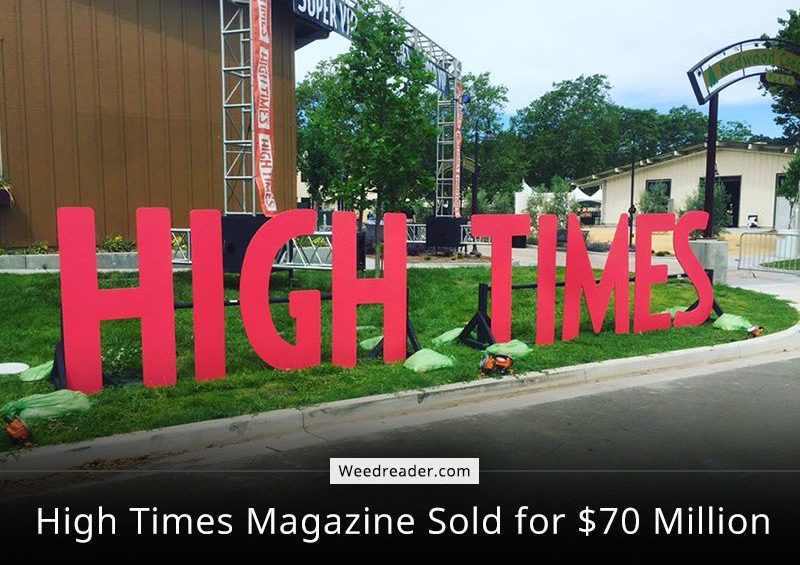
High Times Magazine Sold for $70 Million

Damion Marley and other investors just bought High Time Magazine.

America’s pioneering marijuana publication was sold to a Los Angeles investment group called Oreva Capital. Damion Marley, the youngest of Bob Marley’s sons, is a part of the group that purchased High Times. While there are still other owners, Damion’s investment group now own the controlling share.
Changes are incoming for the well-established publication as control shifts hands. The Oreva group plans to convert High Times Magazine into a new modern media organization. No longer will it represent a fringe of the population.

What Oreva Capital can purchase for $70 million.

The investment group purchased controlling interest in High Times Magazine. And that includes the print magazine, the website, the High Times brand name and the Cannabis Cup festivals. These assets make up the framework that is High Times.
With a plethora of content and brand awareness in addition to the physical assets, High Times is worth quite a bit. The estimated value of High Times Magazine is a cool $70 million. The new owners risk alienating their core base if they stray too far from their current content.

What sparked the purchase of High Times.

18 months after High Times chairman (Michael Kennedy) passed away, his portion of the company came up for sale. Kennedy was not just the High Times chairman though. He was a long time legal advisor, their guiding force and friend.

A brief history of High Times.

Tom Forcade founded High Times in 1974. In the 70’s, Forcade was an underground journalist and drug smuggler. During that time, magazines like the Rolling Stone, Playboy and National Lampoon published risky literature that defined American culture.
After Forcade’s death in 1978, the magazines’ parent company, Trans High Corporation (THC) broke the company into several held shares. Once that happened, Michael Kennedy, his wife Eleanora, and several members of Forcade’s family operated the company. That is when Kennedy became acting chairman of High Times magazine.

High Times overcome several hurdles.

High Times survived the big War on Drugs during the 80’s. And in the 2000’s, High Times competed against the internet, video games and cable T.V. However, these hurdles never stopped High Times and its crew from staying on top of their game.
The High Times crew discovered new revenue opportunities over the years. One of the most lucrative was creating Cannabis Cup festivals hosted all around the U.S. and the Netherlands. By 2015, the Cannabis Cup festivals brought in 80 percent of the company’s revenue.

High Times new lifestyle branding.

Damien Marley and associates have some pretty big shoes to fill. The new push for High Times is going to be in merchandising, furniture and cannabis consumption lounges. There is also rumor about a possible High Times hotel and casino.
High Times is hoping to open a casino in Vegas, but Nevada’s gaming industry is concerned about all things cannabis. The Las Vegas gaming committee is worried about getting into trouble with federal agencies. And the alcohol distributors are worried about getting cut out of the profits. But the promise of a cannabis friendly casino is one step closer to reality.

ssrelaxweed

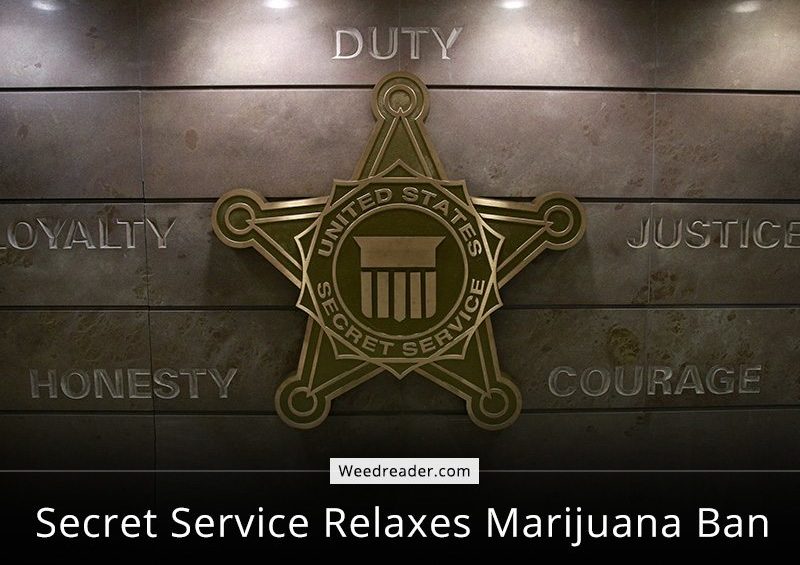
Secret Service Relaxes Marijuana Ban

The Secret Service needs help.

Law requires the Secret Service to provide round-the-clock protection for the properties owned by the president. That includes places where nobody is living. President Trump might have taken that as a personal challenge as his protection costs have soared. Trump has spent hundreds of millions of tax dollars in just the first few months on travel to and from his private resort and security.
Trump has actually doubled the cost of protecting the president three times over. It is so expensive, congress had to add $120 million to the budget already. The extravagant travel and security details the president demands are making it impossible to provide with current rules.
The Secret Service needs to add thousands of jobs in order to properly guard the many cheap hotels and overpriced properties the president uses to increase his personal fortune. There simply are not enough Secret Service members to protect all the properties of the current president.

Concessions have to be made somewhere.Secret Service Director

The president cannot miss a chance to spend millions of dollars whenever he can. So the only reasonable option left is to add 3000 Secret Service members. The problem is that too many people flunk out of the program due to cannabis consumption.
We aren’t talking closet stoners that have been selling weed out of their footlocker. We are talking the people who want to protect our country and are actually qualified to do so. These are the guys who pass training, have solid credit, good eyesight and may have used cannabis when teenagers.
38 days into his new appointment as director of the Secret Service, Randolph Alles announced the decision to no longer disqualify candidates because of weed. He also acknowledged that the “very dedicated” agents were facing insurmountable demands and without the changes, there wouldn’t be enough candidates to provide the mandated protection.

Alles is looking to fix the staffing issue.

Alles outlined a new, “whole-person concept” in the new hiring practices that went into effect last month. Instead of simply yes or no questions about past use during a polygraph test, the Service now asks about history. Consideration is given for time between last use and testing but enough history is still considered a failure during the polygraph test.
“We need more people. The mission has changed,” Alles said before citing threats like al Qaeda and ISIS, as well has homegrown terrorists. “It’s more dynamic and way more dangerous than it has been in years past,” Alles said during his address. While his personal interactions with president Trump are singular, Alles is in charge of deciding who gets to protect the president.
The most interesting part of the equation is that the Secret Service is relaxing its ban on marijuana because it can’t hire enough people to protect the president. So Trumps refusal to give up control of his businesses has created a national security threat that will take almost $120 million to patch. This despite the danger level to president Trump being effectively the same as president Obama at 6-8 threats per day.

The challenge is more than just protecting properties.Secret Service

“I think between that and the fact that he has a larger family, that’s just more stress on the organization. We recognize that,” Alles said when addressing logistics of the constant presidential trips to Florida and New Jersey. Alles assured reporters that he’s been allocating resources accordingly.
Despite having spent more on travel than any living president, Trump still hasn’t made it to Camp David. As the traditional escape of presidents, the Maryland military installation  remains fully staffed and protected at all times. “Obviously, we won’t be able to dictate his travel,” Alles said. “We interface with his staff on how they schedule things and what works better and causes us less resource demands.”

bongs

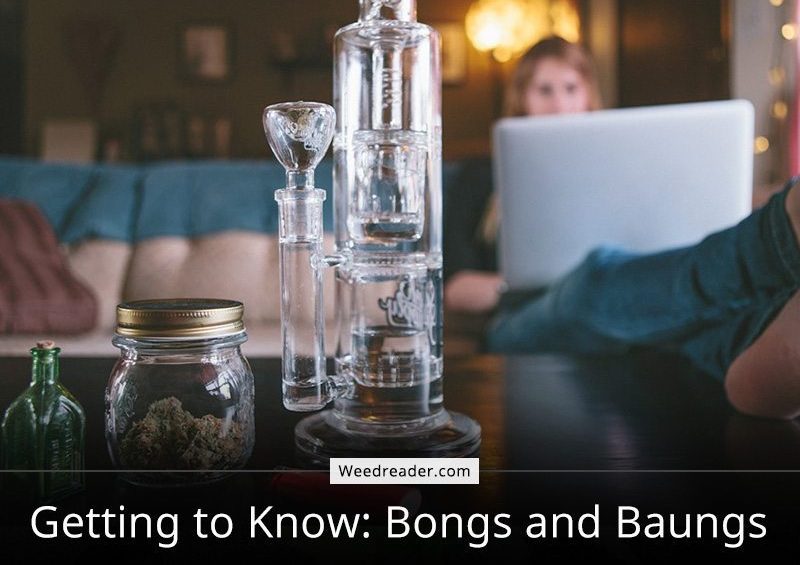
Getting to Know: Bongs and Baungs

Bongs have been around for a while.

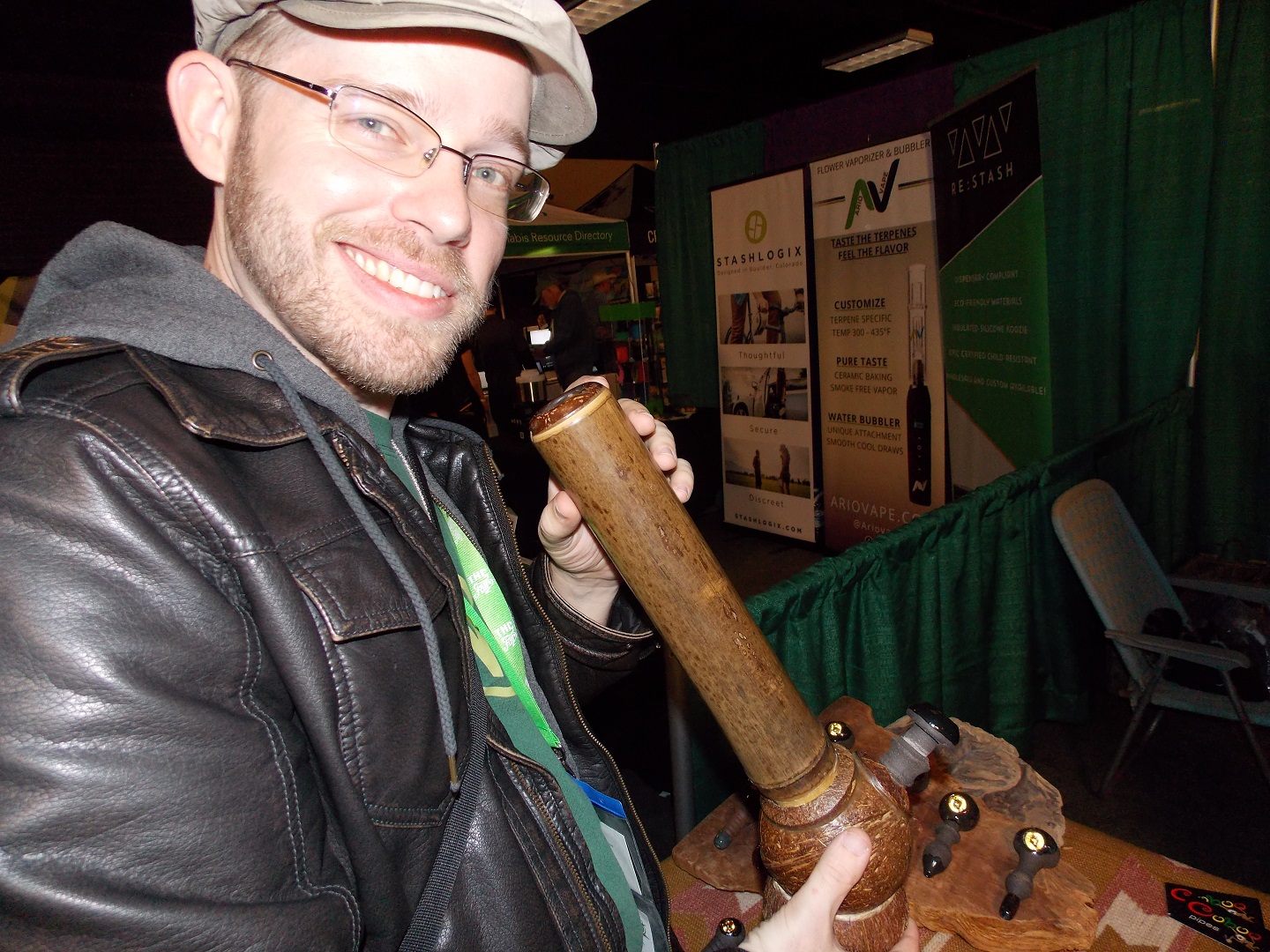
The common name for water pipes is bongs. The term actually comes from the Thai word “Baung”. The baung is a traditional cylindrical smoking tube made of wood or bamboo. During the Vietnam War era; American soldiers discovered the “Baung”.
Upon returning from the war, the water pipe concept migrated back to the US with the soldiers. Because the sounds were difficult for Americans to form (Baung is pronounced bah-owng), the word was simplified to “bong”. One of the earliest known uses of the word bong dates to the January 1971 issue of the Marijuana Review.
Once in the states, bongs became very popular. Users realized that the bong offered a few key advantages over the methods they had employed to this point. Bongs provided a smoother and less harsh hit than joints or hand pipes. Using water to filter the smoke also made bongs much more efficient at filtering particulate as well.

Bongs basically allow smoke to cool before entering the lungs.bongs

There are a few reasons to want cooler smoke when using cannabis. First, it allows for denser smoke. Since weed smoke becomes denser the colder it gets, you can get more THC into your lungs (which have a set volume) with cool smoke than with hot.
Hot hits of smoke can cause unnecessary discomfort, coughing, and even damage to the lungs at the most extreme temperatures. Bongs offer a much more reliable way to cool smoke to a tolerable level than other methods which is a big part of their allure.

Water pipes with percolators offer a smoother, cooler smoke session.

clean beaker bong
Bongs and their percolators work based around the concept of diffusion or spreading out. First, they pre-mix the smoke with a large volume of air before it hits the lungs. A butane lighter can burn at close to 3500 degrees so cooling the smoke is a must. The more air that gets mixed in, the cooler the smoke gets until it reaches equilibrium so bigger bongs cool smoke more.
Second, bongs use water to filter the smoke. Water is able to absorb a lot more heat than air of the same volume. This reduces the overall size a bong needs to be in order to provide a good smoking experience. Water is also great at catching large particulates like ash, kief and burning plant matter.

The shape matters as much as the size.Honey Pot Bong

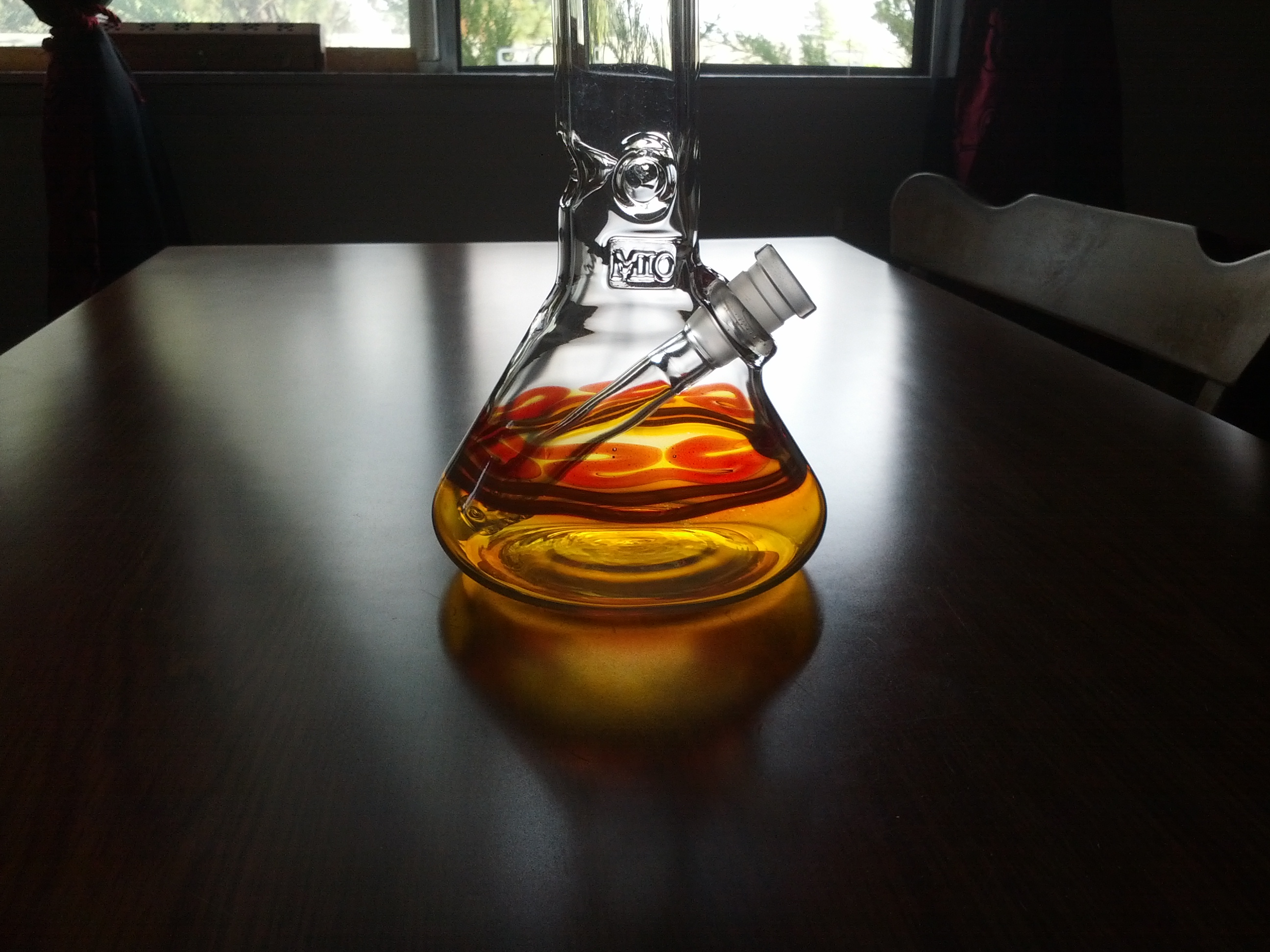
The size and shape of a bong directly affects the overall experience. The shape affects the drag or total resistance level while inhaling. Bongs with narrow sections or tall columns of water simply take more energy to hit. The overall pressure needed to hit a piece is dictated by the narrowest part and the depth of the water used.
Large chambers increase the overall volume of smoke that must be drawn through the device. While large chambers reduce the pressure needed to move that smoke, they add to the overall volume of air. Strong lungs may still find it difficult to clear a bong that is larger than the volume of air they can hold.
Be careful not to get a piece with a wide bottom and narrow top though. Cones naturally keep the smoke at the bottom (wide end) of the chamber. Clearing the smoke from these pieces can be almost impossible. The result is stale smoke being trapped inside the bong and tainting every other hit.

Bongs fall into three basic types.

The Straight Pipe:Scientific Glass Bong

This is classic style of bong. Straight-tube bongs are so popular among smokers that they have been used to represent the culture as a whole. The function and “feel” of the classic bong is a nostalgic experience for many. the straight pipe allows for one or more chambers for percolation and a multitude of percolation styles. You can most likely find one (or more) of these classic upright bongs in the stash of every connoisseur.

The Angled Pipe:recycler bong

Angled water pipes are a more modern bong design that is rising in popularity as artists get more creative. Instead of putting your mouth to the bong, this style is normally drawn to the user. This gives the angled bong experience more of a “casual” feeling than using an upright bong.
Some find that angled glass bubblers offer a more comfortable smoking experience.  This style is more likely to have decorative elements or flashy percolators in addition to being smaller than straight tubes. The overall size tends to be smaller than straight pipes as well as they take up a significant more space in kilns.

The Custom Pipe:elephant bong

As innovation and the limitless creativity of glass artists emerge, they take the form of elegant, complex and beautiful glass pipes. Heady glass dominates this side of glass water pipes. These are the intricate $200-$20,000 pieces in the glass cases at head shops across the country. They can take the form of anything the artist can think up and is a catch-all for pieces that don’t fit into the above categories. If you’re after a truly one-of-a-kind piece, then finding a non-traditional bong is definitely the place to start. This is where glass artists can unleash their creativity.

Percs offer diversity within a type.Honeycomb perk

Not all water pipes have a percolator beyond the stem that sits in the water. Water pipes that do have percolators offer a smoother, cooler smoke session than their perc-less counterparts. Percolators are based around the concept of diffusion or spreading something out more widely.
Percolators (shortened to Percs) use water to spread out smoke. There are a ton of ways to do this with some being more visual (like creating visible vortexes inside the chamber) while others are less so (diffusion beads in the water) but they all work off of increasing the surface area of the smoke.

The best bong is one that fits your needs.Designer bong

At the end of the day, there is no objectively “best bong”. While larger sizes allow for more cooling, they also require significantly more lung power to use. Similarly, multiple percs can improve the overall flavor of a hit but increase the amount of pressure needed to pull that air through the bong.
Finding the right balance between form and function can be difficult and requires a bit of trial and error. Buying bongs can get downright expensive so trying out a friends piece before buying one yourself is always recommended.
Did you learn anything new or maybe find something that needs corrected? Share your thoughts with us in the comments below. We would love to hear what you have to say. As always, thanks for reading.

gvp

Governor of Vermont Veto's Pot Bill

Just when Vermont was about to make history, the governor stepped in.

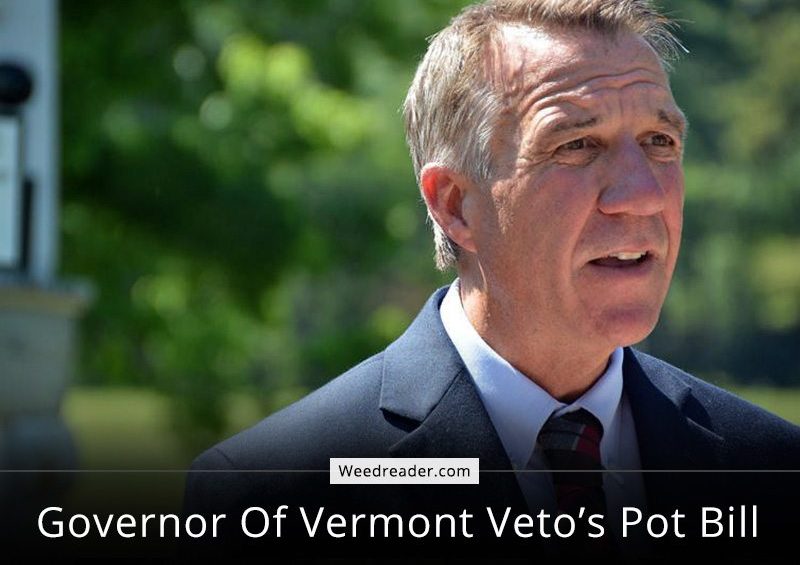
Vermont Governor Phil Scott, a Republican, is vetoing a bill to legalize marijuana. His reasoning may be odd but at least he isn’t fundamentally opposed to legalized weed. But he is sending the bill back to the legislature for changes.
“We must get this right,” Scott said at a press conference. He then said something that makes people familiar with climate deniers and religious zealots groan.”I think we need to move a little bit slower.” He was quick to clarify that is views cannabis “through a libertarian lens” so isn’t trying to prevent legalization in principal.
Scott claimed that his actions are due to concerns about detecting and penalizing impaired drivers. He also cited protecting children, and the role and makeup of a Marijuana Regulatory Commission as areas he felt the bill didn’t do well enough.

When the door closes, look for a window.

“I recognize there is a clear societal shift in that direction.” The governor said. He plans to send recommended changes to the Democratic-majority legislature. If they address his concerns, the governor claims “there is a path forward on this issue.” One point that the governor wants defined is “how impaired is too impaired,” according to the governor’s communications director.
He also wants the legislation to define what devices might be effective at detecting people high on marijuana. But police “do not yet have reliable roadside toxicology tests that can say for sure if someone’s too high to drive in the way a breathalyzer or blood test can show if someone’s too drunk.”
Despite recreational use being illegal up till now, the Vermont Department of Health found that the state has among the “highest prevalence of marijuana use” in the country. The Vermont DOH also claims the state has the most users across all age groups, and the second highest of all states among those age 12 to 25.

Vermont was almost 9th and 1st.

If the bill hadn’t been vetoed, Vermont would have become the 9th state to legalize recreational marijuana. But it would have been the first to have done so via a legislative body. Everyone else has used a public referendum. In November, California, Maine, Massachusetts, and Nevada voters legalized recreational pot.
Vermont joints Arizona voters as the only states to have rejected it. But the Green Mountain State looks to be a lot closer to getting adjusted legislation passed. Partly because of the cooperation of the state house and senate on this issue so far. While it was difficult to come to a compromise before, the governors demands seem to be road bumps instead of roadblocks.
According to the National Conference of State Legislatures, 19 states have pending legislation to legalize marijuana for adults. And more than half of states allow medical use of marijuana. Hope is not lost for Vermont though. With a few tweaks, the legislation may be able to make it back to the governor’s desk. Only this time, let’s hope he actually signs it.

rewee co

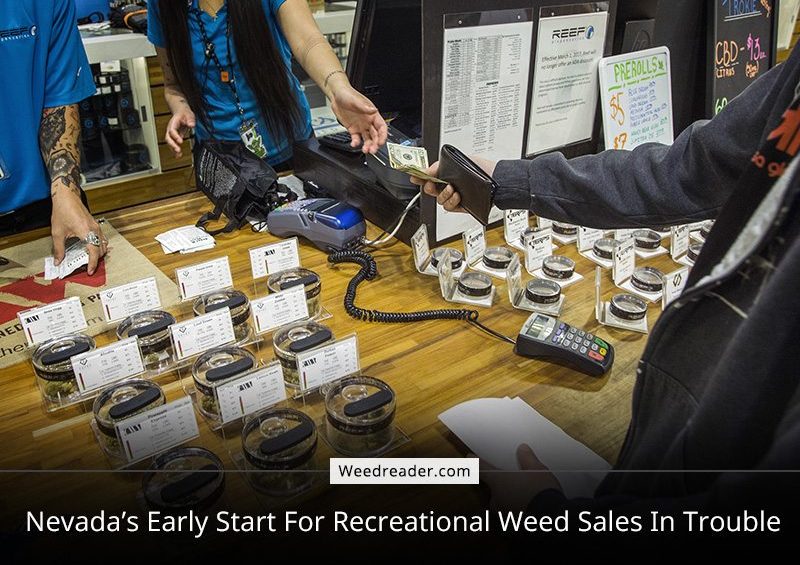
Nevada's Early Start for Recreational Weed Sales in Trouble

Nevada liquor wholesale distributors challenged marijuana licenses.

Nevada’s Department of Taxation expected the first recreational sales to begin July 1st, but alcohol distributors wanted to put a stop to that. A group of liquor wholesale distributors filed a temporary restraining order that prohibits Nevada’s Department of Taxation from distributing marijuana licenses.
Carson City District Judge James Wilson ruled in favor of the liquor wholesalers and granted the temporary restraining order. “The statute clearly gives a priority and exclusive license to alcohol distributors. In order to promote the goal of regulating marijuana similar to alcohol.” Wilson wrote in an opinion paper.

All hope is not completely lost.

The Nevada Department of Taxation still expects the July 1st sales of recreational marijuana to proceed. But they are not clear as to how the process will play out due to the judge’s ruling.

Why did the liquor wholesale distributors go through all the trouble?

The liquor wholesalers argued that they have first rights to distribute recreational marijuana. They also claim that medical dispensaries could not apply for recreational licensing because there wasn’t enough interest among liquor wholesalers. The wholesalers also claimed that the November ballot gave liquor wholesalers exclusive rights to marijuana distribution licenses for the first 18 months of sales. The ballot measure states that marijuana should be regulated in a manner that is similar to alcohol.

Are liquor wholesalers worried they can’t compete with the M.J. market?

Sam McMullen stated, “We just want our rightful place. We don’t want to slow this down inordinately.” McMullen is the attorney for the liquor wholesalers. He fought hard so that the Nevada Tax Department can only distribute marijuana licenses to liquor wholesalers. According to Judge Wilson, the liquor wholesalers demonstrated irreparable harm if the department proceeds to issue cannabis distribution licenses to existing marijuana establishments.
Stephanie Klapstein is a spokeswoman for the Nevada Tax Department. She said that, “We are still looking toward a July 1st launch of the program.” Klapstein also stated, “We expect a hearing on the matter to be scheduled for some time in the next couple of weeks.”

Why the big rush?

On January 1, 2017 recreational sale of marijuana became legal in Nevada. And on Jan. 1, 2018, the Nevada law requires permanent regulations for the sale of recreational weed to be in place. But the Nevada Legislator is expected to give final approval for the “quick start” program to allow existing dispensaries to sell recreation weed before that. The reason for the big early push is because the expected tax revenue from pot sales is expected to total $70 million over two years. That is a lot of money and alcohol wholesalers want exclusive rights to it.

420

420 Celebrations Hit the Mainstream

What are 420 celebrations to you?

The number 420 itself has come to represent a lot to the cannabis community. Twice every day, stoners remark “Happy 4:20” to each other. or otherwise having 420 celebrations. But why do they do that? Ask a smoker and the response can range from  a simple “I dunno” to a lengthy explanation of college hippies, police codes and secret meetings in the 60’s.
The number has become so embedded in popular stoner culture that every April, cannabis users from all walks of life view April 20th as an actual holiday. They request time off, book events, invite friends, and otherwise celebrate like any other holiday. Except this one the main goal is to get high, like really, really high.

420 is bigger than the cannabis community.cannabis science and education

Even people who don’t consume marijuana associate 420 with cannabis culture. Many bosses know why their employees suddenly ‘get sick’ and call in to work in the mid April. Word of mouth and social media has made 420 celebrations truly global. It can be almost impossible for someone to get out of work for the holiday without getting called out as a pot head.

420 has become a celebration of consumption.

Friends gather together and smoke as many bowls as seems fitting. Just like Superbowl parties, Halloween jamborees and 4th of July celebrations, 420 has a social focus. Even people who don’t hang out make the effort to see each other for the holiday. The popularity of 420 celebrations with consumers has been embraced by retailers.
Even Snoop Dogg performs special concerts for the holiday. Rappers aren’t the only ones getting in on the sales. The best business day for any dispensary is April 20th and almost all have specials. The deals can range from a single strain on discount to a full line of pre-rolls for $4.20 with music, food and all sorts of games.

What is 420 really about?420 roundtable

Unlike most religious holidays, the meaning behind the numbers are multiple. 420 is a police code, a secret meeting time and a code word all wrapped up in one. As stoners repeat these stories, they work to add a sense of mystery and intrigue to the holiday. The multiple origin legends boost off of each other, creating a mystery behind the ‘true origin’ that wouldn’t otherwise exist.
Instead of sharing a single origin story (like with Christmas or Easter), people engage in flowing conversations about the origins that shift and evolve as they go. This is partly due to the short attention span stoners are known for. But it’s also because there is always someone new entering the conversation who has heard different parts of the story.

Prohibition has been big for the 420 community.420 celebrations

America has a pretty bad track record when it comes to respecting stoners. In states like California (where recreational sales were recently legalized), getting caught with some weed could get you behind bars. The controversial ‘three strikes’ policy made life sentencing a real threat. Yet the threat of prison didn’t stop people from smoking, it just made them hide it.
When people have to fear incarceration for celebrating, it tends to make them less inclined to make a big deal about smoking weed. Yet even in the early 200’s when Operation Pipe Dreams was big news, people still held 420 celebrations, concerts and all sorts of gatherings.

420 Reform has actually helped kids.Weed Crafts

As more and more states pass marijuana reform, people have taken notice how much better the communities have been. 31 states provided less state funding per student in 2014 than in 2008, and in at least 15 states, the cuts to school funding exceeded 10 percent. Yet schools in states like Washington and Oregon (among others) have had millions of dollars added to their budgets from weed taxes.
Also, with less parents going to jail, there are less children going into state agencies like foster care. This frees up a lot of time and energy for social workers to focus on the ones that need them. And since the parents aren’t in jail, they can keep on working and paying their taxes instead of becoming a drain on the state.

Some cities are taking a better approach to 420 celebrations.Smoking and Toking

Some towns engage with their stoner populations better than others which can morph the conversation. In cities like Denver, Seattle or Portland, there are all sorts of events. These cities embrace the revenue that stoners provide and work to allow safe consumption. Stoners flock to these areas when on vacation or looking to relocate which provides a very real economic boost.
In Denver recently, the city partnered with law enforcement, Mothers Against Drink Driving, dispensaries and Uber to provide a safe way for people to get around during 420 celebrations. Instead of driving intoxicated, riders were offered a $4.20 discount on fares. The effort was a resounding success and steps are underway to make similar arrangements in the future.

420 isn’t going anywhere.Buying a bong

In small towns and cities where cannabis is less loved, consumers still host extravagant parties or simply get together and smoke out every day. 420 became a cultural phenomenon long before legalization so people have had a long time to think of ways to celebrate without drawing much attention. Even if the federal government (read Jeff Sessions) cracks down on states and starts a new crusade, the community will find a way.
It wasn’t too long ago that hikes, spring festivals and camping were the only places stoners could openly consume. If need be, we can always go back to that. But for now, we get Snoop Dogg concerts and great deals on legal weed.
Remember to consume responsibly and let us know how you enjoyed the 420 holiday. Thanks for reading and Happy 420!

medical canna

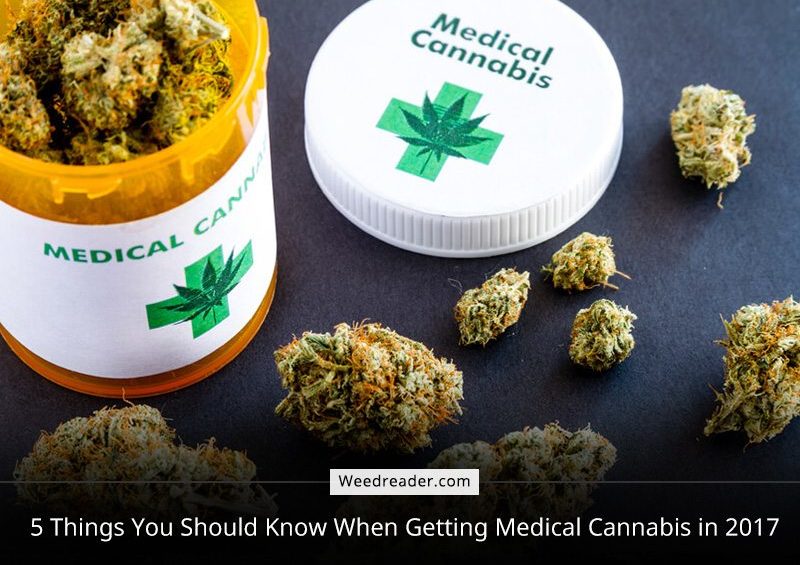
5 Things You Should Know When Getting Medical Cannabis in 2017

As California prepares for the upcoming wave of dispensaries and shops set to provide legalized recreational cannabis; many people are still confused about medical marijuana, how to get it and how it might help them. Here are 5 things you should know about medical cannabis and getting your hands on it in 2017 …
1. Is a Medical Marijuana Card Still Necessary?

A medical marijuana card is still necessary until January 2018, when legalised recreational cannabis kicks in. Getting yourself a medical marijuana card will save you money both now and in the future (no sales tax on medical marijuana as well as dispensary deals), give you access to more dispensaries and a greater range of products, and give you the opportunity to grow cannabis. Yes, it costs to get a MMJ card and recommendation letter, but it’ll likely save you lots of money in the long-term.
Moreover, getting a medical marijuana card is easier than ever, especially with telehealth (and yes, I am available over telehealth – we are HIPAA compliant, totally private and extremely secure). All you need to do is:

  • Sign up at doctorfrank.com (or any other reputable site)
  • Fill out the medical marijuana evaluation form, attaching any relevant medical records you may already have proving your condition/s.
  • Talk to the doctor, which in this case will be myself, Dr. Frank D’Ambrosio.
  • If you qualify, you will be given a signed recommendation letter.
  • This recommendation letter can be emailed to you, so you can start using your recommendation letter straight away.
  • A medical marijuana card can be sent to you via post – not necessary, but highly recommended, and many dispensaries prefer you to have one.

2. Finding the Right Dispensary
Once you have your cannabis card and recommendation letter, it’s now a matter of going to the right dispensary. As everyone prefers a different environment, I recommend reading the dispensary’s reviews online, asking others if you know of anyone who frequents medical marijuana dispensaries and exploring them for yourself.
The range of dispensaries out there and what they provide is immense. However, they should all still provide a decent service. Do they grow good, trustworthy cannabis in well-tended environments? Do they have knowledgeable consultants, budtenders and owners who have studied their products and can tell you about them? Do they have have social and educational classes? An onsite doctor? All of these will usually show you how seriously a dispensary takes their job.
3. Finding the Right Strain
Much of the same advice that’s been given above on finding the right dispensary can be given about finding the right strain – i.e. ask others, read reviews and give several a try. Start slowly, though, and only take a little bit at a time. First-timers (and even some seasoned pros!) may want to avoid edibles – vaporizers are usually much easier to titrate with.
Asking “sativa, indica or hybrid?” will give you a rough idea, but can be misleading on occasion. Should you be looking for a particular effect, you’ll want to look at a specific cannabinoid and terpenoid profile – the genetics will tell you more about this than the strain names. The budtender/consultant at whatever dispensary you go to ought to be able to help and know their products inside-out, but remember that different phenotypes of the same plant may have different cannabinoid and terpenoid profiles.
Also remember that “everyone’s endocannabinoid system (ECS) is different”. This means that what may work for one person may not work for you and vice-versa, even for the same condition. Sure, there may be some common effects for some people, but not everyone. Remember, though: codeine doesn’t work for everyone, yet it’s still wrongly considered a “gold standard” of cough suppression. You can overdose on codeine; you cannot do so with cannabis, except in a theoretical sense.
4. Can’t Get to a Dispensary?
You can now get cannabis delivered to your door, securely, relatively quickly and discreetly. What a world we live in!
5. The Government Owns the Patent to CBD …
… Everytime you walk into a dispensary, read about someone getting arrested for cannabis use and/or see a sick person denied a medicine that could help save their lives, remember one thing: the US government owns the patent to CBD, but still considers it a Schedule I drug federally. In fact, all of the cannabinoids from cannabis are listed as a Schedule I drug, regardless of psychoactive effect. Make of that what you will …
Perhaps one last thing you should know is that you shouldn’t be afraid to use cannabis. Cannabis will not kill you, will not make you a mess and will probably not ruin your life – in fact, it many cases, it might just well improve it! Just listen to the hundreds of thousands if not millions of medical marijuana patients saying the same thing.