Investing in the Cannabis Industry 2017

Investing in the Cannabis Industry 2017

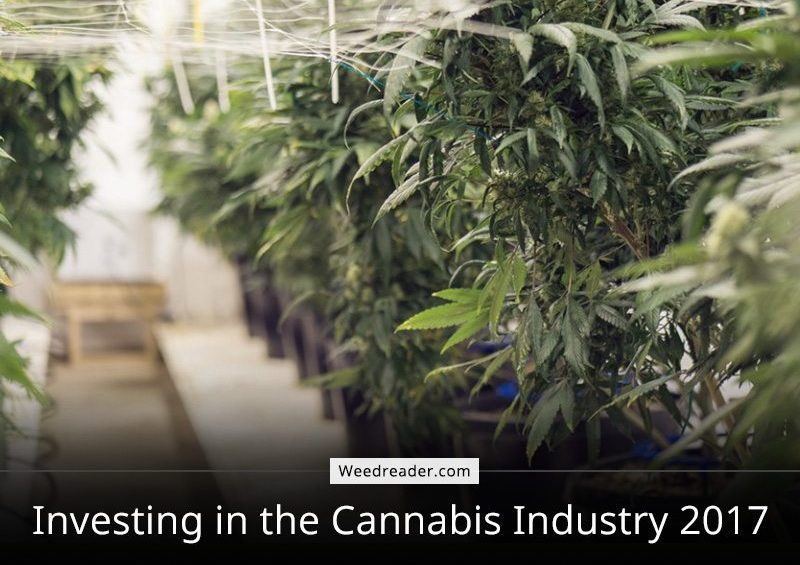
Marijuana stock investing in 2016 has seen a meteoric rise.

Investing in cannabis is making some major money with one especially impressive company posting gains of well over 2,000%.  This despite how fraught with risk this industry is. Since marijuana is still classified as a Schedule I substance with “no currently accepted medical use and a high potential for abuse,” according to the federal government, there are still some hurdles to overcome.
The National Commission on Marijuana and Drug Abuse issued a series of reports concluding that marijuana was “less a serious threat to public health than a sensitive social issue and recommended changes to federal law that would permit citizens to possess a small amount of it at a time, while still maintaining that the drug should not be legalized.” Yet investing remains risky because the people in power refuse to be moved to action.

Is $50 billion motivation enough?

Investing 101Ackrell Capital projects that the cannabinoid-based pharmaceutical market could clear $50 billion annually. Investors took special not of the prediction due to the explosive growth the industry has seen so far. They make sure to include plenty of caveats in their report that basically boil down to legalization=money.
AbbVie (ABBV) is ahead of the game in medicinal marijuana field because its drug (Marinol) is already been approved by the Food and Drug Administration and in the market. Marinol is mainly used to relieve nausea and vomiting for chemotherapy patients. It has also been prescribed for AIDS patients to help stimulate appetite.
If you want to talk about AbbVie, let me just say that it has had 44 years of consecutive dividend increases. Over the past three years alone, the dividend has grown by 12.5%. the 4.13% dividend yield is considered attractive for income investors.
Just because they were first to the market doesn’t make them invincible though. Company revenues, gross profit and net income have been stagnant during the last four quarters. If Marinol can raise profits, AbbVie and others like it could be treated as an income play rather than a growth stocks for 2017.

There are currently 28 states willing to sell.
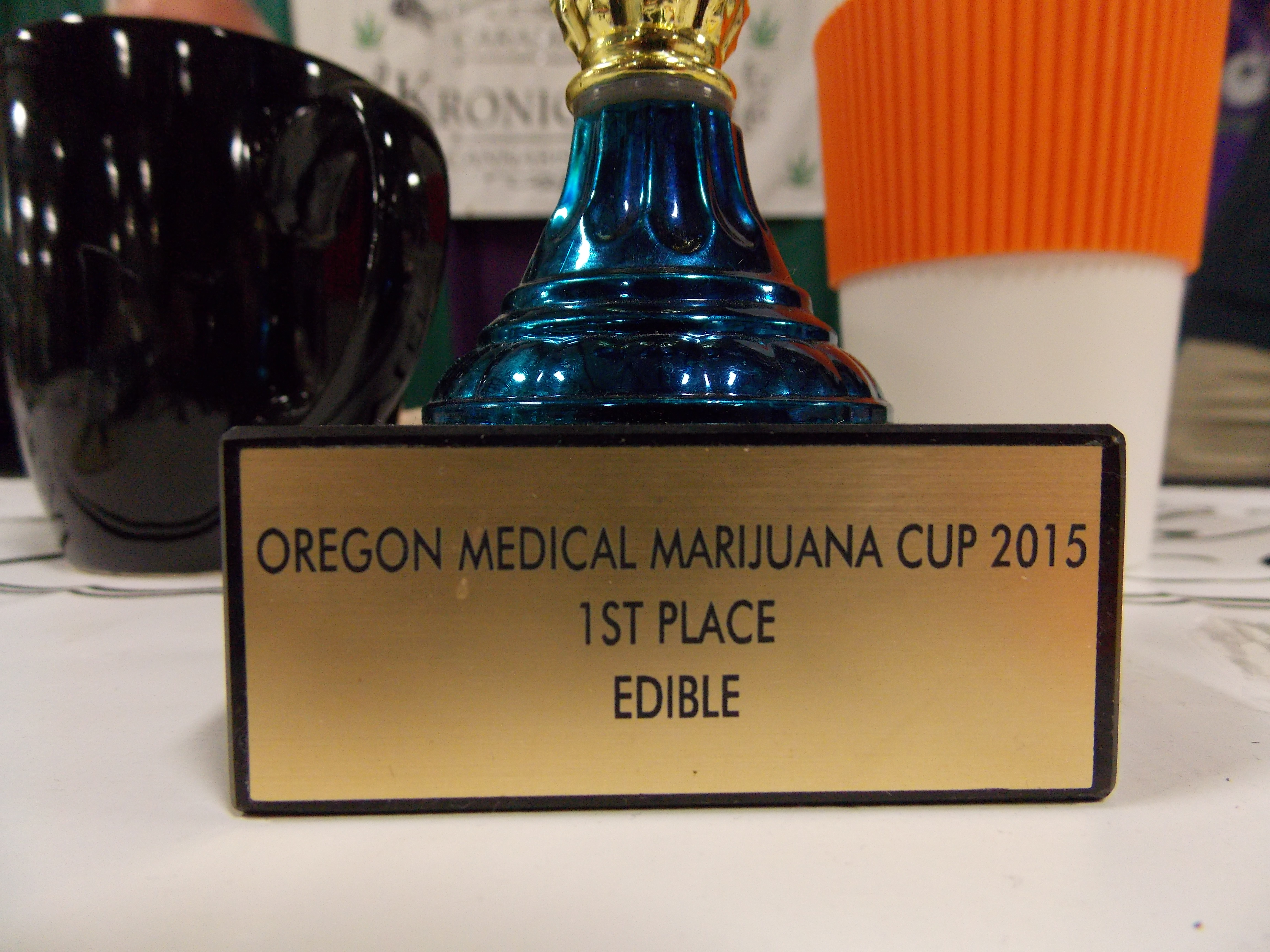
Support for use of medical marijuana is rapidly expanding along with investing opportunities. After the November U.S. elections, 28 states plus the District of Columbia now have legalized use of medical marijuana. A handful of states have also chosen to allow recreational use.
Legalization should diminish some of the institutional barriers for companies investing in the marijuana industry. Although we can see how slow the movement is by looking at recent court decisions about drug testing. The advancement of legalization on a state level presents a special opportunity for investors but at great risk.
Weed’s mis-classification as a schedule-I compound creates restrictions for patients in non-weed-friendly states. Not to mention how much of a damper it puts on investors’ plans. The chief regulator of Wall Street (Financial Industry Regulatory Authority or FINRA) blocked a S-1 filing from weed companies attempting to go public and trade stock. The ban will remain in place until the drug is re-scheduled.

There are only 3 approved options on the market.
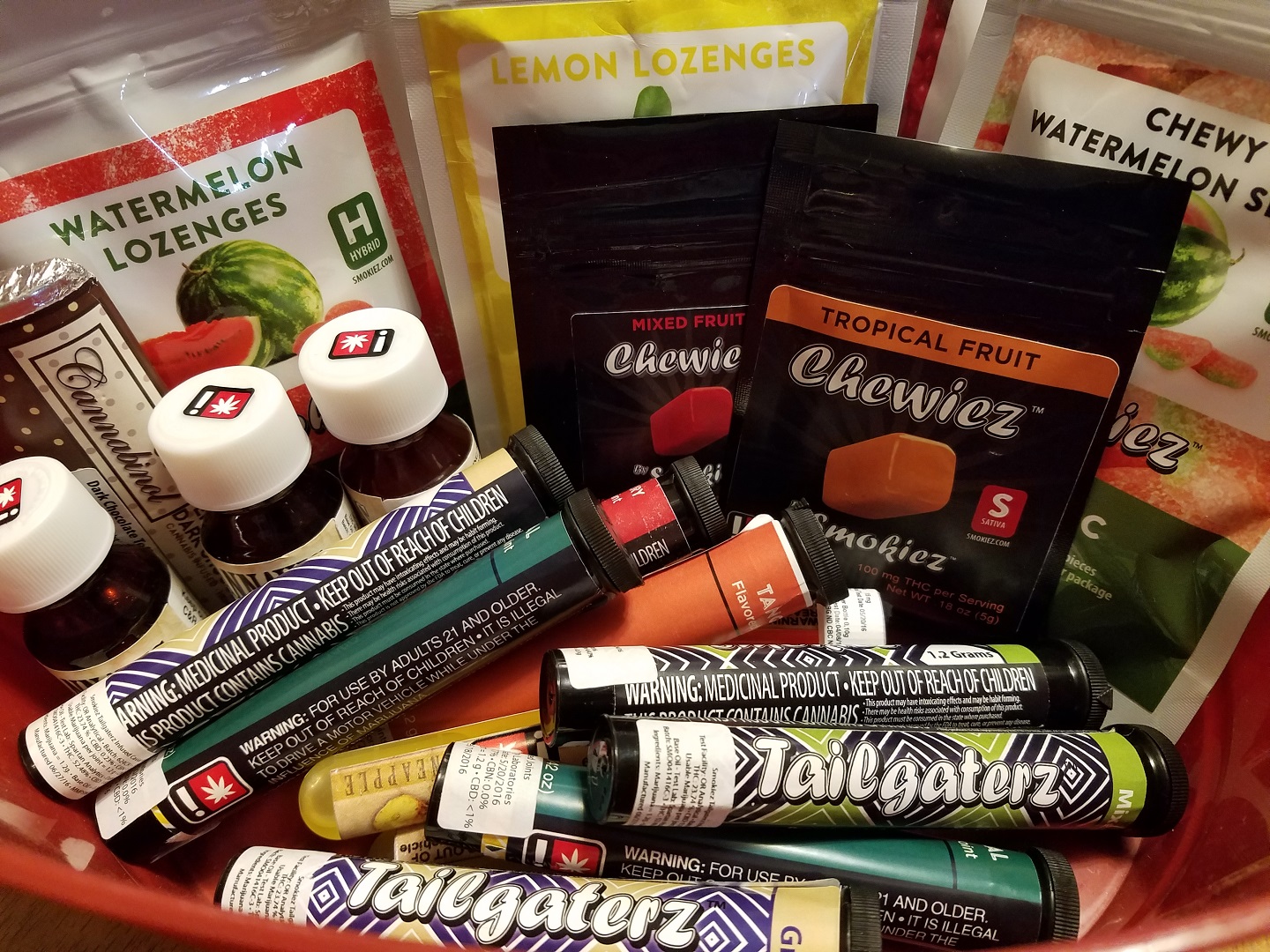
While opportunities exist, current realities paint a stark picture. The U.S. Food and Drug Administration has approved a whopping total of three cannabinoid drugs. It took seemingly forever for another cannabinoid to join Marinol and Cesamet in the medicine cabinet.
In July of 2016, the FDA gave the go ahead for Insys Therapeutics’ (NASDAQ:INSY) Syndros to join the party. Like Marinol, the active ingredient of Syndros is the synthetic cannabinoid dronabinol. And don’t think that only drug companies are trying to get in on the action.
Investors sent shares of Scotts Miracle-Gro Co. up 48 percent last year when they saw the lawn-care company as a relatively safe way to capitalize on the cannabis trend. It sells fertilizers, lighting and other supplies for hydroponics that are used by most indoor cultivators.

One person can tip the scales.


A very important fact for investors considering investing in marijuana to remember is who the next attorney general is. And the person who got the nomination to fill that role was Alabama Republican Sen. Jeff Sessions. A man who is an adamant opponent of legalized marijuana.
In a Senate hearing last April, Sessions cited a 20% increase in the traffic deaths in some states where marijuana has been legalized to show the drug is a problem. His continued vigorous attempts to demonize cannabis users signals major disappointment for those hoping for banking reform.
Marijuana companies have continued to struggle with limited access to basic banking services since most banks fear federal prosecution for dealing with pot businesses. Being forced to operate on a cash-only basis is a security concern and an expansion inhibitor for any business. With Sessions taking the helm, there is little hope for meaningful pressure to improve access to banking services. Additionally, marijuana businesses must pay tax on their gross profits instead of net profits. This is because they’re disallowed normal corporate income tax deductions.

How should you approach the industry?
Investing in cannabis weed
It has been said that getting rich during a gold rush is to easiest when you sell shovels. With that in mind, the best figure for investors trying to turn a profit from the “marijuana rush” are the companies that have zero marijuana-related products. The smartest play might be in companies that have the potential to benefit by serving people and companies that do sell cannabis.
But before you invest in any company, get as much information about that company as you possibly can. Find out if they are a legitimate company with a good management team. Look into who’s running the company and at the company’s finances. Don’t be afraid to go over the balance sheet, the cash flow, the income statement, and the shareholder’s equity.
Look at all of the info you can before making a decision. Call the nearby Chambers of Commerce, find out if they know the people or company. Don’t forget to look at the other officers and management to make sure the engine is firing on all cylinders if you catch my drift. Do all the research you can but don’t forget to talk to your financial advisor as well before pulling the trigger.
The early bird doesn’t always get the worm.
Companies are making serious efforts to develop effective medicines using on cannabis. These companies deserve all due diligence before investing in any of them. Understand that investing in potential is risky and any of the drugs discussed in this article could fail or disappoint. Some medicinal marijuana stocks will undoubtedly succeed in 2017, so research and be vigilant when navigating this exploding industry. But don’t forget all the good that cannabis can do.
Cannabinoids have been found to have potential in treating over 40 medical issues including cancer, chronic pain, epilepsy, and glaucoma. Companies developing marijuana-related compounds rarely focus on cannabis alone. Be aware that some “mainstream” stocks may actually profit from loosened restrictions on marijuana even if they don’t grow or sell it themselves. Thanks for reading.


medica marijana

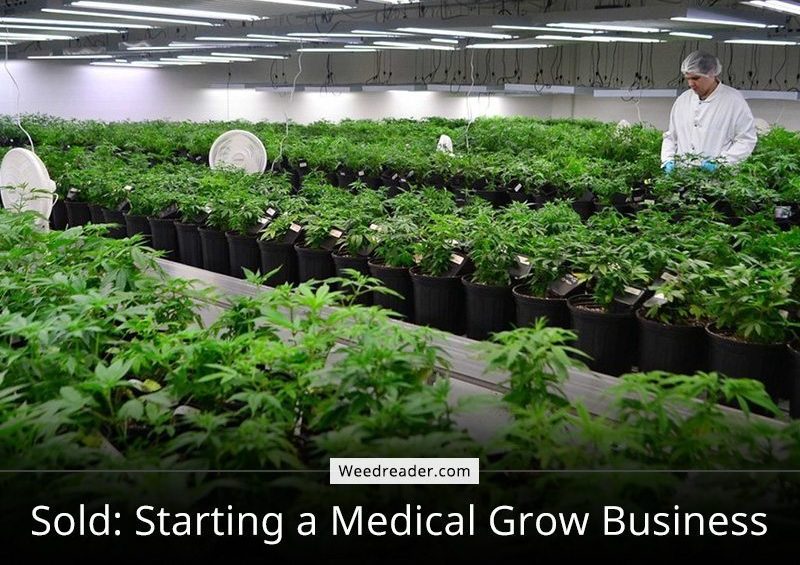
Sold: Starting a Medical Grow Business

Before starting a medical grow business, you need to do a ton of research.

Federal, state and local laws create a vast web of interconnecting rules that are unique to each medical grow (even if they are in the same city and industry). Navigating this miasma is both arduous and tedious by design but is also vital to remaining in business. The best place to start is with your states official rules.
You can’t simply put some seeds in backyard dirt or throw thousands of dollars around and expect to get anything competitive out of it. And this is a competition. The time, effort and skill needed to get a plant from seed to sale is a skill that can be developed over several years. A skilled hand can take a good strain and make it great while an unskilled grower can kill everything.

But it takes more than growing the dankest buds to survive.

Growing great herb is a prerequisite to a business based around growing weed. But equally important is the ability to manage costs and duplicate results. It doesn’t matter how much you can sell your product for. If it costs more to produce than what you get, it isn’t a viable business.
“Even if you get your costs under control, you still have to worry about duplication. If you can’t produce the same product every time, you have a problem.” Mike Boynton, the master grower for Oregon Imperial farms told me in an interview. “Changing anything in the environment from fan placement to light duration will change how your plants grow and therefore your bottom line.” The more people and the bigger the farm, the harder it is to control costs. If you can’t get it under control with 5 plants, you will never be able to with 5000.

The Marijuana industry is an especially challenging one.

Getting a business off the ground in the weed industry is a lot harder than most other industries. Cannabis is one of the oldest crops known to man and you can bet there are a lot of talented people out there trying to do it better and cheaper than you. Besides having to deal with the standard problems of location and competition, cannabis businesses are heavily regulated and lack traditional support infrastructure like banking services.
Marijuana businesses lack the ability to use banking services because it remains federally illegal. This is not to say that banks refuse drug money. SBC was fined $1.9 billion by the U. S. government for laundering cartel drug money in 2012. Yet the cannabis industry is forced to work on a cash basis regardless of how big the costs.

There are a variety of rules regarding how to grow legally.

With over half of the nation having legal weed in one form or another on a state level, there have been many ideas about what should be allowed. Each state has taken different measures to ensure a safe and effective cannabis industry. Some states require seed to sale tracking and vertical integration while others prohibit delivery or drive-thu services.
In addition to rules and regulations about where and how to provide services, there are also rules around what kind of equipment is needed in order to get a license. This further compounds the complexity with many states have a different set of rules for medical grows and recreational operations. As an example, Washington merged their medical grow and recreational grow rules for a single comprehensive program while Oregon kept them separate.

After all, growing weed isn’t cheap.

Even in places with ideal growing conditions like Northern Cali, Florida or Hawaii, plants still need water, nutrients and protection from pests/diseases. In areas where the weather is too dry or cold, growing indoors becomes a necessity. The cost of equipment pales in comparison to the cost of keeping the growing environment perfect.
In addition to lights; pumps, timers, fans, filters and air conditioners all use electricity. Keeping the juice flowing can be a challenge in itself. Grows with more than one room may even need to have a more powerful line run by the electric company to keep from blowing transformers. All of these little additions add up quickly and can quickly eat up all the potential profit.

A lawyer, an accountant and a lobbyist walk into a grow room.

If you plan to operate a successful company growing a federally illegal substance, you need to have some specific talent on your team. This team needs at least a lawyer, an accountant and a lobbyist to run interference while the head grower does their work. Without someone covering each area, the chance of getting blindsided is astronomical.

Lawyer

Find someone who specializes in canna-based business compliance and criminal cannabis defense. Ask others in your area who they recommend. Don’t forget to check online databases like www.martindale.com, www.avvo.com, www.justice.org to name a few.

Accountant

Look for someone with experience in the industry. Overly “creative” accounting can get you in hot water so make sure you can trust them. In addition to searching online for local tax professionals, ask colleagues for referrals. Asking others in your area who they use and why is also a great way to narrow the search for the right accountant.

Lobbyist

Look for someone with the time and energy to represent your cause. Their job is to keep an eye on local and statewide changes that pertain to your business. They are also there to help prevent others in the community from effectively banning your business or engaging in sneaky tactics to close you down. There are no lists/registries for this, gotta tap into that network to find the right person..

Head Gardener

Look for someone with botany experience. Many master gardeners hang out in local hydro stores or are at least known by them. Don’t be afraid to ask questions and be picky. This is the person who will dictate the initial and final quality of the product and choosing the wrong person can have dire consequences.

Skipping the support staff can have dire consequences.medical grow

Many states ban the operation of any marijuana based business (including a medical grow) within a certain radius of schools. But most states don’t ban schools from opening near a marijuana businesses. There is normally nothing explicitly stopping a preschool from opening next to a dispensary or grow location and putting you out of business.
A good team is the difference between closing up shop or staying open for years. It does you no good to spend millions of dollars on a medical grow business just to have a preschool open next door a week later and shut you down. Better to have the staff on hand to stay open and deal with the issue before it gets finalized than not.

You need to find just the right spot.

Besides schools randomly popping up, there is a lot to consider when starting a grow business. The first thing most growers work out is where they plan to grow. Most medical grows are done on a personal consumption scale. If the plan is to make it profitable, it takes a bit more consideration.
Because cannabis remains federally illegal, landlords are almost as hesitant as banks are to work with weed entrepreneurs. Even in the case of a medical grow, it can be almost impossible to get permission to start. In most cases, growers need to own the land/building they plan to operate in or receive written permission from the land owner before getting licensed.

Security is a major concern as well.

Each state has very specific rules on which types of security are needed for a medical grow to remain in compliance. States may require barriers like walls be erected around grow sites. They also might require closed circuit cameras linked to cloud backups but it depends.
Whole sectors of the economy have been dedicated to the outright eradication of cannabis for decades (I’m looking at you Big Prison, Pharma and Tobacco). As cannabis moves from illicit trade to regulated market, there is bound to be pushback from entrenched interests. Even a medical grow can face opposition from local religious or political groups that don’t like cannabis.

The market is growing.landrace 2

More and more people are getting in on the Green Rush and starting to grow cannabis. Like the Gold Rush that sparked westward expansion, the hype and obvious wealth being generated is causing a migration of talent and willpower. Fortunes are waiting to be made by talented and driven individuals willing to put in the work.
In the end, most of the states where weed has been legalized were ballot measures which means they were supported by voters. With the majority of the population clearly supporting cannabis reform, cannabis is primed to continue growing for years to come. Getting a good team will make every other part of the process easier.

Do you agree?

Or do you think I’m off my rocker? What advice would you give to someone just getting started? What do you wish you knew before starting a medical grow? Let us know in the comments down below. We would love to hear your take. And as always, thanks for reading.

Concentrates and Extraction Techniques

Concentrates are becoming a major player in the cannabis industry.

The word “Concentrates” often refers to the wax you vaporize, the tincture under your tongue, and your orally administered CBD oil. The potency of these cannabis products is steering consumers toward the more concentrated forms of weed. This is especially true as the therapeutic potential of non-smoking consumption is becoming better known.
People around the industry are taking notice of the meteoric rise in popularity of concentrates. OpenVape CEO Ralph Morgan believes cannabis concentrates will be more popular than smoking buds in the coming years. “I see concentrates becoming a part of folk’s daily regimen,” Morgan said in an interview.
The Cannabist’s concentrates expert Ry Prichard agreed with Morgan’s statement and his timeline. “Most of the clients that I work with have seen their sales go from 20 percent to 30 percent to 40 percent and now they’re about even,” Prichard said, “and a lot of shops, especially on the boutique end of the spectrum, are 70 percent concentrates.”

Concentrates make up a large segment of the current market.

Under the rubric of cannabis concentrates falls anything created through an extraction process. Solvents like butane, propane and CO2 strip the active compounds from the cannabis plant. Solventless processes also exist that can produce increadibly high concentrations as well.
Some types of extracts test in the 70-80% THC, while others are instead rich in non-psychoactive compounds like CBD. There are a lot of intricacies to cannabis and new methods of extraction are being developed regularly as the market expands. Here is a quick rundown of the most popular products the average consumer can buy that fall under the rubric of “concentrates”.

Solventless Extracts

Many solventless extractions are offered in less stable, sappy forms. Their color can vary from a golden opacity to a darker amber depending on production factors. Cure time and starting material play a big role in dialing in these nuances.
Heat, pressure, and exposure can impact the consistency of these products. Higher temperatures tend to create stable products that more resemble shatter, whereas lower temperatures often produce sappier, less stable products. Both high and low temp products appear on dispensary shelves these days and have begun to form respective niche markets.

Kief


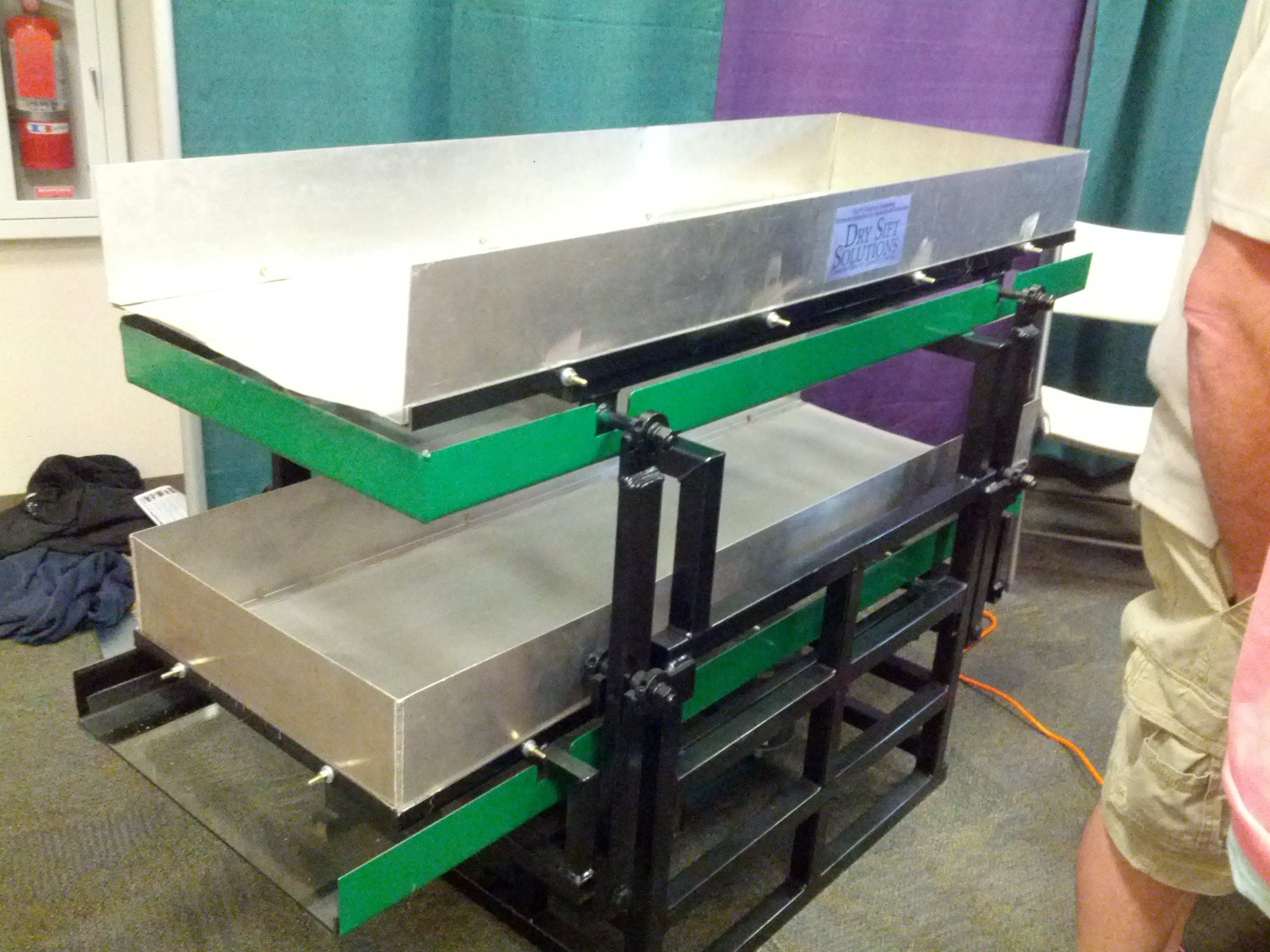
Also known as dry sift or pollen, kief is made up of the resin glands called trichomes on cannabis flowers. These glands produce the terpenes and cannabinoids that bring the diversity of flavors and effects to cannabis. Kief is often used to make hash and is commonly collected in a grinder. It is normally sprinkled onto flower cannabis or vaped directly for a more potent high than smoking flower alone.

Rosin


Rosin opened the door for several different new products. Solventless shatter, a type of rosin that maintains a glass-like consistency, may resemble butane hash oil in appearance but is manufactured with nothing more than heat and pressure. Hash oil of this consistency is obtained through the acquisition of key genetics and the right combination of heat, pressure, and exposure to heat.

Hash


One of the oldest products in the cannabis industry is has. This concentrate is made by compressing the plant’s resin. Where kief preserves the structure of the trichomes, hash tries to merge them into a single superstructure. The powdery kief normally that coats your cannabis flowers can be collected and pressed together to form hash.
Solvents like ice water or ethanol may be used to more effectively strip the plant of their cannabinoid-loaded crystals but are not required. This method produces less potent results than BHO and other cannabis concentrates but remains a staple of cannabis culture around the world.

Budder

Another variation of hash is budder. Also called cake batter or “whipped” rosin, these products are created by incorporating light heat and agitation to rosin. The result is a whipped consistency that looks very similar to a salve of some sort. This technique has been known to significantly increase the aromatic properties of the hash oil it uses.
This method provides a new creamier texture that can be much easier to work with than shatter or sappy consistencies. While many retailers are beginning to sell whipped hash oils, the process can be achieved easily at home with preexisting rosin by simply stirring it with a warm dabber tool.

Solvent Based Extracts

Butane and propane are popular solvents used to extract cannabinoids like THC and CBD from cannabis plants. They are some of the more dangerous methods as well due to the explosive nature of the two solvents.
Extraction can be done at home using simple equipment and is also done on large scales, but the process is almost the same. To start, fill a tube (metal or plastic) with plant material. The quality of the material used directly affects the quality and yield.

C02 Oil

CO2 Concentrates
Supercritical fluid extraction is another method commonly used to extract cannabinoids. While it is possible to use other gasses, C02 is the most commonly used gas for this method. CO2 has the benefit of not causing harm if not fully purged from a product like butane.
C02 has become the connoisseur’s extraction choice because it goes past “critical” at around 90 °F, a temperature well below the deactivation temperature for cannabinoids. This means more flavor is preserved and a clearer high is produced than with other methods.
This extraction method relies on pressure and temperature to extract the terpenes, cannabinoids, and waxes from the cannabis material. Extractors use this knowledge of which temperature and pressure each terpene, cannabinoid, and wax separate them from the homogenous solution of marijuana material. This way they are able to target certain flavors and “types of high” produced by the genetics they are using or add additional flavorings.

Butane Hash Oil (BHO)

BHO, or butane hash oil, is an extremely potent concentrate used in dabbing and other vaporization methods. Cannabinoids are drawn out of the plant with butane which leaves behind a wax. The wax will either remain sticky or harden up, resulting in a crumbly “honeycomb” or a glasslike “shatter.” Because its THC content can reach into the 70-80% range, BHO is a popular remedy for people who need the highest concentrations available.
BHO is relatively easy to produce at home or in an industrial setting. After covering one end of a tube with a filter or mesh screen (with holes small enough to prevent plant material from seeping through), butane is sprayed into the tube. Refiners then allow the resulting cannabis-butane solution to drip into a glass dish below the filter end of the tube.
The butane must be purged from the solution for safety by heating the solution in a hot-water bath. The solution is slowly heated until the escaping gas produces bubbles.The water-bath quickly becomes cold, so it frequently changed or a heating plate is used until the solution is fully purged of solvent. The remaining “goo” is cooled and then used as the concentrate known as shatter.

Rick Simpson Oil (RSO)


In 2003 a man named Rick Simpson treated his skin cancer using a homemade cannabis remedy. By soaking the cannabis in pure naphtha or isopropyl alcohol and allowing the solvent to fully evaporate, a thick tar-like goo is created. Also known as Phoenix Tears, Rick Simpson Oil (RSO) can be ingested or applied directly to the skin. Many businesses sell their own renditions of the Rick Simpson Oil these days. Some are high in THC while others contain only non-psychoactive compounds like CBD.

Tinctures


Up until prohibition of cannabis in 1937, tinctures were the most common form of cannabis medicine in the United States. A tincture is a liquid concentrate using alcohol for extraction. Alcohol pulls out many of the plant’s beneficial cannabinoids and is stable to work with. A few drops under the tongue is a normal dose, but patients can safely use more as needed. Tinctures are a great way for patients to medicate without having to smoke and come in a variety of flavors.
Thanks for reading.
canna pests

Treating Common Cannabis Pests

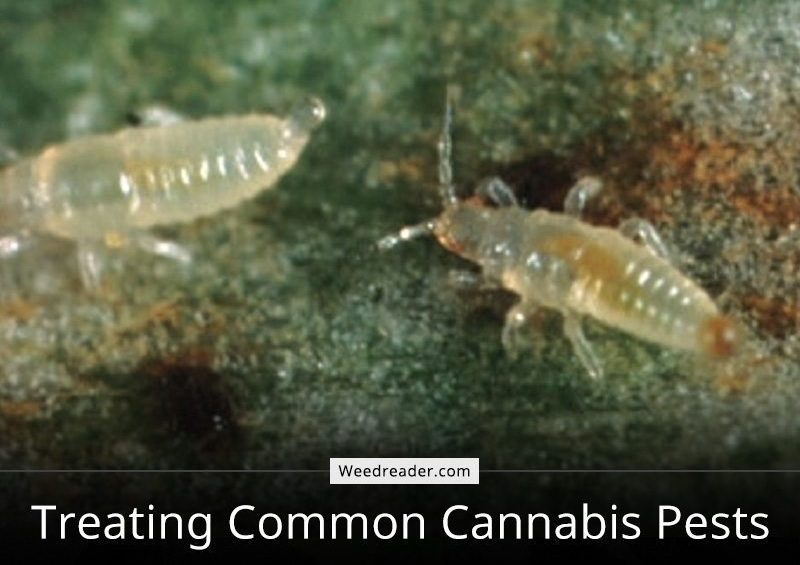
Spider mites, thrips, fungus gnats…

If you are a cannabis grower you’ve likely been warned about these insects more than once. There are many pests that can endanger your crops. But some turn up a lot more often than others. Knowing how to identify and deal with the most common offenders can  be the difference between doing some extra work and losing a whole crop.
To start off, the best way to prevent a garden infestation is through prevention. Being aware of the symptoms and, above all, knowing how to eradicate them efficiently can save hundreds or even thousands of dollars. Not to mention months of caring for them. The main goal is to not give any potential pests or diseases a place to hide/nest/grow. This is best accomplished with some soap.
Wash the walls, floors and all surfaces with soap and water. Using diluted chlorine, bleach (although never together) or other disinfectant works too. Do the same with pots, buckets, utensils and any other equipment you plan to use. Make sure that nothing comes into the garden that might be able to carry stowaways.

It’s important to make sure everything is clean inside and out.

When changing reservoirs, make sure to wash and disinfect them as well. You never know what might be growing in there, even if the previous plant didn’t show signs of problems, eventually something will go wrong.
You may also want to cover the floor with plastic sheeting. The kind available at most home improvement stores but thick enough that you won’t tear through it. Carpets and similar flooring types make great homes for both pests and molds/fungi. Covering them with plastic ensures that they remain in good condition and won’t offer sanctuary to pests.
Keeping your air and water temperatures along with room humidity at the ideal levels while using adequate air circulation will prevent most pests/infections from ever getting started in a marijuana grow. As will filtering the air intake to block the path many marijuana pests use to gain access to the plants.

Soil-borne pests

One of the many advantages to using hydroponic/aeroponic systems to grow cannabis is that they prevent many insect and other infestations. There is no place for many types of larvae to incubate or hatch. When choosing soil, look for sterilized or composted soil. If using native soil, make sure to sterilize or compost it as well to prevent hitchhikers.
Covering soil in diatomaceous earth will prevent flying and crawling insects from laying eggs in your corp. This is because the sharp edges damage their tiny bodies like rubbing them across sand-paper. A less effective alternative uses a 1/2” or so of fine perlite on top of the soil as a barrier. Insect eggs generally don’t grow in perlite and most insects wont burrow deep enough to hit soil.

 Spider mites

garden pestsBest Prevention:
Keep the room clean throughout the grow. Fully disinfect and sterilize everything before attempting to start the grow. Also make sure to keep the room tidy and free of excess soil.

How to Identify:

Spider mites live underneath the leaves plants and are invisible to the naked or untrained eye. The mites drink the chlorophyll for sustenance. They also have eight legs which classifies them as a tiny spider instead of as an insect.
Spider mites are visible under a magnifying power of 15x or more. The magnified mites are whitish, red, or (most commonly) brown with two spots. These mites spin webs which makes them easier to spot. Once seen, it unfortunately means the mites are already a generation or two in.
Misting the undersides of leaves reveals the webs easily to the naked eye. Once fertilized, females remain so for life. After mating they can lay about 100 eggs every 5 days. With 75% of all spider mite eggs being female, their numbers can grow rapidly.

Repression Measures:

Spider mites ideal temperatures range between 70 and 80F or 21-27C. They also need average to high humidity to stay happy. Cooling a grow room to 60F/16C and dropping the relative humidity slows the reproduction rate of the spider mite.
Cooling the room reduces the damage an infestation can do. At 50% humidity and below the mites start getting uncomfortable. By spraying jets of water across undersides of leaves, growers can blast larger colonies loose and slow the spread of these pests considerably.

Best Predators:

Neoseiulus (Amblyseius) californicus and Mesoseiulus (phytoseiulus) longipes are the two most common and effective options out there. They can eat up to 20 eggs or 5 adult mites every day. And once their food supply runs out, they die off.

Sprays:

Neem oil is the most effective spray available. Other effective methods include pyrethrum, horticultural oil, and insecticidal soap. Spraying three times at 5 to 10 days apart should destroy a mite population if the room remains clean. Spider mite eggs hatch after 5-10 days which makes a second application necessary.
The first spray kills the adults while the second destroys newly hatched mites. A third application will kill any stragglers left behind. Make sure to also cycle to another chemical if using pyrethrum to spay frequently. This ensures mites don’t develop a resistance to the synthetic chemical. Several miticides have DDT or fungal relatives that are toxic if inhaled by humans so choose your miticide carefully.

Thrips

Best Prevention:

Keeping a clean grow area is the only defense against a thrip infestation. These miniscule insects avoid detection by even by the most cautious grower until they reach damaging levels. Best to make sure they don’t feel welcome in the garden in the first place.

how to Identify:

The thrip hits greenhouse more than any other garden. It’s difficult for the thrip to reproduce in large quantities outdoors and they must hitchhike into indoor gardens. Their small size helps them fit through all but the finest screens and finters.
Thrips can be almost any color, move very quickly and can fly which can make it hard to get a good look at them. Thrips tend to move in herds though, grazing tiny strips off the top of leaves like tiny lawnmowers. This can strip plants of chlorophyll so thoroughly that the leaves become brittle, dark, and begin to crumble. Tiny black lines across leaf surface are fecal trails left after gorging themselves.
The flying thrip easily infests gardens if protected from outdoor conditions. The female bores a hole into the plant and leaves her eggs in a hole. The opening is so small a magnifying glass is needed to even see it. In marijuana, the thrip colonies primarily infest and reproduce inside buds. A good shake of a cola infested with thrips produces a cloud as the tiny pests fall, jump and fly  out of the buds.

Repression Measures:

Using powerful fans to move air throughout a greenhouse or growroom can prevent the thrip from latching on to plants or taking flight. Regularly misting plants with water will flood the thrips and slow their travel, reproduction, and minimize their ability to damage the plant. Sticky traps do help, however the thip doesn’t migrate much. Which reduces the effectiveness of sticky traps.

Best Predators:

Nearly any predatory mite can effectively battle thrips. Parasitic wasps work but the size of thrip populations limit their ability to be effective. You might be able to see herds skittering across your plant. And while crushing them will reduce their numbers, it is of course not effective overall.

Spray:

Pyrethrum or insecticidal soap sprayed 2-4 times at 5-10 day intervals is the recommended treatment.

Fungus Gnat

Best Prevention:

Keep the relative humidity of your garden low, and don’t over water. Make sure the surface of your grow medium doesn’t stay soggy. Covering hydroponic medium surfaces also prevents growth of green algae which can entice these pests.

How to Identify:

Fungus gnats attack plants during their adult and larval stages. The maggots are almost invisible to the human eye. This is compounded by their see-through bodies and a black heads. The maggots infest the upper roots of plants and will spread throughout an entire hydroponic root system.
Fungus gnat maggots love dark, dank, and water soaked environments. Checking the medium at the base of a plant reveals these pests. The gnat larvae are also perfectly happy going through their life in rockwool. They infest root systems, damage larger roots and consume root hairs. This results in the plant weakening, slowing its growth, and visible fading of foliage.
Adult gnats are normally grey to black, so small they are hard to see and have disproportionately long legs. Females are prolifically breeders, laying an average of 200 eggs weekly. They can also usually be found at the base of your plant along with their maggots. They basically have a Hulk-like grip and are basically impossible to remove by force.

Repression Measures:

Damaged roots make marijuana insanely vulnerable to several types of fungus and prevents nutrient uptake. Maggots will consume decaying plant matter. This means that infestations reproduce faster the more damaged your plant becomes. Reducing surface moisture in your plants medium will slow fungus gnats reproduction dramatically. basically, the drier the better. Applying an anti-algae product to the base of plants kills any green algae currently growing. It also reduces the number of food sources of maggots. Yellow sticky traps placed 2 inches away from the growing medium will catch most adults looking to spread.

Best Predators:

There are no predators proven to be effective at controlling gnat populations themselves. Although the predatory soil mite Hypoaspis and the nematode Steinemema feltiae severely impact the insect population in soil grows. Unfortunately, they are not effective countermeasures for hydroponic applications. It is also impossible to force them out. Swatting a few adults doesn’t kill the eggs they lay underground.

Spray:

Neem or insecticidal soap applied as a soil drench kills eggs and larvae in 1-3 applications. Spray containing the fungal culture Bacillus thuringiensis var. israelensis (Bt-i) successfully eradicates adult gnats. The soil drenches and spray should be applied simultaneously every 5-10 days.

Do you agree?

There are way more ways to fight off these pests than I could possibly list on my own. Let us know in the comments below what pests you have come across and what you have found to be effective. I’d love to hear what else you think should have been included. Thanks for reading.

cancer marijuana

Cancer Treatments: Now With Marijuana

Marijuana is an old remedy.

Modern cancer patients aren’t the only people to understand the healing power of marijuana. Marijuana is the name given to the cannabis plant during 20th century prohibition. Cannabis grows wild in warm and tropical climates throughout the world and has been cultivated commercially for eons. Prohibition has given cannabis many other aliases as people developed code. Names like pot, grass, cannabis, weed, hemp, hash, hydro, ganja, and dozens of others all describe the same plant.
Records show marijuana has been used in herbal remedies dating back to the Chin Dynasty in China. Ancient doctors could see the effects of using cannabis as well as today and prescribed it for many maladies. The herb was so powerful that even the Romans put it in their medical texts.
Scientists have identified many biologically active components in marijuana that are the main reason it is so useful medically. These compounds are called cannabinoids. The two most studied of the hundred or so cannabinoids are delta-9-tetrahydrocannabinol (THC), and cannabidiol (CBD). Other cannabinoids are being studied but haven’t had the same amount of press or research put into them.

Is marijuana a legal treatment?

cancer treatmentAt this time, the US Drug Enforcement Administration (DEA) lists marijuana and cannabinoids as Schedule I controlled substances that cannot legally be prescribed, possessed, or sold under federal law. Whole or crude marijuana (including marijuana oil or hemp oil) are also not approved by the US Food and Drug Administration (FDA) for medical use whatsoever.
State laws have a little bit more play in them and diverge from the federal stance to different degrees. The use of marijuana to treat some medical conditions is legal in many states even though it remains federally banned. Each state has individual rules about how they deal with marijuana so it is important to research the specific rules for your state.
Dronabinol (pharmaceutical THC) and some synthetic cannabinoid drugs like Marinol are approved by the FDA. Marinol is used to relieve nausea and vomiting for chemotherapy patients in addition to being prescribed to AIDS patients for appetite stimulation.

Marijuana is more than THC.

Different compounds found in marijuana have affect the human body in different ways. For example, delta-9-tetrahydrocannabinol (THC) causes the mental high and can also relieve pain and nausea. At the same time it can reduce inflammation and act as an antioxidant. Cannabidiol (CBD) can help treat seizures, can reduce anxiety and paranoia, and can counteract the “high” caused by THC according to the American Cancer Society.
Different cultivars (strains or types) of marijuana can have varying amounts of the different cannabinoids. The specific ratio of cannabinoids produced by a plant is known as it’s strain profile and can be used to better judge what effects to expect from a specific strain.
The effects of marijuana also change depending on how it enters the body:

  • When inactivated or raw cannabis is eaten, the THC is absorbed poorly by the body. Once absorbed, it’s processed by the liver into a second psychoactive compound. The second substance acts on the brain to change mood and/or consciousness differently than THC.
  • When marijuana is smoked or vaporized, THC enters the bloodstream quickly, bypassing the liver at first. It is transported to the brain before the liver can convert a large amount of it into the second chemical. Because there is so much less of the second chemical, the high is stronger but fades quicker.

What can marijuana treat?

A number of studies using small groups of marijuana users found that cannabis can be helpful for treating nausea and vomiting from cancer chemotherapy. A few studies have found that smoked or vaped cannabis can be helpful in the treatment of neuropathic pain as well.
Smoked marijuana has also helped improve food intake in certain HIV patients during some studies. Clinical trials have also been shown marijuana extract users tended to need less pain medication than others. The pain relieving effects seem to be even better in the non-psychoactive cannabinoid CBD than with THC.

How does marijuana affect cancer?

According to the American Cancer Society, “…THC and other cannabinoids such as CBD slow growth and/or cause death in certain types of cancer cells growing in lab dishes. Some animal studies also suggest certain cannabinoids may slow growth and reduce spread of some forms of cancer.” While there have been some early clinical trials of cannabinoids in treating cancer, future studies are inevitable.
Most studies show cannabinoids can be safe in treating cancer. They do not however seem to help control or cure the disease. Relying on marijuana alone as treatment while avoiding or delaying conventional medical care for any issue (including cancer) may have serious health consequences.

What are the possible harms of marijuana?

While many insist marijuana can pose no harm to users, it is not true. The most common effect of marijuana is a feeling of euphoria. Yet the complex chemistry of the brain and cannabinoids indicates that there is a lot going on under the hood. Cannabis can lower the user’s control over movement, cause disorientation, and sometimes cause unpleasant thoughts or feelings of anxiety and paranoia. While the majority of users do not experience these negative effects, they are more common in new users who don’t understand their dosing requirements.
Smoked marijuana delivers THC and other cannabinoids to the body along with harmful substances. Tar is one of the substances found in both tobacco and cannabis smoke. Heavy users (more than one gram a day) of smoked cannabis also commonly report chronic bronchitis.

Make sure to do research.

Because marijuana plants come in different strains with different levels of active compounds, it can make each experience different. Even with good data from a state certified lab, the effects of a specific strain on a specific user can be very hard to predict. It can take time and experimentation to find the best treatment plan or strain for a specific issue.
Even though cannabis is not chemically addictive (like caffeine or an opioid) people can still become psychologically dependant. Users will not receive the life threatening withdraws like they do from cocaine but they may still feel the conditioned desire to use.  Treatments and attitudes toward addiction vary widely across countries and the globe. If you struggle with addiction or are interested in treating any malady, it is best to seek a spectrum of qualified professional help before committing to any treatment plan. Make sure to get more than your own opinion before you make potentially life altering decisions. Thanks for reading.

strains

Landrace Strains: Discover the Power

There has been a lot of talk about Landrace (LR) strains over the last few years. From Acapulco Gold to Malawi, people across the world claim to have landrace variants of many popular strains. These cultivators claim that their genetics are some of the oldest known to man. They take pride in the native, indigenous or heirloom nature of the cannabis strains under their care.
As humanities scientific understanding continues to grow, we have found that CBD may be better for treating pain and muscle spasms than THC. Without access to strains that had not been selectively bred, people would not have been able to create strains like Charlotte’s Web or LSD. Breeders needed to combine plants with new characteristics than what the market had available so they turned to the untapped potential of landrace strains.

What is a Landrace Strain?

Landrace Strain 1
A landrace strain never been crossed with a different phenotype and has grown in its natural environment for as long as people can tell. Like the Giant Tortoises of the Galapagos Islands, these plants have spent a long time in genetic isolation. Cultivators have taken the best of each generation and bred it with the next for many human lifetimes.
This isolation (and the resulting ) makes these varieties highly stable and extremely vigorous since only the best were kept. Over generations, people grew the plants that performed best for their environment. In the jungles of Durban South Africa, the plants needed to be able to grow above the trees so only tall plants grew well enough to survive.

Where Did Landrace Strains Come From?

Historical records (some dating as far back as 2900 B.C.) tell us cannabis has lived with humanity for thousands of years. Cultivated for food, fiber, and for religious and medicinal purposes, cannabis is one of the oldest known agricultural plants and has many uses.  According to the best available research, cannabis originally evolved in Central Asia and spread to nearly every region of the planet thanks to humans.
Outside of Asia, landrace strains are the result of escaped cultivars (strains that were selectively bred by humans) which gradually adapted to their environment over time. Over the centuries, other cultivars would have interbred with these feral escapees.  Due to the complex nature of the winds and plant/animal interactions, even the wild plants native to Central Asia are not believed to be untouched indigenous strains.

 Why Are Landrace Strains Important?


Not all cannabis is created equal in the eyes of growers. Plants that produce large colas full of cannabinoids like THC are traditionally prized over low yielding variants. Over generations, certain traits get bred out of or in to the genetic lines. People use this to make bigger and stronger plants than could be obtained otherwise.
This breeding method also has the effect of removing many of the less understood compounds. Since the same trichomes produce THC and CBD (and only one is psychoactive) growers selectively bred out the ability to produce CBD. That way all of the trichomes could focus on producing THC instead of some deciding to make CBD.

Where Are the Real Landrace Strains?


In today’s cannabis market people rarely see the pure landrace strains. On sites like Leafly and Cannafo, most of the sativas (the red tiled ones) are not pure sativas. Instead, they are sativa-dominant hybrids that exhibit strong sativa-like attributes. Same thing goes for indicas and hybrids. Landrace strains also exhibit these hybrid traits but to different degrees.
Landrace strains were embraced worldwide during the 1960s and 70s by growers who began collecting them in their own local gardens. Once the landrace strains were removed from their local growing environment, they became heirloom variants. For marketing reasons, most breeders don’t differentiate between landrace and heirloom.
These heirloom strains were then propagated in places like Hawaii and California. As the landrace movement grew, people who hunt for these hard to find strains became sought after. People like Arjan Roskam, founder of Amsterdam-based Greenhouse Seeds, and his colleague Franco Loja have spent millions obtaining these landrace varieties for use in their selective breeding.

What Landrace Strains Are There?

Here is a short list of some popular landrace strains:
Malawi Gold:
landrace 2Malawi Gold originated in Southeastern Africa. Grown on the shores of Lake Malawi (the third largest lake in Africa) the plant was adaptable to its local conditions. It’s genetic flexibility was perfect for the wildly changing environment which is why many phenotypes can be found in the market today. Aromas and flavors given off by the phenotypes of Malawi Gold help differentiate between the varieties. Two main phenotypes exist. One gives off a fruity smell while the other is a woody one. The fruity plants are normally smaller than the woody ones.
Afghan Kush Indica:
The plant is medium height with dark, broad leaves which makes it perfect for growing in the northern Afghani mountains. Its heavy, sweet aroma and taste mix with spices and incense to create a deep flavor. New smokers often find that this strain gives a very potent high that easily turns sedating. Perfect for people that are having trouble sleeping.
Hindu Kush Indica:
Cultivated in the Hindu Kush Mountain range for generations where it grows wild, the flowers of the fertile hillsides and valleys make the world’s finest hash. Years of selective breeding for resinous, indica-dominant plants with feral varieties have resulted in short, stocky bushes covered with huge, shiny trichomes. Known to relieve symptoms of pain, nausea, and stress while providing a pleasantly strong, earthy scent.
Lambs Bread Sativa:
Also called “Lamb’s Breath” Lamb’s Bread produces a bright green and sticky flower with a sativa dominant high. The effects have been known to help generate energy and positive introspection. Stress melts away under the warmth of the Lamb’s Bread buzz. This plant comes from Jamaica and it has been reported that Bob Marley himself enjoyed it.
There are literally tens of thousands of strains across the globe with a small percentage of them being landrace varieties. Because of the geographical nature of the landrace title, most strains retain the name of the area where they originated. Yet some places have made more of a name for themselves than others and it can be far easier to obtain their seeds or clones
 

gr

Weed Grinder: The Ultimate Buyers Guide

In the course of every cannabis consumers journey, the question of what grinder to use comes up. Are they even needed? Is it worth it to buy a high end model? Which one is best? There seems to be an infinite supply of identical products on the internet that come in a wild range of prices making the choice even more overwhelming.
The explosion of the legal cannabis industry has created room for a new generation of paraphernalia peddlers to rise and claim that their grinder is the best ever. Space Case, Medtainer, Phoenician, and Santa Cruz Shredder are just a few of the names that come up regularly in the conversation about quality. These companies have built a reputation for excellent products but cost a pretty penny.
Finding the right weed grinder can be a frustrating and expensive process. Nobody wants to spend $100 on a grinder only to find that a $5 one works better for them. Yet if a high end grinder is so expensive, shouldn’t it be that much better than a cheap one? But what it really comes down to is how it affects the smoking experience. Grinding is not required for most methods of cannabis consumption but it does a few really great things for it.

What does grinding actually do?

By breaking up the bud, more of the weeds surface area is exposed. Surface area is important for consuming cannabis flower. The higher the surface area, the more efficiently THC is vaporized so grinding will produce a stronger hit than otherwise.
Burning (or vaping) ground product also produces a more flavorful hit. Terpenes (the chemicals that make up smells) exposed by grinding increase the aroma before, the flavor during and the taste after a hit. It can be slightly harsher from the increased smoke density but the overall experience is of a higher caliber.
It’s not just the flavor that gets a boost either. Because of the consistent and small size of particles after grinding, it is easier to make every bowl the same size. Grinding simply produces a more consistent product to smoke or vape. People interested in monitoring the amount of cannabis they consume or trying not to overload a vape pen will find that grinding the product makes a big difference.
grinder

What is the difference between them?

There are a lot of options when it comes to getting an herb grinder. Most differences can be boiled down into variations of materials, styles and features. A $100 grinder may perform worse than a $5 version in many situations if it is significantly smaller/larger or produces a course grind.
When comparing grinders, it is important to think about how you intend to use it. If most sessions require less than a gram of product, a grinder that can hold an ounce of product will be less effective than one that can hold an eighth. People with arthritis or carpel tunnel may find a larger grinder with a crank handle easier to use than a small one with threads.
Cheap grinders also have a tendency to stick or jam up over time. Occasional users may not experience a perceivable difference between two models. If grinding cannabis is part of a daily routine, the smooth action of higher end models can make a big difference. Most of the difference between high and low end grinders is due to quality of materials and finishes.

What kind of materials and finishes are safe?

Grinders come in every material possible. From wood to titanium, as long as the material is stable enough, it can be used to make a grinder. That doesn’t mean that all materials are made equally though. Glass makes a great pipe but a very bad grinder. The brittle nature of glass makes chipping and breaking under normal use almost guaranteed so people don’t normally produce glass grinders.
Materials like aluminum and acrylic are cheap, stable and are unlikely to shatter under normal use so many manufacturers rely on them. Over time, grinders made from these materials will wear out and wear off. Small pieces of plastic or metal can work their way into the product you are grinding.
Materials like titanium, food grade polyethylene and ceramic are strong enough to resist wearing out and are significantly safer to use. Since titanium and ceramic are expensive to produce, many manufacturers will use an aluminum base and coat it with a thin film of the more expensive material. As long as the finish remains intact, there is little risk of contamination to the user and it then becomes a matter of style.

What are the main styles of grinder?

The most popular styles of grinder are manual and range from two to four pieces. Electric grinders are becoming more popular but have yet to dominate the market. They mainly serve the subsection of the community that loves gadgets or has motor-control difficulty.
Each style has a specialized use and will function better in situations it is designed for than the other styles. Manufacturers classify their grinders by the number of pieces and the diameter of the assembly.
Two piece grinders are best when used indoors and with a tray to dump the ground material. Three piece grinders remove the need for an extra tray while four piece add a screened off area at the bottom. The screen separates the trichomes that break off during the grinding process and collects them for later use.
Since trichomes are the plants chemical factories, this fine powder is very high in cannabinoids like THC and CBD. Vaporizers work best when using finely ground product so 4 piece models are very popular. Any style will produce vaporizable product as long as the teeth grind the cannabis evenly.

What about the teeth?

The parts of the grinder that actually do the work are called the teeth. They can come in a few shapes and configurations in any style or material of grinder. Their whole purpose is to break up the cannabis evenly but they go about it in different ways.
Pin shaped teeth are found on wood grinders pretty often and are better for grinding sage or thyme than cannabis.Diamond shaped teeth tear through dense nugs and can break up stems that are dry. They act like scissors, shearing the bud apart. They have straight sides and are the most common type of teeth on aluminum grinders.
Pyramid shaped teeth are able to produce a more consistent grind than diamond teeth but also produce smaller chunks. These are common on higher end grinders but can still be found on low end models. If these teeth are cheaply produced, the tips can sheer off and contaminate the cannabis. Inhaling burning acrylic or aluminum is dangerous and can have long term health consequences so they are best to avoid.

What size is right?

Most stores will stock a few different sizes of the same grinder. The manufacturers classify their sizes based on diameter. So a 2.5″ grinder is about two and a half inches from side to side. Each size generally corresponds to a different product amount. 1.5″ models are great if grinding less than 2 grams of cannabis while a 3.5″ model will chew through an ounce in no time. In the end, it comes down to personal preference and need. Does it feel good in the hand? Does it have the right number of pieces? Is it made of high quality materials? If so, it should serve you well in the years to come. Thanks for reading.


cc a

Arrested Cannabis Culture Founders Out On Bail, Under Harsh Restrictions

Marijuana activists and dispensary operators Marc and Jodie Emery were released on bail Friday following their arrest and police raids on many businesses operating under the Cannabis Culture brand. As part of their release agreement, the couple is barred from participating in their businesses—Pot TV, Cannabis Culture Magazine, head shops, a vapor lounge, and 19 illegal storefront dispensaries—because of law enforcement allege a connection to organized crime.
Their bail relies on the pair keeping their distance from all businesses, though their charges still stand. Marc faces 15 charges, including conspiracy to commit an indictable offense, trafficking and possession of proceeds of crime; Jodie Emery faces five counts.
Toronto police spokesman Mark Pugash verifies that seven Cannabis Culture locations—five in Toronto, one in Hamilton and another in Vancouver—were searched on Thursday along with two homes in Toronto, one in Stoney Creek, Ont., and one in Vancouver. Officers seized $250,000 in cash, 65 kilograms of marijuana and 2.4 kilograms of cannabis extract and other drug paraphernalia from seven Cannabis Culture storefront dispensaries and homes that belong to the Emery’s and their business partners and franchisees.
Because marijuana is not yet legal to the public, patients must go through a Health Canada program where licensed growers are limited to distributing medical pot via mail delivery. The Emerys called on the federal Liberals to promise legalization of marijuana sooner, or at least to stop raiding cannabis businesses. And now they feel that it was their high profile role in activism that made them a target for these arrests and enforcement measures.

anchorage pot

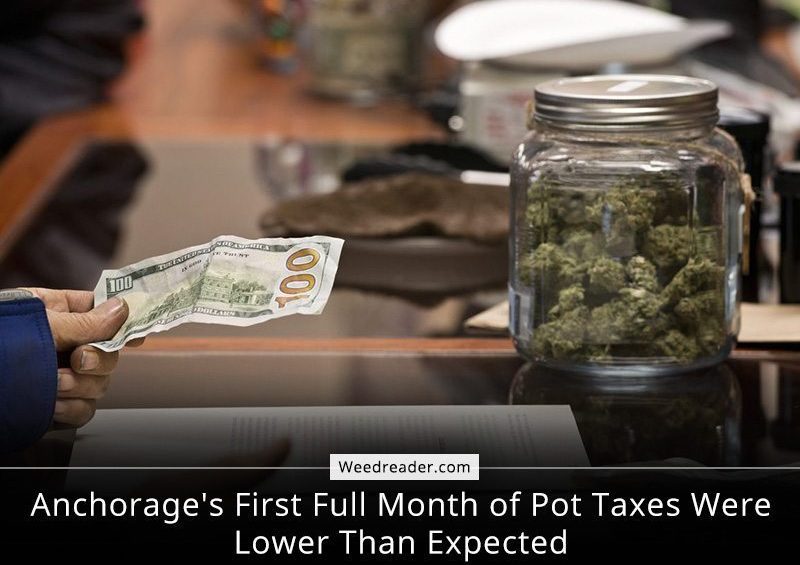
Anchorage's First Full Month of Pot Taxes Were Lower Than Expected

January was Anchorage’s first full month collecting marijuana tax revenue, but the state’s pockets won’t be lined as much as had been hoped due to shortages in marijuana being grown and sold in Alaska’s major city. The premier Anchorage marijuana shop opened Dec. 15., and two more quickly followed. In December, $19,880 in sales tax came from those businesses alone, said Blyss Cruz, a manager in Anchorage’s Treasury Division. Blyss confirms there are now six stores in total but that did not mean that revenue climbed accordingly.
The first month of 2017 saw only a few growers producing legal weed to meet the demands of the dispensaries they were meant to stock. The shortage caused a few hiccups, and the four Anchorage marijuana shops generated $22,000 in sales tax revenue in January, a city official said. Shops across the state nervously faced supply shortages, and either closed temporarily or shortened their hours. Anchorage then imported cannabis from other areas around the state to meet the demand. January revenue dropped to just over $100,000.
A marijuana sales tax of 5 percent was approved by Anchorage voters in April 2016. The city tax is separate from the state excise tax of $50 per ounce of marijuana bud and $15 per ounce for other parts of the plant. The state excise tax is that which is paid by the grower pays to the state treasury. California is looking to enact a similar tax by the time they open adult-use shops in 2018, and the dropping wholesale marijuana prices in Colorado means they may jump on board too. Both state and local taxes in Anchorage, Alaska are paid at the end of the following month, so January taxes were due at the end of February.

sbruk

"Stonerhenge" Bunker Raid is the Sign of a UK Human Trafficking Problem

Police in Wiltshire Council, in the UK, uncovered a massive weed farm worth £1 million ($1.26 million) inside a nuclear bunker built in 1985 to protect government officials and local dignitaries in the event of a nuclear attack.
The fact that Mashable and other millennial-focused sites picked up the story might make you think that this is a semi-humorous and quirky story, especially the part where it is named ‘Stonerhenge, ’ but there’s a dark underbelly to the facts the beg for investigation and reform.
The Ministry of Defence and shut down in 1992 and how it came to be converted into a cannabis cave is wholly unknown as of yet but the structure, police report, is so impenetrable it’s not too surprising that it went undiscovered for so long. Officers apparently had to wait for three people to leave just so that they could gain access to the bunker and make the necessary arrests.
Says Wiltshire detective inspector, Paul Franklin, “There are approximately 20 rooms in the building, split over two floors, each 200 feet long and 70 feet wide. Almost every single room had been converted for the wholesale production of cannabis plants, and there was a large amount of evidence of previous crops. This was an enormous setup.”
Of those arrested, and here’s where it gets grim, were three three undocumented immigrants, aged 15, 19 and 37, all of “who were held there against their will, not allowed to leave and forced to work as gardeners” in the marijuana factory,” according to Franklin. The three are believed to be victims of human trafficking. “They were forced to sleep inside the bunker, which is all built in concrete, so it’s like living underground.”
That leaves the three remaining men—the ones who were arrested leaving the bunker—with charges of illegal cannabis production and human trafficking. Those men are aged 27, 30 and 45, and according to Franklin are not the only ones using illegal immigrants to cultivate marijuana farms in the United Kingdom. The phenomenon is quite common, says the detective inspector and further investigations are underway.