prop64

Prop 64 Starts Rolling Recreationally

Prop 64 is getting recreational weed rolling.

Also known as the Adult Use of Marijuana Act (AUMA), Prop 64 passed with a wide, 57-43% margin in November 2016. There were nearly 8 million people who voted to legalize marijuana but there were still close to six million voters who liked the status quo. A big part of the broad support for legal weed may be from the deep history California has with the plant.
Cities like Mendocino, Orange County, Weed, and San Francisco all have a vibrant horticultural culture. They were also some of the heaviest hit by the AIDS epidemic. Reducing suffering for terminally ill patients was enough motivation for California to allow medical marijuana. This is part of the reason so many popular strains come from the sunshine state.
Granddaddy Purps, SFV OG and countless others have become internationally recognized, California based genetics. An entire region of northern California is known as the Emerald Triangle because of how prevalent weed is. But up until now, only medical cannabis has been legal in California. The new bill marks a new chapter in California’s cannabis legalization legacy.

Prop 64 Updates the California laws in a few ways.;oaded bong
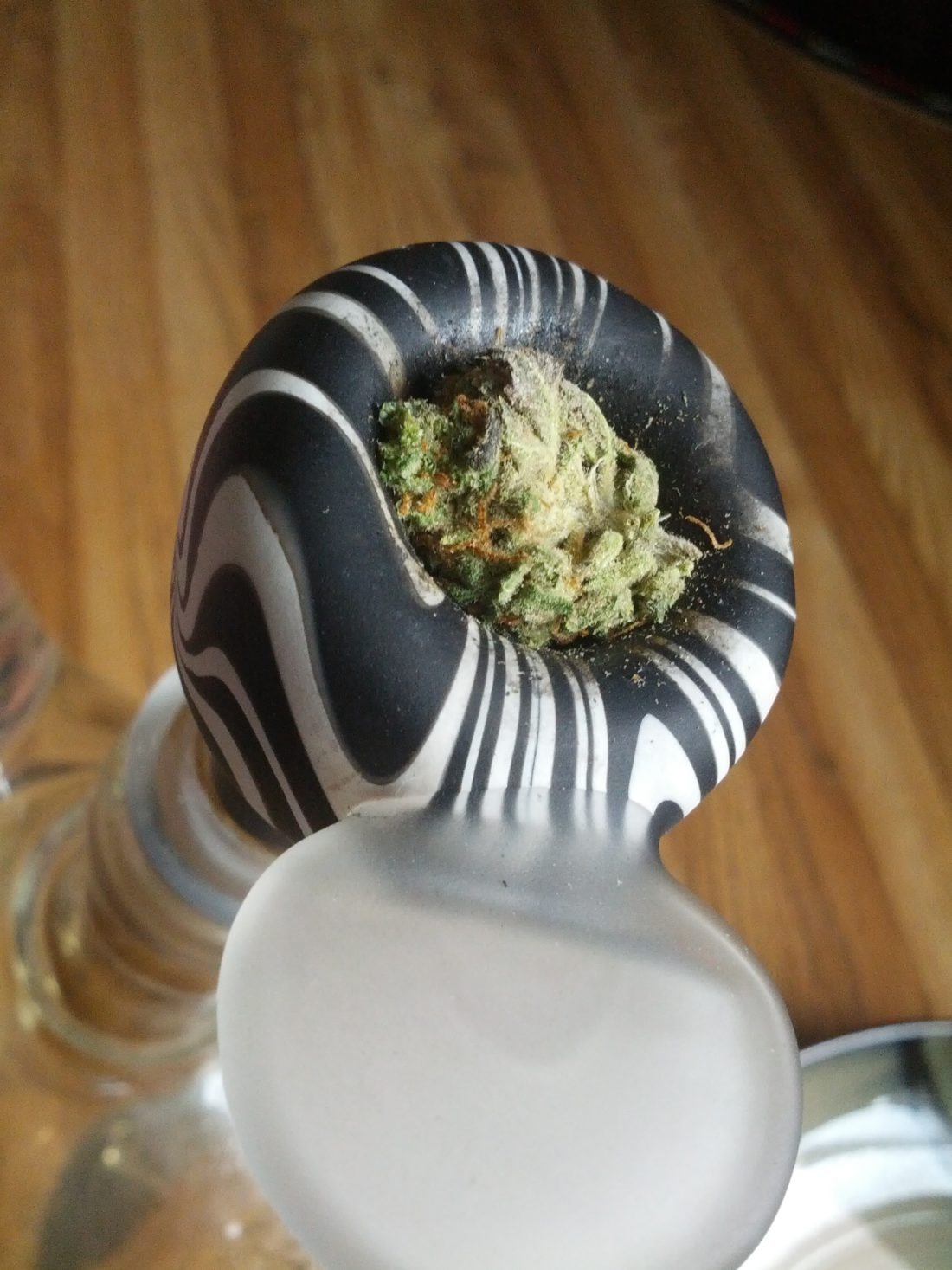
The new law makes possession of up to one ounce of sticky icky or eight grams of concentrates legal. Every adult (21 and over) is also allowed to grow up to six plants each. And prior offenders can file to have their records changed to reflect the new standard. But they don’t stop there.
California has a prison population issue from the harsh mandatory minimums that the War on Drugs brought about. Prop 64 reduces penalties for most cannabis related crimes (like cultivation, transport and sale) from felonies to misdemeanors. But repeat or violent offenders can expect to get some of that prison guard love that made Alcatraz such an attractive destination.
Part of how they distinguish the happy hippie from the dangerous drug dealer is if they have a license. The plan is to have a full regulatory system in place for commercial/personal cultivation and sales by January 2018. Like other states, they will pay for the regulations (and then some) through taxes and fees.

What kind of taxes are we talking about?

Glad you asked! Prop 64 establishes a flat production tax of $9.25/ oz. of flower to start. That means that small operations will earn orders of magnitude less profit than their industrial counterparts. This helps attract investment but also puts huge financial pressure on small and even medium sized operations.
Another tax concession was a new tax on both medical and recreational sales. The state decided to implement a new 15% excise tax for retail sales. This new tax is scheduled to take effect in January of 2018 for both medical and recreational users. To make up for the new tax, California gave resident medical patients with ID an exemption. They don’t have to pay the current 7.25% sales tax. They made the exemption effective immediately which shows how much they care about their medical patients.
Industrial hemp also got some love with the bill. Effective Jan 2017, farmers have been allowed by the state to grow hemp in their fields. Hemp genetics are mostly comprised of several extremely low THC strains of cannabis. This means it can often be high in the non-psychoactive compound CBD. The decision of the DEA to make CBD a schedule 1 drug (and thereby prevent most hemp production) made this inclusion especially important.

Legalization means regulation, not anarchy.Say What

A lot of people confuse the word legalized with the word unregulated. Legalization means that every penny needs to be accounted for and every dot needs to be crossed because someone is watching. You can’t just roll up to a dispensary with a bag full of chronic and expect to walk away with a check. You can expect to get a night stick massage and a new pair of linked bracelets.
Illegal sale, transport, manufacture, cultivation or possession with intent to sell are all big no-no’s. You also can’s smoke or consume in any “public place”, on school grounds or have an open container while driving. Even having a spliff tucked into your beanie while mountain biking down a trail is can get you a DUI or misdemeanor.
If minors are caught in possession, they no longer have to fear imprisonment though. They will get to spend plenty of time in drug education and community service as long as weed is all they get hit for. But if anyone happens to be a three-time offender, they get special treatment that may be more in line with the federal guidelines.

Oh, and none of this applies of federal property.prop 64 no-no zone

The entire state of California (and the entire West Coast from Canada to Mexico to be honest) has started legalizing recreational cannabis. But federal law still Trumps state law most of the time. Anywhere that is considered federal property  is exempt from the new laws. This includes places like the post office, courthouses, parks and military posts. Get caught with weed there and it’s in federal prosecutors hands.
While individual states have taken measures to reduce penalties for cannabis consumption, they still maintain that is a federally illegal Schedule One substance. In any special cases that prosecutors feel justified in, they can choose to pursue federal charges and penalties. And with the new edict from Attorney General Jeff Sessions, federal prosecutors were ordered to seek the most severe punishments possible.
Federal charges are normally only brought forward in large cases where commercial distribution is suspected. This is normally in the hundreds of plants so small growers feel a modicum of safety. But recent political upheavals have shown that America is dominated by increasingly authoritarian and obnoxiously ignorant ideologies. This bill is a step in the right direction and gives Californian’s the opportunity to treat each other with compassion. But as great as this step is, don’t expect it to stop the federal ban hammer on its own. With all the documentation required to get a license, there will be no escape if Attorney General Sessions has his way.
cannmem

Spliffs Lessen Cannabis Memory Loss

Tobacco rolled with marijuana helps lessen memory loss.

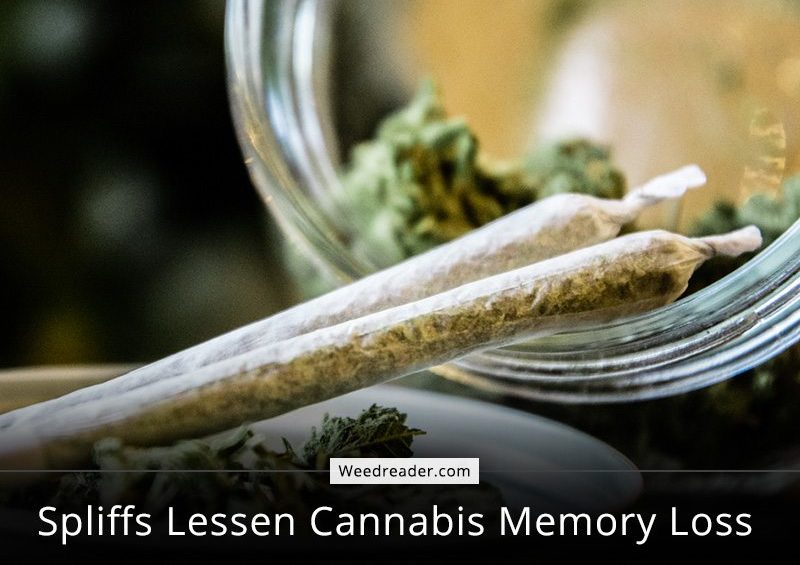
Spliffs are a mixture of pot and tobacco that are rolled up in a fashion that is similar to a joint. Some spliffs have more tobacco than weed, and other spliffs have more weed than tobacco. It usually depends on what the user would prefer.
A common rumor is that spliffs increase the high of weed, but researchers found that is simply not true. Researchers discovered that spliffs are not healthy to inhale because tobacco is loaded with carcinogens that are dangerous to people’s health. However, the upside to the discovery is that nicotine helps lessen the effects of memory loss that is generally associated with smoking cannabis.
According to the new study published in Psychological Medicine, spliffs lessen the memory killing effects of cannabis. “There’s a persistent myth that adding tobacco to cannabis will make you more stoned. But we found that actually it does nothing to improve the subject experience.” said Chandni Hindocha.
Chandi is a clinical psychologist and the study’s lead author. Chandi’s research team discovered that spliff smokers undergo a placebo effect which makes them think they are getting higher, when they really are not.

How Chandi’s study was conducted.

Chandi’s researchers looked at 24 adults who have smoked tobacco and marijuana. The requirements for the study was that the 24 adults were not addicted to cannabis or tobacco. But they did need to know how to smoke both substances. During the study, the 24 subjects smoked either cannabis and tobacco, cannabis and placebo, tobacco and a placebo, and all placebos.
Chandi’s team measured the subject’s vitals such as heart rate and blood pressure. And researchers asked the subjects several questions about their psychoactive experiences. Chandi’s researchers also required the subjects to recite literary passages. The subjects read passages at different times during testing and then were asked to recite them, this was done to test their memory.

What researchers discovered.

Chandi’s researchers discovered that when subjects only smoked pot, they had the most memory loss. However, spliff smokers showed better concentration abilities than when they smoked only marijuana. As a result, Chandi’s team are saying that the nicotine in a spliff helped stabilize memory capabilities.

Spliffs are not healthy.

During the study, Chandi’s team saw that the cannabis-tobacco mix resulted in higher heart rates for all the participants. The study revealed that spliffs are worse for cardiac health than regular joints due to the toxic gases found when burning tobacco. Tobacco is dangerous because the nicotine found within causes addiction, and tar and toxic gases cause cancer along with other health problems.
The carcinogens in tobacco cause chronic lung disease such as emphysema and bronchitis. As well as heart disease, pregnancy-related issues and other serious problems. Therefore, smoking a spliff may be better for your memory than using straight marijuana. But tobacco is responsible for over 480,00 deaths per year in the U.S. The cause of death related to weed is still zero.

calu

California Passes Sanctuary Bill 1578

What happens now that California passed Bill 1578?

California has taken a major step in ending the War on Drugs. By passing Assembly Bill 1578, California has drawn a line in the sand. While the Justice Department attempts to put a whole new generation of Americans behind bars, California is doing the opposite.
The new legislation basically prevents local and state agencies from assisting federal agencies in prosecuting people that are following state marijuana laws. This despite demands by the Justice Department to renew draconian enforcement of racially biased laws. It’s kinda like California is giving Attorney General Jeff Sessions a big middle finger.
There will almost certainly be a challenge in the courts. ICE and other federal enforcement agencies rely on the ability to offload their work to or acquire intelligence from local agencies. Without those resources, Attorney General Jeff Sessions will have to work harder to destroy hard-working Americans lives.

Who is affected by the change?

Bill 1578 pretty much only people in California are affected right now. But that isn’t guaranteed for long. Depending on how the new law gets handled in the courts, more states may pass similar legislation. Just don’t expect police to go along quietly.
It is possible to challenge the law and get it removed but the likelyhood seems slim. Partly because of the overwhelming support for the measure and partly because of who it protects. City and State workers are already stretched thin and having to do the dirty work for a racially insensitive and politically toxic Justice Department is not something they are excited for.
The new law prohibits law enforcement from “using agency money, facilities, property, equipment, or personnel to assist a federal agency to investigate, detain, detect, report, or arrest a person [and/or transfer them to federal authorities] for commercial or noncommercial marijuana or medical cannabis activity that is authorized by a law in the State of California.”

What does it mean for citizens?Bill 1578 protects businesses

This is one more way to keep people from going to prison. Without the assistance of local authorities, federal prosecutors have to collect their own evidence. It also prevents local and state agencies from having to spend resources on investigating law abiding citizens.
Up till now, business owners, medical patients and commercial growers have all had to watch their back. Federal prosecutors could swoop in and hammer people following the state rules. Even terminally ill patients could be hit with penalties so steep, they might as well have thrown away the key.
Officials warn that police may not be able to uncover wrongdoing as easily once Bill 1578 come online in January. Senate President Pro Tem Kevin de León responded to the warnings by saying “Our precious local law enforcement resources will be squandered if police are pulled from their duties to arrest otherwise law-abiding maids, busboys, labors, mothers, and fathers,”
He went on to emphasize the cost of not passing this bill. “Trust will be lost. Crimes will go unreported for fear of deportation. Criminals will remain free to victimize others.” Truer words have rarely been spoken.

weedcal

Insurance Companies to Cover Weed in California

Insurance can be hard to get.

Most Americans know how hard it is to deal with insurance companies. The coverage is confusing and Americans pay more than most other countries for health insurance.But what a growing number of business owners are discovering is that insurance companies can refuse to cover a marijuana business.
Because insurance is tied to federal regulations and oversight, insurance companies are playing a game of hot potato. Nobody wants to be holding the policy when the federal government comes knocking. Most simply refuse to touch the cannabis industry on principal.
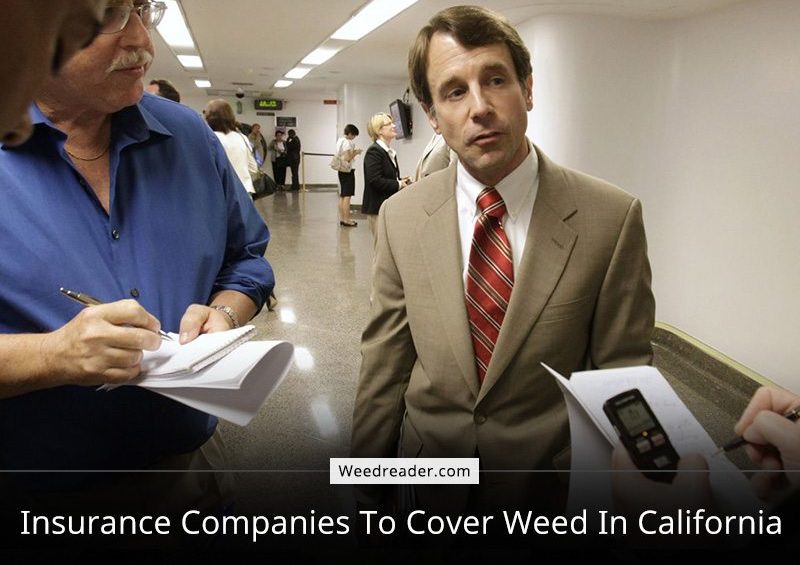
“Many insurance companies flat out do not have an appetite for any business related to cannabis,” said Brian Marblestone with the San Carlos brokerage firm Stratton Agency. But one person wants to change the insurance companies tune. California Insurance Commissioner Dave Jones recognizes the problem and has solutions.

What is Commissioner Jones’ plan?insurance companies tremble

Both consumers and business owners are at risk if there isn’t sufficient coverage. So Jones is holding a series of meetings aimed at educating major carriers. The end goal is to convince them to start insuring the multi billion-dollar cannabis industry.
Jones recognizes that there is a lot of ground to cover but hopes that the shift will happen soon. Regulators want all canna-businesses to carry at least $1 million of liability. They are even planning to deny licenses if the business doesn’t have insurance starting in January.
This is important because only some industries are required by the state to be insured. Banks and landlords can also demand insurance coverage where the state doesn’t. Jones is looking to normalize the requirements across the state so everyone can benefit.

Why demand Insurance Companies change?

Jones has been monitoring availability of insurance to the medical marijuana industry since 2011. During the last six years, he has noticed that cannabis businesses have been getting coverage almost exclusively from the surplus line market.
This includes carriers that are approved but not licensed by the state.  These carriers provide coverage for companies that have been turned down by major insurers. But surplus line policies tend to be more expensive and have stricter requirements than licensed carriers.
“I’m a big believer in competition,” Jones said. “Through competition we get better pricing, better quality and more choice in products.” Part of his plan to entice competition is to offer state support to major carriers entering the market.

Not everyone is on board yet.

(AP Photo/Rich Pedroncelli)
“Insurance companies are conservative in nature,” said Ian Stewart, an attorney with the firm Wilson Elser in Los Angeles who specializes in cannabis law. “Before entering any new market, they want to have the law of large numbers on their side, meaning they are able to study the trends and loss ratios of the different classes of business in the industry. This way they establish pricing models to rate the business according to the risk while still remaining profitable.
That kind of information simply isn’t available yet so people have had to get creative. Many times, cannabis business owners secure insurance coverage from a willing carrier. The business owner then presents proof of that coverage to their landlord, who hand it off to their own insurance company. Hopefully the efforts by Jones and others will result in better insurance for cannabis businesses.

mari brain

Marijuana and the Developing Brain

People are worried that THC might harm children.

Twenty three states have legalized recreational cannabis. States like Colorado and Washington led the charge in legalizing recreational sales and many states are following suit with California being the most notable new addition. As the sixth largest economy in the world, the economic might of California can move mountains.
In states where recreational sales have been legalized, the demand has been astronomical. Adults from across the globe are traveling or moving to these states because of legalization. These are hard working, intelligent and motivated people mostly. Many work full time, pay their taxes and take their kids to school. And they worry about how it could affect a child’s developing brain.

Children need to be protected from weed.On the Job

Regulated markets reduce unauthorized access and danger to the general population. That’s why we use them for our most important industries like health care, nuclear energy and banking. Every legalizing state has implemented strict laws to create regulated markets that prevent sales of cannabis to minors. It may not be enough to satisfy the wailing of concerned and/or uninformed parents but those measures make a difference to many lives.
In addition to preventing sales to minors, states have unanimously added a tax to every recreational transaction that goes directly to school funding and drug treatment programs. There are also strict regulations aimed at child-proofing packaging. Not to mention rules that prevent anything that “targets children” like; bright colors, cartoon mascots, fun names and even some packaging advertising fruit flavoring.

But are children really at risk from cannabis?

We all know that cannabis use doesn’t directly kill but that doesn’t mean it’s safe for everyone. Critics of cannabis claim that we don’t have enough research about the effects of cannabis to make an informed decision. This inevitably leads to claims that legalization needs to be held back until we can “get more research”.
But the truth is that people have been researching cannabis for decades. Not just dudes growing in their basements either. We are talking top tier social scientists funded by corporations like Monsanto, Pfizer and Phillip Morris to name a few. Companies and governments have conducted study after study to try and prove or disprove that cannabis is dangerous, especially to children.

Science says cannabis messes with your head.developing brain

Nobody can deny that smoking cannabis affects cognition. That is one of the main reasons people begin using in the first place. And we all know that smoking more creates a more potent effect. So it stands to reason (and is backed up by research) that those who smoke large amounts of weed for long periods would see a real change in how their developing brain works.
But new advances in neuro-imaging have allowed doctors to see the physical changes that smoking weed causes in the developing brain over time.  And those images reveal that some of the reasons cannabis is able to treat autism are the same reasons normal children should not use it.

Smoking weed affects the cerebral cortex the most.

This is the part of the brain needed for higher functions like risk assessment and abstract reasoning and it isn’t done developing until the early twenties. Cannabis basically reduces the rate that neurons can respond and form connections to other neurons in this part of the brain.
The risk of stagnation is even higher in a developing brain that began using THC under 16 years old. During our childhood, our brains develop most of the neural connections we will ever have. Once we reach our early teens, our neurons prune off the unused connections and reinforce the most used pathways. Once we reach adulthood, our brains grow much slower so the effects are less pronounced.

It’s not like growing up can wait either.Happy Couple o' Stoners

Our bodies are designed to develop over a limited time. Once we hit the right age (about 21 for women and 27 for men), our bodies are done developing new parts and finish cleaning up our neural pathways. Our brains have developed all the tiny folds (known as gyration) that mark a healthy brain.
Once we cross the threshold of adulthood, there is no making up for lost time. But that isn’t to say you can’t counteract some of the negative effects. There are a variety of actions and measures that a developing brain can take to minimize the negative effects of cannabis.

The Developing Brain is all about getting more folds.

Our developing brains are unique in several ways. In addition to having the largest prefrontal cortex (compared to the rest of the brain)in the natural world, we also have one of, if not the crinkliest. The crinkles  are actually folds that increase surface area and are directly related to IQ.
High levels of THC consumption has been shown through fMRI to decrease the amount of white and grey matter that the brain develops and increases cortical thickness. This can be helpful if you suffer from schizophrenia or Autism which are caused by hyper gyration.

The evidence is less than concrete though.MS treatment

While the evidence is mounting that THC reduces cognitive abilities in normal people, that doesn’t mean it’s harmful. Everyone has some unique stress, trauma or gift that makes their brain unique. In all of the studies conducted so far, any changes that have been documented and attributed to THC have been tenuous.
One study claimed THC use reduces IQ by up to 8 points. But other researchers were unable to replicate the findings. Other studies have made less exaggerated claims. One fMRI study did show a change in the developing brains of adolescents. But the researchers were unable to rule out other causes like alcohol or social pressures.

Meditation may be enough to counteract the negatives of THC.

Our bodies are complex and our brains work like a muscle. Similar fMRI studies have shown that active meditation over years can increase brain gyration. This suggests that the negatives associated with cannabis consumption are less about the actual chemicals and more about how we are using our developing brain.
And I want to reiterate that no study has been able to produce verifiable, repeatable evidence that consuming cannabis Causes irreparable harm. Even the studies that found evidence of negative outcomes showed that the overall change was small. Even looking as hard as possible, there is nothing to show cannabis as dangerous and there is no reason to wait for more evidence to make a decision.

ecs

ECS: Hacking the Endocannabinoid System

Cannabis users often wonder how cannabinoids work.

Therapeutic chemical compounds known as cannabinoids interact with a system in our body called the endocannabinoid system (ECS). These compounds provide medicinal relief for conditions involving pain, inflammation, and nausea to name just a few. Cannabinoids and terpenes are the chemicals in marijuana responsible for providing relief to patients. They work by fitting into special receptors in certain cells in the body. There are more than 480 natural components found within the cannabis plant and each works with the body to achieve homeostasis.
Cannabinoids were the first compounds in cannabis to be studied. Scientists learned that there are receptors throughout our bodies that help modulate many bodily functions. A few of the systems that are tied to and affected by cannabinoids include appetite, sleep, anxiety level, and cognition.
In fact, some cannabinoids target specific receptors located on the surface of cells in different areas of the body making studying them very important. Their pharmacological delivery possibilities open up whole new worlds of highly targeted treatments that don’t cause damage to nearby cells.

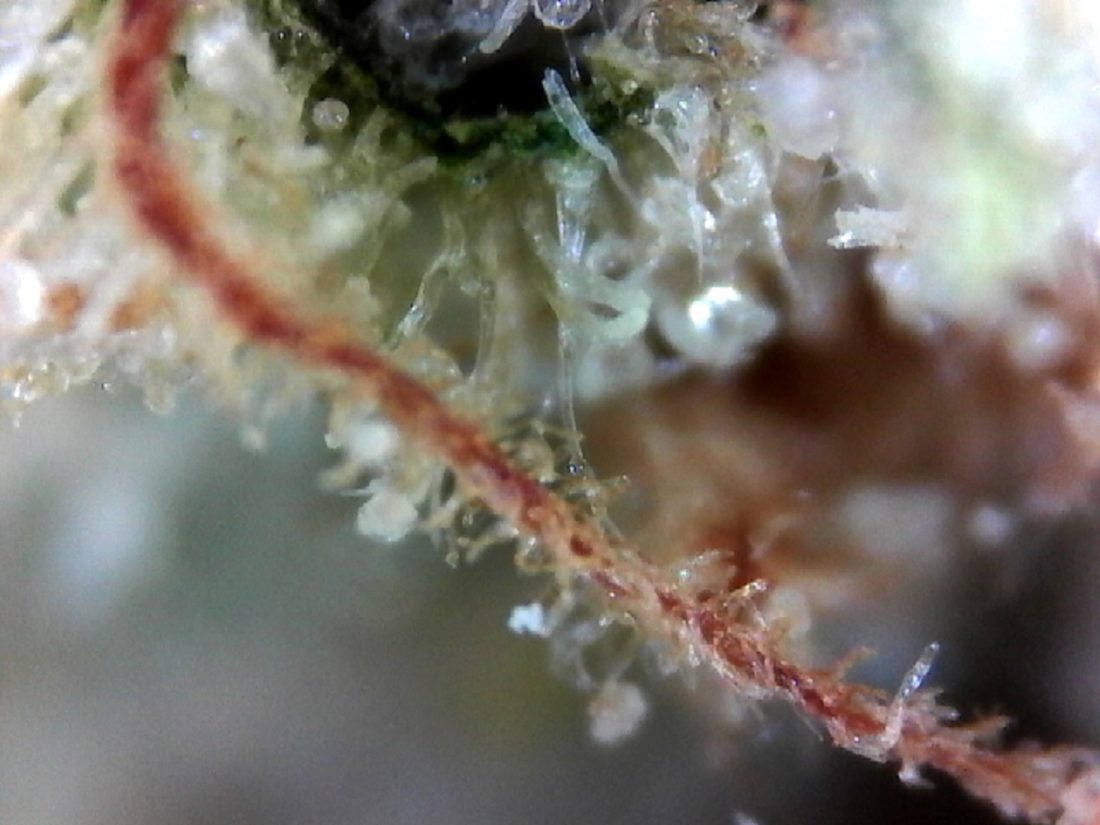
So what is the endocannabinoid system?Trichome Closeup

The endogenous cannabinoid system(ECS) was named after the plant that led to its discovery. The ECS is one of the most important physiologic system involved in human health. This is because endocannabinoids and their receptors permeate the body.  The brain, organs, connective tissues, glands, and immune cells of every human are laced with cannabinoid receptors. In each tissue uses the cannabinoid system a little differently. The main purpose of the ECS is to achieve homeostasis in the body.
Endocannabinoids and cannabinoids are found in the intersections of the body’s various systems. These intersections are vital to communication and coordination between different cell types. At the site of an injury, for example, cannabinoids decrease the release of activators and sensitizers. This stabilizes the nerve cell and prevents excessive firing.
The ECS has the added effect of calming nearby immune cells which prevents the release of pro-inflammatory substances. There are different mechanisms in different cells that work with cannabinoids to minimize the pain and damage caused by injury.
The endocannabinoid system is literally what bridges the mind and body as it regulates our immune system, nervous system, and all of the body’s organs. By understanding the depth and complexity of our genetic systems interactions with cannabinoids, we reveal how interconnected we are with the world around us.
In addition to regulating internal and cellular homeostasis, cannabinoids influence how a person perceives the external environment. Cannabinoids directly influence a person’s open-mindedness by mediating neurogenesis, neuronal plasticity, and learning. This is one reason cannabis is so exciting for Alzheimer’s researchers.

The CB1 receptor wasn’t discovered until 1990.Purple Trichomes

The CB2 remained hidden until 1993 when it was discovered by a research group at Cambridge University. The cannabinoid THC has a high binding affinity with CB1 receptors located in the brain, central nervous system, connective tissues, gonads, glands, and related organs. This is one reason that consumption of cannabis strains and plants containing a high amount of THC result in a relatively potent effect.
Heavy CB1 stimulation tends to give patients significant relief from pain, nausea, or depression. The same compounds deliver a strong euphoric feeling to lifestyle users. Those undergoing chemotherapy and patients suffering conditions involving inflammation, like arthritis and lupus also find significant relief from symptoms while administering cannabis.
CB2 receptors on the other hand are located throughout the immune system and related organs. The highest concentrations can be found in the tissues of the spleen, tonsils, and thymus gland. They are also common in the brain, although they are found on different types of cells and do not appear as densely as CB1 sites.CB2 sites are also found throughout the gastrointestinal system.

The ECS helps modulate intestinal inflammatory responses. ecs

CB1 and CB2 stimulation helps many sufferers of Crohn’s disease and IBS gain relief. Cannabis has been shown to treat Crohn’s so effectively that many of the cases using it to treat the disease sent it into full remission. The efficacy of the treatment seems to be tied to the patients ECS expression.
The binding affinity, locations, density, and number of cannabinoid receptors are collectively labeled their expression. Researchers believe different patients, especially those with particular diseases, may have different expressions of CB1 and CB2 receptors than patients not afflicted by these conditions.
Think of the expression of cannabinoid receptors in a person like a fingerprint. It is a unique cell configuration that results in a range of responses to different cannabis medicines. This unique distribution of receptors through the body is one reason some patients prefer a sativa like Durban Poison or Kali Mist, while others gravitate toward an indica such as Kosher Kush or 9 Pound Hammer while others only want hybrids like Blue Dream or Sour Diesel.

Patients may have more than an average number of receptors.Shatter

People very sensitive to a cannabinoid like THC may have an over abundance of one of the two receptors. While it is easier for these users to experience negative side effects, heavy usage tends to decrease sensitivity to ECS stimulation. Heavy users tend to notice a decrease in sensitivity as their bodies adjust to artificially high cannabinoid levels.
Likewise, patients who under express a receptor may be less sensitive to the therapeutic effects of a cannabinoids. These users often don’t feel the effects of consuming like most people. CBD and other cannabinoids often need to be consumed it in greater quantities by individuals who express low ECS levels in order to receive the same effects.
More and more is being discovered about the ECS every day but evidence suggests that CB1 receptor activation may promote inflammation/cell death. This is big news for drug manufacturers looking for a way to deliver pharmaceuticals to specific cells without collateral damage (like chemo currently). Similarly, CB2 receptors play a key role in anti-inflammatory responses in the body, making them important in the treatment of many neurological disorders like Crohn’s and Parkinson’s.

How does your ECS stack up?

Do you over express? Under express? Neither? Do you know someone who is treating their pain with cannabis? Let us know in the comments below what you think about the endocannabinoid system (ECS) and how it affects health. Thanks for reading.
 

govt mari

Government Targeting Marijuana Next

How could you tell if the government was targeting marijuana users?

Weed smokers often complain the government is targeting marijuana users. Complaints of government tracking is almost as common.But could there be any truth to the claim that the government will begin targeting marijuana users soon? Would their actions even be legal?
There was a time when the claim “someone might be listening.” was evidence of a damaged mind. But modern technology has cameras, phones, drones,  GPS, Google, toaster armies massing for DDoS attacks and a whole world of connectivity. That connectivity has made that ancient feeling of being watched all too justified. But surely, the government isn’t targeting cannabis users is it?
International news stories (real and fake) abound of secret investigations, abused innocents and government executions. Many of these stories cannot be verified without extensive investigation. The Federal Bureau of Investigation (FBI) was tasked with finding truth behind allegations that now president Trump colluded with the Russian Government. When it seemed like the truth was close at hand, Trump sent his body guard to inform Director James Comey that he was fired and needed to find his own way home.
With revelations about how the F.B.I. (Federal Bureau of Investigation) conducts extended surveillance and the unbelievable size of N.S.A. (National Security Agency) Data centers, how can you not feel eyes upon you? But is the government putting together lists and planning to take out cannabis once and for all? When FBI Director Comey looked too deeply  into presidential corruption, he was fired before he knew it. The prospect of government surveillance of stoners is troubling but government is already tracking how much weed we each buy and from where. The only real question is what they plan to do with it.

Evidence is mounting that the Trump regime is targeting marijuana.targeting marijuana

The Trump administration is shaping up to have a willfully inaccurate view of everything from climate change to cannabis. The use of “alternative facts” (which is code for lies) and the inability to maintain a single thought across two sentences have been defining elements of recent American politics.
The Attorney General (Jeff Sessions) has made claims that support the idea he would begin targeting cannabis if ever allowed. Sessions recently told law-enforcement officials, “I reject the idea that we’re going to be better placed if we have more marijuana,” and “It’s not a healthy substance, particularly for young people.”
Sessions isn’t the only one to voice concerning rhetoric about targeting marijuana  that ignores logic. After signing a recent government funding bill, Trump issued a statement where he singled out the provisions that prevent him from blocking states implementing medical marijuana bills. Trump promised to “ treat this provision consistently with my constitutional responsibility to take care that the laws be faithfully executed,”.

It always hurts more when you see it coming.too hot to touch

Trumps public question piñata and press secretary John Spicer has also voiced concerning views about targeting marijuana.  He told reporters recently “I think that when you see something like the opioid addiction crisis blossoming in so many states around this country, the last thing we should be doing is encouraging people,” He couldn’t leave it there though. Sessions continued,” There is still a federal law that we need to abide by.”
So far, there have been no open moves by the federal government to interfere with states passing marijuana laws. Although they have set records for using the biggest bombs ever made and continue to expand drone pilot programs. Only time will tell if the Trump regime hates cannabis enough to risk public opinion backlash. Trump seems fine with the idea of targeting marijuana users deemed recreational. In states like Washington, medical marijuana has been replaced with recreational laws. The Trump regime has warned us that the military grade gloves are ready to come off.

hightimes

High Times Magazine Sold for $70 Million

Damion Marley and other investors just bought High Time Magazine.

America’s pioneering marijuana publication was sold to a Los Angeles investment group called Oreva Capital. Damion Marley, the youngest of Bob Marley’s sons, is a part of the group that purchased High Times. While there are still other owners, Damion’s investment group now own the controlling share.
Changes are incoming for the well-established publication as control shifts hands. The Oreva group plans to convert High Times Magazine into a new modern media organization. No longer will it represent a fringe of the population.

What Oreva Capital can purchase for $70 million.

The investment group purchased controlling interest in High Times Magazine. And that includes the print magazine, the website, the High Times brand name and the Cannabis Cup festivals. These assets make up the framework that is High Times.
With a plethora of content and brand awareness in addition to the physical assets, High Times is worth quite a bit. The estimated value of High Times Magazine is a cool $70 million. The new owners risk alienating their core base if they stray too far from their current content.

What sparked the purchase of High Times.

18 months after High Times chairman (Michael Kennedy) passed away, his portion of the company came up for sale. Kennedy was not just the High Times chairman though. He was a long time legal advisor, their guiding force and friend.

A brief history of High Times.

Tom Forcade founded High Times in 1974. In the 70’s, Forcade was an underground journalist and drug smuggler. During that time, magazines like the Rolling Stone, Playboy and National Lampoon published risky literature that defined American culture.
After Forcade’s death in 1978, the magazines’ parent company, Trans High Corporation (THC) broke the company into several held shares. Once that happened, Michael Kennedy, his wife Eleanora, and several members of Forcade’s family operated the company. That is when Kennedy became acting chairman of High Times magazine.

High Times overcome several hurdles.

High Times survived the big War on Drugs during the 80’s. And in the 2000’s, High Times competed against the internet, video games and cable T.V. However, these hurdles never stopped High Times and its crew from staying on top of their game.
The High Times crew discovered new revenue opportunities over the years. One of the most lucrative was creating Cannabis Cup festivals hosted all around the U.S. and the Netherlands. By 2015, the Cannabis Cup festivals brought in 80 percent of the company’s revenue.

High Times new lifestyle branding.

Damien Marley and associates have some pretty big shoes to fill. The new push for High Times is going to be in merchandising, furniture and cannabis consumption lounges. There is also rumor about a possible High Times hotel and casino.
High Times is hoping to open a casino in Vegas, but Nevada’s gaming industry is concerned about all things cannabis. The Las Vegas gaming committee is worried about getting into trouble with federal agencies. And the alcohol distributors are worried about getting cut out of the profits. But the promise of a cannabis friendly casino is one step closer to reality.

ssrelaxweed

Secret Service Relaxes Marijuana Ban

The Secret Service needs help.

Law requires the Secret Service to provide round-the-clock protection for the properties owned by the president. That includes places where nobody is living. President Trump might have taken that as a personal challenge as his protection costs have soared. Trump has spent hundreds of millions of tax dollars in just the first few months on travel to and from his private resort and security.
Trump has actually doubled the cost of protecting the president three times over. It is so expensive, congress had to add $120 million to the budget already. The extravagant travel and security details the president demands are making it impossible to provide with current rules.
The Secret Service needs to add thousands of jobs in order to properly guard the many cheap hotels and overpriced properties the president uses to increase his personal fortune. There simply are not enough Secret Service members to protect all the properties of the current president.

Concessions have to be made somewhere.Secret Service Director

The president cannot miss a chance to spend millions of dollars whenever he can. So the only reasonable option left is to add 3000 Secret Service members. The problem is that too many people flunk out of the program due to cannabis consumption.
We aren’t talking closet stoners that have been selling weed out of their footlocker. We are talking the people who want to protect our country and are actually qualified to do so. These are the guys who pass training, have solid credit, good eyesight and may have used cannabis when teenagers.
38 days into his new appointment as director of the Secret Service, Randolph Alles announced the decision to no longer disqualify candidates because of weed. He also acknowledged that the “very dedicated” agents were facing insurmountable demands and without the changes, there wouldn’t be enough candidates to provide the mandated protection.

Alles is looking to fix the staffing issue.

Alles outlined a new, “whole-person concept” in the new hiring practices that went into effect last month. Instead of simply yes or no questions about past use during a polygraph test, the Service now asks about history. Consideration is given for time between last use and testing but enough history is still considered a failure during the polygraph test.
“We need more people. The mission has changed,” Alles said before citing threats like al Qaeda and ISIS, as well has homegrown terrorists. “It’s more dynamic and way more dangerous than it has been in years past,” Alles said during his address. While his personal interactions with president Trump are singular, Alles is in charge of deciding who gets to protect the president.
The most interesting part of the equation is that the Secret Service is relaxing its ban on marijuana because it can’t hire enough people to protect the president. So Trumps refusal to give up control of his businesses has created a national security threat that will take almost $120 million to patch. This despite the danger level to president Trump being effectively the same as president Obama at 6-8 threats per day.

The challenge is more than just protecting properties.Secret Service

“I think between that and the fact that he has a larger family, that’s just more stress on the organization. We recognize that,” Alles said when addressing logistics of the constant presidential trips to Florida and New Jersey. Alles assured reporters that he’s been allocating resources accordingly.
Despite having spent more on travel than any living president, Trump still hasn’t made it to Camp David. As the traditional escape of presidents, the Maryland military installation  remains fully staffed and protected at all times. “Obviously, we won’t be able to dictate his travel,” Alles said. “We interface with his staff on how they schedule things and what works better and causes us less resource demands.”