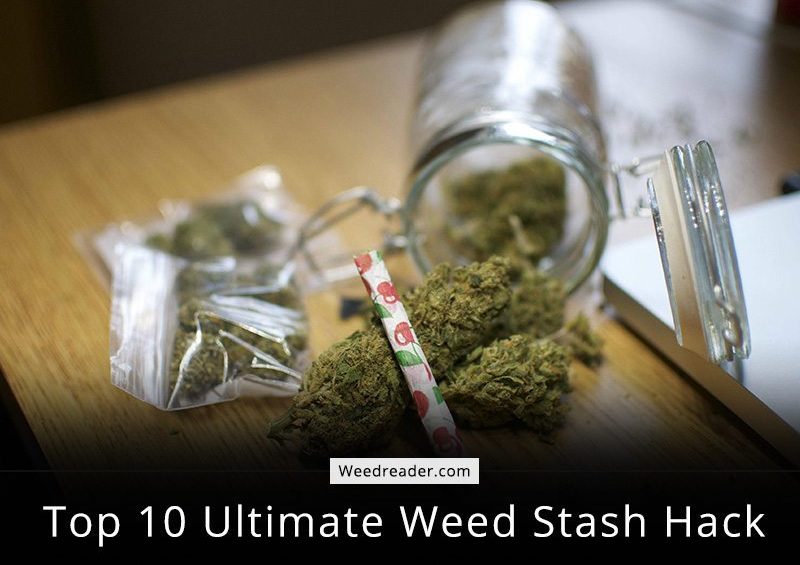
Maybe you have heard of a few or use these stash hacks yourself.
Maybe you have used similar stash hacks forever and didn’t realize others hadn’t. Whatever the case may be, here are the 10 best tricks in no specific order.
You need just the right amount of water.
Keeping weed at the optimal hydration level (about 55-65% relative humidity) can feel downright impossible. If left exposed to the open air, valuable terpenes are lost and flower will burn fast and hot. Overly dried flower also has the bad habit of crumbling into dust. Get it too wet and it won’t even smoke or worse yet, it could start to mold!
Once a stash has succumbed to things like molds, mildew, fungi or other pathogens, it is a complete loss. Don’t even be tempted to smoke the ones you “can’t see anything wrong with” if there is any evidence of corruption. The risks are simply too great to roll that dice. Drying out is an altogether different problem though.
Once a weed is dried out, it becomes harsh and burns up significantly faster. Nobody wants to smoke old, crumbly weed. We want sticky nugs that snap apart but slightly hold their shape when shoved in a bowl. Yet cannabis can be re-hydrated and return to being sticky. Many a stash has been saved by trying one of these following hacks. I have used all of them to keep my own stash in peak condition but each has its own time and place.
Citrus Boost!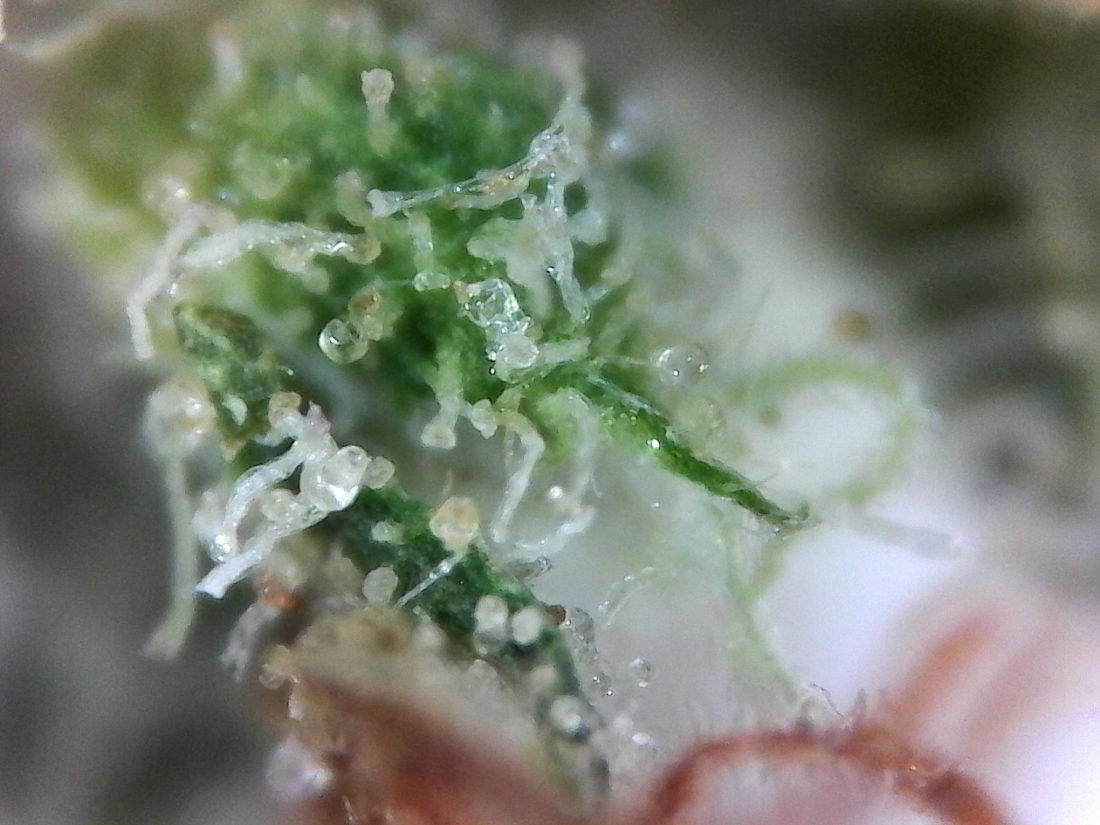
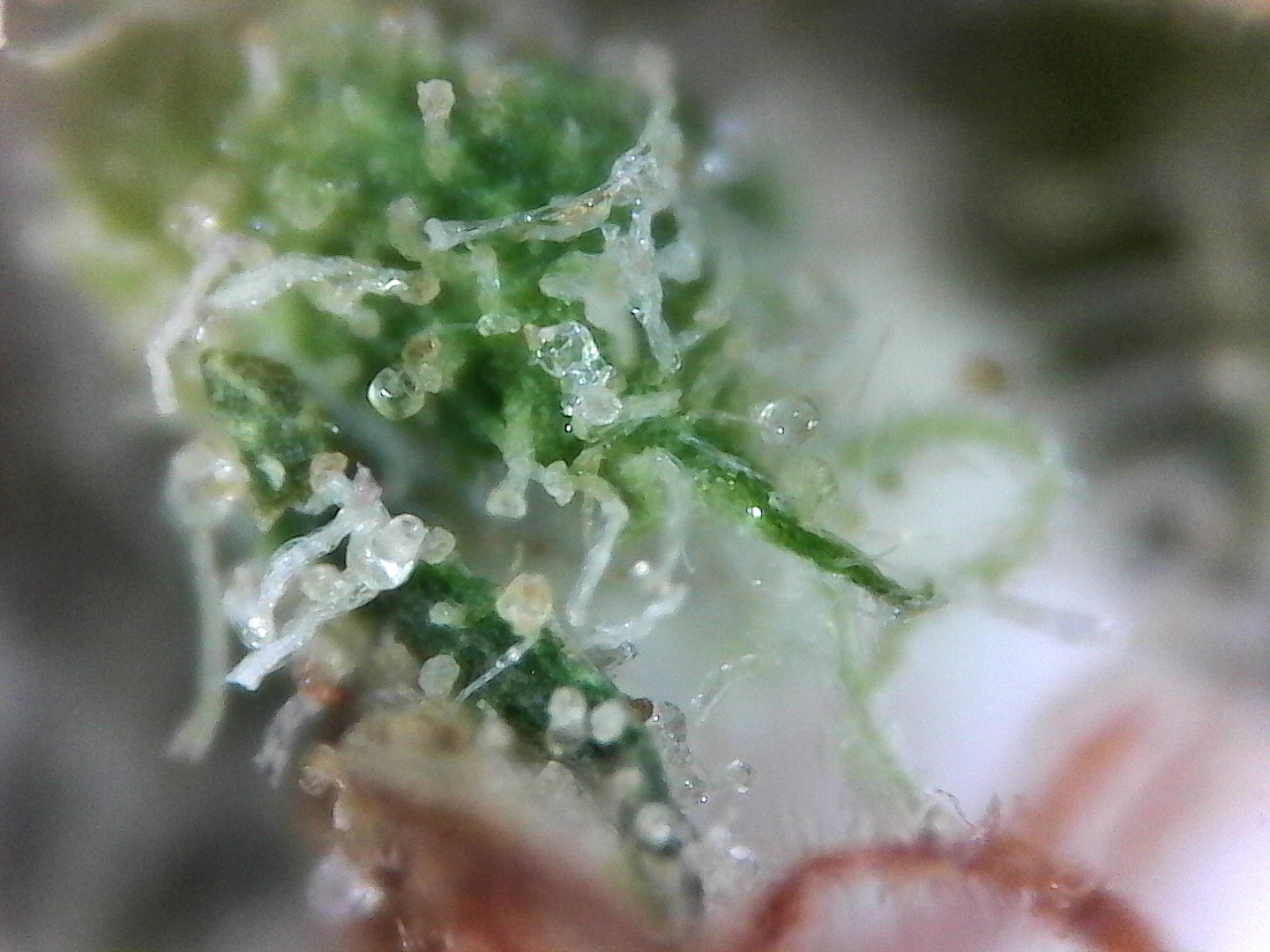
Method: Take a small bit of citrus peel and stick it in with the weed. Must use real peels, extract doesn’t do the same.
Benefits: This hack infuses the citrus terpenes (like Limonene) into the cannabis. Since the peel has a high water content way higher than cannabis where cannabis should be at, it will rehydrate a dried out stash.
Drawbacks: Lemon peels rot. When they do, it creates the perfect breeding grounds for molds, fungi and other harmful pathogens. It can also over saturate cannabis of too much is added to a stash. This has the side effect of making the weed difficult to light and produce little smoke.
Q-Tip Quality!

Method: Simply wet a Q-tip (any cotton swab will work) and drop it in with the stash. Keep an eye on when it dries out so you can reuse or replace the swab.
Benefits: This method preserves the unadulterated taste of pure cannabis. It also provides a low cost alternative (although way less cool) to getting a humidifier. Because swabs come sterile, mold issues are kept to a minimum if replaced often.
Drawbacks: Cotton swabs are disposable for a reason. Reusing swabs leads to cross contamination and can also be a breeding ground for mold, fungi and other pathogens.
Cotton Balled!
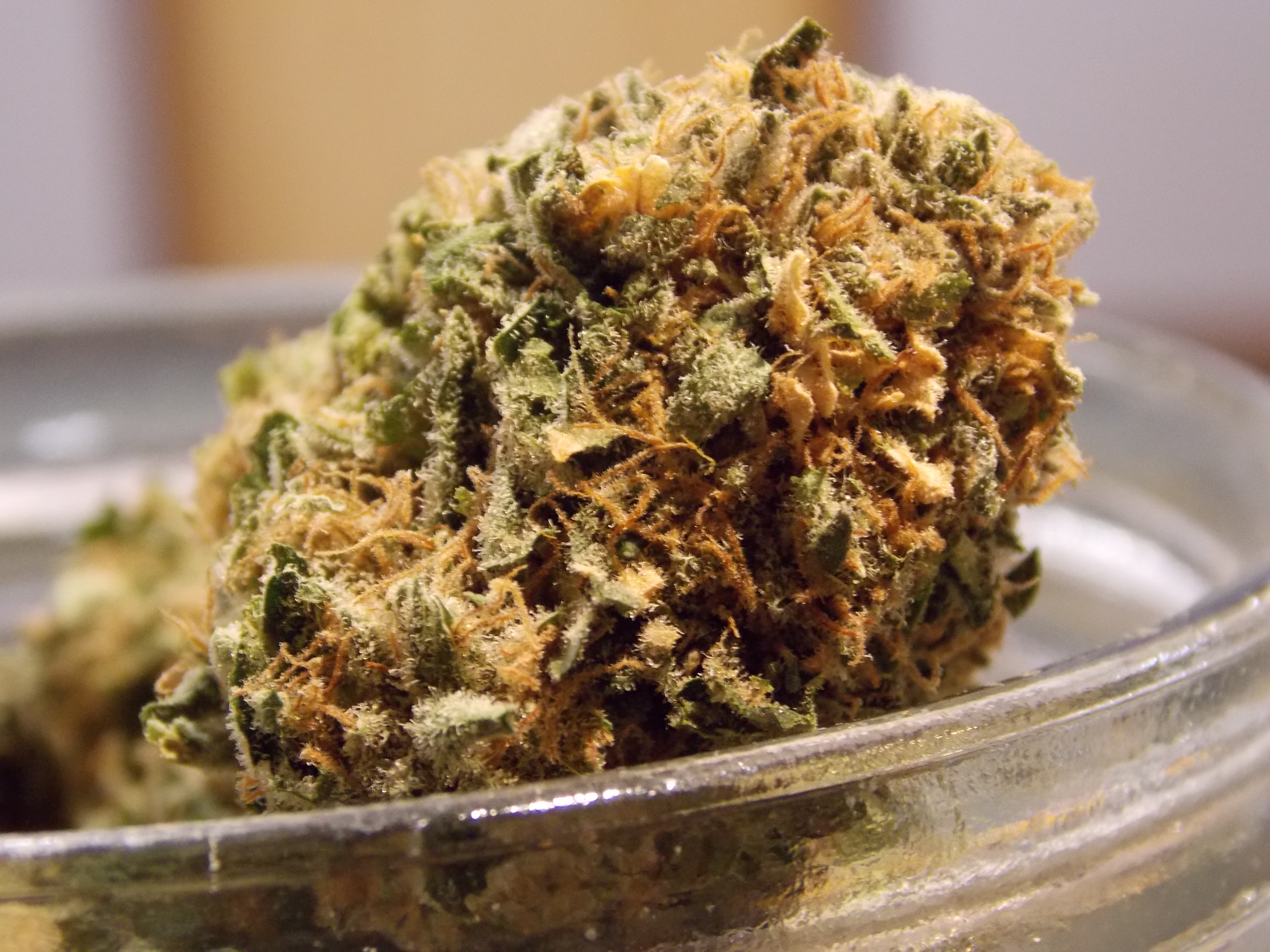
Method: Similar to the Q-Tip method except that a moist cotton ball is taped to the top of the container. Reuse or replace once it dries out.
Benefits: Taping the cotton ball to the top of the container keeps it from coming in contact with the stash. This prevents cotton fibers from getting caught in the bud and limits cross contamination. Cotton balls also come sterile so there is no risk of additional contaminants being introduced to the stash.
Drawbacks: Replacing tape over and over can get to be a chore so it is tempting to simply reuse the cotton ball for extended periods. Doing so exposes the user to the same dangers of mold, fungi and pathogens through cross contamination.
You also need the right kind of storage.
Regardless if the stash comes from a legal dispensary, a guys basement or Snoop Dogg himself, you need somewhere to store it. In the old days, Ziplock baggies were the standard. Today, people can obtain legal cannabis from dispensaries that use medicine bottles. While the medicine bottle is mandated by many states for sales, they still suck for keeping a stash. Here are a few suggestions for ways to store weed that is better than the old Ziplock or medicine bottle.
Mason Jar Madness!
Method: this glass container is sold in most stores across the world. This is a simple glass vessel with threading that allows a metal ring and lid at the top. It is air/watertight, reusable and cheap.
Benefits: They comes in several sizes, produce and airtight and watertight seal, and are easy to store or obtain almost anywhere. In addition to that, they are easy to clean, don’t rust or otherwise break down over time.
Drawbacks: Glass is fragile and has a tendency to break when exposed to extreme temperature changes.
Divided Stash Storage!

Method: Use two different sized containers to store your stash. The first is a small “daily” jar that keeps what you typically consume in a day. The second is “the vault” where you store your remaining cannabis. Load bowls from the daily jar and only open the vault when needed.
Benefits: This method reduces stash moisture loss from cycling the air in the jar. It helps budget or regulate the amount of product consumed in a day. This method also helps maintain stash security by not advertizing you have a pound of weed every time you load a bowl.
Drawbacks: Unnecessary if you get a jar that is too small or don’t buy more than a day or two worth of product at a time. It also adds one more step to the smoking ritual.
Freeze!

Method: Take any amount of cannabis you don’t plan to use immediately and put it in the freezer in a sealed container. Freezer bags are commonly used for this method. Freezing the weed prevents loss of hydration over extended periods.
Benefits: People have stored weed in freezers/fridges for years and still had a pleasant experience. Freezing cannabis makes trichomes brittle and easy to break off for ice wax and other concentrates.
Drawbacks: Just like meat, weed can get freezer burn if it is not sealed correctly. Cannabis can also be exposed to many bacteria and other pathogens from decaying food nearby (I’m looking at you Strawberries!) so keep a tight lid on it. Frozen trichomes also break off much easier than at room temperature.
Silicone Serenity!

Method: Instead of glass or plastic, use a silicone container. There is a wide variety available online, at dispensaries or at head shops built to suit your needs.
Benefits: Silicone wont shatter/rip/shred/cut/melt under normal use. It is even safe to touch with a warm dab tool when frozen (just not a red hot tool). Wax and other concentrates can’t stick like they do to glass or plastic. They also come in a wide variety of colors and shapes.
Drawbacks: Can be very expensive, especially when getting something airtight and cool looking.
We have all had times when there isn’t enough to go around.
Sometimes there is more month than money and we are faced with some hard choices. Do you share what you have and possibly spend days without THC or keep it for yourself? These tips can help you make that decision without alienating yourself or getting caught holding out. Just don’t get mad if someone else uses these tips too. It’s just a matter of making the most of what you got.
Twice Smoked Weed!

Method: This requires that you can suspend you weed in the pipe itself (best with screened metal pipe). You store a nug in the middle of the pipe so that every hit has to pass over the nug before making it into the users mouth.
Benefits: The stored nug gets coated with a layer of resin (poor man’s wax) and therefore gets additional THC added to it. It also makes it easy to carry around a second bowl for personal use if you are limited on how much you can share.
Drawbacks: Your delicious weed gets coated in resin. The terpene profile is destroyed and if left for several days, the nug gets dried out. Can make smoking the stored bud feel really harsh.
Double Cup It!
Method: Using two soft drink cups (one small, the other medium) you place the stash in the bottom of the larger cup. Put a lid on the smaller cup and then place it inside the larger cup. It now looks like you simply have a medium drink.
Benefits: This method is almost undetectable without physically removing the lid or getting help from a canine. Larger cups also hold progressively larger quantities for those long road trips to base camp. Works especially well for stealthily moving concentrates
Drawbacks: Limited on size to about an eighth to a quarter ounce of flower. Also doesn’t provide an odor barrier by itself so additional precautions are needed if that bad is stanky.
Grind it!

Method: If you want to make a little bit go further, you can grind it. This is especially helpful with dense, tightly packed nugs. You can use a small chunk of herb as a screen to cover the bowl hole which prevents the ground material from being sucked through.
Benefits: Increased surface area makes weed burn better and produce denser and more flavorful smoke. It also increases the overall volume which can turn a single small nug into two small bowls.
Drawbacks: It can be easy to suck it though the bottom of the bowl so a screen of some kind is needed. Ground product burns faster than solid nugs and dries out faster. Grinding also releases many of the terpenes trapped within a nug so don’t grind more than you are going to smoke in one sitting.
I hope these tips were helpful. Be sure to share them with friends if you liked them. I would love to know what tricks you use to keep your stash safe and in top condition. Thanks for reading.