gr

Weed Grinder: The Ultimate Buyers Guide

In the course of every cannabis consumers journey, the question of what grinder to use comes up. Are they even needed? Is it worth it to buy a high end model? Which one is best? There seems to be an infinite supply of identical products on the internet that come in a wild range of prices making the choice even more overwhelming.
The explosion of the legal cannabis industry has created room for a new generation of paraphernalia peddlers to rise and claim that their grinder is the best ever. Space Case, Medtainer, Phoenician, and Santa Cruz Shredder are just a few of the names that come up regularly in the conversation about quality. These companies have built a reputation for excellent products but cost a pretty penny.
Finding the right weed grinder can be a frustrating and expensive process. Nobody wants to spend $100 on a grinder only to find that a $5 one works better for them. Yet if a high end grinder is so expensive, shouldn’t it be that much better than a cheap one? But what it really comes down to is how it affects the smoking experience. Grinding is not required for most methods of cannabis consumption but it does a few really great things for it.

What does grinding actually do?

By breaking up the bud, more of the weeds surface area is exposed. Surface area is important for consuming cannabis flower. The higher the surface area, the more efficiently THC is vaporized so grinding will produce a stronger hit than otherwise.
Burning (or vaping) ground product also produces a more flavorful hit. Terpenes (the chemicals that make up smells) exposed by grinding increase the aroma before, the flavor during and the taste after a hit. It can be slightly harsher from the increased smoke density but the overall experience is of a higher caliber.
It’s not just the flavor that gets a boost either. Because of the consistent and small size of particles after grinding, it is easier to make every bowl the same size. Grinding simply produces a more consistent product to smoke or vape. People interested in monitoring the amount of cannabis they consume or trying not to overload a vape pen will find that grinding the product makes a big difference.
grinder

What is the difference between them?

There are a lot of options when it comes to getting an herb grinder. Most differences can be boiled down into variations of materials, styles and features. A $100 grinder may perform worse than a $5 version in many situations if it is significantly smaller/larger or produces a course grind.
When comparing grinders, it is important to think about how you intend to use it. If most sessions require less than a gram of product, a grinder that can hold an ounce of product will be less effective than one that can hold an eighth. People with arthritis or carpel tunnel may find a larger grinder with a crank handle easier to use than a small one with threads.
Cheap grinders also have a tendency to stick or jam up over time. Occasional users may not experience a perceivable difference between two models. If grinding cannabis is part of a daily routine, the smooth action of higher end models can make a big difference. Most of the difference between high and low end grinders is due to quality of materials and finishes.

What kind of materials and finishes are safe?

Grinders come in every material possible. From wood to titanium, as long as the material is stable enough, it can be used to make a grinder. That doesn’t mean that all materials are made equally though. Glass makes a great pipe but a very bad grinder. The brittle nature of glass makes chipping and breaking under normal use almost guaranteed so people don’t normally produce glass grinders.
Materials like aluminum and acrylic are cheap, stable and are unlikely to shatter under normal use so many manufacturers rely on them. Over time, grinders made from these materials will wear out and wear off. Small pieces of plastic or metal can work their way into the product you are grinding.
Materials like titanium, food grade polyethylene and ceramic are strong enough to resist wearing out and are significantly safer to use. Since titanium and ceramic are expensive to produce, many manufacturers will use an aluminum base and coat it with a thin film of the more expensive material. As long as the finish remains intact, there is little risk of contamination to the user and it then becomes a matter of style.

What are the main styles of grinder?

The most popular styles of grinder are manual and range from two to four pieces. Electric grinders are becoming more popular but have yet to dominate the market. They mainly serve the subsection of the community that loves gadgets or has motor-control difficulty.
Each style has a specialized use and will function better in situations it is designed for than the other styles. Manufacturers classify their grinders by the number of pieces and the diameter of the assembly.
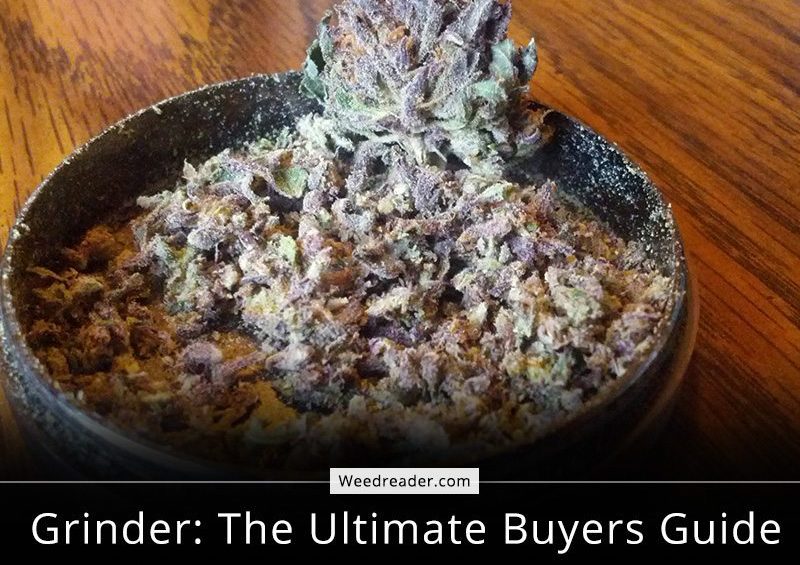
Two piece grinders are best when used indoors and with a tray to dump the ground material. Three piece grinders remove the need for an extra tray while four piece add a screened off area at the bottom. The screen separates the trichomes that break off during the grinding process and collects them for later use.
Since trichomes are the plants chemical factories, this fine powder is very high in cannabinoids like THC and CBD. Vaporizers work best when using finely ground product so 4 piece models are very popular. Any style will produce vaporizable product as long as the teeth grind the cannabis evenly.

What about the teeth?

The parts of the grinder that actually do the work are called the teeth. They can come in a few shapes and configurations in any style or material of grinder. Their whole purpose is to break up the cannabis evenly but they go about it in different ways.
Pin shaped teeth are found on wood grinders pretty often and are better for grinding sage or thyme than cannabis.Diamond shaped teeth tear through dense nugs and can break up stems that are dry. They act like scissors, shearing the bud apart. They have straight sides and are the most common type of teeth on aluminum grinders.
Pyramid shaped teeth are able to produce a more consistent grind than diamond teeth but also produce smaller chunks. These are common on higher end grinders but can still be found on low end models. If these teeth are cheaply produced, the tips can sheer off and contaminate the cannabis. Inhaling burning acrylic or aluminum is dangerous and can have long term health consequences so they are best to avoid.

What size is right?

Most stores will stock a few different sizes of the same grinder. The manufacturers classify their sizes based on diameter. So a 2.5″ grinder is about two and a half inches from side to side. Each size generally corresponds to a different product amount. 1.5″ models are great if grinding less than 2 grams of cannabis while a 3.5″ model will chew through an ounce in no time. In the end, it comes down to personal preference and need. Does it feel good in the hand? Does it have the right number of pieces? Is it made of high quality materials? If so, it should serve you well in the years to come. Thanks for reading.


gl wr

Grow Lights: How to Choose the Right One

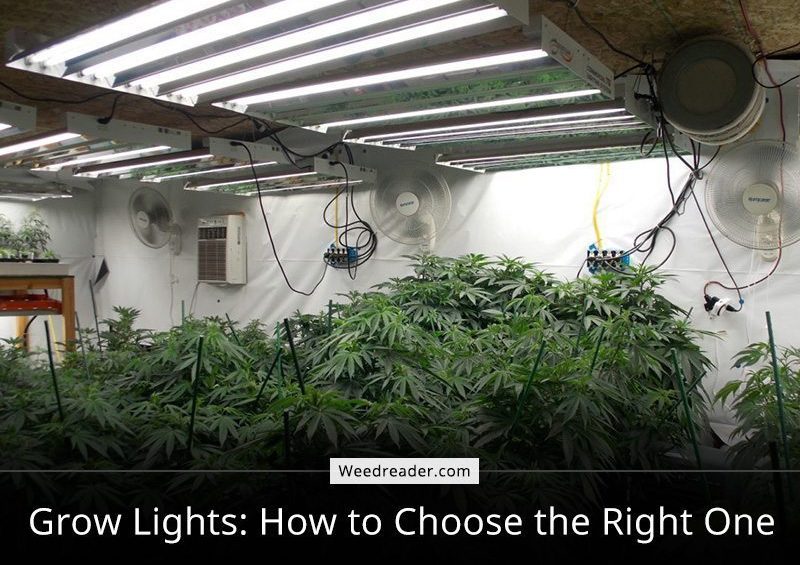
It is tempting to believe that there is such thing as the perfect grow light. A single radiant source that simply out performs everything else out there. Such a light does not exist at the moment but we have a few options. Even sunlight (the full spectrum, nuclear powered, plasma-based grow light in the sky) can damage plants if the rest of their environment is not well suited to them. Cultivators have to choose the right grow light for the right situation.
There are a few key considerations when debating between the most common lighting methods available. Using good old sunlight should work if you live anywhere near the equator but for those in the north or south need to rely on artificial means if they want to produce all year. Different growing techniques lend themselves to different setups as well.
Plasma, Induction, Ceramic Metal Halide, there are a lot of variations when it comes to lighting but for todays discussion we will be limiting the conversation to the three most popular methods. The lights we will discuss are easily obtainable, proven effective and utilized across the industry as the benchmarks that all others must compare to. There is a bit of variation within each category but they all function similarly (although you may need more than a wall socket for some).

Cultivators must consider the size of their garden.

Using a 1000-watt grow light in a two-foot by four-foot closet is generally wasteful and can lead to a lot of unnecessary problems like overheating. On the other hand, trying to cover a commercial garden with a 40,000 sq. ft. canopy in Compact Florescent Lights (CFL) won’t produce the same level of production as other lighting methods.
Growers working with small spaces need to prioritize heat dissipation over light penetration. While higher wattage lights provide more energy for your plants to work with, if the heat they produce is too much, it can stunt the plants growth. Using Compact Florescent (CFL) ballasts over High Pressure Sodium (HPS) or Metal Halide (MH) options can reduce heat buildup in small spaces while Light Emitting Diode (LED) ballasts provide a balanced mix of heat and light at a higher price point.
If you are growing more than 2-3 plants and have enough space for dedicated heat exhaust ducting, an HPS or MH light might be the right solution. The extra space needed to process the heat given off by these lights is made up for in high production levels. There are several sizes ranging from 150 up to around 1000 watts and each is designed to cover a different sized area.

Complexity is also a major consideration with grow lights.

There is a lot more to growing dank herb than sticking a seed in the ground and waiting for mother nature to work her magic. Top producers monitor every element of their operation with grow logs and performance metrics. Most growers can get away with going by eye and only measuring when they must but that won’t produce those head-sized colas that win competitions or get featured on the cover of High Times.
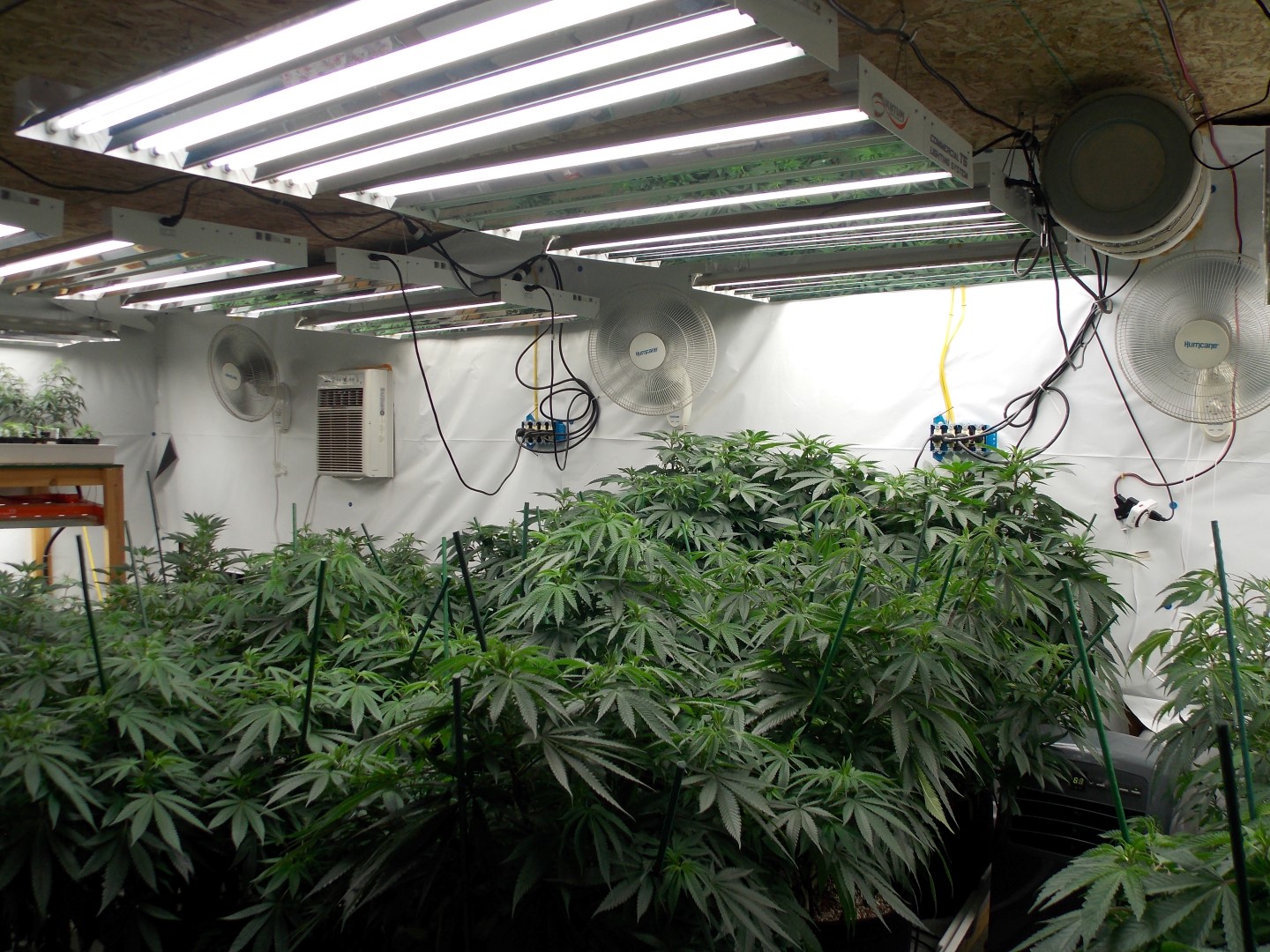
Adjusting CO2 generators, maintaining air conditioners and dehumidifiers, setting timers, calibrating sensors and monitoring schedules are all part of a commercial operation and can quickly add layers of complexity to a seemingly simply project. Getting the most advanced or largest lights possible may add extra layers of complexity like running exhaust ports, vent fans and electrical lines.
Having to install an extra circuit breaker is pretty frustrating but having to get the power company to upgrade the lines and transformers heading to your place in order to put in extra HPS lights can run into the tens of thousands of dollars. Using LED lights may have a higher initial investment cost (making quality versions expensive) but the energy savings add up over time.grow light

Budget is always important with grow lights.

Sometimes bigger isn’t better. If all you are doing is looking to offset the cost of buying cannabis, getting a massive light and converting the garage into a clean room worthy of NASA may not be the best route. A low cost (albeit moderate output) closet operation may work better, especially if you don’t consume only the freshest of rosin.
There are tons of options on the market for a small space grow operation with everything in a single kit. The kits normally come with a light, maybe a few pots or hydroponic bays, and they actually work pretty well (in general). They are more expensive than building it yourself but offer significantly higher quality than most people can cobble together on their own. If your goal is to make money, customization is the name of the game.
Installing LED lighting in an industrial in-door grow operation is almost a must. The initial cost is more than offset by the increased operational life of the ballasts along with the drastic (up to 30%) savings on energy. Industrial and commercial operations may still utilize CFL lights for seedling growth given the low overall cost of operating fluorescents.

When it all comes down to performance, a leader emerges.

In the end, we all want the best bang for our buck. CFL’s are great for seedlings/clones but not great for vibrant vegetative/flowering growth. Their low operating temperature also makes using them fairly basic. A low-cost alternative to LED’s for small-scale growers, CFL’s offer a solid base of performance to work up from.
HPS and MH lights offer greater output than CFL’s and are best for medium to large operations. They are specialized to vegetative and flowering and scale well for larger operations. The excess heat HPS and MH light produce compared to other options needs to be dealt with through specialized ducting or increased air conditioning but many ballasts offer specialized ports to make this easier for large strings of grow lights.
LED grow lights offer the highest performance of any grow light option but also come with the highest cost. While they don’t require the ducting of the HPS and MH lights, LED’s provide as intense of a light as any other option.  In addition to being the right intensity, LED’s require far less maintenance with a projected operating life measured in years, not months.

What is your end goal?

We have only toughed on the surface of grow lights and how to choose between them. If you want to get started quickly and easily, look into an assembled unit. It makes all the difference to have a station ready for you and not have to make all the little decisions yourself. Once you get the feel of things, you will likely be able to work with the prebuilt to fit your preferred style of growing until you are ready to do things a little bigger.
If your goal is to make money and you are just getting started, investing in HPS and MH lighting for vegetative growth and flowering along with some CFL may be the right call. Their overall cost is doable and they provide a great end product with a few extra considerations.  This is the most common setup for small to medium indoor growers looking to turn a profit.
If money is no object or you are working on a massive scale, LED lights provide the best returns over time. With minimal energy drain compared to other lights and the low operating temperature makes the energy savings a real consideration. Many units can also provide full spectrum light or specialized wavelengths for different plant cycles making them more versatile than the HPS and MH which must be switched between cycles.
Let us know what you chose to light your garden and why in the comments section. Thanks for reading.

weed drive

Accidents and the Dangers of Driving on Weed

Most people have been taught that alcohol increases the risk of accidents.

Smoking and driving can get you a DUI for an accident even in states where cannabis is legal. Current state laws for marijuana have focused on regulating it like alcohol while on the road. This is especially true when it comes to consuming and driving. Yet evidence of marijuana’s culpability in on-road accidents is difficult to prove.
Many states have reduced penalties for cannabis related crimes over the last few years. Yet as states continue to loosen regulations on marijuana safety, law enforcement is struggling to figure out how to establish a legal limit for drivers. They have focused on setting a blood-content test just like the .08 limit for alcohol.
A new study shows the challenges in accurately testing drivers.
One of the most difficult parts of testing is developing a threshold for what’s considered too high to drive. The conductors of the study concluded that “THC concentrations drop rapidly during the time required to collect a blood specimen in the U.S., generally within two to four hours.”
The low amount of time cannabis remains active for oral tests using the drivers’ saliva make it harder to fail than traditional tests. Saliva tests can be done roadside without a long wait but researchers found oral tests don’t provide “a precise measure of the level of impairment.”
Politicians are hesitant to implement concentration-based cannabis-driving legislation because it might ” unfairly target individuals not acutely intoxicated, because residual THC can be detected in blood for up to a month of sustained abstinence in chronic frequent smokers.” Depending on the direction that the new Attorney General Jeff Sessions takes the Justice Department over the coming years, detecting residual cannabinoids may be more important than registering intoxication.

Smoking weed is not safe while driving.

Cannabis intoxication has been shown to mildly impair a drivers psychomotor skills. It doesn’t appear to be severe or long lasting though. In driving simulator tests, this impairment was typically manifested by decreasing driving speed and needing more time to respond to emergency situations.
Yet this impairment does not appear to play a significant role in on-road traffic accidents. A review of seven different studies involving 7,934 drivers showed in 2002, “Crash culpability studies have failed to demonstrate that drivers with cannabinoids in the blood are significantly more likely than drug-free drivers to be culpable in road crashes.” And it’s not like people haven’t tried to prove a link either.
A Massive body of research exists that explores the impact of marijuana on psychomotor skills and actual driving performance. Researchers have done driving simulator studies, on-road performance studies, crash culpability studies, and reviews of the existing evidence. To date, the result of this research has shown how mildly cannabis affects driving abilities but that won’t stop the cops from hauling you off for having it in your system if you get in an accident.

Bad accidents

Marijuana has a measurable yet relatively mild effect on psychomotor skills.

Yet it does not appear to play a significant role in vehicle crashes, particularly when compared to alcohol. Researchers conducting a study for the National Institute on Drug Abuse said alcohol “significantly increased lane departures/minimum and maximum lateral acceleration”. Cannabis did not have the same correlation between consumption and decreased performance.

Researchers for the Highway Traffic Safety Administration funded study concluded Cannabis-influenced drivers are better able to measure their intoxication “may attempt to drive more cautiously to compensate for impairing effects, whereas alcohol-influenced drivers often underestimate their impairment and take more risk.”

People keep studying the link between cannabis, alcohol and car accidents.

The prevalence of both alcohol and cannabis use and the extreme morbidity associated with car crashes has lead to repeated research on the link between the two. According to another study, “drunk drivers are involved in 25% of motor vehicle fatalities, and many accidents involve drivers who test positive for cannabis.”
The researchers say that while both alcohol and cannabis impair performance in a “dose-related fashion” the “effects of cannabis vary more between individuals than they do with alcohol because of tolerance, differences in smoking technique, and different absorptions of Δ9-tetrahydrocannabinol (THC), the active ingredient in marijuana.”
The effects of a cannabis “high” vary according to dose but are more pronounced with highly automatic driving functions than with more complex tasks.” Basically making it easier to focus on a plan than instinctively react to something. With alcohol the opposite pattern of impairment is produced and people get distracted easier.

Cannabis and alcohol have a synergistic effect.

Because of an increased awareness that they are impaired, “marijuana smokers tend to compensate more effectively while driving than drunks” by utilizing a variety of strategies. Mixing marijuana with alcohol removes the ability to use such strategies as the two substances increase the potency of the other when mixed.
Cannabis and alcohol work on many of the same levels in the brain and both inherently affect chemical production in the brain. Mixing cannabis and booze will amplify the effects of both and can lead to serious repercussions. While studies have been inconclusive regarding whether cannabis use causes an increased risk of accidents; in contrast, unanimity exists that alcohol use increases the risk of crashes.
In addition, the risk from driving under the influence of alcohol and cannabis together is higher than the risk of driving under the influence of either alone. One study even recommends that patients who smoke cannabis wait several hours before driving, and avoid combining the two drugs.

Even schools have studied how dangerous driving while high is.

The first study to analyze the effects of cannabis on driving was conducted by Researchers at the University of Iowa’s National Advanced Driving Simulator, sponsored by National Highway Traffic Safety Administration, National Institute of Drug Abuse, and the Office of National Drug Control Policy.
The researchers found that cannabis use caused almost no impairment. The impairment that it did cause was similar to the change observed while under the influence of a legal alcohol limit. They basically couldn’t get cannabis to impair driving as much as one beer.
They tested impairment mainly with a simulator. “Once in the simulator—a 1996 Malibu sedan mounted in a 24-feet diameter dome—the drivers were assessed on weaving within the lane, how often the car left the lane, and the speed of the weaving. Drivers with only alcohol in their systems showed impairment in all three areas while those strictly under the influence of vaporized cannabis only demonstrated problems weaving within the lane.”

More research is needed to find the right limits.

All these study’s findings show that alcohol is a much more dangerous drug than cannabis yet regulated in a more relaxed manner. While driving while under the influence of cannabis can still get you locked up, it is unclear how dangerous it is. More research is needed to show exactly how much cannabis should be legally allowable but for the time being, driving after consuming any cannabis remains illegal.
Until the whole world switches over to autonomous vehicles and we don’t have to worry about driver error any more, people are still going to get into accidents (sober or not). It is best not to contribute to the problem and simply don’t drive while high. You never know when you might need to instinctually react to something in your lane. Thanks for reading.

dea

DEA: Marijuana is Not a Gateway Drug

Marijuana has been called a gateway drug for over 80 years.

The battle lines were drawn long before anyone currently driving the gateway debate had assumed power. Political figures have demonized cannabis and those who consume it for almost a century and worked to create a massive industrial prison complex designed to harvest people. Low income and minority people have borne the brunt of the assault.
Americans have been tricked into accepting the most ridiculous claims about cannabis and a whole generation of people have grown up behind bars because of it. Politicians have used slippery speech to sway public opinion and outright changed the law in order to suite their desires for decades. When Reagan and Clinton enacted laws that put more people in jail than the Romans had slaves.
Larry Anslinger didn’t care about how many would suffer without the healing properties of cannabis, he was motivated by an zealous hatred for the plant to create the movie Reefer Madness. President Nixon was motivated by a religious desire to punish people regardless of what his own investigators proved. Reagan had no mercy for people caught in the crossfire when he enacted draconian mandatory punishments for minor drug infractions.gateway

We stand at the dawn of a new era of American drug policy.

Despite an abundance of empirical evidence about the medical benefit of cannabis from reputable medical professionals from the Shafer Commission to Sanjay Gupta, it remains a schedule 1 controlled substance. This classifies weed as having “no medical benefits” and creates massive hurdles for scientists and doctors looking to research cannabis. It also puts it in the same medical category as heroin.
With the rise of Trump and the appointment of Jeff Sessions to Attorney General, the entire industry is bracing for another impact. Part of the collective wince comes from the evasive actions of top officials on the matter through election season. Instead of giving clear messages about how they plan to pursue policy, government officials are as vague as possible about how they plan to pursue policy.
This evasive attitude has made many wary of the how the Trump Administration plans to deal with cannabis. Statements in the past by Jeff Sessions like “Good people don’t smoke marijuana.” and his past issues of discriminatory prosecution during the Civil Rights movement has helped to stir up old debates.

The debate surrounding legalizing marijuana has resurrected the Gateway Theory.

This theory presumes that experimenting with marijuana inevitably results in the use of harder drugs like cocaine, heroin and methamphetamine. Until recently, the DEA website contained dozens of lies and inaccuracies and it begrudgingly changed them only after being threatened with legal action.
Many people don’t know that it is illegal for federal agencies to spread incorrect information. Yet when it comes to cannabis, the Drug Enforcement Administration (DEA) has been doing it for years. In less than a month, a petition from Change.org calling on the DEA by a to stop lying about medical cannabis received 85,000+ signatures.
The petition was started by Americans for Safe Access (ASA), a nonprofit organization working to increase access to medical cannabis. “The DEA has actually admitted that the theories that cannabis use leads to harder drugs (gateway theory), long-term brain damage, psychosis, and other alleged harms, are not based in scientific fact, and yet they keep distributing this false information”, says ASA. “[W]e have found 25 instances of these false claims on their website.”

The petition for updated information was direct and their arguments were air-tight.

The group argued that the document previously known as “The Dangers and Consequences of Marijuana Abuse,” had a few inaccurate claims about cannabis.  They showed how the page was in violation of the Information Quality Act which requires that administrative agencies provide accurate information to the public. The DEA also had to respond to requests for correction of information within 60 days.
A separate petition was filed by the Department of Justice demanding that the DEA immediately update misinformation about cannabis. While neither the DEA nor the DOJ responded to ASA’s request, the document which contained the majority of the inaccurate statements was removed from their website.
But the governement is made up of more people than ever before. There is a lot of room for competing ideologies and goals to play out. A key observation of the Shafer Commission is that many of the risks of drug use are the result of drug policy/enforcement rather than from the drugs themselves.

The “gateway drug” stigma refuses to die.

A prime example of how this stigma presents itself is New York governor Andrew Cuomo. He wants to keep cannabis illegal in New York State because it “leads to other drugs and there’s a lot of truth to proof that that’s true.” He holds this view despite the results of a major study on medical marijuana conducted by the venerable Institute of Medicine, which included an examination of marijuana’s potential to lead to abusing other drugs.
The study found that “There is no conclusive evidence that the drug effects of marijuana are causally linked to the subsequent abuse of other illicit drugs.” Even the DEA has gone on record to say “Little evidence supports the hypothesis that initiation of marijuana use leads to an abuse disorder with other illicit substances,” while refusing to reschedule cannabis in August of 2016.
The continuing stigma prevents meaningful reform of marijuana laws by perpetuating harmful misinformation.  A Rasmussen poll found that a large percentage of Americans believe the gateway argument. Nearly half of voters (46%) believed marijuana use leads to harder drugs. Thirty-seven percent (37%) did not see marijuana as a “gateway” drug.

Patterns in progression of drug use are strikingly regular.

Because it is the most widely used illicit drug, marijuana is predictably the first illicit drug most people come across. Not surprisingly, most users of other illicit drugs used marijuana before the harder stuff. In fact, most adult users begin with alcohol and nicotine long before moving on to cannabis and other illicit drugs.
In 2006, the University of Pittsburgh released a thorough study which researchers spent 12 years putting together. They tracked a group of subjects from adolescence into adulthood and documented the initiation and progression of their drug use. The researchers reported that the gateway theory was not only wrong, but also detrimental to properly understanding and addressing drug abuse.
The myth of the Gateway effect needs to be put to rest once and for all. The more research that is conducted the clearer it becomes that cannabis use does not lead to abuse of other drugs. Some promising research has also shown that cannabis can actually help people kick the other stuff like heroine. As more and more states legalize medical and recreational marijuana, it is more important than ever to put the gateway myth to rest. Thanks for reading.
 

canna

Terpenes: The Arousing Aroma of Cannabis

Have you ever wondered what makes cannabis smell the way it does?

There is a lot of chemistry when it comes to terpenes. There is still a lot to unlock about how our bodies process the chemicals that make things smell. We call these chemicals aromatics and terpenes are the specific types of aromatics produced by plants including cannabis.
Many recent advancements in the science of biology and biochemistry have opened windows into how we experience terpenes. Most people can tell the difference between the smell of lemons and mushrooms because the chemicals they produce interact with our bodies differently. They interact with our endocannabinoid system through CB-1 and CB-2 receptors the same way THC and CBD do.

How do terpenes work?

Terpenes have a synergistic effect with cannabinoids as their complex chemistry is able to shift and flex. Because of their flexibility, they can be used by the body to work for many different uses. Terpenes can affect dopamine and serotonin production and destruction while limonene can increase serotonin production. This is why different strains not only smell and taste different, but also have different affects on mood or sensation.
While over 200 terpenes occur in different concentrations in any given strain, there are a few primary terpenes that produce the greatest concentrations, and about 20 more secondary terpenes that occur in lesser concentrations. Each terpene has a specific purpose and more research is needed to reveal the true complexity of their chemistry.

What are the primary terpenes?

Of all the hundreds of terpenes, there are only a few that are produced in any great abundance. There are about 12 main terpenes in cannabis. Different strains produce terpenes in different amounts and are therefore specialized to treat different maladies. Here are the most common terpenes and what they do.
Myrcene: Is an effective anti inflammatory. It also works as a sedative and muscle relaxer.
Linalool: Can be used as an anti inflammatory and can also modulate motor movements.
Limonene: Can be used to help promote weight loss, prevent and treat cancer, and treat bronchitis.
Alpha Bisabolol: Can heal wounds, fights bacteria, and can also be used a deodorizer.
Delta 3 Carene: Is an effective anti inflammatory. It is also known to dry fluids like tears, running noses, and menstrual flows.
Borneol: Can be used as an analgesic, anti-septic, and bronchodilator.
Pinene: Has anti-inflammatory properties.
Eucalyptol: Is used in cough suppressants, mouthwash, and body powder.
Terpineol: Contains antioxidant properties.
Caryophyllene: May help treat anxiety and depression.
Camphene: Is known to possess anti-inflammatory and antibiotic characteristics.

Testing for terpenes can be done two ways.

Most consumers have a passing knowledge of what terpenes they want. They try a few strains and develop a preference for one over another. A quick sniff of a sample is all that is needed for a broad sense of what is present. Trying to peel apart the individual layers takes a more nuanced approach though.
Myrcene and linalool are some of cannabis’s most abundant terpenes. Myrcene smells musky, like cloves or an earthy, herbal scent. Some even say it has notes of citrus and tropical fruit. Linalool on the other hand smells like a  candy or  a sweet floral element. The more fragrant a strain, the more terpenes are present and active.
Because of how many different aromatic terpenes cannabis produces, it can be difficult to determine the exact mix of terpenes by smell alone. Most producers or distributors rely on chemical analysis. They get the exact level of terpenes through a report from a certified testing lab. The same labs that test for THC and CBD content are often equipped to also perform terpene analysis for a small fee.

Plants produce terpenes for a variety of reasons.

Plants can’t run away from predators or bad weather. Because they can’t flee, they have developed many ways to deal with the inevitable. One of the ways plants cope is by producing chemicals like cannabinoids and terpenes. Terpenes like pinene and limonene are able to ward off plant predators while linalool and myrcene can help the plant heal from injury.
Plants can also use terpenes to call for help. There is evidence that even corn uses terpenes like those found in cannabis to protect itself from predators. It doesn’t use the terpene to kill anything, it uses it to call for reinforcements. Corn roots damaged by pesky caterpillars emit caryophyllene. This terpene attract predatory wasps that then attack the caterpillars.

Different plants produce the same terpenes.

Cannabis produces terpenes in the same trichomes that it uses to produce cannabinoids like THC and CBD. The cannabis plant smells strongest during flowering because that is when the most trichomes are active. Natural variation and forced breeding techniques have allowed people to design plants based on cannabinoid content as well as terpene content.
Biology is complex but there are repeating patterns. Most plants require the same chemicals (Nitrogen, Phosphorus and Potassium) as they do to produce smells (terpenes). Cannabis produces the same terpenes as other plants, just in different amounts.

Terpenes enhance the effects of cannabinoids.

Take myrcene, it occurs in fragrant plants and herbs like mangoes, hops, bay laurel leaves, thyme, lemongrass, and basil. It is naturally synergistic with THC and allows cannabinoids to more easily bridge the blood-brain barrier. Myrcene is present in most cannabis although it is a dominant terpene in Pure Kush, Jack Herer and many other strains.
Over generations of breeding, cannabis cultivators have selectively bred plants to produce high levels of specific mixes of terpenes. Strains like Lemon Skunk and Sour Lemon have higher levels of limonene in them while Dog Walker and Skunk normally produce more myrcene.

Orin-Ray Terpenes

Do terpenes just make things smelly?

Terpenes determine many of the effects attributed to specific strains. While two samples may have the same THC content, if their terpenes profile (mix of terpenes present) are different, the samples will affect someone in different ways. Strains like Granddaddy Purps or OG Kush are generally sedating while Sour Diesel and Strawberry Cough tend to increase alertness.
Humans have inhaled terpenes, including linalool, since ancient times to help relieve stress, fight inflammation, and combat depression. Linalool specifically has been the subject of many studies. Some, like this one where scientists had lab rats inhale linalool while exposing them to stressful conditions, reported that linalool returned their immune system stress levels to near-normal.
We still need to do more research to find all of the ways that terpenes interact with our bodies. As legalization sweeps the country, hope for more research funding is growing. For now, people in states that have legalized cannabis in some way can begin doing anecdotal research themselves. Thanks for reading.

cann history

A History of Medical Cannabis Part 2: Modern Cannabis

In Part 1 we talked about ancient cannabis and how it has been used throughout the ages.

Today we are going to talk about modern cannabis and how it moved from prominence as a medicine to a recreational drug. Yet medical cannabis is not relegated to the ancient past. Modern medicine uses the term marijuana instead of the ancient name: cannabis but it means the same thing.
The original name can be traced back to the Greek physician Pedanius Dioscorides. He was a roman army doctor from around 40-90AD who traveled widely on campaigns throughout the Roman empire. He wrote the medical text that virtually all others were based on for over a thousand years and had a special entry for both male and female cannabis plants. It wasn’t until the 1930’s when the plant became known a marijuana in an effort to re-brand it. But I’m getting ahead of myself.

By 1621, medical marijuana had made its way into the English Mental Health Book.

Cannabis was entered into one of the most popular medicinal textbooks from the era to treat depression. Because of the work of an Irish doctor working for a shipping company during the colonization of the new world, medical cannabis moved to the Americas.
Cannabis treatments were a staple of a professional doctors curriculum up through the industrial revolution.  Before Alaska and Hawaii were states, America had laws on the books that supported medical marijuana in all 48 states. Cannabis was not seen as a recreational drug, it was medicine with little risk of side effects.

But in 1936 all that changed.

Pressure was being placed on the U.S. by the international community to sign the International Treaty on Controlled Substances. While not directly listing cannabis as a controlled substance, the treaty forced all countries that signed to adopt similar drug policies. Propagandists later used the treaty to get cannabis banned across the developed world.
A very popular anti-marijuana campaign burned through the nation. Funded by the government and directed by the talented propagandist Larry Anslinger, “Reefer Madness” was a sensational tale about marijuana. It featured the plant ruining people’s lives through sex, insanity, and horrific acts of violence. Although Reefer Madness was a work of pure fiction,  it was accepted by a whole generation as fact with the tenacity of religious convictions. The influential power of the Reefer Madness propaganda laid the groundwork for Larry Anslinger to get cannabis banned.
Larry Anslinger was a potent propagandist that was able to convince the developed world to outright ban cannabis use, cultivation and distribution. He used a mixed media of propaganda to accomplish this. Anslinger was a master of using media and used the newspapers, radio and television to spread a web of half-truths and outright lies.
After spreading a racially motivated panic with the Reefer Madness propaganda, Anslinger convince the U.S. to pass the Marijuana Tax Act of 1937. Anslinger provided his political masters a new way to target their political opponents voting base. The politically motivated police force acted quickly on the new laws to target the poor.

The Marijuana Tax Stamp Act brought America Modern Cannabis.

On the day the Marijuana Tax Stamp Act was enacted (Oct. 2, 1937) the FBI and Denver Colorado police raided the Lexington Hotel. They arrested a man named Samuel R. Caldwell for selling modern cannabis. He was a 58 year-old unemployed laborer. Three days later, on Oct. 5, 1937 Caldwell became the first person convicted under U.S. federal law of distributing cannabis.
In 1942, cannabis was removed from the U.S. Pharmacopeia. When that happened, cannabis lost the last vestiges of medical legitimacy. Because of the International Treaty on Controlled Substances, most of the other countries in the developed world were forced to enact similar rules.

Over the next decades, criminalization of cannabis continued.

As more and more regulations were heaped on medical practitioners, they became unable to prescribe cannabis. Legal penalties increased massively with the Boggs Act of 1951. It established minimum prison sentences for simple possession of cannabis. Thanks in great part to Anslinger’s work, cannabis was classified as a schedule 1 controlled substance in 1970.
Schedule 1 substances are substances no medical benefit and high risk of abuse. The controlled Substances Act of 1970 Classified Marijuana as a having “No Accepted Medical Use”. After the passing of the Substances Act, medical practitioners were barred from prescribing modern cannabis for any medication, effectively removing the oldest known medicine from a whole generation of healers across the globe.
In 1971, the Shafer Commission was created by the U.S. president to determine the merit of criminalizing cannabis. The Shafer Commission was bi-partisan and overseen by congress. President Nixon himself ordered it to determine “if the personal use of marijuana should be criminalized.” The commission came back with an answer and Nixon ignored it because he didn’t like that they believed there was no reason to scale up action against users.
In 1971 president Nixon chose to aggressively pursue action against cannabis consumers by declaring the War on Drugs. Motivated by personal prejudice political corruption, he saw marijuana as a way to get at his political opponents. He even admitted at the time that his reasons for attacking cannabis users and increasing penalties was motivated by personal directives.

Nixon acknowledged his action was not based on empirical evidence.

He increased criminalization despite the commission he put together telling him officially and unequivocally that cannabis use should not be criminalized. Over the next two years, the Nixon built a force specifically designed to scale up violence against modern cannabis users.
The Department of Drug Enforcement (DEA) was established in 1973 by merging the Bureau of Narcotics and Dangerous Drugs (BNND) and the Office of Drug Abuse Law Enforcement (ODALE) into a single agency. It comes as no surprise that the DEA continues to aggressively pursue cannabis consumers, producers and distributors to this day. They use every tool at their disposal regardless of legality or constitutionality to continue the criminalization of marijuana.
Things continued to go downhill for cannabis in the coming years. It wasn’t until 1976 that Robert Randall (who was afflicted by glaucoma) used the Common Law Doctrine of Necessity (US v. Randall) to defend himself against criminal charges of marijuana cultivation. In 1976, federal Judge James Washington made waves with his ruling. Judge Washington ruled that Randall’s use of modern cannabis constituted a ‘medical necessity’ and the case was thrown out.
Modern cannabis 2

The next milestone for modern cannabis crusaders came in the winter of 1991.

Modern cannabis took a step forward with the passing of medical marijuana reform in California. The first medical marijuana initiative was called Proposition P and was in San Francisco. It passed with an overwhelming 79% of the vote in November of 1991.
Proposition P called on the State of California and the California Medical Association to restore hemp medical to the list of available medicines in California, and to stop penalizing physicians for prescribing hemp for medical purposes. It only effected San Francisco but the cogs of bureaucracy had been activated. It would take another 5 years for legislation to go statewide.
Voters in California passed the first statewide medical marijuana initiative on November 5, 1996. Known as Proposition 215, it permitted patients and their primary caregivers to possess and cultivate marijuana for the treatment of AIDS, cancer, muscle spasms, migraines, and several other disorders. It also protected doctors from state sponsored punishment if they recommended marijuana to their patients.

The wheels of bureaucracy turn slowly.

In September of 1998, the House of Representatives debated a resolution called H.J.Res. 117. They passed H.J.Res 117 at the same time Oregon, Washington and Alaska provided their medical marijuana programs. In H.J.Res. 117, Congress declared support for the existing federal drug approval process.
They decide not to reschedule marijuana despite the overwhelming evidence coming forth that it should be decriminalized. While cannabis is classified as having no medical benefit, the United States Department of Health and Human Services) currently holds a patent on medical cannabis.
Patent No. 6630507 covers the use of cannabinoids for treating a wide range of diseases and was submitted to the patent office in 1999. The Department of Health and Human Services was awarded the patent in 2003. Yet the Department of Health is not the only regulatory agency that has chosen to abandon science, compassion and reason.
Modern Cannabis

In 2002, the FDA decided how to use modern cannabis in a study.

They decided that shipping 300 pre-rolled joints to patients in metal canisters was the best way to judge modern cannabis. The material was frequently two or more years old upon receipt by patients and a close inspection of the contents of NIDA-supplied cannabis cigarettes revealed them to be a crude mixture of leaf with abundant stem and seeds.
The study concluded that “cannabis smoking, even of a crude, low-grade product, provides effective symptomatic relief of pain, muscle spasms, and intraocular pressure elevations…” and that “clinical cannabis patients are able to reduce or eliminate other prescription medicines and their accompanying side effects.” The FDA report was ignored by those in power and cannabis remained a schedule 1 controlled substance despite the undeniable evidence.
The DEA has still not reclassified cannabis. It remains a holistic herb used throughout time as a medicine that current U.S. legislators are violently opposed to. While international progress has been made with the UK rescheduling cannabis to Class B and the Netherlands also making great strides in medicinal research, the U.S. still struggles to come into the light. Use of scientific reasoning is about to get even harder for the U.S. government as President Trump decides who will take the reigns of power. Yet his choice of Jim O’Neill to head the FDA (who openly supports cannabis legalization) gives modern cannabis hope for the future. Only time will tell. Thanks for reading.
Featured image: shutterstock

cbd wr

CBD: How Cannabidiol (CBD) is Natures Best Healing Compound

What is CBD?

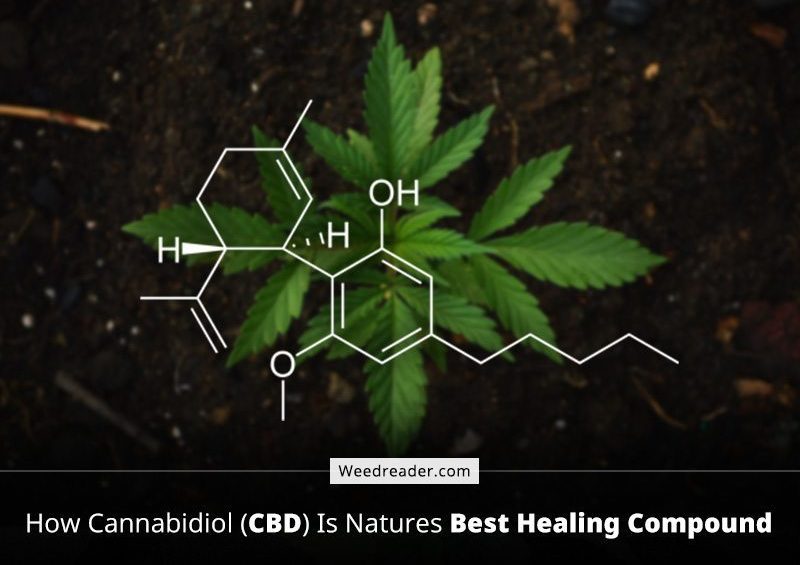
Cannabidiol (CBD) is a naturally occurring compound found in cannabis plants.Scientific research over the last few decades has shown that Cannabidiol has dozens of medical benefits. Cannabidiol is one of over 60 compounds found in cannabis.  Both THC and CBD belong to a class of molecules called cannabinoids.
Of the known cannabinoid compounds, CBD and THC are usually present in the highest concentrations, and are therefore the most recognized and studied. The difference between CBD and THC comes down to how they interact with the cannabinoid 1 (CB1) receptors. Cannabidiol inhibits the interaction of CB-1 receptors throughout the body with a major focus on receptors in the central nervous system.
CBD Flower

How does CBD work in the body?

Cannabinoid receptors are cell membrane receptors  that contain transmembrane spanning properties. Cannabinoid receptors are activated by three groups of ligands (a molecule that binds to another molecule):  endocannabinoids that are produced inside the mammalian body, cannabinoids produced in plants and synthetic cannabinoids. Because CB-1 receptors bind with all three types of cannabinoids, one source can be supplemented for the other to provide medical benefit to patients.
The endocannabinoid system is a vast network of cell receptor proteins and serves many functions. CB-1 receptors are heavily concentrated in the central nervous system. Others types of cannabinoid receptors are found all over the body. They’re in every humans skin, digestive tract, and even in their reproductive organs. All of the endocannabinoids and plant cannabinoids bind to fatty compounds in the body. The binding properties of cannabinoids are why THC and CBD remain in a person’s system for so long.

How does CBD work in the brain?

Cannabidiol has low binding affinity for CB1 receptors. THC binds well with CB1 cannabinoid receptors but CBD does not. This is why one (THC) will cause a high and the other (CBD) will not. While this makes Cannabidiol a bad choice for recreational users, it is a significant advantage for use as a medicine. The high associated with cannabis is generally considered a side effect.
Since health professionals prefer treatments with minimal side effects. CBD is seen by most medical professionals as preferable to THC. CBD is non-psychoactive because it doesn’t act on the same pathways as THC. These pathways, called CB1 receptors, are highly concentrated in the brain and are responsible for the mind-altering effects of THC.
CBD Flower 1

What does CBD do?

The fact that Cannabidiol-rich cannabis is non-psychoactive or less psychoactive than THC-dominant strains makes it an appealing option for patients who want to avoid the stereotypical feelings associated with consuming cannabis.
Scientific and clinical research underscores Cannabidiol’s potential as a treatment for a wide range of conditions. People looking for relief from inflammation, pain, anxiety, psychosis, seizures, and other conditions without disconcerting feelings of lethargy find Cannabidiol to be an effective treatment.
Conditions including arthritis, diabetes, alcoholism, MS, chronic pain, schizophrenia, PTSD, depression, antibiotic-resistant infections, epilepsy, and other neurological disorders find the most relief from treatments. This is because CBD has demonstrable neuroprotective and neurogenic effects along with anti-cancer properties. These properties are currently being investigated at several academic research centers around the world.

How does CBD treat all these health issues?

The biggest distinction between CBD vs. THC comes down to a basic difference in how each one interacts with cannabinoid 1 (CB1) receptors. THC binds well with CB1 cannabinoid receptors while CBD does not. Think of it like an electrical plug connecting to an outlet.
A THC molecule is perfectly sized to connect with CB1 receptors. When that connection happens, THC stimulates those CB1 receptors like turning on a switch. THC works to activate those CB1 receptors.Cannabidiol works in a different way. It doesn’t act directly to activate or suppress CB1 receptors. Instead, it acts to suppress the CB1-activating qualities of a cannabinoid like THC.  So while THC turns on CB-1 receptors like sticking a key in an outlet, CBD blocks the outlet.

If CBD is so good, why isn’t it more mainstream?

Even though CBD shows great promise as a medicine, it remains illegal in most of the world. CBD is classified as a Schedule I drug (right beside THC) in the United States and a Schedule II drug in Canada and the UK.
The US government has been studying CBD for a while and fund most of the science going on stateside due to the difficulties associated in researching a schedule 1 substance. Even with the challenges, intrepid researchers have identified dozens of conditions that can be treated or cured using Cannabidiol.
A team of researchers at the California Pacific Medical Center, led by Dr. Sean McAllister, has stated that they hope to begin trials on CBD as a breast cancer therapy. Due to the challenges of navigating the FDA, they are fighting an uphill battle.

If CBD is great as medicine, why aren’t more drug companies using it?

All is not dark for CBD research. The U.S. Food and Drug Administration recently approved a request for a clinical trial of a CBD based drug. The drug in question is a pharmaceutical version of CBD used to treat children afflicted with rare forms of epilepsy. The drug is called Epidiolex and is made by GW Pharmaceuticals. GW Pharmaceuticals also makes another cannabis-based drug called Sativex.
Even with approval of trials for Cannabidiol based meds, the U.S. Drug Enforcement Agency (DEA) made it clear that marijuana-based extract is still considered a Schedule I drug under federal law. They made sure to say in a Dec. 2016 address that the ban includes CBD oils and other types of CBD-rich extracts.

What does the future of CBD look like?

In general, far more research is needed to figure out all of the effects cannabis has on our bodies. But, to say that our overall understanding of CBD is “lacking” would be an understatement. In the midst of medical and recreational legalization happening in the US state by state, the federal stance on cannabis remains staunchly opposed. While the UK classifies CBD as a schedule 2 substance, the US still tightly holds to its schedule 1 status of all things cannabis.
A pharmaceutical version of Cannabidiolwas recently developed by a drug company based in the UK. The UK based company, GW Pharmaceuticals, is now funding clinical trials on Cannabidiol as a treatment for schizophrenia and certain types of epilepsy through the significantly easier UK process.
Only time will tell if cannabis will become a mainstream medical tool in the future. With political pressure and overwhelming public support for legalization, there has been a lot of gains in recent years. As legislation moves cannabis out of the darkness and into the limelight, government agencies like the FDA will have to reevaluate how they have classified cannabis. Thanks for reading.
 

mcanna

A History of Medical Cannabis Part 1: Ancient Cannabis

Medical Cannabis is known by many names.

Whether you call it; ganja, weed, dope, grass, or the medical cannabis, it all means the same thing. Cannabis is one of the earliest plants known to be harvested by man. In fact, the oldest human artifact on record is an ancient sandal made from cannabis fibers known as hemp. The fibers of the cannabis plant were used in the oldest civilizations like Rome, Assyria, Egypt and China.
Some of the oldest known medicine was also made from cannabis. The earliest record of medical marijuana use was in 2900 BC by Chinese Emperor Fu. He and a majority of his citizens used the herb for medicinal purposes. From treating headaches and nausea to acting as an aphrodisiac, the ancient Chinese were pioneers in cannabis research.

Over the centuries, marijuana was used medicinally all over the world.

Many festivities and religious ceremonies involved cannabis as well. Cannabis was so important to ancient religious rites that it was an integral part of many rites including the process of anointing. Early Christians were well aware of how cannabis worked and used it in many of their most sacred rituals.
Christians inherited many of their religious practices directly from the Hebrews. The word Christ actually means ‘the anointed one’ and many scholars believe that Christ was anointed with chrism, a cannabis-based oil. The ancient recipe for this oil recorded in Exodus (30:22-23), included over 9 pounds of cannabis flower which the Hebrews called kaneh-bosem.
The Hebrews extracted the cannabis into about 11 pints of olive oil. This cannabis concoction was then mixed with a variety of other herbs and spices in very specific ways. The mixture was normally used in anointing and rituals that would allow the priests and prophets to commune with the divine.

Cannabis was used by more than just the ancient Chinese and Hebrews though.

India has a deep and long history with the plant.  Ancient chefs created a drink known as bhang out of cannabis paste, milk and spices. Shiva is said to have loved the drink so much that he took the title “Lord of Bhang”. Bhang has remained a medical remedy/ preferred beverage in India for centuries and is prepared there to this day. Zoroaster is also said to have listed cannabis as the most important of 10,000 medicinal plants.
The Indian Hemp Drugs Commission described the history and culture of cannabis in India: “To the Hindu the hemp plant is holy. A guardian lives in the bhang leaf… To see in a dream the leaves, plant, or water of bhang is lucky… No good thing can come to the man who treads underfoot the holy bhang leaf. A longing for bhang foretells happiness.”
Cannabis has been popular in India since the beginning of recorded history and is often drank. Nuts and spices like; almonds, pistachios, poppy seeds, pepper, ginger and sugar are mixed with cannabis and boiled in milk. Yogurt can also be used instead of milk. While popular in the east, bhang has never caught on with western pallets the same way.

Romans used Medical Cannabis as well.

The Greek physician Pedanius Dioscorides from around 40-90AD was a Roman army doctor who traveled widely on campaigns throughout the Roman empire. He studied many plants, gathering his knowledge and assembling it into a book he titled De Materia Medica (On Medical Matters).
Published around 70AD, De Materia Medica became the most important medical text for the next 1500 years. Virtually all medical texts were based off of this single work. Within its pages were contained the most important and useful plants known to mad. Included in the tome was cannabis, both kannabis emeros and kannabis agria, the male and female respectively. Dioscorides stated bluntly that the plant used in the making of rope also produced a juice that treated earache and suppress sexual longing.

Even the Egyptians were into medical cannabis.

In the ancient world, Egypt was a center of trade and information. Their position at the mouth of the Nile provided a base of strength for millennia. Part of that strength was advanced medical techniques that were passed down through the use of writing. Ancient Egyptian doctors and pharmacologists would use papyrus to record their work.
One of the oldest texts to survive to modernity is the 2nd century Fayyum Medical Papyrus. This ancient Egyptian text is believed to contain the earliest record of cannabis as an ingredient in cancer medicine. While they didn’t record enough for us to assess the successes of ancient Egyptian cancer treatments, cannabis continues to receive interest as a cancer therapy today.
Cannabis pollen was even found on the mummy of Ramesses II. He was a powerful Pharaoh who died in 1213 BC. It is unclear how the cannabis was used but prescriptions for cannabis in Ancient Egypt also included treatment for the eyes (glaucoma), inflammation, cooling the uterus, as well as administering enemas.

Cannabis is actually new to the Americas.

By the late 1700s, American medical journals began recommending hemp seeds and roots for the treatment of inflamed skin, incontinence and venereal disease. But it was Irish doctor William O’Shaughnessy who first popularized marijuana’s medical use in England and America.
O’Shaughnessy was a physician with the British East India Company during the years leading up to the American Revolution. He found marijuana eased the pain of rheumatism and was helpful against discomfort and nausea. Patients were prescribed cannabis most for cases of rabies, cholera and tetanus. Truly, Dr. O’shaughnessy was an integral part of the rise of medical cannabis in Europe and the Americas.

In the age of scientific innovation, cannabis was in medical texts.

In 1621, medical marijuana made its way into the English Mental Health Book, the most popular medicinal textbook from the time. Of all the things it could have suggested, it recommends marijuana to treat depression, the same as modern scientific research has shown.
Early Settlers had cannabis but mainly used it for fiber. The Jamestown settlers brought the marijuana plant specialized to produce fiber commonly known as hemp, to North America in 1611.
Throughout the colonial period, hemp fiber was an important export. By 1762, cannabis cultivation can become so common that Virginia awarded bounties for hemp culture and manufacture along with imposing penalties on those who did not produce it.

It wasn’t until the 1900’s that cannabis lost its medical, economic and spiritual prominence.

With the invention of television and the consolidation of media during the 1900s, cannabis moved from medical staple to outcast with surprising speed. Due to the efforts of Larry Anslinger and his associates, medical cannabis was stripped from medical texts and scientists were effectively banned from studying it.
Top image: Bigstock

npk

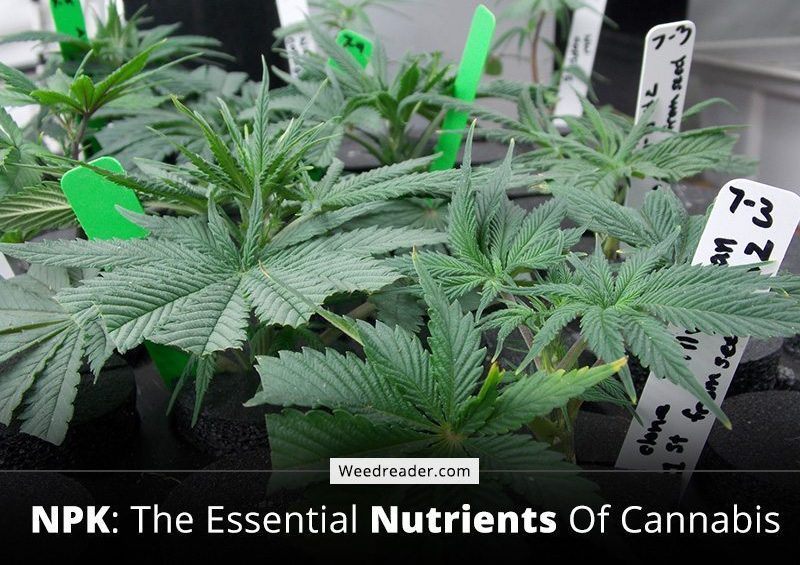
NPK: The Essential Nutrients of Cannabis

How do I use NPK to grow the Best Cannabis?

If you are planning on growing cannabis, there is a lot of information to absorb. One of the most basic and important elements of growing great cannabis is making sure it has the right nutrients. Like any plant, cannabis has a special diet  made up of three main elements. Instead of eating fats, protein and calories like humans, plants need nitrogen, phosphorus and potassium or NPK for short.
The three main nutrients are known as macro-nutrients and basically all plants need them to survive. From giant redwood trees to Venus Fly Traps, Nitrogen, phosphorus and potassium are the building blocks of a healthy plant. Yet not all plants require the same amount of each element so care is needed to provide the right mix of nutrients.

So how do I get the right mix of nutrients?

The easiest way to adjust the nutrient balance of soil is to add fertilizer. Modern cultivators have a wide range of products available to choose from. Most garden supply stores have a dizzying array of fertilizers in a myriad of forms. Liquid, solid, powder, organic, the list of methods for delivering nutrients to plants goes on. Each method or delivery system is keyed to different growing techniques but there is some basic info on every one of the bottles on the shelf.
All fertilizer has three numbers on it referred to as the NPK levels. The three numbers on fertilizer represents the value of the three macro-nutrients used by plants. These macro-nutrients are nitrogen (N), phosphorus (P) and potassium (K) or NPK for short.
Why do they call it NPK?
People have been growing plants for a LONG time. Some of the most important cultivators we have records of are the Greeks. Not because they were inherently special, but they helped propel language into a new era through conquest and trade so people often refer to them as founders of “Western Societies”. Greek also provided the root for the development of Latin. The Greek impact on cannabis cultivation permeates deeper than many understand.
Take the names of the nutrients; Nitrogen, Phosphorus and Potassium. Nitrogen is a French word coined in 1790  by Antoine Chaptal from Greek nitron “sodium carbonate” and French gène “producing,” which is itself a derivative from Greek -gen “giving birth to”.
Phosphorus comes from Greek φῶς and -φόρος (phos and phoros), which means “light bearer”. They called it that because white phosphorus emits a faint glow upon exposure to oxygen. Phosphorus was also the ancient name for Venus, or Hesperus, the (Morning Star) which has a faint glow. Then we get to Potassium which is often referred to as potash.
The English “potash” means “pot ash” as potassium is a compound prepared from an alkali extracted in a pot from the ash of burnt wood or tree leaves. Potash is a literal translation of the German potaschen, which means “pot ashes”. The symbol K is from the Latin name kalium, which means “calcined” or powdered ashes.

So how do I read the NPK values?

All modern fertilizer has the NPK values on the packaging. These values scale with potency. The higher the number, the more concentrated the nutrient is in the fertilizer. For example, fertilizer listed as 20-5-5 has four times more nitrogen in it than phosphorus and potassium. A 20-20-20 fertilizer has double the concentration of all three nutrients than one with 10-10-10.
Plants need nitrogen, phosphorus and potassium to grow. Without enough of any one of these nutrients, a plant will have issues and may even die. But they need each for different reasons. Nitrogen (N) is largely responsible for the growth of leaves and foliage on the plant. Phosphorus (P) is largely responsible for root growth and flower or fruit development. Potassium (K) helps the overall functions of the plant like stem development and water absorption perform correctly.

How do I know how much to use?

For cultivators working with prepared soil like Dakine 420 or Fox Farms, the level of nutrients in the soil is labeled. For cultivators working with native soil, getting a soil test is a great way to measure its health and fertility. These tests are generally inexpensive, but vital when it comes to growing and maintaining healthy plants in the garden.
Soil tests are used to determine the current fertility and health of your soil. Once a cultivator has this information, they can find the right formulation to bolster what is already there. Soil tests also show the pH in addition to macro-nutrient levels.
By measuring both the pH level and pinpointing nutrient deficiencies, a soil test can provide the information necessary for maintaining optimal fertility. Most plants, including grasses, flowers, and vegetables, perform best in slightly acidic soil (6.0 to 6.5). Others, like azaleas, gardenias and blueberries, require a somewhat higher acidity in order to thrive.

Why do most nutrients have a Veg and Bloom portion?

Not all plants require the same nutrients throughout their lives either. Marijuana requires a higher nitrogen ratio during the vegetative and early flowering stages  as it is the main component for plant growth. During flowering the plant prefers a lower nitrogen and higher phosphorous NPK fertilizer ratio because phosphorus is important for flower and resin development. Adjusting the micro-nutrient levels can also change the absorption rates of macro-nutrients.
The NPK fertilizer ratio does not show the micro-nutrients. These are trace elements provided by most soils. They need to be added when using a hydroponic grow system. Having ‘hard water’ or water with calcium above 200 PPM makes adding more calcium counterproductive and can lead to nutrient lock-out. This is why several companies offer micro-nutrients for hard water.

So are all fertilizers with the same NPK interchangeable?

Even given the exact same NPK ratio, not all formulations are the same. The NPK elements of any fertilizer are bound up in molecular compounds with differing degrees of bio-availability. Companies may offer their nutrients as inorganic salts, oxides, or even as colloidal minerals. Depending on the individual system (soil, hydroponic, aeroponic) one method may be preferable over another.
Be sure not to mix nutrient lines from different manufacturers without knowing how their micro-nutrients interact. This is a difficult process for most without a chemistry degree so it is advised to see if other cultivators have experimented with identical mixtures. If their results are  and mimic their process. Remember that order of operations is important and to follow their process exactly.

What should the NPK levels be?

Even more important than the actual numbers on the package is the ratio of each of the primary nutrients to each other. One cultivator can grow using nutrients with a rating of 15-30-15 and another can get identical results using 5-10-5 because the proportion of each nutrient is the same. During vegetative-growth, phosphorus levels should remain at about 1/2 of nitrogen levels. Potassium should be close to 1/2-2/3 that of nitrogen.
During flowering, phosphorus takes the lead. Keeping nitrogen at 1/2 and potassium at 1/2-2/3 the strength of phosphorus is a common benchmark. It is important to note that potassium is consistently maintained throughout both stages at 1/2-2/3 the level of the main nutrient. Staying close to this ratio will prevent a nutrient lock-out.
A nutrient lock-out is when nutrients combine to form compounds that your plant can’t use. Many liquid and powder nutrients need to be added in a specific order to prevent them mixing with other compounds and forming unusable compounds. Make sure to read the instructions on any nutrients used to prevent wasting product or damaging plants.
NPK 2
Thanks for reading.

S20161213 0017

What Science says about Cannabis Trichomes

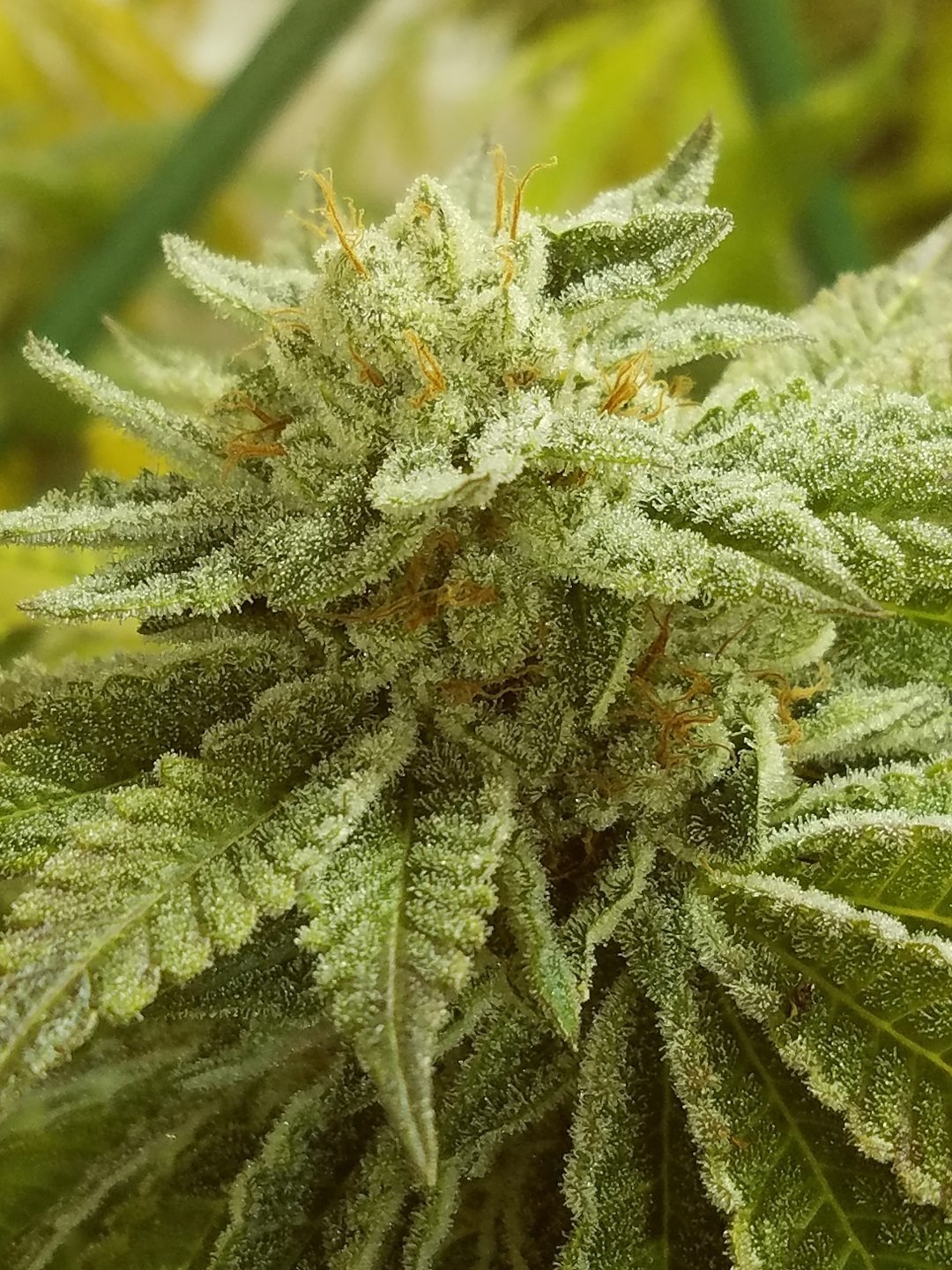
Trichomes are responsible for producing cannabinoids and terpenes in cannabis.
In fact, almost all of the medical benefit of cannabis comes from trichomes. Compounds like THC and CBD are prescribed by doctors to treat maladies from cancer to headaches.
Trichomes (trichs) are at the heart of the cannabis consumers quest. They are the workhorses that produce the medical miracles that cannabis is known for.
That is because all of the chemicals doctors have discovered in cannabis that treat disease and pain are produced in tiny structures called trichomes. Without trichomes, cannabis wouldn’t be able to help people.
Need to cure some cancer? Cannabis can help because of trichomes. Looking to take the edge off with a quick toke? Better have THC rich trichomes loaded in that bowl or the effort is wasted.
 
Trichomes

So what are trichomes exactly?

 
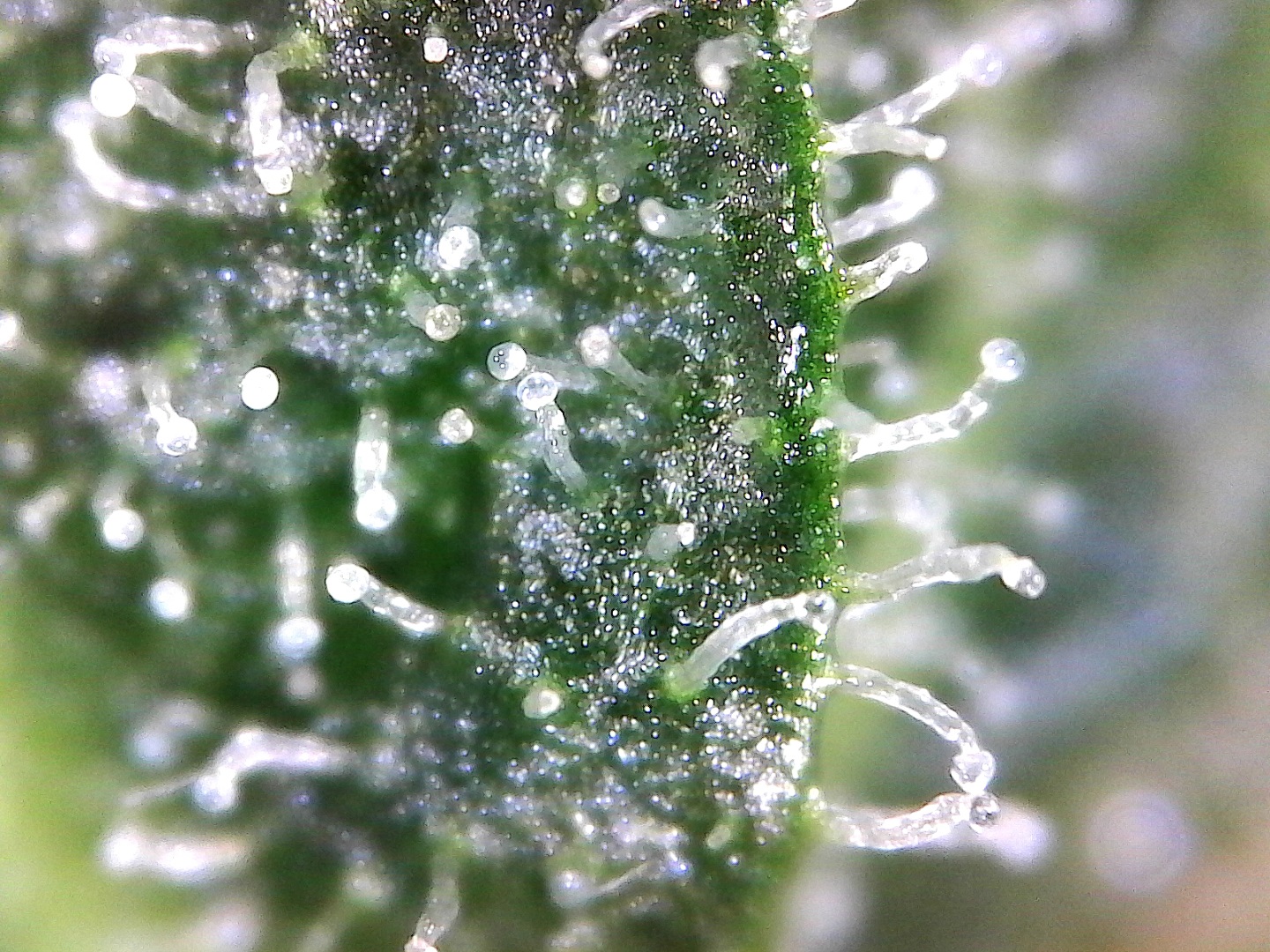
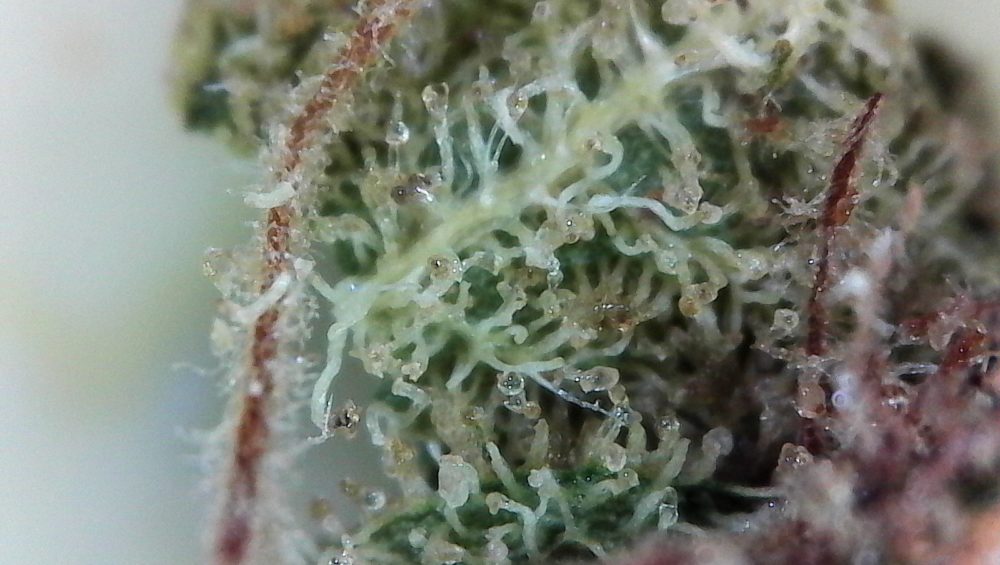
Trichomes are basically tiny chemical factories that cannabis plants create during the flowering process. These factories produce a potent mix of chemicals known as cannabinoids and terpenes.
 
Most of the 85 cannabinoids found in cannabis are non-psychoactive, meaning they don’t get you high. Yet they do have significant scientific and medical applications that go way beyond getting stoned.
 
Cannabinoids interact with the endocannabinoid system to produce a variety of positive effects. Research shows that THC and CBD act as neuroprotectants, increase neurogenesis, and can even relieve depression.
 
Terpenes on the other hand are the chemicals responsible for smells. Limonene is the terpene responsible for the smell of lemons while myrcene is what gives mangos their smell. Yet both terpenes along with a slew of others can be produced by trichomes.
 
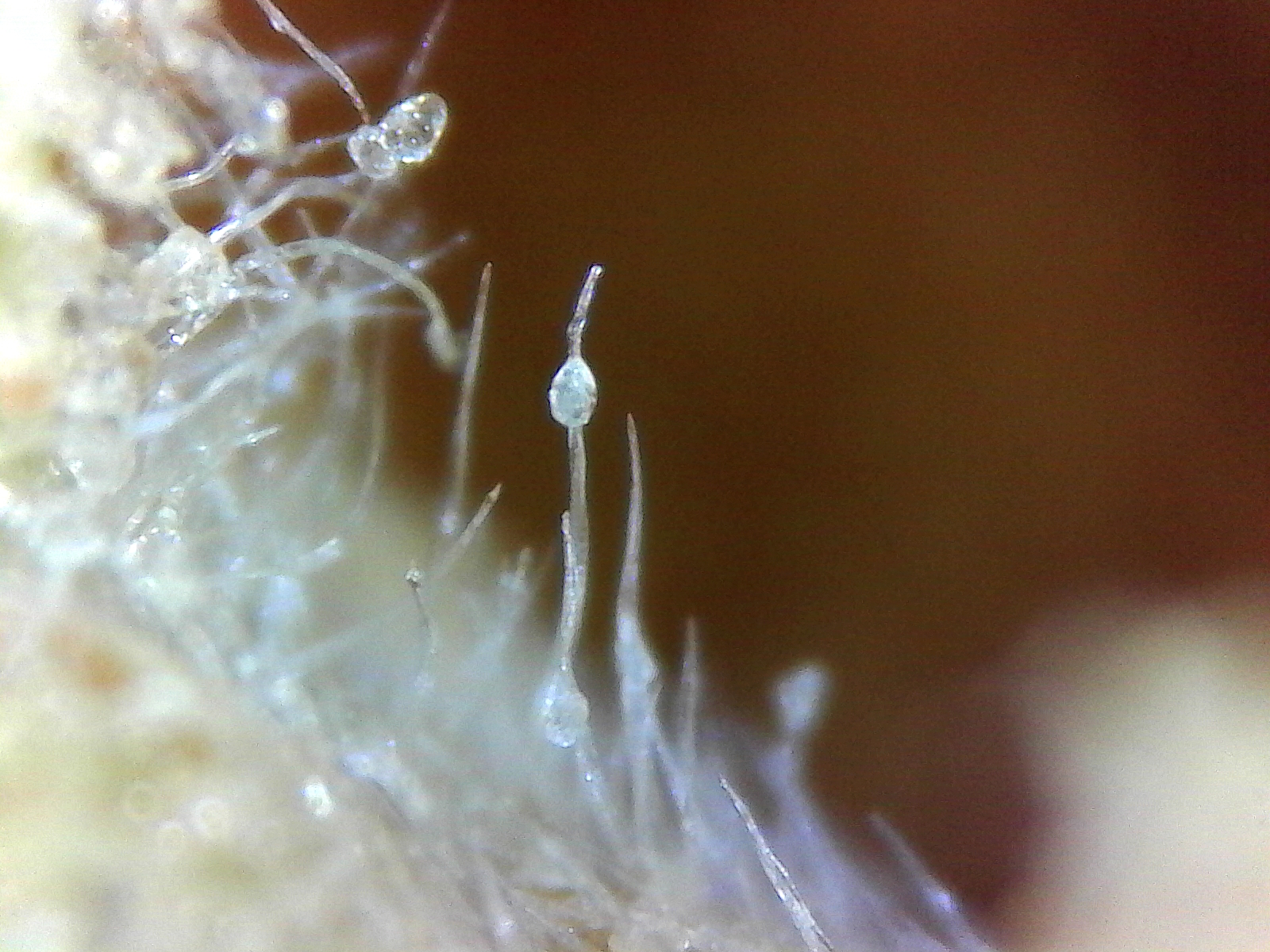
So what does a trichome look like? It is a small hair-like structure produced in the flowers, leaves and stem of cannabis plants. Their main purpose is to protect the plant from dangers like insects or fungus.
 
Not to be confused with the pistils, trichs are small. Ranging from only 15-500 microns in size, individual trichomes are almost impossible to see with the naked eye. After all, a human hair is only 100 microns across.
 
Being small doesn’t stop them from creating the potent smell associated with cannabis though. Terpenes produced by trichs can be incredibly powerful, filling the air for miles around with the sweet smell of ganja.
 

 There are many interesting nuances about the science of trichomes. 

 
The chemicals that trichs produce have some amazing properties as well. Cannabinoids like THC and CBD act as neuroprotectants, increase neurogenesis, and relieve depression. Contrary to the fear-mongering of the last few decades, consuming cannabis can protect the body.
 
And don’t assume that people need to be blazed out of their minds in order to receive a benefit. Most of the 85 cannabinoids found in cannabis are non-psychoactive, meaning they don’t get you high.
In fact, even some forms of THC like THC-A and THC-V don’t get people high. The compounds simply can’t fit into the brains receptors responsible for the feeling of getting high.
Even though a person may not consciously feel the effects, cannabinoids and terpenes produced in trichs have a synergistic quality. The compounds work with each other to magnify the potency of the others.
Take Myrcene as an example. This terpene is found in and  responsible for the smell associated with mangos. Myrcene is also one of the most prevalent terpenes in cannabis.
Besides smelling nice, myrcene also helps THC bypass the blood-brain barrier. Basically letting people get high faster and with less cannabis. The effects of cannabis comes down to the ratio of terpenes and cannabinoids that the trichomes have in them at the time.
The specific ratio of cannabinoids and terpenes inside of trichs changes as the terpene develops. This makes timing the harvest a critical step of the process.

Trichome care — what to know about aging and handling of the plant.

 
So how do people know when a trichome is ready? They look for some of the signs of mature trichomes. These signs include a strong odor and a milky color.
 
As the cannabis plant enters the flowering process, it starts producing vast quantities of trichs.  Strong odors will develop as the initially clear trichomes begin their chemical foundries.
 
Immature trichomes often have high levels of CBD instead of THC. As a trichome matures, it will begin to cloud up and become milky. Once they have matured, THC becomes the most common cannabinoid.
 
Life for a trichomes doesn’t stop once it hits maturity though. They continue to develop as long as the plant sticks around. Trichomes that have lived past their prime also continue to change color.
 
As a trichome moves into old age, the color shifts from milky white to dark amber. The color reflects the chemical decomposition of THC. As the trichomes age, they break down THC into CBN.
 

How do people get the most value from trichomes?

 
Trichomes are produced during the flowering process of the cannabis plant. Once produced, trichomes develop over several months before being ready to harvest.
 
Harvesting before trichomes are fully developed will limit the potency of the final product. That makes the best time to harvest the plant at the final stages of the flowering stage.
 
Even though all plants are able to produce trichs, they don’t all do it evenly. The female plants produce the significantly more than the males, especially when unpollinated.
 
Pollinated cannabis plants divert a great deal of energy to producing seeds instead of trichs. This is why many growers remove male plants from their crop before moving into the flowering process.
 
Things like ensuring adequate nutrients, preventing pollination, high enough levels of light and preventing pests all contribute to heavy trichome yields. Genetics also play a major role in trichome development.
 
Sometimes strains can produce more trichomes than others. Strains like Durban Poison and Haze take a long time to grow and are known to produce less than strains like Critical Cure and Green Crack.

Other times, a plant needs a little extra push.

Adding  extra CO2 to a grow room can also increase the growth rate of cannabis which leads to additional trich production.
 
Many growers implement a CO2 burner in their rooms to ensure a constant abundance of gas for the plants to use in making more trichomes. This technique can add a significant amount of trichomes compared to other methods.
 
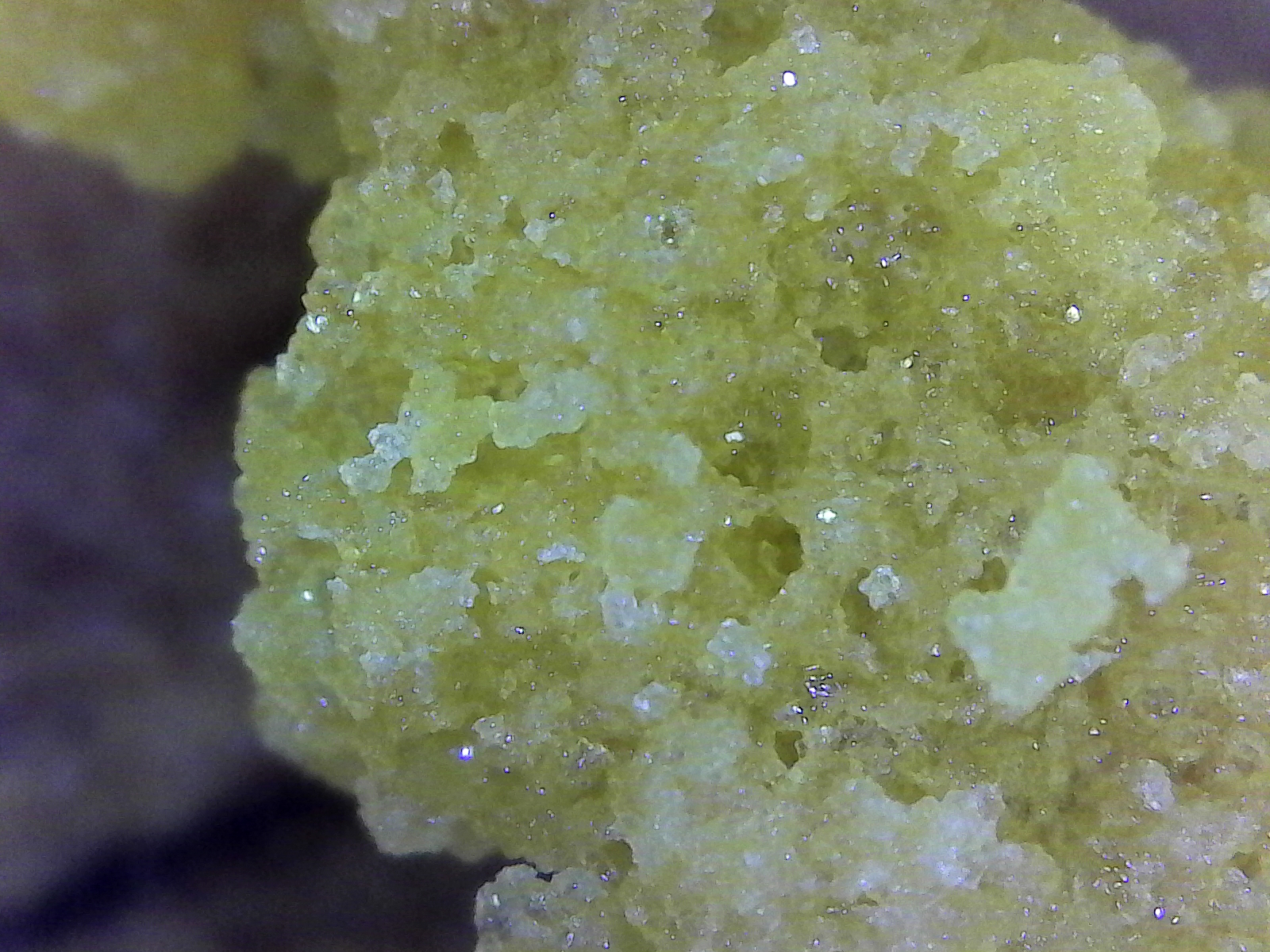
Growers can also extract the trichs from harvested plants in order to produce a stronger product. The extraction process can be simple or complex but the goal is the same: separate the trichomes from the rest of the plant.
 
Methods like ice baths, dry sifting and using chemical solvents have all been developed to try and isolate the trichomes. The isolated trichomes are essential for products like BHO, CO2 and PHO.
 
Truly, the trichome is the key player in the cannabis game. Without trichs and the chemicals they produce, cannabis would not be cultivated around the world.
 
Hopefully, legalization will continue to progress and more people will get to learn about how important the trichome really is. Thanks for reading.