prop64

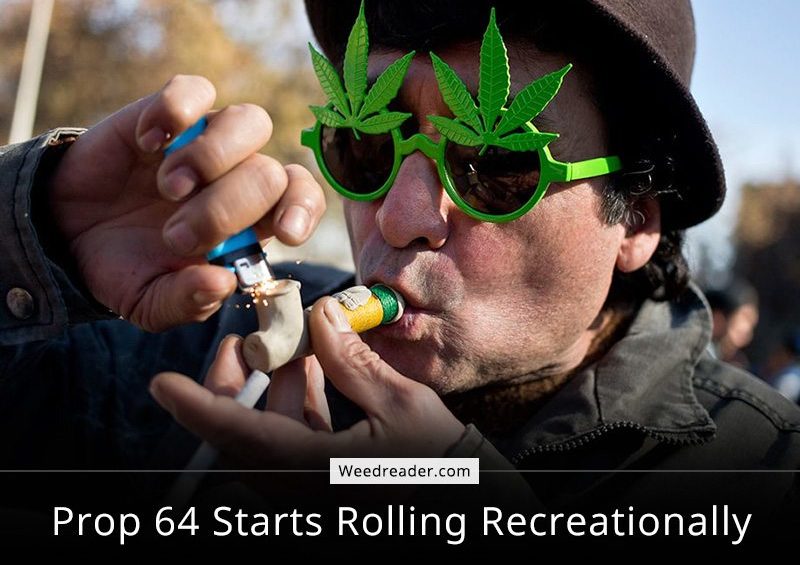
Prop 64 Starts Rolling Recreationally

Prop 64 is getting recreational weed rolling.

Also known as the Adult Use of Marijuana Act (AUMA), Prop 64 passed with a wide, 57-43% margin in November 2016. There were nearly 8 million people who voted to legalize marijuana but there were still close to six million voters who liked the status quo. A big part of the broad support for legal weed may be from the deep history California has with the plant.
Cities like Mendocino, Orange County, Weed, and San Francisco all have a vibrant horticultural culture. They were also some of the heaviest hit by the AIDS epidemic. Reducing suffering for terminally ill patients was enough motivation for California to allow medical marijuana. This is part of the reason so many popular strains come from the sunshine state.
Granddaddy Purps, SFV OG and countless others have become internationally recognized, California based genetics. An entire region of northern California is known as the Emerald Triangle because of how prevalent weed is. But up until now, only medical cannabis has been legal in California. The new bill marks a new chapter in California’s cannabis legalization legacy.

Prop 64 Updates the California laws in a few ways.;oaded bong
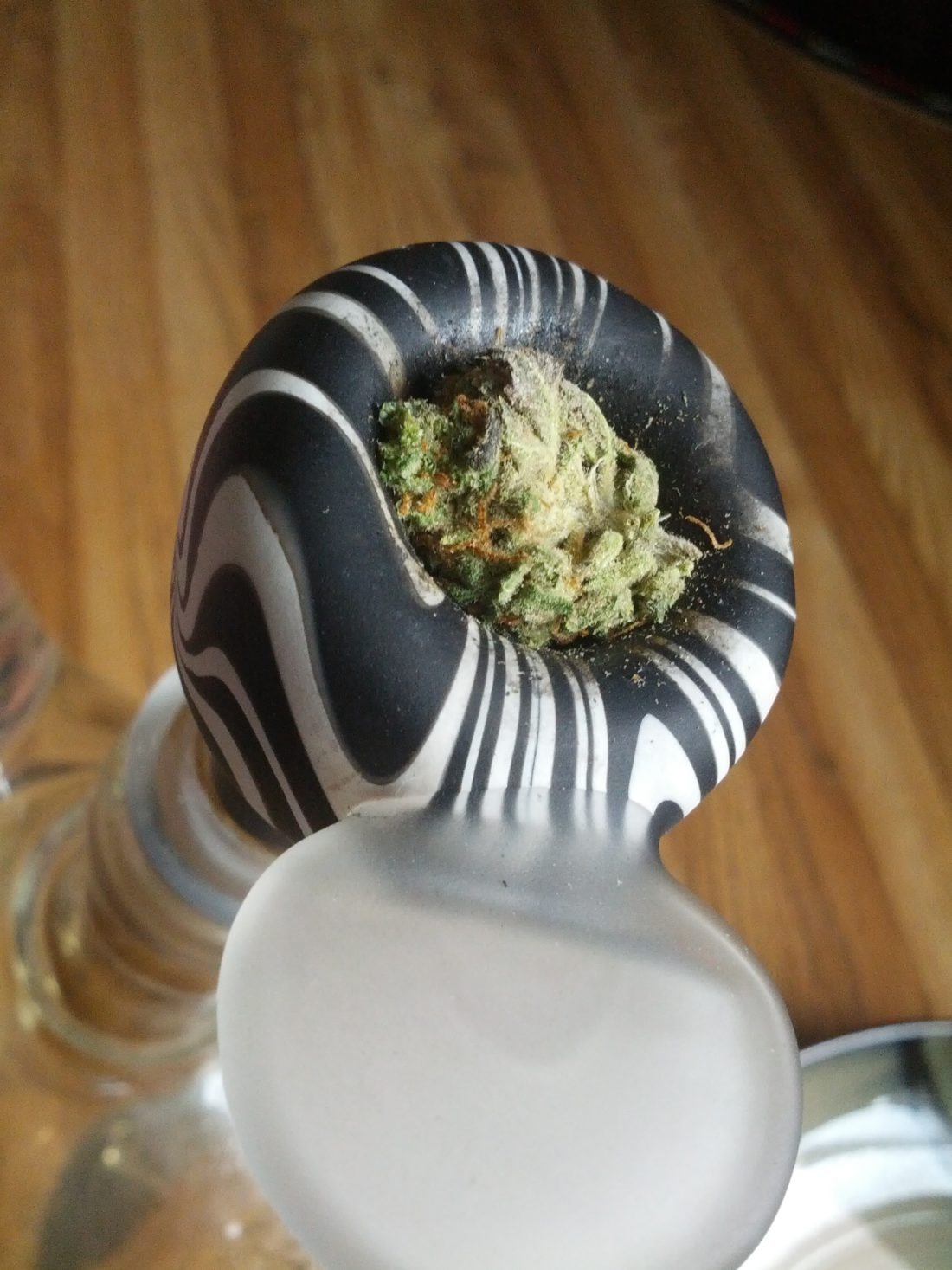
The new law makes possession of up to one ounce of sticky icky or eight grams of concentrates legal. Every adult (21 and over) is also allowed to grow up to six plants each. And prior offenders can file to have their records changed to reflect the new standard. But they don’t stop there.
California has a prison population issue from the harsh mandatory minimums that the War on Drugs brought about. Prop 64 reduces penalties for most cannabis related crimes (like cultivation, transport and sale) from felonies to misdemeanors. But repeat or violent offenders can expect to get some of that prison guard love that made Alcatraz such an attractive destination.
Part of how they distinguish the happy hippie from the dangerous drug dealer is if they have a license. The plan is to have a full regulatory system in place for commercial/personal cultivation and sales by January 2018. Like other states, they will pay for the regulations (and then some) through taxes and fees.

What kind of taxes are we talking about?

Glad you asked! Prop 64 establishes a flat production tax of $9.25/ oz. of flower to start. That means that small operations will earn orders of magnitude less profit than their industrial counterparts. This helps attract investment but also puts huge financial pressure on small and even medium sized operations.
Another tax concession was a new tax on both medical and recreational sales. The state decided to implement a new 15% excise tax for retail sales. This new tax is scheduled to take effect in January of 2018 for both medical and recreational users. To make up for the new tax, California gave resident medical patients with ID an exemption. They don’t have to pay the current 7.25% sales tax. They made the exemption effective immediately which shows how much they care about their medical patients.
Industrial hemp also got some love with the bill. Effective Jan 2017, farmers have been allowed by the state to grow hemp in their fields. Hemp genetics are mostly comprised of several extremely low THC strains of cannabis. This means it can often be high in the non-psychoactive compound CBD. The decision of the DEA to make CBD a schedule 1 drug (and thereby prevent most hemp production) made this inclusion especially important.

Legalization means regulation, not anarchy.Say What
A lot of people confuse the word legalized with the word unregulated. Legalization means that every penny needs to be accounted for and every dot needs to be crossed because someone is watching. You can’t just roll up to a dispensary with a bag full of chronic and expect to walk away with a check. You can expect to get a night stick massage and a new pair of linked bracelets.
Illegal sale, transport, manufacture, cultivation or possession with intent to sell are all big no-no’s. You also can’s smoke or consume in any “public place”, on school grounds or have an open container while driving. Even having a spliff tucked into your beanie while mountain biking down a trail is can get you a DUI or misdemeanor.
If minors are caught in possession, they no longer have to fear imprisonment though. They will get to spend plenty of time in drug education and community service as long as weed is all they get hit for. But if anyone happens to be a three-time offender, they get special treatment that may be more in line with the federal guidelines.

Oh, and none of this applies of federal property.prop 64 no-no zone
The entire state of California (and the entire West Coast from Canada to Mexico to be honest) has started legalizing recreational cannabis. But federal law still Trumps state law most of the time. Anywhere that is considered federal property  is exempt from the new laws. This includes places like the post office, courthouses, parks and military posts. Get caught with weed there and it’s in federal prosecutors hands.
While individual states have taken measures to reduce penalties for cannabis consumption, they still maintain that is a federally illegal Schedule One substance. In any special cases that prosecutors feel justified in, they can choose to pursue federal charges and penalties. And with the new edict from Attorney General Jeff Sessions, federal prosecutors were ordered to seek the most severe punishments possible.
Federal charges are normally only brought forward in large cases where commercial distribution is suspected. This is normally in the hundreds of plants so small growers feel a modicum of safety. But recent political upheavals have shown that America is dominated by increasingly authoritarian and obnoxiously ignorant ideologies. This bill is a step in the right direction and gives Californian’s the opportunity to treat each other with compassion. But as great as this step is, don’t expect it to stop the federal ban hammer on its own. With all the documentation required to get a license, there will be no escape if Attorney General Sessions has his way.
weedcal

Insurance Companies to Cover Weed in California

Insurance can be hard to get.

Most Americans know how hard it is to deal with insurance companies. The coverage is confusing and Americans pay more than most other countries for health insurance.But what a growing number of business owners are discovering is that insurance companies can refuse to cover a marijuana business.
Because insurance is tied to federal regulations and oversight, insurance companies are playing a game of hot potato. Nobody wants to be holding the policy when the federal government comes knocking. Most simply refuse to touch the cannabis industry on principal.
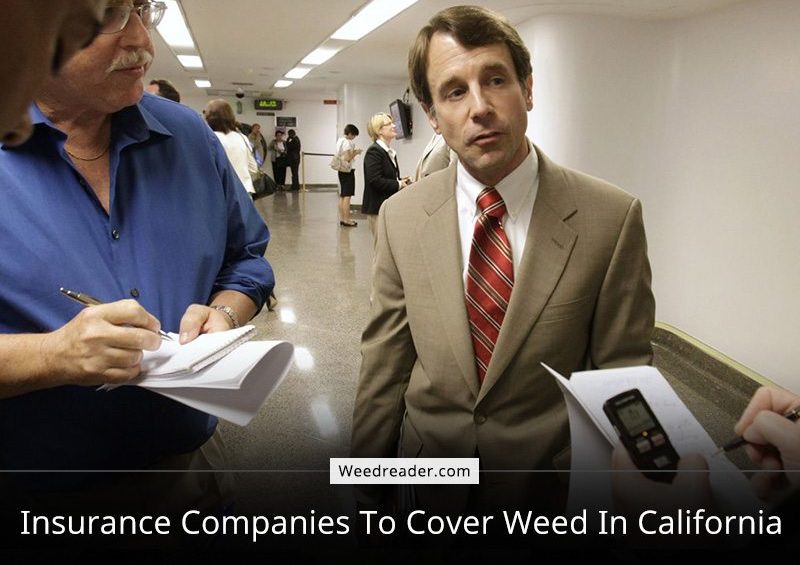
“Many insurance companies flat out do not have an appetite for any business related to cannabis,” said Brian Marblestone with the San Carlos brokerage firm Stratton Agency. But one person wants to change the insurance companies tune. California Insurance Commissioner Dave Jones recognizes the problem and has solutions.

What is Commissioner Jones’ plan?insurance companies tremble

Both consumers and business owners are at risk if there isn’t sufficient coverage. So Jones is holding a series of meetings aimed at educating major carriers. The end goal is to convince them to start insuring the multi billion-dollar cannabis industry.
Jones recognizes that there is a lot of ground to cover but hopes that the shift will happen soon. Regulators want all canna-businesses to carry at least $1 million of liability. They are even planning to deny licenses if the business doesn’t have insurance starting in January.
This is important because only some industries are required by the state to be insured. Banks and landlords can also demand insurance coverage where the state doesn’t. Jones is looking to normalize the requirements across the state so everyone can benefit.

Why demand Insurance Companies change?

Jones has been monitoring availability of insurance to the medical marijuana industry since 2011. During the last six years, he has noticed that cannabis businesses have been getting coverage almost exclusively from the surplus line market.
This includes carriers that are approved but not licensed by the state.  These carriers provide coverage for companies that have been turned down by major insurers. But surplus line policies tend to be more expensive and have stricter requirements than licensed carriers.
“I’m a big believer in competition,” Jones said. “Through competition we get better pricing, better quality and more choice in products.” Part of his plan to entice competition is to offer state support to major carriers entering the market.

Not everyone is on board yet.

(AP Photo/Rich Pedroncelli)
“Insurance companies are conservative in nature,” said Ian Stewart, an attorney with the firm Wilson Elser in Los Angeles who specializes in cannabis law. “Before entering any new market, they want to have the law of large numbers on their side, meaning they are able to study the trends and loss ratios of the different classes of business in the industry. This way they establish pricing models to rate the business according to the risk while still remaining profitable.
That kind of information simply isn’t available yet so people have had to get creative. Many times, cannabis business owners secure insurance coverage from a willing carrier. The business owner then presents proof of that coverage to their landlord, who hand it off to their own insurance company. Hopefully the efforts by Jones and others will result in better insurance for cannabis businesses.

govt mari

Government Targeting Marijuana Next

How could you tell if the government was targeting marijuana users?

Weed smokers often complain the government is targeting marijuana users. Complaints of government tracking is almost as common.But could there be any truth to the claim that the government will begin targeting marijuana users soon? Would their actions even be legal?
There was a time when the claim “someone might be listening.” was evidence of a damaged mind. But modern technology has cameras, phones, drones,  GPS, Google, toaster armies massing for DDoS attacks and a whole world of connectivity. That connectivity has made that ancient feeling of being watched all too justified. But surely, the government isn’t targeting cannabis users is it?
International news stories (real and fake) abound of secret investigations, abused innocents and government executions. Many of these stories cannot be verified without extensive investigation. The Federal Bureau of Investigation (FBI) was tasked with finding truth behind allegations that now president Trump colluded with the Russian Government. When it seemed like the truth was close at hand, Trump sent his body guard to inform Director James Comey that he was fired and needed to find his own way home.
With revelations about how the F.B.I. (Federal Bureau of Investigation) conducts extended surveillance and the unbelievable size of N.S.A. (National Security Agency) Data centers, how can you not feel eyes upon you? But is the government putting together lists and planning to take out cannabis once and for all? When FBI Director Comey looked too deeply  into presidential corruption, he was fired before he knew it. The prospect of government surveillance of stoners is troubling but government is already tracking how much weed we each buy and from where. The only real question is what they plan to do with it.

Evidence is mounting that the Trump regime is targeting marijuana.targeting marijuana

The Trump administration is shaping up to have a willfully inaccurate view of everything from climate change to cannabis. The use of “alternative facts” (which is code for lies) and the inability to maintain a single thought across two sentences have been defining elements of recent American politics.
The Attorney General (Jeff Sessions) has made claims that support the idea he would begin targeting cannabis if ever allowed. Sessions recently told law-enforcement officials, “I reject the idea that we’re going to be better placed if we have more marijuana,” and “It’s not a healthy substance, particularly for young people.”
Sessions isn’t the only one to voice concerning rhetoric about targeting marijuana  that ignores logic. After signing a recent government funding bill, Trump issued a statement where he singled out the provisions that prevent him from blocking states implementing medical marijuana bills. Trump promised to “ treat this provision consistently with my constitutional responsibility to take care that the laws be faithfully executed,”.

It always hurts more when you see it coming.too hot to touch

Trumps public question piñata and press secretary John Spicer has also voiced concerning views about targeting marijuana.  He told reporters recently “I think that when you see something like the opioid addiction crisis blossoming in so many states around this country, the last thing we should be doing is encouraging people,” He couldn’t leave it there though. Sessions continued,” There is still a federal law that we need to abide by.”
So far, there have been no open moves by the federal government to interfere with states passing marijuana laws. Although they have set records for using the biggest bombs ever made and continue to expand drone pilot programs. Only time will tell if the Trump regime hates cannabis enough to risk public opinion backlash. Trump seems fine with the idea of targeting marijuana users deemed recreational. In states like Washington, medical marijuana has been replaced with recreational laws. The Trump regime has warned us that the military grade gloves are ready to come off.

ssrelaxweed

Secret Service Relaxes Marijuana Ban

The Secret Service needs help.

Law requires the Secret Service to provide round-the-clock protection for the properties owned by the president. That includes places where nobody is living. President Trump might have taken that as a personal challenge as his protection costs have soared. Trump has spent hundreds of millions of tax dollars in just the first few months on travel to and from his private resort and security.
Trump has actually doubled the cost of protecting the president three times over. It is so expensive, congress had to add $120 million to the budget already. The extravagant travel and security details the president demands are making it impossible to provide with current rules.
The Secret Service needs to add thousands of jobs in order to properly guard the many cheap hotels and overpriced properties the president uses to increase his personal fortune. There simply are not enough Secret Service members to protect all the properties of the current president.

Concessions have to be made somewhere.Secret Service Director

The president cannot miss a chance to spend millions of dollars whenever he can. So the only reasonable option left is to add 3000 Secret Service members. The problem is that too many people flunk out of the program due to cannabis consumption.
We aren’t talking closet stoners that have been selling weed out of their footlocker. We are talking the people who want to protect our country and are actually qualified to do so. These are the guys who pass training, have solid credit, good eyesight and may have used cannabis when teenagers.
38 days into his new appointment as director of the Secret Service, Randolph Alles announced the decision to no longer disqualify candidates because of weed. He also acknowledged that the “very dedicated” agents were facing insurmountable demands and without the changes, there wouldn’t be enough candidates to provide the mandated protection.

Alles is looking to fix the staffing issue.

Alles outlined a new, “whole-person concept” in the new hiring practices that went into effect last month. Instead of simply yes or no questions about past use during a polygraph test, the Service now asks about history. Consideration is given for time between last use and testing but enough history is still considered a failure during the polygraph test.
“We need more people. The mission has changed,” Alles said before citing threats like al Qaeda and ISIS, as well has homegrown terrorists. “It’s more dynamic and way more dangerous than it has been in years past,” Alles said during his address. While his personal interactions with president Trump are singular, Alles is in charge of deciding who gets to protect the president.
The most interesting part of the equation is that the Secret Service is relaxing its ban on marijuana because it can’t hire enough people to protect the president. So Trumps refusal to give up control of his businesses has created a national security threat that will take almost $120 million to patch. This despite the danger level to president Trump being effectively the same as president Obama at 6-8 threats per day.

The challenge is more than just protecting properties.Secret Service

“I think between that and the fact that he has a larger family, that’s just more stress on the organization. We recognize that,” Alles said when addressing logistics of the constant presidential trips to Florida and New Jersey. Alles assured reporters that he’s been allocating resources accordingly.
Despite having spent more on travel than any living president, Trump still hasn’t made it to Camp David. As the traditional escape of presidents, the Maryland military installation  remains fully staffed and protected at all times. “Obviously, we won’t be able to dictate his travel,” Alles said. “We interface with his staff on how they schedule things and what works better and causes us less resource demands.”

bongs

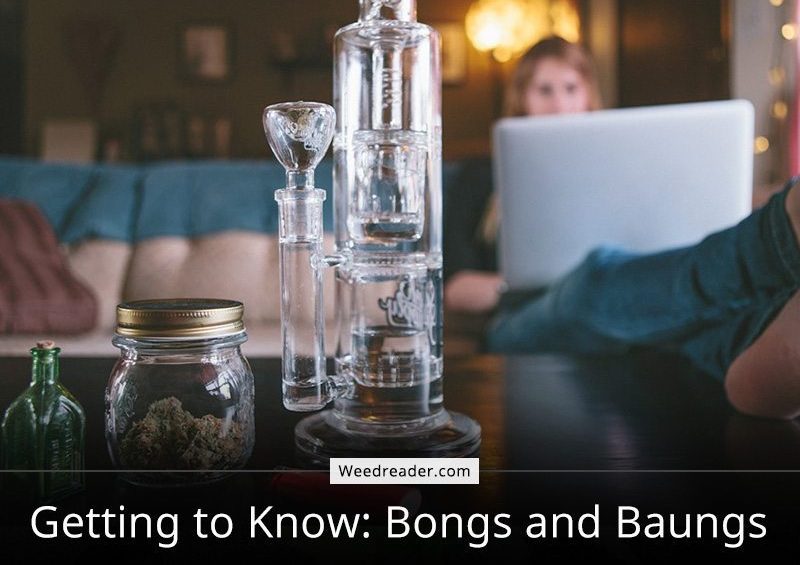
Getting to Know: Bongs and Baungs

Bongs have been around for a while.

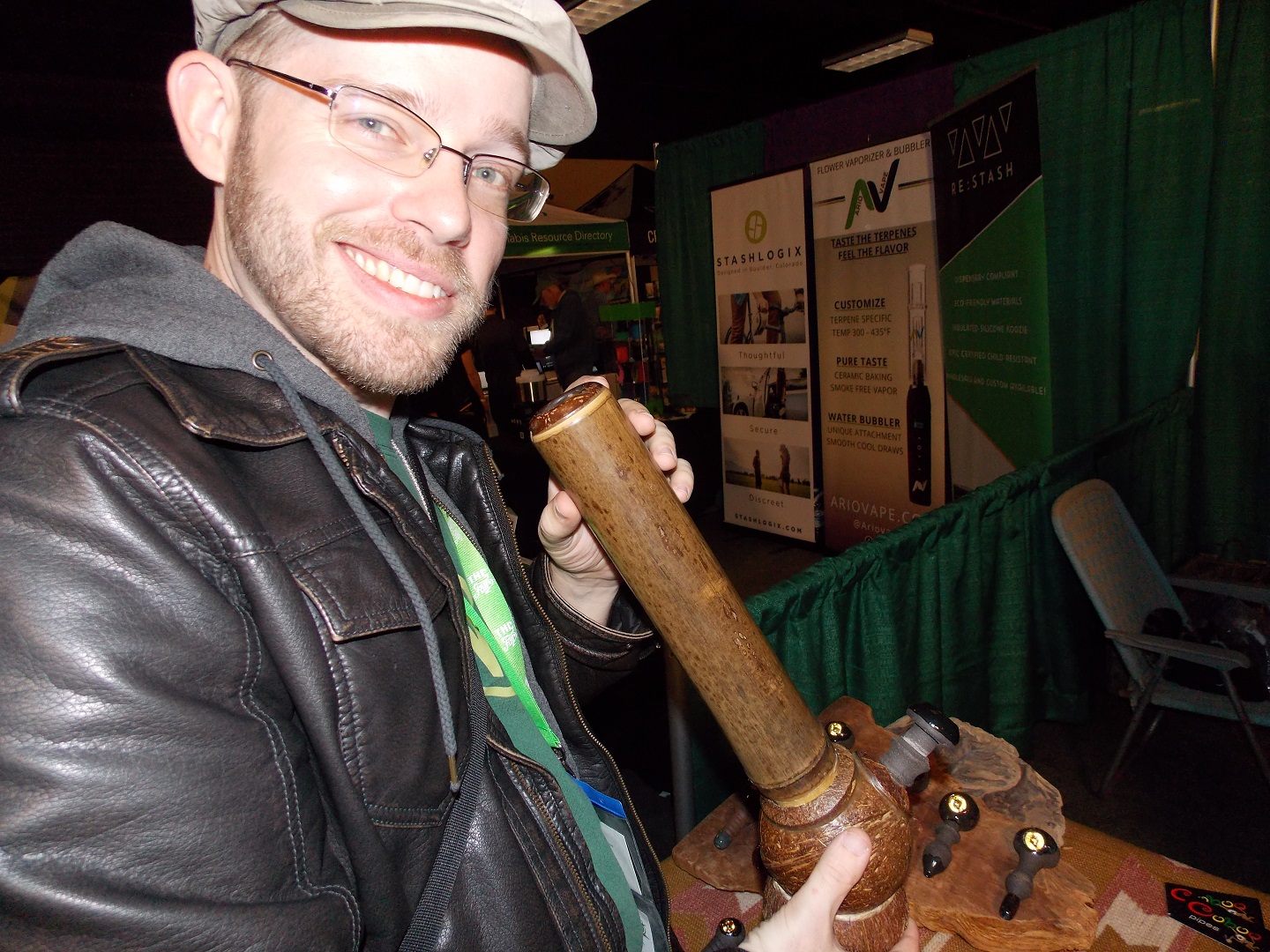
The common name for water pipes is bongs. The term actually comes from the Thai word “Baung”. The baung is a traditional cylindrical smoking tube made of wood or bamboo. During the Vietnam War era; American soldiers discovered the “Baung”.
Upon returning from the war, the water pipe concept migrated back to the US with the soldiers. Because the sounds were difficult for Americans to form (Baung is pronounced bah-owng), the word was simplified to “bong”. One of the earliest known uses of the word bong dates to the January 1971 issue of the Marijuana Review.
Once in the states, bongs became very popular. Users realized that the bong offered a few key advantages over the methods they had employed to this point. Bongs provided a smoother and less harsh hit than joints or hand pipes. Using water to filter the smoke also made bongs much more efficient at filtering particulate as well.

Bongs basically allow smoke to cool before entering the lungs.bongs

There are a few reasons to want cooler smoke when using cannabis. First, it allows for denser smoke. Since weed smoke becomes denser the colder it gets, you can get more THC into your lungs (which have a set volume) with cool smoke than with hot.
Hot hits of smoke can cause unnecessary discomfort, coughing, and even damage to the lungs at the most extreme temperatures. Bongs offer a much more reliable way to cool smoke to a tolerable level than other methods which is a big part of their allure.

Water pipes with percolators offer a smoother, cooler smoke session.

clean beaker bong
Bongs and their percolators work based around the concept of diffusion or spreading out. First, they pre-mix the smoke with a large volume of air before it hits the lungs. A butane lighter can burn at close to 3500 degrees so cooling the smoke is a must. The more air that gets mixed in, the cooler the smoke gets until it reaches equilibrium so bigger bongs cool smoke more.
Second, bongs use water to filter the smoke. Water is able to absorb a lot more heat than air of the same volume. This reduces the overall size a bong needs to be in order to provide a good smoking experience. Water is also great at catching large particulates like ash, kief and burning plant matter.

The shape matters as much as the size.Honey Pot Bong

The size and shape of a bong directly affects the overall experience. The shape affects the drag or total resistance level while inhaling. Bongs with narrow sections or tall columns of water simply take more energy to hit. The overall pressure needed to hit a piece is dictated by the narrowest part and the depth of the water used.
Large chambers increase the overall volume of smoke that must be drawn through the device. While large chambers reduce the pressure needed to move that smoke, they add to the overall volume of air. Strong lungs may still find it difficult to clear a bong that is larger than the volume of air they can hold.
Be careful not to get a piece with a wide bottom and narrow top though. Cones naturally keep the smoke at the bottom (wide end) of the chamber. Clearing the smoke from these pieces can be almost impossible. The result is stale smoke being trapped inside the bong and tainting every other hit.

Bongs fall into three basic types.

The Straight Pipe:Scientific Glass Bong

This is classic style of bong. Straight-tube bongs are so popular among smokers that they have been used to represent the culture as a whole. The function and “feel” of the classic bong is a nostalgic experience for many. the straight pipe allows for one or more chambers for percolation and a multitude of percolation styles. You can most likely find one (or more) of these classic upright bongs in the stash of every connoisseur.

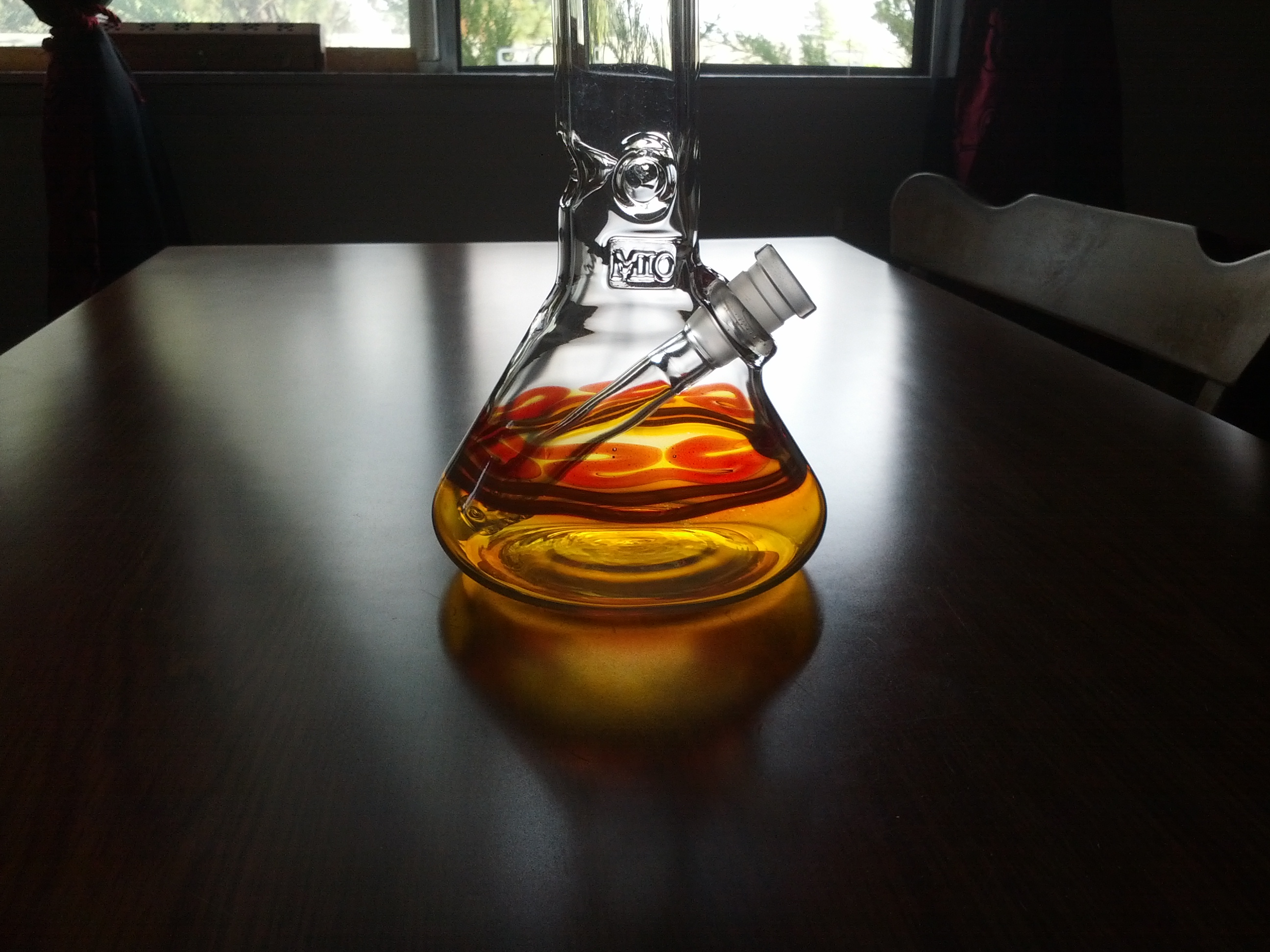
The Angled Pipe:recycler bong

Angled water pipes are a more modern bong design that is rising in popularity as artists get more creative. Instead of putting your mouth to the bong, this style is normally drawn to the user. This gives the angled bong experience more of a “casual” feeling than using an upright bong.
Some find that angled glass bubblers offer a more comfortable smoking experience.  This style is more likely to have decorative elements or flashy percolators in addition to being smaller than straight tubes. The overall size tends to be smaller than straight pipes as well as they take up a significant more space in kilns.

The Custom Pipe:elephant bong

As innovation and the limitless creativity of glass artists emerge, they take the form of elegant, complex and beautiful glass pipes. Heady glass dominates this side of glass water pipes. These are the intricate $200-$20,000 pieces in the glass cases at head shops across the country. They can take the form of anything the artist can think up and is a catch-all for pieces that don’t fit into the above categories. If you’re after a truly one-of-a-kind piece, then finding a non-traditional bong is definitely the place to start. This is where glass artists can unleash their creativity.

Percs offer diversity within a type.Honeycomb perk

Not all water pipes have a percolator beyond the stem that sits in the water. Water pipes that do have percolators offer a smoother, cooler smoke session than their perc-less counterparts. Percolators are based around the concept of diffusion or spreading something out more widely.
Percolators (shortened to Percs) use water to spread out smoke. There are a ton of ways to do this with some being more visual (like creating visible vortexes inside the chamber) while others are less so (diffusion beads in the water) but they all work off of increasing the surface area of the smoke.

The best bong is one that fits your needs.Designer bong

At the end of the day, there is no objectively “best bong”. While larger sizes allow for more cooling, they also require significantly more lung power to use. Similarly, multiple percs can improve the overall flavor of a hit but increase the amount of pressure needed to pull that air through the bong.
Finding the right balance between form and function can be difficult and requires a bit of trial and error. Buying bongs can get downright expensive so trying out a friends piece before buying one yourself is always recommended.
Did you learn anything new or maybe find something that needs corrected? Share your thoughts with us in the comments below. We would love to hear what you have to say. As always, thanks for reading.

gvp

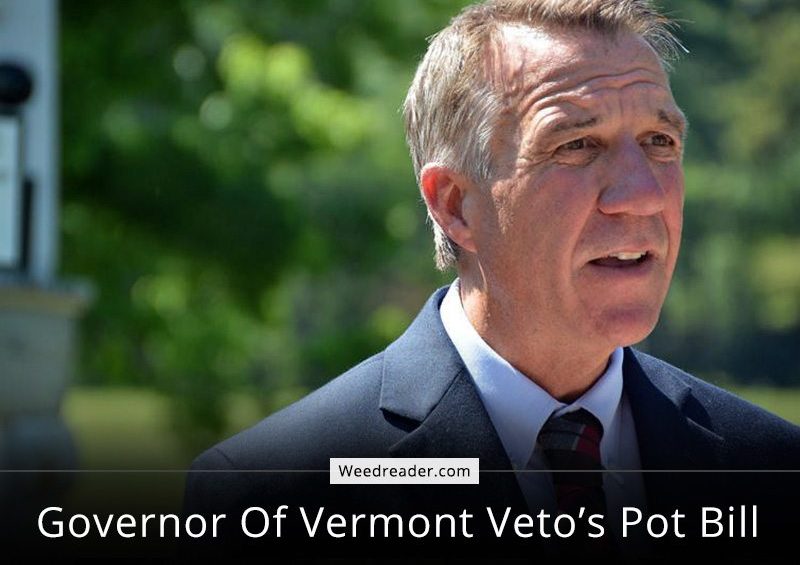
Governor of Vermont Veto's Pot Bill

Just when Vermont was about to make history, the governor stepped in.

Vermont Governor Phil Scott, a Republican, is vetoing a bill to legalize marijuana. His reasoning may be odd but at least he isn’t fundamentally opposed to legalized weed. But he is sending the bill back to the legislature for changes.
“We must get this right,” Scott said at a press conference. He then said something that makes people familiar with climate deniers and religious zealots groan.”I think we need to move a little bit slower.” He was quick to clarify that is views cannabis “through a libertarian lens” so isn’t trying to prevent legalization in principal.
Scott claimed that his actions are due to concerns about detecting and penalizing impaired drivers. He also cited protecting children, and the role and makeup of a Marijuana Regulatory Commission as areas he felt the bill didn’t do well enough.

When the door closes, look for a window.

“I recognize there is a clear societal shift in that direction.” The governor said. He plans to send recommended changes to the Democratic-majority legislature. If they address his concerns, the governor claims “there is a path forward on this issue.” One point that the governor wants defined is “how impaired is too impaired,” according to the governor’s communications director.
He also wants the legislation to define what devices might be effective at detecting people high on marijuana. But police “do not yet have reliable roadside toxicology tests that can say for sure if someone’s too high to drive in the way a breathalyzer or blood test can show if someone’s too drunk.”
Despite recreational use being illegal up till now, the Vermont Department of Health found that the state has among the “highest prevalence of marijuana use” in the country. The Vermont DOH also claims the state has the most users across all age groups, and the second highest of all states among those age 12 to 25.

Vermont was almost 9th and 1st.

If the bill hadn’t been vetoed, Vermont would have become the 9th state to legalize recreational marijuana. But it would have been the first to have done so via a legislative body. Everyone else has used a public referendum. In November, California, Maine, Massachusetts, and Nevada voters legalized recreational pot.
Vermont joints Arizona voters as the only states to have rejected it. But the Green Mountain State looks to be a lot closer to getting adjusted legislation passed. Partly because of the cooperation of the state house and senate on this issue so far. While it was difficult to come to a compromise before, the governors demands seem to be road bumps instead of roadblocks.
According to the National Conference of State Legislatures, 19 states have pending legislation to legalize marijuana for adults. And more than half of states allow medical use of marijuana. Hope is not lost for Vermont though. With a few tweaks, the legislation may be able to make it back to the governor’s desk. Only this time, let’s hope he actually signs it.

420

420 Celebrations Hit the Mainstream

What are 420 celebrations to you?

The number 420 itself has come to represent a lot to the cannabis community. Twice every day, stoners remark “Happy 4:20” to each other. or otherwise having 420 celebrations. But why do they do that? Ask a smoker and the response can range from  a simple “I dunno” to a lengthy explanation of college hippies, police codes and secret meetings in the 60’s.
The number has become so embedded in popular stoner culture that every April, cannabis users from all walks of life view April 20th as an actual holiday. They request time off, book events, invite friends, and otherwise celebrate like any other holiday. Except this one the main goal is to get high, like really, really high.

420 is bigger than the cannabis community.cannabis science and education

Even people who don’t consume marijuana associate 420 with cannabis culture. Many bosses know why their employees suddenly ‘get sick’ and call in to work in the mid April. Word of mouth and social media has made 420 celebrations truly global. It can be almost impossible for someone to get out of work for the holiday without getting called out as a pot head.

420 has become a celebration of consumption.

Friends gather together and smoke as many bowls as seems fitting. Just like Superbowl parties, Halloween jamborees and 4th of July celebrations, 420 has a social focus. Even people who don’t hang out make the effort to see each other for the holiday. The popularity of 420 celebrations with consumers has been embraced by retailers.
Even Snoop Dogg performs special concerts for the holiday. Rappers aren’t the only ones getting in on the sales. The best business day for any dispensary is April 20th and almost all have specials. The deals can range from a single strain on discount to a full line of pre-rolls for $4.20 with music, food and all sorts of games.

What is 420 really about?420 roundtable

Unlike most religious holidays, the meaning behind the numbers are multiple. 420 is a police code, a secret meeting time and a code word all wrapped up in one. As stoners repeat these stories, they work to add a sense of mystery and intrigue to the holiday. The multiple origin legends boost off of each other, creating a mystery behind the ‘true origin’ that wouldn’t otherwise exist.
Instead of sharing a single origin story (like with Christmas or Easter), people engage in flowing conversations about the origins that shift and evolve as they go. This is partly due to the short attention span stoners are known for. But it’s also because there is always someone new entering the conversation who has heard different parts of the story.

Prohibition has been big for the 420 community.420 celebrations

America has a pretty bad track record when it comes to respecting stoners. In states like California (where recreational sales were recently legalized), getting caught with some weed could get you behind bars. The controversial ‘three strikes’ policy made life sentencing a real threat. Yet the threat of prison didn’t stop people from smoking, it just made them hide it.
When people have to fear incarceration for celebrating, it tends to make them less inclined to make a big deal about smoking weed. Yet even in the early 200’s when Operation Pipe Dreams was big news, people still held 420 celebrations, concerts and all sorts of gatherings.

420 Reform has actually helped kids.Weed Crafts

As more and more states pass marijuana reform, people have taken notice how much better the communities have been. 31 states provided less state funding per student in 2014 than in 2008, and in at least 15 states, the cuts to school funding exceeded 10 percent. Yet schools in states like Washington and Oregon (among others) have had millions of dollars added to their budgets from weed taxes.
Also, with less parents going to jail, there are less children going into state agencies like foster care. This frees up a lot of time and energy for social workers to focus on the ones that need them. And since the parents aren’t in jail, they can keep on working and paying their taxes instead of becoming a drain on the state.

Some cities are taking a better approach to 420 celebrations.Smoking and Toking

Some towns engage with their stoner populations better than others which can morph the conversation. In cities like Denver, Seattle or Portland, there are all sorts of events. These cities embrace the revenue that stoners provide and work to allow safe consumption. Stoners flock to these areas when on vacation or looking to relocate which provides a very real economic boost.
In Denver recently, the city partnered with law enforcement, Mothers Against Drink Driving, dispensaries and Uber to provide a safe way for people to get around during 420 celebrations. Instead of driving intoxicated, riders were offered a $4.20 discount on fares. The effort was a resounding success and steps are underway to make similar arrangements in the future.

420 isn’t going anywhere.Buying a bong

In small towns and cities where cannabis is less loved, consumers still host extravagant parties or simply get together and smoke out every day. 420 became a cultural phenomenon long before legalization so people have had a long time to think of ways to celebrate without drawing much attention. Even if the federal government (read Jeff Sessions) cracks down on states and starts a new crusade, the community will find a way.
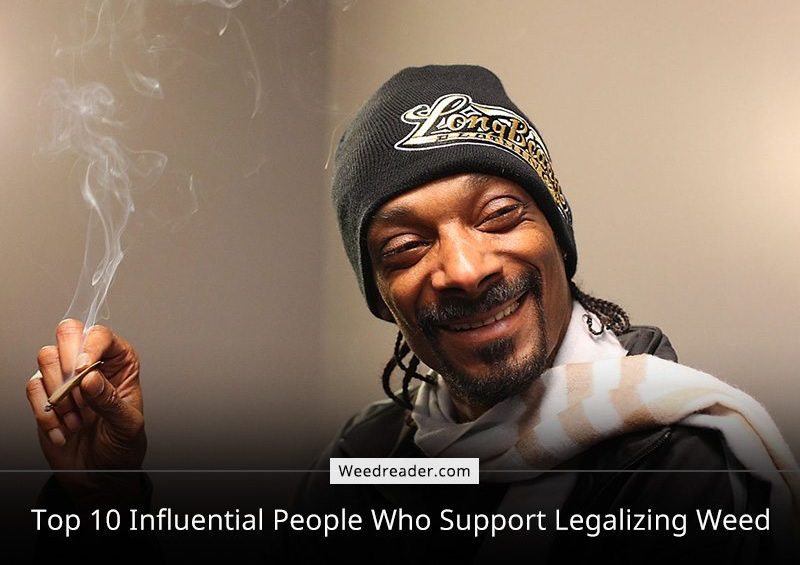
It wasn’t too long ago that hikes, spring festivals and camping were the only places stoners could openly consume. If need be, we can always go back to that. But for now, we get Snoop Dogg concerts and great deals on legal weed.
Remember to consume responsibly and let us know how you enjoyed the 420 holiday. Thanks for reading and Happy 420!
wex

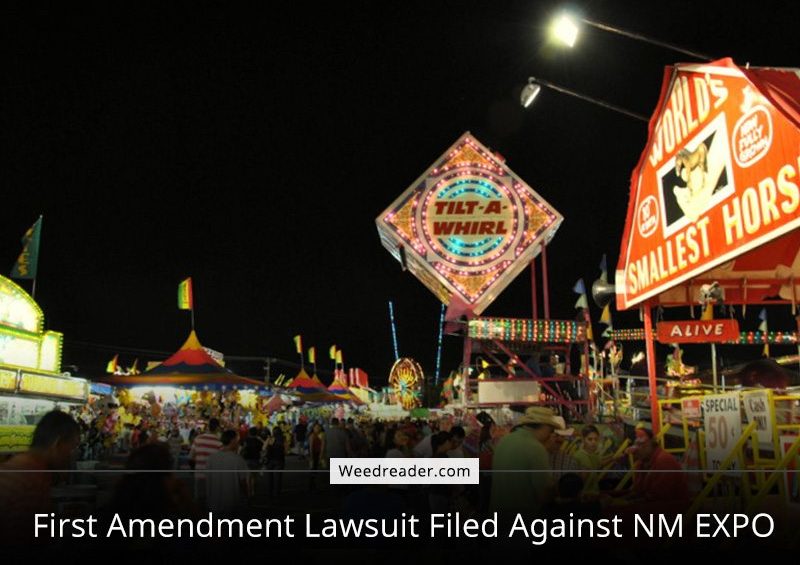
First Amendment Lawsuit Filed Against NM EXPO

EXPO New Mexico restricts access to info.

A state-licensed medical marijuana producer is suing EXPO New Mexico officials. The suit claims restrictions on what the company was allowed to display in an informational booth violated free speech laws. Mainly by preventing them from reasonably disseminating their info.
New Mexico Top Organics-Ultra Health explained why they filed the complaint this week in U.S. District Court. They claimed that the rules set forth by the EXPO officials are so strict the company couldn’t even display its logo. The logo features a stylized image of a marijuana leaf, but not displaying it would negate the benefits of presenting.
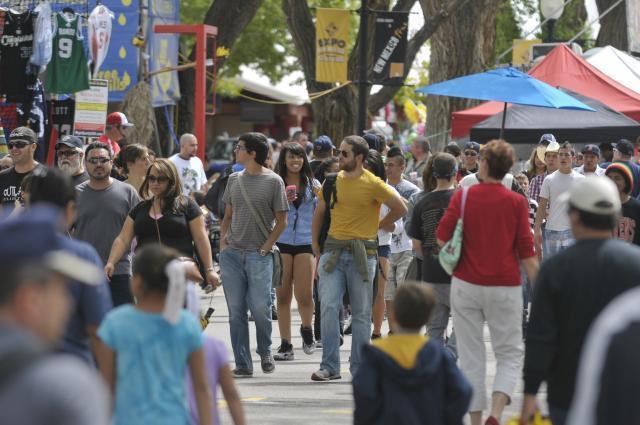
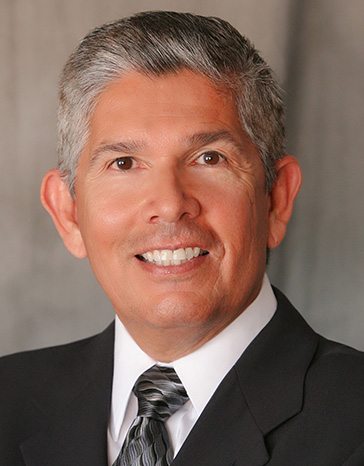
Last summer, Ultra Health ran into trouble with the EXPO as well. They were given permission to place a small marijuana plant at a booth on the fairgrounds. Ultra Health President Duke Rodriguez said that despite following all the rules,  about seven hours after the plant went on display, fair officials ordered its removal. The officials demanded the removal citing complaints from “higher up.”

But that wasn’t the end of it.EXPO Banned Substance

The state Department of Health later contacted Ultra Health. They said that displaying the plant violated rules governing the nonprofit’s license to grow medical cannabis. Because of the violation, the producer was sanctioned by having to close all seven of their locations for five days.
The sanction couldn’t have come at a worse time either. April 20, the biggest cannabis consuming holiday of the year fell right in the middle of the penalty. Rodriguez estimated that closing his dispensaries around the state for five days would cost the company more than $150,000.
The insane fees and penalties prompted Ultra Health to sue the department in state District Court. They contended the sanction was excessive, not supported by law and would actively hurt patients. In April, Ultra Health learned that the penalties would be held off until a judge could hear the case.

This may be the first Lawsuit, but it won’t be the last.

NM State Fair
This lawsuit is just an example of the tension between marijuana advocates and government officials. Ultra Health is part of a movement sweeping the nation and won’t let the personal prejudices of a few people get in the way of progress. And they won’t roll over to let members of a legal, regulated industry be subjected to unfair treatment.
In an effort to clarify what was and what was not allowed this year, Ultra Health asked EXPO officials for details. The e-mail reply from Riana Bingham, the Director of Concessions stated “You may not bring onto the EXPO New Mexico campus any and all cannabis and cannabis derived products including CDB products.” CDB stands for cannabidiol, a compound that does not make feel high but does provide medicinal benefits.
“Moreover, you may not bring any type of drug paraphernalia that could be used to plant, propagate, cultivate, grow, harvest, manufacture, compound, convert, produce, process, prepare, test, analyze, pack, repack, store, contain, conceal, inject, ingest, inhale or otherwise introduce into the human body any type of cannabis or other controlled substance,” Bingham continued in the e-mail.

Ultra Health wasn’t having it.

The lawsuit says the restrictions presented above effectively ban them from participation. These rules prohibit Ultra Health from displaying a microscope, a scale, a shovel, or even a cardboard box, as those items could be used in the cultivation or storage of cannabis.
The suit claims that the next line in Bingham’s email goes even further in restricting the producer’s First Amendment rights. It states, “You are also precluded from displaying any image of the above restricted items in any way to include banners, flyers clothing or any other medium,”
Under those rules, booths can’t show even a drawing of a cannabis plant. Ultra Health claims the rules prevent retailers from displaying even “a T-shirt of Bob Marley holding a cannabis product.” When asked if the rules intended to prohibit such images, Expo Spokesman Erin Thompson said it was “hard to say” but that officials have the authority to do so and have in the past.
The company decided not to attend the upcoming state fair. Ultra Health asked the federal court to declare that the fair officials actions illegal. Ultra Health claims EXPO officials treated them “As if Ultra Health is engaged in criminal activity, instead of medical activity regulated by the State.” The company also requested the court to confirm Ultra Health’s right “to educate and inform the public … without being subjected to content and viewpoint discrimination.”
Featured image: via Flickr CC

newzc

New Zealand Finally Legalizes CBD


A new day is dawning.

New Zealand is finally joining the cannabis liberation movement. Proposals to amend the Food Standards Code go as far back as 2002 and have had little success until now. Australian and New Zealand state and federal health ministers have bucked that trend by finally allowing hemp to be sold as a food.
The Australian and New Zealand Ministerial Forum on Food Regulation approved the sale of hemp as food in April. But according to the Australian  industry publication Grain Central, they also imposed strict guidelines around the products’ marketing and labeling.
The newly released guidelines ban any references to the presence of CBD in the product. This is to prevent any brands linking the products to illicit cannabis or suggest that the products have psychoactive or therapeutic effects. Even though they don’t want anyone associating food with weed, the government is aware of the benefits of hemp.

Hemp is good for pretty much everyone.

Hemp food are popular because they contain high levels of protein. A tablespoon of hemp seed can contain almost double the protein found in eggs. Not just any protein either, cannabis has near-perfect ratios of Omega 3 and Omega 6.
New South Wales Minister for Primary Industries Niall Blair was excited for “Australians to reap the benefits” of both hemp food  (which is legally sold in 21 nations) and an expanding hemp industry. “Low THC hemp is legally already grown in NSW under strict licensing conditions and it is a hardy and sustainable crop that has enormous potential for both domestic and export markets,” Blair  claimed in the report.
“The standard will take effect six months after it has been gazetted and ministers acknowledged that there is still a range of New Zealand and State and Territory legislation that currently prohibits the sale of low-THC hemp seeds as a food which will need to be amended,” the health ministers wrote at the Forum of Food Regulation on Friday.

New Zealand hemp cultivators are working to be ready for the changes. New Zealand CBD

Australia legalized industrial hemp production nationwide in 2008 but not as a food. Opening the food market increases the demands on production as well. One key for domestic production to keep up with demand is developing drought resistant hemp. Specifically varieties that can then be grown locally and exported legally.
But CBD providers have to be careful about how they market their products. THC, cannabis and marijuana are all words that can get a product pulled from the shelves. Special steps are necessary to ensure compliance with advertising regulations.
It’s understood that labels on hemp foods cannot even allude to psychoactive effects or use the words “cannabis” and “marijuana”. But producers who can work around this might get their products to hit shelves as soon as November.
The big difference between cannabis/marijuana and industrial hemp is the THC levels. Hemp has about 0.03 per cent THC, while marijuana can contain up to 30 per cent THC. This makes it so smoking a whole field of hemp physically can’t get you high. So while cannabis remains restricted, Australia and New Zealand both get to look forward to a new dawn for CBD and hemp.

weed le

Top 10 Influential People Who Support Legalizing Weed

Some people are simply more influential than others. Influential people hold a special place in society where their opinion matters. These people are the most outspoken and influential supporters of legalizing cannabis. Without personalities and platforms like the people on this list have, we might never he seen a state legalize marijuana.

1. Bernie Sanders


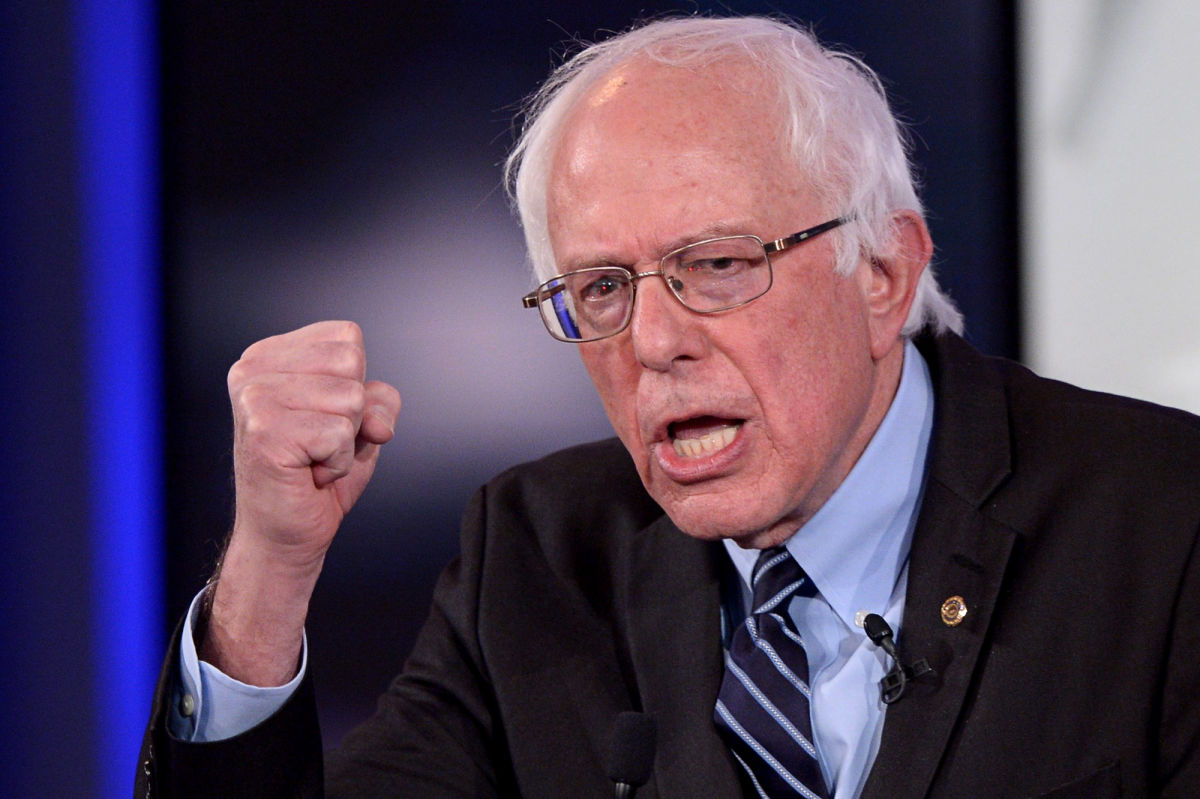
Bernie Sanders is the Vermont Senator and former presidential candidate. He introduced a bill in 2015 that would have ended the federal prohibition of marijuana. Sadly, his pleas fell on deaf ears but Bernie continues to fight for the common people.

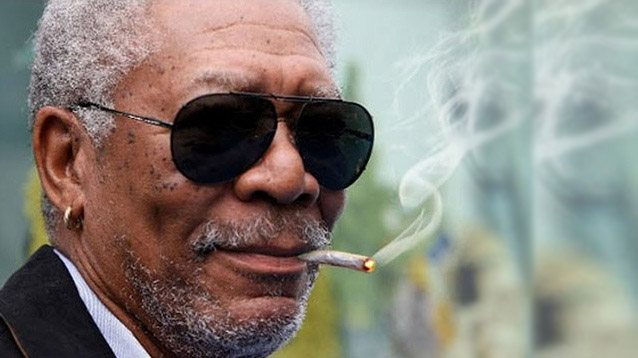
2. Morgan Freeman


Mr. Freeman played in several leading roles and in countless movies. From Hoke Coleburn in Driving Miss Daisy to God in Bruce Almighty, he has played them all. He supports the legalization of marijuana because it helps him relieve the pain of fibromyalgia. He has also seen and understands how marijuana helps save children who struggle with severe seizures.

3. The Dalai Lama


Possibly one of the most positive influential people on the planet is The Dalai Lama. He is the Tibetan Buddhist Leader who doesn’t encourage the use of drugs or alcohol. But he does support medical marijuana because science has suggested it is helpful.

4. Snoop Dogg


The famous rapper Snoop Dogg is a potrepeneur. He not only smokes weed every day, but he also partnered with Canadian medical marijuana retailer Canopy Growth. Snoop is going to sell at least 3 different cannabis products with Canopy Growth under the name of “Leafs by Snoop”. The hope is that Canada will legalize weed soon, allowing Snoop and Canopy Growth to maximize revenue.

5. Woody Harrelson


This famous actor is on the advisory board for the National Organization for the Reform of Marijuana Laws (NORML). In 2016, Woody tried to open a medical marijuana dispensary in Hawaii. Unfortunately, his request was denied. But that hasn’t stopped him from trying to change the way government views and regulates weed.

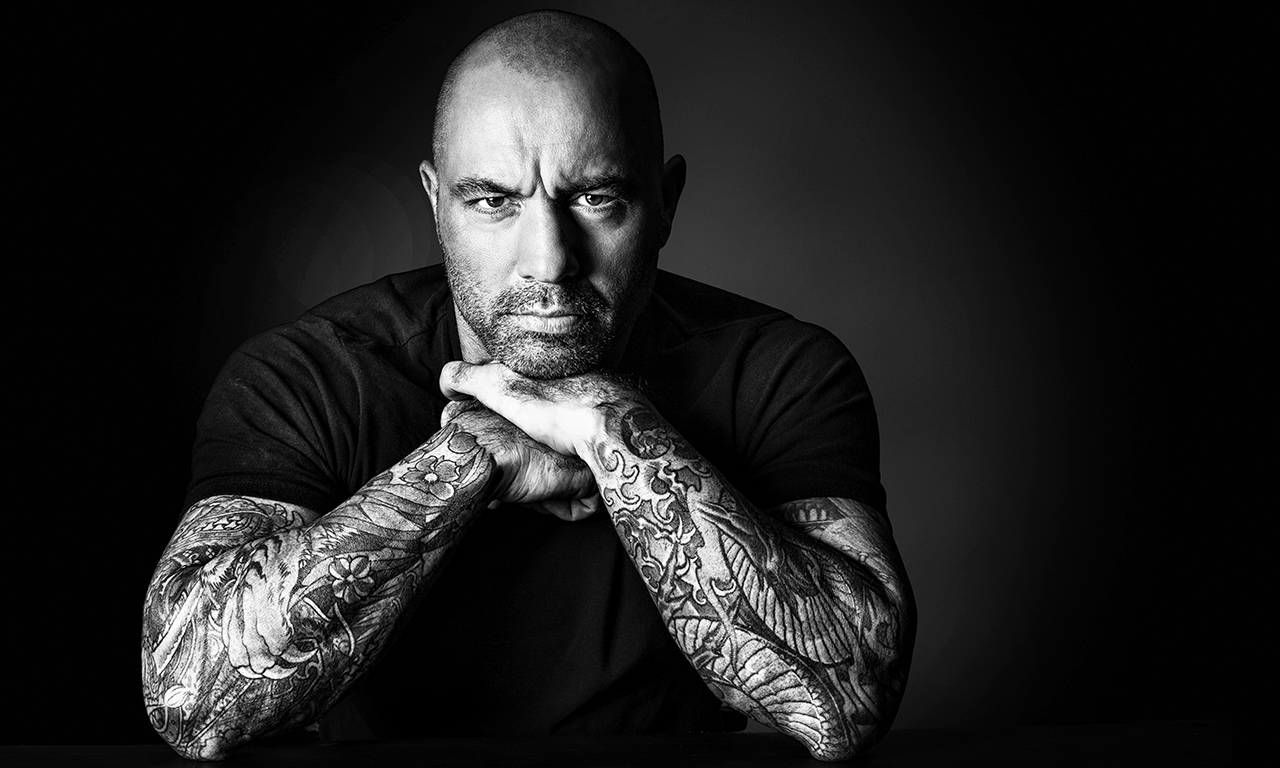
6. Joe Rogan


The host of Fear Factor has been a staunch weed advocate for several decades. Joe is also a successful MMA fighter and political advocate. There is even a strain bearing his name and it’s popular wherever available. Many celebrities wouldn’t even know what marijuana is without the ceaseless activism Joe seems to simply exude.

7. Bill Maher


Famous comedian and Real Time talk show host Bill Maher is an avid supporter of legalized marijuana. He has even smoked weed live on air. Maher is also on the advisory board of NORML, and claims to smoke weed while writing new comedic material.

8. Canada’ Prime Minister Justin Trudeau


The Prime Minister of Canada is pushing hard for the full legalization of recreational marijuana in Canada. He made a promise to legalize weed while he was in office. He believes that recreational weed could generate C$5 billion to C$7 billion in annual revenue.

9. Ricky Williams, a former NFL Pro running back.


Ricky Williams is truly a great potrepranuer. He believes that marijuana should not be a part of the random drug tests that athletes must endure. He partnered with Weedmaps; a company that helps medical marijuana patients find dispensaries. Williams is also a part of the 420 games, a marathon 4.20 miles long in San Francisco. And he co-founded a cannabis friendly gym called Power Plant Fitness and Wellness.

10. Jack Nicholson.


Jack Nicholson is generally a private man when it comes to publicly talking about weed. However, he was quite candid when talking to the U.K.’s Daily Mail. Nicholson came at weed from a different perspective. From an economic standpoint, he claimed 85% of men who are incarcerated in the U.S. are from drug-related offenses. It’s costing tax payers $40,000 a year for each prisoner according to his sources. To Nicholson, that is ludicrous.