MEDS Act Sponsored By Senator Hatch

MEDS Act Sponsored by Senator Hatch

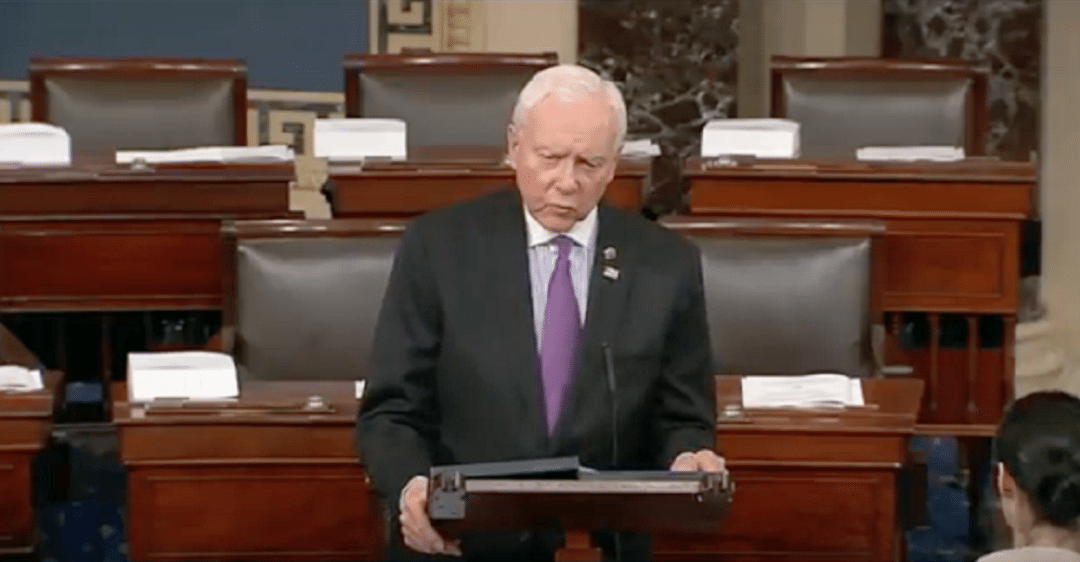
Senator Hatch Introduces the MEDS Act.
MEDS Act
The Marijuana Effectiveness Drug Study Act (MEDS Act) was just sponsored by Senator Orrin Hatch from Utah. If you have ever been to Utah, you might know that it is a highly religious state. The Mormon temples are proudly displayed and most stores are closed on Sunday. So it comes as no surprise that Senator Hatch is a dedicated Mormon.
But the Senator isn’t a blind follower. He sees the damage that opioid addiction causes and the good that cannabis can do. Especially as the U.S. grapples with spikes in teen overdose deaths rates. And the opioid crisis is causing a significant drop in U.S. labor force participation—particularly among American men. And Senator Hatch wants to stop it.
But the problem is bigger than just one state. The entire nation seems under the oppressive whip of opioid addiction. If you aren’t struggling with opioids, chances are you know someone who is. And most of them got hooked by their doctors.
Trump even declared the opioid crisis a national emergency and seeks solutions that will appease his base and his face. But Trump has yet to put forth a comprehensive sentence, much less a policy directing the nation on how to handle cannabis. And Hatch is much more pragmatic about his approach to dealing with this sensitive and rampant issue.

Senator Hatch has a plan for how to fight the opioid crisis.
Youtube Bong
As part of his plan to combat the opioid epidemic, Hatch introduced the Marijuana Effectiveness Drug Study Act of 2017 (MEDS Act). The speech he gave during the introduction Wednesday, he couldn’t help but sneak in some weed puns.
He started his speech by saying “Mr. President, it’s high time to address research into medical marijuana. Our country has experimented with a variety of state solutions without properly delving into the weeds on the effectiveness, safety, dosing, administration, and quality of medical marijuana.”
Hatch wore his religion on his sleeve but showed his willingness to compromise when he said “it will surprise no one that I am strongly against the use of recreational marijuana. I worry, however, that in our zeal to enforce the law, we too often blind ourselves to the medicinal benefits of natural substances like cannabis.”

He feels cannabis is a powerful ally in the fight.

Senator Hatch sees red tape as the big problem with cannabis today. He explained that there are no federal quality controls for marijuana-based medications. The MEDS Act would remedy that and establish standards for growing medicinal marijuana.
Bureaucratic red tape surrounding safety and efficacy prevent the kind of “rigorous scientific evidence” Hatch feels is still needed. He understands that there are many unique and powerful compounds in the cannabis plant. And the MEDS Act is his attempt at stimulating research into the potential of cannabis.
Like most of us, it took Senator Hatch a personal encounter to come around to cannabis. When a friend was faced with the choice between using weed and getting a risky brain operation, Hatch realized how important research into cannabis is.

Hatch isn’t a hippy.


He was quick to clarify that he wasn’t going to be advocating recreational consumption though. His very next words were “While I certainly do not support the use of marijuana for recreational purposes, the evidence shows that cannabis possesses medicinal properties that can truly change people’s lives for the better. And I believe, Mr. President, that we would be remiss if we threw out the baby with the bathwater.”
Senator Hatch wants to encourage research into potential medical uses for marijuana. The plan involves streamlining the research registration process. The goal is to make marijuana more available to the scientific and medical research communities.

The MEDS Act will make an impact if it passes.
marijuana grow
Ideally, the bill will sail through both houses, get signed into law and become a new foundational piece of legislation moving forward. But that seems like a pipe dream. There is plenty of cannabis reform legislation making the rounds right now and none of it has much support.
More likely, it will suffer the same fate as the other pro-cannabis legislation making the rounds in congress. Bills like the Compassionate Care Act and the Research Expansion and Respect States (CARERS) Act couldn’t find the support they needed to move forward.
These bills are stuck in a state of limbo, dead on the floor and unable to pass on. Mainly because there isn’t enough support to pass them or even to get them to a vote. This effectively makes them zombie legislation with little hope of actually passing.

Senator Hatch wants to do things right.

Smoke Sessions
The MEDS Act encourages commercial production of FDA-approved drugs derived from marijuana. It would also put pressure on the Attorney General (AG) to increase the national marijuana quota in a timely manner. It would do this by requiring the AG meet the nations changing medical, scientific and industrial needs for marijuana.
The bill would also include certain protections against abuse as well. The National Institute on Drug Abuse (NIDA) would then have to develop and publish recommendations and best practices. These would include how to grow and produce marijuana for research.
But there is still a long road ahead. Even if the bill gets passed, there will be many edits, re-writes and last minute additions. Political opponents will try to dismantle the important protections and stall it out like past bills. It’s hard to tell how far this one will go. But we can at least hope it goes all the way.

What do you think about Senator Hatch and the MEDS Act? Do you think it will become law? Let us know why or why not in the comments below.

Charities Refuse Cannabis Contributions

Charities occupy a special place in modern society.

Charities function like a corporation but they are very different. They are an institutional mechanism for people and groups to affect change. They can be local, national or international organizations and often work closely with governments.

Governments even subsidize certain charities, demanding strict adherence to rules and regulations in exchange for massive amounts of money and tax write-offs. But individuals can also give money. Some mega-donors can give over $100 million at a time.

Unlike corporations or government agencies, charities can be motivated by religious, social, political or economic goals or any combination of the above. They can be organized around an idea like stopping cancer or around a person like Hillary Clinton.

But charities have a few limits on what they can do and why.

Charities function as non-profit companies with many working internationally. These international organizations rely on government assistance to achieve their goal. This can be simple like providing permits or incredibly complex like hurricane relief efforts.

 There are some Organizations like the Unicorn Children’s Foundation or the Children’s Hospital Foundation that work exclusively with children. Most rely on a few wealthy donors to keep things going while most small donations make up any shortfalls. So keeping those big donors happy is a high priority.

If the charity gets publicly shamed, big donors can pull their support almost instantly. This makes charities very cautious about alienating their biggest supporters. It also means they may turn away help because of where it comes from.

Not all help is the same.

Imagine you ran a multi-million dollar organization with 100 employees. Money is always tight but one donor provided 50% of the income needed to run the organization for a year. That donor is all about the cause and wants to help but loathes cannabis.

Now imagine that a local dispensary wants to donate a few hundred dollars to your charity. You know that if your big donor finds out you took the money, they will withdraw their support. That means ripping the carpet out from under 100 employees, their families, and likely having to close the doors. What do you do?

Would you risk losing the large donor? Would you try to hide where the money came from? Or would you refuse the money? What if the small donor was a black-market meth dealer? There is no right or wrong answer but there are clear winners and losers.

This is a real problem for the weed industry.

charities

As cannabis moves from the black market into the grey market, charities are having to make a choice more and more. Do they accept the grey-money from cannabis or do they protect their current arrangements? Depending on who governs the board, that answer may change.

Politically conservative or highly religious individuals tend to regard cannabis as a negative. Organizations with these types of individuals will resist cannabis far past the point of legality. Many feel a religious mandate to prevent cannabis from moving forward.

Even if most of the individuals in an organization have no qualms about where a specific donation comes from, they still have to remain in the good graces of their main contributors. This is especially true when the organization receives federal money like the American Cancer Society (ACS) and Wounded Warriors (WW).

It usually comes down to federal law.

Since cannabis is still federally illegal, organizations that require federal assistance cannot risk accepting questionable money. Even if the money is legit, each organization needs to take a good hard look at itself before it can accept contributions from cannabis companies.

Those of us in the industry understand the threat that Attorney General Sessions poses to the movement. We looked at the state of cannabis and decided to add our effort to the cause despite the personal risk. But not everyone wants to or even can do that.

Once federal law unambiguously declares that cannabis is legal, we may see conservative and religious organizations jumping on board with cannabis. Groups like the ACS and WW will likely stay opposed to cannabis though.

There will always be naysayers.

On their website, the ACS talks extensively about the science of cannabis and cancer. It also states that:

” The American Cancer Society supports the need for more scientific research on cannabinoids for cancer patients, and recognizes the need for better and more effective therapies that can overcome the often debilitating side effects of cancer and its treatment.”

The ACS and WW may never advocate for cannabis use. Their missions stand in opposition to many of the stereotypes and misconceptions that persist around cannabis. Without more research and changes to its federal status, cannabis donations will remain off-limits to many organizations.

There is hope though.Landrace Strain 1

Just last week, Utah Senator Orrin Hatch introduced new legislation for cannabis called the Marijuana Effective Drug Study Act of 2017 or MEDS Act. As a longtime cannabis prohibitionist, he doesn’t like cannabis, but he can see the medical effectiveness of it. If a religious conservative like him could come arou
nd to cannabis, there is hope for others.

Once cannabis becomes federally legal, more charities will start accepting donations from cannabis based businesses. Many organizations that currently refuse donations from the cannabis industry will lose the last legitimate reasons to resist legal weed and the people involved in it.

There will always be those that feel cannabis is dangerous or negative. But as long as we continue to move forward with legalization, fears and misconceptions about cannabis will be replaced with understanding and hopefully tolerance. Until then, donations from the cannabis community to these organizations will remain unwelcome.

What is your opinion on accepting donations? Should organizations accept money from anyone? Should they only accept donations from certain people? let us know in the comments below.

House Rules Committee Marijuana Vote

House Rules Committee Marijuana Vote

The House Rules Committee leaders fear vote on cannabis.

House Rules Committee
The republican-led House Rules Committee recently blocked protections for MMJ patients and banks that want to serve state-legal canna businesses. Known as the Rohrabacher-Blumenauer amendment, the now axed legislation was attached to a spending bill. The proposed edits prevent the Justice Department from using its budget to prosecute state-legal businesses. But all that flew out the window when the committee refused to allow a vote.
There are also a number of other proposals that were rejected. According to reports by The Hill, GOP leadership cut the proposal because “it splits the conference too much so we’re not going to have a vote on it.” But history shows that previous versions of the medical protections have passed with wide margins in the House. However, those protections expire at the end of September.
Despite several days of intense lobbying by California Rep. Dana Rohrabacher (R), the longtime champion of patient rights was unsuccessful. She couldn’t rally enough support to protect the legislation from the religious zealotry of Jeff Sessions. Despite repeated assertions by Donald Trump that marijuana should be a state issue, the Attorney General continues his crusade.

This move puts cannabis users in Sessions cross-hairs.

CARERS Stopping Sessions
And I’m not being cute here. If Sessions had his way, he would end cannabis consumption entirely. And Sessions belief that “good people don’t smoke marijuana” is well-documented. As is his passion for prosecuting stoners and minorities.

It wasn’t long ago that Sessions sent a letter to the DOJ directing prosecutors to “charge and pursue the most serious and readily provable offense” for cannabis users. But it isn’t just a bunch of stoners getting shafted by Sessions. Even the DEA is mad at Sessions for actively preventing them from researching cannabis. So it comes as no surprise that many in the community are depressed.

There is some light at the end of the tunnel though.

Burning Man
Luckily for those of us who understand the science behind cannabis use, one man’s opinion isn’t the only thing that matters. There are a total of 13 members of the House Rules Committee. It just sucks when a handful of people with no stake in the outcome decide to obliterate millions of jobs, waste billions of tax dollars on incarceration and actively cause unneeded suffering.
But not all cannabis reform was banned from voting though. Three amendments on banking were offered to the committee. Sponsored by Dennis “Denny” Heck, D-Washington, they would have allowed for marijuana businesses to access banking services. It would have accomplished this by prohibiting the punishment of financial institutions that serve licensed marijuana businesses.
The legislation could also prevent the Financial Crimes Enforcement Network from rescinding its guidance for banks that work with marijuana firms. Unfortunately, the measures were rejected on an 8-5 vote. Although in this age of partisan politics was that the four Democrats on the committee joined by Republican Rep. Dan Newhouse of Washington.

Everyone can see what is happening here.

medical grow
Rohrabacher also delivered an impassioned pitch to his colleagues on the House floor on Tuesday night. He claimed that without the amendment, “we’re changing the status quo in a way that undermines the rights of the states and the people”. Yet despite the long hours and passion, the decision to scrap cannabis protections was made without a vote.
In addition to blocking the Rohrabacher-Blumenauer amendment, Rep. Pete Sessions and the Rule Committee also blocked several other amendments from even being considered. These measures also would have improved the state-legal cannabis environment. Another proposal that was cut was to prohibit federal funds from being used to penalize banks for serving legitimate marijuana businesses.
The Rules committee also blocked several other cannabis related proposals. The additional blocked measures would protect state-run hemp programs, ease restrictions on scientific research, allow the District of Columbia to implement adult-use and protect the states where cannabis use is legal. Because these proposals were blocked, there is little chance for voting on them in the foreseeable future.

Legalization is a long-term goal.

coco coir
While Wednesdays action was a setback, it doesn’t mean the end of cannabis. The Senate appropriations bill that was approved in July contains the same MMJ protections as the Rohrabacher-Blumenauer amendment. But the current legislation is still getting hammered out in a House-Senate reconciliation committee. That also means the language or protections can still change.
Many were devastated by the House Rules Committee decision. Don Murphy, the Marijuana Policy Project director of conservative outreach said that, “Unless Congress chooses the Senate budget version, millions of seriously ill patients and the legitimate businesses that provide them with safe access to their medicine will be at risk of prosecution,” He continued by saying “This vote is a slap in the face of patients, their families, their elected representatives, and the 10th Amendment.”
While this setback will have long-reaching consequences for millions of people, the legalization movement will continue. There are also bound to be more blind corners and rough patches on the road to full legalization. But those of us that can see the light at the end of the tunnel realize that there is a lot more tunnel ahead of us.

House Rules Committee members:

Rep. Pete Sessions, R-Texas (chair)
Rep. Tom Cole, R-Oklahoma (vice-chair)
Rep. Rob Woodall, R-Georgia
Rep. Michael Burgess, R-Texas
Rep. Doug Collins, R-Georgia
Rep. Bradley Byrne, R-Alabama
Rep. Dan Newhouse, R-Washington
Rep. Ken Buck, R-Colorado
Rep. Liz Cheney, R-Wyoming
Rep. Louise Slaughter, D-New York (ranking minority member)
Rep. Jim McGovern, D-Massachusetts
Rep. Alcee Hastings, D-Florida
Rep. Jared Polis, D-Colorado

How do you feel about the House Rules Committee’s decision? Should MMJ be protected? Or should it remain as it is? Let us know how you feel and what you want to see happen in the comment section down below.

Is Legalization Really Responsible for More Car Crashes

Is Legalization to Blame for the Increasing Number of Car Related Fatalities?

opioid treatment

Colorado State and Federal data shows a rise in the number of drivers involved in fatal crashes who tested positive for marijuana.The overall number has doubled since marijuana legalization in 2013. The Denver Post recently launched an in-depth investigation into this issue. They are (among other things) reading coroner’s reports to determine if Colorado’s roads have become unsafe since legalization. In Front Range counties, more drivers involved in fatal car accidents are testing positive for marijuana than before 2013.

Part of what people fear is negligent drivers behind the wheel. In 2016, nearly a dozen drivers tested positive for THC with almost five times the legal amount in their systems. In 2016, a report from the National Highway Traffic Safety Administration’s (NHTSA) Fatality Analysis Reporting System showed some surprising information about drivers.

It’s just plain difficult to accurately test cannabis intoxication.drivers

Drivers who survived car crashes were regularly drug tested within a few hours of the incident. This type of information is trying to show how recently drivers consumed cannabis.The problem they run into is that cannabis metabolizes slowly.

Although the high wears off after a few hours, THC remains in a persons system for up to 30 days. Especially heavy or sedentary people may find that THC remains in their system for significantly longer than that. A person could have been high days before but still test positive after an accident. This makes it look like they were high while driving when in fact, they weren’t.

According to the Denver Post, “positive test results reflected in the NHTSA data do not indicate whether a driver was high at the time of the crash since traces of marijuana use from weeks earlier also can appear as a positive result”. Nevertheless, there is a clear trend of car accidents with marijuana in the driver’s system. This trend is causing great concern with city officials and residents. Without an in-depth investigation into the specifics, everyone is left wondering if legalization is to blame.

There are studies on drivers, accidents and cannabis.

Other studies show that in 2013, 10% of drivers who were involved in fatal car accidents tested positive for marijuana. By 2016, that figure rose to 20%. Also, more drivers are testing positive for cannabis and nothing else. Slightly more than 52% of drivers had no alcohol in their system in 2013 and by 2016 that figure rose to 69%.

Of the 115 drivers involved in fatal accidents in 2016 alone, 71% had THC in their systems. Of those approximately 81 people, 63% had over 5 nanograms of THC (the legal limit) floating around in their veins. The average age of drivers in fatal accidents was between 35 and 40 years of age.

Taylor West is the former deputy director of the National Cannabis Industry Association. According to Taylor, “Unlike alcohol, THC can remain detectable in the blood stream for days or weeks. When any impairment wears off in a matter of hours. So, these numbers really tell us is that, since legal adult-use sales began, a larger number of people are consuming cannabis. And then at some point… (are) driving a car.”

Survivors and victims need something to fight.

Ed Wood of DUID (Driving Under the Influence of Drugs) Victim Voices, started this organization after his son’s death. He believes his son’s death was the direct result of a drugged driver. Ed feels like the system only cares about tax revenue from marijuana and not the people he feels it affects. Instead of simply complain about a system he disagrees with, he activated and found other like-minded people.

Ed Wood and other families who have lost loved ones in a fatal car accidents are compelled to seek closure. If someone can say that the driver was intoxicated, it becomes a rallying cry to purge society of that substance. Mothers Against Drink Driving (MADD), Mothers Against Prescription Drug Abuse (MAPDA) and more are reactions to the very real issue of unsafe roads. But they lead into the next issue.

The system is set up against cannabis users.

People often claim that it is too early to tell whether marijuana is the true culprit for the rising number of fatalities. And that additional data is required before any real conclusions can be done.But that is where things get sticky. You see, it’s incredibly difficult to research marijuana.

Only two universities nationwide are allowed, by the government, to conduct research on how marijuana affects the human body. But they have to get permission from the Department of Justice (DOJ) before they can start any studies. The DOJ has made it clear that they have no intention of permitting marijuana research as long as Jeff Sessions remains Attorney General.

This means that law enforcement is left with no solid way to prove that drivers are dangerous when under the influence of THC. The executive director of the Colorado-based Marijuana Industry Group (Kelly) says, “There needs to be better understanding about what constitutes impairment”. And cannabis users should want a reliable way to test for impairment.

Washington and Colorado are undergoing similar driver trends.CBD Flower 1

Since Washington’s legalization, the rise of fatal car accidents involving cannabis has risen. But the problem still remains, that there is no definitive method of testing drivers for recent use of cannabis. Yes, drivers are found with cannabis in their system, but the tests don’t show is if they were impaired while they were driving. This means that dangerous drivers hide behind innocuous drivers and cause unnecessary complications and loss of life.

Washington States policy for DUI is that they test for alcohol first. Once a driver is found with alcohol that is over the limit, they don’t bother testing for marijuana. According to Washington police, they don’t have the time and resources to do a thorough check of alcohol and marijuana. According to Denver’s coroner’s report, people are f
ound with higher levels of THC on average than before. Their toxicology tests are showing THC levels as high as 24 ng/ml; with one result showing 68 ng/ml.

Police Chief Jackson says that potency is the issue here.

That the weed of today is not the same weed that was consumed during our grandfather’s time. The levels of acute overdose is what he believes is causing the number of accidents to increase.Although there is no peer-reviewed scientific evidence supporting his claim.

Coroners disagree on whether the presence of THC should be listed on a death certificate. This is because of how people interpret as impairment. Jill Romann, Douglas County’s coroner says, “There are others across the state who feel the same way and won’t use the word intoxication with it. Despite the fact we are all coroners, everyone does as they want.”

Hopefully the Denver Post can shed some light on how cannabis users drive. It is always good to remember that correlation is not the same as causation. Just because people buy more ice cream on hot days doesn’t mean that buying ice cream makes the day hotter. Likewise, just because more people have THC in their system doesn’t mean THC is causing accidents. But scientists have to look at all the data, even the stuff that doesn’t agree with our preconceived notions.

How do you feel about driving while high? Do you think DUID, MADD or MAPDA are on crazy? Have you lost someone to an intoxicated driver and how did that change your view? Let us know in the comments below and what you think should be done.

Netflix Enters the Legal Weed Market

Netflix Enters the Legal Weed Market

Netflix is a titan of entertainment.

Over the last decade, Netflix has gone from unknown streaming service to an international powerhouse. The entire cable industry had to shift their business models to account for the streaming service or die. Discontent with only disrupting cable, Netflix has expanded to encompass the entire film industry.
Today, Netflix hosts network content, provides instant access to popular film and even produces their own originals. They account for about 37% of all internet traffic and show no signs of giving up their market share. A major contributor to their recent success has been their exceptional lineup of original shows.
Orange is the New Black has a 91% rating on Rotten Tomatoes while the Santa Clarita Diet has a 72% rating. These shows boast more viewers than Tom Brokaw in the 1990s and secure Netflix as a entertainment titan. And the company’s most recent move is to appeal to a certain segment of their viewers: cannabis users.

Netflix uses a ‘Disjointed’ Approach.

The newest show on the block is called ‘Disjointed‘. It is a comedic show about a cannabis dispensary. Complete with liberal use of laugh tracks and one-liners, it is a true sitcom. And Netflix thinks Disjointed deserves a proper introduction to the cannabis community.
What better way for a show about selling cannabis to connect with the audience than to actually sell weed? Netflix can’t find one. So they decided to team up with a dispensary in Hollywood to produce a dozen strains specifically designed to heighten their respective shows.
Last weekend, Netflix sold the special strains for only three days. Inspired by their shows, the strains provide a variety of effects. High-grade indicas represented the lighter side of life while the more complex shows paired with sativas.

Cannabis is too big to miss.

Companies like Netflix aren’t stupid. They know their audience and this recent adventure into canna-culture is likely just the tip of the iceberg. While the company doesn’t intend to continue producing the cannabis, $150,000 of sales in 3 days is hard to beat.
The streaming service partnered up with Alternative Herbal Health Services (AHHS), a dispensary based out of Los Angeles’ West Hollywood district. The dispensary handled the cannabis end of things while Netflix handled the marketing and production. According to AdWeek, the crew moved over 430 ounces in Netflix’s cannabis line.
That equates to around $150,000 in sales which is no laughing matter. It took six months of planning to pull off too. Netflix, AHHS and the marketing firm Carrot worked together to make the promotion a success. Carrot’s executive creative director Jonathan Santoro explained that all partners, including AHHS, cleared everything with lawyers first.

Netflix took strain pairings seriously.

The sale took place at a pop-up event hosted by AHHS and ended on Sunday. Each of the twelve strains was uniquely paired with a popular original show created and streamed on Netflix. The strains were tailored to the specific show they represented as well.
Indica-dominant strains represented the lighter side of things and “sillier” shows. While dramedies (drama/comedy) got the sativa treatment instead. Disjointed had three special varieties to represent it at the event (The Omega, Eves Bush and Rutherford B. Haze) Each of the others shows received one strain to represent it.
Here is the full list of shows and the strains that represented them:

  • Wet Hot American Summer: Ten Years Later (Camp Firewood)
  • Bojack Horseman (Prickly Muffin)
  • Arrested Development (Banana Stand Kush)
  • Chelsea (Vodkush)
  • Grace And Frankie (Peyotea 73)
  • Lady Dynamite (Sassafrass OG)
  • Santa Clarita Diet (Baka Bile)
  • Orange Is The New Black (Poussey Riot)
  • Mystery Science Theater 3000: The Return (Moon 13)
  • Disjointed (The Omega, Eves Bush and Rutherford B Haze)

Netflix kept their hands clean.

Netflix didn’t actually produce or sell any of the marijuana themselves. Carrot’s executive creative director Jonathan Santoro explained that all partners, including AHHS, worked to ensure that all sales were handled according to the strict legislation of California. So while they actively profited from cannabis, they didn’t violate any federal statutes.
“Netflix or Carrot never physically touched the flower,” Santoro stated. Netflix made the show, Carrot handled the marketing and AHHS dealt with growing and packaging the flower. Santoro deftly avoided getting into hot water when questioned about how they determined the correct strains to pair. Santoro claimed “I don’t know if I can legally answer that question, but it is fair to say that Carrot did the research necessary.”
All in all, this is a major win for the cannabis community. International powerhouses with billions of dollars available are finding ways to engage with and profit off cannabis. There is still a long way to go before brands can openly associate with cannabis but this is a step in the right direction.

What happens next?

Netflix claims this was a one-time event. None of the specific strains are available for sale any monger. So anyone who missed the Hollywood promotion is out of luck. But the success of the event makes it easy for Netflix to think about repeating.
There is real risk for companies looking to engage in this kind of marketing. In addition to the intricacies of U.S. law, entertainment companies risk alienating their core demographics. Companies like Time Warner, Harpo Productions, and others risk far more than Netflix (whose viewers tend to be more open).
That doesn’t mean copycat or season two events are impossible though. Companies like HBO and Hulu have powerhouse franchises that appeal to stoners. And there is nothing to say they wouldn’t try a similar event in the future given the success of this attempt.
So far, none of the three companies involved (Netflix, Carrot and AHHS) have sworn off future events. Other companies have yet to release plans for similar events but several may try now that the concept is proven. We will have to wait and see if the amazingly positive reception by the cannabis community spurs anyone else to dabble in dabs.

Burning Man In Legal Weed Territory

Burning Man In Legal Weed Territory

Burning Man is more than a convention.

For many of the Burning Man attendees (known as Burners), the eight day festival is a religious experience on par with any pilgrimage. It’s not just coked out junkies or stoned hippies singing Kumbaya either, every walk of life attends. Lawyers, doctors, firefighters, artists and everyone else gather on the scorched plains of Nevada. Known as the Blackrock desert, the playa where Burning Man happens is one of the flattest and driest places on earth. The plain is often used to set land and airspeed records when it isn’t on fire with revelers. Burners normally have to bring anything and everything they will need with them or simply go without. But this will be the first year in over 30 that Burning Man will be held in a state where cannabis is legal. That’s because Nevada recently passed recreational marijuana reform. Now tourists and desert rats alike can legally buy cannabis for the event. They just aren’t legally allowed to openly consume at the event.

Drugs are part of Burning Man.Burning Man

Started back in the late 1980s by a troop of eccentric performers, Burning Man was always about the drugs and personal expansion. Once it moved to the Nevada desert in 1990, the gathering grew to unbelievable proportions. People heard about the party in the desert where they burned a giant statue and had to experience it for themselves. Burning Man has a philosophy that encourages exploration and experimentation. Social norms about drugs, sex and our place in society are openly questioned and debated. Use of every drug under the sun is commonplace in the hedonistic atmosphere of the event. And with over 70,000 people showing up in 2015 alone, the police presence is more of a security detail than an event buster. But that doesn’t mean they won’t confiscate your stash. Even though cannabis is legal (and tame compared to what is available at Burning Man) to consume in Nevada, the event is held on federal land. That means there won’t be any booths selling bud next to the water truck. But that isn’t expected to stop people from buying weed on their way out to the event.

Cannabis shops around the silver state geared up.420 celebrations

Retailers across the state rolled out and rolled up for the event. Everyone from casinos to resturaunts and especially weed shops know what Burners are looking for. In addition to offering Burner themed strains and deals, many retailers created special products and care packages for the festival. One of the new products available to Burners starting Friday, Aug. 25 is called a Burner Box. This collaboration between Blüm and Vegas Weekend Box is designed from the ground up to meet any stoners needs. The box includes some of Nevada’s best-selling cannabis products specially packaged for tourists. The $299 price tag means Burner Boxes aren’t cheap. They do present a sizable value though. The boxes are loaded with cannabis oil, edibles, flower and joints from leading Nevada producers. It also includes a portable vaporizer and a high-end mini-torch designed to withstand the windstorms Blackrock is known for.

It’s no surprise that casinos want in on the hot THC action.

While the Nevada Gaming Commission determines how to provide areas for consuming cannabis in casinos, users can book weed friendly services. The corporation that owns Eldorado Resort Casino, Silver Legacy Resort Casino, and Circus Circus Hotel Casino in Reno and the Montbleu Resort Casino and Spa in Lake Tahoe isn’t letting this chance pass them by. The company hosts an epic three-day, three-night Burning Man detox starting Sept. 4.

Are you attending Burning Man? How is legal weed affecting your burn? Let us know in the comments below!

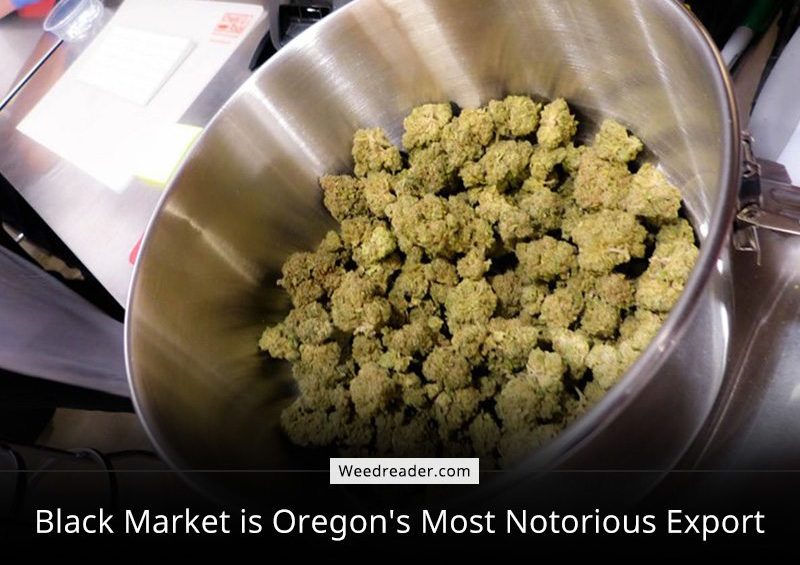
Black Market is Oregons Most Notorious Export

Black Market is Oregon's Most Notorious Export

Oregon is the Epicenter of national Cannabis Production.

The black market is alive and well. According to the Oregon State Police report, Oregon generates between 132 tons and 900 tons of cannabis. That is more cannabis than Oregon can conceivably consume per the Oregon State Police. They clearly underestimate their citizens. However, the real issue is that more and more cannabis is leaving the state to be sold elsewhere. And the Feds are looking at Oregon officials wondering what they intend to do about it.
Even though Oregon has implemented tacking methods to aid in efforts of control, it’s clearly not enough. But what else can they do, they already have cameras in every dispensary. Along with grower’s information, tracking numbers on all cannabis products and a strict budtender to consumer sales protocol.

Attorney Gen. Jeff Sessions wants to change the rules.

The Feds want to interfere with Oregon’s s cannabis laws, but the Cole Memorandum restricts federal marijuana law enforcement. However, US Attorney General Jeff Sessions is criticizing congressional leaders about the federal government’s hands-off approach to medical marijuana. The governors of Oregon, Colorado, Washington and Alaska wrote a warning to Sessions in April.
The governors believe that altering the Cole Memorandum “would divert existing marijuana product into the black market and increase dangerous activity in both our states and our neighboring states.” Making marijuana illegal again is not going to fix the problem. Cannabis will still be sold out of state and the black market will grow even larger once again.  Because of this, Congress is strongly considering renewing the Cole Amendment for the next fiscal year.
Oregon Democratic Rep. Earl Blumenauer said that Sessions is “out of step” with most members of Congress. Many members of Congress are supportive of the idea to end the failed prohibition on marijuana. According to Blumenauer, cannabis has left Oregon for decades. But now-a-days we have better mechanisms to control it. He is correct, and people are continuing to create better methods of cannabis tracking and control.

Tracking technology is racing to keep up with the market.

Tina Kotek is the speaker of the Oregon House. She said that lawmakers wanted to ensure that they’re trying their best to protect the new industry that they’re supporting. The Washington State Liquor and Cannabis Board says it’s replacing its current tracking on Nov. 1st.
The new tracking system is supposed to be highly secure, more reliable, scalable and flexible. In California, they approved using a tracking system run by Lakeland, a Florida-based Franwell company. Franwell tracks cannabis using bar-code and radio frequency identification labels on packaging and plants.
“The tracking system is the most important tool a state has,” said Michael Crabtree. Crabtree runs the Denver-based Nationwide Compliance Specialist Inc. They help tax collectors track cash-heavy industries like the cannabis industry. Unfortunately, the systems aren’t 100% locked tight, they rely on user’s honesty.
According to Crabtree, “We have seen numerous examples of people ‘forgetting’ to tag plants”. And Colorado’s tracking doesn’t apply to several non-commercial marijuana caregivers. That doesn’t mean that they’re not trying to keep better track on cannabis distribution. California Sen. Mike McGuire said that it will take years for a fully operational and legal market will be in full force.

The Feds can’t catch’em all.

Even if there is a large percentage of marijuana leaving the state of Oregon, the Feds can’t catch them all. There’s a lack of authority and resources for them to snuff out every operation. There is a strong incentive for growers to take the risk because they can earn thousands of dollars per pound. And the punishments for getting caught are not as severe as they used to be.
Anthony Taylor is a licensed marijuana processor and lobbyist. He says that he used to grow large cannabis crops that were hidden from aerial surveillance. “In those days, marijuana was REALLY illegal. If you get caught growing the amounts we were growing, you were going to go to prison for a number of years.”
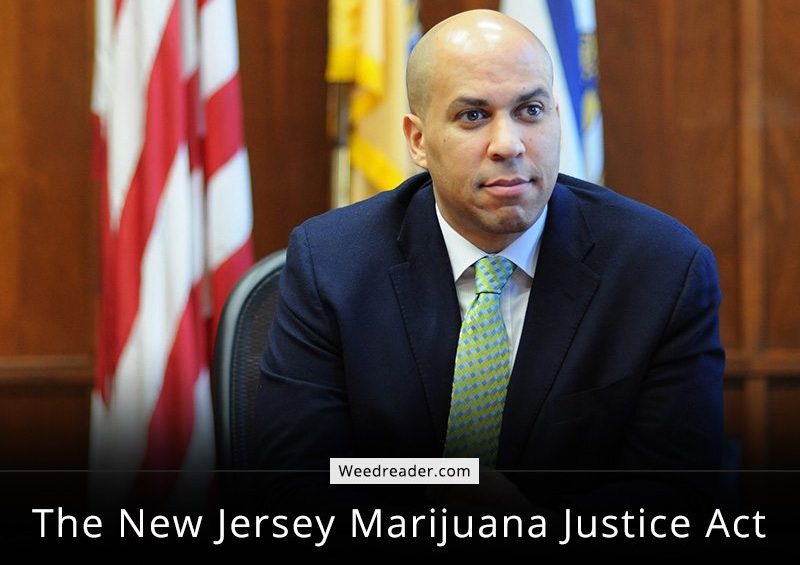
The large profit incentive for selling cannabis in the black market is real. And according to Taylor, the illegal sale and distribution of cannabis will stop when it becomes fully legalized nationwide. New Jersey U.S. Sen. Cory Booker agrees with Taylor. He introduced a bill to Congress on Aug. 1st to fully legalize marijuana in the U.S.

Even if marijuana becomes legal nationwide, there may still be a black market.

Currently, there is another incentive for distributors to sell cannabis underground. Lab testing remains expensive. Growers must take several samples to get lab tested which can costs thousands of dollars. The wait times are long because there is a shortage of testing labs, and the tests are strict. If one sample test negative for pests or mold, then the entire batch is considered a loss. Labs also test for THC and CBD percentages which adds to the expensive costs of testing.

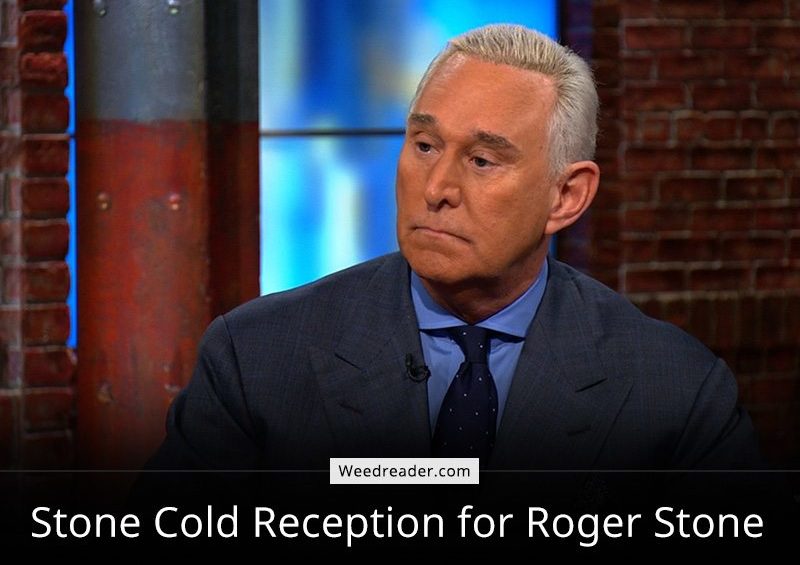
Stone Cold Reception for Roger Stone

Stone Cold Reception for Roger Stone

Cannabis reform is under threat from extremist ideologies.

I’m not talking about one person or one ideology either. On the Left and Right, people are taking extreme stances that alienate potential allies. The most recent example of this is the controversy over Roger Stone (Alt-Right personality) being a keynote speaker at the Cannabis World Congress & Business Expo.
Stone is a racially controversial figure with close ties to the Trump administration. His radical views leverage racial tensions to drive home his points. Yet Stone supports cannabis reform and has attended CWCBExpo conferences before without issue.
But after the tragic events of Charlottesville and the subsequent support President Trump gave (even while denouncing) to white nationalists and Neo Nazis, everyone is up in arms. Tensions are at an all-time high and every passing day sees the pressure build as new lines are drawn in the sand.

Organizations are withdrawing from mutually supported causes.

On Thursday, the Minority Cannabis Business Association (MCBA) put up a Facebook post announcing its withdrawal from the CWCBExpo due to the presence of Roger Stone. “As a result of CWC choosing this guy as their keynote speaker, MCBA has decided to withdraw from attendance and speaking roles at this conference. CWC, you know better so there’s no excuse not to do better.”
The official reply from the CWCBExpo was a poorly thought-out and emotional response from Scott Giannotti. The managing partner of the CWCBExpo posted “How convenient MCBA is promoting CWCBExpo’s biggest competitor NCIA, who hosts ALL WHITE CONFERENCES. Meanwhile CWCBExpo works hard at producing the most politically and culturally diverse conference program in the cannabis industry. But we’re racists ok lol I’ll put our show guide up against NCIA’s any day you want and show you how dumb you people are.”
It is important to note that NCIA does not host “all white conferences”. They defended themselves but have deemed the attack beneath their attention. Instead of entering the rats-nest of ‘who is the bigger racist’, they continue to operate as normal. But the attack on the alternative conference left a bitter flavor in the mouths of several speakers.

The controversy is bigger than one speaker (Stone) or one conference (CWCB).

Several other prominent organizations dropped out of the conference so far. The biggest so far are Aunt Zelda’s co-founder Mara Gordon, as well as former Drug Policy Alliance California policy manager Amanda Reiman. Reinman is also the new vice president for community relations at Flow Kana.
It’s important to weigh the risk and reward before engaging in such a divisive strategy. Dropping the conference is a powerful way for companies to show their values. But too much of it has a detrimental effect on the entire community. It not only shuts down discourse, it delegitimizes the common ground we all share.
As longtime readers know, I do not support white nationalism or the Trump agenda. Our nation resembles an echo chamber and dissenting opinions are often absent consideration. We must recognize our common goals and actually work together on them. Otherwise, we are doomed to escalating violence.

The New Jersey Marijuana Justice Act

The New Jersey Marijuana Justice Act

Senator Cory Booker’s Marijuana Justice ActYoutube Bong

The Action Together New Jersey (ATNJ) Supports Senator Cory Booker’s Marijuana Justice Act. The ATJN advocates for fair and equitable drug policy reform. Sen. Booker’s Marijuana Justice Act would legalize marijuana at the federal level. It would also encourage states to legalize marijuana. One of the most important parts of the Marijuana Justice Act is the promise of expunging criminal records. This includes those convicted solely for possession and/or use. Also, to hold sentencing hearings for those currently serving time.
ATJN’s Director of Drug Policy Reform, Moira Nelson made a statement. “We know that communities of color and low income communities have been disproportionately impacted by marijuana prohibition. African Americans are three times more likely to be arrested for marijuana than white people even though both use marijuana at similar rates. This is a fact. These convictions are tearing families apart, it’s difficult to find a job once you’ve been convicted, it’s impossible to get a student loan and hard to obtain housing. Marijuana should not have prohibited in the first place. It was an oppression tactic. The time has come to regulate and tax marijuana in the same way we do alcohol”.
Several New Jersey groups have paired up with ATJN such as the Drug Policy Alliance (DPA), and the New Jersey United for Marijuana Reform Coalition (NJUMR). In addition, thousands of citizens support the move. Also, the NAACP – NJ State Conference, National Organization of Woman NJ (NOW-NJ), New Jersey Policy Perspective, New Jersey Citizen Action, People’s Organization for Progress, Latino Justice PRLDEF, to name a few.

The New Jersey Senate Bill 3195 / Assembly Bill 4872 would legalize marijuana in the state.marijuna justice act

ATJN and other members of the coalition are working together to ensure policies are fair, equitable and just. The coalition is fighting for policies such as expungement for people previously convicted of marijuana offenses, investment of some portion of the revenue generated from the sale of legal marijuana back into the communities that have been disproportionately impacted by marijuana prohibition, and equal opportunity to access employment created by the cannabis industry.
After the hearing, Nelson said that it was inspiring to see how thoughtful the state legislators were about this legislation. And how many people are in favor of marijuana legislation. Nelson also went on to comment that it was really uplifting hearing person after person speak on behalf of those communities. These communities have feel the deep impact of prohibition and speak for many. “I am very hopeful for our future. In this unsettling political climate, we need advocates and allies to speak up for those that are disenfranchised in some way. What I witnessed today brings me immense hope.”
For more information about what ATJN commits too and what they strive to accomplish, please visit them at www.ATJN.org.
For a closer look at the conference, check out this YouTube video. Any comments? We’d love to hear them. And as always, thanks for reading.
 

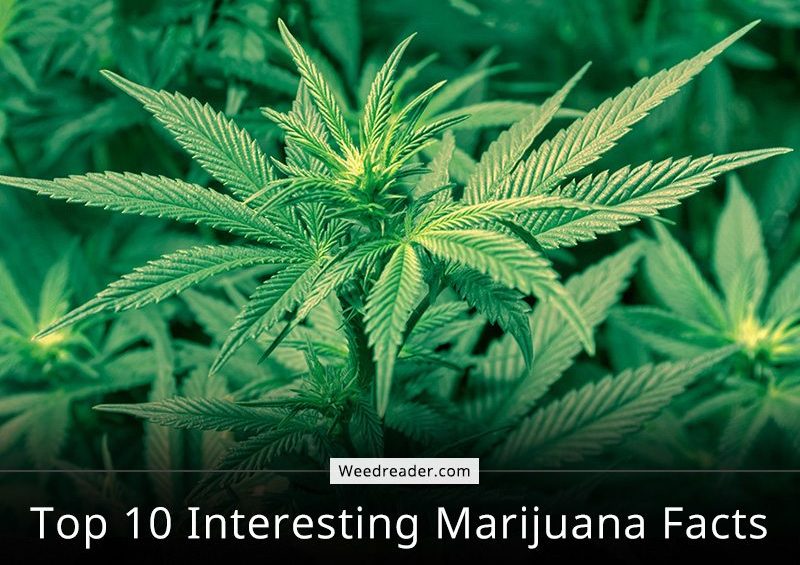
Top 10 Interesting Marijuana Facts

Top 10 Interesting Marijuana Facts

Here are the most interesting marijuana facts I know.

As an avid cannabis consumer, I am always finding new info about weed. Much of the information comes during smoking sessions with friends or interviewees. The hard part is organizing the information into a cohesive thought after the high subsides. But here is my list of interesting marijuana facts. There is no specific order so the tenth entry is just as interesting to me as the first.

  1. It’s physically impossible to overdose on THC

Life is meaningless and death approaches. This realization makes you decide to end it on a high note. You buy 1000 joints and a couple lighters, determined to end it all. Things begin by lighting up the first joint and before you reach the end of your stash, one of two things will happen.
After a few joints, you will either pass out before getting to the end or you will die from carbon monoxide poisoning. The carbon monoxide is created by burning the stems and leaf but would give a pounding headache long before becoming dangerous. The THC and other psychoactive elements have virtually no chance of being the cause of death.
You would need to smoke 40,0000 times the average amount of weed within a few minutes to get a lethal dose. That’s one record even Michael Phelps can’t get close to approaching, much less breaking.

  1. Weed started online commerce

In 1971, Stanford University housed the latest and greatest computer system. The machine was part of a new generation of connected computers. Students at Stanford were able to use a basic e-mail network called Arpanet to effectively send and receive text messages. But the 70’s were a time of reckless abandon, wild ideas, and advancing technologies.
It only took a few months before some inspired soul took the next logical step in networking. Several students used their accounts at the university’s Artificial Intelligence Laboratory to buy some weed from a fellow student. This drug deal was the world’s first e-commerce transaction and proved the validity of the concept.

  1. Tupac was smoked

We all have that one friend who would get the mortician high if they were cremated. Tupac was that and a whole lot more. On top of being a master weed smoker, he was an entrepreneur, musician, poet, thug and straight up bad ass. But that didn’t stop a hail of bullets from ending his life prematurely.
After Tupac died, he had one final request of his friends. The crew had some misgivings but eventually decided it was the best way to honor his memory. They mixed his ashes with some of the best weed the world had to offer and smoked it. They can probably still feel the buzz….

  1. Rates of obesity are 33% lower in cannabis users

Potheads are supposed to be craven munchies hounds hell bent on emptying fridges right? Well, science disagrees with that old stereotype. Studies have shown that cannabis cuts the risk of obesity by about a third. They believe the benefit is partly due to how weed helps regulate blood sugars.
The ability to regulate blood-sugars has lead scientists to investigate. Several studies are looking into using marijuana to treat Type 2 Diabetes. Marijuana doesn’t cure diabetes though…

  1. Prohibition costs the US $17.5 billion each year

There are a lot of drugs that the government doesn’t want people getting their hands on. If every drug were legalized today, the U.S. would save $41.3 billion annually. It would also pretty much empty the overpopulated prisons that proliferate the ‘land of the free’.
Other countries have done it with positive results. Portugal managed to cut drug abuse in half less than 10 years after decriminalizing all drugs. America could as well if the head of the Justice Department wasn’t heavily invested in growing the prison population.

  1. California and Colorado bring in over 75% of all cannabis sales

America loves its weed more than ever. Since 1996, 30 states and the District of Columbia have established some form of legalized marijuana. There are seven states that go so far as to allow recreational marijuana.
California and Colorado make up the bulk of the American market. Together they dominate recreational and medical marijuana to the tune of almost $4 billion a year. That is more than all the other states combined…

  1. There are 111 different cannabinoids in cannabis

Cannabinoids are a group of chemicals found in the cannabis plant and in our own bodies. THC and CBD are the most common cannabinoids but there are several versions of each. As the plant goes through its lifecycle, the concentrations and chemical properties of the cannabinoids change.
THC and CBD are the prize children of the cannabinoid world, but they’re not the only compounds in ganja. Cannabinoids like CBN and CBG are known to have their own medicinal effects. Imagine what secrets the other 108 hold…

  1. THC can stay in your system for longer than 27 days

THC binds to fat cells in the body. So the amount of time THC stays in your system mostly depends on your metabolism. Sedentary and obese users retain THC in their bodies for a significantly longer time than thin or active users.
But consumption levels also matter. Some studies show that average sized, regular marijuana users retain THC metabolites in their systems for an average of 27 days. Occasional smokers can expect that number drops to 10 days. But heavy-set, high-use consumers might fail a test over 30 days after consuming.

  1. Marijuana prohibition doesn’t protect kids

In 2011, use of marijuana by teenagers hit a 30-year peak, with one out of every 15 high school students reporting they smoke most days, and for the first time U.S. teens reported smoking more pot than cigarettes. But teenagers don’t smoke any more pot in states where medical marijuana is legal than in ones where it’s not.
Legalization opponents argue that the best way to reduce use by minors is to criminalize and deregulate pot. But evidence shows that decriminalizing marijuana and regulating it actively reduces the rate of abusers. Portugal legalized all drugs and treated addiction as a public health issue. They saw a long-term decrease in overall abuse and underage use.

  1. Marijuana milkshakes are one of the oldest cannabis recipes known to man

Bhang is crafted from the dried leaves and flowering shoots of a female cannabis plant. Most commonly enjoyed as a sorbet (preferably as a thandai drink) or as a snack by adding ghee, sugar and milk. A favorite way to consume it in Delhi is rolled into balls called ‘antas’ (marbles).
It’s difficult to tell when bhang became associated with East Indian festivals. Ancient texts describe the drink as Lord Shiva’s nectar, convoluting and enshrining the origins in mystery older than the gods themselves. Regardless, there must have been compelling reasons for creating the drink and later incorporating it into festivities for thousands of years.

Do you agree with the interesting facts on this list?

Did you know everything on this list? Which interesting marijuana fact is your favorite? What interesting marijuana facts have you heard? Ask your friends if they have any and let us know in the comments below!