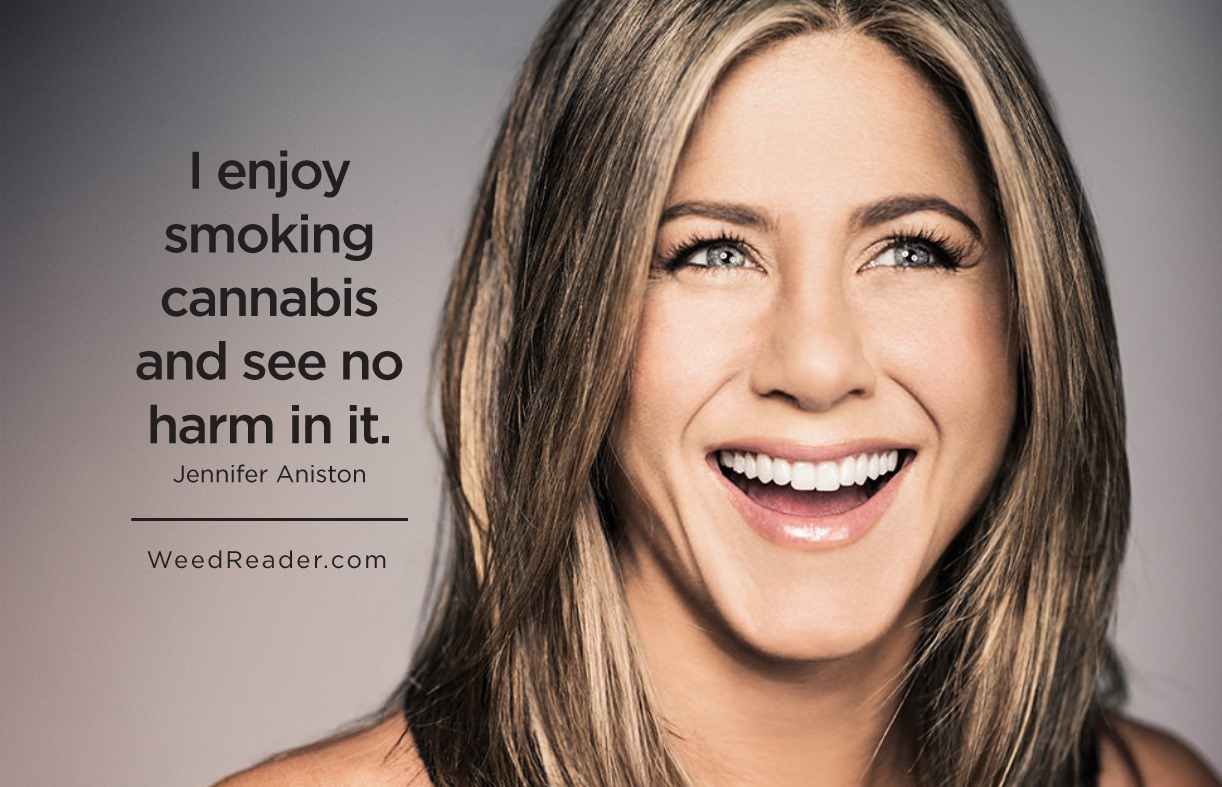
High Couples are Happy Couples

High Couples are Happy Couples

Substance abuse has been linked to a greater link for divorce but how about in the case of marijuana? New research has found that frequent marijuana use by couples is associated with less domestic violence.
This information comes from research performed at Yale, Buffalo, and Rutgers Universities. Hundreds of couples applying for marriage licenses were studied to measure the effects marijuana use can have on intimate partner violence or IPV. According to the study, acts of physical aggression like slapping, beating, and choking are considered IPV.
Since other substances like alcohol were known to increase domestic violence, the hypothesis in the study was that marijuana would also increase domestic violence. However, this was not the case and the more frequent marijuana was used the cases of IPV were decreased for both men and women within their first 9 years of marriage. 37 percent of the men studied had domestic violence incidents within the first year, it was the ones that smoked that fought the least. The study found that couples who BOTH used marijuana were at a lower risk for IPV than couples that only had one smoker in the relationship.
Besides decreasing violence at home, weed has also helped couples better their sex lives. Users have reported being able to orgasm easier when high. Others have reported intensified orgasm and more endurance in bed. Participants in a series of studies from the 70’s and 80’s reported “enhanced touch, heightened intimacy, stronger orgasms and better sex in general.”
If both partners smoke weed that’s automatically a common interest. It’s a lot more fun having someone to spark up with than to keep someone waiting because you want to spark up before you go. According to a study from 2013, having common interests is viewed as a “key connector” in relationships.
Another survey suggests that marijuana smokers are moral and selfless in romantic relationships. There are dating sites for pot-smoking singles and one did a survey to gauge the moral compass of its users in their relationships. According to the, “Do weed smokers ‘do the right thing?’” survey was presented to about 25 percent of the sites 4,500 registered users. All age groups were represented in this survey. The majority of responders were against cheating in relationships. A small 2 percent claimed they would cheat even knowing they would get caught. 77.8 percent of respondents claimed their partner’s pleasure was more important than their own. If you’re tired of selfish partners it might be time to date a stoner. These 420 dating sites provide people with a way to connect with potential spouses who they already know are okay with their lifestyle choices.
So smoking makes sex better, makes couples fight less, and it makes couples more moral and selfless in romantic relationships. More research may need to be done to be certain but cannabis appears to help couples connect and stay together so you shouldn’t be afraid to pass the jay your significant other’s way.
image credit: BARCROFT

Do Drug Tests Unfairly Target Marijuana Users

Do Drug Tests Unfairly Target Marijuana Users?

Marijuana use has been legalized in half of the country – in 4 states with recreational and medical use, and in 21 states with only medical legalization. It seems that public opinion of the herb is headed towards one of acceptance, especially for its healing properties and its reputation as a safer recreational substance. However, this view has not been welcomed in the workplace, even in states that have been recreationally legalized like Colorado. Interestingly enough, some companies have made their drug-testing policies even stricter since legalization.
Why?
Companies fear of a workforce full of stoners. Employers fear that marijuana will affect work performance. There have been many cases where people who were treating certain conditions and injuries with medical marijuana, and were fired from their jobs after failing a random drug-test. Efforts to explain to their employers that they are patients with a prescription or a medical marijuana card were ignored, with the argument that it could not be determined whether employees are abusing the substance that they are prescribed. An employer may decide to drug test a worker who was injured on site and they would test positive for marijuana even if they didn’t smoke at or before work. This would then prevent the employer from having to pay for the work-related injury even if the worker wasn’t high when the injury happened.
Is Marijuana discrimination legal?
Some states such as Arizona, Connecticut, Delaware, Illinois, Maine and Rhode Island have ruled it to be illegal to discriminate medical marijuana users in the workplace. On the other hand, some states such as Florida have made it totally legal to discriminate. Because marijuana is not legal on the federal level, its position remains in a legal grey area even in legalized states, giving employers the ability to discriminate against users.
The Problem of Drug-tests
It has been estimated that a whopping 90 percent of Fortune 1000 companies and 62 percent of employers throughout the country administer mandatory drug-tests. These numbers are striking due to the fact that drug-tests are not always accurate or reasonable.
Studies have actually proven the urban myth that even a small amount of poppy seeds, such as the sprinkle of them you can find on your bagel, can trigger positive results for opiods. This suggests that drug-tests aren’t always accurate.
Drug-tests target marijuana way easier than other illicit substances. The human body can get rid of traces of amphetamines, cocaine, morphine, LSD, and even more substances well within 48 hours. Marijuana or THC on the other hand, depending on how often one consumes it, may take between a week and as long as 30 days for the substance to leave the body. THC may also come up on hair follicle tests even if you haven’t smoked in months.
Due to the long time that marijuana stays in one’s system, stoners who quit looking to pass a test are less likely to pass than someone doing heavier drugs only a few days prior to testing. Based on the facts do you think drug tests unfairly target marijuana users?
image credit:  GORD WALDNER / SASKATOON STARPHOENIX

Which States Will Legalize Weed In 2016

Which States Will Legalize Weed in 2016

In case you haven’t noticed, the U.S. presidential election this year has been pretty heated. Political outsiders, on both the left and the right, have stirred the pot and engaged record numbers of new voters… and that was just the primaries! You can bet that we will be seeing a record turnout in November, as well.
And in November, we’ll be voting for more than just the president.
Several states are working hard to get cannabis legalization bills on the ballot this year. Six of them already have! Nevada, California, Maine and Massachusetts have all approved recreational bills; Florida and Arkansas will be voting on whether or not to legalize medical marijuana.
So, which states are likely to legalize weed in 2016? Let’s take a closer look at the latest developments in the legalization movement, and break it down state by state.

States That Could Legalize Weed in 2016

1. Nevada

The Silver State, which has already legalized medical marijuana, is set to vote on the Initiative to Regulate and Tax Marijuana. The initiative will appear on the November 8th ballot, and if passed, it will end marijuana prohibition in Nevada, create a system of licensed growers and retailers, and establish a 15% tax on marijuana sales.
Polls show that a majority of Nevadans (54% in 2013, and likely even higher now) support marijuana legalization, so it looks very likely the measure will pass.

2. California

Just last month, the state of California approved the Adult Use of Marijuana Act (or AUMA) to appear on the November ballot. If passed, the measure will legalize possession and private use of cannabis for residents 21 and over. It also establishes a system of distribution, and imposes a 15% sales tax, and a weight-based tax on commercial growth and cultivation.
The most recent polls show that 55% of Californians are in favor of legalization, so chances are good. And if you asked me, it’s past time that cannabis was legalized in California — one of the most progressive states in the country.

3. Maine

In November, the people of Maine will vote on the Maine Legalize Marijuana Initiative (aka “Question 1”). The initiative would make it legal for residents 21 and up to grow, possess and consume cannabis. It also establishes a 10% sales tax on marijuana and related products.
Polls show that 55% of residents are in favor of the measure, but there is still some fierce opposition in the state. It will take a strong turnout of progressive voters to ensure this initiative becomes law.

4. Florida

Voters in Florida will vote again in November for a medical marijuana initiative, entitled the Use of Marijuana for Debilitating Medical Conditions. Just like it sounds, the initiative would legalize cannabis as a medicine, but only for those with “debilitating medical conditions,” as determined and prescribed by a physician.
A similar initiative nearly passed in 2014 — 58% of voters said yes, but Florida state law requires a 60% super majority to approve new legislation. But this being a presidential election year, hopes are high that the increased number of young voters will provide the needed push to get it passed.

5. Massachusetts

The Massachusetts Marijuana Legalization Initiative will appear as “Question 4” on the November 8th ballot. If passed, the initiative will legalize possession and home growing for adults 21 and over, as well as imposing a sales tax of only 3.75 percent — though local municipalities will be allowed to collect their own 2% tax as well.
With polls estimating that 57% of residents are in favor of legalization, this initiative has an excellent chance!

6. Arizona

The Campaign to Regulate Marijuana Like Alcohol submitted more than 250,000 signatures to the Arizona Secretary of State last month, in support of the Arizona Regulation and Taxation of Marijuana Act. With only 150,000 legitimate signatures needed to put it on the ballot, it looks pretty certain that voters will have their say in November.
Whether or not it passes is another story: recent polling shows only 43% of people in favor, and 49% percent opposed. Pass or fail, it’s gonna be close — so each and every vote counts!

7. Arkansas

Residents of Arkansas will have the chance to vote on medical marijuana legislation this November. The Arkansas Medical Cannabis Act (or AMCA) has gathered the necessary signatures, and will be on the ballot. Another competing initiative, the Arkansas Medical Marijuana Act (or AMMA), is still in the process of collecting signatures.
Between the 2 initiatives, the already-approved AMCA is the more compassionate and comprehensive. It allows for more dispensaries, more qualifying conditions, and sliding scale fees and other protections for low income patients.
With polls showing 84% of Arkansans in favor of medical marijuana, it’s likely that the Natural State will become the next one to allow cannabis as medicine. However, if both competing initiatives end up on the ballot, it’s possible that neither one will get enough votes to pass.
 
So there you have it; my picks for the 7 states most likely to legalize weed in 2016. Several other states — including Michigan, Kentucky, Ohio and my home state of Missouri — all have active cannabis legalization campaigns underway. Some, like Michigan’s MILegalize, have already collected signatures and submitted their petitions. But all of them have weaker polling, stronger opposition, and other factors preventing their initiatives from moving forward.
If you live in any of these 7 states, make sure you are registered to vote, and show up at the polls in November and let your voice be heard. But no matter where you live, continue to educate yourself about the benefits of cannabis and cannabis legalization. Get active in the legalization movement locally.
Together, we can end marijuana prohibition across the U.S., and around the world!