
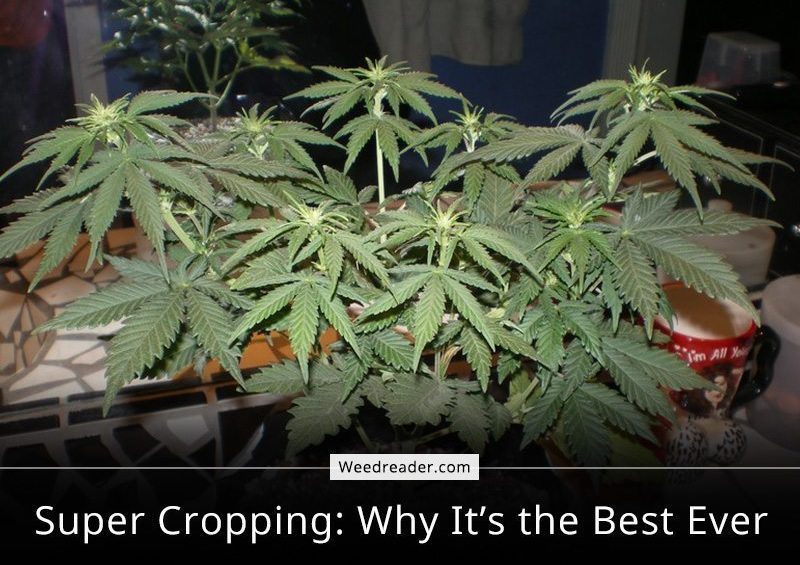
SuperCropping

Super Cropping: Why It's the Best Ever

What is Super Cropping exactly?

Super cropping (also supercropping) is the name for a High-Stress Training (HST) technique where the plant is stressed by slightly hurting it in a strategic way. Super cropping is basically just a coined word for growing a bush-like plant by crushing its stems instead of cutting them off. This technique can be performed on virtually every cannabis plant (excluding autos) and can actually be done multiple times during the vegetative process.
Super cropping is most effective with 600 watt lights or bigger because they allow good light penetration. If growing a bush style plant from clones, it’s important to top the plant right after the clone roots. Doing so will provide a strong base where the extra branches start low on the trunk.
Cannabis plants become stronger after recovering from trauma. Things like bent or crushed stems can become even larger and stronger than undamaged stems. If the main cola (flower) of a cannabis plant is removed, the plant will put energy into growing the remaining colas. Each super crop basically  doubles the number of potential colas on a plant.
What Does Super Cropping Do?

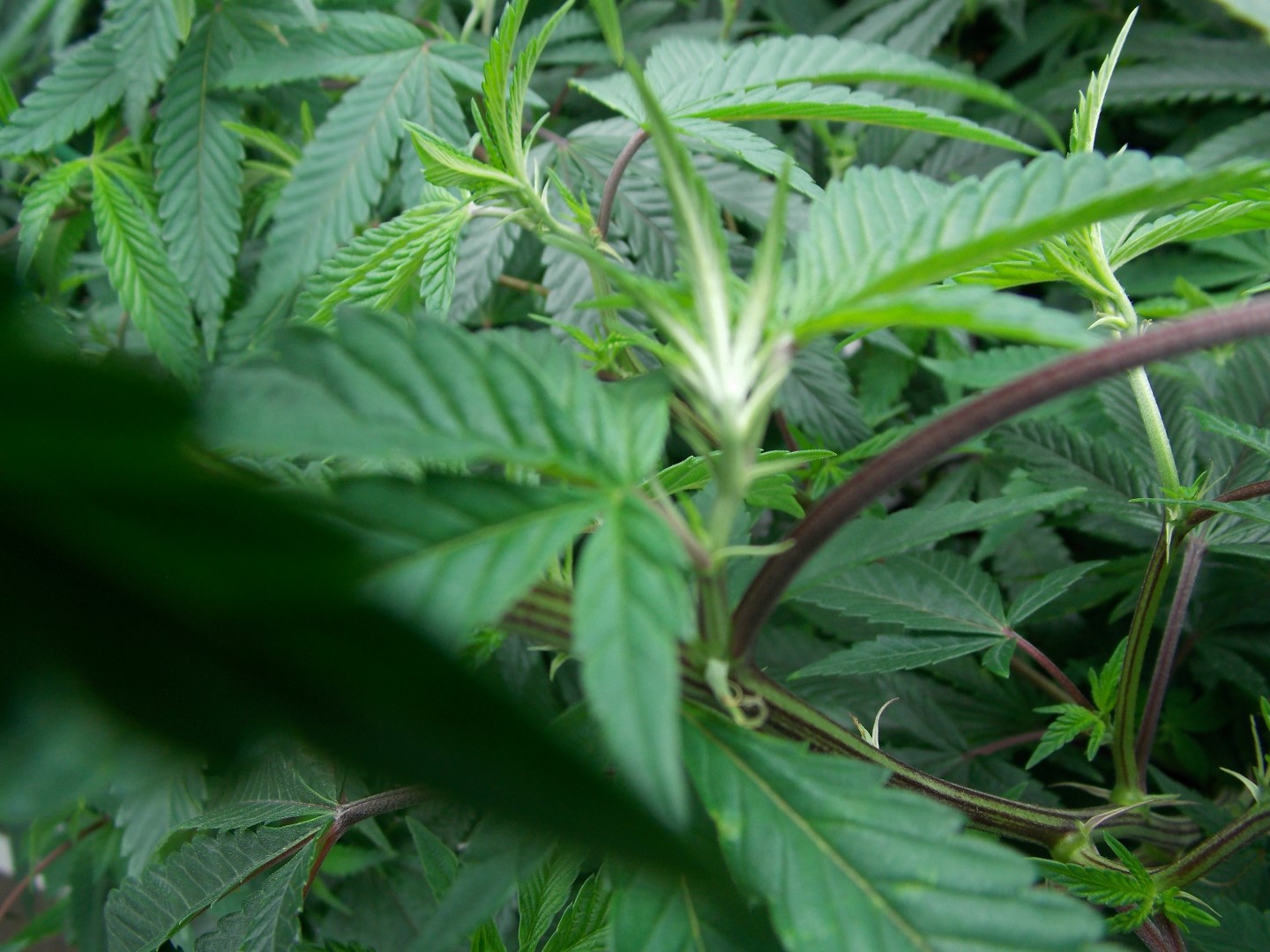
After super cropping the plant will grow bushier, produce more buds, and possibly even produce more THC! This is how the plant naturally responses to danger and protects itself. Growers take advantage of this technique to get bigger yields and more potent buds than would be produced otherwise.
If the goal is to harvest the biggest and the best buds, you should actively stress the plant in a way that will result in an increase in the production of cannabinoids. If the aim is to get a better harvest, “super cropping” is by far the best method of stressing your marijuana before harvesting.
Of the 483 known compounds in Cannabis, Tetrahydrocannabinol (THC) is the primary psychoactive component of cannabis and produced in the plants trichomes. The second major component is CBD. It is also considered to have a wider scope of medical applications than THC because of study results in treating epilepsy, anxiety disorders, nausea etc. Both are produced in greater amounts by plants that have been properly super cropped.
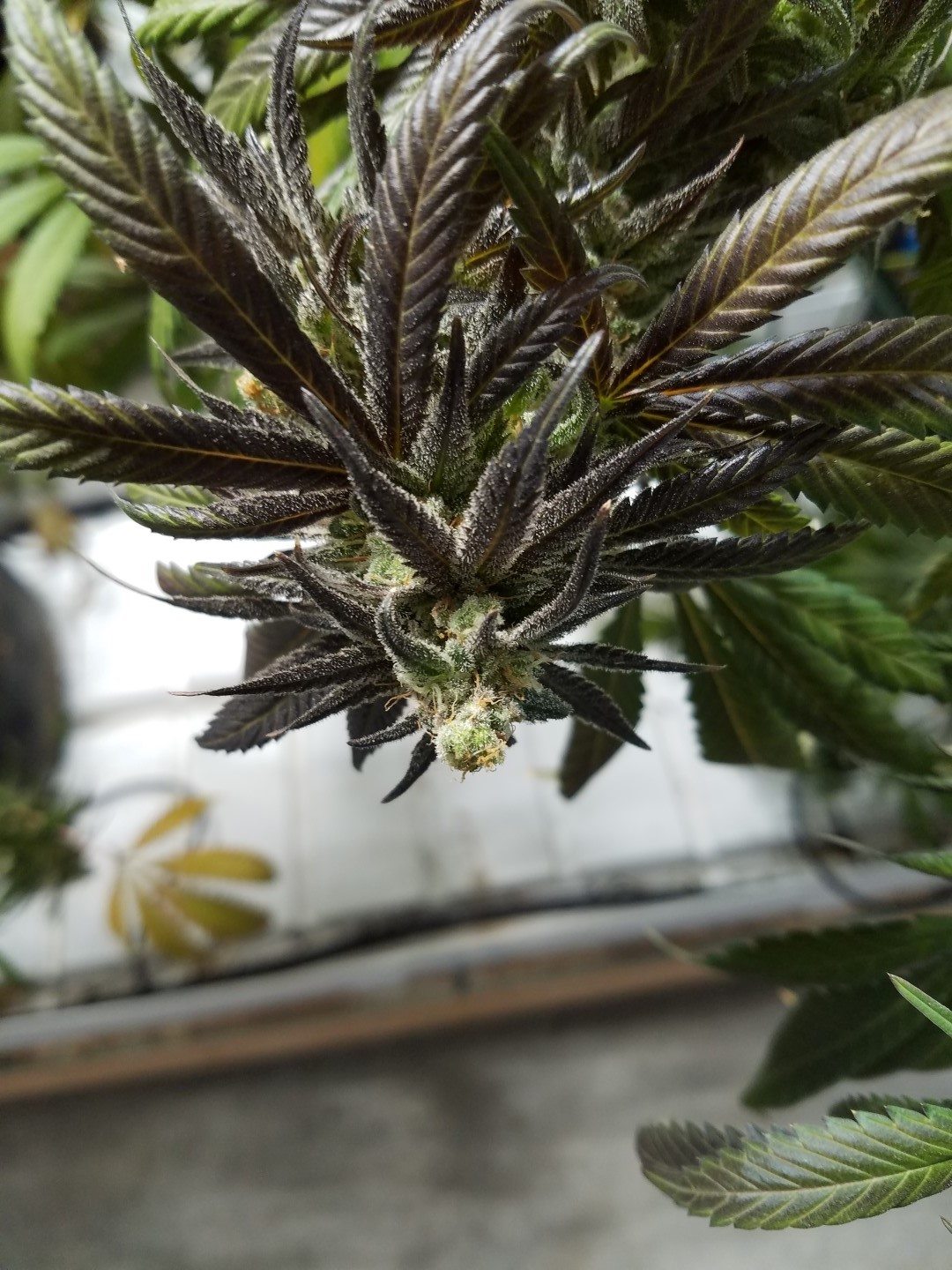
Super Cropping Bud

How do we ‘stress’ the marijuana plant?

Super cropping works along with Low Stress Training, or LST. LST is the simple process of training your cannabis plant to grow laterally. This is usually done by tying down the branches of the plant to stop it from growing vertically. Light is one of the most important factors contributing to the growth of a plant so when it comes to cannabis, light dictates when a plant produces its flowers and how well those individual buds develop.
The main idea of super-cropping is to get marijuana to expose as many branches as possible to direct light and induce the plant to produce more leaves, buds and flowers. To apply the method, a certain amount of stress must be applied to your plant.
By exerting gentle pressure firm enough to slightly damage the tissues, a grower can intensely escalate marijuana yields. Because of the special stress response that takes place within the plant, the risk of infection or splitting is also minimized.
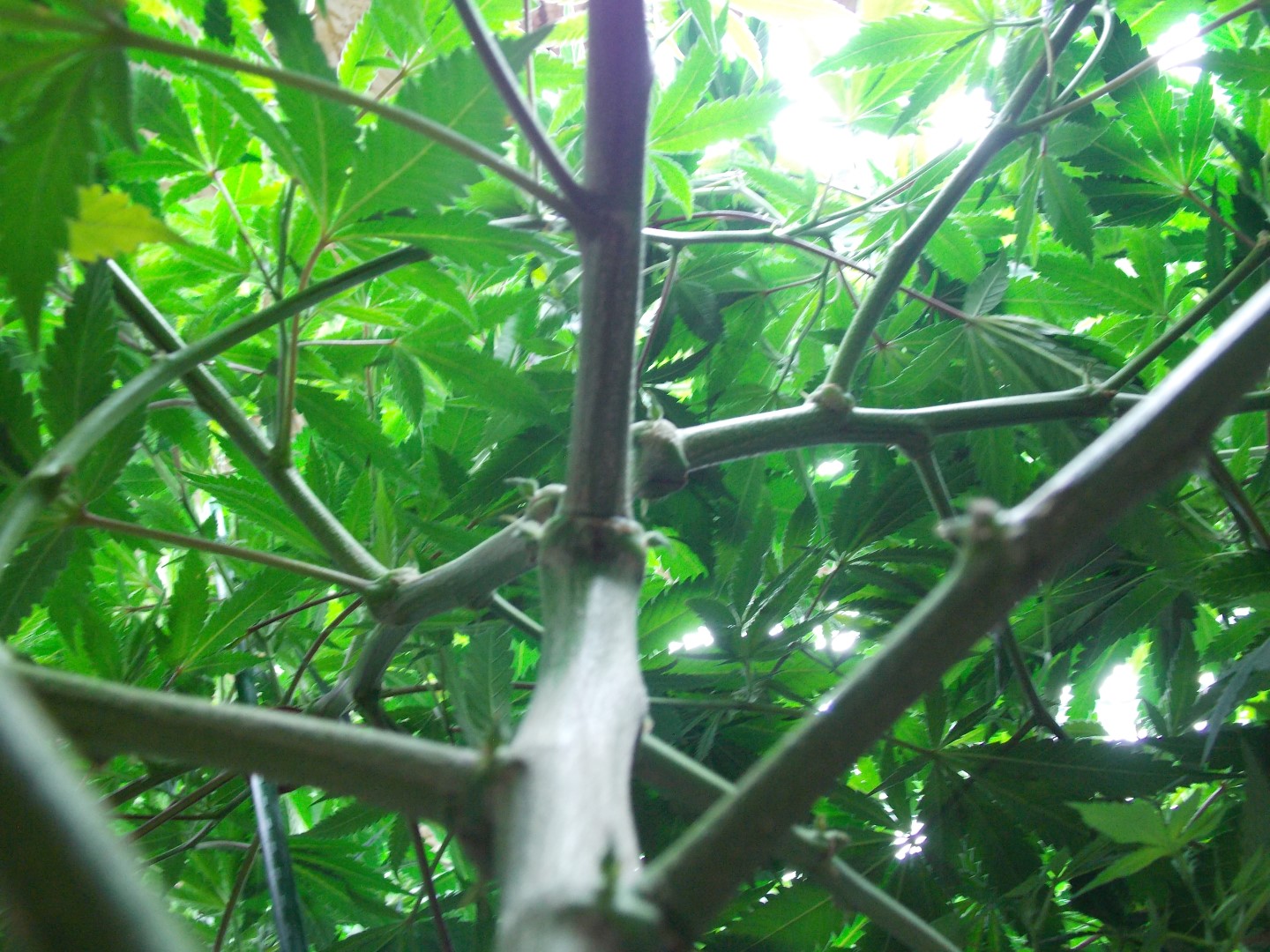
The technique is really simple.

Choose the most suitable branches you want to super crop. Start by doing only a few branches at a time, you will make sure that the plant reacts well to the stress technique. Remember that the goal is to stress the plant, not kill it.
After selecting the spot, gently hold the branch between the thumbs and forefingers of your hand and while gently exerting firm pressure, soften the inner tissues and carefully roll the branch between your fingers until stem feels limp in that spot.
A severely damaged branch may be beyond natural repair, especially if the branch is visibly split. Applying grafting tape or Duct tape will help to strengthen the damaged branch during the healing process.

Super Cropping takes advantage of natural processes.

When it’s time for a plant to flower, the size of the buds it produces is largely dependent on light exposure. The more light (in the right wavelengths) a certain part of the plant canopy gets, the stronger and bigger it is likely to be. That’s why the crown of a plant usually has denser, bigger flowers than the bottom.
Super cropping allows you to manipulate a plant and its canopy for maximum exposure. By ensuring the entire canopy gets evenly exposed to light, growers encourage it to build big, dense buds. This is true even in areas normally be covered by foliage.
For its own survival, the plants growth mechanism will cause it to ‘set’ the break and keep the limb in place after it is done healing. Arranging super cropped tops horizontally creates an environment for increased bud production as colas that would have been under the main cola are exposed to direct light.

Super crop at the right time.

Be really careful because this method is designed to induce the plant to throw out a greater number of colas and new leaves. Being too aggressive can have seriously negative results.  Following the logic of nature, this method works because the plant is deceived into believing that it is under attack by some force and therefore it will compensate.
In the process of healing, the branch will grow a protective nodule to strengthen the damaged area. This ensures that transpiration of essential nutrients and water are not restricted. Growing the nodule is a key step of maintaining the overall health of the plant.
Since this technique requires time for the plant to heal, the best time to super crop is in the plants’ vegetative or growing stage. During the second or third week of growth will likely be most effective time. How will you know? When the plant produces vigorous new branches but has not yet fully started the flowering stage, it’s time.
By super cropping, cultivators enjoy shorter and more controlled plants that produces a great number of branches and buds. Even though the plant needs more time to recover, proper super cropping does not retard the growth of the plant like pruning of the tops or picking leaves to induce growth.
thc

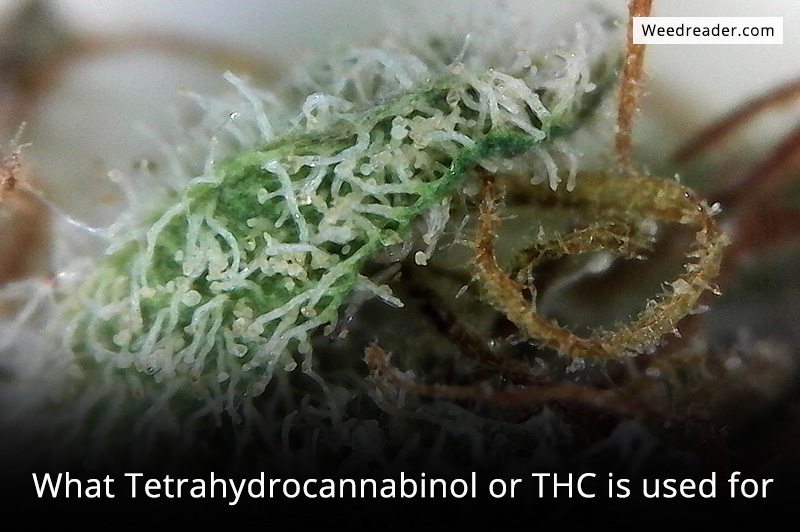
What Tetrahydrocannabinol or THC is used for

Dozens of years of research indicate many restorative uses for THC.

Tetrahydrocannabinol or THC, is often the most desired chemical found in cannabis. It is best known for bringing on the high that weed is known for. As one of the few compounds found in cannabis that is psychoactive, doctors and scientists have discovered many ways to utilize THC.
The extraction of pure Tetrahydrocannabinol was perfected by an Israeli physicist named Raphael Mechoulam. In 1964, Mechoulam separated and blended THC from Lebanese hashish, denoting the start of cannabis research that would prompt to the revelation of various different cannabinoids and how they interact with the body.
While the discoveries have been many and inspiring, they are not without their doubters. The federal government has classified cannabis as a schedule 1 drug meaning it has no medical benefit. This is in addition to the government obtaining patents for the neuro-protective capabilities of cannabis.
Be that as it may, while chemicals like cannabidiol (CBD) have begun to pick up support because of their absence of psychoactivity, many years of research have uncovered various health advantages one of a kind to THC. Here are a few of the most common uses.

Tetrahydrocannabinol relieves some types of pain.

A standout amongst the most common uses of therapeutic weed is for pain treatment. Upon closer examination, evidence has shown that Tetrahydrocannabinol interacts with the central nervous system to prevent the transmission of certain types of pain. Moreover, cannabis has been appeared to be particularly successful against neuropathic agony, or nerve-related pain.
The nerve signals that our brains sense as pain come from special cells with receptors on them. They become activated by temperature, touch, movement, or chemical changes in their environment. Pain signals arise and travel to the brain by one of three main pathways, each of which produces different pain sensations: somatic, visceral, and neuropathic.

There are three types of pain in general.

is the feeling most people recognize when they think about pain: a message sent by receptors located throughout the body whenever injury occurs. Somatic pain signals travel to the brain through nerves bundles and are typically experienced as a constant, dull ache. THC is able to reduce swelling and other contributing factors to somatic pain but in general is not very effective treatment.


occurs when skin or organs in the abdomen become stretched or otherwise disturbed from disease or injury. Pain signals issue from a special class of receptors present in the gut, producing feelings of pressure deep inside the body. Visceral pain can seem to be coming from different parts of the body than its actual source. THC is able to counteract feelings of nausea and many elements of chronic visceral pain.


occurs when the nerves are injured. It is often experienced as a burning sensation that can occur in response to even a gentle touch. Neuropathic pain usually doesn’t respond to narcotic painkillers making it stand out from the other types of pain. Antidepressant or anticonvulsant drugs, along with surgical procedures normally treat this type of pain but THC has also been found to be highly effective.

 
Cannabis is an excellent plant that has shown surprisingly positive results as a neuropathic treatment. The Tetrahydrocannabinol within that cannabis is able to work on a level that crosses many typical treatment boundaries. Pain treated by THC may be acute or chronic, blindingly intense or mind-numbingly dull. The pain can be momentary or have persisted for days to years.
However long it takes before a patient tries cannabis, it doesn’t take long for them to finally find relief. For acute pain, such as the discomfort that follows surgery, doctors typically prescribe opiates: narcotic drugs derived from, or chemically similar to, opium.

THC is better at dealing with some types of pain than opiates.

During the short-term treatment of intense pain, opiates offer significantly stronger relief for most patients. For chronic pain however, the tables turn in favor of Tetrahydrocannabinol. Treating chronic pain with opiates rarely brings relief.
Chemical dependence also becomes an issue with opiates as usage continues. Cannabinoids like THC have been proven to be non-addictive and highly effective for chronic pain. These differences combine to show that cannabinoids have significant promise in neuroscience and fundamental understandings of pain.
Peripheral nerves that detect pain sensations contain abundant receptors. Many of these receptors are tailor made for cannabinoids. According to research, cannabinoids appear to block peripheral nerve pain in experimental animals. Even more encouraging, some initial studies suggest that opiates and cannabinoids suppress pain differently.
If that is the case, marijuana-based medicines could combine with opiates to boost pain-relieving power while limiting the side effects. There are real hurdles to overcome if the initial Tetrahydrocannabinol research holds up. With the exponential expansion of scientific frontiers in recent decades and the recent deregulation of cannabis in over 26 states, we should have a significantly better understanding in the next decade.

Some people even use Tetrahydrocannabinol to treat PTSD.

Post traumatic stress disorder has only recently been classified in the Diagnostic and Statistical Manual (DSM) compared to other psychosomatic issues. PTSD is tied to traumatic memories and affects people from every walk of life. Soldiers, doctors, librarians and children can all have PTSD. Finding a safe treatment for so many different demographics is almost impossible.
Discovery of the endocannabinoid system by Dr. Mechoulam made safe treatment of PTSD, along with Parkinson’s and Cerebral Palsy a possibility. Since its discovery in the 1950’s, science has learned that Tetrahydrocannabinol is pharmacologically plastic. By manipulating the endocannabinoid system with THC and other cannabinoids, doctors are able to offer relief to patients that would otherwise have none.

We need more research to discover all that THC has to offer.

With the federal government classifying cannabis as a schedule 1 narcotic, it makes research in America almost impossible. There are some states like Oregon, Washington, California and many others that have taken steps to end Tetrahydrocannabinol prohibition but the fight is far from over.
Scientists can’t study cannabis if government continues to demonize it. As more states join the green revolution, it puts pressure on federal legislators to rethink their stance on legalization. If the community is able to enact declassification of cannabis it will remove the final argument against full legalization.
Once cannabis is removed from the scheduled substance list, we will finally put the whole scientific community to work, not just one Israeli scientist. No disrespect to Isreal, it’s just that cannabis is grown in other places to. We shouldn’t be stopping the Jamaican, American or Ukrainian scientific communities from contributing to THC research.
Thanks for reading.