
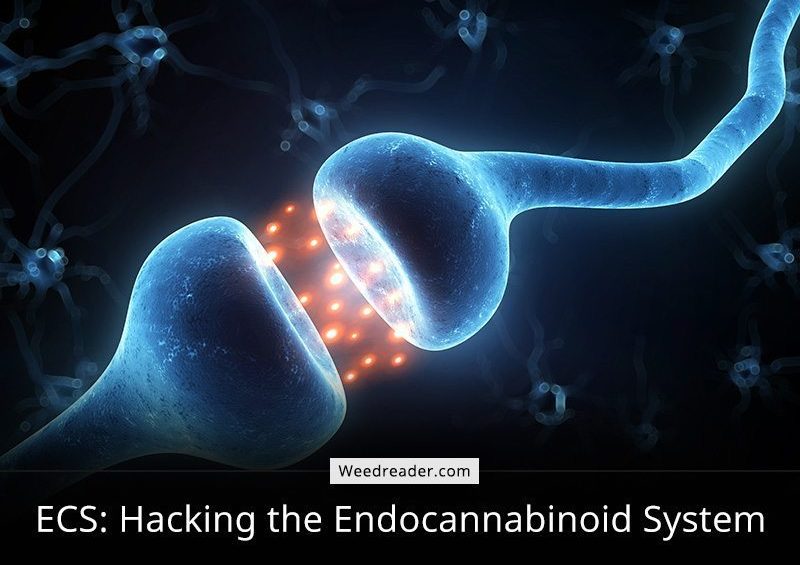
ecs

ECS: Hacking the Endocannabinoid System

Cannabis users often wonder how cannabinoids work.

Therapeutic chemical compounds known as cannabinoids interact with a system in our body called the endocannabinoid system (ECS). These compounds provide medicinal relief for conditions involving pain, inflammation, and nausea to name just a few. Cannabinoids and terpenes are the chemicals in marijuana responsible for providing relief to patients. They work by fitting into special receptors in certain cells in the body. There are more than 480 natural components found within the cannabis plant and each works with the body to achieve homeostasis.
Cannabinoids were the first compounds in cannabis to be studied. Scientists learned that there are receptors throughout our bodies that help modulate many bodily functions. A few of the systems that are tied to and affected by cannabinoids include appetite, sleep, anxiety level, and cognition.
In fact, some cannabinoids target specific receptors located on the surface of cells in different areas of the body making studying them very important. Their pharmacological delivery possibilities open up whole new worlds of highly targeted treatments that don’t cause damage to nearby cells.

So what is the endocannabinoid system?Trichome Closeup
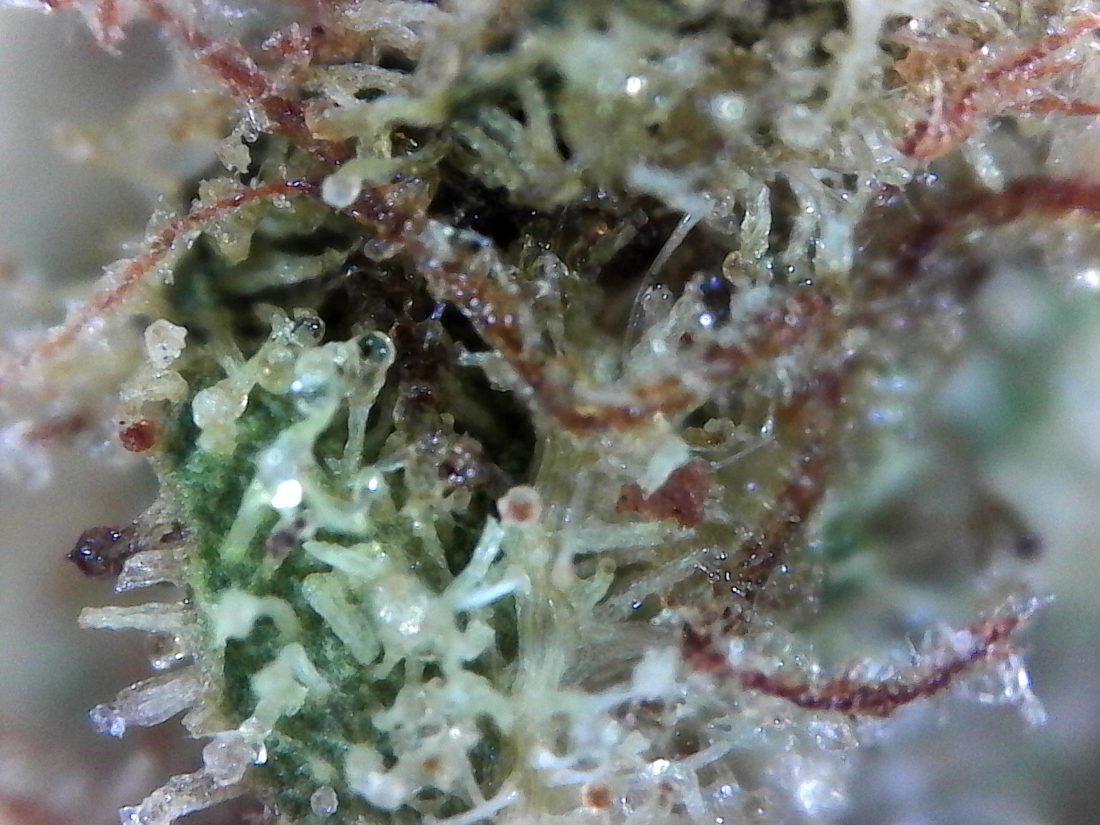
The endogenous cannabinoid system(ECS) was named after the plant that led to its discovery. The ECS is one of the most important physiologic system involved in human health. This is because endocannabinoids and their receptors permeate the body.  The brain, organs, connective tissues, glands, and immune cells of every human are laced with cannabinoid receptors. In each tissue uses the cannabinoid system a little differently. The main purpose of the ECS is to achieve homeostasis in the body.
Endocannabinoids and cannabinoids are found in the intersections of the body’s various systems. These intersections are vital to communication and coordination between different cell types. At the site of an injury, for example, cannabinoids decrease the release of activators and sensitizers. This stabilizes the nerve cell and prevents excessive firing.
The ECS has the added effect of calming nearby immune cells which prevents the release of pro-inflammatory substances. There are different mechanisms in different cells that work with cannabinoids to minimize the pain and damage caused by injury.
The endocannabinoid system is literally what bridges the mind and body as it regulates our immune system, nervous system, and all of the body’s organs. By understanding the depth and complexity of our genetic systems interactions with cannabinoids, we reveal how interconnected we are with the world around us.
In addition to regulating internal and cellular homeostasis, cannabinoids influence how a person perceives the external environment. Cannabinoids directly influence a person’s open-mindedness by mediating neurogenesis, neuronal plasticity, and learning. This is one reason cannabis is so exciting for Alzheimer’s researchers.

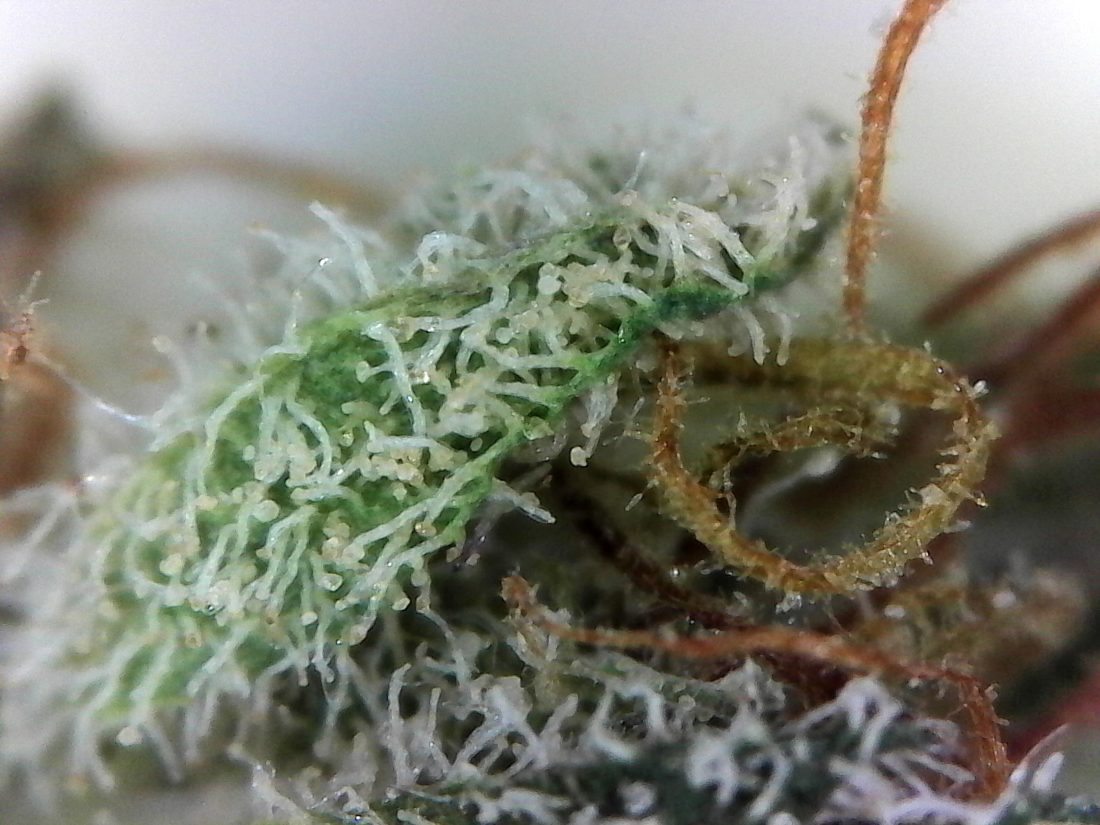
The CB1 receptor wasn’t discovered until 1990.Purple Trichomes

The CB2 remained hidden until 1993 when it was discovered by a research group at Cambridge University. The cannabinoid THC has a high binding affinity with CB1 receptors located in the brain, central nervous system, connective tissues, gonads, glands, and related organs. This is one reason that consumption of cannabis strains and plants containing a high amount of THC result in a relatively potent effect.
Heavy CB1 stimulation tends to give patients significant relief from pain, nausea, or depression. The same compounds deliver a strong euphoric feeling to lifestyle users. Those undergoing chemotherapy and patients suffering conditions involving inflammation, like arthritis and lupus also find significant relief from symptoms while administering cannabis.
CB2 receptors on the other hand are located throughout the immune system and related organs. The highest concentrations can be found in the tissues of the spleen, tonsils, and thymus gland. They are also common in the brain, although they are found on different types of cells and do not appear as densely as CB1 sites.CB2 sites are also found throughout the gastrointestinal system.

The ECS helps modulate intestinal inflammatory responses. ecs
CB1 and CB2 stimulation helps many sufferers of Crohn’s disease and IBS gain relief. Cannabis has been shown to treat Crohn’s so effectively that many of the cases using it to treat the disease sent it into full remission. The efficacy of the treatment seems to be tied to the patients ECS expression.
The binding affinity, locations, density, and number of cannabinoid receptors are collectively labeled their expression. Researchers believe different patients, especially those with particular diseases, may have different expressions of CB1 and CB2 receptors than patients not afflicted by these conditions.
Think of the expression of cannabinoid receptors in a person like a fingerprint. It is a unique cell configuration that results in a range of responses to different cannabis medicines. This unique distribution of receptors through the body is one reason some patients prefer a sativa like Durban Poison or Kali Mist, while others gravitate toward an indica such as Kosher Kush or 9 Pound Hammer while others only want hybrids like Blue Dream or Sour Diesel.

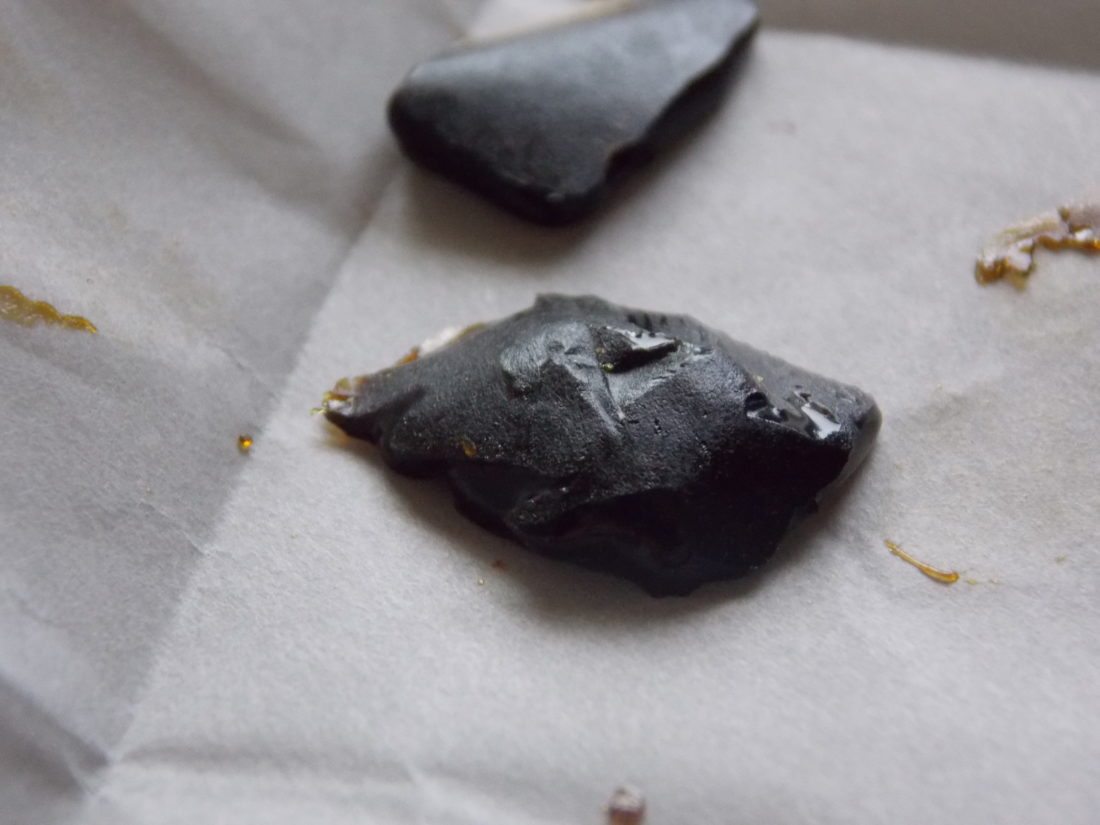
Patients may have more than an average number of receptors.Shatter
People very sensitive to a cannabinoid like THC may have an over abundance of one of the two receptors. While it is easier for these users to experience negative side effects, heavy usage tends to decrease sensitivity to ECS stimulation. Heavy users tend to notice a decrease in sensitivity as their bodies adjust to artificially high cannabinoid levels.
Likewise, patients who under express a receptor may be less sensitive to the therapeutic effects of a cannabinoids. These users often don’t feel the effects of consuming like most people. CBD and other cannabinoids often need to be consumed it in greater quantities by individuals who express low ECS levels in order to receive the same effects.
More and more is being discovered about the ECS every day but evidence suggests that CB1 receptor activation may promote inflammation/cell death. This is big news for drug manufacturers looking for a way to deliver pharmaceuticals to specific cells without collateral damage (like chemo currently). Similarly, CB2 receptors play a key role in anti-inflammatory responses in the body, making them important in the treatment of many neurological disorders like Crohn’s and Parkinson’s.

How does your ECS stack up?

Do you over express? Under express? Neither? Do you know someone who is treating their pain with cannabis? Let us know in the comments below what you think about the endocannabinoid system (ECS) and how it affects health. Thanks for reading.
 

weedreader n

THC vs. CBD: What Do They Do?

Have you ever wondered what THC and CBD are?

For those who don’t know, tetrahydrocannabinol (THC) and cannabidiol (CBD) are potent chemical compounds produced in the trichomes on cannabis flowers. Trichomes are the small mushroom looking structures that sparkle like crystals in the light. Cannabis with a high concentration of THC or CBD is prized over just about anything else.
The states that allow cannabis sales require licensed retailers to prominently display the THC, CBD and possibly several other three letter words for everything with cannabis in it. People are always talking about how potent cannabis has become compared to times past and equating it with the THC and CBD content. This all points to THC and CBD being important, but why?
To start, cannabinoids are a group of compounds that our bodies and plants produce naturally. There are over 85 different cannabinoids identified so far with more just waiting to be catalogued. They are called cannabinoids because when Raphael Mechoulam  first identified them back in 1964, they were in the cannabis plants the Israeli doctor was studying.
Science has shown that our own bodies produce and process cannabinoids in immune and nerve cells. Humans are not unique in this ability to process cannabinoids either. The systems needed can be found in many mammals including dogs and cats.
Some animals simply can’t process THC and CBD. Insects like bees and ladybugs don’t have the right systems to be affected by the cannabinoids produced in cannabis. So even if insects or reptiles get covered in cannabinoids, it can’t get them high.
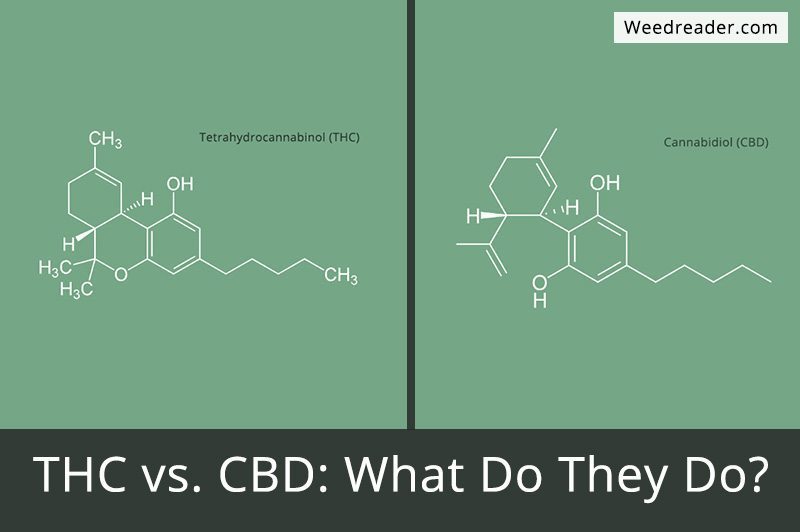
Science is discovering that the connection humans have to cannabis goes down to the molecular level. Continued research into the structure of THC and CBD has revealed that they are structural isomers. Essentially, they have the same basic parts but get arranged in a different way.

How do THC and CBD Work?

Cannabinoids like THC and CBD are able to bond with a special network or system of receptors in our cells. This system is present in most mammals, that is why cats and dogs will respond to cannabis in similar ways as you and I.
The specific receptors responsible for how weed makes us feel are called the CB1 and CB2 receptors. They were named after the different cannabinoids they are specialized to work with. I agree it’s not a very interesting name but being as simple as possible makes for easier science.
This system is called the endo-cannabinoid system. Endo for inside and cannabinoid for the type of chemical they work with. Cannabinoids like THC and CBD activate the receptors by mimicking the  neurotransmitters our bodies naturally produce called anandamides. Our bodies can’t tell the difference and accept the imposters without question. Yet each cannabinoid has a unique effect.

  • CB1 receptors respond to THC and are responsible for the psychoactive effects of cannabis. They are present in most of the brain and play a role in vital functions like; memory, mood, sleep, appetite and pain sensation. Cancer, insomnia, PSTD, MS, and many more disorders respond positively to CB1 stimulation.
  • CB2 receptors respond to CBD and are responsible for the anti-inflammatory effects of cannabis. They are found in immune cells and help reduce inflammation. Since inflammation is an immune response that is believed to be a factor in many diseases and conditions, controlling it can have life altering effects for people.

THC Ladybug

How are THC and CBD different?

THC is psychoactive, meaning it affects consciousness. Things like irritability, hunger and pain are all tied to brain function. THC reduces activity in the hippocampus, the part of the brain where memories are formed/stored). It also inhibits the amygdale, the part where the fight or flight instinct is stored/triggered.
If enough THC is added to the hippocampus, it can lead to a build-up of anxiety. Feelings of paranoia often accompany this negative reaction as the brain tries to deal with the elevated levels of cannabinoids. While no deaths have ever been recorded from weed alone, consuming cannabis does lead to reduced activity in certain parts of the brain.
While reducing brain activity is normally a bad thing, trauma and chemical imbalances can lead to hyperactivity in these brain areas. Conditions like PTSD and anxiety are examples where THC is one of the best treatments available. In fact, the VA recently made strides toward incorporating treatments into the framework of our military.
CBD is a totally different beast. It’s non-psychoactive, meaning it doesn’t affect consciousness directly. Yet it has been shown to have many beneficial properties. Things like swelling, decreased blood flow and seizures are all treatable by CBD.
Besides calming muscle spasms, CBD is able to counteract the psychoactive elements of THC. They have a balancing duality and because of their chemical similarities, it only takes a little acid to transition from THC to CBD and back again. Several companies have successfully synthesized cannabinoids already but it appears that the best effects come from natural plant sources.

How do we use THC and CBD?

Given that our bodies are hard-wired to benefit from cannabinoids, how do we get more? The oldest and most reliable way is to smoke some of the cannabinoid-rich trichomes that cover the cannabis flower. Vaporizing, eating and creating topical creams are also common ways to consume cannabinoids.
Modern extraction techniques exist that can produce almost 100% pure THC from raw plant matter. While this is the most potent/efficient way to consume THC, most commercial products range from 60-80%. Part of the reason lower percentage extracts are more common is the high cost of extremely pure THC or CBD comparatively.
Most people today consume cannabis in the form of food or concentrate to treat a malady or illness. Research has shown THC from smoking weed to be a neural-protector and helps slow/prevent Alzheimer’s. Cannabis can also provide relief to people suffering from neural conditions like Parkinson’s and Cerebral palsy. Patients often find more relief from their tremors, seizures and chronic pain than through other treatments.
Cannabinoids also play a part in the success of traditional cancer treatments like chemo therapy by stimulating appetite, relieving depression and reducing pain. While these benefits may seem minor, the increase in quality of life to these patients is measurable. Over time, the body will adapt to elevated cannabinoid levels so monitoring dosing is important.
Higher concentrations of THC and CBD are often needed for treatment of life threatening illness than can be found in raw cannabis. Over the centuries, this problem has been solved by refining the raw flower into concentrates. Products like BHO, PHO, RSO and CO2 extracts are excellent sources of concentrated THC to modern consumers.
Thanks for reading.