What would you do with access to MMJ and $3.8 million dollars?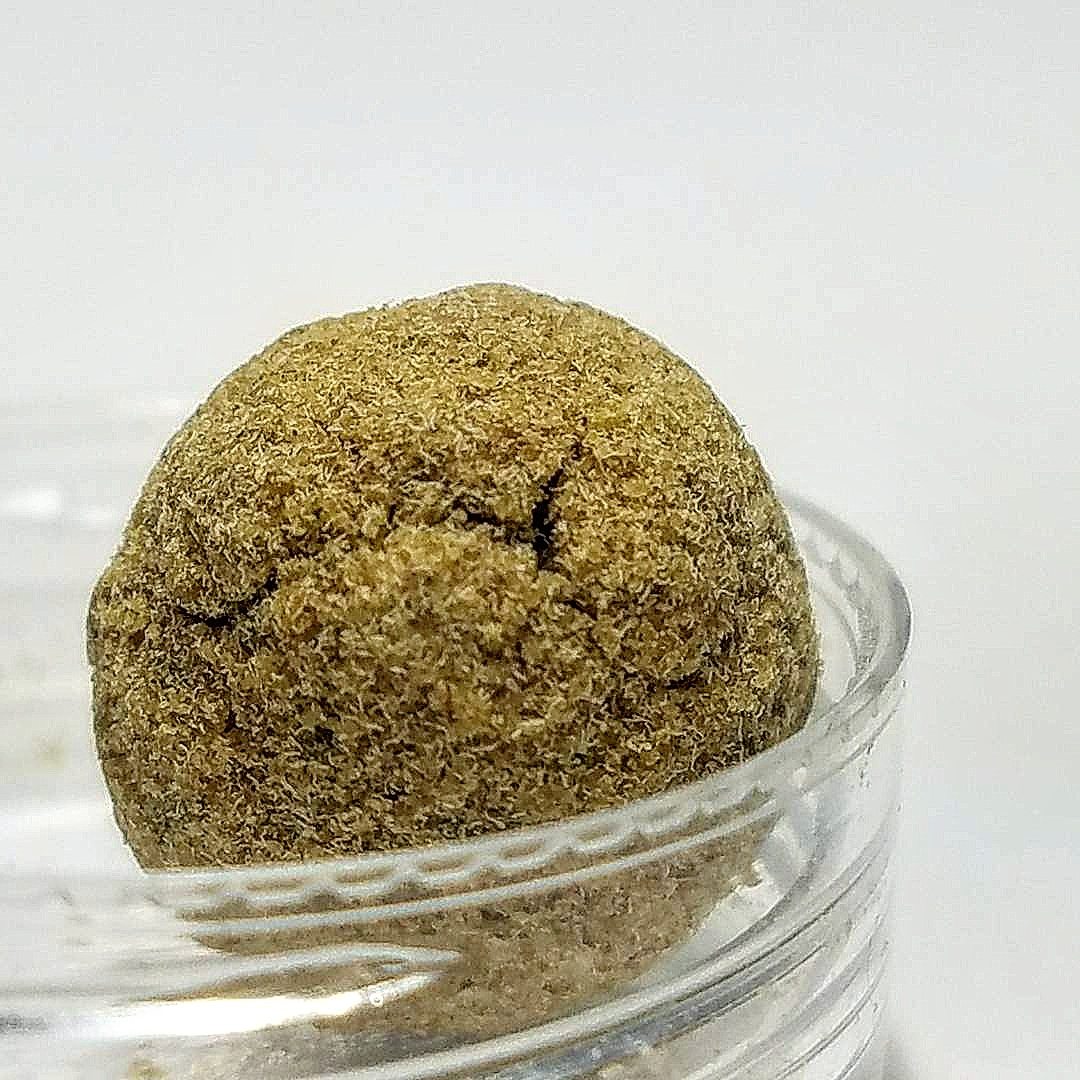
Researchers at Albert Einstein College of Medicine and Montefiore Health Systems get to find out if medical marijuana reduce opioid dependence. Researchers were granted the sum to fund the first in a new round of long-term studies. While past studies have tested cannabis in pain management in HIV and cancer patients, this has a different focus.
This study will officially investigate the effectiveness of medical marijuana in treating opioid addiction. Investigators explained their reasons in a media release by the associate chief of general internal medicine Chinazo Cunningham. She claims “There is a lack of information about the impact of medical marijuana on opioid use in those with chronic pain,” and “We hope this study will fill in the gaps and provide doctors and patients with some much needed guidance.”
There are many people who claim cannabis helps opioid users with chronic pain step down their use to safer levels. A minority of users also report that they can completely eliminate their opioid dependence with cannabis. The hope is that patients can remove their dependence entirely but only studies like this can prove it to be true or false.
The study focus on adults with HIV, chronic pain, and it uses real MMJ.
Study participants include 250 HIV- positive and negative adults with chronic pain. Subjects are also required to have a doctors recommendation for medical marijuana. This is the fist study of its kind to use state approved dispensaries to provide the cannabis.
Federal contractors in Mississippi normally provide “research grade” cannabis that has a THC content below 10%. Stored improperly by design and seemingly produced by putting a whole plant in a food processer, almost any dispensary would reject it. This cannabis is known as NIDA weed and these researchers decided they didn’t want it in their study.
Instead of using federally obtained NIDA cannabis like past studies, this one will use cannabis from New York dispensaries. This cannabis is produced and processed by master growers, passes laboratory testing, and has THC content between about 15% and 30%.
Up until now, evidence is mostly anecdotal. 
Many people have moving personal stories but they fail to prove anything. We can’t forget the ‘placebo effect’ or projection when listening to a single person tell their story. This study offers 250 people the opportunity to produce the first peer-reviewed research on the safety and effectiveness of cannabis in treating opioid addiction.
This long-term study will also span 18 months and include web-based questionnaires every two weeks. The questionnaires focus on pain levels and the effect of medical and illicit cannabis on opioid dependence. Blood and urine samples get submitted every three months in-person at specified medical facilities. In-depth interviews of participants will explore their perceptions of how marijuana affects their opioid use.
HIV patients suffer from opioid addiction more than other populations. But there is conflict on how many actually suffer in silence. Past studies claim that over 90% of HIV patients suffer from chronic pain while others claim the number could be as low as 25%. With opioids as the go-to pain treatment for most doctors, there is a high risk for misuse and subsequent addiction.
The cards are stacked against cannabis reducing opioid use.
Medical marijuana has made serious strides in legitimizing itself as a treatment for pain. Twenty-nine states (plus the District of Columbia) have legal marijuana use in some way. Chronic pain and HIV/AIDS are qualifying conditions in all of those states.
Yet researchers have never explicitly studied whether or not medical marijuana reduces opioid use over time. Most studies attempt to prove marijuana doesn’t treat medical conditions but fail to do so. This looks at the possibility of treating pain with similar skepticism.
The best part about science is that all the evidence counts. Despite researchers personal desires, the results speak for themselves. This study is no different. “As state and federal governments grapple with the complex issues surrounding opioid use and medical marijuana, we hope to provide evidence-based recommendations that will help shape responsible and effective healthcare practices and public policies,” Cunningham said.
Medical cannabis promises hope to opioid abusers.

HIV and AIDS patients across the globe have claimed cannabis treats their pain. This is the first step in a new phase of medical research. Instead of using the lowest possible quality of weed, they plan to look at real people using real cannabis. The results will likely add to the mountain of evidence that supports medical marijuana.
There is still a long time to go before the results come in. Long-term studies take loads of time to analyze the data. Years pass before researchers publish results. Especially in studies like this. It may be two or more years before anyone can make a claim about the effectiveness of marijuana treating opioid addiction based on this research. We have to sit tight until then.
But if the past has taught us anything, it is that marijuana is a more powerful healer than we ever thought possible. This is just the first of a new wave of research but the results look to direct the following discussion heavily. Let’s just hope that those in power listen to the research.