

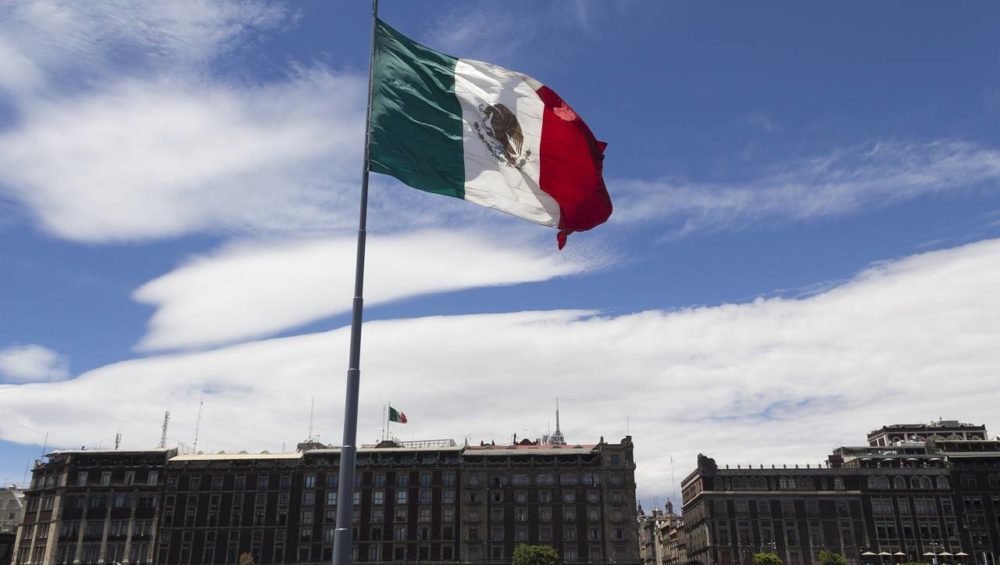
On July 1st, Mexico elected a new president named Andrés Manuel López Obrador. The president elect won a landslide victory based on his promise to fight corruption and rebuild the economy. He wants to cut the pay of government officials and expand social programs – like increased pensions and universal college education. He wants to support Mexican farmers by fixing prices for crops and equipment.
He also wants to end Mexico’s violent drug war, using “abrazos, no balazos” (“hugs, not bullets”).
You Can’t Fight Violence with Violence
In 2006, then-president Felipe Calderón mobilized the Mexican military to take to the streets to fight organized crime. Since then, more than 100,000 lives have been lost – more than 200,000 by some estimates. And yet drugs are as available as they’ve ever been, and the cartels are just as powerful.
López Obrador has a different strategy in mind. “Why do people grow poppies?” he asks. “Because they have nothing to eat! You can’t fight violence with violence. This is an evil we have to fight by doing good, by creating economic growth, jobs and well-being.”
One of López Obrador’s more controversial proposals is offering amnesty to certain criminals involved in the drug trade. In a public forum in Mexico City, he said he would even consider the legalization of all drugs across the board.
“Legalization of drugs is a subject that should be debated,” he said. “Why not address it? And why not, if that is the right thing to do, approve it and let the government carry it out?”
“There are those that argue that this is why we have a lot of violence, because of prohibition,” he added.
Moving Mexico Forward
But is this just political rhetoric, or can we really expect drastic changes in Mexico’s drug policy? To get a better idea, take a look at his pick for Mexico’s next Secretary of Interior, Olga Sánchez Cordero. The former Supreme Court official has a history of supporting progressive policies. And in a recent interview with the AFP, she expressed her support for decriminalization of drugs, starting with marijuana.
“We have to start thinking about the decriminalization of drugs. Obviously marijuana,” she said. Adding, “I will propose to Andrés Manuel the decriminalization of marijuana, its planting, harvesting, sale and recreational use.”
In another interview on W Radio, Sánchez Cordero elaborated, “Canada has already decriminalized, and so have several states in the United States. What are we thinking, to keep killing ourselves when others have already decriminalized? We’re going to try to move forward.”
These statements indicate that Mexico’s incoming administration will likely push for legalization – of marijuana, at least, if not more. And with López Obrador’s MORENA party (Movimiento Regeneración Nacional, or National Regeneration Movement) winning a majority in both the Senate and the Chamber of Deputies, he may just have the support he needs to do it.
But Andrés Manuel will not be sworn in to office until December 1st. So until then, I guess we’ll just have to wait and see.


