We have all made some dabbing mistakes when getting started.
Some of us learned from our dabbing mistakes while others remain ignorant of the finer points of canna culture. Regardless of where you fit along the spectrum of cannabis intelligence, you are sure to have experienced at least one of these common mistakes. These are in no particular order as each person will struggle with different parts (mine is overheating) more than others.
There are also more ways to counter these problems than I have time to list but I encourage you to share any tips or tricks with other readers in the comment section below. We are all here to learn after all. So without further ado, here is my list of the top 10 dabbing mistakes and how to avoid them.
Overheating the Nail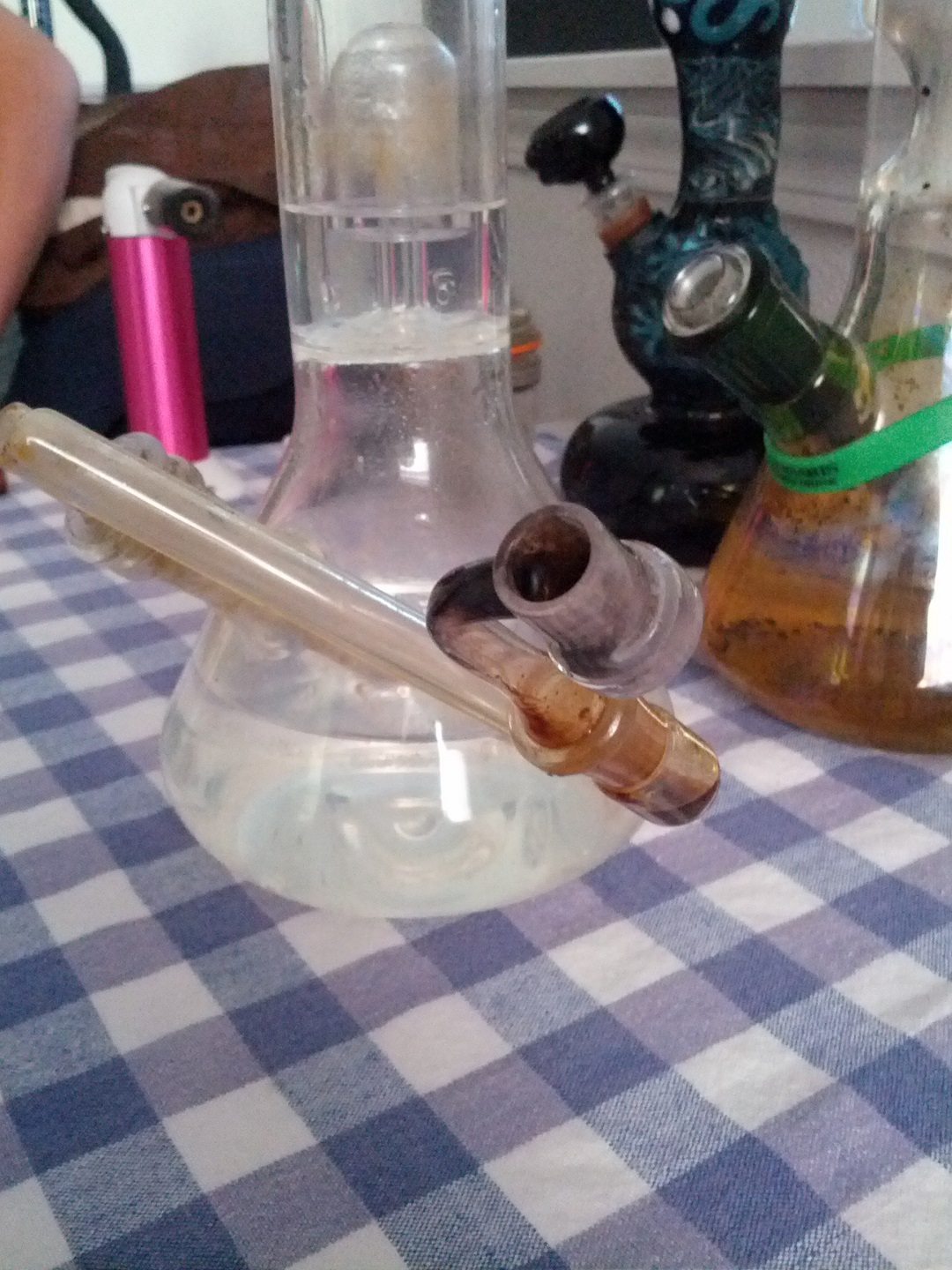
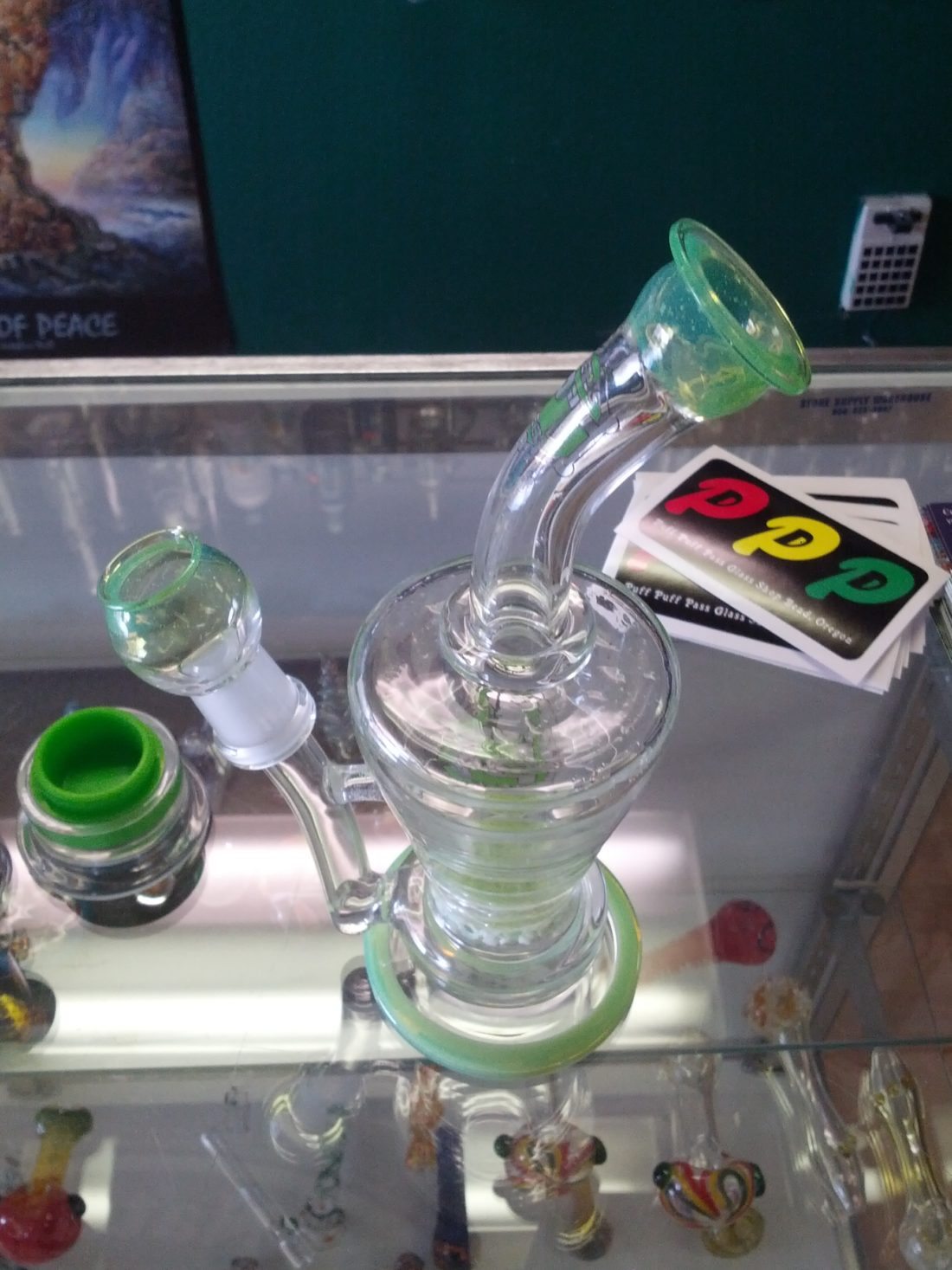
The normal way to heat a dab rig is with a torch. The goal is to heat the nail up enough that the concentrate vaporizes without combusting. Many dabbers don’t wait for the nail to cool slightly before taking their hit. These dabbing mistakes cause the concentrate to combust instead of vaporizing.
Combusted concentrate is significantly more harsh, lacks key terpenes and produces a lower quality high. Since terpenes act synergistically with THC and CBD to produce more powerful effects, burning them up robs people of the very experience they are trying to get. Glass should be a dull red, titanium and ceramic nails should be their natural color before dabbing
Solution:
It’s OK to heat the nail until it turns red hot. It can burn off waste from the last hit and creates a uniformly hot surface. Just wait for it to cool before taking a dab. The amount of time to wait depends on the thickness of the material but it is good to wait until just before the nail returns to its normal color.
Titanium and ceramic nails change color at a higher temperature so require longer heating times. Ceramic has the highest “red hot” temperature, followed by titanium, then crystal and finally glass. Titanium ends up retaining the most heat so it takes the longest to cool while glass is the worst heat conductor and cools quickly.
Grabbing the Nail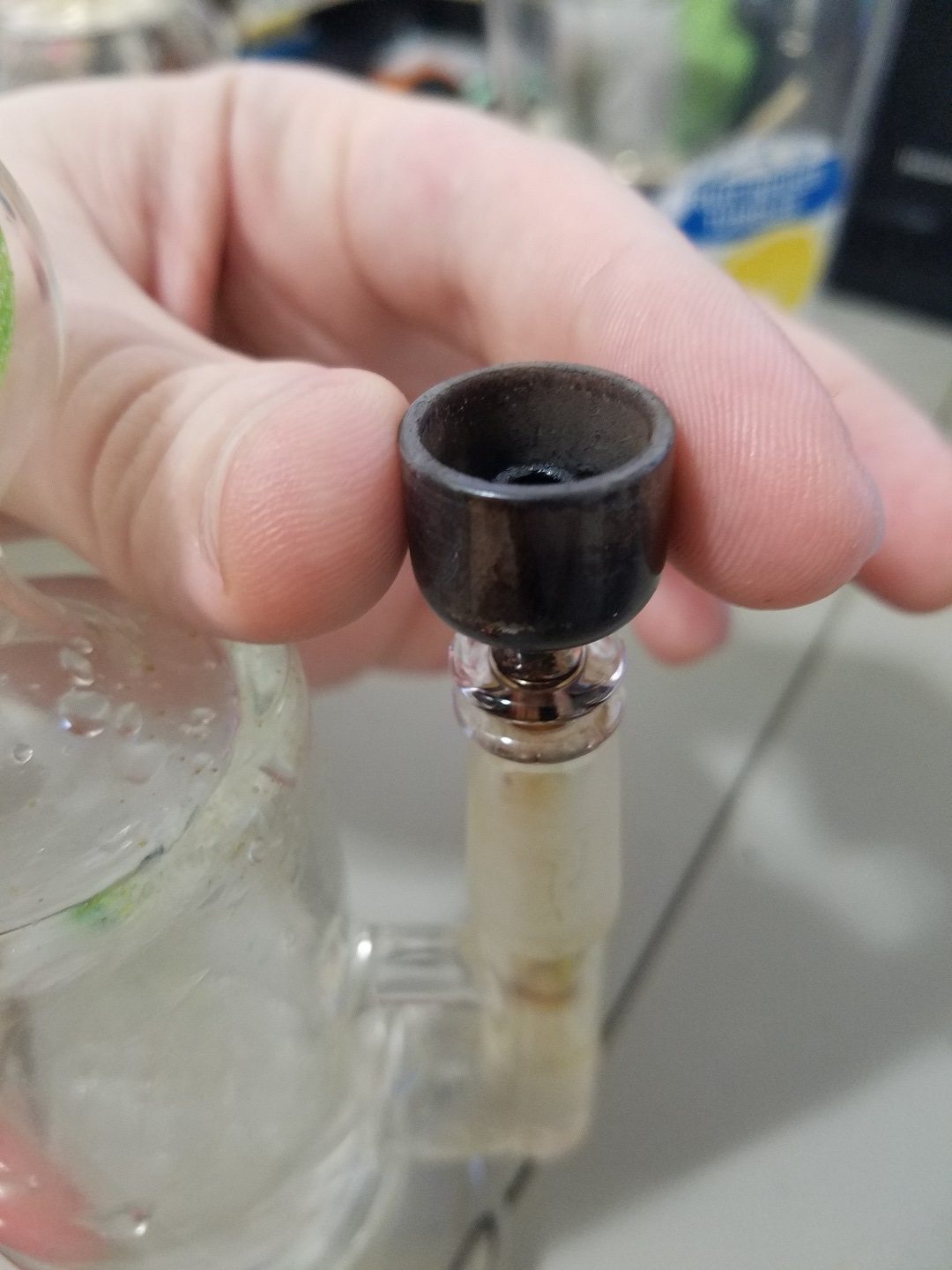
Dabbing is a fairly new way to consume cannabis. Most people start by smoking flower through a glass pipe or bong. Bong users especially fall prey to rookie dabbing mistakes. When they are ready to clear the bong, they try to remove the nail in the same way the bowl is pulled in a normal bong.
It normally takes only a moment for people to realize their mistake. As they try to remove the bowl, their nervous system registers that their fingers are literally melting and they reflexively drop the scorching hot nail. If their reflexes are fast, it drops back in place. If not, pray it doesn’t shatter on impact with the ground.
Solution:
Don’t let people hold the rig. If the dab rig rests on a table or counter and doesn’t have to be held to hit. Having hands away from the rig can also give someone the moment they need to realize how hot that thing is and avoid touching it even if they start to reach for it.
Now, this is not always possible with exceptionally small pieces. If at all possible, don’t start a new dabber off with a small dab rig. Pain is a great teacher though so some people only need to grab the nail once and they will never forget why that is a bad idea.
Overloading the Bowl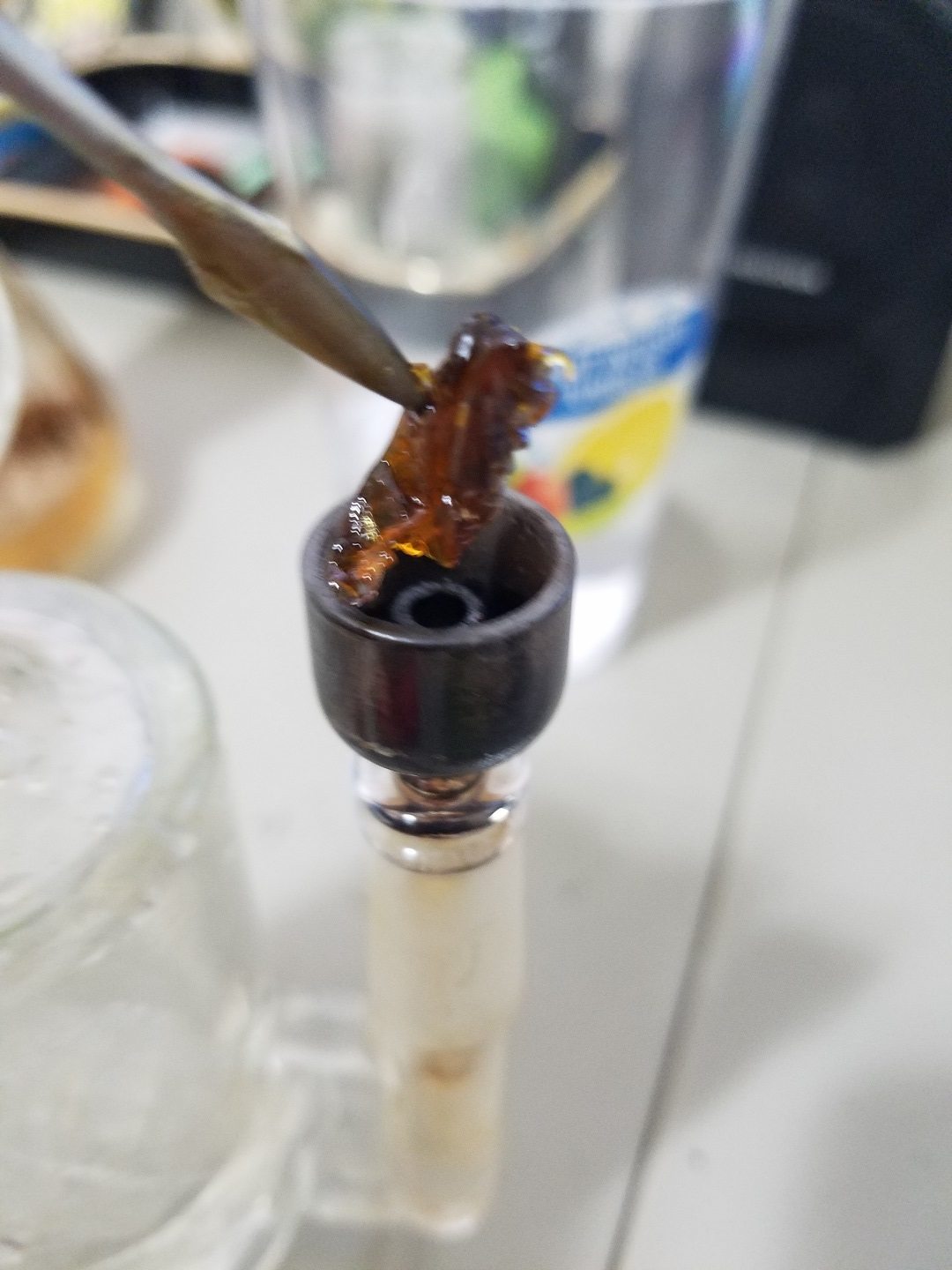
Concentrates have to be heated to several hundred degrees before they vaporize. As product comes into contact with the nail, the two are at different temperatures. As they remain in contact with each other, their temperatures begin to equalize. The more concentrate that comes into contact with the glass, the faster it cools.
Adding more concentrate than the nail has heat to vaporize results in thin smoke and wasted material. Do this for long enough and the nail will become coated in a black resin-like substance. This residue catches on fire, produces foul smoke and can cause the piece to retain heat (which leads to spontaneous breaking).
Solution:
Make sure to use the right amount of product and heat. Thicker nails retain their heat longer than thin walled nail so the best bet is excess heat. Use a torch to heat the nail until it no longer smokes.
Electronic nails get buildup as well so periodically torching or otherwise cleaning the nail is part of a dab rigs regular maintenance. Use an old toothbrush and a rubbing alcohol/salt solution to clean the caked on residue without much risk of breaking the nail.
Missing the Bowl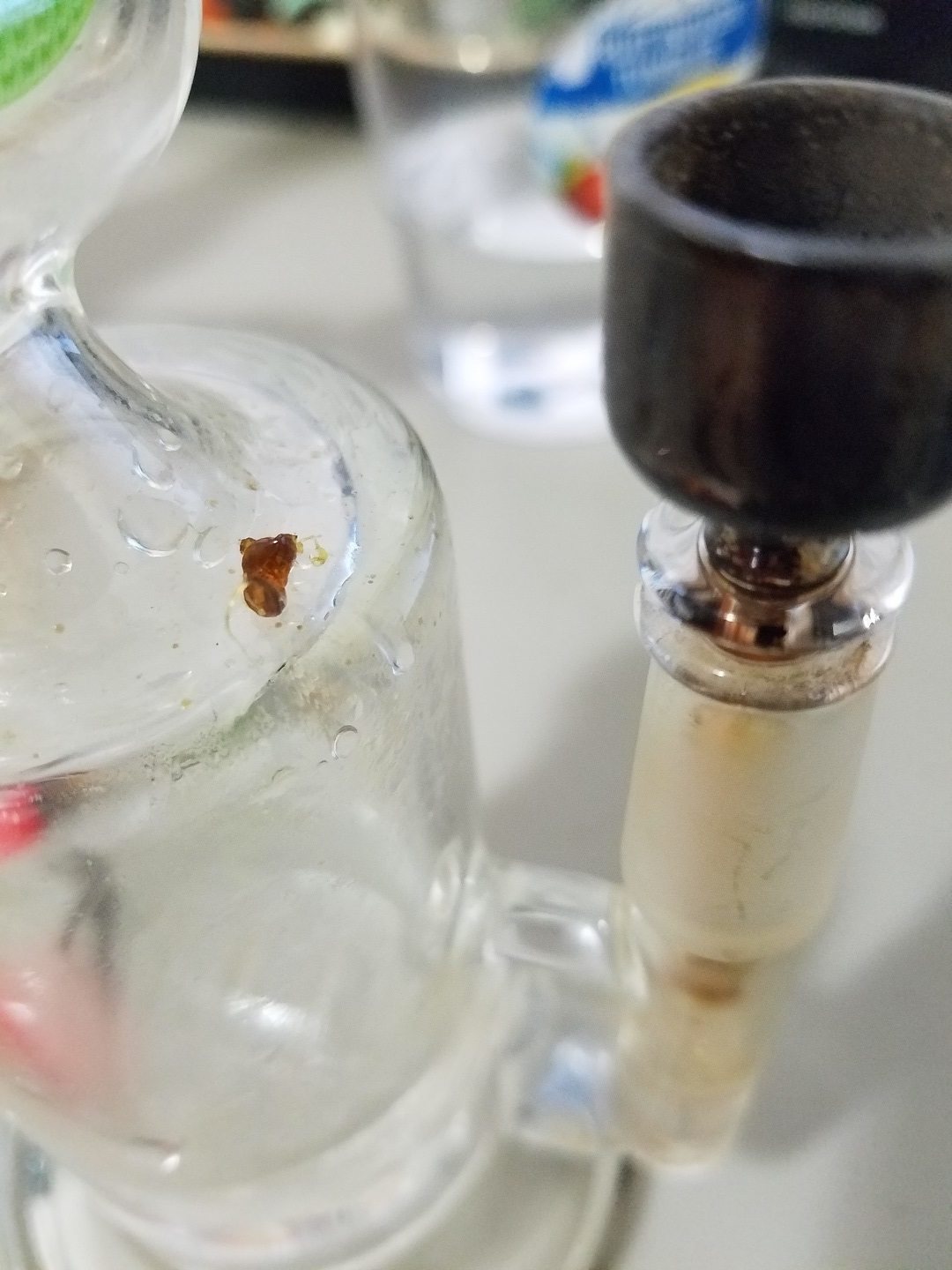
This happens to new and veteran dabbers alike. They go to take a dab and the concentrate falls to the side of the nail or on the dome. This happens most when people hold their dab over the nail before taking their hit. They forget that heat rises so the 6 or so inches above a heated nail will melt concentrate and cause it to drip.
The bigger and less viscous the dab, the more likely it is to miss the intended target. If you have ever tried to drop something from a high place on a specific target, you know that the further away you are, the harder it is to hit. Crumble and saps tend to be difficult to put where wanted so contribute to this problem more than wax or shatters.
Solution:
Hold your dab over a container or to the side of the dab rig. Remember that the closer the dab is to the nail, the faster it is going to melt. Move the dab to the nail quickly but stay under control. Approaching the nail from above at a 45 degree angle will give the most time and control over the quickly melting concentrate.
About one inch from the nail, most concentrate loses cohesion. What was wax or shatter becomes a liquid in about half a second so don’t delay when getting close. There is a lot of technique involved in getting exceptionally long or large dabs to hit properly. Finding the proper balance of speed, distance and heat is tricky but can be done.
Dropping the Dab Down the Center
This is a problem that comes from the overall style of domeless nails. You basically have a doughnut of glass with a hole in the center. Some people end up putting the concentrate into the center hole instead of in the glass cup. This results in the concentrate completely bypassing the heating element and dropping directly into the water.
Solution:
When dabbing, make sure the concentrate falls into the cup side of the glass. The center hole is to allow the vapor to be sucked through the piece, not the actual concentrate. If the dab doesn’t drop on and stay on a hot part of the nail it simply won’t vaporize.
Missing the Rig

This is another hand eye coordination problem, just the next step up. These dabbing mistakes happen most with products like crumble and shatter. Instead of the dab dropping next to the nail, this is when the dab misses the whole rig.
Trying to drop a piece on a heated nail will often result in missing the whole piece. Since crumble and shatter are stable enough to handle, it is tempting to just use your hands. The rub comes when those tender digits get close to a heated surface and you are forced to ‘toss’ it the last of the way because it basically takes vector calculus to get it right.
There is a reason that vector calculus is one of the last lessons in math too. Because getting multiple things moving just right is REALLY difficult, especially with weights in the milligrams.
Solution:
Get a good dab tool. Having the right tools will go a long way to prevent dabbing mistakes from being an issue. Many come with a pointed end and a scoop end. Using the scoop for crumble and shatter makes getting the concentrate in the right place a synch. Silicone dab tools also prevent things from sticking to the tool while being relatively cheap.
Oversized Hits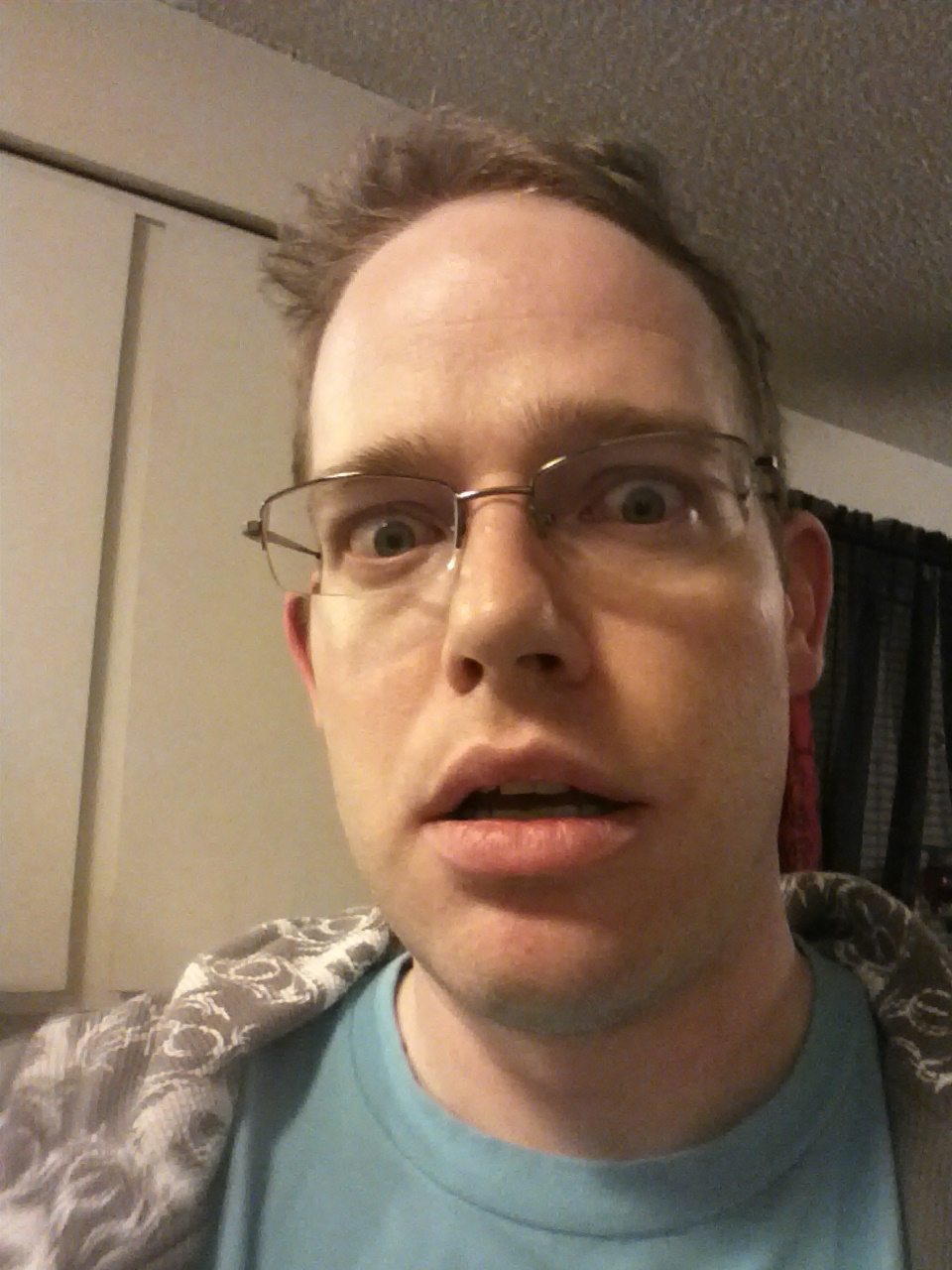
Hitting a dab is not like hitting a pipe or joint. It is closer to a bong but is still on a different level. People new to dabbing have a hard time judging how big a given hit will be and often get wrecked as they take their first few hits. Most of the time it is hilarious to watch people make dabbing mistakes like this.
But it can be a scary experience to get so high. There are hundreds of people that end up in emergency rooms each year from getting too high. If people don’t become somewhat catatonic, they often begin to freak out and panic.
Solution:
Start off slow when getting into dabs. With flower, the average concentration of THC /CBD (according to lab testing) lies around 15-25%. Concentrates rarely drop below 60% THC/CBD but can get as high as 99.9%. That is a pretty big difference so always check the potency before taking a hit when possible.
Also, be sure to take small dabs to start. Taking a normal sized dab (about half the size of a pea) is the equivalent of smoking about 2-3 bowls of flower. A ‘dose’ of THC is commonly seen as between 3 and 5 milligrams.
Choking
Our lungs are miracles of nature and finely tuned to process oxygen. When they register something other than oxygen, your lungs are designed to help get it out. Cannabis vapor is so much denser and hotter than normal air so when the lungs believe there is more smoke than air, they do their job and make you cough.
Stoners of all experience levels make dabbing mistakes and sometimes explode into bouts of uncontrollable heaving. It can last for only a moment or for several minutes. The denser and bigger the hit, the longer it takes to recover. There is a point on the inhale where the lungs decide enough is enough and with enough practice, anyone can find thier limit.
Solution:
Try taking a slower hit. Instead of sucking as hard as possible, take slow hits. This allows you to feel as your lungs approach their maximum capacity. You will feel your lungs begin to buck before they go full heave. With enough practice you should be able to get close to coughing without actually triggering the reflex.
In addition to breath control, practice deep breathing. Stretching your lungs when breathing normal air is a good way to strengthen them. It also helps your body process oxygen better and improves circulation, both key elements of processing THC and CBD.
Puking
Sometimes a cough is so powerful that it causes you to spew chunks. Other times, attempting to burp up a hit can cause the gag reflex to go off. This dabbing mistake is similar to the choking issue where the body is trying to expel something it thinks is bad.
People with an overactive gag reflex may find themselves experiencing this regularly when taking big hits. They start to cough, and suddenly it becomes more. That is because coughing is tied to the gag reflex and a host of other respiratory systems.
Solution:
Try not to burp. It sounds counter intuitive but part of burping is swallowing. When smoke is swallowed, it causes irritation to the throat and other soft tissues. The body reacts to this irritation by trying to expel it through reflexive action. Not swallowing the smoke will drastically reduce the chance of puking.
Dropping the Piece
Whenever someone experiences one or more of the previous nine mistakes, bad things happen. Muscle spasms (like coughing and puking) can make limbs tense and smack glass into furniture. Grabbing the nail also causes reflexive motion that can lead to broken pieces.
Even people with the best intentions and a perfect tract record are not immune to dropping the piece. Get someone coughing hard enough that they start to puke and the piece gets forgotten. The most common way to drop a piece is when passing it to another person.
It takes careful coordination to pass a bong to another person. Misjudge how heavy it is or how tight a hold the other person has and the sound of shattering glass is sure to follow. When you are coughing up a lung and trying not to puke on everyone, it gets a lot harder to judge whether or not you should let go.
Solution:
The first step to prevent dropping the piece is to reduce interactions. There is a lot going on when dabbing. You have the rig, the tool, the torch and the concentrate all in your hands at once. Look for ways to keep things organizes and clear like having a special tray specifically for setting up and taking dabs. Minimizing the number of times you have to change hands or switch angles will save time, effort and reduce chance of making dabbing mistakes.
Additionally, make sure the area is glass friendly. Put down carpets/rugs, remove hard surfaces and that you store your piece where it won’t be bumped. Build a cocoon of softness around your piece and then even if it does get dropped it will survive.
Well, that’s the end of the list.
What did you think? Have you made any of these dabbing mistakes? Let us know how you avoid these mistakes or other ones you have made. I love getting to hear your stories and getting to know our community. Thanks for reading.