Chemotherapy and Cannabis Treatment

Chemotherapy and Cannabis Treatment

Cancer affects almost 40% of the population.

Chemotherapy is a part of many peoples lives, including children. A 2014 study estimated that 15,780 children and teens learned what it means to have cancer that year. That same study found that 1,960 also died from the disease. The remaining 13,820 children had to receive treatment. Most elect for some form of radiation or chemotherapy if surgery isn’t an option.
Anecdotal (evidence based on personal observations and experience) evidence about the effectiveness of cannabis in treating cancer is strong. So strong that there are many studies trying to disprove their claims. Yet the studies consistently (for many types of cancer) show concrete evidence supporting the claims.
It is through these scientific studies that we have learned that cannabis is a powerful phytonutrient and antiseptic. Studies also prove that cannabis is linked to tumor reduction and apoptosis. Specifically in breast, lung, prostate, colon cancer but a variety of others are under consideration as well.

Thousands of people use cannabis in conjunction with chemotherapy.opioid treatment

Not everyone uses it the same way though. There are a variety of ways canna-consumers incorporate it into their treatment. From Rick Simpson Oil (RSO) to edibles and micro-dosing, the world of cannabis does not require a pipe or patchouli oil. If cannabis is a treatment you decide to use, it doesn’t mean you have to be a stereotypical stoner.
Every cancer journey is unique. After diagnosis, it is up to YOU to determine the path you take. Traditional cancer therapy (chemo, radiation or surgery) is part of standard protocol. But certain cancers may require a combination of methods to properly remove.
Cannabis can play many roles in treatment. Research shows that cannabis is a great adjunct for system relief and healing after invasive procedures. While a typical course of chemotherapy significantly reduces overall immune system function, using cannabis supports quick recovery.

Cannabis provides verifiable symptom relief.

Multiple studies prove that cannabis provides symptom relief of chemotherapy. An Israeli study recently followed 200 traditionally-treated cancer patients. They found that cannabis use led to “significant improvements” in symptoms overall, including the symptoms and immediate side effects of  chemotherapy.
According to the National Cancer Society (NCS), cannabis may help relieve a myriad of side-effects from chemo. These include: nausea and vomiting, loss of appetite, fatigue, itchiness and rash, nerve damage and pain associated with neuropathy. Not to mention their positive effects on generalized pain, and emotional imbalance and mood issues, including anxiety and depression.
In addition to whole plant or natural extracts, the FDA approved Dronabinol to treat “some conditions.” Known by the drug name Marinol, this synthetic cannabinoid treatment is considered less effective than organic cannabis. It also has certain ‘unique’ side effects like neurologic issues and possible seizures.

Cannabis rarely interferes with treatment.landrace 2
Traditional oncologists may discourage using cannabis while on chemo or radiation treatments. They may claim it could interfere with the treatment and suggest abstaining. It is important to listen to healthcare professionals but treatment is a personal choice.
It is important to remember that thousands of people use cannabis in conjunction with other treatments. Most individuals experience no negative side effects on their treatment. In fact, physicians in medical marijuana states often recommend using cannabis.
In a recent article for Newsweek, Dr. Donald Abrams, Chief of Hematology-oncology at San Francisco General Hospital said “I could write six different prescriptions, all of which may interact with each other or the chemotherapy that the patient has been prescribed,” He followed up by saying “Or I could just recommend trying one medicine.” referring to medical marijuana.

Marijuana acts synergistically with our bodies to promote healing.
The hardest part about chemotherapy is the toll it takes on the body. The majority of people who undergo treatment experience reductions in immune system function. This reduction can last anywhere from months to years after treatment finishes.
A 2016 article in the journal Breast Cancer Research reported that chemotherapy led to long-term changes in the immune system. These changes included lower than average levels of lymphocytes and natural killer cells (also known as NK cells, K cells and killer cells). These are main elements of the immune system and it’s their job to destroy pathogens like cancer cells.
Modern science has revealed that humans have a special element in our immune system. Called the endocannabinoid system, it helps the body achieve homeostasis and balance. Animals without this system (like insects or birds) don’t process THC or other cannabinoids so gain no benefit from using them.

How does the endocannabinoid system interact with cancer?Landrace Strain 1
In addition to providing a boost to recovery and immune system health, cannabinoids interact with the body in many ways. Cannabinoid receptors in the nervous system (called CB1 and CB2 cells) effect everything from hunger to tumor production.
A decrease in endocannabinoids may increase cancer cell tumor production. Researches in a 2008 preclinical trial conducted tests with colon cancer cells at the MD Anderson Cancer Center in Texas. Their research indicates that cannabinoids have a preventative effect on certain types of cancer.
In addition to reducing cancer cell development, cannabinoids seem to calm the immune system and offer anti-inflammatory properties. This is a key part of healing under any circumstances but is especially important when dealing with cancer. Cannabinoid interactions also show increases in immune-system function.

Oncologists see the benefits of medical marijuana.

Medical marijuana is gaining ground nationally. Oncologists and patients can see the benefits and challenges of integrating cannabis into treatment. Over a fifteen years ago, Harvard conducted a study where 44% of traditional oncologists advised marijuana use. A more recent study found almost half of the physicians surveyed supported medical marijuana.
These studies combine to show that patients have more options than ever. While many hospitals still ban doctors from prescribing/recommending  medical marijuana, that number is decreasing. Thanks to scientific studies proving the efficacy of medical marijuana and the ceaseless efforts of the community, there are more options than ever.

Do you use cannabis during chemotherapy?

Did your doctor advise against it? What is your story and how did cannabis fit into it? let us know in the comments below and help others draw strength. Thanks for reading.
cancer marijuana

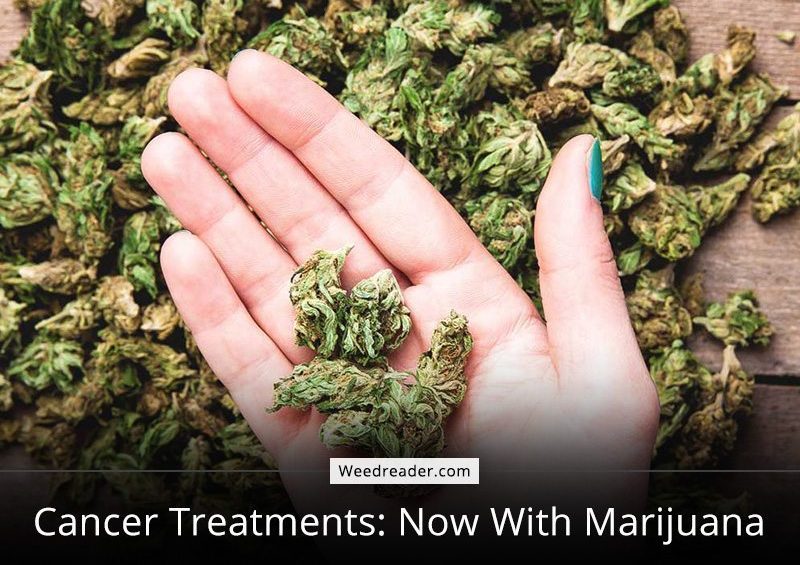
Cancer Treatments: Now With Marijuana

Marijuana is an old remedy.

Modern cancer patients aren’t the only people to understand the healing power of marijuana. Marijuana is the name given to the cannabis plant during 20th century prohibition. Cannabis grows wild in warm and tropical climates throughout the world and has been cultivated commercially for eons. Prohibition has given cannabis many other aliases as people developed code. Names like pot, grass, cannabis, weed, hemp, hash, hydro, ganja, and dozens of others all describe the same plant.
Records show marijuana has been used in herbal remedies dating back to the Chin Dynasty in China. Ancient doctors could see the effects of using cannabis as well as today and prescribed it for many maladies. The herb was so powerful that even the Romans put it in their medical texts.
Scientists have identified many biologically active components in marijuana that are the main reason it is so useful medically. These compounds are called cannabinoids. The two most studied of the hundred or so cannabinoids are delta-9-tetrahydrocannabinol (THC), and cannabidiol (CBD). Other cannabinoids are being studied but haven’t had the same amount of press or research put into them.

Is marijuana a legal treatment?

cancer treatmentAt this time, the US Drug Enforcement Administration (DEA) lists marijuana and cannabinoids as Schedule I controlled substances that cannot legally be prescribed, possessed, or sold under federal law. Whole or crude marijuana (including marijuana oil or hemp oil) are also not approved by the US Food and Drug Administration (FDA) for medical use whatsoever.
State laws have a little bit more play in them and diverge from the federal stance to different degrees. The use of marijuana to treat some medical conditions is legal in many states even though it remains federally banned. Each state has individual rules about how they deal with marijuana so it is important to research the specific rules for your state.
Dronabinol (pharmaceutical THC) and some synthetic cannabinoid drugs like Marinol are approved by the FDA. Marinol is used to relieve nausea and vomiting for chemotherapy patients in addition to being prescribed to AIDS patients for appetite stimulation.

Marijuana is more than THC.

Different compounds found in marijuana have affect the human body in different ways. For example, delta-9-tetrahydrocannabinol (THC) causes the mental high and can also relieve pain and nausea. At the same time it can reduce inflammation and act as an antioxidant. Cannabidiol (CBD) can help treat seizures, can reduce anxiety and paranoia, and can counteract the “high” caused by THC according to the American Cancer Society.
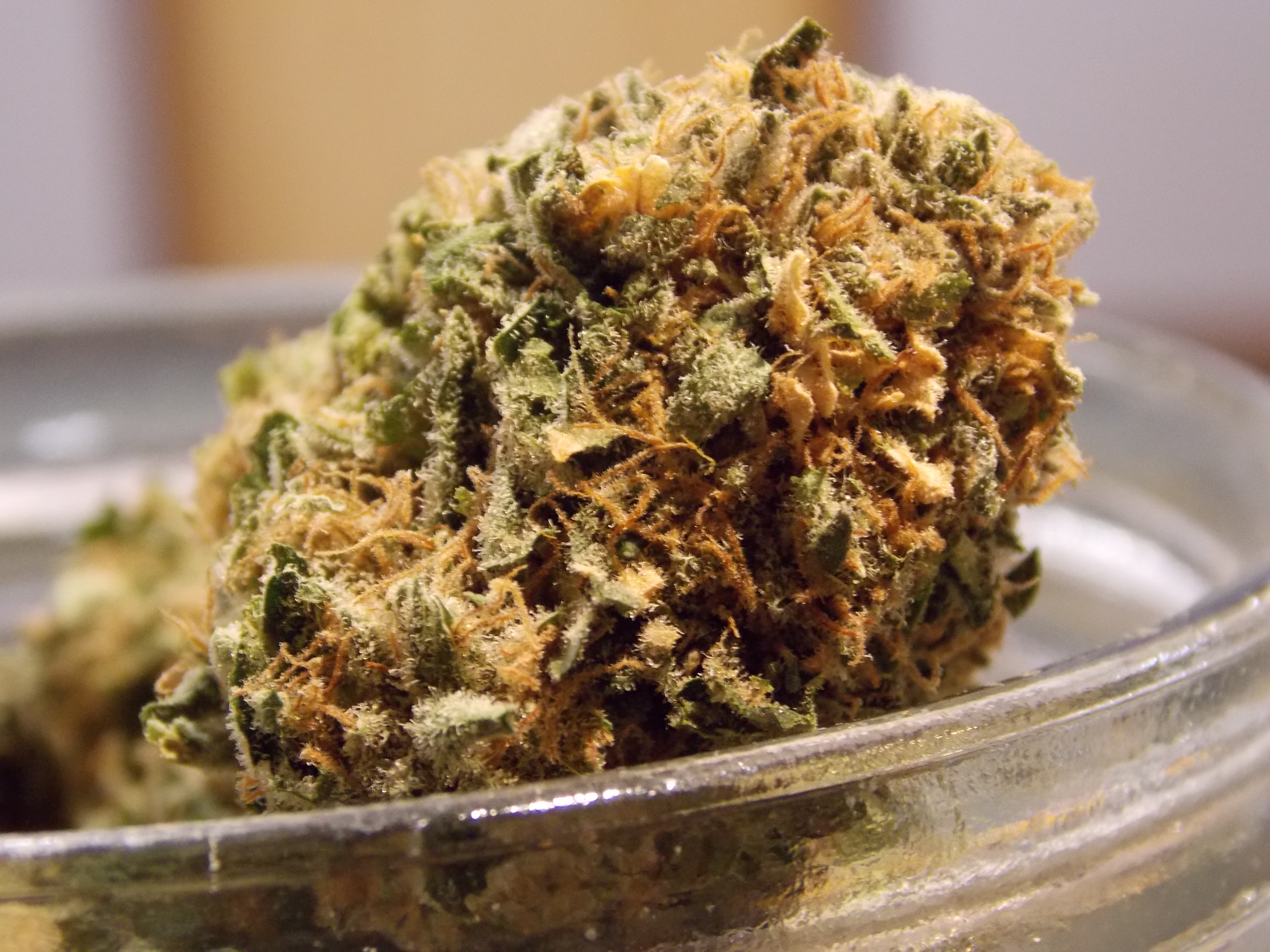
Different cultivars (strains or types) of marijuana can have varying amounts of the different cannabinoids. The specific ratio of cannabinoids produced by a plant is known as it’s strain profile and can be used to better judge what effects to expect from a specific strain.
The effects of marijuana also change depending on how it enters the body:

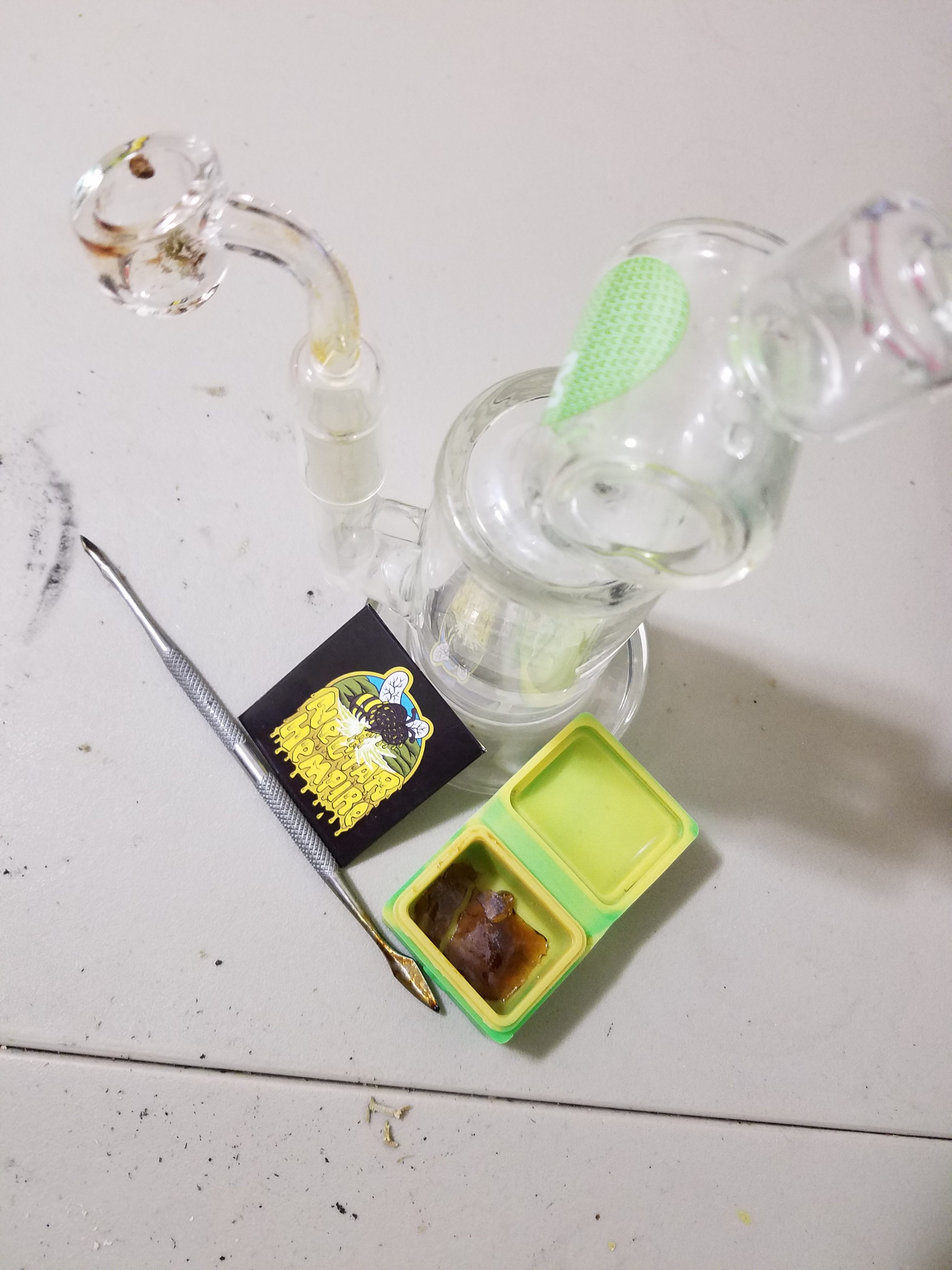
  • When inactivated or raw cannabis is eaten, the THC is absorbed poorly by the body. Once absorbed, it’s processed by the liver into a second psychoactive compound. The second substance acts on the brain to change mood and/or consciousness differently than THC.
  • When marijuana is smoked or vaporized, THC enters the bloodstream quickly, bypassing the liver at first. It is transported to the brain before the liver can convert a large amount of it into the second chemical. Because there is so much less of the second chemical, the high is stronger but fades quicker.

What can marijuana treat?

A number of studies using small groups of marijuana users found that cannabis can be helpful for treating nausea and vomiting from cancer chemotherapy. A few studies have found that smoked or vaped cannabis can be helpful in the treatment of neuropathic pain as well.
Smoked marijuana has also helped improve food intake in certain HIV patients during some studies. Clinical trials have also been shown marijuana extract users tended to need less pain medication than others. The pain relieving effects seem to be even better in the non-psychoactive cannabinoid CBD than with THC.

How does marijuana affect cancer?

According to the American Cancer Society, “…THC and other cannabinoids such as CBD slow growth and/or cause death in certain types of cancer cells growing in lab dishes. Some animal studies also suggest certain cannabinoids may slow growth and reduce spread of some forms of cancer.” While there have been some early clinical trials of cannabinoids in treating cancer, future studies are inevitable.
Most studies show cannabinoids can be safe in treating cancer. They do not however seem to help control or cure the disease. Relying on marijuana alone as treatment while avoiding or delaying conventional medical care for any issue (including cancer) may have serious health consequences.

What are the possible harms of marijuana?

While many insist marijuana can pose no harm to users, it is not true. The most common effect of marijuana is a feeling of euphoria. Yet the complex chemistry of the brain and cannabinoids indicates that there is a lot going on under the hood. Cannabis can lower the user’s control over movement, cause disorientation, and sometimes cause unpleasant thoughts or feelings of anxiety and paranoia. While the majority of users do not experience these negative effects, they are more common in new users who don’t understand their dosing requirements.
Smoked marijuana delivers THC and other cannabinoids to the body along with harmful substances. Tar is one of the substances found in both tobacco and cannabis smoke. Heavy users (more than one gram a day) of smoked cannabis also commonly report chronic bronchitis.

Make sure to do research.

Because marijuana plants come in different strains with different levels of active compounds, it can make each experience different. Even with good data from a state certified lab, the effects of a specific strain on a specific user can be very hard to predict. It can take time and experimentation to find the best treatment plan or strain for a specific issue.
Even though cannabis is not chemically addictive (like caffeine or an opioid) people can still become psychologically dependant. Users will not receive the life threatening withdraws like they do from cocaine but they may still feel the conditioned desire to use.  Treatments and attitudes toward addiction vary widely across countries and the globe. If you struggle with addiction or are interested in treating any malady, it is best to seek a spectrum of qualified professional help before committing to any treatment plan. Make sure to get more than your own opinion before you make potentially life altering decisions. Thanks for reading.