pineapple chunk

Weekly Strain Breakdown: Pineapple Chunk

Pineapple ChunkPineapple Chunk

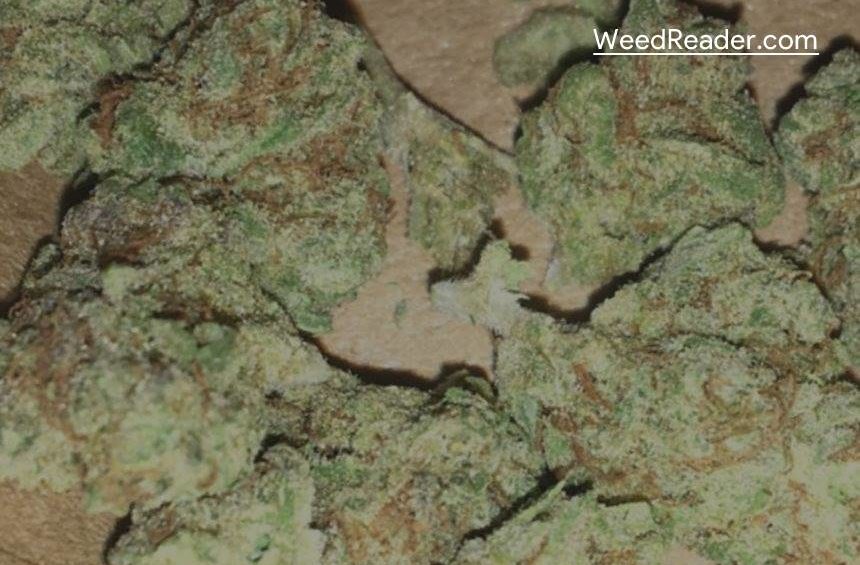
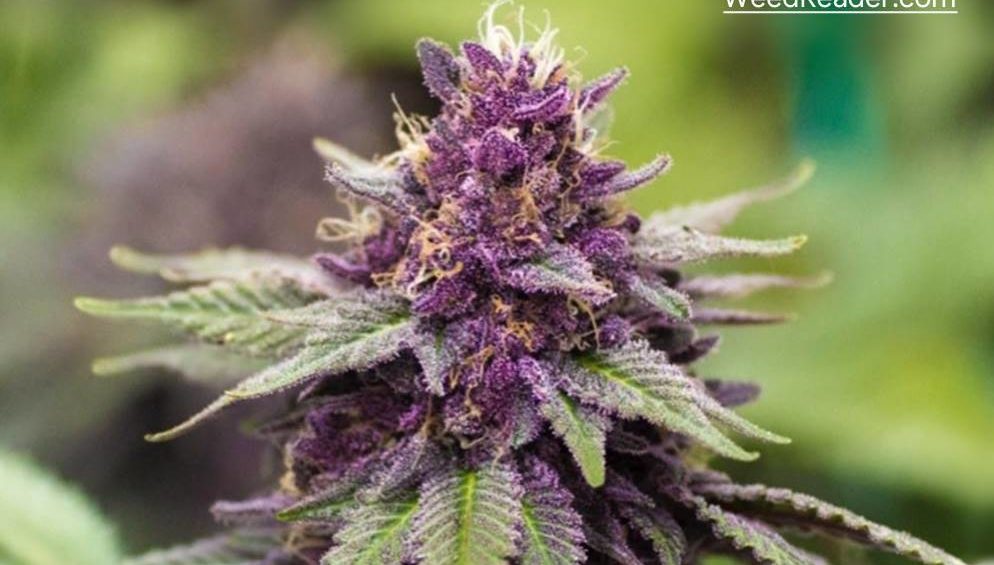
Pineapple Chunk is a heavy hitting hybrid. It is a creeper because the high doesn’t kick in right away. It takes a few minutes for the full body buzz and cerebral punch to kick in. But most people don’t notice the high creep in because they are relaxed on the couch taking it all in.
Pineapple Chunk was developed by Barney’s Farm. They used a cross between Cheese and Skunk #1 with one of their own Pineapple strains to create Pineapple Chunk. They new strain has successfully inherited its parents high THC count with a small amount of CBD.
This strain has amazing painkilling and stress-relieving capabilities. It also makes smokers feel like they gave their brain an energy boost. This is not the ideal strain to treat anxiety or insomnia because of the cerebral jolt this strain provides. But, it is a nice strain to smoke after a long hard day of work, or as a treat for getting a big job done.

Growing Notes

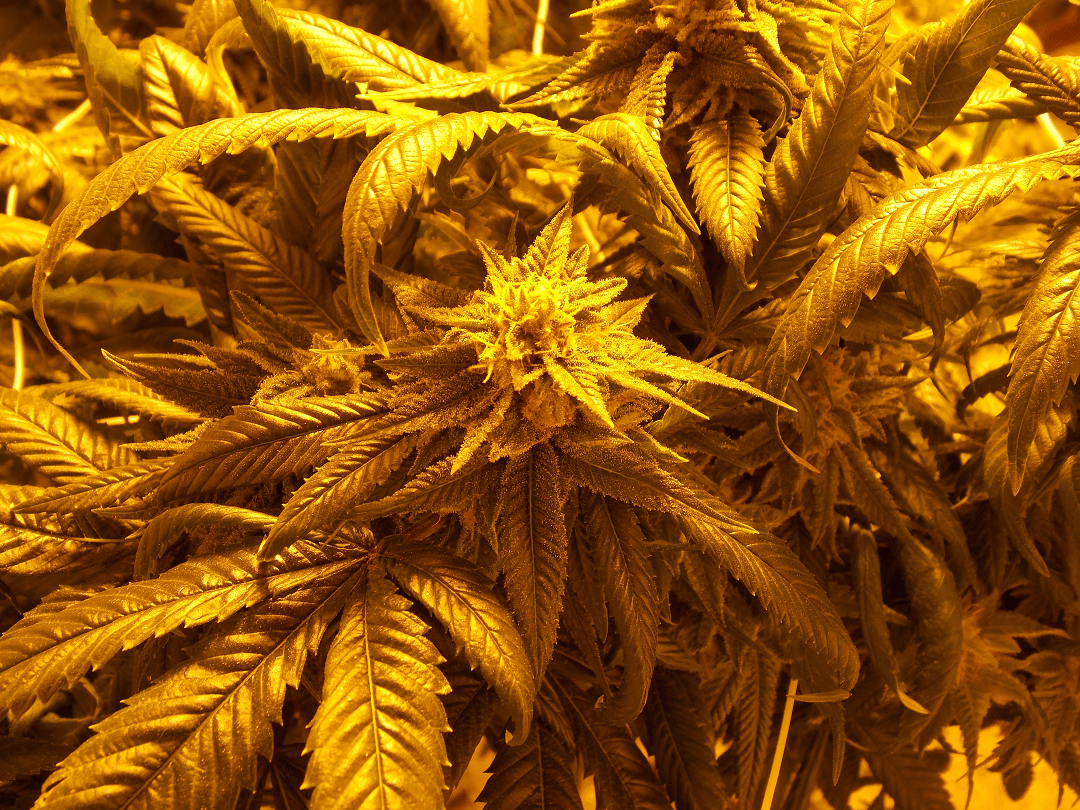
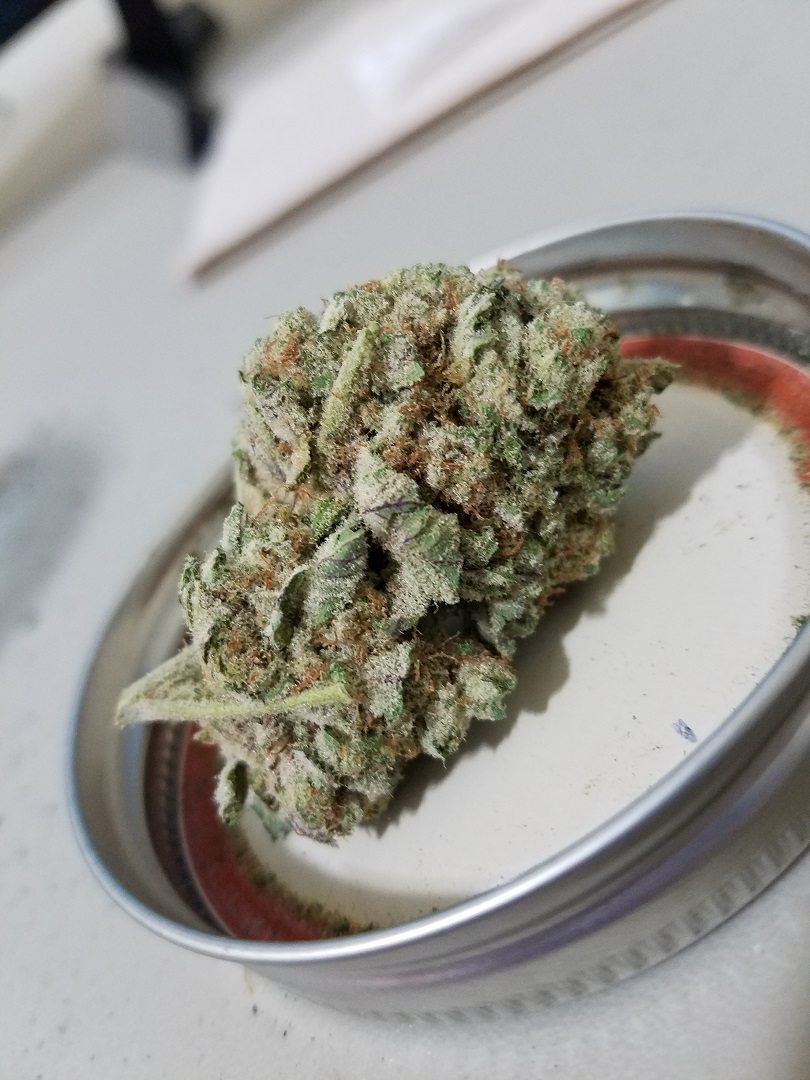
This strain is resistant to mold and illness. It flowers quickly (55-69 days indoors). It’s ready for harvest by the end of September. The buds become a normal shade of green with purple streaks here and there.
Pineapple’s grow naturally in hot environments, and this strain is no different. It will grow to it greatest potential in hot and temperate climates. The yields are high (650 gr/m^2) which is surprising for such a short plant. The last test results came back to Barney’s Farm with 25% THC and 1.1% CBD. The high should be strong and long lasting.
Currently, it is difficult to find clipping of Pineapple Chunk. But luckily, Barney’s Farm sells Pineapple Chunk seeds. Now anyone can try their hand at cultivating their own Pineapple Chunk crop.

When to Smoke Male pollinated

After one big puff of Pineapple Chunk, smokers will feel stoned. This is not a good social weed because although the mind feels a sense of awakeness, the body feels like it doubled in weight on the couch. As if someone raised the gravity intensity around them because they don’t want to move from where they took their last hit.
All smokers can use this strain to feel creative, energized, euphoric, happy, relaxed and uplifted. But medical patients can use this strain for other specialized purposes. This strain helps people with arthritis, chronic pain, depression, Fibromyalgia, Insomnia, Loss of Appetite, Migraines, PTSD, stress, epilepsy and tremors.
This strain doesn’t generally put people to sleep because of the cerebral energy it provides. But, people who can’t sleep because of their serious medical conditions can benefit from this strain.  This strain helps the body to calm down. If patient’s bodies ache too much or if they can’t stop shaking, they can finally get a chance to sleep.

More Cheese, Less Earth

The smell is so potent and distinct that it is easy to tell the parents of the strain. It has a strong cheese and sweet pineapple smell, along with hints of earth and skunk. There is no hiding this strain, the smell gives everyone away.
When this strain is inhaled, the smoke is smooth. It doesn’t cause too many smokers to go into a coughing fit. And the taste is strongly reminiscent of pineapples.
This strain is fun to smoke with your crew and be stoned in front of the T.V. together. Or go on a relaxing walk before the weed couch locks you. This is a fun strain to smoke when there is free time to relax and smell the roses.
Have you smoked Pineapple Chunk? Did this strain sneak a fast one by you? What is it like smoking too much Pineapple Chunk? Does this strain help treat pain and sleep well? What were your growing experiences like with this strain? Let us know in the comments down below.

Main Benefits of Herbal Vaping for Anxiety and Depression

Main Benefits of Herbal Vaping for Anxiety and Depression

Anxiety and depression are ailments that affect many people, and some of the solutions that have been suggested to deal with this condition include using herbs. Many people don’t like to use medications and prefer to get treated using herbal methods or natural remedies.
This is how herbal vaping comes. The solution is all natural and comes with great benefits for those suffering from depression and anxiety. One of the reasons this is a viable solution is because medications come with other side effects that may prove challenging to cope with. Here are few of the benefits you will gain from herbal vaping for depression and anxiety.

Instant results

A lot of medications for depression and anxiety may take days to for their effect to kick in, but in the case of herbal vaping, the results kick in almost immediately. This is useful if you are suffering from severe symptoms and you would not want to wait for long. Vaping herbs makes you to feel better within a shorter period of time and you can continue with your duties without the worry that the same problem will recur. This is one of the Three Benefits Of Vaping For Anxiety discussed here that you should gain from.
Most importantly, you will not need to worry about side effects that occur when you are put on medication because this is a natural remedy that allows you to deal with depression and anxiety in a gradual acceleration. The herbs can also help in other things apart from helping you deal with depression and anxiety.

Quality sleep

One of the key benefits of herbal vaping is that it helps to improve the quality of sleep you get. Even traditional medications cannot guarantee this, but when you embrace herbal vaping you will certainly enjoy a better experience where you can get better quality sleep. There are a lot of herbs suitable for good sleeping that will also keep you asleep. Some of the most effective that you could choose include lavender, chamomile, marijuana, and lemon balm. They promote sleep and when you vape them you will enjoy the effects much faster.

Calming effects

One thing about someone who is suffering from anxiety is that they will be extremely concerned about getting calm. To help such people dispel the fear and enjoy a calming effect, it is recommended to embrace herbal vaping. The herbs get into the system of the user quickly and this means you can almost instantly enjoy the calming effect. Something you have to know about vaping is that it gives you a clean dose of the herb as you will not be smoking, which leads to inhaling of smoke that could impact your health in a bad way. This means you are able to wipe out any symptoms of anxiety without putting your health at risk.
If you are considering dealing with depression and anxiety, you should consider embracing herbal vaping, which gives you a clean alternative to smoking while also helping you to improve your condition. The results from this are instant and you are able to avoid the side effects that come with taking pharmaceutical drugs.

gramweed

A Gram a Day Keeps the Opioids at Bay

There has been a lot of talk about cannabis being used as an alternative to opioid-based painkillers. States that have made medical marijuana accessible to patients in need have seen a reduction in opioid overdoses. In a recent survey of 4,276 patients, 51% of patients use cannabis to reduce or replace the need for painkillers. 74% of patients use less than 1 gram of cannabis on the days they use it. 61% of patients surveyed use cannabis daily. 36% of patients use cannabis for pain.
So, how and why does cannabis reduce the need for opioids? Is it really just a case of “Legalize cannabis, and you reduce the influence of the black market and people being introduced to other, more harmful drugs?” Maybe to some extent, but there seems to be something a bit more fundamental at play here. Many opioid overdoses are the result of prescription opioids, not necessarily black market ones. In 2016, 42,000 people in the US died from an opioid overdose, and 40% of all opioid overdose deaths involved a prescription opioid.
Is addiction to opioids started off by people being introduced to it via cannabis (the gateway theory)? Or does addiction to opioids start off by treating postoperative and chronic pain with opioid-based pharmaceuticals, and could cannabis in actual fact be an alternative or even be an “exit” from opioids? Although it may seem radical, but there is perhaps more evidence to support the latter theory. The “gateway theory” of cannabis leading onto other substances should probably be turned upside down and shaken all around. Sure, there may be some curious people who take their experimentation with mind-altering substances too far, but this seems to be more the exception rather than the rule.
So, if the gateway theory is (mostly) wrong-headed, then why does legalizing cannabis for medical purposes lead to lower opioid overdoses? There may actually be a scientific, biological reason. Given the choice, many people would opt for cannabis over opioids for long-term pain. It would seem that, rather than being unable to eat properly, waking up in cold sweats in the middle of the night, being essentially “zombified” during the day, having cravings for more just in order to function properly and beat the pain, and all the other side-effects of opioid use and addiction, people would prefer to choose cannabis.
And why not? Swap all the problems that come with opioids for being able to sleep properly, eat a full meal and remain functional whilst awake, on top of the reduced pain, and it becomes a no-brainer for many patients. Being able to sleep and eat is perhaps one of the best ways of reducing pain in the long-term, and cannabis seems to provide this at least to some extent. We can’t conclude anything for definite from our study (which is difficult even in the best of circumstances due to cannabis being federally illegal), but there is so much sound reasoning that cannabis could be used for chronic pain that it seems almost ridiculous that opioid prescriptions are so widespread.
Due to such short sightedness, we are unable to say anything regarding cannabis’s medical potential for definite. We have in vitro, in vivo and experiments on rodents of various kinds (mostly rats and mice), as well as several human trials and case studies, but not enough to state anything conclusive. There is some evidence in experiments on rats that tetrahydrocannabinol (THC) may affect the mu- and kappa- opioid receptors, leading credence to cannabis being used as a painkiller and potentially help people get off of opioids. Cannabidiol (CBD) may well be a potent anti-inflammatory. Cannabis also contains many terpenoids that have anxiolytic, painkilling and addiction-beating properties. Indeed, this range of effects makes cannabis superior to opioids for beating pain in many respects, except in perhaps the most extreme or dire of circumstances. Now, all we need is the ability to test these theories out and have a grasp on cannabis and what it can be used for medically once and for all.
To learn more about some of the potential medical applications of cannabis, check out our study.

2018 Weed Legalization PUSH Mag

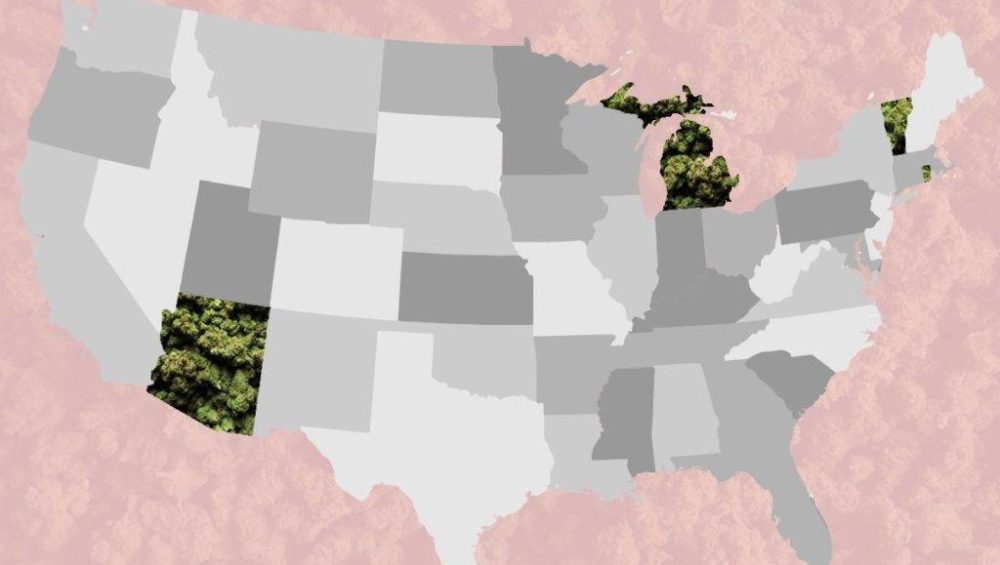
2018 Weed Legalization: These 4 States Are Joining The Movement

The road to weed legalization has been full of pot-holes for decades. With those now being filled by tax revenue from the legalization of the plant, many states are now toying with the revolutionary idea of allowing a legal industry.
Most people are aware of the states that have already taken it there. What started in 2012 with Colorado and Washington state, quickly evolved to include Oregon, Alaska, California, Nevada, Massachusetts, Maine, and Washington D.C. Turns out that whole 2012 thing wasn’t a fluke, and more and more states are now putting a fresh set of eyes on their outdated laws.
There are two different paths to cannabis legalization available in the United States. Some of the states employ ballot initiatives that put legalization in the hands of voters, while the others work through the process within their state legislature — passing the house, senate, and ultimately requiring the signature of the governor.
Since hope of federal legalization from our current administration looks bleak, here’s a breakdown of the states we have the highest hopes for in 2018. There’s potential for a lot of progress in other states as well, but these are some of the best shots.

Via the Legislature

Rhode Island
As a medical state that shares a border with the recently legalized state of Massachusetts, the potential loss of revenue could spur the legislature to make a bold move.
Vermont
The house and senate delivered a legalization bill to the desk of their governor in 2016, which he chose to veto. People are still pissed and it’s close to Massachusetts, so progress here is a good possibility.

By the People

Arizona
Voters voted on Prop 205 in 2016 and it received 48.7 votes in favor. This close of a call means we could definitely see them inch over the finish line in 2018.
Michigan
So close, yet so far away. They turned in over 340,000 signatures back in 2016—qualifying the measure for the ballot—only to be denied because signatures over 180 old were not considered valid. The 2018 showdown should be epic.
If you’re a voter in any of these states, get involved and make your voice heard. Should you find yourself in one of those never gonna happen states like Idaho or Louisiana, we suggest finding local representatives that align with your beliefs and engaging in some good ol’ fundraising and campaigning.
This post was originally published on: Pushmag.

vaping 2766316

How to Take Modern Day Dabbers To New Heights

Vaping industry is gradually growing with new ideas and models being invented and fitted in the vapes to make the vaping experience fun and easy. Well, this has also led one of the leading vape manufacturing company referred to as Puffco to come up with a new sleek design of a vaping pen that will give you the best results. What makes the vaping device stand out from the traditional pens is the designing that is unique, and yet it also contains some other features found on the e-nail and the dab rig. Another excellent feature found on this device is the fact that more than one person can share it. This gives you an opportunity to enjoy your vaping moments with your buddies.
Why should you consider getting one of this improved dabber?

The Design

Unlike other vaping devices where you have to either select portable or a tool to use on top of the desk, this new puffco peak is designed for both purposes. The shape of the pen is done in a triangular form which allows you to hold it with one hand or even place it on the desk for the same purposes. The flat and stable design on the base side will enable it to sit correctly on the counter for easy use.

The presence of the Intelligent Temperature Calibration (ITC)

This feature is widely found on some of the top shelf portable vaporizers, and now you can also see it in this newly invented dabber. The fundamental work of the feature is to automatically adjust its temperature based on the current temperature to get the same exact experience after every inhale. So this allows you to enjoy your vaping moments without worrying about the heat of the e-liquid.

Ceramic and Glass Materials

Another excellent feature that makes this peak to stand out is the materials used in its making. The peak has ceramic material which is equipped to ensure that it lasts for long and retains its original texture even after extended usage. As we all know, ceramic materials are resistant to abrasion and also to high temperatures. Meaning you can wash your peak comfortably without worrying about damaging it, and this also allows you to vape comfortably without getting your hands heated up. Therefore, the material used for vaping does not stick to the pen giving you a new and fresh experience on every new vape.
The other likeable element on this vaping peak is the glass structure which is equipped to serve the same purposes as the ceramic materials. Check out some of the benefits for having a glass bubbler on the peak at Puffco Peak Review.

Excellent Battery

With puffco, you don’t have to keep on carrying the ignitor or a lighter as it performs with the use of electricity. The battery is rechargeable and stays for long hours before you recharge it for use. This feature gives you some privacy since no one will be alert in the case where you are lighting the peak, unlike the traditional ones which require you to use lighter.
If you need a more advanced and easy to use dabber, then get yourself this new puffco peak. It is made of excellent and sturdy materials that make your vaping to be comfortable and fun too. Maintaining its cleanliness is natural considering the elements are easy to wash. Therefore, giving you a new and better vaping experience for every use.

puff

Puffland Delivers Canadians The Best

Marijuana delivery is alive in Canada.

Medical marijuana dispensaries like Puffland are big business in Canada. Canadians spend as much money on marijuana as they do on wine and almost all that money is currently spent on medical marijuana. And despite Prime Minister Justin Trudeau passing legislation legalizing recreational weed, many Canadians still use it medicinally.
There is still some work to be done before the new recreational laws come online. But as the Canadian marijuana market moves ever closer to legalizing recreational marijuana, the dispensary market is getting flooded. With so many options to choose from, many patients don’t know what they are missing out on until the find it. This makes it increasingly important to understand what makes a good dispensary service and sticking with one once you find it.
There is more to a great dispensary than just good prices. One delivery service that provides great product and solid customer service is called Puffland. They also happen to offer a 100% money back guarantee so patients can feel secure in their purchases.
What is Puffland?
Puffland is a Canadian company based in British Columbia. They specialize in delivering discrete medical cannabis across the Great White North. With low prices and access to some killer genetics, patients are taking notice. Their high quality of product and great customer service is starting to earn them a solid reputation.
With the goal of providing safe access to medical marijuana to suffering people, Puffland makes sure to provide the highest quality product at an affordable price. Medical patients depend on them every day to provide their medicine on time and as promised.
A great service with loads of options.
The internet has made more of the world accessible to everyone. That’s why Puffland is using the internet to ensure that medical patients are able to get their medicine. They set up their site to offer clients their products and services with minimum hassle and maximum features.
The Puffland website is responsive and easy to navigate with prices prominently displayed among quality images. You can see what they offer, how much it costs and add it to your cart without having to change screens. Checkout is also fast and easy with only a few steps before your delicious cannabis is on its way.
When it comes to paying, Puffland is ready and willing to take both Interac E-Transfers and Bitcoin through Coingate. Additionally, every purchase earns clients reward points for free gifts like cannabis and smoking accessories. In addition to lowering the overall cost of marijuana supplies, the points offer patients the chance to sample products they might be on the fence about.
And don’t forget the massive selection.
Puffland prides itself on having a wide selection of medical flowers, concentrates and edibles. Patients suffering from conditions and disorders such as chronic pain, insomnia, loss of appetite, nausea, anxiety, add/adhd, and ptsd can all find the right strain or product for them.
From sativas to indicas and every kind of hybrid in between, Puffland has patients covered. They also have almost every possible preparation of cannabis. From shatter to sap and live resin crumble to infused honey and CBD capsules, they have it all.
With a wide selection of cannabis flower available, it can be easy to forget that they also have competitively priced  tinctures, balms and CBD products. Finding the right product is simple and only takes a few clicks to have shipped right to the door.
It’s as convenient as possible.
Puffland provides clients with express shipping options as well. Their standard shipping arrives a couple days after ordering. The discrete packaging ensures anonymity while the tracking allows for constant monitoring.
If xpresspost is too long to wait, patients can get Post Priority shipping. One click and the medicine is shipped in half the time, often arriving overnight. This gives patients with time constraints the options they need to stay medicated and healthy.
If you ever have any problems with your order, the service team is there to help. Just shoot them an email or touch in with them on any social media platform and they should respond quickly and professionally.
Do you use Puffland? What was your experience? Would you ever use a delivery dispensary service? Let us know in the comments below!

jay kila maal hai

NYC Hip-Hop Artist Makes Weed Video in India, Gets Banned

NYC Hip-Hop Artist Jay Kila released a music video called “Mere Paas Maal Hai” (“I Got the Stuff” in Hindi). According to Kila’s management team, “The sponsors who agreed to post the video backed out of their contract once they found out the video featured cannabis.” Marijuana is illegal throughout India, although Delhi and Mumbai have been listed among the world’s top 10 “most stoned cities” – cities with the highest rates of cannabis consumption. As a result the video has caused some commotion among the youth, who have been posting videos of themselves smoking using the hashtag #MerePaasChallenge.
The video has also been banned from being promoted in India on YouTube.

sirius black1

Weekly Strain Breakdown: Sirius Black

Sirius Black Is Passion Incarnate.

Sirius Black is a cannabis strain that was developed in the early 80’s by the dream team known as the Oregon Breeders Group in Portland. They worked tirelessly to create a strain that  blossoms into deep purple buds. And they succeeded.
The Oregon Breeders Group proudly presents, Sirius Black. A tightly packed bud that has the shape of spades and is completely purple. It also has several orange hairs and its trichomes are light purple.
The club also created a strain that tastes like it smells. This strain smells like bold, sweet grapes and fill the air with a hint of musk. The high starts in the head and makes people feel euphoric and creative.

Relax And Be Sirius…

This strain makes people feel like they want to relax without melting into the couch. It is a unique strain because it is an indica that works better as a daytime strain. After a dab or a couple puffs, people feel calmer. Like they can slow down for a moment and breathe.
After a few minutes have gone by, it’s easy to see why this strain is so effective. It can help take away some of the pressure from chronic pain, depression, fatigue, inflammation and lack of sleep. Even though this strain can be taken in the day, people who need to sleep can take a slightly different dose to relax further into bed.
Sirius Black can also help people calm their muscles spasms. That kind of pain is uncomfortable and makes daily life a chore. A couple puffs of Sirius Black can help calm the spasms down enough to relax and take it all in.

…But Not Too Sirius

Sirius Black is a strong bud to smoke. Its effects are strong and provides several bonuses. But with the good comes the bad, and the bad of this strain is the awful dry mouth.
Normally, when a strain gives people dry mouth, a small glass of water can provide enough substance to get the juices flowing. But this strain makes people drink lots of water because the cotton mouth sensation is desert dry strong.
When a strain causes dry mouth, expect dry eyes to follow. But the dry eye effect is not as strong as the dry mouth effect. A couple of drops of eye drops should do the trick. And don’t move too quickly after getting high because this strain causes dizziness.

You’ll Know When The Right Time Comessirius black

To Netflix and chill with Sirius Black. The high that this strain provides fills people with a heavenly buzz that engulfs your body head to toe. All mental and physical pains start to melt away as the cerebral lift leaves you feeling sedated.
Eventually you’ll start to slowly fall into a heavy deep sleep. And when you wake up in the morning you’ll feel relaxed and ready to seize the day. This strains high THC levels work to treat medical conditions while you dream of better days.

Have you sampled some of the magic of Sirius Black? Tell us what you think in the comments down below.

weedrrr

10 Most Interesting Females in Cannabis

It’s difficult to consume news media these days without getting a taste of cannabis. In just the past few months, Colorado passed $1 Billion in annual sales faster than any state in history and built schools with the tax revenues; Nevada weathered a battle with alcohol distributors to open REC more quickly and successfully than anyone anticipated; Vermont, New Hampshire and New Jersey are moving forward; California hopes to right its messy REC rollout and create a market as big as all the other states combined … then US Attorney General Jeff Sessions threatened to bring the whole house down by rescinding the Cole Memo. Phew!

On the ground, many of the greatest victories in the fight for legalization and opportunity are being won by women. Following are The 10 Most Interesting Women in Cannabis in 2018.

  1. Priscilla Vilchis, CEO of Cali Premium Produce 

Pricilla Vilchis is the CEO of Cali Premium Produce, which focuses on medicinal cannabis products. Premium Produce was chosen from 500 applicants to win 2 cannabis licenses in Nevada (one for cultivation and one for production) which it manages through its 25,000 square foot, $6 million Las Vegas cultivation and laboratory facility. The Company and has also won the same 2 licenses in the Los Angeles city of Lynwood. Queen of the Desert is its flagship brand, a nod to Vilchis who is the youngest female license winner in Nevada and first minority female to win a California license. Previously in her career in healthcare, Vilchis quickly built and grew several multimillion-dollar businesses, and learned first-hand of the devastating effects of opioids, for which she believes Premium Produce products are an effective and less dangerous alternative.

  1. Alexis Bortell, plaintiff in a Federal lawsuit against the US Government

is small but mighty. Now 12-years old, she is one of several plaintiffs in a lawsuit filed against the United States which claims the Controlled Substances Act violates Americans’ fundamental right to travel, as well as the Commerce Clause of the Constitution and the First, Fifth, Ninth and 14th amendments. Alexis suffers from intractable epilepsy so severe that after trying 20 different medications, doctors settled on Felbatol, which is so powerful it includes a “black box warning” – the most serious kind the US Food and Drug Administration will put on a medicine – to flag its extremely dangerous side effects. As a last ditch alternative, her doctors recommended a CBD tincture and THC spray. The medicinal cannabis combination worked, and her seizures have stopped for the past 3 years. Alexis’ family lived in Texas, where cannabis is not legal, and had to move to Colorado to use life-saving cannabis. 

  1. Lori Ajax, the first Chief of the California Bureau of Cannabis Control
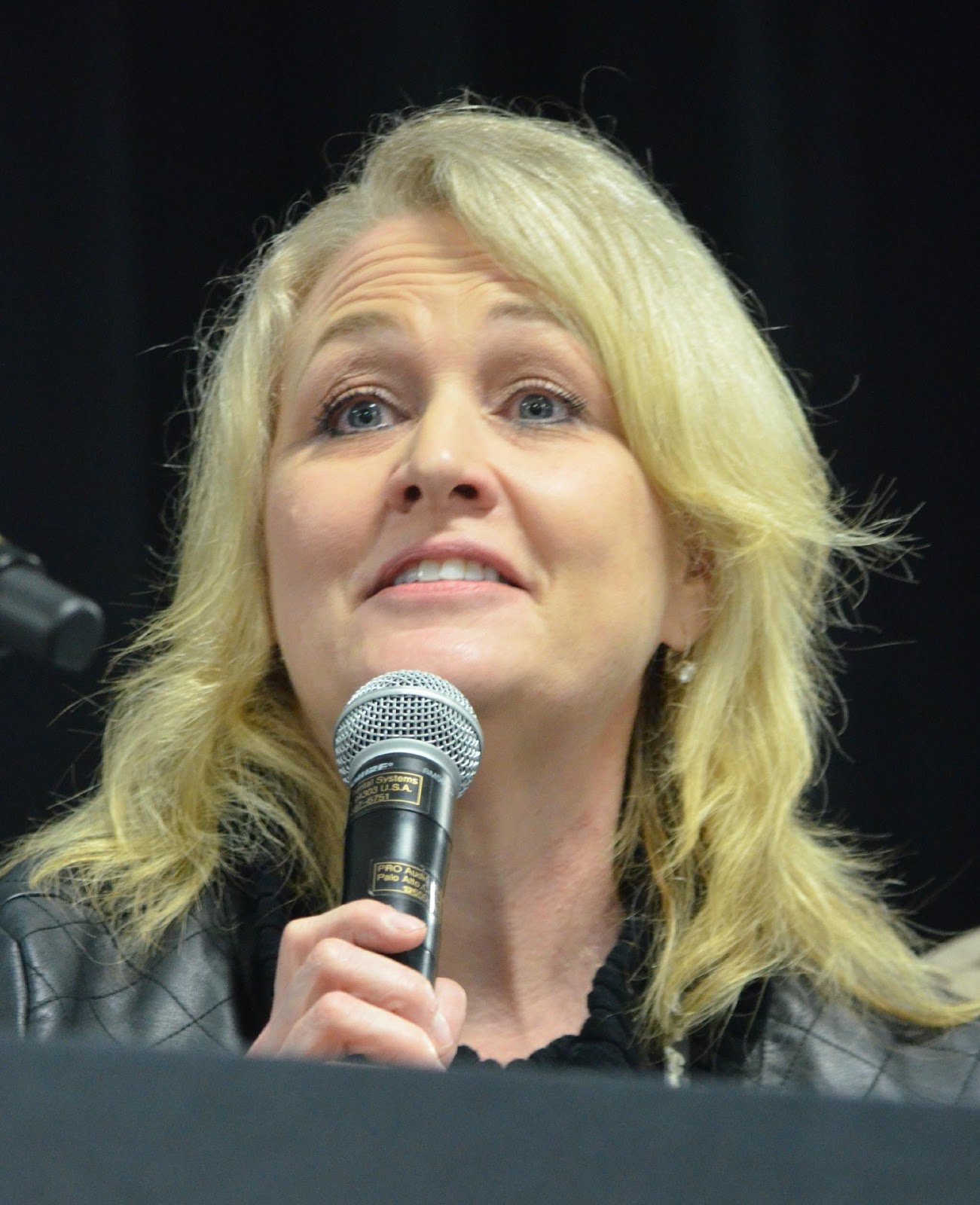
 

Lori Ajax, the “Cannabis Czar of California” was formerly Chief Deputy Director at the Department of Alcoholic Beverage Control, which helped convince Governor Jerry Brown to appoint her to build the regulatory

infrastructure for the nation’s most populous state. Well, the CBCC certainly ain’t the DMV. Ajax’s challenge is to lead the anticipated multi-billion dollar California industry in which municipalities have the first line of control over licensing. Each California city can legalize or outlaw cannabis businesses, of certain types or all together. Cannabis companies that win local licenses can then apply for state licenses. Several major municipalities missed the January 1 REC opening, but Ajax has remained steadfast and reassuring. She’s done an outstanding job of proactively communicating directly with the industry through personal appearances, speaking and meeting with industry participants at a head spinning number of events. The message is resonating: “We’ll get there together.” 

  1. Ruth Epstein, Financial Advisor and Investor; Founding Partner of BGP Advisors


A few years ago most finance professionals thought it was too edgy to enter the cannabis industry. Ruth Epstein jumped in with both feet – as an investor and as a financial advisor to small companies with big potential. In analyzing cannabis opportunity, she calls on her 10 years as a Goldman Sachs investment banker working on corporate finance and M&A deals for Yahoo, Wired, AutoZone, Dell Computer, Marcus Cable, FAO Schwarz, and Safeway, among many others. In addition to her IPO, high yield debt and private placement work at Goldman, Ruth has raised capital for a hedge fund, successfully sourced and negotiated the acquisition of a media sales company, oh and by the way, funded and produced two feature films. In between appearances at conferences sponsored by ArcView and MedMen who invite her to share her expertise, she serves as interim COO/CFO for Treez, a leading Silicon Valley-based cannabis software company. 

  1. Fiona Ma, CPA, California State Board of Equalization
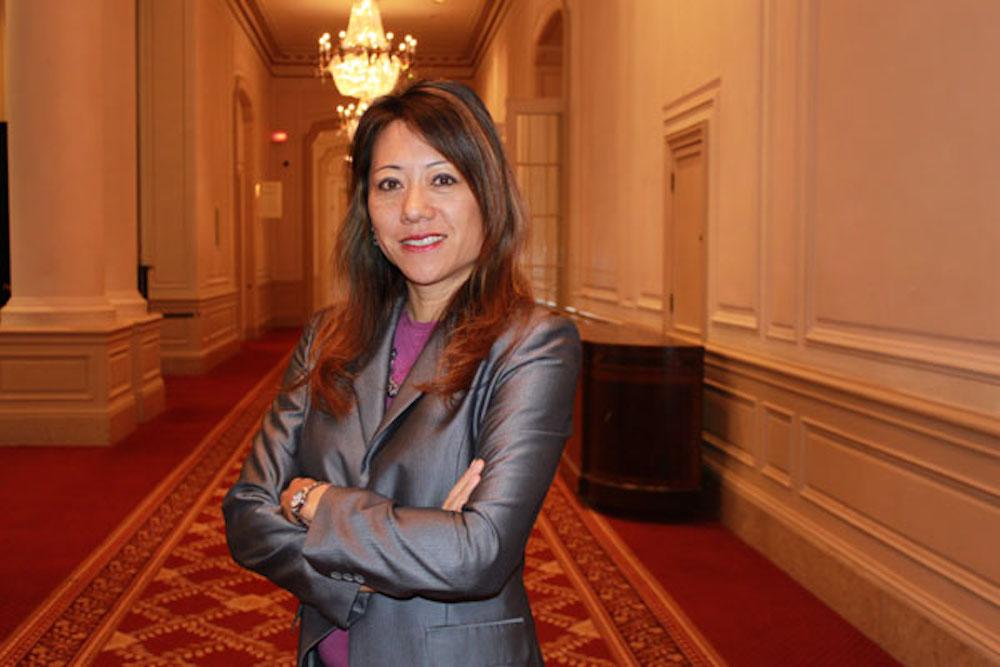
While running for California State Treasurer in 2018, Fiona Ma, CPA, retains her seat on the State Board of Equalization – the taxing agency for the State of California, where she represents 10 million people in 23 counties. For years before the current crop of politicos decided they might put a toe in the cannabis waters, Ma has publicly championed solutions to the cannabis banking crisis. She gained understanding and perspective on the issue the old-fashioned way – she took dozens of trips to farms in the Emerald Triangle area and listened. What she heard shocked her, and made her realize how many serious issues, from proper reporting and taxing of billions in revenues, to public safety (how will California cannabis businesses – which are unbanked due to federal regulations – safely move the anticipated $1 Billion in cash to pay their taxes on April 15th?), to simply calling 911 when you have a basement full of cannabis? Ma realized the cash/banking conundrum was the linchpin for all these problems. With a B.S. from the Rochester Institute of Technology, an M.S. in Taxation from Golden Gate University, and an MBA from Pepperdine, she’s uniquely qualified to create an innovative solution: a California-only public bank. 

  1. Christine Ianuzzi, Managing Partner, Leading Edge Expos

Many of the women on this list have made a huge impact on our industry in a very short time, and are very visible because of it. Christine Ianuzzi is all about the former, with little of the latter. Which is just fine, because her work is all about your success. Ianuzzi is managing partner of HA Bruno, a family-owned trade show business, which includes Cannabis World Congress & Business Expositions (CWCBExpo) which will draw thousands of cannabis professionals to its Los Angeles, New York City, and Boston events in 2018. Her events are so big and well organized, it’s safe to say a very large number of opportunities in our industry started in or were aided by CWCBE. An electrical engineer by training (she holds a Master’s Degree in Information Systems Technology from Polytechinic University) with management skills (MBA from Baruch College) she built a robust career in broadcasting with ABC, HBO before joining the family business to fill the demand for world-class conferences in the cannabis industry. As she has modestly described herself, “I’m not a cannabis entrepreneur, but I am a trade show entrepreneur that is providing a forum for the legal cannabis business person.” 

  1. Tracy Ryan, Founder and CEO of Canna Kids

When Tracy Ryan’s daughter Sophie was an 8-month old infant, the family received awful news: the baby had a brain tumor. Doctors said a 13-month regimen of chemotherapy was the only option, and that the tumor would never go away. Tracy responded by focusing her prodigious energy on finding effective treatment. She was put in touch put in touch with Ricki Lake and Abby Epstein, who were filming a documentary about how cannabis oils kill cancer in pediatric patients. In combination with the chemotherapy, “… Sophie was put on high-concentrated THC and CBD cannabis oil… After 13 months of chemo and high doses of cannabis oil, Sophie’s brain tumor was about 85 to 90 percent gone.” This success led Tracy to push research further for the benefit of kids like Sophie. She now leads CannaKids, California-based cooperative with a focus on supplying medical cannabis oil to adults and children looking for holistic relief for serious health conditions, specializing in pediatric cancer, autism, epilepsy and beyond. CannaKids works in collaboration with some of the world’s leading cannabinoid researchers, and provides CannaKids’ Honey Gold tinctures “created by a team of PhD scientists that specialize in organic chemistry.” 

  1. Giadha Aguirre de Carcer, Founder and CEO, New Frontier Data.
 

Giadha de Carcer is the Founder and CEO of New Frontier Data, the foremost big data company in the cannabis industry. An entrepreneur with over 20 years of experience, she has worked in investment banking, defense, technology, and telecommunications, and successfully launched and operated four data-driven ventures including one holding the original patent application behind solutions such as Progressive’s Snapshot and Verizon’s Hum. Half-Italian and half-Cuban, she’s fluent in French, Italian, Spanish, Portuguese; and has a Bachelor of Arts in International Relations & Trade from the University of Pennsylvania, and a Master of Arts in International Security from Georgetown University. Giadha and her work have been featured through large media outlets and in documentaries and books including Forbes, Fortune, CNBC, Fox News, CNN Money, and “Breaking the Grass Ceiling”, among others. She is also an official member of the Forbes Technology Council. In a recent interview, Giadha revealed her aspiration for the cannabis industry: “One of the most important issues I would love the industry to focus more on is diversity. Not only is it personally close to my heart, but it also represents an unprecedented opportunity in the cannabis industry today … [which] has already provided unique opportunities for women to shatter the proverbial glass ceiling, and born of a movement, it continues to foster equality in a way I have never experienced before.  That said, we must do more and remain vigilant to protect opportunities for minorities, people with disabilities, people different ethnicities and genders… while it might sound like the pop-issue of the moment, data shows that better decision-making and companies are more profitable when they hire for diversity.” 

  1. Kirsten Gillibrand, US Senator (D-NY)


I was going to include Senator Elizabeth Warren (D-MA), for her 2017 efforts to legalize and clean up banking regulations, and for co-authoring a letter to President Trump this week urging him to protect state cannabis rights in the wake of (Attorney General Jeff) Sessions’ rescission of the Cole Memorandum. However, a deeper dive into women who have invested serious political capital political to help support our industry leads us to Kirsten Gillibrand, the Democratic Senator from New York. In March, 2015, Gillibrand co-sponsored The Compassionate Access, Research Expansion, and Respect States Act (CARERS) which seeks significant reforms in marijuana policy in the U.S. It was the first medical marijuana bill ever to be introduced into the U.S. Senate. In June, 2017, Gillibrand (D-NY) – along with Cory Booker (D-NJ), Rand Paul (R-KY), Lisa Murkowski (R-AK), Al Franken (D-MN), and Mike Lee (R-UT) – reintroduced the (CARERS) Act as a bipartisan bill that would allow Americans to access medical marijuana in states where it is legal without fear of federal prosecution AND permit doctors with the Department of Veterans Affairs to recommend medical marijuana to veterans to treat serious injuries and chronic conditions.

  1. An-Chi Tsou, Cannabis Consultant


An-Chi Tsou, PhD, made her cannabis bones as Senior Policy Advisor working with Lori Ajax at the Bureau of Medical Cannabis Regulation under the Department of Consumer Affairs (DCA) where she “developed, analyzed, evaluated, and negotiated state policies and regulations regarding medical cannabis.” To best understand and serve the diverse stakeholders from all corners of the industry, she organized a statewide listening campaign for over 3,300 industry members. These experiences helped her form Tsou Consulting, a public affairs firm that specializes in advocacy, political strategy, regulatory guidance and compliance, policy development and writing, and educational outreach for cannabis and healthcare issues. She earned a BS at Smith College, and PhD from the University of California at Berkeley in Bioengineering and Engineering Science.

stack of books 1001655 1280

The 10 Best Books on Why We Fight for Cannabis

Not kidding: my Facebook feed delivered a video on harvesting scorpion venom for its potential medicinal properties. Close-ups of milking deadly arachnids are as hard to unsee as their absurdity is to unfeel: why would scientists would risk life and limb when overflowing-with-medicinal-potential cannabis plants are common, available, and can’t sting them to death?

I smoothed my thoroughly harshed mellow by replacing the words “scorpion venom” with “cannabis” in my mind. Yet the urge to unravel the cruelties of cannabis’ prohibition now feels more important than ever. To do that, we desperately need to understand how things got so raveled in the first place. Following are The 10 Best Books on Why We Fight for Cannabis.

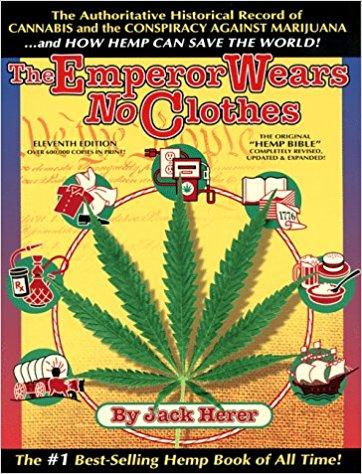
The Emperor Wears No Clothes, by Jack Herer

Since it was written over 30 years ago by one of the seminal figures in the cannabis legalization revolution (that’s one way to get a strain named after you), The Emperor Wears No Clothes is one of the earliest deep dives into the sordid history of Prohibition dreamed up by the unholy trinity of DuPont/Hearst/Anslinger. The book has sold more than 600,000 copies. In an enduring Finger to The Man, Herer’s family has provided the text of the book for free online.

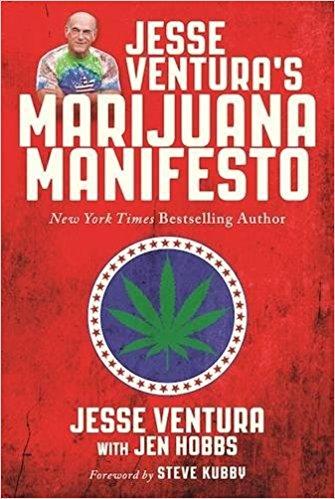
Jesse Ventura’s Marijuana Manifesto, by Jesse Ventura

Here’s a spike strip across the race track from the guy whose signature movie line was, “I ain’t got time to bleed.” Just last year, former Minnesota Governor, pro wrestler, movie star, and Navy sailor Jesse Ventura delivered his bombastic new addition to the cannabis canon, Jesse Ventura’s Marijuana Manifesto. It’s a full-throated howl for common sense against The War on Drugs. I remain amazed and encouraged when otherwise scary libertarians like Ventura, Roger Stone, Dana Rohrabacher, and Grover Norquist jump into our fight.

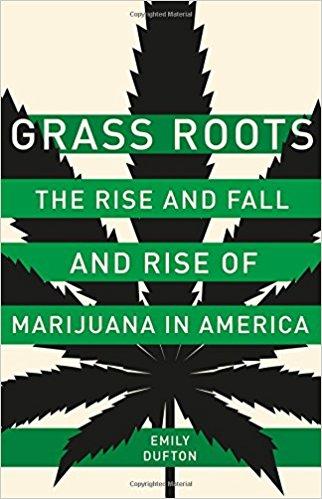
Grass Roots: The Rise and Fall and Rise of Marijuana in America

It never ceases to amaze how many qualified advisors recommended making cannabis legal, regulated, and safe, like alcohol, during the pivotal moments of Prohibition. In the 1930’s, Harry Anslinger rejected the advice; in the 1970’s Nixon did the same. In Grass Roots, “historian Emily Dufton tells the remarkable story of marijuana’s crooked path from acceptance to demonization and back again, and of the thousands of grassroots activists who made changing marijuana laws their life’s work.” Books like Dufton’s remind us of who the giants are on whose shoulders we stand.

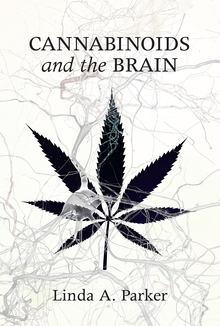
Cannabinoids and the Brain by Linda A. Parker

Just the other day, a respected publisher told me he had been dubious, years ago, when the cannabis legalization movement aligned behind “medical marijuana”. He’d thought this strategy was insincere and would backfire. He then quickly admitted that the overwhelming evidence of the lifesaving potential of cannabis – see Alexis Bortell, and Rylie Maedler to name just two – had proven him wrong. In case you have doubts of your own, check out Cannabinoids and the Brain published by MIT Press. Which is where one might expect to find a book by the Professor in the Psychology and Collaborative Neuroscience Program and Canada Research Chair in Behavioral Neuroscience at the University of Guelph.

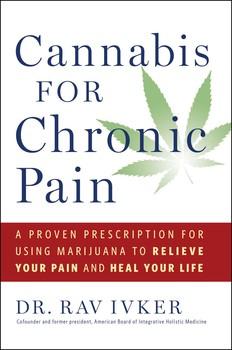
Cannabis for Chronic Pain by Dr. Rav Ivker

If I say, “Thirty percent of Americans suffer from chronic pain” you might shrug, so my good friends at WebMD say it more forcefully: 100 million Americans have chronic pain. Two observations here: 1) opioids are often prescribed for chronic pain and 2) over two million Americans are estimated to be dependent on opioids, and an additional 95 million used prescription painkillers in the past year — more than used tobacco (NY Times). But there is hope in cannabis, which has never caused an overdose death in all known history. Dr. Rav Ivker has treated more than 6,000 chronic pain patients with cannabis. His book, Cannabis for Chronic Pain, documents his work. “If you are suffering from arthritis, back pain, migraines, fibromyalgia, menstrual cramps, IBS, Crohn’s Disease, anxiety, depression, or pain from cancer or its treatment, this may be the book for you.”

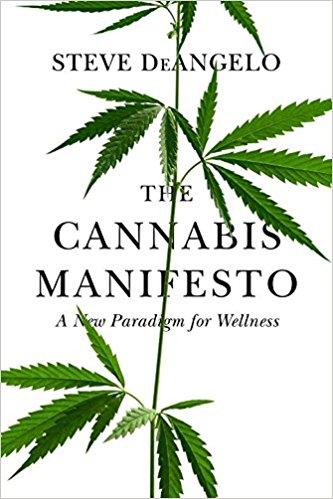
The Cannabis Manifesto by Steve DeAngelo

Industry experts instantly recognize the braids and dandy fedoras worn by Steve DeAngelo, the CEO of Harborside, an Oakland-based cannabis dispensary business that reportedly makes $50 Million per year. Fewer realize DeAngelo is a front-line advocate for legalization, who fought the US Government when they tried to take it all away, demanding “a courtroom large enough for “every single one of the 220,000 patients who depend on us for health care.” When he won, we all won. His beliefs about cannabis wellness are hard-won and he’s an eloquent spokesman. The Cannabis Manifesto should be on your bookshelf.

Marihuana: The First 12,000 Years by Ernest L. Abel

This book was chosen for the Top 10 Cannabis Books list because of its deep historical dive into the millennia-long relationship of cannabis and humans. The title is based on an archaeological site in Taiwan more than 10,000-years old, which contained evidence of cannabis use in fiber and pottery (the spelling of ‘marihuana’ is obviously a political jibe). Further evidence is found in Africa, the Middle East, India, Europe, and of course, the New World, where farmers were required by law to grow it. It’s critical to understand the depth and breadth of cannabis historical use to humankind. A nice bonus: this book is available for free online.

Smoke Signals by Martin A. Lee

The best writers on controversial subjects make you want to climb the barricades and throw rocks with them. (If you’ve read all the books on this list so far, you’re probably warming up your throwing arm.) When The Man hauls you in, you’ll want Smoke Signals by investigative journalist Martin A. Lee in your pocket. Not only will it make a great pillow, it’s high on attitude, brimming with facts, and presented with the righteous sauce of a true believer. Get it.

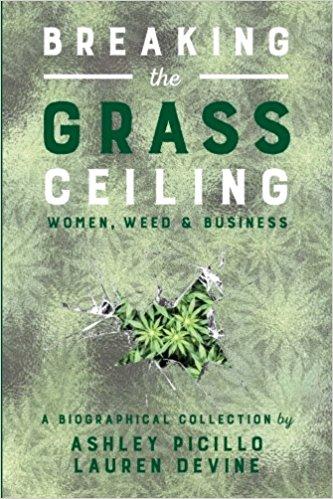
Breaking the Grass Ceiling: Women, Weed & Business, by Ashley Picillo and Lauren Devine

In Breaking the Grass Ceiling, Picillo and Devine have compiled 21 biographical stories of “powerful, driven and courageous women who have been instrumental in paving the way into the cannabis industry for many—especially other women.” Subjects include such cannabis luminaries as Giadha Aguirre de Carcer, Diane Fornbacher, Genifer Murray, Dr. Sue Sisley, and Meg Sanders, this book might inspire you to seek, or perhaps become, a person described like Jaime Lewis: a “total powerhouse”, “badass” and “the most sincere of friends”.

The Entrepreneur’s Guide to Cannabis: Concentrated Advice from 25 Cannabis Industry Leaders by Michael Zaytsev

Rounding out the Top 10 Best Books on Why We Fight for Cannabis is an inspirational guide to starting a successful business in the cannabis industry. Because what better way to provide safe and healing products for millions of people, and create jobs and taxes that support communities, than to build a great business? Here you’ll find the wisdom and experience of industry legends like Ethan Nadelmann, Steve DeAngelo (Harborside Dispensaries), Cy Scott (Leafly), Allen Bankier (New York Angels), Charlo Green (“F*ck it, I quit”), Christi Lunsford (founder of Endocannabinoidology), and Scott Greiper (Viridian Capital Advisors). Read, listen, think, act.