mcard

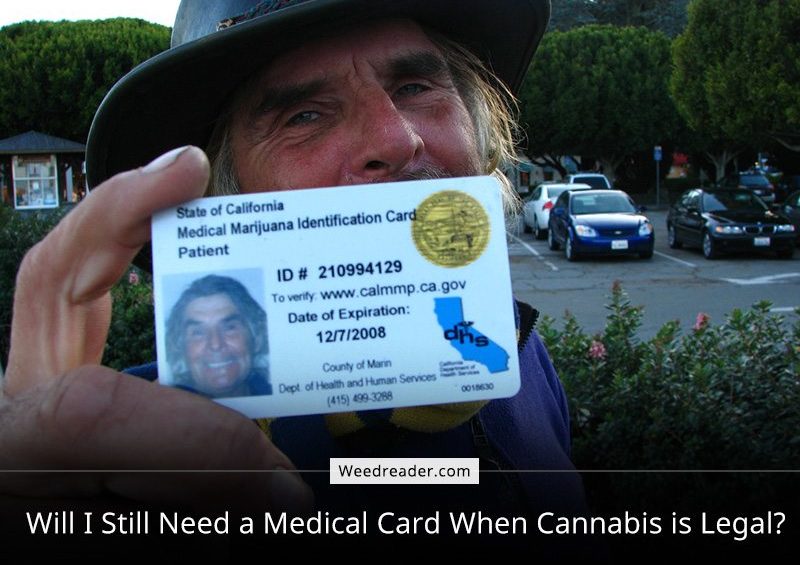
Will I Still Need a Medical Card When Cannabis is Legal?

In a word, “No”. You no longer need a medical marijuana card in order to possess cannabis, as long as you’re not breaking the law in terms of amounts you’re allowed to carry. On November 8, 2016, Proposition 64 – also known as the Adult Use of Marijuana Act – was voted through. Of course, as there are no recreational dispensaries open yet, recreational users don’t have a place they can buy marijuana from as of yet.
From then on, adults over the age of 21 can possess, process, purchase, transport, obtain or give away up to one ounce of dried cannabis bud or flower and up to eight grams of cannabis concentrate. Should you be over 21, you can also grow up to six live plants for your own personal use, as long as you’re in a private residence and keep the cannabis in a locked area out of public view.
Now, you may be asking, “Why do I need a medical marijuana card?” Well, here’s five good, simple reasons why:
1. Tax

Recreational marijuana will have a 15% excise tax – something that those with a valid medical marijuana card will not have to pay. This means lots of money saved.
2. Access to More Dispensaries and a Better Choice of Products
With a medical card, you can go to any dispensary of your choice. Do you prefer one that’s a bit more lively and full of activities, or perhaps somewhere a bit more sedate and relaxed, where polite conversation and board games are more the norm? With a valid MMJ card, you can have that.
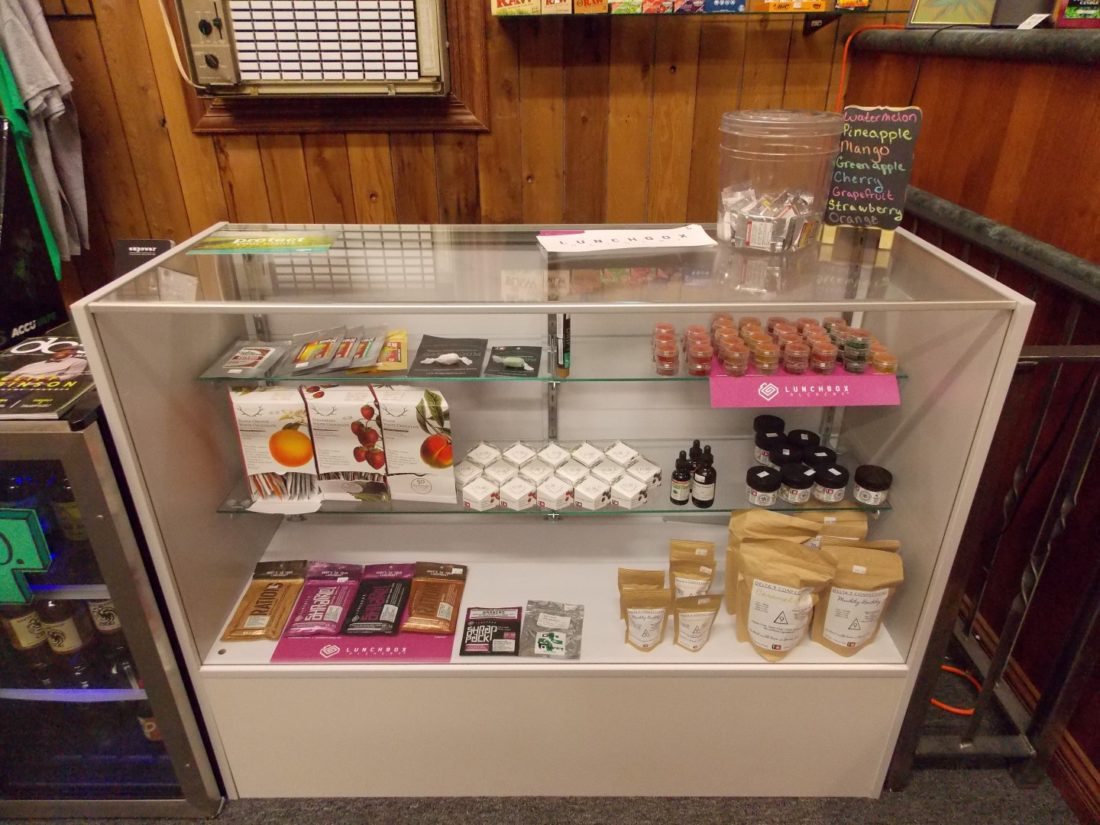
Moreover, not only do you get access to medical dispensaries, you get access to all their great products. Lab-tested cannabis flowers, high-quality concentrates made using safe methods, transdermal patches, a better choice of edibles, topical creams, all sorts of oils and the like … The list is endless. Also, you are less likely to have arbitrary restrictions on the amount of cannabis or cannabis-infused products you can buy. Recreational users are very likely to have far more restrictions placed on what and how much they can buy. Having a MMJ card gives you better choice.
3. It Gets Cheaper Still …
Dispensaries often have special deals for medical marijuana patients. Happy hours, specials on holiday periods, giveaway packs, different daily promotions, cheaper wholesale prices (ounces are often cheaper for medical marijuana patients). This means you will likely save a lot more money than just the 15% tax.
4. You Can Grow Lots More
Recreational patients can grow a maximum of six plants. Medical marijuana patients can grow up to ninety-nine, although your doctor may recommend an amount to grow. Those using marijuana for medical purposes may need more than what six plants provide in terms of weight, or may need more than six different strains for different problems to do with their condition/s. Plus, being able to grow only six plants potentially means time and energy lost should one or more plants die.
5. Better Protection from the Law?
States with a medical marijuana programme have a lot more precedence in the law with regards to legal protection, e.g.The Medical Marijuana Patient Protection Act of 2008 and Personal Use of Marijuana by Responsible Adults Act of 2008.
Frankly (pun semi-intended), I don’t see why people – especially sick people who may benefit from medical marijuana – don’t get a medical marijuana card, especially if it could potentially save them from much harsher, highly addictive prescribed medications. If that’s got you thinking get in touch with me today and apply for your MMJ card online.

20 Great Books To Read While High

20 Great Books To Read While High

Books can take you to another time and place, another world. They invite you inside the mind of another human being, to see the world from their perspective and experience their thoughts and ideas as your own. It’s like being a mind reader, only you can still read books even after the author has been dead for centuries.
 

dwc

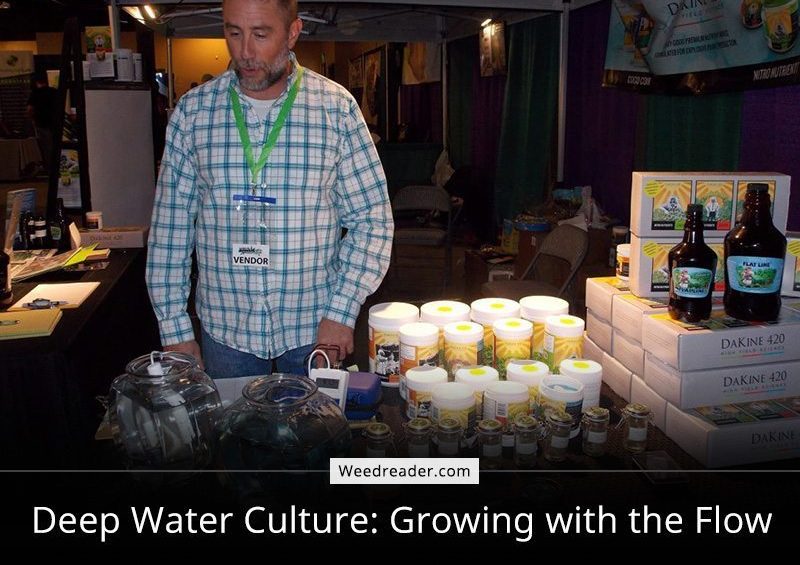
Deep Water Culture: Growing with the Flow

Who wants to grow Deep Water Culture cannabis?

From geriatrics treating depression or arthritis to college hippies in a dorm room, people everywhere want to try their hand at growing some dank herb. It can be tempting to grow your own when thinking about the cost of a dispensary or going through “my guy”. The hundreds to thousands of dollars spent on equipment is an investment in never having to pay for weed again. Except for the power… and the nutrients… and the lights…
With so many states voting to advance recreational regulations, there has been an explosion in the recreational farmer population. Many people come upon a seed in their flower while loading a bowl and keep it while others will scour the internet for weeks to find the perfect pairing of genetics. Since seeds remain viable for years under normal circumstances, it can be easy to amass a small collection of genetics.
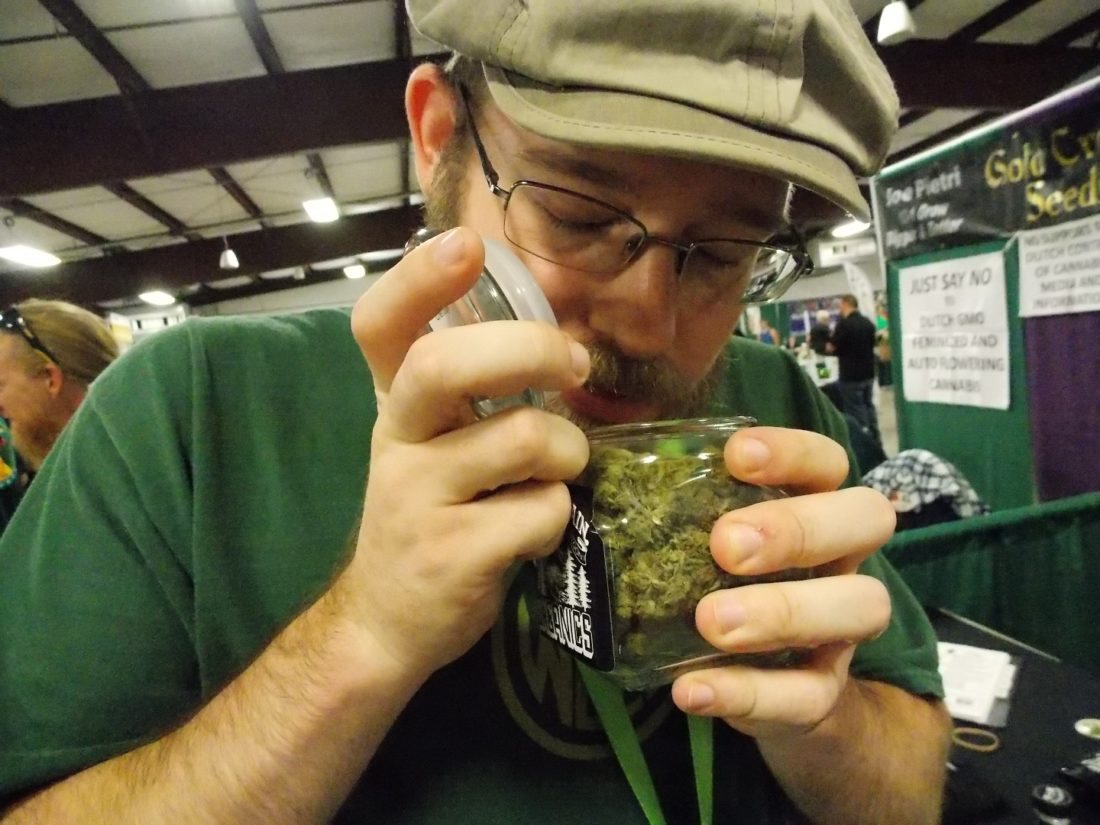
Fresh Weed Smell
Once the decision is made to germinate the seed, preparations must be made for the growing process. Growing in soil has been the standard for centuries but advances in technology and scientific understanding of plants has changed the growing landscape. Advances in lighting tech over the last few decades introduced LED lighting while chemists have been playing with different forms and formulations of nutrient substitutes that are like natural and synthetic steroids for cannabis.

What Is Deep Water Culture (DWC)?

Before we get down to the details, let’s get an overview of this style of system. In a DWC system, the roots of a plant are kept in a well-oxygenated solution made up of water and nutrients. A net pot or grow cup is attached to the center of a lid while the roots are allowed to cascade into a nutrient solution in a reservoir below. Air is pumped into the reservoir with an air pump and an air stone.
This setup keeps the water supplied with enough oxygen for the roots to breath. The grow pot or net cup is filled with a grow media such a gravel, clay pellets, lava rock etc. and suspended in the solution. Most DWC systems use timers to pump water automatically by flooding the baskets. This feeds the roots dangling into the buckets below.
One great aspect of any DWC system is that they are easy to customize, meaning they can adapt to almost any size grow space. It allows new growers to start out with smaller gardens with anywhere from one to six-plant sites, while larger format grows can add on an unlimited number of plant sites to their gardens.

There are three critical parts to Deep Water Culture.

growing weed
Oxygen: Because the roots are in the water and not soil, the water needs to be well oxygenated so the plant doesn’t drown. This is usually done with an air pump and air stone.
Water: This system works as if you’re growing in soil but permanently watering your plants. Pumps, timers and monitors relieve a large amount of the work by automating the lighting, watering, aeration and even some feeding elements of the grow.
Nutrition: Quality soil contains all of the micro and macro nutrients that plants use to survive and thrive.  Because DWC doesn’t use soil, supplementing the oxygen-rich water with nutrients allows the plants to grow properly.
Popping a seed forces the cultivator to commit to caring for the plant. For those more inclined to the DIY genre of living, Deep Water Culture (DWC) is ideal. It requires a bit of micromanaging but offers many advantages to traditional growing at an approachable level to novice growers and obnoxiously handy-people alike.

It is called Deep Water Culture for two reasons.  

deep water culture 1
First, it typically uses a deep reservoir that can hold water.  More water means more stability in your nutrient solution but systems as small as 5 gallons are doable. Small systems are more difficult to keep balanced as well because of the reduced margin of error buffer zone. Some automation is required to ensure stability in the system while the cultivator sleeps but that just means less monitoring and maintenance!
The second reason is because of how the root mass is continuously submerged in water.  Other methods like ebb and flow systems expose the plant’s root zone to air and drench them in water periodically.  In DWC, the plant’s root system is mostly submerged around the clock. This makes oxygenating the water a necessity.
Because of how sensitive this style of cultivation is to temperature and nutrient levels, many growers invest in chillers and reverse-osmosis machines to ensure the water remains in optimal condition for the plants. Once again, the automation of water coolers streamlines the process and can be considered mandatory for commercial applications.

It’s not all smelly flowers and happy hippies.

processing room
There are some issues with this type of system that can cause headaches down the road. These are mostly avoidable if regular maintenance is performed. Like mentioned earlier, in small systems, pH, water level, and nutrient concentration may fluctuate wildly. This makes the margin for error on these systems extremely small and requires constant monitoring.
An electricity outage or a pump failure can be a disaster. The plants use up the oxygen available in the water quickly when everything is going well. A plant can easily drown if the power is not restored. Even if the power is restored quickly, your roots may still “drown” in the low-oxygen nutrient solution if it timers get reset from the outage.
If a grower is willing to overcome the challenges involved in Deep Water Culture growing, the results are amazing. People report as much as 20% increases in overall yield and only needing half the flowering time that soil provides. Side by side tests by everyone from seed banks to home growers repeatedly show that the extra effort it takes to keep a DWC setup in the green more than makes up for it in the bottom line. Thanks for reading.

rec mari

Recreational Marijuana Grow: Starting Out

There are a few fundamental steps to starting a new business.

Whether you are starting an investing firm or a marijuana grow, there are a few key steps to making a dream into a business reality. Read any business startup book or ask any successful entrepreneur and you will more or less get the same list.
The list goes a bit like this: write a business plan, find a location, work out the business structure, get licensed, establish infrastructure, contract with partners, and finally promote the hell out of it. Fail in any part of that list and the consequences are dire. But some of the risks and challenges in the marijuana industry are unique to recreational growers and those are what I want to focus on.

Barriers to success in the recreational marijuana market are growing. Wall of weed

Oregon recently did away with all residency requirements related to ownership and investment in recreational pot. This means that people don’t have to live in Oregon to start their application process (unlike other states). Outside investors can channel money into operations based in Oregon and never have to physically be at the property.
There are also no formal capital requirements like there are for fast food franchising or insurance underwriting. In essence, if you can pass a background check, have a spot, and pay the annual fees (starts around $5000 a year) you can get licensed to grow weed in Oregon. This is a big change from the previous rules that had strict rules for who could even apply.
On the surface, these kinds of changes seem like they are great for small business and to some extent they are. Yet competition and rising prices are forcing many long time producers to rethink how they do business. Costs for laboratory testing have skyrocketed as lawmakers impose new restrictions and tests be performed. Less than a year ago, the average price for testing was between $300 and $500. Today that number is closer to $3500.

Cannabis is moving away from Mom and Pop.marijuana grow

The rising cost of testing is only one area where weed growers are feeling pinched. The incredible level of regulation and reporting that recreational growers are faced with is enough to make anyone pullout their hair. Add to that the delays caused by having thousands of producers and only a handful of laboratories and regulators to sign off on permits. Yet some states can handle the influx better.
While it can take up to 18 months to get through the licensing process in Washington (who has merged their recreational and medical programs), it might only take 10 months to get permitted in California. The long delay is enough to derail many individuals who simply don’t have the time or money to push things along or adjust to changing regulations.

Compliance is a big and constantly changing part of a marijuana grow.Tracking Product

Washington State’s cannabis regulations change on a monthly basis and the same can be said about Oregon. The Oregon legislature even added four new marijuana bills recently which caused the two governing bodies to scramble to write rules around them. For the first time in the 17 year history of the Oregon medical program, growers are required to report online. At the same time, the Oregon Health Authority (OHA) is changing concentration limits for edible products.
If the idea of; constantly redesigning packaging, testing costs growing by orders of magnitude, waiting for close to a year before getting to start making money, and the extreme amount of reporting required doesn’t excite you then you might want to rethink getting in. No matter which state you try to start a recreational grow, a marijuana grow will have to deal with these challenges in addition to finding a good spot.

Remember that location is key.Location (Cosmic Depot)

The old adage “Location location location” holds true here. In states like Washington and Colorado, there is no difference between a medical and recreational grow since they merged their markets. In states like Oregon though, there is a patchwork of friendly and unfriendly marijuana jurisdictions. Yet even in states where the systems are merged, finding a good spot for a marijuana grow is tough.
Even where weed is welcomed, zoning rules and time, place and manner restrictions prevent growing weed in certain areas or neighborhoods. It is also important to remember that growers must submit Land Use Compatibility Statements (LUCS) during the permitting process. New York entrepreneurs must demonstrate they’re in control or possession of the buildings, land or premises to cultivate, process and dispense marijuana,or they will have to put up a $2 million bond.
Even after finding a suitable location, growers must remain vigilant. Many operations worry about getting shut down after a school moves into an area after the grow was established. Most states view the marijuana establishment as ‘grandfathered in” but normally come to a conclusion on a case by case basis. Yet schools and zoning work to limit a marijuana grow.

Marijuana grows are transitioning to the recreational market. marijuana grow

In states like Washington they don’t have much choice as the markets have officially merged. States like Oregon decided to keep their medical programs unchanged. So only medical producers are still subject to two-year residency restrictions. Medical producers (unlike recreational) officially can’t make profit so are limited on how much they can earn.
The increased profitability for farmers producing recreational product presents a real incentive for growers to switch to recreational. This further compounds the issues of increased competition, increasing testing costs and the difficulty in finding a decent location. Yet these challenges don’t seem to be slowing down or going away any time soon.
Even in states where medical and recreational systems are both in place, legislators and business owners are preparing for the merging of the systems. The increased taxes generated by licensing and fees has to be paid whether a business succeeds wonderfully or fails horribly. Don’t forget to factor in states perpetually looking for ways to generate additional revenue.

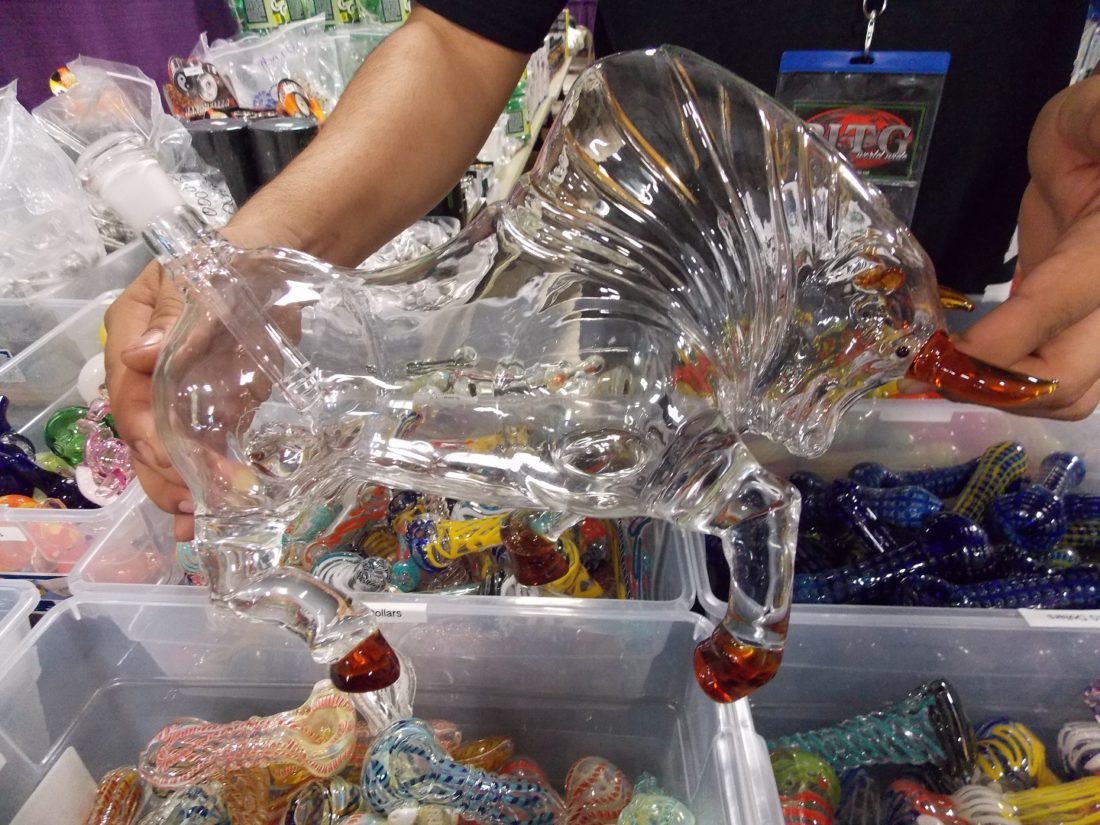
The recreational market is growing but not evenly.glass bull bong

NerdWallet recently conducted a study. They found that if all 50 states legalized cannabis today, it would generate a collective $3 billion a year in taxes. With those kinds of figures running around post recession, it is easy to understand why states would actually be considering legalizing marijuana. It is also easy to see why a mom and pop marijuana grow is at such a disadvantage in the recreational market. Even though they are the lifeblood of the medical market.
Corporations like Pfizer, Monsanto and Phillip Morris all have a vested interest in controlling cannabis production. With a collective fortune that would rival most nations, these corporations have leveled their might at taking control of production.

The deck is stacked against a small marijuana grow.growing weed

Take a small business owner growing in a barn and can only produce one pound each harvest. It may take that farmer $900 to produce a pound of weed and another $400 for packaging and delivery. Add the $3500 for testing and that farmer has to charge $4800 per pound to break even. Additionally, that farmer doesn’t get tax cuts like most businesses do. But we can ignore that for now since neither will the corporation.
An international corporation like Nike or Apple can produce that same pound of cannabis (due to economies of scale) at close to $600. They could spend about $200 on packaging and delivery (because they own factories that already make packaging). The corporation has to pay the same $3500 for testing but can test close to 20,000 pounds at once. Which adds about 17 cents to the cost of each pound. This makes their pound cost $800.17.
There is no reason Apple can’t play hard ball either. They could start a sister marijuana grow company to put most small farmers out of business.  Why not decide to take no profit and cut prices by 16% to stimulate demand for their product? A corporation can also file hundreds of lawsuits against small farmers like Monsanto is known to do. A company could also simply break the law and pay any fines they incurred in the process like BP does.

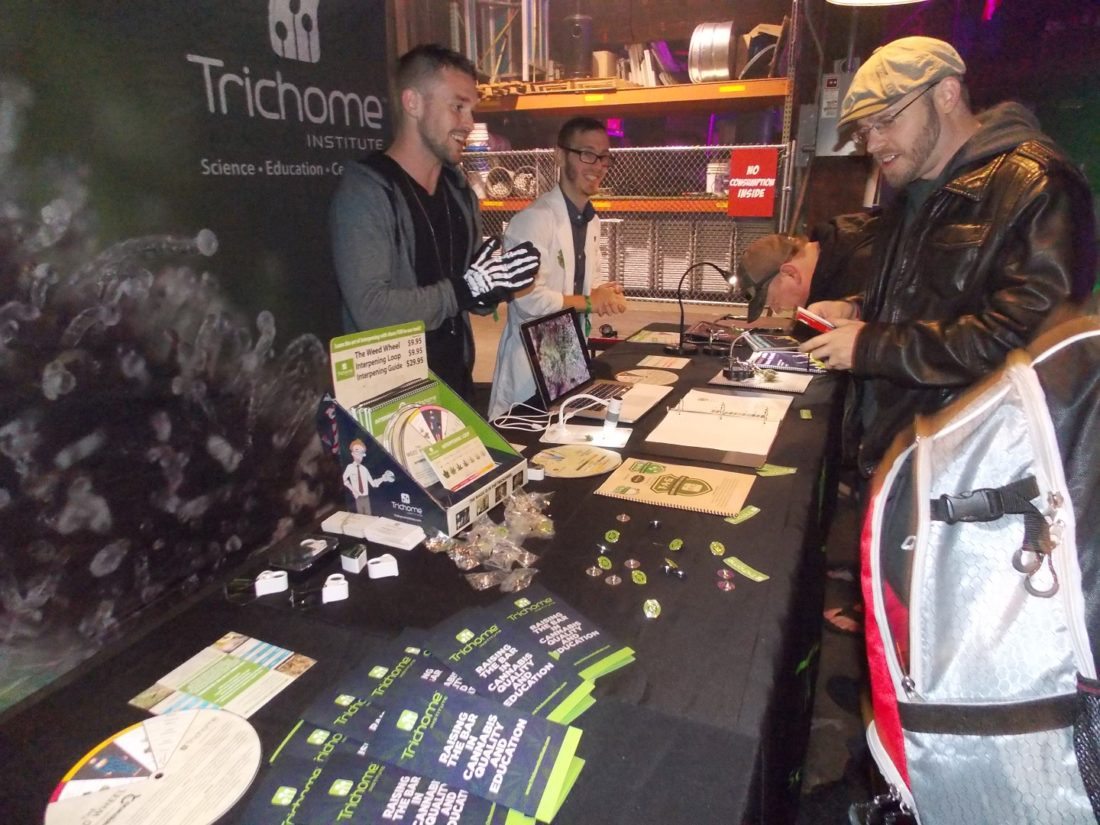
The game is designed for big players.Trichome Teaching

Now a dispensary can choose to pay $4800 or $800.17 per pound. If they choose the small farmer, they are limited on how much they can obtain. If they run out for any reason, there simply isn’t any more for the farmer to sell. The corporation on the other hand can produce more than a single dispensary can ever go through. They can simply send another pound if needed.
Dispensaries will choose the lower cost option or go out of business. Economic drivers and current US regulations work to force businesses to pursue the lowest cost option. If they don’t adjust (especially in a market that is overcrowded by competitors) they will go out of business.
It seems everyone is starting a marijuana grow. The low bar for entry and the extreme reporting requirements mixed with the challenges of a flooded market and international money make becoming a grower a risky business. Surely many will make millions of dollars before the large corporations squeeze out the little guys. Most will simply waste the little money they have trying to chase a dream that has been legislated and sold into oblivion.
Thanks for reading.
 

rollingjoint

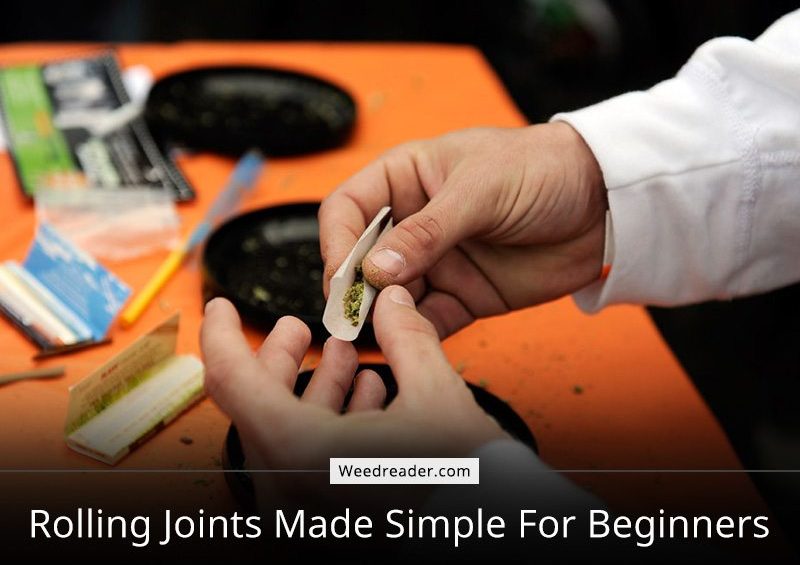
Rolling Joints Made Simple for Beginners

Rolling a joint is a skill that anyone can develop.

Certain people make rolling a joint easy. But don’t let them fool you, it takes plenty of hand-eye coordination to do it well. But luckily for the average stoner, it only takes about 100 or so attempt before most people figure it out.
Even so, most of us will never develop the skill or technical expertise to roll artistic joints. No cross joints rolled with God Bud or AK-47’s out of AK-47. But that doesn’t mean our joints have to be crappy. In fact, the difference between a good joint and a crappy one is small.
Guide to a perfect joint:

Step 1: Grind weed and position paper.
Step 2: Add weed and filter. Form a cone shape by rolling weed with paper.
Step 3: Tuck the paper around and tighten the cone.
Step 4: Lick and seal the joint along the glue edge.
Step 5: Pack the joint tighter and add additional weed as desired.
Step 6: Fold paper over when done packing.
Step 7: Position crush-resistant filters and ensure a tight seal around paper.

Additional Steps:


Create Airway: Using a toothpick, create a hole that goes half way down the length of the joint. Make sure it is centered. This makes the joint smoke better and allows for tighter rolling.
Spit Bath: As gross as it sounds, you can use your spit to slow down the speed that the paper burns. Applying a THIN even coat of saliva can prevent uneven burning.

There are several important aspects to rolling a good joint.

Density, airflow and proportion are the key aspects of a joint. Fail to maintain any one of these and you’re going to have a bad time. Master them and people will throw weed at you to roll.
You don’t have to be an engineer to make amazing joints but being an artist may help you make incredible ones. Joint rolling artists can make an impressive living creating wild designs. There aren’t a lot of tools required but great artist can create masterpieces.
Like any skill, rolling a joint gets easier the longer you do it. But there is more to it than just technique. To get the best rolling done, you need to have the right kind of cannabis. We aren’t talking about strains here, we are talking about consistency.

You need to make sure that the joint is solid.


Nothing is as sad as a poorly rolled joint. Having large nugs or lots of stems will destroy any hope of getting a join burning nicely. The easiest way to ensure you have the right consistency is to grind the weed before rolling it.
You can tear nugs up with fingers but the result is less consistent than using a grinder. Hand shredding also tends to crush the product. Regardless how you grind the weed, a normal joint takes between .5 and 1 gram of cannabis to make. Using less is possible but using more often requires alternative or additional paper.
Packing the joint is also an important step that takes some practice to master. Pack the joint too tightly and it can be impossible to draw through. Pack it too loosely and the joint will burn up in moments instead of minutes.

You need the right amount of drag.

https://www.youtube.com/watch?v=PfP1IB62wBI
The reason grinders are so popular is that they create a uniform size of shredded bud. Not too big and not too small. If ground too finely, the weed effectively becomes a solid mass and no smoke gets through. Grind too course, and the air skips over the chunks of weed instead of through it.
You want to be able to suck through the joint and feel some resistance. If you get to the end of rolling and it’s too tight, you can gently roll the joint between your fingers to help loosen it. If it deforms in your hand while simply holding it, you can pack more weed into one end to help tighten it up.

It needs to have the right proportions.

Even with the variation to joint size and complexity that professional rollers deal with, proportions remain important. Cones need to taper evenly and tubes need to be straight. Having bends or uneven sections in a joint can negatively impact the joints performance.
Don’t get discouraged if yours aren’t coming out perfect yet. Having steady hands and practicing often will make getting the joint even a whole lot easier. But there are also devices to help those of us who just can’t seem to get it right.

Rolling Machines are great when starting out.


There are a lot of companies that offer rolling machines. These devices take a lot of the technique out of rolling a joint. They are perfect for new rollers who might not have the coordination to get everything going at once. But they do have some limits.
A rolling machine has strict limits on the size. If your roller is designed for standard papers, it won’t work with extra long ones. Extra wide papers pose less of a problem but may result in multiple layers of paper in the end product.
The machines also have limited capacities. You won’t be rolling any 7 gram blunts with one. Most machines produce joints similar to the size of a traditional cigarette. You can normally make then thinner, but rarely larger.

weedhotels

Top 10 Best Weed Friendly Hotels of 2017

When was the last time you enjoyed a weed friendly hotel?

Everyone needs to get away sometime and the best places to stay are weed friendly ones. Most of my vacations are spent visiting family and friends both at home and abroad. I have several pieces in my glass collection that remind me of specific trips and family members.
Getting to visit family is cool and all, but not all family members are comfortable with cannabis on their property. If your family is anything like mine, showing up blazed will get comments but busting out a joint after dinner instead of a glass of wine is likely to start a riot.
Vacations should be enjoyable adventures, not pointless fights. Just because we have different points of view doesn’t mean I don’t love them or want to see them. So instead of causing a blow-up when they smell smoke coming from the bathroom, I stay at one of these weed friendly hotels. This list is in no specific order, it just depends on where you are.

1. La Quinta Inn & Suites in the Denver Gateway Park

4460 Peoria St

Denver, CO 80239

(303) 373-2525Weed Friendly Hotel

These spacious apartment-style suites offers 420 friendly & pet friendly lodging only minutes away from the airport, downtown Denver & various marijuana dispensaries. There are even full packages available for those seeking classes, tours, cannabis-infused massages and 420 friendly transport. Every suite is vaporizer and dab rig friendly but doesn’t allow open flames, only e-nails.
Studio rooms and one-bedroom suites as well as two-bedroom suites for larger parties are available. There is a restaurant and bar on-site to provide stoners with concierge-level room service to any room. The best part is that some rooms come with private balconies that are smoking friendly.

2. 1431 nw 53rd B&B

1431 NW 53rd Dr
Portland, Oregon
(503) 228-1036
This secluded B&B is perfect for a romantic getaway or quiet retreat. There is a large common room, nice deck and lots of birds. This little gem is nestled in the Portland rain-forest such that it feels miles from anywhere but close to everywhere. Use outdoors is allowed, vaporizers will be considered inside.
There is also the 5000 acre Forest Park just outside the door. The endless trails are perfect for when you want to wander after some edibles. Public transit and shops are close by along with easy access to Portland’s night-life. Also, 10% of the profits support ongoing maintenance and protection of Forest Park.

3. Rose Creek Retreat

1297 Altoona-Pillar Rock Rd
Rosburg, Washington 98643
(360) 869-9821weed friendly hotel
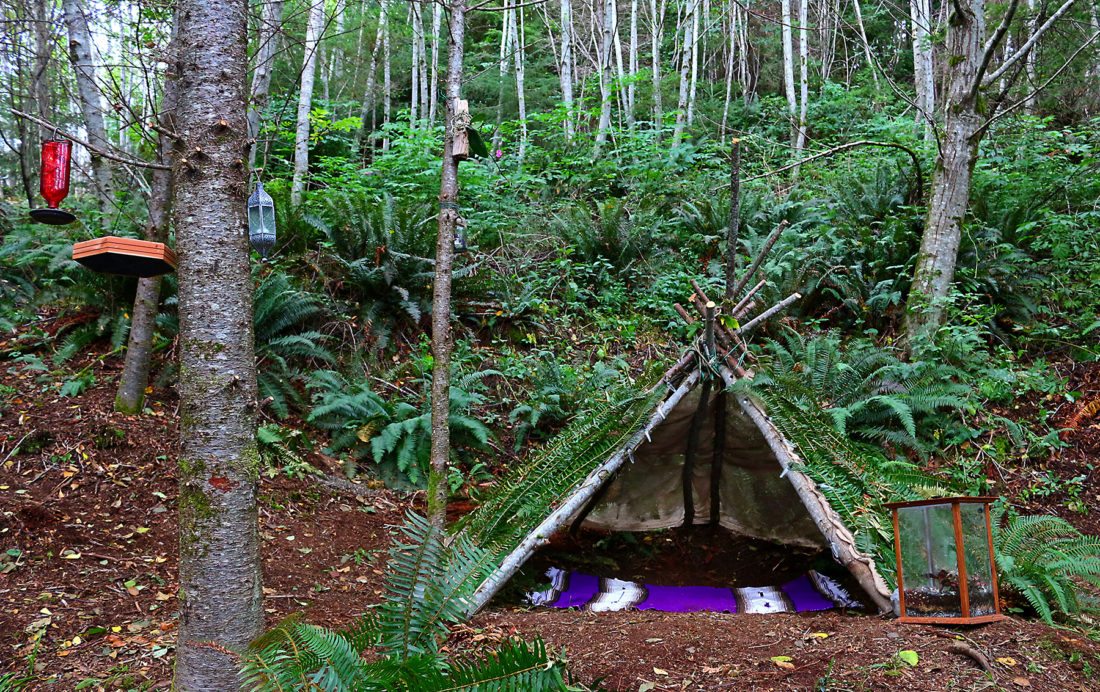
Rose Creek Retreat is the Lower Columbia’s 420-friendliest outdoor destination. It’s located just across the river from Astoria, Oregon and is nestled between two ghost towns. The natural oasis is old logging land repurposed into a private eco-retreat. Rose Creek is a unique blend of boutique camping, wildlife sanctuary, and edible agro-forestry restoration project.
You can watch eagles hunt while ships float by, enveloped by the scents of heirloom roses, after picking berries in the afternoon sun. All while roasting bowls or sharing a joint with your best bud. The main cannabis restriction is solely for fire safety reasons; the woodland camps may be vaping only during the dry season.

 4. Amber House B&B

1315 22nd St 
Sacramento, CA 95816
(916) 444-8085
Amber House is over 30 years old and continues to provide elegance, comfort and hospitality. Located in the heart of vibrant Midtown, it encompasses two historic homes; a 1895 Colonial Revival and a stylish 1905 Craftsman. The weed friendly hotel is walking distance to the city’s finest restaurants, shops, galleries, and entertainment.
Cannabis Consumption is allowed outside this weed friendly B&B, but not indoors. They have two rooms with balconies, a front porch, and a garden where guests can step out and enjoy a smoke or a dab.

 5. B-Love Guest House

1131 Center St
Oakland, CA 94607
(510) 686-3351
B-Love’s Guest House is a cute and spacious flat on the street level of a victorian home. The property is centrally located in the Bay Area. It’s only minutes away from San Francisco, downtown Oakland, Emeryville and Berkeley.
The bedrooms are private while bathroom, kitchen, living room and garden are all shared spaces. There’s a beautiful backyard garden that has a stage for daring performers. This weed friendly hotel says outdoor consumption is permitted anywhere on the property.
 

6. The Jupiter Hotel

800 E. Burnside St.
Portland OR 97214
(503) 230-9200
This is a new boutique hotel in the heart of Portland. The hotel was stylish enough to earn a feature in Architectural Digest and is near dispensaries. Fitting right into the city’s bustling Central Eastside District, Jupiter Hotel provides 81 unique (and pet-friendly) guest rooms. The space doubles as a cultural center, with an on-site gallery space and underground music venue, the Doug Fir Lounge.
There are music acts seven days a week and art openings on the first Friday of every month, for guests to drink up and socialize with the area’s creative community. But that’s not all, some packages include a munchie kit, vape pen, swag, and coupons to the nearby dispensaries. No need to bring any along, there are tons of places to buy your own cannabis.
 

7. The Travel Joint (420 Condo)

109 Dunes Rd
 Las Vegas, NV 89109
(702) 858-6916
As The Travel Joint’s signature hometown property, this condo offers escape from the craziness of the Strip in a one-bedroom, 33rd-floor oasis. It’s adjacent to the Palms Casino Resort and guests have access to its Drift Spa. They complete the package with 24-hour room service, concierge, pool, hot tub, and more.
The best part is that smoking inside the room is OK. To facilitate the party, the condo is also stocked with curated cannabis products to try. If the products on hand don’t fit your fancy, dispensaries are within walking distance.
 

8. The Bud and Breakfast

5Bd Chalet at Snowmass
Snowmass, CO 81615
720-460-1283
What better way to enjoy the Colorado high than at an expansive western style lodge? This five bedroom property can accommodate up to 11 guests and offers the ultimate in mountain fun. Equipped with double-height fireplace, soaring great room, hot tub, chef’s kitchen and so much more.
Cannabis and vaporizer are provided to clients so there is no need to bring any. But shops and dispensaries are nearby if the slopes aren’t too tempting. Not only does this property provide the product, but cannabis can be consumed indoors or out.
 

9. The Winston House

North Beacon Hill,
Seattle, WA
Located on the edge of a green belt with large wooded backyard, this is the perfect place to relax. Complete with private bathroom and entry, king sized bed and desk for getting that last little bit of work done or having an intimate dinner.  This place feels like a home away from home.
Vaporizers are provided and allowed indoors. Dispensaries and shops are close by in case you get the desire to do some additional shopping. There is always something going on nearby and the host is top notch.
 

10. Las Vegas Suites at The Cosmopolitan

3708 Las Vegas Boulevard South
Las Vegas, NV, 89109
(866) 678-6350
This weed friendly hotel has large rooms filled with designer furnishings and access to everything that makes Las Vegas special. Shows, restaurants and performers of all styles hosted in-house makes this location stand out. Don’t forget the theater either.
Smoking and vaping is allowed on the private terraces but not in the rooms. Dispensaries are within walking distance. Perfect for getting lit before heading out for a night on the town. Just remember that what happens in Vegas, stays in Vegas.

cannahike

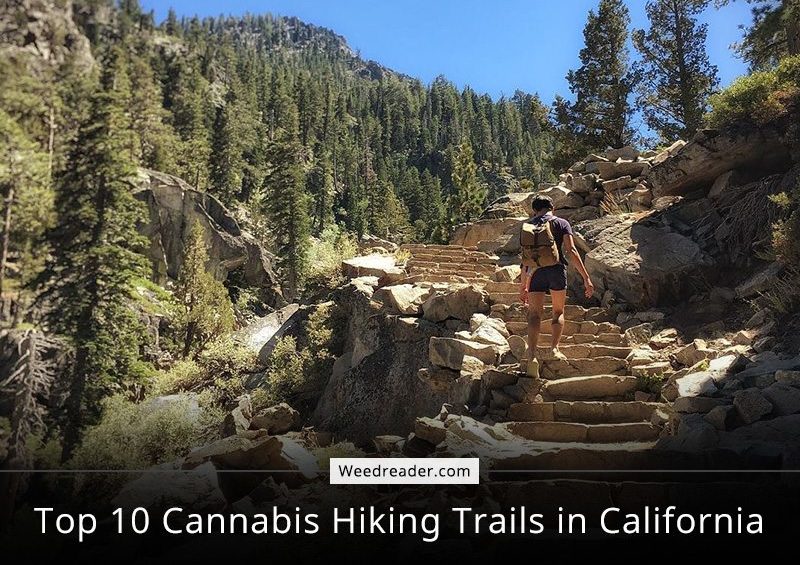
Top 10 Cannabis Hiking Trails in California

Have you ever been on a hike, on weed?

California has a lot to offer to the average consumer. Whether it be climbing a mountain or hiking down a deep valley, there’s a cannabis hiking adventure for everyone. California offers a variety of scenic views and landscapes that will take your breath away.

1: Lassen Peak Trail

Have you ever wanted to get stoned and stand on top of an active volcano? Well, Lassen Peak Trail offers a moderate to hard hike that ends on top of a beautiful and safe volcano. The view is breathtaking and worth the 5-mile hike.

2: Eagle Lake

If a volcano hike seems too much, try an easier walk on Eagle Lake. Smoke-a-bowl and enjoy the beautiful waterfall views and magical woods. The 2-mile trail leads to a mirror-like lake within South Lake Tahoe.

3: Sierra Buttes Fire Lookout

The Sierra Butte Fire Lookout is another great place to get stoned at and enjoy the open fields filled with wildflowers. This trail is easy to moderate because travelers can continue their cannabis hiking through rocky terrain that leads to a 600-foot drop lookout.

4: Cataract Falls

This 2.7 mile trail is moderately difficult to hike, but the trail is filled with the sounds of bubbling streams. Smoke a joint and enjoy natures cooling streams and breathtaking waterfalls.

5: Fern Valley Trail

Looking for the Jurassic Park experience? Well you won’t find dino’s here, but it was the backdrop for Jurassic Park II. This easy to walk 1-mile park is filled with wildlife such as salamanders and centipedes.

6: Salt Point Trail

Salt Point Trail delivers a true Northern California coastal experience. There are wildflowers, colorful sandstone formations and the big beautiful deep blue ocean. Don’t get too blazed, the trail can be a little confusing so it’s best to bring an updated map.

7: Feather Falls

The best time to visit Feather Falls is during mid-spring to early summer. Just after the winter snow has melted the wildflowers are in full bloom. Get blazed and enjoy the shining waterfall and sparkling waters within the 8-mile long hike.

8: Mishe Mokwa Trail

In Malibu, California there are a variety of peaks, but Sandstone is the crown jewel of the area. You’ll also see vibrant green landscapes and a gorgeous ocean backdrop. This moderate difficulty, 6-mile long hike is perfect for couples who want to smoke-a-bowl and enjoy the views together.

9: Mt. Baldy (Mt. San Antonio)

A difficult path for sure, this 10-mile long path is not recommended for beginners. The views are filled with beautiful natural scenery. And for those who want to omit 4-miles from their hike, there is a ski lift available during the summer months.

10: Torrey Pines State Reserve

This amazing trail offers three different points: Red Butte, Yuca Point and Razor Point. These points on the hike provide an incredible view of colorful wildflowers, natural seaside wonders and a few rattlesnakes. Yes, rattlesnakes are also a part of the hike so be careful stoners and don’t pet the snakes.
Featured image: notez_rachapong / Instagram

prop64

Prop 64 Starts Rolling Recreationally

Prop 64 is getting recreational weed rolling.

Also known as the Adult Use of Marijuana Act (AUMA), Prop 64 passed with a wide, 57-43% margin in November 2016. There were nearly 8 million people who voted to legalize marijuana but there were still close to six million voters who liked the status quo. A big part of the broad support for legal weed may be from the deep history California has with the plant.
Cities like Mendocino, Orange County, Weed, and San Francisco all have a vibrant horticultural culture. They were also some of the heaviest hit by the AIDS epidemic. Reducing suffering for terminally ill patients was enough motivation for California to allow medical marijuana. This is part of the reason so many popular strains come from the sunshine state.
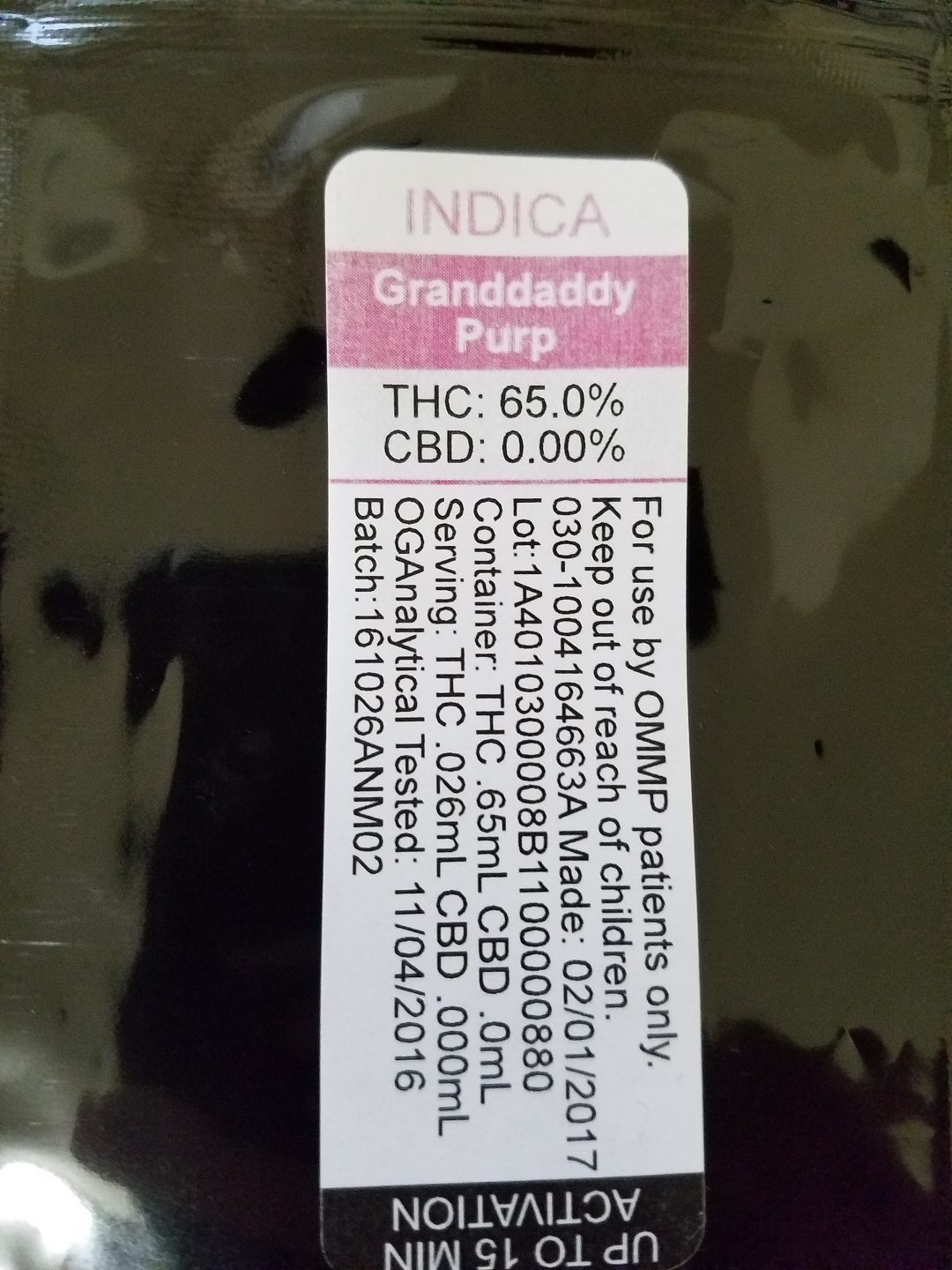
Granddaddy Purps, SFV OG and countless others have become internationally recognized, California based genetics. An entire region of northern California is known as the Emerald Triangle because of how prevalent weed is. But up until now, only medical cannabis has been legal in California. The new bill marks a new chapter in California’s cannabis legalization legacy.

Prop 64 Updates the California laws in a few ways.;oaded bong

The new law makes possession of up to one ounce of sticky icky or eight grams of concentrates legal. Every adult (21 and over) is also allowed to grow up to six plants each. And prior offenders can file to have their records changed to reflect the new standard. But they don’t stop there.
California has a prison population issue from the harsh mandatory minimums that the War on Drugs brought about. Prop 64 reduces penalties for most cannabis related crimes (like cultivation, transport and sale) from felonies to misdemeanors. But repeat or violent offenders can expect to get some of that prison guard love that made Alcatraz such an attractive destination.
Part of how they distinguish the happy hippie from the dangerous drug dealer is if they have a license. The plan is to have a full regulatory system in place for commercial/personal cultivation and sales by January 2018. Like other states, they will pay for the regulations (and then some) through taxes and fees.

What kind of taxes are we talking about?

Glad you asked! Prop 64 establishes a flat production tax of $9.25/ oz. of flower to start. That means that small operations will earn orders of magnitude less profit than their industrial counterparts. This helps attract investment but also puts huge financial pressure on small and even medium sized operations.
Another tax concession was a new tax on both medical and recreational sales. The state decided to implement a new 15% excise tax for retail sales. This new tax is scheduled to take effect in January of 2018 for both medical and recreational users. To make up for the new tax, California gave resident medical patients with ID an exemption. They don’t have to pay the current 7.25% sales tax. They made the exemption effective immediately which shows how much they care about their medical patients.
Industrial hemp also got some love with the bill. Effective Jan 2017, farmers have been allowed by the state to grow hemp in their fields. Hemp genetics are mostly comprised of several extremely low THC strains of cannabis. This means it can often be high in the non-psychoactive compound CBD. The decision of the DEA to make CBD a schedule 1 drug (and thereby prevent most hemp production) made this inclusion especially important.

Legalization means regulation, not anarchy.Say What

A lot of people confuse the word legalized with the word unregulated. Legalization means that every penny needs to be accounted for and every dot needs to be crossed because someone is watching. You can’t just roll up to a dispensary with a bag full of chronic and expect to walk away with a check. You can expect to get a night stick massage and a new pair of linked bracelets.
Illegal sale, transport, manufacture, cultivation or possession with intent to sell are all big no-no’s. You also can’s smoke or consume in any “public place”, on school grounds or have an open container while driving. Even having a spliff tucked into your beanie while mountain biking down a trail is can get you a DUI or misdemeanor.
If minors are caught in possession, they no longer have to fear imprisonment though. They will get to spend plenty of time in drug education and community service as long as weed is all they get hit for. But if anyone happens to be a three-time offender, they get special treatment that may be more in line with the federal guidelines.

Oh, and none of this applies of federal property.prop 64 no-no zone

The entire state of California (and the entire West Coast from Canada to Mexico to be honest) has started legalizing recreational cannabis. But federal law still Trumps state law most of the time. Anywhere that is considered federal property  is exempt from the new laws. This includes places like the post office, courthouses, parks and military posts. Get caught with weed there and it’s in federal prosecutors hands.
While individual states have taken measures to reduce penalties for cannabis consumption, they still maintain that is a federally illegal Schedule One substance. In any special cases that prosecutors feel justified in, they can choose to pursue federal charges and penalties. And with the new edict from Attorney General Jeff Sessions, federal prosecutors were ordered to seek the most severe punishments possible.
Federal charges are normally only brought forward in large cases where commercial distribution is suspected. This is normally in the hundreds of plants so small growers feel a modicum of safety. But recent political upheavals have shown that America is dominated by increasingly authoritarian and obnoxiously ignorant ideologies. This bill is a step in the right direction and gives Californian’s the opportunity to treat each other with compassion. But as great as this step is, don’t expect it to stop the federal ban hammer on its own. With all the documentation required to get a license, there will be no escape if Attorney General Sessions has his way.

cannmem

Spliffs Lessen Cannabis Memory Loss

Tobacco rolled with marijuana helps lessen memory loss.

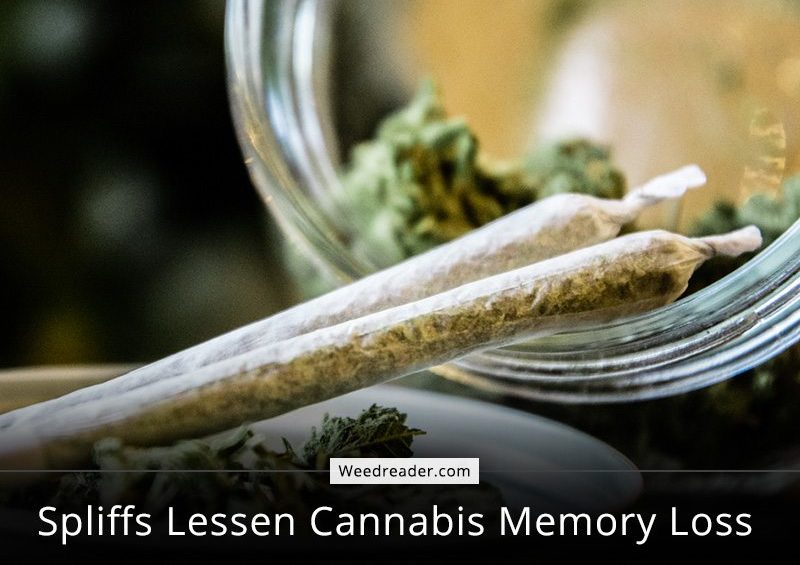
Spliffs are a mixture of pot and tobacco that are rolled up in a fashion that is similar to a joint. Some spliffs have more tobacco than weed, and other spliffs have more weed than tobacco. It usually depends on what the user would prefer.
A common rumor is that spliffs increase the high of weed, but researchers found that is simply not true. Researchers discovered that spliffs are not healthy to inhale because tobacco is loaded with carcinogens that are dangerous to people’s health. However, the upside to the discovery is that nicotine helps lessen the effects of memory loss that is generally associated with smoking cannabis.
According to the new study published in Psychological Medicine, spliffs lessen the memory killing effects of cannabis. “There’s a persistent myth that adding tobacco to cannabis will make you more stoned. But we found that actually it does nothing to improve the subject experience.” said Chandni Hindocha.
Chandi is a clinical psychologist and the study’s lead author. Chandi’s research team discovered that spliff smokers undergo a placebo effect which makes them think they are getting higher, when they really are not.

How Chandi’s study was conducted.

Chandi’s researchers looked at 24 adults who have smoked tobacco and marijuana. The requirements for the study was that the 24 adults were not addicted to cannabis or tobacco. But they did need to know how to smoke both substances. During the study, the 24 subjects smoked either cannabis and tobacco, cannabis and placebo, tobacco and a placebo, and all placebos.
Chandi’s team measured the subject’s vitals such as heart rate and blood pressure. And researchers asked the subjects several questions about their psychoactive experiences. Chandi’s researchers also required the subjects to recite literary passages. The subjects read passages at different times during testing and then were asked to recite them, this was done to test their memory.

What researchers discovered.

Chandi’s researchers discovered that when subjects only smoked pot, they had the most memory loss. However, spliff smokers showed better concentration abilities than when they smoked only marijuana. As a result, Chandi’s team are saying that the nicotine in a spliff helped stabilize memory capabilities.

Spliffs are not healthy.

During the study, Chandi’s team saw that the cannabis-tobacco mix resulted in higher heart rates for all the participants. The study revealed that spliffs are worse for cardiac health than regular joints due to the toxic gases found when burning tobacco. Tobacco is dangerous because the nicotine found within causes addiction, and tar and toxic gases cause cancer along with other health problems.
The carcinogens in tobacco cause chronic lung disease such as emphysema and bronchitis. As well as heart disease, pregnancy-related issues and other serious problems. Therefore, smoking a spliff may be better for your memory than using straight marijuana. But tobacco is responsible for over 480,00 deaths per year in the U.S. The cause of death related to weed is still zero.

calu

California Passes Sanctuary Bill 1578

What happens now that California passed Bill 1578?

California has taken a major step in ending the War on Drugs. By passing Assembly Bill 1578, California has drawn a line in the sand. While the Justice Department attempts to put a whole new generation of Americans behind bars, California is doing the opposite.
The new legislation basically prevents local and state agencies from assisting federal agencies in prosecuting people that are following state marijuana laws. This despite demands by the Justice Department to renew draconian enforcement of racially biased laws. It’s kinda like California is giving Attorney General Jeff Sessions a big middle finger.
There will almost certainly be a challenge in the courts. ICE and other federal enforcement agencies rely on the ability to offload their work to or acquire intelligence from local agencies. Without those resources, Attorney General Jeff Sessions will have to work harder to destroy hard-working Americans lives.

Who is affected by the change?

Bill 1578 pretty much only people in California are affected right now. But that isn’t guaranteed for long. Depending on how the new law gets handled in the courts, more states may pass similar legislation. Just don’t expect police to go along quietly.
It is possible to challenge the law and get it removed but the likelyhood seems slim. Partly because of the overwhelming support for the measure and partly because of who it protects. City and State workers are already stretched thin and having to do the dirty work for a racially insensitive and politically toxic Justice Department is not something they are excited for.
The new law prohibits law enforcement from “using agency money, facilities, property, equipment, or personnel to assist a federal agency to investigate, detain, detect, report, or arrest a person [and/or transfer them to federal authorities] for commercial or noncommercial marijuana or medical cannabis activity that is authorized by a law in the State of California.”

What does it mean for citizens?Bill 1578 protects businesses

This is one more way to keep people from going to prison. Without the assistance of local authorities, federal prosecutors have to collect their own evidence. It also prevents local and state agencies from having to spend resources on investigating law abiding citizens.
Up till now, business owners, medical patients and commercial growers have all had to watch their back. Federal prosecutors could swoop in and hammer people following the state rules. Even terminally ill patients could be hit with penalties so steep, they might as well have thrown away the key.
Officials warn that police may not be able to uncover wrongdoing as easily once Bill 1578 come online in January. Senate President Pro Tem Kevin de León responded to the warnings by saying “Our precious local law enforcement resources will be squandered if police are pulled from their duties to arrest otherwise law-abiding maids, busboys, labors, mothers, and fathers,”
He went on to emphasize the cost of not passing this bill. “Trust will be lost. Crimes will go unreported for fear of deportation. Criminals will remain free to victimize others.” Truer words have rarely been spoken.