w drop

As Legal Weed Price Drops, What Can States Learn from California and Alaska?

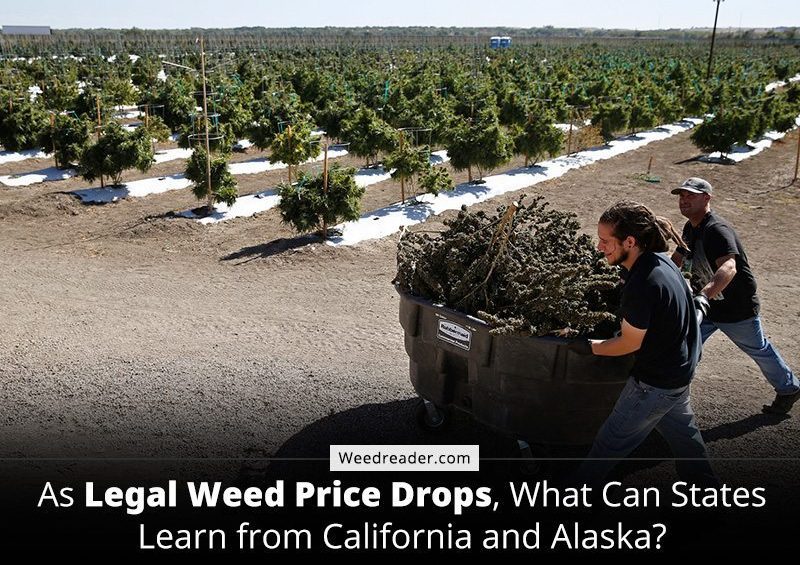
One of the amazing things about Colorado’s booming cannabis economy is that it means production costs are steadily falling. But what does that mean for the tax revenue that has stringent ties to the wholesale prices? It’s a conundrum that is going to challenge the state throughout 2017 to keep weed profitable.
How cheap is legal marijuana becoming in Colorado? According to the Washington Post, Colorado’s Department of Revenue puts it at $1,471 per pound. That is a 24.5% drop from last year’s peak value. And sure, Colorado consumers and pot tourists have reason to celebrate, but it does create a stumbling block for policy-makers who have tied the wholesale price to the total amount of tax revenue they collect. Colorado charges a 15% tax on weed production. In 2016 that meant 15% cut of $1,948 per pound. But in 2017, that will mean 15% of only $1,471 gets collected.
It’s not just Colorado facing falling tax revenue. In all, it is something that Washington, Maine, Massachusetts, Oregon, and Nevada will have to confront as well before their marijuana prices reach their lowest levels, which experts predict could go as low as $50 per pound. For all of these states to continue turning a profit—and funding state programs, like education, infrastructure, and civic projects—from the nation’s biggest cash crop, policy and the collection of taxes from cannabis must evolve.
Luckily, California and Alaska seem to have already hit on a sustainable plan for their future that will allow cash to flow, and consumers to enjoy low weed prices. Alaska has a $50 per ounce flat tax that remains steady no matter what the wholesale price of pot reaches. In California, they levy a similar flat tax on growers, which keeps the state’s profits more steady even if wholesale prices drive their taxable revenue down. If the early-adopting states plan to keep their respective markets profitable, experts suggest they take note.
image: Brennan Linsley/AP

canada pot

A Timeline of Canada's Tainted Medical Pot Recall

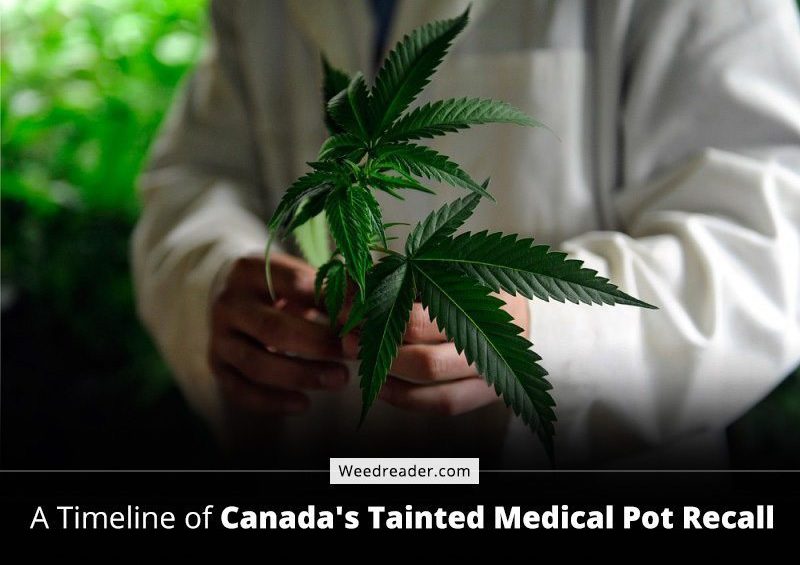
Health Canada is about to start randomly testing of medical marijuana products from all of its licensed producers, especially looking for the presence banned pesticides. Here, in a timeline, are the events that lead to this Health Canada decision.
Late last year: Two of Canada’s licensed producers—Organigram of Moncton, N.B., and Mettrum of Toronto—voluntarily recall products because they contained myclobutanil, bifenazate and pyrethrins, three chemicals that are prohibited in the production of tobacco and marijuana.
January 2017: Nearly all of Organigram’s products sold in 2016 were pulled in a higher-level voluntary recall. Product recalls affected about 25,000 customers in total and some reports of illnesses could mean the possibility of a class action lawsuit down the road.
Last Tuesday evening: Health Canada releases an additional statement announcing a new measure beyond the recall, saying that it will begin random testing of medical cannabis products produced by all licensed producers. The testing will specifically target pest control products in the production of medical cannabis. “The expanded product testing program will further enhance the department’s existing regime of regular unannounced inspections of licensed producer facilities, as well as the controls in place by licensed producers,” reads the statement.
Now: A lawsuit is yet to be filed, but CBC News in Canada reports that more than 90 medical marijuana patients have contacted a medical malpractice law firm in Halifax.

1b weed

Colorado Sold Over $1 Billion Worth of Weed in 2016

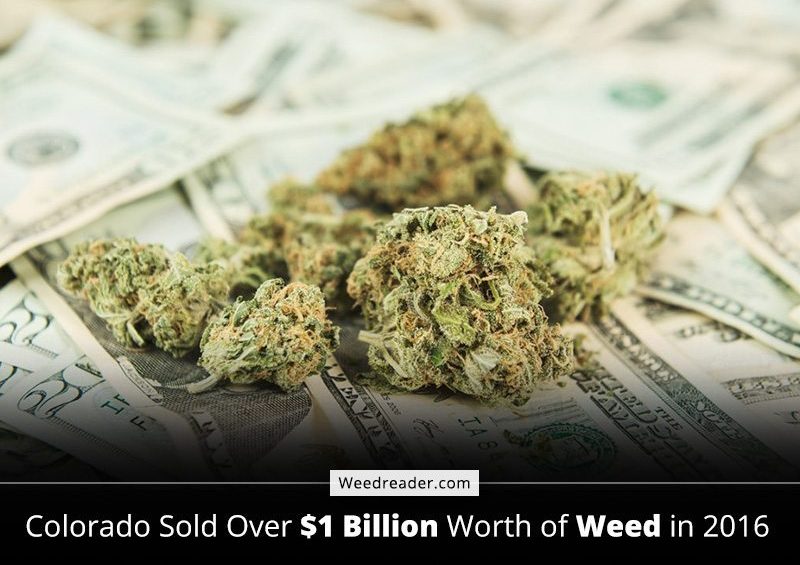
While many people were eschewing a “terrible” 2016 and ringing in the new year with renewed hope, Colorado was counting it’s 2016 cannabis tax revenue with glee. On Thursday, the Colorado Department of Revenue released the much-anticipated tax data for 2016, showing that nearly $200 million in marijuana tax revenue. Of the $1.3 billion in legal cannabis sales in Colorado, $875 million came from the recreational market and $438 from the medical market. In comparison, the state sold $996 million in 2015 (with tax revenue reaching $135 million) and $699 million the year prior.
The news isn’t a complete surprise as journalists, policy-makers and cannabis advocates have been talking a lot about the mid-year sales numbers since before the month of May even closed out. What observers saw were cannabis sales exceeded $100 million per month for two-thirds of the year, topped off by a whopping $114.7 million month in December.
Director of communications for Denver’s Marijuana Policy Project, Mason Tvert, says “This money is just the tip of the iceberg. The state is also reaping the invaluable public health and safety benefits of replacing an underground market with a tightly regulated system. Marijuana is now being sold in licensed businesses, rather than out on the street. It is being properly tested, packaged, and labeled, and it is only being sold to adults who show proof of age. The system is working.”
The only part of the system that remains to be a concern is the recent price drop in the wholesale cannabis market. That, and the fact that fewer people are visiting the state for reasons of pot tourism. But, Colorado does not seem fazed by these side developments as the green rush of the Rocky Mountain State only grows greener every year.

canna

Terpenes: The Arousing Aroma of Cannabis

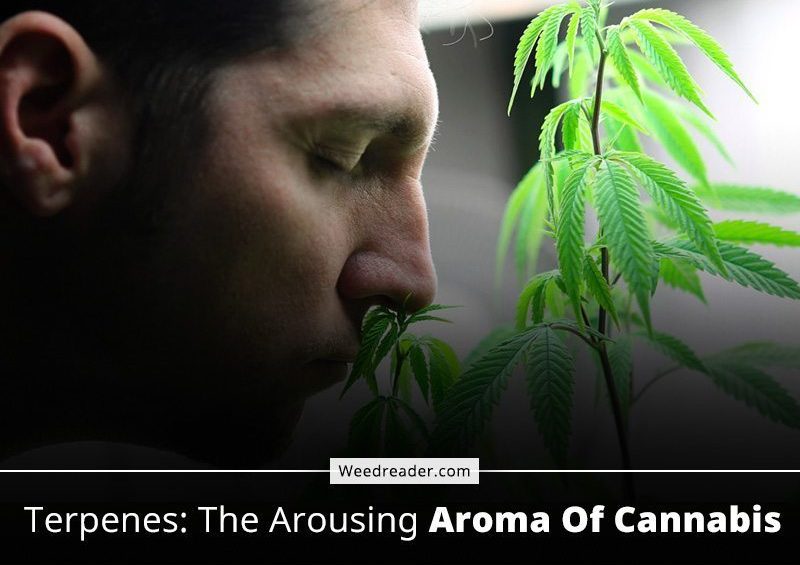
Have you ever wondered what makes cannabis smell the way it does?

There is a lot of chemistry when it comes to terpenes. There is still a lot to unlock about how our bodies process the chemicals that make things smell. We call these chemicals aromatics and terpenes are the specific types of aromatics produced by plants including cannabis.
Many recent advancements in the science of biology and biochemistry have opened windows into how we experience terpenes. Most people can tell the difference between the smell of lemons and mushrooms because the chemicals they produce interact with our bodies differently. They interact with our endocannabinoid system through CB-1 and CB-2 receptors the same way THC and CBD do.

How do terpenes work?

Terpenes have a synergistic effect with cannabinoids as their complex chemistry is able to shift and flex. Because of their flexibility, they can be used by the body to work for many different uses. Terpenes can affect dopamine and serotonin production and destruction while limonene can increase serotonin production. This is why different strains not only smell and taste different, but also have different affects on mood or sensation.
While over 200 terpenes occur in different concentrations in any given strain, there are a few primary terpenes that produce the greatest concentrations, and about 20 more secondary terpenes that occur in lesser concentrations. Each terpene has a specific purpose and more research is needed to reveal the true complexity of their chemistry.

What are the primary terpenes?

Of all the hundreds of terpenes, there are only a few that are produced in any great abundance. There are about 12 main terpenes in cannabis. Different strains produce terpenes in different amounts and are therefore specialized to treat different maladies. Here are the most common terpenes and what they do.
Myrcene: Is an effective anti inflammatory. It also works as a sedative and muscle relaxer.
Linalool: Can be used as an anti inflammatory and can also modulate motor movements.
Limonene: Can be used to help promote weight loss, prevent and treat cancer, and treat bronchitis.
Alpha Bisabolol: Can heal wounds, fights bacteria, and can also be used a deodorizer.
Delta 3 Carene: Is an effective anti inflammatory. It is also known to dry fluids like tears, running noses, and menstrual flows.
Borneol: Can be used as an analgesic, anti-septic, and bronchodilator.
Pinene: Has anti-inflammatory properties.
Eucalyptol: Is used in cough suppressants, mouthwash, and body powder.
Terpineol: Contains antioxidant properties.
Caryophyllene: May help treat anxiety and depression.
Camphene: Is known to possess anti-inflammatory and antibiotic characteristics.

Testing for terpenes can be done two ways.

Most consumers have a passing knowledge of what terpenes they want. They try a few strains and develop a preference for one over another. A quick sniff of a sample is all that is needed for a broad sense of what is present. Trying to peel apart the individual layers takes a more nuanced approach though.
Myrcene and linalool are some of cannabis’s most abundant terpenes. Myrcene smells musky, like cloves or an earthy, herbal scent. Some even say it has notes of citrus and tropical fruit. Linalool on the other hand smells like a  candy or  a sweet floral element. The more fragrant a strain, the more terpenes are present and active.
Because of how many different aromatic terpenes cannabis produces, it can be difficult to determine the exact mix of terpenes by smell alone. Most producers or distributors rely on chemical analysis. They get the exact level of terpenes through a report from a certified testing lab. The same labs that test for THC and CBD content are often equipped to also perform terpene analysis for a small fee.

Plants produce terpenes for a variety of reasons.

Plants can’t run away from predators or bad weather. Because they can’t flee, they have developed many ways to deal with the inevitable. One of the ways plants cope is by producing chemicals like cannabinoids and terpenes. Terpenes like pinene and limonene are able to ward off plant predators while linalool and myrcene can help the plant heal from injury.
Plants can also use terpenes to call for help. There is evidence that even corn uses terpenes like those found in cannabis to protect itself from predators. It doesn’t use the terpene to kill anything, it uses it to call for reinforcements. Corn roots damaged by pesky caterpillars emit caryophyllene. This terpene attract predatory wasps that then attack the caterpillars.

Different plants produce the same terpenes.

Cannabis produces terpenes in the same trichomes that it uses to produce cannabinoids like THC and CBD. The cannabis plant smells strongest during flowering because that is when the most trichomes are active. Natural variation and forced breeding techniques have allowed people to design plants based on cannabinoid content as well as terpene content.
Biology is complex but there are repeating patterns. Most plants require the same chemicals (Nitrogen, Phosphorus and Potassium) as they do to produce smells (terpenes). Cannabis produces the same terpenes as other plants, just in different amounts.

Terpenes enhance the effects of cannabinoids.

Take myrcene, it occurs in fragrant plants and herbs like mangoes, hops, bay laurel leaves, thyme, lemongrass, and basil. It is naturally synergistic with THC and allows cannabinoids to more easily bridge the blood-brain barrier. Myrcene is present in most cannabis although it is a dominant terpene in Pure Kush, Jack Herer and many other strains.
Over generations of breeding, cannabis cultivators have selectively bred plants to produce high levels of specific mixes of terpenes. Strains like Lemon Skunk and Sour Lemon have higher levels of limonene in them while Dog Walker and Skunk normally produce more myrcene.

Orin-Ray Terpenes

Do terpenes just make things smelly?

Terpenes determine many of the effects attributed to specific strains. While two samples may have the same THC content, if their terpenes profile (mix of terpenes present) are different, the samples will affect someone in different ways. Strains like Granddaddy Purps or OG Kush are generally sedating while Sour Diesel and Strawberry Cough tend to increase alertness.
Humans have inhaled terpenes, including linalool, since ancient times to help relieve stress, fight inflammation, and combat depression. Linalool specifically has been the subject of many studies. Some, like this one where scientists had lab rats inhale linalool while exposing them to stressful conditions, reported that linalool returned their immune system stress levels to near-normal.
We still need to do more research to find all of the ways that terpenes interact with our bodies. As legalization sweeps the country, hope for more research funding is growing. For now, people in states that have legalized cannabis in some way can begin doing anecdotal research themselves. Thanks for reading.

cann history

A History of Medical Cannabis Part 2: Modern Cannabis

In Part 1 we talked about ancient cannabis and how it has been used throughout the ages.

Today we are going to talk about modern cannabis and how it moved from prominence as a medicine to a recreational drug. Yet medical cannabis is not relegated to the ancient past. Modern medicine uses the term marijuana instead of the ancient name: cannabis but it means the same thing.
The original name can be traced back to the Greek physician Pedanius Dioscorides. He was a roman army doctor from around 40-90AD who traveled widely on campaigns throughout the Roman empire. He wrote the medical text that virtually all others were based on for over a thousand years and had a special entry for both male and female cannabis plants. It wasn’t until the 1930’s when the plant became known a marijuana in an effort to re-brand it. But I’m getting ahead of myself.

By 1621, medical marijuana had made its way into the English Mental Health Book.

Cannabis was entered into one of the most popular medicinal textbooks from the era to treat depression. Because of the work of an Irish doctor working for a shipping company during the colonization of the new world, medical cannabis moved to the Americas.
Cannabis treatments were a staple of a professional doctors curriculum up through the industrial revolution.  Before Alaska and Hawaii were states, America had laws on the books that supported medical marijuana in all 48 states. Cannabis was not seen as a recreational drug, it was medicine with little risk of side effects.

But in 1936 all that changed.

Pressure was being placed on the U.S. by the international community to sign the International Treaty on Controlled Substances. While not directly listing cannabis as a controlled substance, the treaty forced all countries that signed to adopt similar drug policies. Propagandists later used the treaty to get cannabis banned across the developed world.
A very popular anti-marijuana campaign burned through the nation. Funded by the government and directed by the talented propagandist Larry Anslinger, “Reefer Madness” was a sensational tale about marijuana. It featured the plant ruining people’s lives through sex, insanity, and horrific acts of violence. Although Reefer Madness was a work of pure fiction,  it was accepted by a whole generation as fact with the tenacity of religious convictions. The influential power of the Reefer Madness propaganda laid the groundwork for Larry Anslinger to get cannabis banned.
Larry Anslinger was a potent propagandist that was able to convince the developed world to outright ban cannabis use, cultivation and distribution. He used a mixed media of propaganda to accomplish this. Anslinger was a master of using media and used the newspapers, radio and television to spread a web of half-truths and outright lies.
After spreading a racially motivated panic with the Reefer Madness propaganda, Anslinger convince the U.S. to pass the Marijuana Tax Act of 1937. Anslinger provided his political masters a new way to target their political opponents voting base. The politically motivated police force acted quickly on the new laws to target the poor.

The Marijuana Tax Stamp Act brought America Modern Cannabis.

On the day the Marijuana Tax Stamp Act was enacted (Oct. 2, 1937) the FBI and Denver Colorado police raided the Lexington Hotel. They arrested a man named Samuel R. Caldwell for selling modern cannabis. He was a 58 year-old unemployed laborer. Three days later, on Oct. 5, 1937 Caldwell became the first person convicted under U.S. federal law of distributing cannabis.
In 1942, cannabis was removed from the U.S. Pharmacopeia. When that happened, cannabis lost the last vestiges of medical legitimacy. Because of the International Treaty on Controlled Substances, most of the other countries in the developed world were forced to enact similar rules.

Over the next decades, criminalization of cannabis continued.

As more and more regulations were heaped on medical practitioners, they became unable to prescribe cannabis. Legal penalties increased massively with the Boggs Act of 1951. It established minimum prison sentences for simple possession of cannabis. Thanks in great part to Anslinger’s work, cannabis was classified as a schedule 1 controlled substance in 1970.
Schedule 1 substances are substances no medical benefit and high risk of abuse. The controlled Substances Act of 1970 Classified Marijuana as a having “No Accepted Medical Use”. After the passing of the Substances Act, medical practitioners were barred from prescribing modern cannabis for any medication, effectively removing the oldest known medicine from a whole generation of healers across the globe.
In 1971, the Shafer Commission was created by the U.S. president to determine the merit of criminalizing cannabis. The Shafer Commission was bi-partisan and overseen by congress. President Nixon himself ordered it to determine “if the personal use of marijuana should be criminalized.” The commission came back with an answer and Nixon ignored it because he didn’t like that they believed there was no reason to scale up action against users.
In 1971 president Nixon chose to aggressively pursue action against cannabis consumers by declaring the War on Drugs. Motivated by personal prejudice political corruption, he saw marijuana as a way to get at his political opponents. He even admitted at the time that his reasons for attacking cannabis users and increasing penalties was motivated by personal directives.

Nixon acknowledged his action was not based on empirical evidence.

He increased criminalization despite the commission he put together telling him officially and unequivocally that cannabis use should not be criminalized. Over the next two years, the Nixon built a force specifically designed to scale up violence against modern cannabis users.
The Department of Drug Enforcement (DEA) was established in 1973 by merging the Bureau of Narcotics and Dangerous Drugs (BNND) and the Office of Drug Abuse Law Enforcement (ODALE) into a single agency. It comes as no surprise that the DEA continues to aggressively pursue cannabis consumers, producers and distributors to this day. They use every tool at their disposal regardless of legality or constitutionality to continue the criminalization of marijuana.
Things continued to go downhill for cannabis in the coming years. It wasn’t until 1976 that Robert Randall (who was afflicted by glaucoma) used the Common Law Doctrine of Necessity (US v. Randall) to defend himself against criminal charges of marijuana cultivation. In 1976, federal Judge James Washington made waves with his ruling. Judge Washington ruled that Randall’s use of modern cannabis constituted a ‘medical necessity’ and the case was thrown out.
Modern cannabis 2

The next milestone for modern cannabis crusaders came in the winter of 1991.

Modern cannabis took a step forward with the passing of medical marijuana reform in California. The first medical marijuana initiative was called Proposition P and was in San Francisco. It passed with an overwhelming 79% of the vote in November of 1991.
Proposition P called on the State of California and the California Medical Association to restore hemp medical to the list of available medicines in California, and to stop penalizing physicians for prescribing hemp for medical purposes. It only effected San Francisco but the cogs of bureaucracy had been activated. It would take another 5 years for legislation to go statewide.
Voters in California passed the first statewide medical marijuana initiative on November 5, 1996. Known as Proposition 215, it permitted patients and their primary caregivers to possess and cultivate marijuana for the treatment of AIDS, cancer, muscle spasms, migraines, and several other disorders. It also protected doctors from state sponsored punishment if they recommended marijuana to their patients.

The wheels of bureaucracy turn slowly.

In September of 1998, the House of Representatives debated a resolution called H.J.Res. 117. They passed H.J.Res 117 at the same time Oregon, Washington and Alaska provided their medical marijuana programs. In H.J.Res. 117, Congress declared support for the existing federal drug approval process.
They decide not to reschedule marijuana despite the overwhelming evidence coming forth that it should be decriminalized. While cannabis is classified as having no medical benefit, the United States Department of Health and Human Services) currently holds a patent on medical cannabis.
Patent No. 6630507 covers the use of cannabinoids for treating a wide range of diseases and was submitted to the patent office in 1999. The Department of Health and Human Services was awarded the patent in 2003. Yet the Department of Health is not the only regulatory agency that has chosen to abandon science, compassion and reason.
Modern Cannabis

In 2002, the FDA decided how to use modern cannabis in a study.

They decided that shipping 300 pre-rolled joints to patients in metal canisters was the best way to judge modern cannabis. The material was frequently two or more years old upon receipt by patients and a close inspection of the contents of NIDA-supplied cannabis cigarettes revealed them to be a crude mixture of leaf with abundant stem and seeds.
The study concluded that “cannabis smoking, even of a crude, low-grade product, provides effective symptomatic relief of pain, muscle spasms, and intraocular pressure elevations…” and that “clinical cannabis patients are able to reduce or eliminate other prescription medicines and their accompanying side effects.” The FDA report was ignored by those in power and cannabis remained a schedule 1 controlled substance despite the undeniable evidence.
The DEA has still not reclassified cannabis. It remains a holistic herb used throughout time as a medicine that current U.S. legislators are violently opposed to. While international progress has been made with the UK rescheduling cannabis to Class B and the Netherlands also making great strides in medicinal research, the U.S. still struggles to come into the light. Use of scientific reasoning is about to get even harder for the U.S. government as President Trump decides who will take the reigns of power. Yet his choice of Jim O’Neill to head the FDA (who openly supports cannabis legalization) gives modern cannabis hope for the future. Only time will tell. Thanks for reading.
Featured image: shutterstock

cbd wr

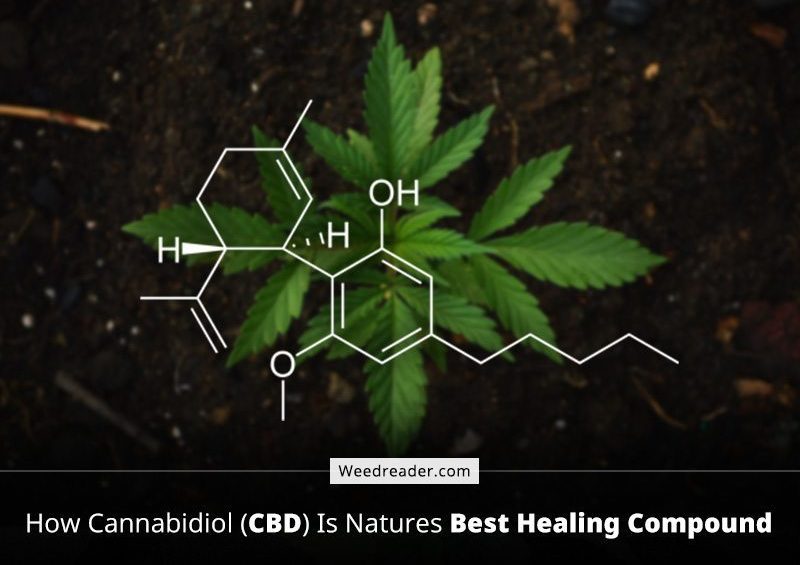
CBD: How Cannabidiol (CBD) is Natures Best Healing Compound

What is CBD?

Cannabidiol (CBD) is a naturally occurring compound found in cannabis plants.Scientific research over the last few decades has shown that Cannabidiol has dozens of medical benefits. Cannabidiol is one of over 60 compounds found in cannabis.  Both THC and CBD belong to a class of molecules called cannabinoids.
Of the known cannabinoid compounds, CBD and THC are usually present in the highest concentrations, and are therefore the most recognized and studied. The difference between CBD and THC comes down to how they interact with the cannabinoid 1 (CB1) receptors. Cannabidiol inhibits the interaction of CB-1 receptors throughout the body with a major focus on receptors in the central nervous system.
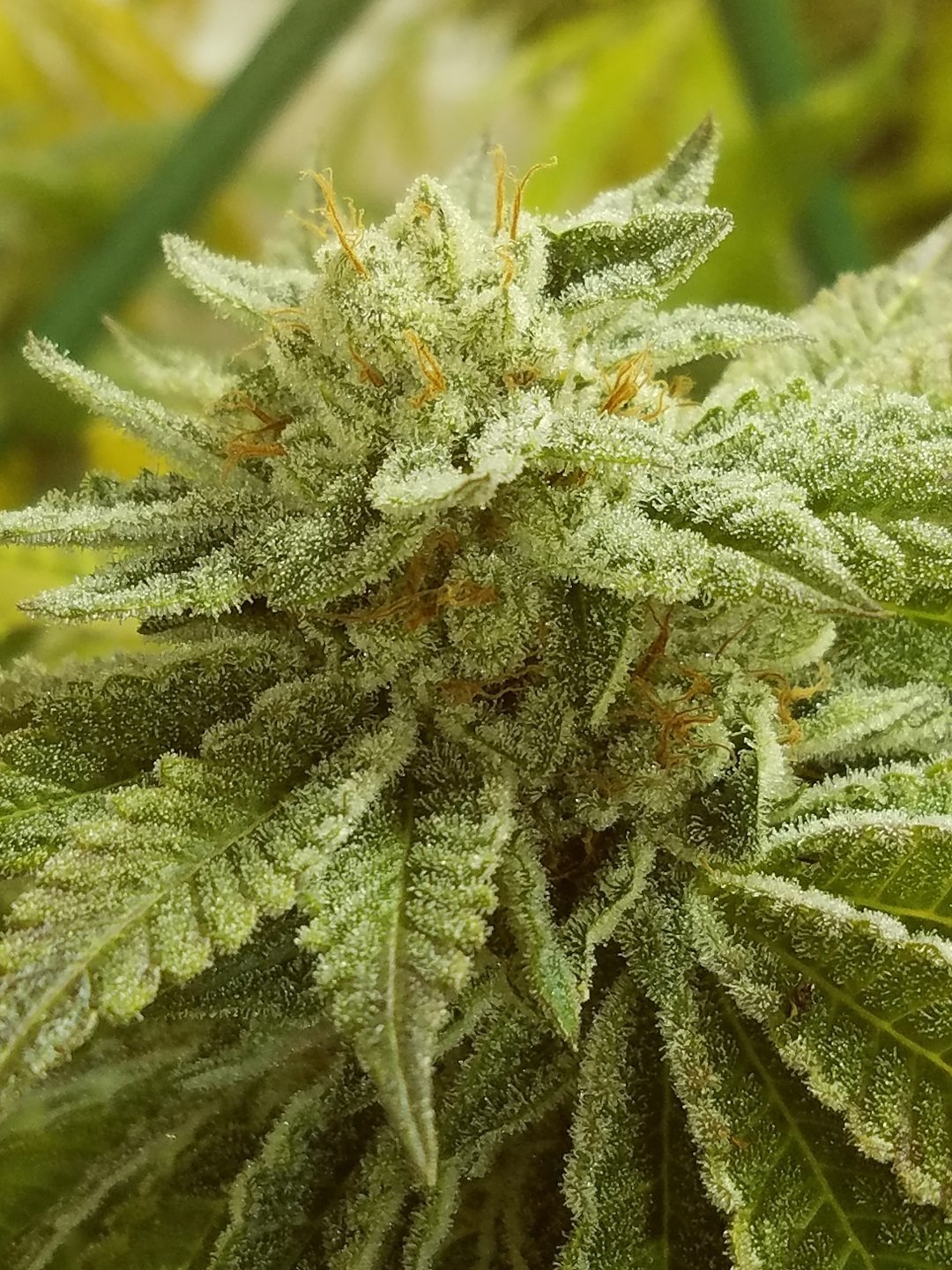
CBD Flower

How does CBD work in the body?

Cannabinoid receptors are cell membrane receptors  that contain transmembrane spanning properties. Cannabinoid receptors are activated by three groups of ligands (a molecule that binds to another molecule):  endocannabinoids that are produced inside the mammalian body, cannabinoids produced in plants and synthetic cannabinoids. Because CB-1 receptors bind with all three types of cannabinoids, one source can be supplemented for the other to provide medical benefit to patients.
The endocannabinoid system is a vast network of cell receptor proteins and serves many functions. CB-1 receptors are heavily concentrated in the central nervous system. Others types of cannabinoid receptors are found all over the body. They’re in every humans skin, digestive tract, and even in their reproductive organs. All of the endocannabinoids and plant cannabinoids bind to fatty compounds in the body. The binding properties of cannabinoids are why THC and CBD remain in a person’s system for so long.

How does CBD work in the brain?

Cannabidiol has low binding affinity for CB1 receptors. THC binds well with CB1 cannabinoid receptors but CBD does not. This is why one (THC) will cause a high and the other (CBD) will not. While this makes Cannabidiol a bad choice for recreational users, it is a significant advantage for use as a medicine. The high associated with cannabis is generally considered a side effect.
Since health professionals prefer treatments with minimal side effects. CBD is seen by most medical professionals as preferable to THC. CBD is non-psychoactive because it doesn’t act on the same pathways as THC. These pathways, called CB1 receptors, are highly concentrated in the brain and are responsible for the mind-altering effects of THC.
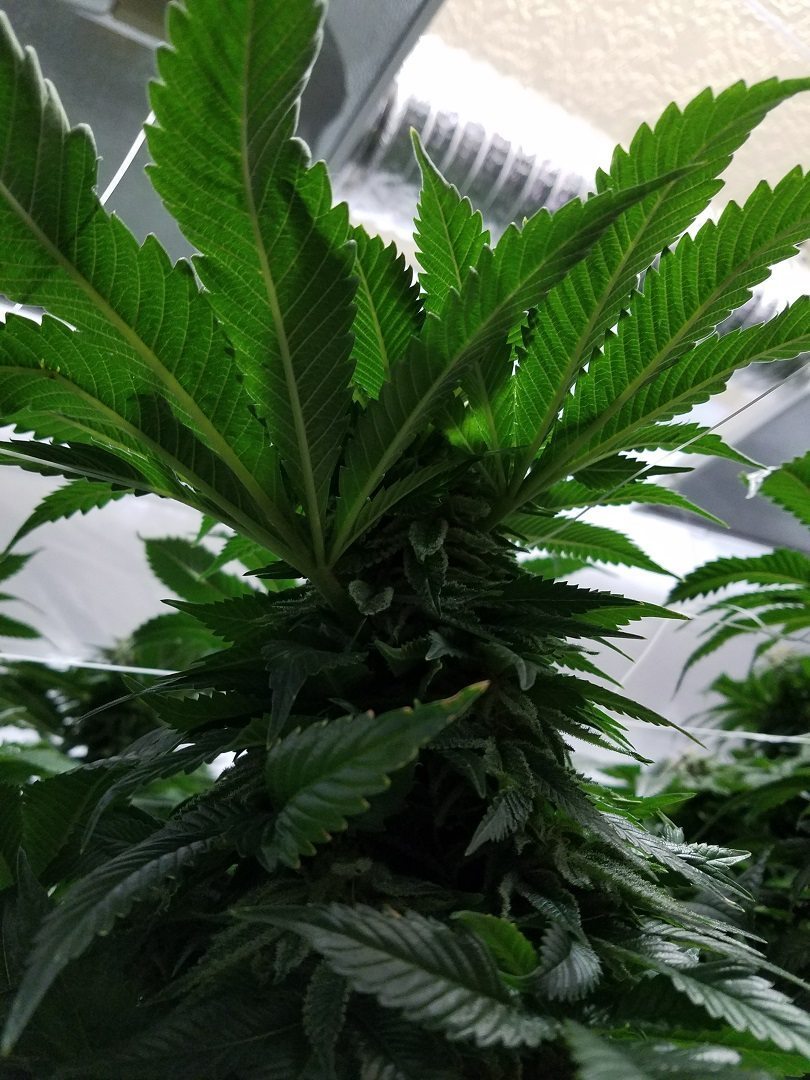
CBD Flower 1

What does CBD do?

The fact that Cannabidiol-rich cannabis is non-psychoactive or less psychoactive than THC-dominant strains makes it an appealing option for patients who want to avoid the stereotypical feelings associated with consuming cannabis.
Scientific and clinical research underscores Cannabidiol’s potential as a treatment for a wide range of conditions. People looking for relief from inflammation, pain, anxiety, psychosis, seizures, and other conditions without disconcerting feelings of lethargy find Cannabidiol to be an effective treatment.
Conditions including arthritis, diabetes, alcoholism, MS, chronic pain, schizophrenia, PTSD, depression, antibiotic-resistant infections, epilepsy, and other neurological disorders find the most relief from treatments. This is because CBD has demonstrable neuroprotective and neurogenic effects along with anti-cancer properties. These properties are currently being investigated at several academic research centers around the world.

How does CBD treat all these health issues?

The biggest distinction between CBD vs. THC comes down to a basic difference in how each one interacts with cannabinoid 1 (CB1) receptors. THC binds well with CB1 cannabinoid receptors while CBD does not. Think of it like an electrical plug connecting to an outlet.
A THC molecule is perfectly sized to connect with CB1 receptors. When that connection happens, THC stimulates those CB1 receptors like turning on a switch. THC works to activate those CB1 receptors.Cannabidiol works in a different way. It doesn’t act directly to activate or suppress CB1 receptors. Instead, it acts to suppress the CB1-activating qualities of a cannabinoid like THC.  So while THC turns on CB-1 receptors like sticking a key in an outlet, CBD blocks the outlet.

If CBD is so good, why isn’t it more mainstream?

Even though CBD shows great promise as a medicine, it remains illegal in most of the world. CBD is classified as a Schedule I drug (right beside THC) in the United States and a Schedule II drug in Canada and the UK.
The US government has been studying CBD for a while and fund most of the science going on stateside due to the difficulties associated in researching a schedule 1 substance. Even with the challenges, intrepid researchers have identified dozens of conditions that can be treated or cured using Cannabidiol.
A team of researchers at the California Pacific Medical Center, led by Dr. Sean McAllister, has stated that they hope to begin trials on CBD as a breast cancer therapy. Due to the challenges of navigating the FDA, they are fighting an uphill battle.

If CBD is great as medicine, why aren’t more drug companies using it?

All is not dark for CBD research. The U.S. Food and Drug Administration recently approved a request for a clinical trial of a CBD based drug. The drug in question is a pharmaceutical version of CBD used to treat children afflicted with rare forms of epilepsy. The drug is called Epidiolex and is made by GW Pharmaceuticals. GW Pharmaceuticals also makes another cannabis-based drug called Sativex.
Even with approval of trials for Cannabidiol based meds, the U.S. Drug Enforcement Agency (DEA) made it clear that marijuana-based extract is still considered a Schedule I drug under federal law. They made sure to say in a Dec. 2016 address that the ban includes CBD oils and other types of CBD-rich extracts.

What does the future of CBD look like?

In general, far more research is needed to figure out all of the effects cannabis has on our bodies. But, to say that our overall understanding of CBD is “lacking” would be an understatement. In the midst of medical and recreational legalization happening in the US state by state, the federal stance on cannabis remains staunchly opposed. While the UK classifies CBD as a schedule 2 substance, the US still tightly holds to its schedule 1 status of all things cannabis.
A pharmaceutical version of Cannabidiolwas recently developed by a drug company based in the UK. The UK based company, GW Pharmaceuticals, is now funding clinical trials on Cannabidiol as a treatment for schizophrenia and certain types of epilepsy through the significantly easier UK process.
Only time will tell if cannabis will become a mainstream medical tool in the future. With political pressure and overwhelming public support for legalization, there has been a lot of gains in recent years. As legislation moves cannabis out of the darkness and into the limelight, government agencies like the FDA will have to reevaluate how they have classified cannabis. Thanks for reading.
 

mcanna

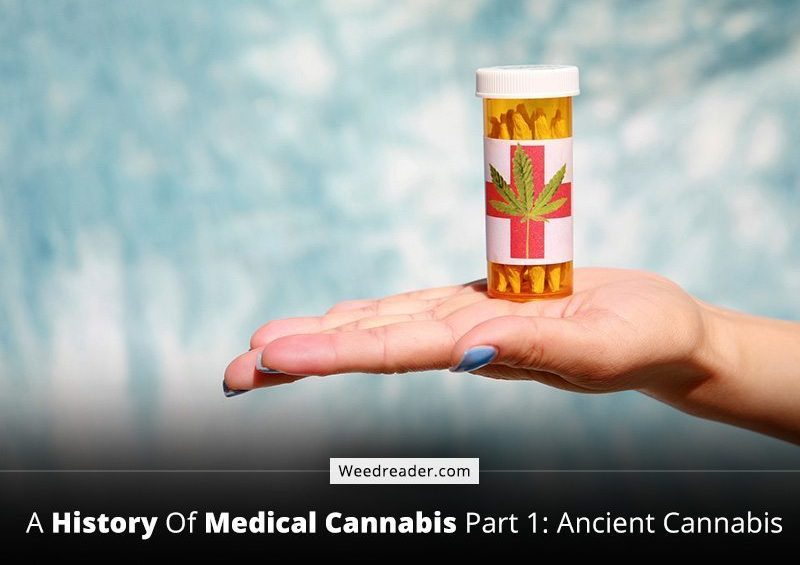
A History of Medical Cannabis Part 1: Ancient Cannabis

Medical Cannabis is known by many names.

Whether you call it; ganja, weed, dope, grass, or the medical cannabis, it all means the same thing. Cannabis is one of the earliest plants known to be harvested by man. In fact, the oldest human artifact on record is an ancient sandal made from cannabis fibers known as hemp. The fibers of the cannabis plant were used in the oldest civilizations like Rome, Assyria, Egypt and China.
Some of the oldest known medicine was also made from cannabis. The earliest record of medical marijuana use was in 2900 BC by Chinese Emperor Fu. He and a majority of his citizens used the herb for medicinal purposes. From treating headaches and nausea to acting as an aphrodisiac, the ancient Chinese were pioneers in cannabis research.

Over the centuries, marijuana was used medicinally all over the world.

Many festivities and religious ceremonies involved cannabis as well. Cannabis was so important to ancient religious rites that it was an integral part of many rites including the process of anointing. Early Christians were well aware of how cannabis worked and used it in many of their most sacred rituals.
Christians inherited many of their religious practices directly from the Hebrews. The word Christ actually means ‘the anointed one’ and many scholars believe that Christ was anointed with chrism, a cannabis-based oil. The ancient recipe for this oil recorded in Exodus (30:22-23), included over 9 pounds of cannabis flower which the Hebrews called kaneh-bosem.
The Hebrews extracted the cannabis into about 11 pints of olive oil. This cannabis concoction was then mixed with a variety of other herbs and spices in very specific ways. The mixture was normally used in anointing and rituals that would allow the priests and prophets to commune with the divine.

Cannabis was used by more than just the ancient Chinese and Hebrews though.

India has a deep and long history with the plant.  Ancient chefs created a drink known as bhang out of cannabis paste, milk and spices. Shiva is said to have loved the drink so much that he took the title “Lord of Bhang”. Bhang has remained a medical remedy/ preferred beverage in India for centuries and is prepared there to this day. Zoroaster is also said to have listed cannabis as the most important of 10,000 medicinal plants.
The Indian Hemp Drugs Commission described the history and culture of cannabis in India: “To the Hindu the hemp plant is holy. A guardian lives in the bhang leaf… To see in a dream the leaves, plant, or water of bhang is lucky… No good thing can come to the man who treads underfoot the holy bhang leaf. A longing for bhang foretells happiness.”
Cannabis has been popular in India since the beginning of recorded history and is often drank. Nuts and spices like; almonds, pistachios, poppy seeds, pepper, ginger and sugar are mixed with cannabis and boiled in milk. Yogurt can also be used instead of milk. While popular in the east, bhang has never caught on with western pallets the same way.

Romans used Medical Cannabis as well.

The Greek physician Pedanius Dioscorides from around 40-90AD was a Roman army doctor who traveled widely on campaigns throughout the Roman empire. He studied many plants, gathering his knowledge and assembling it into a book he titled De Materia Medica (On Medical Matters).
Published around 70AD, De Materia Medica became the most important medical text for the next 1500 years. Virtually all medical texts were based off of this single work. Within its pages were contained the most important and useful plants known to mad. Included in the tome was cannabis, both kannabis emeros and kannabis agria, the male and female respectively. Dioscorides stated bluntly that the plant used in the making of rope also produced a juice that treated earache and suppress sexual longing.

Even the Egyptians were into medical cannabis.

In the ancient world, Egypt was a center of trade and information. Their position at the mouth of the Nile provided a base of strength for millennia. Part of that strength was advanced medical techniques that were passed down through the use of writing. Ancient Egyptian doctors and pharmacologists would use papyrus to record their work.
One of the oldest texts to survive to modernity is the 2nd century Fayyum Medical Papyrus. This ancient Egyptian text is believed to contain the earliest record of cannabis as an ingredient in cancer medicine. While they didn’t record enough for us to assess the successes of ancient Egyptian cancer treatments, cannabis continues to receive interest as a cancer therapy today.
Cannabis pollen was even found on the mummy of Ramesses II. He was a powerful Pharaoh who died in 1213 BC. It is unclear how the cannabis was used but prescriptions for cannabis in Ancient Egypt also included treatment for the eyes (glaucoma), inflammation, cooling the uterus, as well as administering enemas.

Cannabis is actually new to the Americas.

By the late 1700s, American medical journals began recommending hemp seeds and roots for the treatment of inflamed skin, incontinence and venereal disease. But it was Irish doctor William O’Shaughnessy who first popularized marijuana’s medical use in England and America.
O’Shaughnessy was a physician with the British East India Company during the years leading up to the American Revolution. He found marijuana eased the pain of rheumatism and was helpful against discomfort and nausea. Patients were prescribed cannabis most for cases of rabies, cholera and tetanus. Truly, Dr. O’shaughnessy was an integral part of the rise of medical cannabis in Europe and the Americas.

In the age of scientific innovation, cannabis was in medical texts.

In 1621, medical marijuana made its way into the English Mental Health Book, the most popular medicinal textbook from the time. Of all the things it could have suggested, it recommends marijuana to treat depression, the same as modern scientific research has shown.
Early Settlers had cannabis but mainly used it for fiber. The Jamestown settlers brought the marijuana plant specialized to produce fiber commonly known as hemp, to North America in 1611.
Throughout the colonial period, hemp fiber was an important export. By 1762, cannabis cultivation can become so common that Virginia awarded bounties for hemp culture and manufacture along with imposing penalties on those who did not produce it.

It wasn’t until the 1900’s that cannabis lost its medical, economic and spiritual prominence.

With the invention of television and the consolidation of media during the 1900s, cannabis moved from medical staple to outcast with surprising speed. Due to the efforts of Larry Anslinger and his associates, medical cannabis was stripped from medical texts and scientists were effectively banned from studying it.
Top image: Bigstock

npk

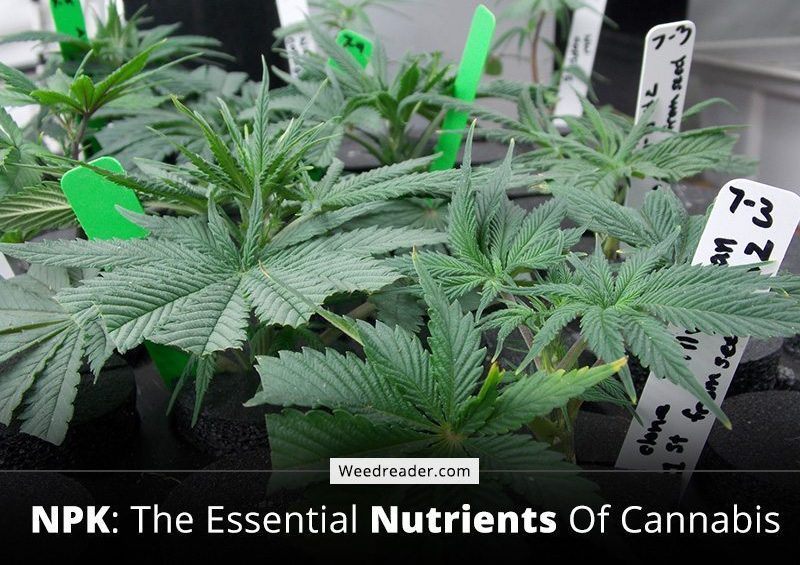
NPK: The Essential Nutrients of Cannabis

How do I use NPK to grow the Best Cannabis?

If you are planning on growing cannabis, there is a lot of information to absorb. One of the most basic and important elements of growing great cannabis is making sure it has the right nutrients. Like any plant, cannabis has a special diet  made up of three main elements. Instead of eating fats, protein and calories like humans, plants need nitrogen, phosphorus and potassium or NPK for short.
The three main nutrients are known as macro-nutrients and basically all plants need them to survive. From giant redwood trees to Venus Fly Traps, Nitrogen, phosphorus and potassium are the building blocks of a healthy plant. Yet not all plants require the same amount of each element so care is needed to provide the right mix of nutrients.

So how do I get the right mix of nutrients?

The easiest way to adjust the nutrient balance of soil is to add fertilizer. Modern cultivators have a wide range of products available to choose from. Most garden supply stores have a dizzying array of fertilizers in a myriad of forms. Liquid, solid, powder, organic, the list of methods for delivering nutrients to plants goes on. Each method or delivery system is keyed to different growing techniques but there is some basic info on every one of the bottles on the shelf.
All fertilizer has three numbers on it referred to as the NPK levels. The three numbers on fertilizer represents the value of the three macro-nutrients used by plants. These macro-nutrients are nitrogen (N), phosphorus (P) and potassium (K) or NPK for short.
Why do they call it NPK?
People have been growing plants for a LONG time. Some of the most important cultivators we have records of are the Greeks. Not because they were inherently special, but they helped propel language into a new era through conquest and trade so people often refer to them as founders of “Western Societies”. Greek also provided the root for the development of Latin. The Greek impact on cannabis cultivation permeates deeper than many understand.
Take the names of the nutrients; Nitrogen, Phosphorus and Potassium. Nitrogen is a French word coined in 1790  by Antoine Chaptal from Greek nitron “sodium carbonate” and French gène “producing,” which is itself a derivative from Greek -gen “giving birth to”.
Phosphorus comes from Greek φῶς and -φόρος (phos and phoros), which means “light bearer”. They called it that because white phosphorus emits a faint glow upon exposure to oxygen. Phosphorus was also the ancient name for Venus, or Hesperus, the (Morning Star) which has a faint glow. Then we get to Potassium which is often referred to as potash.
The English “potash” means “pot ash” as potassium is a compound prepared from an alkali extracted in a pot from the ash of burnt wood or tree leaves. Potash is a literal translation of the German potaschen, which means “pot ashes”. The symbol K is from the Latin name kalium, which means “calcined” or powdered ashes.

So how do I read the NPK values?

All modern fertilizer has the NPK values on the packaging. These values scale with potency. The higher the number, the more concentrated the nutrient is in the fertilizer. For example, fertilizer listed as 20-5-5 has four times more nitrogen in it than phosphorus and potassium. A 20-20-20 fertilizer has double the concentration of all three nutrients than one with 10-10-10.
Plants need nitrogen, phosphorus and potassium to grow. Without enough of any one of these nutrients, a plant will have issues and may even die. But they need each for different reasons. Nitrogen (N) is largely responsible for the growth of leaves and foliage on the plant. Phosphorus (P) is largely responsible for root growth and flower or fruit development. Potassium (K) helps the overall functions of the plant like stem development and water absorption perform correctly.

How do I know how much to use?

For cultivators working with prepared soil like Dakine 420 or Fox Farms, the level of nutrients in the soil is labeled. For cultivators working with native soil, getting a soil test is a great way to measure its health and fertility. These tests are generally inexpensive, but vital when it comes to growing and maintaining healthy plants in the garden.
Soil tests are used to determine the current fertility and health of your soil. Once a cultivator has this information, they can find the right formulation to bolster what is already there. Soil tests also show the pH in addition to macro-nutrient levels.
By measuring both the pH level and pinpointing nutrient deficiencies, a soil test can provide the information necessary for maintaining optimal fertility. Most plants, including grasses, flowers, and vegetables, perform best in slightly acidic soil (6.0 to 6.5). Others, like azaleas, gardenias and blueberries, require a somewhat higher acidity in order to thrive.

Why do most nutrients have a Veg and Bloom portion?

Not all plants require the same nutrients throughout their lives either. Marijuana requires a higher nitrogen ratio during the vegetative and early flowering stages  as it is the main component for plant growth. During flowering the plant prefers a lower nitrogen and higher phosphorous NPK fertilizer ratio because phosphorus is important for flower and resin development. Adjusting the micro-nutrient levels can also change the absorption rates of macro-nutrients.
The NPK fertilizer ratio does not show the micro-nutrients. These are trace elements provided by most soils. They need to be added when using a hydroponic grow system. Having ‘hard water’ or water with calcium above 200 PPM makes adding more calcium counterproductive and can lead to nutrient lock-out. This is why several companies offer micro-nutrients for hard water.

So are all fertilizers with the same NPK interchangeable?

Even given the exact same NPK ratio, not all formulations are the same. The NPK elements of any fertilizer are bound up in molecular compounds with differing degrees of bio-availability. Companies may offer their nutrients as inorganic salts, oxides, or even as colloidal minerals. Depending on the individual system (soil, hydroponic, aeroponic) one method may be preferable over another.
Be sure not to mix nutrient lines from different manufacturers without knowing how their micro-nutrients interact. This is a difficult process for most without a chemistry degree so it is advised to see if other cultivators have experimented with identical mixtures. If their results are  and mimic their process. Remember that order of operations is important and to follow their process exactly.

What should the NPK levels be?

Even more important than the actual numbers on the package is the ratio of each of the primary nutrients to each other. One cultivator can grow using nutrients with a rating of 15-30-15 and another can get identical results using 5-10-5 because the proportion of each nutrient is the same. During vegetative-growth, phosphorus levels should remain at about 1/2 of nitrogen levels. Potassium should be close to 1/2-2/3 that of nitrogen.
During flowering, phosphorus takes the lead. Keeping nitrogen at 1/2 and potassium at 1/2-2/3 the strength of phosphorus is a common benchmark. It is important to note that potassium is consistently maintained throughout both stages at 1/2-2/3 the level of the main nutrient. Staying close to this ratio will prevent a nutrient lock-out.
A nutrient lock-out is when nutrients combine to form compounds that your plant can’t use. Many liquid and powder nutrients need to be added in a specific order to prevent them mixing with other compounds and forming unusable compounds. Make sure to read the instructions on any nutrients used to prevent wasting product or damaging plants.
NPK 2
Thanks for reading.