

 Never underestimate the intelligence of a stoner.



Smoking weed doesn’t make you cool, but if you’re cool then you probably smoke weed.
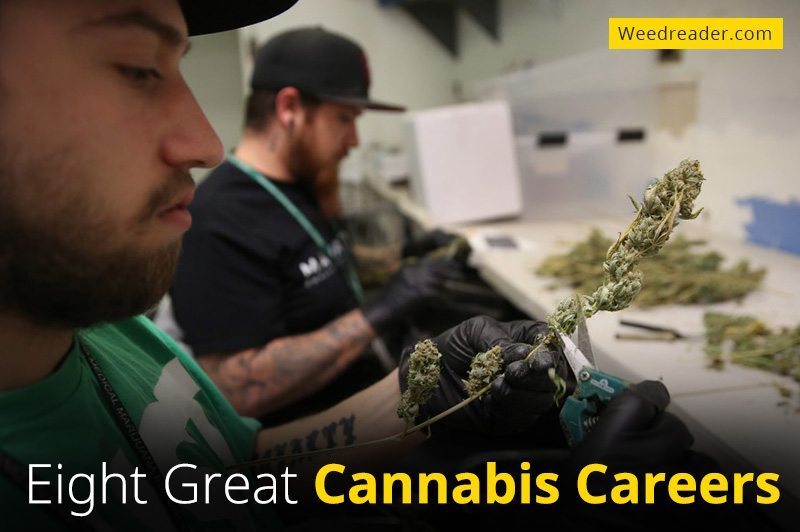
If you’re a marijuana enthusiast who is looking for a new career path, there may be something for you in the cannabis industry. Since marijuana has begun to go legal at the state level across half the nation, new jobs are being created everyday. There are entry level positions and careers that make six figures a year. A quick visit to any marijuana job site and you’ll see listings for various positions. Of course the higher paying positions will require higher qualifications. Fore some positions you might even need a PHD.
We’ve compiled a list of eight popular cannabis careers and some details on each:
Featured image: AP PHOTO/BRENNAN LINSLEY


Smoking weed doesn’t make me a bad person just like going to Church doesn’t make you a good person.
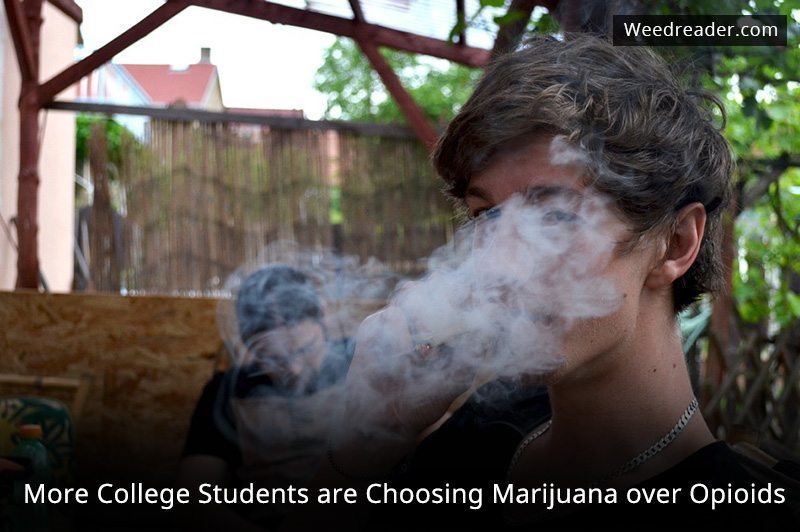
The amount of cannabis being consumed by college students is on the rise, while the use of other drugs like amphetamines and opioids is decreasing. Studies have linked decreases in opioid abuse to the availability of marijuana.
The number of college students who admitted to using pot within the last year was at 30 percent in 2006. This number jumped up 8 percent by 2015, according to a study conducted by the University of Michigan Institute for Social Research.
University students who smoked pot daily reached 6 percent in 2014, the highest it has been in 34 years. However, this number dropped below 5 percent in 2015.
HealthDay believe the perception of risk when it comes to marijuana has dropped among college students. According to the same report, the number of young adults between ages 19 and 22 who perceive marijuana to be dangerous fell from 58 percent in 2003 to 33 percent in 2015.
“This increase in use and decrease in perceived risk of harm regarding marijuana use should be taken seriously by college administrators, parents, and students themselves,” said the co-lead researcher of the study, John Schulenberg. “We know through other research that frequent marijuana use can adversely affect academic performance and college completion,” Schulenberg said in a University news release.
On the bright side, students are using less of other drugs. Nonmedical use of prescription opioid drugs in the past year was at 9 percent in 2006. This number dropped to 3 percent in 2015. This includes commonly abused opioids like oxys, vikes, percs, and Fentanyl. Heroin use even declined from .3 percent in 2005 to .1 percent in 2015.
“It appears that college students, at least are hearing and heeding the warnings about the very considerable dangers of using narcotic drugs,” said the principal investigators of the study Lloyd Johnson, a senior research scientist and research professor at the institute.
The “Monitoring the Future” study surveys between 1,000 and 1,500 college students a year. The study also found that K2 or synthetic marijuana use went from 3.5 percent in 2011 to under 2 percent in 2015. This may be due in part to K2’s growing illegal status and marijuana’s increasing legal status.
In 1999, cigarette usage was at 31 percent. In 2015 it was at 11 percent. This is likely due to the increase in popularity of “e-cigarettes” and vaporizers.
Illicit amphetamine use nearly doubled between 2008 and 2012, when it reached 11 percent. However, fewer than one in 10 students said they used amphetamines in 2015, the study found.
“It appears that the increase in nonmedical use of prescription stimulant drugs may have passed its peak, though about one in 10 college students still report using them in the prior 12 months,” Johnston said.
As more and more college students become aware of the fact that marijuana is a less harmful alternative to opioids, the number of pot users will continue to rise as opioid abuse falls.
The only problem is the DEA keeps putting safer alternatives to opioids on the schedule I list of the Controlled Substances Act. The DEA recently decided to leave marijuana on the schedule I list. Kratom, an herbal supplement that people were using to quit opioids will be moved to the schedule I list by the end of this month.

You may have heard that weed makes you lazy and unmotivated. There are now new studies on weeds impact on motivation. According to the research, stoners are apparently less motivated by things like money. This does not necessarily mean stoners are unmotivated to do anything, it just means different things motivate stoners than non-stoners.
The journal Psychopharmacology did a recent study on whether or not marijuana causes apathy or amotivational syndrome. In the 70s and early 1980s, there was a fair amount of anti-pot propaganda going around. The stigma of marijuana was beginning and parents believed weed caused teenage slacker behavior.
The small-scale study by the journal Psychopharmacology compared two groups. One had 17 members, the other had 20. According to High Times, the study “compares the ability (or interest) of subjects to push the space bar on a keyboard over and over again.”
The more times subjects pressed the spacebar, the more money they received. The amount of money was small but there was no limit on the number of times they could press the bar. Scientists believe that money is considered incentive and if a task involves incentive it requires motivation. They test how many times subjects press the bar when sober and then when stoned.
The study found that even though marijuana might impact motivation while under the influence, there were no long-term effects noted.
“These results support a transient amotivational syndrome caused by acute cannabis administration but do not support a chronic amotivational syndrome associated with cannabis dependence.”
The study also found the amotivational effect from marijuana can be reduced from cannabis with higher levels of cannabidiol (CBD). This is useful information for those who need medical marijuana but also want to live a productive life.
At the end of the day, is it so bad that cannabis smokers end up bored by a repetitive task like pressing a space bar over and over for small amounts of money? I highly doubt someone stoned is going to refuse a simpler task for higher rewards. Perhaps stoners are just more conscious of how they spend their time. Stopping to think about whether the effort and boredom are worth the reward.
Hopefully, pot motivates you to do something that interests you more instead. Unfortunately, some people choose to get stoned and spend their time sitting around but maybe they’d do that even without the pot. More than a small-scale study would need to be accomplished to determine whether or not marijuana creates slacker behavior.
This experiment does not prove marijuana causes an overall lack of motivation. It just illustrates the effects marijuana can have on those under it’s influence. Some people might view the way marijuana causes a lack of interest in superficial things as beneficial. It really all depends on what you’re looking to get from your marijuana experience.
Perhaps if stoners are given a more interesting or creative task to accomplish they’d be more motivated. A different study would have to be conducted to find out if marijuana causes amotivational syndrome or just a lack of interest in passionless tasks.
image credit: shutterstock